Uncategorized

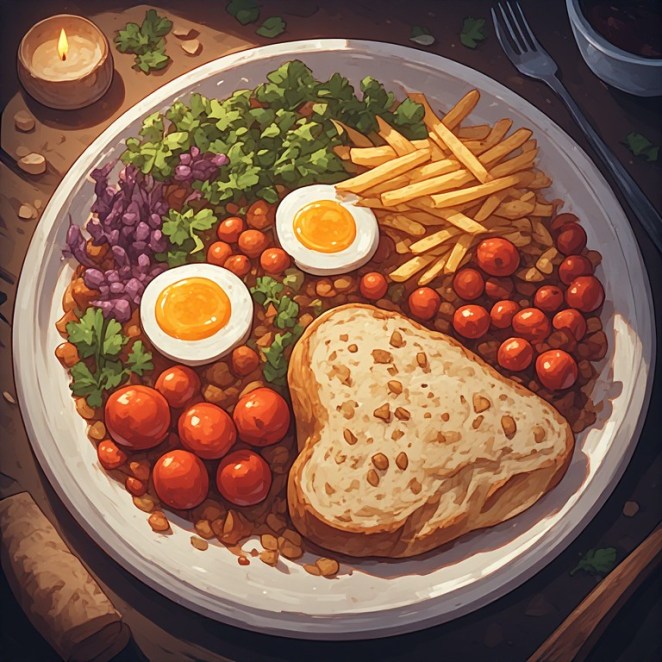
5 Food Changes That May Help Fibromyalgia Symptoms

Fibromyalgia doesn’t have a magic food cure — unfortunately, nobody has invented the anti-pain taco yet.

But some dietary habits can help support energy levels, inflammation, sleep, and overall symptom management for some people with fibro.

And honestly? When your body already feels like it’s running a group project with zero communication, even small improvements matter.

Here are five smart food-related changes many fibromyalgia sufferers find helpful.

1. Focus on Protein Instead of Sugar Crashes

Fibro fatigue already hits hard enough without your blood sugar joining the chaos.

Eating more protein throughout the day can help support steadier energy levels and may reduce the “I suddenly need to lie face-down on the floor” feeling after carb-heavy meals.

Easy options:

  • eggs
  • yogurt
  • chicken
  • protein shakes
  • peanut butter
  • cheese sticks

2. Stay Hydrated (More Than You Think You Need To)

Dehydration can worsen:

  • fatigue
  • headaches
  • dizziness
  • muscle pain

A lot of fibro sufferers notice they feel noticeably worse when they’re not drinking enough water.

No, water won’t cure fibromyalgia.
But sometimes it does keep your body from acting even more dramatic than necessary.

3. Pay Attention to Foods That Trigger You Personally

Some people with fibromyalgia notice certain foods make symptoms worse, including:

  • highly processed foods
  • excess sugar
  • alcohol
  • artificial sweeteners

Not everybody reacts the same way, though.

Fibro is basically the “your mileage may vary” disorder of chronic illness.

Keeping a simple food/symptom journal for a couple weeks can sometimes reveal patterns you didn’t notice before.

4. Add More Anti-Inflammatory Foods

Research suggests some fibromyalgia sufferers may benefit from anti-inflammatory eating habits.

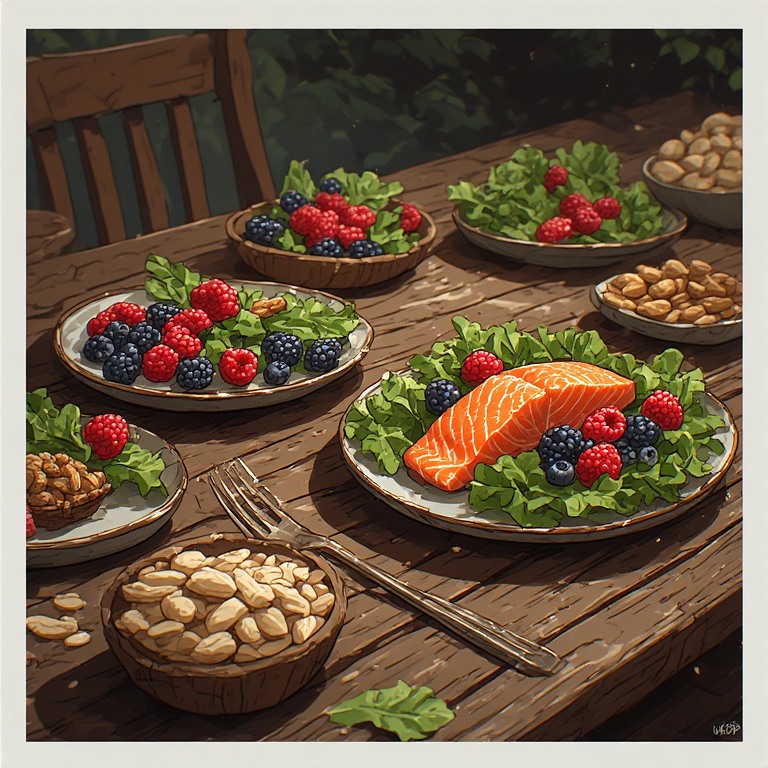
Foods commonly linked with lower inflammation include:

  • berries
  • leafy greens
  • salmon
  • olive oil
  • nuts
  • beans

Tiny lifestyle choices don’t fix fibro, but they can sometimes help lower the overall stress load on the body.

5. Eat Regularly — Even on Low-Energy Days

Skipping meals can make:

  • fatigue worse
  • brain fog worse
  • mood crashes worse

And fibro + hunger + exhaustion is a terrible combo.

Even something small is better than accidentally realizing at 4 PM that your body has been running entirely on caffeine and spite.

Final Thought

Food is not a cure for fibromyalgia, and nobody should make you feel like you could “eat healthy enough” to magically stop being sick.

But supporting your body where you can does matter.

Sometimes symptom management is less about finding one giant solution and more about stacking small helpful choices together whenever possible. Til next time gang, news to share maybe a life update coming, take care of yourselves, and each other!

Uncategorized

The “I Can’t Move or Think” Days: Fibro Fatigue Meets Depression

There are days where it’s not just tired.

It’s not “I didn’t sleep well.”
It’s not “I need more coffee.”

It’s:

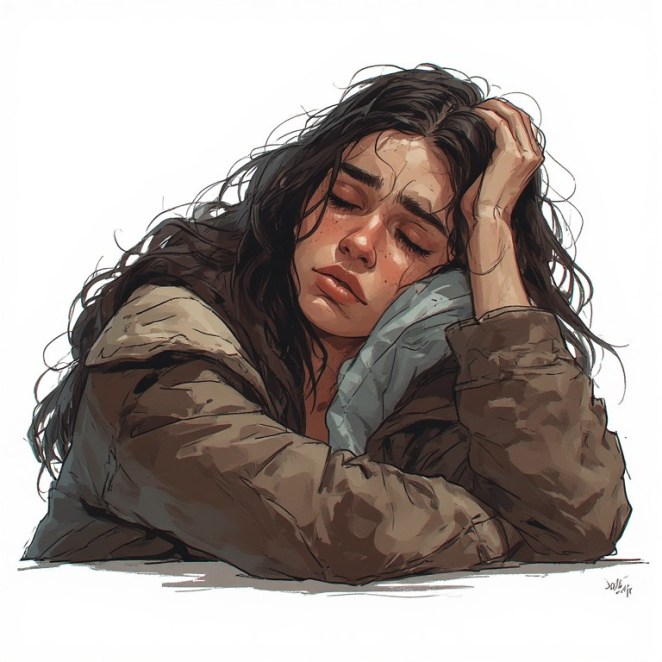
When fibromyalgia fatigue and depression hit at the same time, they don’t take turns. They stack. And suddenly, even the smallest things feel impossible.

Getting out of bed feels like lifting weights.
Answering a text feels like solving a puzzle.
Making a simple decision feels like your brain just… shuts off.


What’s Actually Happening (and why it’s not “just in your head”)

Fibromyalgia isn’t just pain—it affects the nervous system in a way that can drain your energy at a deep, physical level. Research shows that people with fibromyalgia often experience central nervous system sensitization, which can amplify fatigue and make normal effort feel overwhelming.

Add depression into the mix, and your brain is dealing with low motivation, slowed thinking, and reduced energy regulation. Depression isn’t just emotional—it affects how your brain processes effort and reward.

So when both hit at once, it’s not a mindset issue.


What These Days Actually Look Like

These are the days where:

  • You stare at your phone and can’t process what you’re reading
  • You want to do something—anything—but can’t start
  • You feel heavy, foggy, disconnected
  • You start questioning yourself (“Why can’t I just get up?”)

And the worst part?

You know what you “should” be doing.
You just can’t access the ability to do it.


The Shift That Helps (even a little)

On these days, the goal can’t be productivity.

It has to be survival and support.

That might look like:

  • doing one tiny thing instead of ten
  • choosing rest before you crash harder
  • lowering expectations without guilt
  • letting “enough” actually be enough

Because pushing through this kind of exhaustion doesn’t build strength—it usually makes the next day worse.


A small truth worth holding onto

These days feel like failure, but they’re not.

They’re part of living in a body and brain that sometimes need more care than cooperation.

And if all you did today was exist through it?

That still counts. Til next time gang, take care of yourselves, and each other.

Uncategorized

10 Completely Reasonable Ways to Distract Yourself From the News (Before You Spiral)

The news lately?

Yeah. No.

At some point, your brain just taps out and says,

And honestly? That’s valid.

If you’ve hit your limit (or passed it three headlines ago), here are 10 completely reasonable, absolutely not chaotic ways to distract yourself from the news.


1. Open a game and pretend you are a simple farmer with zero responsibilities

Water crops. Feed animals. Ignore reality.

No wars. No stress. Just vibes and slightly aggressive chickens.

10/10 coping mechanism. Live in your own little world, they know you there.


2. Reorganize something that absolutely does not need reorganizing

  • junk drawer
  • spice cabinet
  • phone apps
  • that one bin of “miscellaneous things”

Will this fix anything? No.
Will it make you feel like you have control? Also no.
Will you do it anyway? Yes.


3. Google something completely useless and go down the rabbit hole

Examples:

  • “why do cats scream at night”
  • “can octopus feel emotions”
  • “how many raccoons could fit in a car”

Congratulations, you now know everything except what you were supposed to.


4. Start a new hobby for 17 minutes

  • crochet
  • drawing
  • journaling
  • learning a language

You will:

  • get mildly invested
  • question your life choices
  • abandon it shortly after

This is part of the process. I have tried all of the above. Does it work? No. Nada funciona.


5. Deep clean one very specific area

Not the whole house. That’s unrealistic.

Pick something oddly specific:

  • one counter
  • one shelf
  • one corner

Now stand back and admire your tiny kingdom of order. That corner has never shined so bright.


6. Eat something comforting and call it emotional support food

This is not about nutrition.

This is about survival.

Snacks count.
Cereal counts.
That random combination of things you found in the kitchen? Also counts. Snickers? 10/10, and the peanuts are good for you, so bonus!


7. Put on a show you’ve already seen 47 times

New content requires brainpower.

We do not have that.

Pick something familiar and let it play while you exist nearby.


8. Sit in silence and disassociate just a little bit

Not fully. Just… lightly.

Like:

  • staring into space
  • forgetting what you were doing
  • mentally buffering

A gentle system reboot. Having done the control+alt+delete reboot trust me, the disassociating gently for a moment is the way to go.


9. Text someone something completely unrelated to reality

Examples:

  • “if animals wore shoes would they wear 4 or 2”
  • “I think I could survive in the wild for 3 hours”
  • “what’s your comfort snack right now”

Connection, but make it chaotic.


10. Decide you’re done with the news for today

This is the big one.

You are allowed to:

  • turn it off
  • step away
  • not consume every update
  • not carry the weight of everything happening

Staying informed does not mean staying overwhelmed.


Final Thought

The world might be chaotic, loud, and overwhelming right now.

But you are still allowed to:

  • laugh
  • rest
  • distract yourself
  • take breaks

Stepping away from the news doesn’t mean you don’t care.

It just means your brain is trying to protect you.

And honestly? That’s a pretty smart system. Til next time gang, take care of yourselves, and each other!

Uncategorized

Top 8 Things That Actually Help on Flare Days

Flare days don’t care about your plans.

They show up uninvited, wreck your energy, steal your focus, and basically laugh at your to-do list while you stare at the ceiling wondering what your body is doing this time.

Over time, though, most of us learn something important: fighting a flare usually makes it worse, but working with it can make the day more manageable.

These aren’t miracle cures or magical fixes. They’re just real things that actually help make flare days survivable.

Here are the top 8 things that actually help on flare days.

1. Rest early instead of pushing through
The biggest mistake most of us make is trying to power through the beginning of a flare. Resting early can sometimes shorten the crash and keep things from spiraling into a full shutdown.

2. Drink more water than you think you need
Dehydration makes pain, fatigue, and brain fog worse. Staying hydrated won’t cure a flare, but it can prevent things from getting even harder.

3. Eat simple, easy food
Flare days are not the time for complicated meals. Simple food keeps your energy stable and helps your body focus on getting through the day instead of struggling to function.

4. Lower expectations immediately
This one is huge.
Instead of trying to do everything, pick one or two small priorities and let the rest go. Survival mode is still a valid mode.

5. Use comfort tools without guilt
Heating pads, blankets, comfy clothes, quiet spaces, dark rooms — these aren’t luxuries on flare days. They’re tools that help your body cope.

6. Keep your environment calm and quiet
Less noise, less chaos, less stimulation.
A calm environment gives your nervous system a break and can reduce stress on an already overwhelmed body.

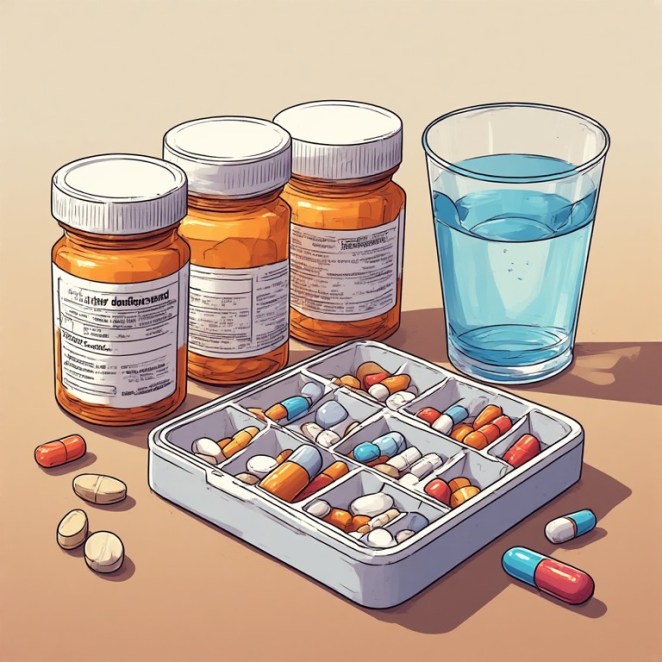
7. Take medications or treatments on schedule
Waiting until things get unbearable usually makes recovery harder. Taking prescribed medications or using approved treatments on time can help keep symptoms more manageable.

8. Give yourself permission to do less
This might be the most important one.
Flare days are not failures. They’re part of living with a body that needs extra care sometimes. Doing less on a flare day isn’t giving up — it’s adapting.

Final Thought

Flare days are frustrating, exhausting, and unpredictable. But they don’t mean you’re weak or lazy or failing at life.

They just mean your body needs more support that day.

And sometimes the strongest thing you can do is slow down, take care of yourself, and get through the day the best way you can. Til next time gang, take care of yourselves, and each other.

Uncategorized

How I Know I’m Overstimulated (Before I Start Snapping at Everyone)

Lots of stuff floating through my brain guys. I havent been around because full disclosure I don’t know if I want to do this anymore. I feel like I’m screaming into a dark void and nothing is coming back LOL. I started this to help people like me, but also help ME, so I will keep it but you might see changes soon. I’ll probably just go down a package with wordpress but I’m still deciding. Anyway, thats for another day, now lets talk OVERWHELM. There’s a very specific moment where I go from “functioning human” to “if one more person breathes near me I will lose it.”

And unfortunately, I don’t always notice it before I’m already irritated at… everything. Then others point out I’m cranky. As if I am ever anything less than a delight LOL

So here are the signs I’ve learned to catch before I turn into the world’s most overwhelmed mom with zero patience and a twitchy eye

1. Everything suddenly feels… louder than it should be

The TV isn’t even that loud. Nobody is yelling.
But somehow it feels like I’m trapped inside a blender.

Bonus points if multiple sounds are happening at once and my brain just goes “nope.”

2. I get irrationally annoyed at normal human behavior

Someone asking a simple question? Annoying.
Someone walking into the room? Also annoying.
Existing? Honestly… offensive.

This is usually my first clue that the problem is not actually them.

3. My patience drops to zero in 2.5 seconds

I go from “sure, babe” to internally screaming in record time.

Tiny inconveniences feel personal.
Like the universe specifically chose me for suffering because the remote is missing.

4. My body feels tense for no reason

Shoulders up by my ears
Jaw clenched
That low-key “I might cry or scream, we’ll see” feeling

Love that for me.

5. I can’t focus on anything (but also can’t rest)

I try to scroll, watch something, do a task…

…and my brain is just buffering.

It’s like being tired and wired at the same time, which is a special kind of awful.

What I Actually Do About It (aka damage control)

This is not a “perfect self-care routine.”
This is “what can I realistically do before I snap at someone I love.”


✔️ 1. Reduce input immediately

Turn something off.
Lower the volume.
Leave the room if I can.

Less noise = less rage.


✔️ 2. Say it out loud (before it comes out wrong)

“I’m overstimulated.”

That’s it. No speech. No explanation.

It buys me space without starting a fight I didn’t mean to start.


✔️ 3. Change the environment

Dim lights
Different room
Sit in the car for a minute like a gremlin

A small shift helps more than I expect every time.


✔️ 4. Give myself a “no expectations” reset

I stop trying to be productive, patient, or pleasant.

We are in survival mode now.

Even 10–15 minutes helps take the edge off.


✔️ 5. Do something mindless on purpose

Scroll
Play a chill game
Watch a comfort show.
Fold laundry slowly.

The goal is not productivity.
The goal is not snapping.

The part I have to remind myself of

Being overstimulated doesn’t mean I’m failing.

It means:

  • too much input
  • not enough capacity
  • and my brain is waving a tiny white flag

The earlier I catch it, the less damage control I have to do later. Til next time gang. Take care of yourselves, and each other.

Uncategorized

Apparently I’m “Pre-Diabetic” Now. Love That For Me.

So.

It turns out my body has opinions about carbohydrates.

Strong ones.

Not “you can’t have carbs” opinions.
More like, “Oh, you wanted toast? That’s cute. I’m going to overreact for sport.”

Some people eat a cinnamon roll and go about their day.

I eat one hash brown and my internal operating system goes:

And honestly? Rude.


What Even Is Pre-Diabetes?

From what I can tell, it means:

My blood sugar doesn’t go fully off the rails…
It just gets a little theatrical.

Like:

  • “We’re fine.”
  • “We’re fine.”
  • “Why am I suddenly exhausted and questioning my life choices?”

It’s not diabetes.
It’s not chaos.
It’s just my body saying, “Maybe don’t raw-dog 40 grams of carbs alone.”

Which feels excessive.


The Betrayal of “Healthy” Carbs

Multigrain toast? Suspicious.
Hash browns? Questionable.
Cereal? Criminal.

I used to believe that if it said “whole grain” it meant “emotionally safe.”

Turns out it means, “Less bad. Still a carb.”

I would like to file a complaint.


The Energy Crash That Feels Personal

Here’s how it goes:

  1. Eat something reasonable.
  2. Feel fine.
  3. Suddenly become a Victorian woman who must lie down immediately.

No warning.
No dramatic sugar coma.
Just a sudden power-down like I forgot to plug myself in.

And because I have other health quirks, it’s a fun game of:

  • Is this blood sugar?
  • Is this iron deficiency?
  • Is this fibro?
  • Is this stress?
  • Is this just existing?

The answer is always: “Yes.”


The Annoying Part

The solution isn’t extreme.

It’s not keto.
It’s not fasting.
It’s not eliminating joy.

It’s just… mild responsibility.

And frankly, I was hoping to avoid that.


The “Fine. Whatever.” Modifications

After much dramatic internal negotiation, here’s what I’ve accepted:

1. Protein is the chaperone.

Carbs apparently need supervision.

Eggs. Chicken. Sausage. Greek yogurt.
If carbs show up alone, things get weird.

So now carbs need an adult present.


2. Walking Is Unfairly Effective.

Ten minutes of walking after a carb-heavy meal?

It works.

I hate that it works.
But it works.

Apparently muscles use glucose when you move them.
Who authorized this design.


3. Smaller Portions Hurt No One.

Two corn tortillas?
Fine.

Four?
Now we’re doing interpretive metabolic dance.

Moderation is boring.
But also effective.
Again: rude.


4. Don’t Drink Your Carbs.

This one was the betrayal.

Juice? No.
Regular soda? Absolutely not.
Even “healthy” smoothies? Suspicious.

Liquid sugar is basically a speed run to regret.


5. Stop Panicking Over One Number.

One spike is not destiny.
One crash is not failure.
One weird afternoon is not a diagnosis.

Bodies fluctuate.
Especially bodies juggling stress, hormones, iron deficiency, sleep, and the emotional weight of being human.


The Bigger Realization

Glucose sensitivity isn’t a moral failing.

It’s not laziness.
It’s not punishment.
It’s not my body “going to hell.”

It’s just feedback.

Annoying feedback.
But useful.

My body isn’t broken.
It’s just asking for steadier fuel.

Which is deeply inconvenient for someone who would happily live on bread.


The Part Where I Pretend to Be Mature

So here’s the deal I’ve made:

  • I will not eliminate carbs.
  • I will not spiral over every number.
  • I will pair carbs with protein.
  • I will walk when I can.
  • I will fix the iron deficiency that’s probably amplifying everything.

And I will absolutely still eat tacos.

Just… responsibly.

Which feels unnecessary.
But here we are.


Final Thought

If you’re noticing your energy tanking after certain meals, you’re not dramatic.

You might just be glucose-sensitive for whatever reason.

And that doesn’t mean your life is over.

It just means your toast needs supervision.

Which is annoying.

But manageable. Til next time gang, take care of yourselves, and each other!

Uncategorized

Things My Body Now Treats Like Emergencies That Absolutely Are Not

There was a time when my body was reasonable. Predictable. Low-maintenance.

Now it responds to Tuesday like it’s defusing a bomb.

I didn’t get a memo about this transition, but apparently we’ve arrived.

Here are some aggressively normal activities my body now interprets as acts of violence:

1. Sleeping Wrong (Which Is Every Night)

I go to bed fine.

I wake up like I got jumped in an alley.

Neck locked at 45 degrees.

Shoulder screaming in a language I don’t speak.

Lower back staging a coup.

All from lying completely still for seven hours.

My pillow is apparently a weapon now.

2. Standing Up After Sitting

Used to be automatic.

Now there’s a loading screen.

Everything has to reconnect and remember its job.

Knees especially need a full system reboot.

Sometimes they cooperate.

Sometimes they threaten to retire on the spot.

3. Waiting Twenty Minutes Too Long to Eat

Hunger used to build gradually.

Now it’s:

Totally fine → Totally fine → Totally fine → DEFCON 1

Hands shaking.

Vision blurry.

Personality gone.

Like my blood sugar believes we’re in the final act of a survival movie.

4. Choosing the Wrong Sleep Position

There’s apparently one correct way to sleep.

I don’t know what it is.

My body won’t tell me.

But I’ll know I got it wrong because I’ll spend Thursday through Sunday moving like I’m made of plywood.

5. Standing Up At Normal Speed

Sometimes when I stand, the lights go out briefly.

Not long.

Just a quick blackout.

Like my brain needs a second to catch up to what my legs are doing.

Keeps me humble.

6. Eating Dinner After 7 PM

Doesn’t matter what it is.

Could be a salad.

Could be toast.

If it’s past some invisible deadline, my esophagus declares war.

Heartburn.

Regret.

Three hours of wondering why I didn’t just skip dinner entirely.

7. Being Tired

Used to mean I just needed sleep.

Now my entire operating system shuts down.

Memory: gone.

Patience: gone.

Ability to complete sentences: also gone.

I become a different, significantly worse person until I sleep for nine hours.

8. Lifting Something Moderately Heavy

Picked up a bag of dog food.

Twisted slightly while putting it down.

That was four days ago.

My back is still filing incident reports.

9. Moving the Wrong Amount

Too much movement: problem.

Not enough movement: also a problem.

There’s a Goldilocks zone somewhere between “completely sedentary” and “walked to the mailbox.”

No one knows where it is.

It changes daily.

10. Waking Up

Sometimes I wake up sore for no reason.

Didn’t work out.

Didn’t do anything physical.

Just existed through the night.

Apparently that’s enough now.

The Real Issue

It’s not that everything hurts.

It’s that everything has a price now.

Nothing’s free anymore.

Want to sleep? That’ll cost you your neck.

Want to sit? Your hips will remember.

Want to eat something after 8 PM? Say goodbye to your evening.

Every single action requires a risk assessment.

Is this worth three days of consequences?

Will I regret this small choice on Thursday?

My body used to come with a warranty.

Now it comes with terms and conditions that keep getting longer.

And I never agreed to any of it.
Til next time gang, take care of yourselves, and each other!

Uncategorized

Totally Reasonable Things I’ve Cried About Recently

I’d like to start by saying I am mentally stable.

Unfortunately, the evidence does not support this claim.

In my defense, none of these were dramatic public meltdowns. These were private, dignified emotional collapses. The kind where you stare at a wall and question your entire operating system.

Here are some of the completely reasonable, fully justified things that have recently broken me.


1. Dropping Something

Not the act itself.

The realization of what comes next.

Because dropping something isn’t just dropping something. It’s a full decision tree.

Do I pick it up now?
Do I leave it there and pretend it doesn’t exist?
Do I reorganize my entire life around avoiding that specific area of the floor?

The object now lives there. This is its home. I am its neighbor.


2. Being Hungry, But Nothing Feeling Worth It

This is a special kind of psychological warfare.

You’re hungry. Your body is sending signals. But every single food option feels like an insult.

Nothing sounds good. Nothing feels doable. Everything requires effort I do not possess.

I once stared into my refrigerator like it had personally betrayed me.

It knew what it did.


3. Being Too Tired to Do the Thing I’ve Been Waiting to Do All Day

This one feels especially personal.

You finally have time. The house is quiet. The moment has arrived.

And your body is like, “Absolutely not.”

The betrayal is staggering.

I had plans. Dreams. Mild intentions.

Now I have a blanket and resentment.


4. Dropping Something Again After I Just Picked Something Else Up

This is targeted harassment.

There is no other explanation.


5. Feeling Overwhelmed by Completely Normal Responsibilities

Nothing dramatic. Just basic, everyday tasks.

Replying to a message. Making a phone call. Deciding what to do next.

Individually, they are manageable.

Collectively, they form a powerful emotional boss battle.


6. Being Touched by My Own Shirt Incorrectly

There are moments when fabric becomes the enemy.

Suddenly the sleeve is wrong. The collar is wrong. Everything is wrong.

I don’t know what changed.

But I know I cannot go on like this.


7. Being Exhausted by Something That Shouldn’t Be Exhausting

You ever do one normal thing and your body reacts like you just completed a wilderness survival challenge?

Same.

I did not climb Everest.

I sat upright too long.


8. Realizing I Still Have to Do This Again Tomorrow

This one sneaks up on you.

You finish the tasks. You survive the day.

And then it hits you.

This is a recurring series.

There is no series finale.


9. Something Small Finally Being the Last Straw

Not a big thing.

A small thing.

A stupid thing.

The emotional equivalent of a Jenga piece.

And suddenly the entire structure collapses and you’re sitting there wondering how we got here.


10. Absolutely Nothing Specific

Sometimes there is no reason.

Just a vague sense of overwhelm. Of fragility. Of existing inside a nervous system that has its own agenda.

No trigger. No explanation.

Just vibes.

Bad vibes.


Closing Thoughts

The thing about crying over “small” things is that it’s rarely about the small thing.

It’s about the accumulation.

The constant adjusting. The constant managing. The constant existing inside a body and brain that require more negotiation than expected.

Sometimes crying is not a breakdown.

Sometimes it’s just a system reset.

Still inconvenient.

But necessary. Til next time gang, take care of yourselves, and each other.

Uncategorized

Normal Things That Now Require Project Management

At some point, without your consent, you were promoted to CEO of Existing, Inc.

You did not apply for this role.
You do not remember interviewing.
There is no HR department.
There are no sick days.

But somehow, every basic human task now requires a full-scale operational strategy.

Example: Leaving the House

This is no longer “put on shoes and go.”

This is now a multi-phase initiative involving:

Phase 1: Forecasting

You must analyze projected variables, including but not limited to:

  • Current pain levels
  • Predicted pain levels
  • Weather (your nemesis)
  • Duration of outing
  • Availability of seating
  • Distance from parking to destination
  • Whether the building was designed by someone who hates humanity

Phase 2: Resource Allocation

You assemble supplies like you’re preparing for a polar expedition:

  • Medications
  • Water
  • Backup medications
  • Emotional support snacks
  • Backup emotional support snacks in case the first emotional support snacks fail emotionally
  • Phone charger
  • Backup charger because betrayal is everywhere

Phase 3: Contingency Planning

You must prepare for possible catastrophic scenarios such as:

  • Unexpected stairs
  • No seating
  • Loud environments
  • Temperature extremes
  • Your body suddenly filing a formal complaint

This includes identifying exit strategies and recovery plans.

Phase 4: Risk Assessment

You ask yourself critical executive-level questions such as:

  • Is this worth tomorrow’s consequences?
  • Will Future Me be furious?
  • Am I about to ruin Thursday by attempting Tuesday?

Phase 5: Executive Override

Despite all data suggesting this is a terrible idea, you go anyway because you are a human being who would like to participate in your own life occasionally.

Bold. Visionary. Reckless.

Deliverables

Upon completion of this task, you will receive:

  • Extreme fatigue
  • A flare
  • Zero financial compensation
  • And the overwhelming sense that you just completed something equivalent to summiting Everest, but everyone else calls it “running an errand”

Performance Review

You will be evaluated by:

  • Your nervous system
  • Your immune system
  • Your guilt
  • And society, which will say, “But you don’t look sick.”

Mission Statement of Existing, Inc.:

Uncategorized

The Unhelpful Advice Hall of Fame

(Inductees Chosen for Outstanding Contributions to Missing the Point)

There are two kinds of advice in the world:

  1. Useful.
  2. Enthusiastically useless.

Today, we honor the second category.

Welcome to the Unhelpful Advice Hall of Fame — a carefully curated collection of statements that have survived decades despite helping absolutely no one.

Please hold your applause. Or don’t. It won’t change anything.

🏆 Inductee #1: “Have you tried yoga?”

Yes.

I have also tried stretching, resting, hydration, optimism, and briefly considering becoming a houseplant.

Yoga is lovely. It is not a firmware update for my nervous system.

Next.

🏆 Inductee #2: “You just need to push through it.”

Ah yes. The classic strategy of overriding biology with vibes.

If “pushing through” worked long-term, no one would burn out. No one would flare. No one would collapse two days later wondering why their body sent them a strongly worded letter.

I don’t lack effort. I lack unlimited reserves.

🏆 Inductee #3: “Everyone gets tired.”

Correct.

And everyone gets hungry. That doesn’t make famine a personality flaw.

There is a difference between “I stayed up too late” tired and “my cells are filing a union complaint” tired.

We can respect nuance.

🏆 Inductee #4: “You’re too young to feel this way.”

I wasn’t aware age functioned as a warranty.

Bodies are not cars. There is no mileage-based fairness system. If there were, I’d like to speak to management.

🏆 Inductee #5: “You just need to think positive.”

I do think positive thoughts.

I also think realistic ones.

Positivity is not a structural support beam. It’s a throw pillow. Decorative. Occasionally helpful. Not load-bearing.

🏆 Inductee #6: “At least it’s not worse.”

This one wins for optimism with a side of existential dread.

You’re right. It could always be worse.

It could also be better.

We don’t have to race to the bottom to validate discomfort.

🏆 Inductee #7: “Maybe it’s stress.”

Maybe.

And maybe stress is also a biological event, not a moral weakness.

Also, if the solution to stress were “simply relax,” the spa industry would have ended human suffering by now.

🏆 Inductee #8: “Have you tried cutting out gluten/dairy/sugar/joy?”

I appreciate the commitment to dietary experimentation.

However, if eliminating bread were the cure for complex medical conditions, Italy would not exist.

🏆 Inductee #9: “But you look fine.”

Thank you. I moisturize.

Looking fine is not the same as being fine. Packaging can be deceiving. Ask any online order I’ve ever received.

🏆 Inductee #10: “You just need more discipline.”

If discipline cured chronic illness, high-achievers would be immortal.

Sometimes the issue isn’t willpower. It’s capacity. And capacity does not respond to shame-based motivational speeches.

Honorable Mention: Silence

Sometimes the most helpful response is:

“That sounds hard.”

No fix. No pivot. No silver lining.

Just acknowledgment.

It turns out being believed is far more effective than being optimized.

If you’ve ever nodded politely while mentally nominating someone for this Hall of Fame, you’re not ungrateful. You’re tired.

Advice is easy. Listening is harder.

And if nothing else, at least we can laugh — carefully, responsibly, with proper hydration — about the fact that some phrases will apparently outlive us all. Til next time gang, take care of yourselves, and each other!