


For years, rejection has been a constant presence and the fear of it hindered many important moments in my life, if only I’d known how common of a thing it was, maybe I could have talked with someone who would have understood, made myself feel a little less isolated. So tonight I wanted to talk a little bit about something I wish I knew then, maybe if someone else is aware of it they could be like OMG ME TOO! And feel at least a little less alone.

For many with ADHD, even minor incidents of perceived rejection can trigger an overwhelming flood of negative emotions that feel utterly unbearable. This phenomenon, known as rejection sensitive dysphoria or RSD, causes what should be a mild feeling of disappointment or sadness to escalate rapidly into intense emotional agony.
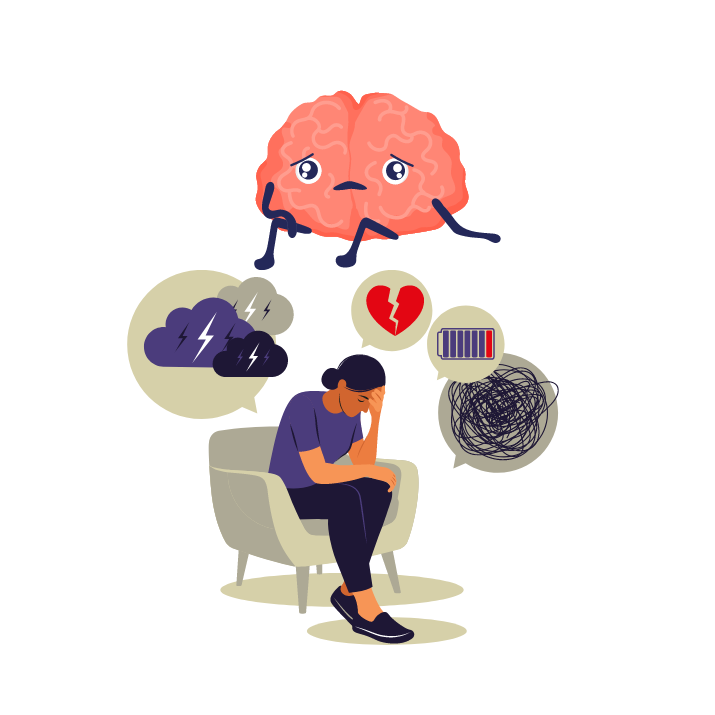
The dysphoria from RSD is described as a “wounded” feeling, where the emotional pain and hurt from the rejection consumes every thought. It’s not just being sad or upset – it’s a visceral, physical sensation of being acutely injured by the rejection. Small critiques or casual teasing that would roll off most people’s backs can send the ADHD brain spiraling into self-loathing, anxiety, depression and even anger or lashing out.
This emotional dysregulation and inability to keep emotions within a normal range is thought to be hard-wired into the ADHD brain. The regions that regulate emotional responses and pain perception may be wired differently, causing the brain to treat perceived rejection as incredibly painful, personal attacks rather than minor slights. What feels like a subtle social cue to others is processed as deep, searing rejection.
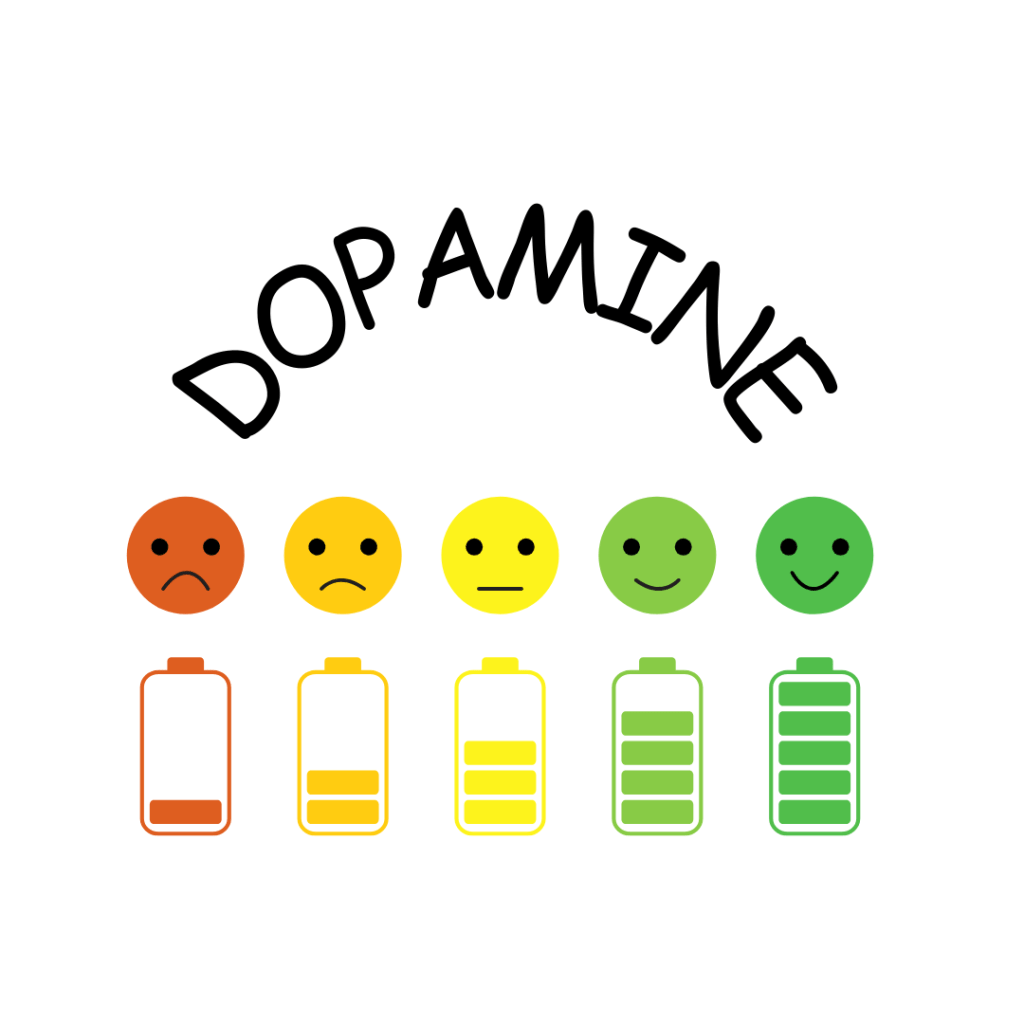
ADHD brains are also more sensitive to dopamine levels, the neurotransmitter linked to motivation and reward. So rejection feels more punishing, with the sting of failure and negative reinforcement hitting harder. This hypersensitivity fuels the RSD response, where any critique or rejection is blown out of proportion into something viscerally agonizing.

While everyone dislikes rejection, the RSD reaction goes far beyond the typical human experience. It’s a level of emotional turmoil described as “unbearable” and “devastating” by those who suffer from it. Managing these intense emotions is one of the most disruptive and impairing aspects of living with ADHD.
Til next time gang, you know what to do.

Discover more from WannaBeNormal
Subscribe to get the latest posts sent to your email.

 WannaBeNormal