Uncategorized

Healing Out Loud: What It Looks Like to Unlearn a Lifetime of Self-Gaslighting

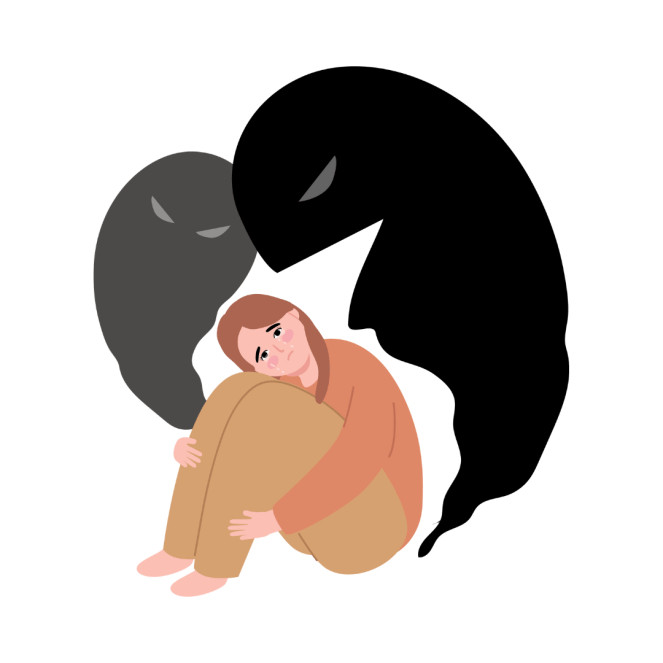
For many of us who live with chronic illness, ADHD, bipolar disorder, trauma, or just the fallout of a childhood where vulnerability wasn’t safe, the idea of trusting our own thoughts and feelings is… complicated. We don’t just second-guess ourselves—we override ourselves. We self-gaslight.

“It’s not that bad.” “I’m just being dramatic.” “Other people have it worse.” Sound familiar? That’s not humility. That’s internalized invalidation, and it’s one of the cruelest things we do to ourselves.

What is Self-Gaslighting?
Self-gaslighting is when you question or dismiss your own reality, often as a learned response from years of being invalidated by others. According to therapist Stephanie Moulton Sarkis PhD, this pattern often forms in people who have experienced emotional abuse or childhood neglect.¹ It’s a survival mechanism that becomes self-sabotage.

And it’s common—especially in neurodivergent and chronically ill communities. Studies have shown that women are especially likely to have their symptoms dismissed or misdiagnosed, leading to a long-term mistrust of their own internal cues. For example:

  • Up to 50% of women with ADHD are misdiagnosed with anxiety or depression first.²
  • 1 in 5 people with bipolar disorder go undiagnosed for more than a decade.³
  • Chronic pain conditions like fibromyalgia are disproportionately underdiagnosed and stigmatized, especially in women.⁴

“I Hate Needing Help”: The Roots of Self-Gaslighting and How I’m Unlearning the Lie

I hate needing help. Like… viscerally. It makes me feel less than, and not in some abstract way — in the deep, core-wounding kind of way. And it didn’t come from one trauma or a single toxic person. It came from a thousand tiny, normalized moments that stacked up over time, whispering that needing help was weak. That I was weak.

I grew up steeped in traditional expectations most of us did at my age: men work hard and provide, women do everything else. Even if she worked outside the home, the mom still handled the doctor appointments, the homework folders, the mental load of everyone’s everything. I saw it play out every day. When the school called home, they didn’t call my dad — even though he worked at the same place as my mom. They called her. Because, of course they did.
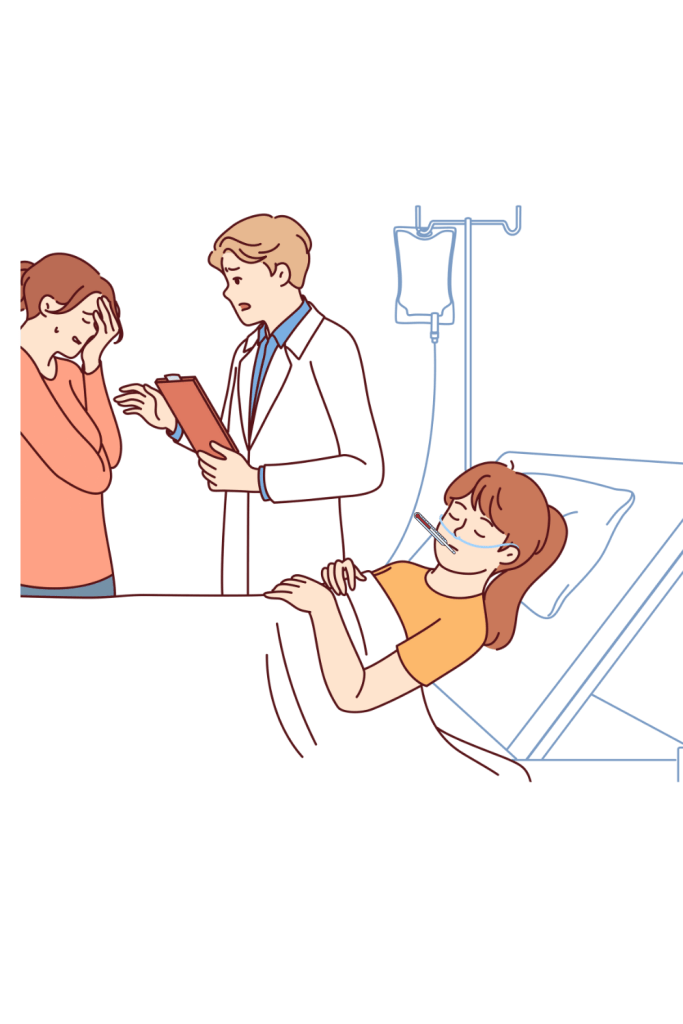
One of my earliest memories of being “too much” started when I was seven and sick — fever, sore throat, the works. I said I was hurting, but everyone figured I was just being dramatic. (To be fair, I am dramatic, but I was also SEVEN and clearly not faking it.) They took me to the doctor, got me antibiotics, and figured that was that. But I wasn’t getting better.

Eventually — after more crying, more pain, and more dismissal — my Gram told my Mom to take me to a backup pediatrician because my doctor happened to be out of the office that day. That man took one look at me and told my mom, “She needs to go to the ER. Now. Her appendix is rupturing.”

He didn’t mince words: “She’s small. If the infection spreads, it could be too late.”

The surgery happened that night. It turned out my appendix had been leaking slowly — poisoning my body while I was being told I was too sensitive, too loud, too whiny. And sure, they saved me (yay!)… but the version of the story that stuck in my head wasn’t about how I survived. It was about how much of a burden I was.

To this day, my mom recalls how she had to carry my “heavy ass” because I couldn’t walk. Now, was I actually heavy? No. I was maybe 45 pounds of dead weight and fever. But it embedded this core belief in me: I’m dramatic. I’m too much. I’m inconvenient.

That belief stayed with me. Through childhood. Through my first marriage. Through flare-ups of chronic illness. Through postpartum depression. Through ADHD paralysis. Through years of pushing myself past the edge so no one would see me as “lazy.”

When people doubted my pain — or worse, when I doubted it myself — I swallowed it. I thought maybe I was just being dramatic. Maybe I should be able to handle it all. After all, other people have it worse, right?

That’s self-gaslighting. And it’s insidious.

It’s the voice that says:

  • “It’s not that bad. You’re overreacting.”
  • “You’re not really in pain, you’re just tired.”
  • “You could do this if you tried harder.”

It’s what kept me quiet when I needed help the most.

But therapy — lots of therapy — helped me finally unravel it. It took years, but I finally get it now:

  • You don’t have to earn rest.
  • You’re not a burden for having needs.
  • You’re not weak for needing help.
  • Other people can have it worse AND your situation can still suck.
  • You are allowed to ask for support before you collapse.

And honestly? That doesn’t make you selfish. That makes you human.

If you’re unlearning this too, here’s what I want you to know:

You are not too much. You were never too much. People’s discomfort with your needs doesn’t make those needs invalid. Being the “strong one” doesn’t mean you can’t fall apart. You get to rest. You get to be supported. You get to live a life that isn’t about surviving on fumes and masking your pain to protect someone else’s comfort.

I spent decades trying to be perfect, to be easy, to be less. But screw that. Life is too short to shrink yourself into silence. Take up space. Let people help. Let them carry you sometimes.
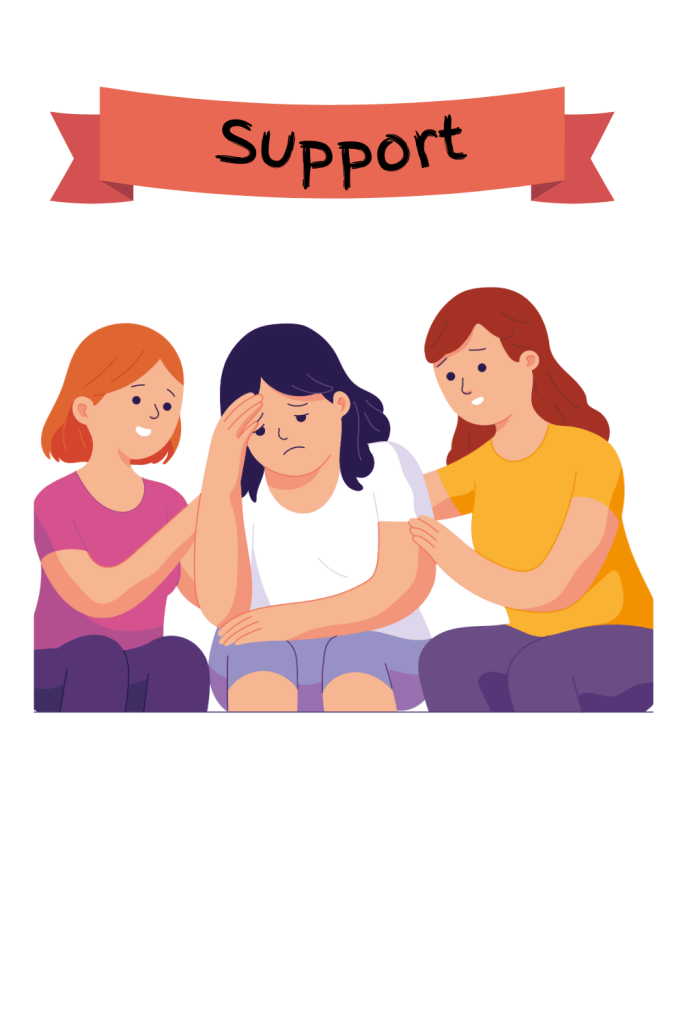
Because you are worth it. Even on your worst day.
How to Begin Healing From Self-Gaslighting

Let’s be real—this is messy work. You don’t fix it by reading a meme or journaling once. You fix it by practicing the opposite, over and over, until it becomes your new truth. Here are some small steps with a big impact:

  • Reality checking with safe people — someone who validates your feelings can be a lighthouse when you’re lost in doubt. It can be anyone but make sure its someone you can trust for their honesty but also know your heart and can be critical while still being gentle.
  • Name the gaslighting — say it out loud: “That was a survival thought, not a truth.” Say it like you are talking to someone you are trying to help.
  • Document your experiences — journaling, voice notes, or even social media posts (if safe) can help anchor you in your own story. I journal, its incredibly freeing even just writing it down, seeing it, releasing it, but find which of the healing paths fits the best for you. Sometimes, its beneficial to have a community for support, even if its online, so googling support groups for whatever is the most emergent need in your life. I’m big on support
  • Therapy, when possible — especially trauma-informed or neurodiversity-affirming practitioners. If the first one you talk to doesnt vibe, don’t give up, sometimes it takes one or two before you really feel like you have that connection.

You’re Not Broken. You’re Healing.
You’re not too much. You’re not making it up. You’re not weak because you’re tired or need help. You are unlearning a system designed to keep you quiet and compliant. That is hard and brave and it counts—even when it’s invisible. Til next time gang, take care of yourselves and each other.


Sources:

  1. Sarkis, S. (2018). Gaslighting: Recognize Manipulative and Emotionally Abusive People—and Break Free.
  2. Quinn, P.O., & Madhoo, M. (2014). A Review of Attention-Deficit/Hyperactivity Disorder in Women and Girls. The Primary Care Companion for CNS Disorders.
  3. Hirschfeld, R.M.A. (2001). Bipolar disorder: The rate of nonrecognition. The Journal of Clinical Psychiatry.
  4. NIH & Mayo Clinic studies on gender bias in pain diagnosis and treatment.

Uncategorized

Parenting Through the Fog: ADHD, Fibromyalgia, and Showing Up Anyway

Some mornings, the win is just getting pants on. Other mornings, it’s breakfast made, meds taken, laundry halfway done before noon, and a gold star for basic humaning. But when you live with both Bipolar and fibromyalgia, (with a little ADHD thrown in for good measure) parenting becomes less of a schedule and more of a survival sport.

And the thing no one tells you? Showing up imperfectly still counts.

The Day-to-Day: A Symphony of Chaos and Grit

On paper, it probably looks like we’re flaky. Late to the appointment, forgot the school form (again), still haven’t finished the laundry from last Tuesday. In reality, it’s brain fog, chronic pain, executive dysfunction, and a nervous system that acts like it’s sprinting from a bear… while we’re just trying to make dinner.

It’s the kind of exhaustion you can’t nap your way out of.

Some days you’re the mom who makes Halloween costumes from scratch. Other days you’re the mom who considers goldfish crackers and applesauce a win. You are both and neither — and you are enough.

💡 My Daily Routine (On a Good-ish Day):

I am up at 4. No reason for it, just can’t sleep any later ever since my heart when I was in the hospital, first thing they did was draw blood so I think I started getting up early to psych myself up for it lol/
I do my Duolingo (gotta get to exercising the brain) I ‘watch the news’, I listen to all the late night monologues and any interviews I wanted to catch, or just some music in my headphones when the news isnt interesting.
This is the quiet start to the day..
5:30 First attempt waking hubby
6 First attempt waking up monkey
Usually I watch the news or do my steps in between going room to room rousing people.
6:30 daughters not up start getting irritated.
7:40 I feed and medicate the furry children
8 I start on either post or making something.
10 I have to eat to take my meds
12 the cats get fed and medicated again
12-3 Always cleaning. Folding clothes, vacuuming and dishes usually round out my day.
4 I typically start either project or chat with daughter about her day, dinner
5:30 all my chores are done by now, or as I say to them ‘if it aint done it aint gettin done til tomorrow’
I watch tv til 8 and put myself into bed, usually falling asleep, when I don’t I get up and take a gummie, because I NEED sleep and no matter what time I go to bed I am up at 4, so might as well get some sleep you know?

This might be the hardest for me. Or it WAS, I’m finally letting go.

Spoonie-friendly routines. Simplify where you can. Wash days spaced out. Clothes that don’t need ironing. Outsource or automate what you can.
I have an every other day routine because I am honest with myself and I know I need a day to recover after a productive day LOL

Movement, but gentle. Stretching or chair yoga instead of pretending we’re still in our 20s with full cartilage and a pain-free morning.
Walking, so much walking lol

Let someone help. Even if it’s just asking your kid to throw their trash away. Micro-help still counts.
Stop feeling guilt, other people have hands and feet too!

Digital checklists or ADHD-friendly planners (visual, colorful, forgiving of missed days).
I might know somewhere to get them… LOL Seriously I love mine and feeling halfway organized.

The Numbers Behind the Fog

  • ADHD is underdiagnosed in women by huge margins. One study found girls are 50–75% less likely to be diagnosed than boys, often because they’re more “daydreamy” than disruptive.
  • Fibromyalgia affects 80–90% women, and often takes 5+ years to diagnose. Why? Because women’s pain is historically minimized or chalked up to anxiety.
  • Executive dysfunction isn’t laziness — it’s a brain-based difficulty in initiating, organizing, and following through on tasks. ADHD and fibro both contribute as does the Bipolar.
  • Bipolar disorder is frequently misdiagnosed in women, often as depression or borderline personality disorder. Studies show up to 69% of women with bipolar are initially misdiagnosed, and the average delay before an accurate diagnosis is 6 to 8 years.

So yeah… it’s not in your head. But even if it were, that would still be real.


You’re Not a Failure, You’re a Force

If all you did today was exist in your body and care about your kids, you’ve already done the hard part.

The parenting books didn’t cover flare days or mental fog. But we are writing the new manual: one honest, messy, beautiful chapter at a time.

You’re not alone, you’re not broken — and you don’t have to do this perfectly to be doing it well. Til next time guys, take care of yourselves, and each other


🔍 Sources to Back It All Up


  1. ADHD underdiagnosed in girls/women
  2. Fibromyalgia affects mostly women & takes years to diagnose
  3. Bipolar misdiagnosis in women
  4. Executive dysfunction is real (not laziness!)
Uncategorized

🩰 The Bipolar-Fibro Tango: When Mood Swings and Muscle Screams Collide

Welcome welcome one and all come on in. Its me —your neighborhood chronically exhausted gremlin with a nervous system that’s basically running Windows 95. If you’ve ever looked at your list of diagnoses and thought, “Cool, now I can collect the whole set,” then friend, pull up a chair and a heating pad. Today we’re talking about the beautiful disaster that is living with both fibromyalgia and bipolar disorder—aka “Mood Swings & Musculoskeletal Mayhem.”

I live it. I hate it. I laugh at it. Let’s go.

🎭 Act I: “What Fresh Hell Is This?”

So, first off: what the hell is fibromyalgia?

It’s that charming condition where your body interprets gentle breeze as blowtorch, basic fatigue as brain-dead exhaustion, and sleep as an optional luxury item from a catalog you can’t afford.

And bipolar disorder? Oh, that’s just where your brain slaps the gas and brake pedals randomly while you’re driving through Lifeville. Sometimes you feel like a goddess who could run a Fortune 500 company on three hours of sleep and a Red Bull. Other times, putting on socks feels like solving a Rubik’s cube blindfolded.

So what happens when you have both?

Well, according to a 2020 study in the Journal of Affective Disorders, roughly 32% of fibromyalgia patients also meet the criteria for bipolar disorder, compared to only 4.4% in the general population.

I would say I’m honored to be part of that elite club, but no one’s handing out free tote bags, just prescriptions and pity.


🧠 Act II: Pain Perception Is a Lying Liar

One of the cruelest things about this combo platter is how bipolar mood states can hijack your pain perception.

During manic or hypomanic episodes, people sometimes experience reduced sensitivity to pain, which sounds amazing until you realize it’s just your brain temporarily gaslighting you while it prepares to body slam you into a depressive episode later. A study published in Pain Practice found that manic states may suppress pain sensitivity, while depressive states amplify it. Seriously guys, this is real. Not saying its the same for everyone, but I had my hip REPLACED, and since I got home from the hospital I started like 5 new hobbies and don’t sit down more than 5 minutes a stretch lol. When asked if I hurt, I would answer yes, when I stop and put any thought to it I’m usually in the 5-7 range but when I distract myself I can go hours before I hurt so bad it will literally take my breath.

So some days, I’m cleaning the kitchen like a superhero with zero regard for my spine. Other days, I need a break halfway through brushing my teeth because my jaw hurts like I chewed concrete in my sleep. (Spoiler: I didn’t. Probably.)


⚖️ Act III: Treatment Is a Dumpster Fire of Trial and Error

If you’re wondering what it’s like to treat both bipolar and fibromyalgia, imagine playing Jenga on a trampoline.

You want something for the pain? Great! Depressed because ouch, it hurts. Well, chemical imbalance of the brain can be fixed right? Except—oops—some antidepressants often used for fibro (like SNRIs and SSRIs) can trigger manic episodes if you’re bipolar and not carefully mood-stabilized first.
https://pmc.ncbi.nlm.nih.gov/articles/PMC3181950/A 2011 article in Dialogues in Clinical Neuroscience warned that antidepressant monotherapy in bipolar patients can significantly increase the risk of manic switches.

So, you try another med. That one numbs the pain but gives you brain fog so thick you forget where your fridge is. Or it stabilizes your mood but turns you into an emotionless zombie who eats beige food and says, “I’m fine” in a monotone voice while dying inside.

It’s fine. I’m fine. Everything’s… fine.


🧃 Act IV: The Emotional Toll of Being the Human Equivalent of a Glitchy App

Let’s not forget the emotional side. Chronic pain and bipolar disorder don’t just tag-team your physical body; they start squatting in your brain and charging rent. There’s grief for the person you used to be, guilt about being “too much” or “not enough,” and shame for not being able to manifest healing with gratitude journaling and kale smoothies.

Here’s the sciencey truth: a study in Arthritis Care & Research found that patients with fibromyalgia are 3.4 times more likely to have suicidal ideation, and bipolar disorder increases that risk even further.
🔗 Source

So no, you’re not just “being dramatic.” Your pain is real, your mood shifts are real, and your struggle is so valid it could be a thesis.

🎤 Curtain Call: Embrace the Chaos (or at Least Laugh at It)

Look, I didn’t sign up for this. No one hands you a diagnosis of bipolar disorder and fibromyalgia and says, “Congrats, you’ve unlocked hard mode—now go parent your autistic teen and try to cook something that isn’t beige.”

But I’m here. You’re here. We’re doing it—badly, weirdly, and with frequent snack breaks.

This dance between bipolar disorder and fibromyalgia is exhausting, confusing, and often unfair. But it’s not the end of the story. There’s still joy. There’s still meaning. And there’s still a damn good reason to keep showing up (even if it’s just for memes and microwave mashed potatoes).

So if you’re out there thinking, “Why is my body like this?”—just know you’re not alone. You’re part of a weird, wonderful, warrior community. We’re the ones limping into therapy with caffeine in one hand, a heating pad in the other, and a sarcastic one-liner ready to go.

And that, my friend, is something to be proud of. Til Next time gang take care of yourselves, and each other.

Sources for the Nerds Like Me(or your doctor who thinks you’re exaggerating): (full disclosure the sciencey stuff I googled and chat GPT’d the source links because its been a long time since I’ve had to cite things and I wanted to make sure I did it right.)

  1. Di Salvo et al. (2020). Journal of Affective Disorders, “High prevalence of bipolar disorder in fibromyalgia patients” – PubMed
  2. Dvir et al. (2011). Dialogues in Clinical Neuroscience, “Bipolar disorder: new strategies for treatment” – PMC
  3. Lautenschlager, J. et al. (2005). Arthritis Care & Research, “Suicidal ideation and risk in fibromyalgia” – Wiley Online
  4. Pain Practice, 2011. “Mood and pain: Depression, mania, and the modulation of physical suffering” – PubMed
Uncategorized

Survival & Sanity: Reserve-Based Meal Plan – Weeks 5&6

Life’s still life-ing, so this week’s meals are coming in hot (on the days I can handle it) and chillin’ in the freezer when I can’t. This round of our reserve-based meal plan keeps things doable — we’re talking one-pan bakes, skillet tosses, and recipes that don’t expect you to be a professional chef or have unlimited spoons. I cook every other day (ish), and fill the gaps with reserve meals like eggs, toast, frozen dinners, and soup. Because some days are just not it, and that’s okay.

Starting Monday, we’ve got seven solid “cook day” meals that cover two weeks — hearty, comforting, budget-friendly, and picky-eater resistant. If you’re new here, this isn’t about meal prepping ten containers of the same thing. It’s about creating a plan that works when your energy is spotty and the schedule is chaos. Let’s survive and eat good food while we’re at it. Scroll down for this week’s cook day menu, plus a grocery list and printable recipe cards to make your life easier.

Grab your grocery list (printable coming right up), and let’s get this plan in motion.


🗓️ Reserve-Based Meal Plan: Weeks Five & Six

Starting Monday, May 12th


🍽️ Week Five

Monday – Cook Day
Chicken Apple Sausage & Potato Bake
Sweet + savory with minimal brain power: chicken apple sausage, sliced apples, onions, and potatoes roasted together with olive oil and thyme. A sheet pan miracle.

Tuesday – Reserve/Leftovers
Whatever’s left from Monday or hit the freezer stash.

Wednesday – Cook Day
Kielbasa & Peppers Stir-Fry Over Rice
Fast, colorful, and full of flavor: kielbasa, bell peppers, and onions tossed in soy sauce with rice. Add garlic and a splash of broth or vinegar if you’re fancy.

Thursday – Reserve/Leftovers
You know the drill. Leftovers, breakfast for dinner, or peace-out night.

Friday – Cook Day
Bacon-Wrapped BBQ Chicken Thighs
Chicken thighs wrapped in bacon, slathered in BBQ sauce, and roasted until crispy. Garlic powder and paprika seal the deal.

Saturday – Reserve/Leftovers
Don’t cook. You earned it.

Sunday – Cook Day
Kielbasa Skillet
Cheesy Melty gooey goodness.. A one-pan spicy pasta situation with andouille sausage, tomatoes, garlic, and penne. Fast, bold, and satisfying.


🍽️ Week Six

Monday – Cook Day
Chicken Fried Rice
Leftover rice, scrambled egg, diced chicken, and whatever frozen veg you’ve got. Soy sauce, sesame oil, and boom—better than takeout.

Tuesday – Reserve/Leftovers
Microwave something. Sit down while it cooks.

Wednesday – Cook Day
Potato Chicken Sausage and Pepper Bake
Use that leftover rice and whatever’s hanging around. Add diced chicken, eggs, peas/carrots, and soy sauce. Done in 10 minutes if you don’t overthink it.

Thursday – Reserve/Leftovers
Leftover fried rice tastes even better. Just saying.

Friday – Cook Day
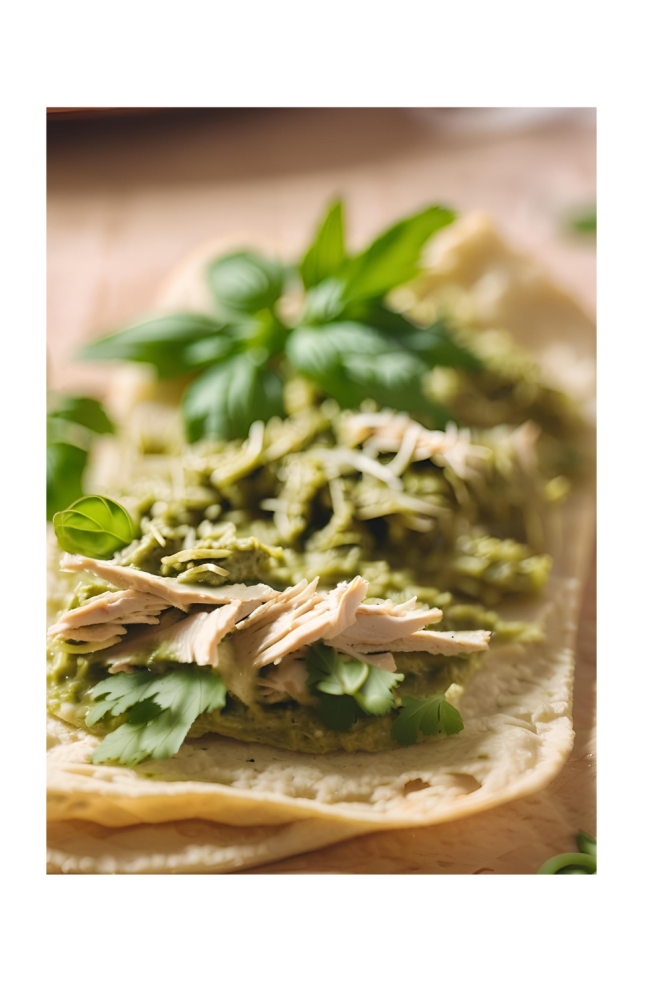
Pesto Chicken Flat Bread
Tender, seasoned chicken with pesto, melty mozzarella, and juicy tomatoes, all atop your choice of flatbread or naan. Ready in just 20 minutes, suitable for ‘I forgot to tell you the concert is tonight at 5:30’ vibes.

Saturday – Reserve/Leftovers
Pick your favorite rerun from the week.

Sunday – Cook Day
Pasta Bake
Comfort food meets mom hack. Pasta with red sauce, sneaky chopped veggies, mozzarella, and maybe some Italian sausage if you’re fancy.

🍗 Meat & Protein

  • Chicken thighs (for 2 meals — est. 6–8 thighs total)
  • Chicken apple sausage (1 package)
  • Kielbasa (1 package)
  • Andouille sausage (1 package)
  • Bacon (1 package)
  • Eggs (for fried rice)

🥕 Produce

  • Potatoes (4–6 medium)
  • Apples (2)
  • Yellow or white onions (3–4)
  • Bell peppers (3–4, mixed colors)
  • Garlic (1 bulb or pre-minced)
  • Zucchini (1–2) optional for sheet pan
  • Carrots (for roasting or side)
  • Green veggie of choice (for Maple Mustard Chicken side)

🍚 Grains & Pantry

  • Jasmine or white rice
  • Egg noodles or other pasta for sausage & peppers
  • Penne pasta (for Andouille skillet)
  • Soy sauce
  • Olive oil
  • Sesame oil (optional for fried rice)
  • Dijon mustard (skip if you’re omitting for your swap)
  • Maple syrup
  • BBQ sauce (your favorite)
  • Italian seasoning
  • Smoked paprika
  • Paprika
  • Garlic powder
  • Broth (chicken or veggie, carton or bouillon)

🧂 Other

Canned diced tomatoes (1–2 cans)

Frozen peas & carrots mix (optional for fried rice)
Til next time guys, take care of yourselves, and each other!

Uncategorized

Mood Swings & the Myth of the Difficult Woman

(Or How I’m Not Crazy, Just Heavy On The Neurological Spice)

Let’s be real — the phrase “moody woman” gets tossed around more than a toddler’s sippy cup. It’s shorthand for “she had a valid emotional response, but it made me uncomfortable.” If I had a dollar for every time someone chalked up my reaction to hormones, I’d have enough to pay for all the meds that actually manage those moods.

Why “Mood Swings” Are More Than Just a Stereotype

  • Mood disorders like bipolar disorderPMDD, and even ADHD-related emotional dysregulation affect hormone levels, executive function, and emotional processing.
  • A study published in the Journal of Affective Disorders found that emotional intensity and mood variability are frequently misinterpreted in women — especially when compared to men exhibiting the same symptoms.
  • Women are also more likely to be misdiagnosed with borderline personality disorder when they actually have bipolar II (source: Psychiatric Times, 2020).

Fact: I was diagnosed with Bipolar Disorder when I was 15, do you know how many legitimate concerns I’ve had brushed off because of that, or even Fibro, by doctors or medical professionals who should KNOW BETTER??? Not a little thats for sure, too many, yes I have neuro issues that doesnt mean I can’t have issues elsewhere, two things can be true.

The Cultural Bias Against Emotion

Reminder: anger, sadness, irritability — those aren’t “bad moods.” Those are data. Something’s happening in your environment, your body, or your brain chemistry.

We raise girls to be emotionally attuned, then weaponize that sensitivity against them as adults.

Being “too much” is just another way to shame someone for expressing a normal human emotion with intensity.

My English teachers would often tell me they loved my passion when I’d be sitting there crying because I remembered my Dad was dead after managing to feel normal for five minutes, then feeling guilty and mad at myself for feeling normal and not missing my Dad. I didn’t know how to express that sadness so I let her think the poems had moved me deeply. Then I felt guilty for not correcting her, it felt like she was giving me too much undeserved credit. It was cyclical.

Hormones Are Real, But They’re Not the Whole Story

  • Estrogen and serotonin are linked, and hormone changes do affect mood, but they don’t create mental illness out of thin air. They might exacerbate underlying issues, especially in people already dealing with bipolar disorder, ADHD, or CPTSD.
  • There’s a term for the way women’s pain and emotion are dismissed: “hysteria bias.” (Yes, it’s as fun as it sounds.)
  • Fact: One study in The Lancet Psychiatry (2019) confirmed women with bipolar disorder have a more depressive-dominant form, while men tend toward more manic episodes — yet men are still diagnosed earlier and taken more seriously.

Like I don’t want to call anyone out but ah, my hip has been messed up for YEARS, and multiple x-rays have showed it, yet my last doctor would go ‘ Well, with your fibro its hard to say….’ Um no it wasnt hard at all the next doctor didnt even have the x-ray dry before telling me how jacked up it was. Let me tell you, only YOU are going to prioritize your health, even if you have the best doc in the world who legitimately cares for you, you are still one of but many they think about, so if you are not looking out for and advocating for you then who is?

 You’re Not Difficult — You’re Operating With Faulty Wiring and a Broken Support Manual

  • Stop apologizing for being “too sensitive” or “too much.” The world just hasn’t adapted to emotionally fluent people.
  • You aren’t broken. You’re just working with a neurochemical system that isn’t always on your side.
  • The myth of the difficult woman is a tool used to keep women quiet, compliant, and apologizing for their own damn nervous systems.

So the next time someone says you’re being moody, thank them. Because “moody” is just code for “having the guts to feel things deeply while still managing to feed a family, run a house, battle a diagnosis, and survive late-stage capitalism.”
Call me moody again and I’ll invoice you for the unpaid therapy session you just triggered. Emotional depth isn’t a flaw — it’s a full-time job with no PTO.

Til Next Time Gang, take care of yourselves, and each other

Uncategorized

Understanding the Aftermath of Hypomania (aka: When the Glitter Settles)

There’s something almost intoxicating about hypomania. Your brain buzzes, ideas come faster than you can write them down, and suddenly everything feels possible. You’re cleaning the garage, starting a new project, texting friends back after weeks of silence, and maybe even feeling like you’ve finally “figured it out.”

But here’s the part people don’t talk about enough: what happens after.

When the sparkle fades and your energy crashes back to earth, you’re left sorting through the emotional and physical wreckage. It’s not just exhaustion—it’s this weird cocktail of regret, confusion, and grief. You might feel raw, embarrassed, or even guilty for things you said or started and couldn’t finish. That aftermath can be brutal.

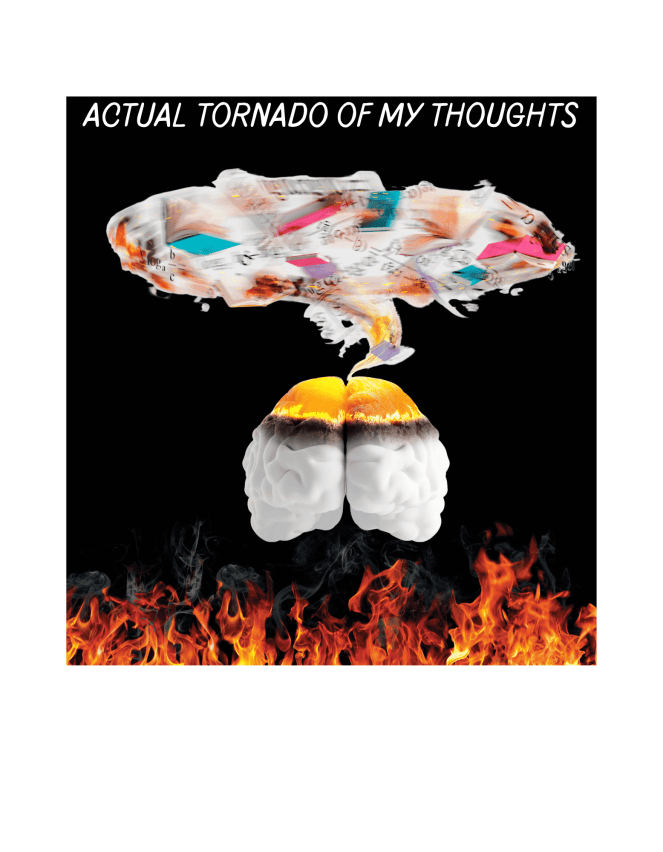
Hypomania is part of bipolar II disorder—it’s marked by elevated mood, a surge in productivity, and bursts of creativity or restlessness. But while it can feel euphoric at the time, the come-down can leave you reeling, questioning your choices, and trying to clean up the mess your over-caffeinated brain tornadoed through.

The Cycle of Risk and Regret (a.k.a. Oops, I Did It Again — But Not in a Fun Britney Way)

Here’s the thing no one glamorizes about hypomania: the aftermath of impulsive choices that seemed like brilliant ideas at the time. One minute you’re ordering $200 worth of “self-improvement” stuff at 2 a.m., signing up for a new certification course, and texting your ex like you’re starring in your own comeback tour — and the next, you’re wondering what the hell just happened.

And science backs it up. According to research published on PubMed, people in hypomanic states often engage in high-risk behaviors — overspending, substance use, reckless decisions — the kind of things that feel like you’re chasing possibility, but too often watching it all boomerang back with the grace of a collapsing Jenga tower.

What follows? That slow, sinking feeling. Guilt. Shame. Maybe even avoidance. You look at the credit card bill, or a strained relationship, and suddenly the vibrant energy of hypomania gets replaced with the emotional hangover no one warned you about.

You’re not the only one who’s been caught in this loop. You’re not a bad person. You’re a person with a disorder that messes with impulse and inhibition. It doesn’t excuse the consequences, but it does explain the pattern — and understanding the pattern is how we start breaking it. I was so stuck here myself but perhaps worse is the gaslighting I do over EVERY. SINGLE. DECISION. afterwards because I sincerely have lost all faith in my own judgment. Like every little thing, ‘is it a good idea or are you just manic’ plays in my head on a loop.
The Crash Landing No One Talks About

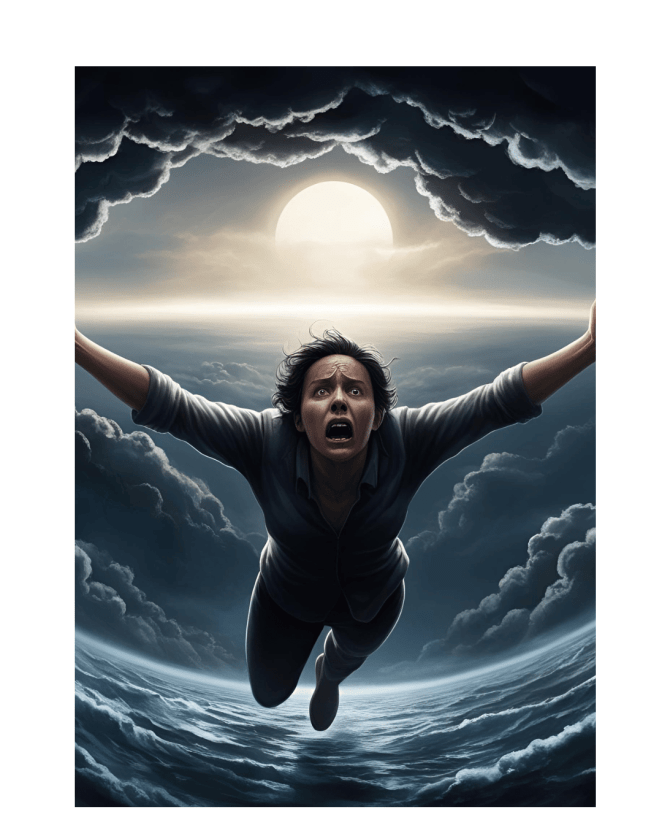
If hypomania feels like flying a little too close to the sun, then the crash that follows is more than just a rough landing — it’s a total freefall. One minute, you’re bursting with ideas and energy, barely sleeping, maybe even reorganizing the garage at 2 a.m. like you’re possessed by the spirit of Marie Kondo on espresso. And then… it’s like the lights shut off. The energy vanishes. You’re not just tired — you’re hollowed out. The sadness is deep, the fatigue bone-heavy, and everything starts to feel like too much and not enough, all at once.

It’s not just a “mood swing.” It’s a full-body, full-mind shutdown that makes even brushing your teeth feel like a high-stakes negotiation. And the cruelest part? The contrast. You remember how you felt just days ago, and now you can’t fathom getting off the couch. That whiplash is its own kind of heartbreak. Like it physically makes me ache sometimes.

When Life Throws a Brick Through the Window

Here’s the thing: if you’re already dancing on the edge of a depressive episode, real-life chaos doesn’t just nudge you — it can send you tumbling. Research backs this up: negative life events (you know, the kinds that seem to show up all at once like uninvited guests) have been shown to intensify depressive symptoms in folks with bipolar disorder [PMC, Cleveland Clinic]. And if you’re someone already wired with a predisposition

to depression? That impact hits even harder. It’s why managing stress isn’t just a suggestion — it’s survival. I will legit cry over such trivial stuff, then hate myself cuz I KNOW its dumb to cry about it so I cry more cuz I’m mad at myself for not being able to look at a situation thats got nothing to do with me or so so trivial Learning how to soften life’s blows, build resilience, and stack the odds in your favor might not make the hard stuff disappear, but it can definitely make it hurt less when it lands.

Moving Forward: Strategies for Coping (AKA, Surviving the Crash Without Losing Your Damn Mind)

Look, managing life after hypomania is like waking up in a house you swore you just deep cleaned, only to find emotional dishes stacked in every room. But there are ways to climb out of the mess — even if you’re doing it one spoon at a time.

🔹 Self-Compassion
This is not a personal failure, a moral shortcoming, or some character flaw you need to apologize for. It’s a medical condition — full stop. Remind yourself (repeatedly, if needed) that what you’re feeling isn’t your fault. You’re not broken, you’re human. In a world that crops all the edges to paint a rosier picture be the straight angle in black and white.

🔹 Structured Support
When your brain feels like a Pinterest board of chaos, routines can become lifelines. Simple, repeatable actions — morning check-ins, meal planning, a therapy appointment every other Tuesday — can help stabilize the rollercoaster. And yes, professional help is allowed and encouraged (therapy = tools, not weakness). Every morning my routine has been the same for years, Duolingo while I listen to stand up comedy with the news in the background, if any of those is missing my day starts out lacking which leads to a bad day

🔹 Community Connection
Even if you’re more “socially exhausted introvert” than “group hug enthusiast,” connecting with people who get it can make a huge difference. Whether it’s an online forum, a group chat, or that one friend who won’t judge your 2 a.m. existential texts — don’t go it alone. Thats what I’m trying to do here, build a community, hopefully to work right on up to a forum we can all support each other. Thats my goal anyway the minute I can sell enough in my store to pay to host the forum it will be done!


Understanding the highs and lows — especially the rough emotional terrain that can follow hypomania — isn’t just helpful, it’s empowering. When you mix solid science with self-awareness and some well-worn coping tools, you start to feel just a little more in control. Not perfect, not invincible — but stronger. And that counts. Til next time gang, take care of yourselves, and each other.
P.S. If this hit a little close to home and you’re looking for something to help you process the messy in-between parts — I made a workbook just for this. It’s not magic, but it’s honest, helpful, and created by someone who’s been there. Check it out

Uncategorized

It’s Not Laziness, It’s Executive Dysfunction (And It Sucks)

Let me just say this plainly: if I could get everything done that I want to get done, I’d be running the world, not Googling “how to un-shame clean your kitchen” for the fifth time this week. But thanks to my brain, I’m lucky if I remember why I walked into a room before I forget what day it is. Again.

ADHD Isn’t About Laziness. Period.

We’ve all heard it: “You just need to try harder,” or “If it mattered to you, you’d do it.”

But research—you know, those pesky facts—says otherwise. ADHD is a neurodevelopmental disorder that impairs the brain’s executive functioning system. That’s the part of your brain in charge of motivation, planning, prioritizing, and following through. Imagine if the project manager in your head was replaced by a hyperactive squirrel on espresso (GEORGE! George is fine by the way, he has a whole family now, hardly ever has time to say hello). That’s what we’re dealing with.

According to clinical psychologist Dr. Russell Barkley, one of the top researchers on ADHD, people with ADHD have impairments in “executive function” that make self-regulation incredibly difficult. It’s not about willpower; it’s about the wiring. Our dopamine systems are under-responsive to reward cues, which means motivation isn’t just low—it’s missing the GPS coordinates’. I’m not one to give myself excuses, because I don’t like it when others use them and I hate being a hypocrite, but its still true that we are wired differently going in a direction we dont know and are constantly getting redirected. I often liken it to a pinball in a machine.

Unreliable Doesn’t Mean Uncaring

One of the most brutal side effects of ADHD isn’t the mess or the missed appointments. It’s the shame that comes from being “that friend” or “that mom” who can’t follow through the way they want to. You know, the one with a big heart and the flakiest calendar. Do you know how much I’d do for others

People think you’re careless, selfish, or just plain rude. What they don’t see is the internal warfare: the notes, reminders, alarms, sticky tabs, pep talks, self-hatred, guilt spirals, and emotional crashes. You don’t skip coffee with a friend because you don’t care. You skip because your brain misfired three times trying to remember to get dressed and now you’re late and frozen in a shame spiral. Again.

Rejection Sensitivity and the Spiral of Doom

Ever heard of Rejection Sensitive Dysphoria (RSD)? It’s a common experience for people with ADHD and it means that even a hint of disappointment or criticism can hit like a sucker punch to the gut. So now you’re not just late, you’re convinced your friend hates you, you’re the worst human ever, and hey—why not just never make plans again?

This is where ADHD becomes more than a memory issue. It becomes a self-worth issue. You start doubting your ability to be dependable, to show up, to be enough. And when the world keeps reflecting that back at you, the damage compounds.

So What Helps?

  • Compassion (especially from yourself): You’re not lazy. Your brain has different settings. Start there.
  • External supports: Use them all. Alarms, timers, whiteboards, apps, body doubles. Build scaffolding around your brain. I write everything down. I have shit everywhere that I do not remember why I wrote it or sometimes come across the thing I wrote it down for. When I started breaking up every chore into little baby chores I was a lot more real with myself. Like setting the meals as I do. Less chance of me deviating and going into decision paralysis. Though I did mess up this week but it can’t be helped, I forgot and planned a meal on my birthday AND we had a prolonged power outage causing us to throw away a lot of things.
  • Micro-goals: Instead of “clean the house,” try “clear the table.” Progress feels good, if it feels good your brain will do more of it. I do one side of the sink then give myself a free break to write or just veg out for half an hour or whatever. YOU make the rules, there ARE rules though and when you give yourself little dopamine snacks through the day it will make you more even keel.
  • Community: ADHDers need each other. Not for advice—though that helps—but for validation. To always compare yourself against what YOU perceive to be a perfect normal person (though I PROMISE you everyone you meet has stuff bringing them down, some just have the advantage of a prettier package, inside its still the same shit) is pointless.

Here’s the Truth

You can be inconsistent and still be valuable. You can forget the thing and still be deeply caring. You can be unreliable sometimes and still be a good mom, friend, partner, person.

I don’t write this post as a PSA. I write it as someone who has been eaten alive by guilt more times than I can count. I want the world to stop equating productivity with worth. But until it does, I hope this helps someone—even just one person—feel a little less broken. Because I promise, you’re not. Til next time guys. Take care of yourselves and each other

Uncategorized

Bad Day Basket

💌 Someone you love having a rough one?

Send them a Bad Day Basket — a cozy, comforting hug in a box.
Curated with real-life rough days in mind (because we’ve been there), every basket is packed with self-care goodies, cozy items, and a custom playlist to help them feel seen, soothed, and maybe even smile a little.

🎁 Thoughtful. Affordable. Ready to ship.
🛒 Order now on Etsy »

Uncategorized

5 Weirdly Effective Ways to Feel Better Fast (Backed by Science, Not Just TikTok)

Ever feel like your brain’s stuck in dial-up mode while the rest of the world’s running on fiber optic? Been there, ordered the T-shirt, wore it for three days straight. When you’re fried, frazzled, or just feeling emotionally soggy, you don’t always have the bandwidth for a full mental health makeover. The good news? Science has your back—and it doesn’t require a prescription or a bank loan. Here are five surprisingly effective, science-backed ways to feel better fast—without leaving your couch (probably).


1. Deep Breathing: A Free Spa Day for Your Nervous System

Let’s be real: when someone tells you to “just breathe,” it’s usually right before you snap like a glow stick. But hear me out—breathwork is basically a nervous system cheat code.

🔬 Science says: Deep, controlled breathing activates your parasympathetic nervous system (aka the “rest and digest” mode), reducing cortisol and lowering heart rate. One study in Frontiers in Psychology (Zaccaro et al., 2018) found that slow breathing significantly improves mood and lowers anxiety.

🌀 Try this: Inhale for 4 counts, hold for 4, exhale for 4 (aka box breathing). Bonus points if you close your eyes and pretend you’re somewhere tropical and not just hiding from your responsibilities.

I don’t like to recommend anything I don’t do, so rest assured I do this, though I switch up the rhythms, and I would recommend you do the same because so long as you’re breathing, it works doesnt matter how pretty it is.


2. Laughter Therapy: Better Than an Espresso Shot

Who knew memes could double as mental health tools? Turns out, watching something funny isn’t just procrastination—it’s therapy with a punchline.

🔬 Science says: Laughter triggers the release of endorphins and lowers stress hormones. A study in The Journal of Neuroscience (Dunbar et al., 2012) shows that laughter increases pain tolerance and boosts social bonding.

📺 Try this: Watch a short stand-up set, blooper reel, or the 7,000th rerun of your favorite sitcom. Whatever tickles your funny bone.

👉 Real-life moment: You know what I’ve heard? I laugh too much. I’m too loud. I shouldn’t make everything a joke. You know what? I’m beyond caring. You know that whole near death thing? It showed me life was FAR TOO SHORT to waste time on the vast amount of unpleasantness one generally has to put up with. If you can’t laugh did you even enjoy it? I listen to last nights late night monologues or stand up while I’m doing my duolingo in the mornings (take care of your brain folks, no joke, you’ll miss it when it starts to go LMAO) and on mornings that I can’t I find the rest of the day I can be kind of an asshole. I mean, I’m always sorry, but I’m going to be honest with you guys about it LOL


3. Gardening or Nature Exposure: Green = Good Vibes

No yard? No problem. Even a houseplant counts as emotional support foliage. Nature doesn’t judge your outfit or ask how many hours of sleep you got.

🔬 Science says: Time in nature reduces stress and improves mood. The Japanese practice of shinrin-yoku (forest bathing) has been studied extensively; one study in Environmental Health and Preventive Medicine (Park et al., 2010) showed it significantly lowers cortisol.

🌱 Try this: Step outside and touch a tree (yes, really), water your plants, or sit near a window. Even watching nature videos has calming effects.

I am plant killer number one around here. I wouldnt be surprised if my mug shot is hanging in the break room for plants like shoplifters mugshots are at Walmart LOL. That being said, the WORST thing the hip replacement has stolen is my weekly or biweekly mowing the yard. I love it, we have an electric mower so I get a good one hour out of it, bopping alone to some music, its just mindless outdoor sun time. Then stick it on the charger and hit it the next day. I have a hard time sitting in the sun even when I know its good for me and outside I wouldnt last long before getting bored.


4. Listening to Classical Music: Your Brain’s Chill Pill

Before you roll your eyes, no, it doesn’t have to be Mozart. But slower, instrumental music can work some serious emotional sorcery.

🔬 Science says: A study in PLOS ONE (Thoma et al., 2013) found that listening to classical music after a stressor reduced cortisol levels more effectively than silence or other genres.

🎵 Try this: Play something instrumental (piano, strings, lo-fi beats) for 5-10 minutes. Even better? Lie down and do nothing while it plays. Yes, doing nothing is productive sometimes.

I love all music. Classical is not a fave but I will put on some really low volume piano pieces when I need it. Generally its just pop from the 80s though. But try Chopin first lol who knows, it could be your new favorite.


5. Social Connection: Text That One Person (Yes, Them)

When you’re down, your brain might tell you to retreat like a wounded raccoon. But reaching out—even just a little—can flip the script fast.

🔬 Science says: Human connection boosts oxytocin, lowers anxiety, and increases resilience. A study from American Journal of Psychiatry (Ozbay et al., 2007) highlights social support as one of the most powerful buffers against stress.

📱 Try this: Send a funny meme to a friend, voice note someone who “gets it,” or even comment on someone’s post meaningfully.

👉 Its so hard guys. The phone is like there…. And like, sometimes, sometimes it even *gulping loudly*…. RINGS!!! TERRIFYING! I know guys, see, I get it, but how about a text? A text connects you like a ‘sup’ nod between bros, but without the whole sense of the ‘sup’ reply. I bake that shit right into my texts too, I say ‘hey, let me know how you are when you get a minute’. No rush. I’m chill man. Or even ‘just sayin hey and wanted you to know I’m thinking of you’ totally not giving them ANY obligation, because like why would I bum anyone I love out like that?


Closing: Feeling better doesn’t always need to be a full-blown self-care summit. Sometimes, it’s in the little things: a breath, a laugh, a leaf, a lyric, a message. Try one. Try them all. You deserve moments of ease—even when life’s handing out chaos like Halloween candy. Til next time gang. Take care of yourselves, and each other!


Uncategorized

🥫 Building a Pantry When I Can’t Build Much Else


(aka, How Stockpiling Became My Quiet Way of Fighting Back)

Some days, my body feels like a traitor.
I can’t bend over very far, I can’t pick up anything off the floor or up high without my grabber thingy. I can’t haul laundry up the stairs. I can’t even promise I’ll be the same “me” tomorrow that I am today.

I’m caught up on reading anyway

Living with chronic illness — especially things like fibromyalgia and ADHD — means my energy, my ability, my very reliability can vanish without warning.
(And nothing says “party” like waking up with zero spoons and an entire day’s worth of responsibilities, right?)

When your body plays dirty, it’s easy to start turning that anger inward.
It’s easy to start hating yourself for being “unreliable,” for needing help, for “failing” even when you’re trying so damn hard.
And that self-loathing?
It can spiral faster than you’d believe.

But here’s something I want to say — to myself and to you:
You are not unreliable.
You are surviving a body that hands you chaos every morning and expects you to make peace with it by lunchtime.


🛒 Pantry Planning: My Quiet Rebellion

I can’t control how many spoons I’ll have tomorrow.
I can’t always cook a gourmet meal or deep-clean the house or check every box on my to-do list.

But you know what I can do?
I can plan.
I can stockpile.
I can quietly, stubbornly, prepare for the days I know will be hard — because they will come.

Even if I can’t cook today, I can make sure next week’s meals are lined up.
Even if I can’t carry groceries, I can still hunt down deals and plan freezer meals.
Even if I can’t do it all, I can still do something.

And that matters. I can be ready and save my family money on groceries if I shop coupons and deals. I love the hunt of finding the good deals (coke 12 packs under 3 dollars? Sign me up!)
That counts.
You count.


🧠 The Science of “Just Being Ready”

Here’s a wild little truth bomb for you:
Studies show that having even a small emergency plan (whether that’s for food, money, or time) significantly reduces anxiety, depression, and feelings of helplessness.

A 2017 study published in Disaster Medicine and Public Health Preparedness found that people who felt “prepared” — even just having a few extra essentials on hand — reported higher self-efficacy and lower distress during crises.

Translation?
Planning ahead can actually make you feel more in control, more capable, and less crushed by uncertainty.

As someone who is often referred to as a little bundle of anxiety I can tell you, when shit gets real, and lets face it, if nothing else in life, you’re promised those ‘shit gets real’ moments, (my most recent I think was the school calling me telling me they lost my kid, AGAIN, and asked if I knew where she was! I was thankful my anxiety always makes me have like 20 back up plans lol) prepared people can stand up in times of crisis and fall apart much later after its all taken care of.

Another study in The Journal of Anxiety Disorders found that taking small action steps (like stockpiling shelf-stable foods or creating a “bad day backup” list) built measurable resilience — even in people dealing with ongoing chronic illnesses. Sound familiar? It boils down to an expression I have heard and will try not to butcher from Dr Martin Luther King Jr. “If you can’t fly then run, if you can’t run then walk, if you can’t walk then crawl, but whatever you do you have to keep moving forward.”

Even micro-actions matter.
Even thinking ahead counts.


🛠️ Solutions for the Hard Days (A Tiny Toolkit)

Because let’s be real: Some days are still going to suck.
But we can stack the deck a little bit in our favor.

Here are a few things that help when it feels like you’re drowning:

  • “Shelf Stock” Meals: Build a few meals that live completely in your pantry — no fresh ingredients needed. (Cooked chicken + pasta + jar sauce = emergency lasagna.)
  • Backup Spoon Days: Have 3-5 emergency meals that you could make half-asleep with one hand. (Instant rice + microwaveable veggies + rotisserie chicken, anyone? They have individual rice cups, or you can nuke a pouch in 90 seconds and they have a number of flavors, and at our local store whatever rotisseries don’t sell the next day they strip and sell the meat per pound, its amazing to keep on hand, throw it into pasta or rice. I usually do that with sausage and peppers too, makes good dirty rice)
  • Permission Slips: Give yourself permission, in writing if you need to, to just survive some days. “Not today” is a full sentence.
  • Grabber Tools & Adaptations: They might feel frustrating, but they’re not failure — they’re gear. Gear up like the warrior you are.
  • “I’m Still Here” Reminders: Keep a list somewhere visible of the things you have accomplished — even the tiniest wins. Every day I write lists and lists just so I can check them off then never worry about them again.
    Some days? “I fed myself and stayed alive” deserves a damn standing ovation.

💬 Final Word (From One Battle-Scarred Soul to Another)

Maybe I can’t build the world I dreamed of today.
Maybe my body won’t let me build anything at all.

But I’m still here.
I’m still planning.
I’m still stubbornly, fiercely, stocking a pantry, preparing a home, building a future — even if some days, all I can build is a grocery list and a whispered prayer.

And friend, if you’re reading this?
You’re still building too.
Even if no one else can see it.
Even if it hurts like hell.
Even if today looks small.

You’re still fighting for yourself.
And that’s enough.
That’s always enough. Til next time gang. Take care of yourselves, and each other!