Uncategorized

Taylor Swift Gets Us All: Even the Spoonie Ones

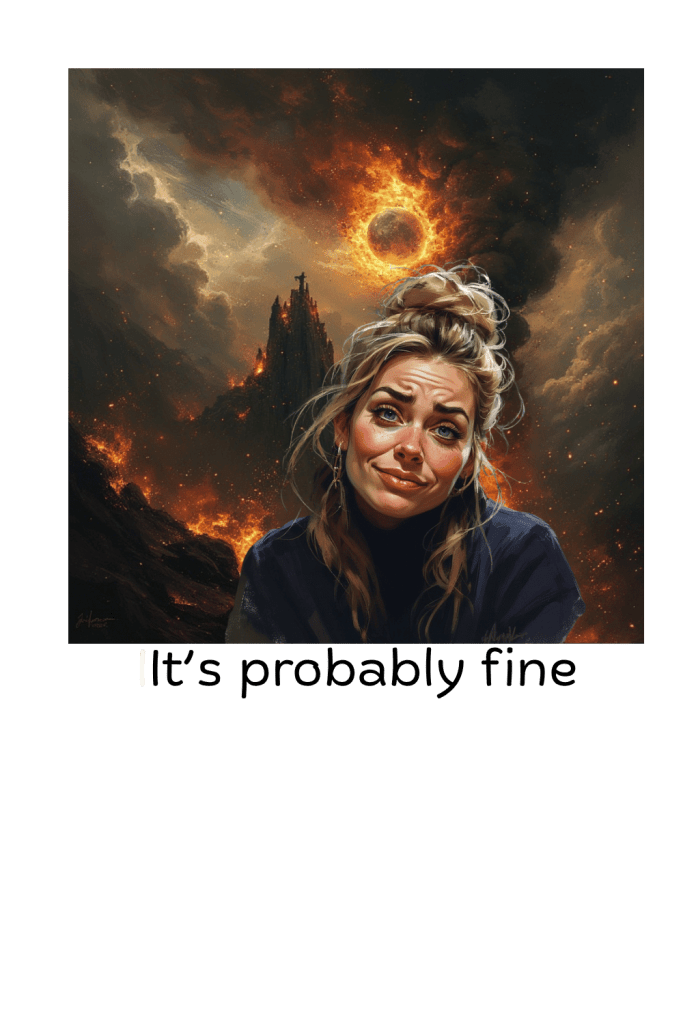
From survival mode to regret, heartbreak to invisibly raging chaos, Taylor somehow finds the words for it all. These lyrics arenโ€™t just clever turns of phrase โ€” theyโ€™re mirrors for anyone struggling to be seen, understood, or simply to make it through another day. So the next time your body, brain, or emotions feel like theyโ€™re on fire, remember: Taylorโ€™s got a line for that, and so do you. Itโ€™s not about whose pain is โ€œworseโ€ or more legitimate โ€” itโ€™s about being seen, validated, and reminded that even in the middle of your messiest moments, youโ€™re still here, still trying, and still worthy of recognition.

โ€œBalancinโ€™ on breaking branches.โ€ โ€” Exile
Tell me you live with chronic illness, ADHD, or bipolar disorder without telling me. That line is the daily tightrope walk โ€” trying to look stable while everything underneath you is creaking. Youโ€™re functioning, technicallyโ€ฆ but one more unexpected email, flare-up, or emotional storm and snap. Itโ€™s the exhausted kind of resilience that looks impressive from the outside but feels like survival from the inside.

โ€œIโ€™d go back in time and change it but I canโ€™t.โ€ โ€” Back to December, Speak Now
Sometimes life leaves you with regrets that canโ€™t be undone. Chronic illness, mental health episodes, or relationship missteps can haunt you, and all you can do is keep going forward while carrying those lessons with you.


โ€œThey told me all my cages were mental.โ€ โ€” This Is Me Trying, Folklore
Living with invisible illness or neurodivergence can make people question your experience. Taylor nails the frustration of having your struggles minimized or dismissed, even when youโ€™re doing your absolute best to keep it together.

โ€œLove slipped beyond your reaches.โ€ โ€” Champagne Problems, Folklore
For anyone navigating relationships while dealing with chronic pain, mental illness, or emotional turmoil, this lyric speaks to those moments when your best efforts simply arenโ€™t enough โ€” and you feel powerless watching connection slip away.

โ€œDid you ever hear about the girl who got frozen?โ€ โ€” Right Where You Left Me, Folklore
Thatโ€™s literally trauma in a sentence. Perfect for describing being stuck in survival mode long after the danger has passed.

โ€œWhen I was drowninโ€™, thatโ€™s when I could finally breathe.โ€ โ€” Clean, 1989
Leave it to Taylor to turn a mental breakdown into poetry. That line perfectly sums up what it feels like when you finally stop pretending youโ€™re fine โ€” when the exhaustion, pain, or chaos finally knocks you flat, and somehow, thatโ€™s when you start healing. Itโ€™s not weakness; itโ€™s the breath you take after holding it for way too long.


โ€œYou made a rebel of a careless manโ€™s careful daughter.โ€ โ€” Mine
Generational trauma wrapped in a love song. Itโ€™s breaking the patterns you were born into, learning love without fear, and realizing being โ€œthe careful daughterโ€ was never the same as being safe.

โ€œWhyโ€™d I have to break what I love so much.โ€ โ€” Afterglow
For anyone whoโ€™s accidentally hurt someone they care about โ€” a child, partner, or even themselves. Chronic illness, emotional overwhelm, or mental health challenges can make us stumble in ways we never intended, and this lyric captures that ache of regret perfectly.

“The room is on fire, invisible smoke.โ€ โ€” The Archer
This is what living with chronic illness, PTSD, or anxiety can feel like. Everything in you is alight โ€” panic, pain, exhaustion โ€” but the world sees nothing. Your body aches, your brain races, your emotions combustโ€ฆ and everyone else is just like, โ€œYou seem fine.โ€ Itโ€™s invisible chaos, and thatโ€™s the cruelest part: no one can help fight a fire they canโ€™t see.

โ€œI guess sometimes we all get some kind of haunted.โ€ โ€” Midnight Rain
The emotional equivalent of a PTSD flashback, chronic pain flare-up, or neurodivergent meltdown. Itโ€™s the moment when your past โ€” trauma, illness, or just life โ€” creeps up on you uninvited. Itโ€™s not about reliving the past; itโ€™s about acknowledging that it still lingers.

โ€œI miss who I used to be.โ€ โ€” Wouldโ€™ve, Couldโ€™ve, Shouldโ€™ve
When life steals pieces of you. Chronic illness, mental health struggles, or trauma can leave you staring at the mirror wondering if youโ€™ll ever recognize yourself again. Taylor nails the quiet heartbreak of missing the โ€œyouโ€ that existed before pain, betrayal, or illness started rewriting your story.

โ€œHow much sad did you think I had in me?โ€ โ€” So Long, London
Nails the emotional extremes of bipolar or just being completely maxed out emotionally. That mix of exhaustion, overwhelm, and โ€œIโ€™m still standing, barelyโ€ is instantly relatable to anyone with intense mood swings or chronic emotional strain.

โ€œI can go anywhere I want โ€” just not home.โ€ โ€” Exile
The heartbreak of estrangement in one line. You build a life, you heal, but that door you once knew as โ€œhomeโ€ doesnโ€™t open anymore. Itโ€™s grief with no funeral, just echoes.


    From survival mode to heartbreak, estrangement to invisible chaos, Taylor somehow finds the words for it all. Each lyric shows us weโ€™re not alone in our experiences, that even invisible struggles โ€” chronic illness, mental health battles, neurodivergence, estrangement โ€” are valid and worthy of recognition. So the next time your body, brain, or emotions feel like theyโ€™re on fire, remember: Taylorโ€™s got a line for that, and so do you. Itโ€™s not a contest about whose pain is โ€œworse.โ€ Itโ€™s about being seen, being validated, and acknowledging that even in the middle of your messiest moments, youโ€™re still here, still trying, and still worthy of recognition.

    Til next time, gang: take care of yourselves, and of each other.

    Uncategorized

    The Body That Never Stands Down: Living With PTSD and Constant Hypervigilance

    PTSD isnโ€™t one-size-fits-all, and it definitely isnโ€™t one-story-fits-all. Some people develop it after combat. Others after a car crash, a hospital stay, a toxic relationship, or years of just surviving things that werenโ€™t survivable.
    The point is โ€” the body doesnโ€™t know why itโ€™s scared. It only knows that something hurt it, and now it refuses to let its guard down again.

    And for a lot of us? That means living in a constant state of alert โ€” hypervigilance.

    When the Body Becomes the Alarm System

    Hypervigilance isnโ€™t about being โ€œparanoidโ€ or โ€œdramatic.โ€ Itโ€™s what happens when your brain gets stuck in survival mode. People with PTSD often show increased activation of the amygdala and insula (the brainโ€™s threat detectors), and reduced regulation from the prefrontal cortex (the part that manages logic and fear control). https://pmc.ncbi.nlm.nih.gov/articles/PMC9682920

    This creates a brain more prone to automatic threat response and less able to override it.Over time, your body forgets what calm even feels like. It treats peace like a setup.

    You start scanning for the next problem, the next crisis, the next disappointment โ€” because deep down, your body doesnโ€™t believe itโ€™s safe unless itโ€™s braced for impact.

    What That Does to the Mind

    Living that way rewires your thinking.

    • You might second-guess every decision, waiting for the fallout. You’re never wrong if you argue both sides of the problem.
    • You may feel detached or foggy โ€” a kind of emotional autopilot. Fibrofog is bad enough but a bad brain day on top of it means no one is getting anything done today lol.
    • Focus gets harder because your brain is too busy running background security checks on your environment. You spend so much time doing your background checks you miss all the good things.
    • Even joy feels suspicious, like the quiet before a storm. Waiting for the other shoe to drop is a terrible way to go through life because you have no time to dwell on the good.

    Over time, itโ€™s exhausting. Not just โ€œI need a napโ€ tired, but that bone-deep exhaustion that comes from being on guard 24/7.

    What That Does to the Body

    Hypervigilance isnโ€™t just mental โ€” itโ€™s physical.
    When your nervous system keeps sounding the alarm, your body floods with stress hormones like adrenaline and cortisol. Thatโ€™s great if youโ€™re outrunning a tiger, not so great if youโ€™re just trying to grocery shop.

    It can lead to:

    • Muscle tension (especially in your neck, shoulders, and jaw)
    • The body doesnโ€™t heal well under constant fight-or-flight โ€” itโ€™s too busy defending.
    • Headaches and chronic pain Studies show that people with hypervigilance scan their surroundings more, fixate more broadly on ambiguous scenes, and show enlarged pupil responses even when no actual threat is present https://pmc.ncbi.nlm.nih.gov/articles/PMC4211931
    • Stomach issues or IBS
    • Insomnia or restless sleep In PTSD, sleep architecture often gets altered: more light sleep, fragmented REM (dream) sleep, and difficulty getting into deep, restorative sleep https://pmc.ncbi.nlm.nih.gov/articles/PMC9682920
    • Fatigue that doesnโ€™t go away even after rest Also, individuals with PTSD have been shown to keep a higher resting heart rate even while sleeping โ€” signifying that the body never fully โ€œturns off.โ€
    • Long-term hypervigilance is associated with physical health risks: elevated blood pressure, inflammation, and cardiovascular stress. https://pmc.ncbi.nlm.nih.gov/articles/PMC7263347

    Your body ends up running a marathon it never trained for, with no finish line in sight.

    Important Note

    This is not about comparing kinds of trauma. PTSD is real whether it came from a battlefield, a hospital bed, a car crash, or a childhood that never felt safe. The source may differ โ€” but the physiology of trauma is remarkably similar. If your nervous system is stuck in fight-or-flight, it deserves care, not comparison.

    How to Calm the Body That Wonโ€™t Relax

    You canโ€™t logic your way out of hypervigilance โ€” trust me, weโ€™ve all tried. The goal isnโ€™t to โ€œcalm down,โ€ itโ€™s to teach your body that safety is possible again.

    Some small but powerful ways to start:

    • Name it when itโ€™s happening. โ€œIโ€™m safe right now, but my body doesnโ€™t believe it.โ€ It sounds simple, but naming it gives your brain a choice other than panic.
    • Release one muscle group. Shoulders, jaw, stomach โ€” anywhere youโ€™re braced. I try and take a shower because my whole body locks up tight.
    • Temperature reset. Cool water on your wrists or neck, or a cold drink, can nudge your nervous system out of fight-or-flight. I’ve started putting a cool cloth on my neck, if that helps some but I’m still plagued with thoughts I need a break from I’ve started sticking my feet in warm water
    • Ground through your senses. Notice what you can see, hear, touch, or smell right now. It pulls your brain back to the present. Name all the things you can.
    • Predictable rituals. Same mug every morning, same playlist before bed โ€” consistency tells your body, โ€œthis is safe, this is familiar.โ€
    • Gentle movement. Rocking, stretching, or walking helps process the adrenaline your body keeps making. (My movement of choice is rocking, often thats how hubby and monkey know when I am stressed a lot of time I dont realize I’m doing it. Sometimes I start to rock but whatever my pain is stops me)

    Healing doesnโ€™t happen in one โ€œahaโ€ moment โ€” it happens in these small, repeated acts of safety. Over time, they teach your body it doesnโ€™t have to live like the worst thing is always about to happen.


    Final Thought

    If you recognize yourself in this โ€” youโ€™re not weak, dramatic, or broken. Youโ€™re someone whose body learned to survive. And now youโ€™re teaching it to live. Til next time gang, take care of yourselves, and each other!

    Uncategorized

    Two-Week Spoonie Menu: The โ€œWe Survived the Plagueโ€ Edition Week 25 & 26

    We got hit hard this round โ€” hubby brought home some sort of mutant cold that ran through the house like a toddler through a toy aisle. Everyone took turns coughing, whining, and refusing soup (because of course). The good news: weโ€™re on the mend, and Iโ€™m finally feeling ready to cook againโ€ฆ in moderation.

    So, this weekโ€™s menu leans heavy on reserves, comfort, and low-effort dinners that still taste like you tried. Three cook days (Sunday, Tuesday, Thursday) with flexible leftovers and built-in sanity savers. Nothing fancy, just survival-mode delicious.

    Week 25

    Sunday โ€“ Crockpot Salsa Chicken

    • Cooking Method: Crockpot
    • Ingredients:
      • 2 lbs chicken breasts
      • 1 jar (16 oz) salsa
      • 1 tsp cumin
      • 1 tsp chili powder
      • Salt & pepper to taste
    • Directions:
      1. Place chicken in crockpot, pour salsa over it, sprinkle with spices.
      2. Cook on LOW for 6โ€“7 hours or HIGH for 3โ€“4 hours.
      3. Shred chicken and serve over rice, in tortillas, or with a salad.

    Monday โ€“ Reserve Meal

    • Leftover salsa chicken over rice or salad.

    Tuesday โ€“ Crockpot Italian Chicken & Veggies

    • Cooking Method: Crockpot
    • Ingredients:
      • 2 lbs chicken thighs
      • 1 cup baby carrots
      • 1 cup potatoes, diced
      • 1 cup zucchini, sliced
      • 1 tsp Italian seasoning
      • Salt & pepper to taste
    • Directions:
      1. Place chicken and veggies in crockpot.
      2. Sprinkle with Italian seasoning and a little salt & pepper.
      3. Cook LOW 6โ€“7 hours or HIGH 3โ€“4 hours.

    Wednesday โ€“ Reserve Meal

    • Leftovers from Tuesday; can toss with pasta or eat as-is.

    Thursday โ€“ Sheet Pan Sausage & Veggies (not crockpot)

    • Ingredients:
      • 1 lb sausage (turkey or chicken)
      • 1 red bell pepper, sliced
      • 1 zucchini, sliced
      • 1 cup baby potatoes, halved
      • Olive oil, salt, pepper, garlic powder
    • Directions:
      1. Toss all ingredients with olive oil and seasonings.
      2. Roast at 400ยฐF (205ยฐC) for 25โ€“30 minutes, turning once.

    Friday โ€“ Reserve Meal

    • Leftovers from Thursday.

    Saturday โ€“ Reserve Meal

    • Quick scramble, salad, or grain + protein from reserves.

    Week 26

    Sunday โ€“ Salsa Chicken (repeat, make extra for Monday)

    Monday โ€“ Reserve Meal

    • Leftover salsa chicken.

    Tuesday โ€“ Crockpot Teriyaki Chicken & Rice

    • Ingredients:
      • 2 lbs chicken thighs
      • 1/2 cup teriyaki sauce
      • 1 cup broccoli florets
      • 1 cup carrots, sliced
    • Directions:
      1. Place chicken in crockpot, pour sauce over.
      2. Cook LOW 6โ€“7 hours or HIGH 3โ€“4 hours.
      3. Add veggies in last 30 minutes of cooking.
      4. Serve with rice.

    Wednesday โ€“ Reserve Meal

    • Leftovers from Tuesday.

    Thursday โ€“ Crockpot Creamy (Light) Chicken & Mushrooms (dairy-light)

    • Ingredients:
      • 2 lbs chicken breasts
      • 1 cup mushrooms, sliced
      • 1/2 cup chicken broth
      • 1 tsp garlic powder
      • Salt & pepper
    • Directions:
      1. Place chicken and mushrooms in crockpot, pour broth over.
      2. Season with garlic powder, salt, pepper.
      3. Cook LOW 6โ€“7 hours or HIGH 3โ€“4 hours.

    Friday โ€“ Reserve Meal

    • Leftovers from Thursday.

    Saturday โ€“ Reserve Meal

    • Quick grain + protein + veggie, or scrambled eggs + toast + veggies.

    Reserves / Backup Meals Ideas

    These are quick, simple, and interchangeable for non-cooking days:

    • Rotisserie chicken + microwavable veggies
    • Pre-cooked frozen grains (rice, quinoa) + frozen veggies + protein
    • Eggs scrambled or hard-boiled + toast + fruit
    • Canned tuna or chicken salad (without mayo)
    • Salad kits with added beans, eggs, or cooked meat

    Uncategorized

    The Unofficial Chronic Illness Starter Pack: 13 Things We All Somehow End Up Owning

    Thereโ€™s no โ€œwelcome packetโ€ when you join the chronic illness club. No orientation video, no handbook, not even a โ€œsorry your body betrayed youโ€ cupcake. But give it a year or two, and like clockwork, youโ€™ll somehow accumulate the exact same stuff as every other chronically ill human alive.

    It doesnโ€™t matter what your diagnosis is โ€” autoimmune, neurological, connective tissue chaos, or โ€œwe still donโ€™t know but itโ€™s definitely something.โ€ Youโ€™ll still end up with this exact lineup. Consider it the unofficial starter pack for a life you didnโ€™t sign up for.


    1. The Heating Pad Thatโ€™s Basically a Limb Now

    Not a heating pad. The heating pad. The emotional-support heating device that never leaves your side. The one that smells a littleโ€ฆ โ€œwell-loved.โ€ The one that goes on vacation with you, because without it, you might as well just stay home and cry.

    Bonus points if you own more than one: couch pad, bed pad, travel pad. If thereโ€™s an outlet nearby, thereโ€™s probably a heating pad plugged into it.


    2. The Pill Organizer That Screams โ€œElder Millennial in Crisisโ€

    Remember when you thought pill organizers were for your grandma? Thatโ€™s adorable. Now youโ€™ve got the jumbo one with four compartments per day and color-coded sections that could rival a NASA launch sequence.

    Youโ€™ve upgraded at least twice. Youโ€™ve probably dropped it at least once and watched your entire week scatter across the floor like medical confetti.


    3. The Hydration Graveyard

    โ€œYou need to drink more water!โ€ they said. So you bought every water bottle known to humankind. The motivational one with time stamps. The $40 one that promised to change your life. The one with a straw that always smells faintly weird.

    And yetโ€ฆ youโ€™re still dehydrated. But at least your shelf looks like an REI display.


    4. Compression Socks That Deserve Their Own Fashion Line

    When you first bought them, you swore they were temporary. Now youโ€™ve got rainbow stripes, polka dots, and ones that match your pajamas.

    Nothing like someone complimenting your โ€œcute socksโ€ while youโ€™re over here preventing blood from pooling in your legs like a human Capri Sun.


    5. Meds Youโ€™re 70% Sure You Still Need

    Your medicine cabinet looks like a CVS threw up. Some prescriptions you take daily, some โ€œjust in case,โ€ and others that you canโ€™t remember why you still have but youโ€™re too scared to stop taking.

    At least once a week youโ€™re googling, โ€œcan I take this one with food or nah?โ€


    6. The Sacred Comfort Outfit

    Elastic waistband. Zero zippers. Fabric so soft it might disintegrate soon but youโ€™ll die before you part with it.

    You own duplicates because when you find something that doesnโ€™t make your body angry, you commit.


    7. The Ice Pack Army

    The freezer is 80% ice packs and 20% actual food. There are gel ones, flexible ones, and the infamous bag of peas thatโ€™s been there since the Obama administration.

    Visitors open your freezer and immediately regret asking questions.


    8. Pillows. So Many Pillows.

    Youโ€™ve got regular pillows, wedge pillows, knee pillows, body pillows, and that expensive orthopedic one you swear doesnโ€™t help but youโ€™re too stubborn to admit it.

    Your bed looks like a cloud exploded. Your couch looks like a pillow fort designed by an overachiever.


    9. Your Personal Medical Archive

    You could open a small clinic with your paperwork. Test results, specialist notes, insurance denials, and that one referral you might need someday.

    Because if you donโ€™t keep copies, youโ€™ll end up explaining your entire medical history from scratch at every appointment anyway.


    10. The Blanket Multiverse

    Weighted blanket. Heated blanket. Soft blanket. โ€œDonโ€™t touch meโ€ blanket. โ€œOnly this texture doesnโ€™t make me rageโ€ blanket.

    Youโ€™ve reached a point where you canโ€™t sit anywhere without instinctively grabbing one. Itโ€™s fine. Itโ€™s cozy. Youโ€™ve accepted it.


    11. Snacks on Standby

    Every bag, drawer, and vehicle has a snack stash. Protein bars, nuts, crackers, and that one emergency granola bar thatโ€™s probably older than your pet but still good in a pinch.

    Low blood sugar waits for no one.


    12. The Endless Notebook Collection

    Symptom logs, med trackers, food diaries, mood charts, appointment notes. Every notebook started with good intentions and ended three pages in.

    Youโ€™ve also tried every app known to mankind, but somehow keep coming back to paper and pen.


    13. A Dark, Sparkly Sense of Humor

    You canโ€™t buy this one, but itโ€™s essential. If you canโ€™t laugh at your heating pad dependency and your pharmacy-sized pill case, youโ€™ll lose your mind.

    Because crying hurts your head, and honestly, weโ€™re low on spoons for that today.


    The Unspoken Truth

    If youโ€™re reading this while sitting on your heating pad, wrapped in a blanket, surrounded by snacks and water bottles you forgot to refill โ€” congrats, youโ€™re one of us now.

    The chronic illness starter pack isnโ€™t sold anywhere. You build it piece by piece, fueled by trial, error, and desperate 2 a.m. Amazon searches.

    We didnโ€™t choose this starter pack. But weโ€™re making it work โ€” one heating pad session, one sarcastic laugh, one survival day at a time. Til next time gang, take care of yourselves, and each other!

    Uncategorized

    When You Canโ€™t Tell If Itโ€™s a Flare or a Flashback (And Why Thatโ€™s Terrifying)

    Your heartโ€™s doing the cha-cha at 130 beats per minute. Your chest tightens. The world tilts. Your hands shake. Your brain starts whispering, โ€œHey, are we dying or just freaking out again?โ€

    Is it POTS? A panic attack? A flashback to that one time your body really did betray you?
    Youโ€™ve got about thirty seconds to figure it out before the anxiety of not knowing makes everything worse.

    Welcome to the impossible diagnostic puzzle that is living with chronic illness and PTSD from medical trauma.


    When Your Body Is Both the Scene of the Crime and the Witness

    People with chronic illnesses are statistically more likely to develop PTSD-like symptomsโ€”but the kicker is, itโ€™s not from a one-time event. Itโ€™s because your body is an ongoing threat to your own sense of safety.

    Unlike classic PTSD, where the trauma is technically in the past, medical PTSD means the trauma could literally happen again.
    When you live with something like POTS, EDS, or MCAS, your body is both the suspect and the alarm system. The hypervigilance isnโ€™t paranoiaโ€”itโ€™s pattern recognition. Youโ€™ve learned that symptoms can mean something is seriously wrong.

    But hereโ€™s the nightmare twist: those same symptomsโ€”heart racing, shaking, dizzinessโ€”are also identical to a panic attack.


    The Overlap That Makes You Want to Scream Into a Pillow

    Letโ€™s play a fun game called โ€œSpot the Differenceโ€ between POTS and panic attacks:

    POTS Symptoms:

    • Rapid heart rate (120+ bpm)
    • Dizziness or lightheadedness
    • Shortness of breath
    • Chest tightness
    • Trembling, sweating, nausea
    • Feeling like you might pass out

    Panic Attack Symptoms:

    • Rapid heart rate
    • Dizziness or lightheadedness
    • Shortness of breath
    • Chest tightness
    • Trembling, sweating, nausea
    • Feeling like you might pass out

    Yeah. Exactly the same.

    So you sit there, pulse pounding, trying to decide if you need electrolytes or grounding exercises. And the longer you try to figure it out, the more anxious you get. Whichโ€”you guessed itโ€”makes your heart race even more.

    Congratulations, youโ€™ve just triggered both conditions at once.


    The โ€œIs It My Body or My Brain?โ€ Spiral

    1. Heart rate spikes.
    2. You think, โ€œIs this POTS or panic?โ€
    3. The uncertainty feeds the anxiety.
    4. Anxiety makes your heart rate climb higher.
    5. PTSD brain jumps in like, โ€œHey, remember the last time this happened?โ€
    6. Your body floods with stress hormones.
    7. Symptoms worsen, clarity vanishes, and youโ€™re stuck in a full-body loop of chaos.

    Sometimes grounding doesnโ€™t work. Sometimes standing makes it worse. Sometimes everything makes it worse. The mental gymnastics of self-triage would exhaust an Olympic athlete, and thatโ€™s before you even factor in the fatigue that both conditions bring.


    When Hypervigilance Isnโ€™t a โ€œCoping Issueโ€

    In classic PTSD, hypervigilanceโ€”constantly scanning for dangerโ€”is something therapy tries to reduce.
    But when you live with a chronic condition that can cause fainting, cardiac issues, or anaphylaxis, that vigilance might literally save your life.

    So how do you tell your brain to โ€œcalm down, youโ€™re safeโ€ when sometimesโ€ฆ you actually arenโ€™t?

    This is the impossible bind of trauma plus illness:
    PTSD therapy says, stop monitoring every sensation.
    Your medical team says, monitor every sensation.
    Neither is wrong. Neither fully works.


    The Medical Gaslighting Cherry on Top

    And just to make it more fun: when you do seek help, you get hit with the โ€œitโ€™s just anxietyโ€ script.

    Even though POTS isnโ€™t caused by anxiety, and even though research shows anxiety rates are about the same as the general population, youโ€™ll still have doctors waving off your physical symptoms because your chart says PTSD.

    You start to lose faith in professionals. You stop asking for help. You learn to rely only on yourself for triageโ€”because nobody else seems capable of telling the difference either.

    Which means youโ€™re back to square one, again, sitting in the impossible space of trying to figure it out alone.


    The Treatment Contradiction

    PTSD therapy often involves exposure workโ€”facing the thing that scares you until your brain chills out about it.
    Except in this case, the โ€œthing that scares youโ€ is your own body.

    You canโ€™t just take a break from having a body. You canโ€™t โ€œgradually reintroduceโ€ the experience of dizziness or tachycardia when those things are daily realities that might require medical intervention.

    Worse, some PTSD therapies intentionally raise your heart rate to help you practice staying calm through physical sensations. Thatโ€™s greatโ€ฆ unless you have POTS, where that heart rate spike might actually make you faint.

    So you end up in a no-win situation where treating one condition can trigger the other.


    What Actually Helps (Sometimes)

    Thereโ€™s no perfect fix here. But there are ways to soften the edges:

    ๐Ÿ’ก Look for patterns, not moments. Track triggers over time. Are symptoms linked to posture, temperature, dehydration, or specific memories? Zooming out can help reduce panic in the moment.

    ๐Ÿ’ก Build a โ€œboth/andโ€ plan. Sit down? Yes (helps POTS). Ground yourself? Yes (helps panic). You donโ€™t have to guess which one it is to respond with compassion instead of chaos.

    ๐Ÿ’ก Find trauma-informed doctors. You need providers who understand that your nervous system and your medical symptoms arenโ€™t separate universes.

    ๐Ÿ’ก Accept uncertainty. Sometimes you just wonโ€™t knowโ€”and thatโ€™s not failure. Thatโ€™s reality.

    ๐Ÿ’ก Validate yourself. Youโ€™re not dramatic. Youโ€™re not broken. Youโ€™re reacting appropriately to a wildly confusing body situation that most people canโ€™t imagine.


    The Unspoken Truth

    Living with medical PTSD and chronic illness means constantly trying to interpret a body that lies to you and tells the truth at the same time.

    It means your hypervigilance is both too much and not enough.
    It means your body is both the warning sign and the danger.

    Youโ€™re not failing to copeโ€”youโ€™re surviving something that isnโ€™t designed to make sense.

    And honestly? Thatโ€™s nothing short of heroic.

    Til next time, gang, take care of yourselves, and each other!


    ๐Ÿง  Research Toolbox

    • American Psychological Association. Medical trauma and PTSD in patients with chronic illness (2020).
    • Raj, S. R. (2022). Postural Orthostatic Tachycardia Syndrome (POTS): Pathophysiology, Diagnosis, and Management. Cleveland Clinic Journal of Medicine.
    • Lรถwe, B. et al. (2021). Trauma, PTSD, and chronic illn
    Uncategorized

    7 Conversations I’ve Had With Myself This Week

    Look, I talk to myself. A lot. And not in the cute “oh, I’m just thinking out loud” way that neurotypical people do. I’m talking full-blown conversations, complete with tone changes, arguments, and occasionally losing said arguments to myself. If you have ADHD, chronic illness, or just a generally chaotic brain, you know exactly what I’m talking about.

    Here are seven actual conversations I’ve had with myself this week. I’m not proud of most of them, but I’m also not surprised by any of them.

    1. The Medication Negotiation

    Me at 8 AM: “Okay, time to take your pills.”

    Also me: “But do I really NEED them today? I feel fine.”

    Me: “You feel fine BECAUSE of the pills, you absolute potato.”

    Also me: “But what if I’ve been healed by positive thinking and I don’t need them anymore?”

    Me: “We’ve been through this. Take the damn pills.”

    Also me: “Fine, but I’m not happy about it.”

    [Takes pills]

    Me, two hours later when brain fog hits: “Why didn’t I take my pills on time?”

    Also me: “…We literally just had this conversation.”

    2. The Food Decision Paralysis

    Me, standing in kitchen: “I should eat something.”

    Also me: “Agreed. What do we want?”

    Me: “I don’t know, what sounds good?”

    Also me: “Nothing sounds good.”

    Me: “Okay, what do we HAVE?”

    Also me: “Everything and nothing.”

    Me: “That’s not helpful.”

    Also me: “Neither is staring into the fridge like it’s going to solve our problems.”

    Me: “What if we just eat cereal again?”

    Also me: “We had cereal for dinner last night.”

    Me: “Your point?”

    [Grabs bowl]

    3. The Task Initiation Battle

    Me: “I need to start that thing.”

    Also me: “Which thing?”

    Me: “You know, THE thing. The important thing.”

    Also me: “Oh right. When are we doing that?”

    Me: “Now. We’re doing it now.”

    Also me: “But first, let me just check my phone real quick.”

    Me: “NO. We’re not doing this.”

    Also me: “Just one quick scroll.”

    Me: “It’s never one quick scroll and you know it.”

    Also me: “But what if someone texted us?”

    Me: “They didn’t.”

    Also me: “But what if they did and it’s urgent?”

    Me: “FINE. Five minutes.”

    [Three hours later]

    Me: “We never started the thing, did we?”

    Also me: “…In our defense, we learned a lot about seahorse reproduction.”

    4. The Sleep Schedule Delusion

    Me at 9 PM: “We should go to bed.”

    Also me: “But I’m not tired.”

    Me: “We’re never tired at bedtime. That’s literally our thing.”

    Also me: “What if tonight is different?”

    Me: “It’s not. Go to bed.”

    Also me: “But what if I just scroll for a bit and THEN go to bed?”

    Me: “That has literally never worked.”

    Also me: “There’s a first time for everything.”

    [At 2 AM]

    Me: “I hate us.”

    Also me: “Same.”

    5. The Executive Function Check-In

    Me: “Have we showered today?”

    Also me: “…Define ‘today.'”

    Me: “The current 24-hour period.”

    Also me: “Then no.”

    Me: “What about yesterday?”

    Also me: “I plead the fifth.”

    Me: “We need to shower.”

    Also me: “That sounds like a lot of steps.”

    Me: “It’s literally just standing in water.”

    Also me: “Yeah, but first we have to DECIDE to shower, then remember to shower, then actually GET IN the shower, then remember what order the shower things go in…”

    Me: “Okay I see your point.”

    Also me: “Plus we’d have to find a clean towel.”

    Me: “Never mind. We’ll shower tomorrow.”

    Also me: “Bold of you to assume tomorrow will be any different.”

    6. The Pain Scale Debate

    Me: “Ow.”

    Also me: “What’s the pain level?”

    Me: “I don’t know, like a 6?”

    Also me: “Is it though? Remember that time we thought 7 was bad and then we had that 9?”

    Me: “Good point. Maybe it’s a 5.”

    Also me: “But if it’s a 5, should we take pain meds?”

    Me: “I don’t know, what if it gets worse and we already used up our meds?”

    Also me: “But what if we DON’T take meds and it gets worse anyway?”

    Me: “What if we just suffer through it and prove we’re tough?”

    Also me: “That sounds like internalized ableism.”

    Me: “You’re right. Okay, taking meds.”

    Also me: “Wait, did we already take meds today?”

    Me: “…I don’t remember.”

    Also me: “Cool, cool. This is fine. Everything is fine.”

    7. The Bedtime Existential Crisis

    Me at 1 AM: “Why are we like this?”

    Also me: “Like what?”

    Me: “You know… LIKE THIS. The chaos. The forgetting. The talking to ourselves at 1 AM.”

    Also me: “It’s not our fault our brain is wired differently.”

    Me: “I know, but sometimes I wish we were just… normal.”

    Also me: “Normal people are boring.”

    Me: “Normal people remember to pay bills on time.”

    Also me: “Okay, fair point.”

    Me: “Normal people don’t have to negotiate with themselves about basic tasks.”

    Also me: “But would we really want to be normal if it meant losing our creativity? Our hyperfocus superpowers? Our ability to make connections nobody else sees?”

    Me: “…Are you just trying to make us feel better?”

    Also me: “Is it working?”

    Me: “A little.”

    Also me: “Then yes, that’s exactly what I’m doing.”

    Me: “We should probably go to sleep.”

    Also me: “Agreed. Right after we Google one quick thing.”

    Me: “We both know that’s a lie.”

    Also me: “And yet here we are.”


    The Conclusion I Didn’t Ask For

    The truth is, talking to myself has become such a normal part of my life that I forget other people don’t do this. Or at least, they don’t do it out loud. Or with multiple distinct personalities arguing about whether cereal counts as dinner.

    But here’s the thing: these internal (and sometimes external) conversations are how my brain processes things. It’s how I work through decisions, remember tasks, and occasionally talk myself into doing basic human functions like showering and eating vegetables.

    Is it weird? Absolutely. Is it exhausting? You have no idea. Would I change it if I could?

    Ask me again after I’ve had some sleep. And by sleep, I mean after I finish this one last Google search about whether other people have full conversations with themselves or if I should be concerned. Til next time gang, take care of yourself, and each other.

    [Spoiler alert: I Googled it. It’s apparently normal. We’re fine. Probably.]

    Uncategorized

    7 Weird Life Skills Chronic Illness Gave Me

    Chronic illness is the worldโ€™s most aggressive โ€œskills training program.โ€ Except instead of a certificate and a raise, you get brain fog, pain, and an ongoing relationship with your heating pad. Still, Iโ€™ve picked up some unique skills along the wayโ€”stuff I never knew Iโ€™d need but now couldnโ€™t live without.

    1. Mastering the Art of Fake Smiling

    I could win Olympic gold for pretending Iโ€™m fine while my joints are staging a coup. Do I want to collapse in a heap? Yes. Am I going to grin like I just won a cruise? Also yes.

    2. Human Calculator for Spoonie Math

    โ€œCan I shower and cook dinner today, or is that too ambitious?โ€ I can do the math faster than you can open your planner. Spoiler: the answer is usually โ€œnope.โ€

    3. Expert in Improvised Heat Therapy

    Rice sock? Check. Heating pad? Check. Sitting on my kidโ€™s warm laundry fresh out of the dryer because I canโ€™t wait for relief? Double check. Pro tip, heat rises, I sleep ON not UNDER an electric blanket it has made a world of difference.

    4. Planning for Chaos Like a Pro

    You know how event planners can handle weddings with 200 guests? Try managing your day when you donโ€™t know if youโ€™ll wake up with a migraine, a hip flare, or zero energy. I donโ€™t plan weddings. I plan for chaos.

    5. Napping Anywhere, Anytime

    Airports, doctorโ€™s waiting rooms, my car in the school pickup lineโ€”I have the gift of nap. If there was a frequent napper punch card, Iโ€™d have earned a free mattress by now.

    6. Doctor Jargon Translator

    I can translate โ€œmild discomfortโ€ into โ€œyou wonโ€™t walk tomorrowโ€ and โ€œweโ€™ll keep an eye on itโ€ into โ€œwe have no idea whatโ€™s wrong.โ€ Basically, Iโ€™m bilingual.

    7. Black-Belt Level Boundary Setting

    When youโ€™ve got limited spoons, you learn real quick how to say, โ€œNo, I canโ€™t go to your cousinโ€™s friendโ€™s birthday barbecue three towns over.โ€ Honestly, itโ€™s a superpower.


    โœจ Chronic illness may have wrecked my body, but heyโ€”it gave me some weird little life skills along the way. Your turn: what weird skill has chronic illness forced you to master? Til next time gang, take care of yourselves, and each other.

    Uncategorized

    Why Sleep Is So Complicated When Youโ€™re Living With ADHD, Bipolar Disorder, and Fibromyalgia

    Sleep isnโ€™t just about closing your eyes and drifting off. For some of us, itโ€™s like trying to land a plane in a thunderstorm with three different copilots all fighting over the controls. ADHD, bipolar disorder, and fibromyalgia each mess with sleep in their own waysโ€”and when they show up together, itโ€™s no wonder rest feels more like a negotiation than a guarantee.


    ADHD: A Brain That Wonโ€™t Clock Out

    With ADHD, the brain doesnโ€™t exactly come with an off-switch. Racing thoughts, late-night hyperfocus, or the dreaded โ€œsecond windโ€ make it easy to miss sleep windows. Research shows people with ADHD often experience delayed sleep phase syndromeโ€”meaning their internal clock is naturally shifted later.

    What helps:

    • Keep a consistent bedtime routine (same order, every night, like brushing teeth โ†’ skincare โ†’ reading).
    • Use a โ€œwind-down timerโ€ alarm to remind you when to step away from screens.
    • Try body-doubling for bedtime (texting a friend โ€œlogging off nowโ€ helps hold you accountable).

    Bipolar Disorder: Sleep as a Mood Swing Marker

    Sleep disruption isnโ€™t just a symptom of bipolar disorderโ€”itโ€™s also a warning sign. During manic episodes, people may need little to no sleep and still feel wired. In depressive episodes, hypersomnia (sleeping too much) or insomnia are both common. Clinicians even track sleep patterns as a way to gauge where someone is on the bipolar spectrum, because sleep disturbance is that central to the condition.

    What helps:

    • Stick to a strict sleep/wake scheduleโ€”even on weekends.
    • Limit caffeine, alcohol, and late-night stimulation, since they can trigger swings.
    • Track sleep with an app or journal to catch changes early (your future self and your doctor will thank you).

    Fibromyalgia: The Non-Restorative Sleep Thief

    Fibro brings its own brand of sleep sabotage. Studies point to โ€œalpha wave intrusion,โ€ where the brain doesnโ€™t stay in deep, restorative stages of sleep. Combine that with pain flare-ups and restless legs, and even if you technically sleep for eight hours, you wake up feeling like you pulled an all-nighter.

    What helps:

    • Prioritize pain management before bedโ€”stretching, warm baths, or heat pads can calm flare-ups.
    • Create a cozy sleep space: blackout curtains, white noise, supportive mattress.
    • Try gentle sleep hygiene aids, like calming teas or magnesium (if your doctor approves).

    The Triple-Whammy Effect

    Now imagine all three at once: ADHD pushing bedtime later, bipolar flipping the switch between insomnia and oversleeping, and fibromyalgia making whatever sleep you do get feel useless. No wonder mornings feel brutal and exhaustion never really leaves.


    Why It Matters

    Poor sleep isnโ€™t just a nuisanceโ€”it worsens mood swings, flares up pain, and makes executive function even harder. But knowing the โ€œwhyโ€ behind your exhaustion is powerful. It means you can stop blaming yourself and start stacking small, realistic strategies that give you a fighting chance at rest. Til next time gang, take care of yourselves and each other.

    Research Toolbox:
    Sources

    The National Fibromyalgia Association โ€” Sleep Disturbances & Fibromyalgia
    (information on fibro and sleep disturbances)

    International Journal of Bipolar Disorders โ€“ Sleep and Circadian Rhythms in Bipolar Disorder
    (research on bipolar disorder and sleep)

    PubMed โ€” ADHD and Circadian Rhythm Sleep-Wake Disorders
    (research on ADHD and circadian rhythm)

    Uncategorized

    Survival & Sanity Week 25 & 26

    Listen, meal planning is basically the Olympics of adulting. And if youโ€™re running low on spoons, have kids who think chicken nuggets are a food group, or just donโ€™t want to set your house on fire trying to โ€œwhip something upโ€ after 5 p.m., you need a plan thatโ€™s simple, flexible, and doesnโ€™t judge you for eating tacos three times a week if you want to.

    So here it is: two weeks of real-life dinners that use reserves, leftovers, and a little bit of bacon for moral support. You donโ€™t need to spend an hour chopping. You donโ€™t need five obscure spices youโ€™ll never use again. You just need this list and a fridge that sort of cooperates.


    Week One

    Monday โ€“ Crockpot Tacos
    Let the crockpot do the heavy lifting. Dump in meat, seasoning, maybe some tomatoes, and boomโ€”taco night without the skillet babysitting.

    Tuesday โ€“ Leftovers or Reserves
    Translation: fridge roulette or that frozen pizza you โ€œforgotโ€ about.

    Wednesday โ€“ Leftovers or Reserves
    Yes, again. You deserve it.

    Thursday โ€“ Leftovers or Reserves
    See above.

    Friday โ€“ Salsa Chicken
    Chicken, salsa, crockpot. It shreds itself. If only the laundry did.

    Saturday โ€“ Leftovers or Reserves
    The theme is intentional.

    Sunday โ€“ One-Pan Chicken Fajita Bake
    Chop, toss, bake. Minimal effort, maximum flavor. No stovetop juggling act.


    Week Two

    Monday โ€“ Sheet Pan Sausage, Potatoes & Veggies
    Cut, toss, roast. Bonus: your house smells amazing, like youโ€™ve been cooking for hours instead of 20 minutes.

    Tuesday โ€“ Leftovers or Reserves
    Champion-level laziness, rebranded as efficiency.

    Wednesday โ€“ Bacon & Veggie Fried Rice
    Bacon makes everything better. Toss it with rice and veggies, and suddenly leftovers feel fancy.

    Thursday โ€“ Leftovers or Reserves
    Nothing like a break day to make Fridayโ€™s meal feel even easier.

    Friday โ€“ Crockpot Creamy Ranch Chicken
    Chicken, ranch packet, cream cheese, done. If your crockpot had a fan club, this would be the poster child.

    Saturday โ€“ Leftovers or Reserves
    Consider it a chefโ€™s night off.

    Sunday โ€“ (Optional Swap Night)
    Tired of chicken? Grab something from reserves or takeout without the guilt. The systemโ€™s built to bend.


    Why This Works

    • Built-in leftovers mean you donโ€™t waste food or energy.
    • Reserve-friendly lets you swap in pantry/freezer staples on the hard days.
    • Minimal chopping, maximum flavor because youโ€™ve got better things to do than wrestle with 15 ingredients.

    This isnโ€™t about perfect dinners. Itโ€™s about feeding yourself and your people without burning all your spoons in the process. And honestly? Thatโ€™s more impressive than any five-course meal.


    ๐Ÿ‘‰ Want the full recipes and grocery list? Scroll down . Dinner crisis = solved. Take care of yourselves, and each other!

    Uncategorized

    5 Ridiculously Small Things That Actually Make Life Easier

    Life is overwhelming enough without adding big, complicated โ€œfixesโ€ to the mix. Thatโ€™s why sometimes the smallest shiftsโ€”things you can do in a minute or lessโ€”end up making the biggest difference. None of these will change your entire world, but they will help smooth the edges of a rough day.


    1. Drink Water Out of a Fancy Cup

    Hydration is one of those โ€œsimple but annoyingโ€ tasks. But pour that same water into a glass you loveโ€”a stemless wine glass, a mason jar with a straw, or even a mug that makes you smileโ€”and suddenly it feels less like a chore and more like a treat. Little brain tricks for the win.


    2. Keep a Blanket in Armโ€™s Reach

    Thereโ€™s something grounding about having a blanket nearby. Whether itโ€™s the middle of the day or late at night, grabbing it is an instant way to give yourself comfort without any effort. Bonus: it doubles as a nap invitation if you need it.


    3. Use the โ€œTwo-Minute Ruleโ€

    Procrastination thrives on tasks that feel bigger than they are. The two-minute rule says: if it takes less than two minutes, do it now. Throw away that receipt, reply to the text, wipe the counter. Youโ€™ll be surprised how much mental clutter disappears when you knock out those quick wins. I’ve noticed this alot cleaning, it feels good to see the problem disappear.


    4. Make a โ€œDone Listโ€

    To-do lists can be overwhelming, especially when they never seem to shrink. A โ€œdone listโ€ flips the scriptโ€”you jot down everything youโ€™ve already managed, even the small stuff. It shifts your focus from โ€œnever enoughโ€ to โ€œlook what I actually did.โ€ And honestly? Thatโ€™s the energy boost most of us need. I don’t do this enough, often I’m like, what did I even do all day? show yourself all the hard work you put into your day.


    5. Change Your Socks

    It sounds silly, but fresh socks are an underrated reset button. Theyโ€™re small, clean, and cozy, and they send your body the message that something has shifted. On a day when everything feels stagnant, that tiny reset can make you feel just a little more human. Mind the seam placement, that was always a concern with my oldest, she’d refuse to go if she felt the seam in the wrong place.


    Closing

    Will these tips solve all of lifeโ€™s chaos? Absolutely not. But theyโ€™re proof that you donโ€™t always need massive changes to feel a little better. Sometimes the easiest way forward is simply stacking up these micro-comforts until the day feels lighter. Til next time gang, take car of yourselves, and each other.