


Some days, my brain feels like it’s buffering. I’ll stand in the kitchen with zero clue why I’m there, reread the same sentence five times, or forget my own train of thought mid-sentence. And then there are the days when my brain feels tired. Not fuzzy—just done. Like someone unplugged the power source and said, “Nope. We’re closed.”

People often lump brain fog and cognitive fatigue together, but they’re not the same beast. Brain fog is that hazy, disconnected, “can’t access the file” feeling. It’s common in chronic illness, ADHD, and even post-viral recovery because it’s tied to inflammation and disrupted neurotransmitter signaling—especially in areas like the prefrontal cortex, which handles planning and focus. (See research: Defining brain fog across medical conditions.) ScienceDirect+1
Cognitive fatigue, on the other hand, is your brain’s version of muscle fatigue. It happens when your mental resources are overused or depleted—like when you’ve been masking all day, juggling a thousand tasks, or fighting through sensory overload. Studies show that prolonged cognitive load triggers measurable changes in brain activity consistent with fatigue. BioMed Central+1
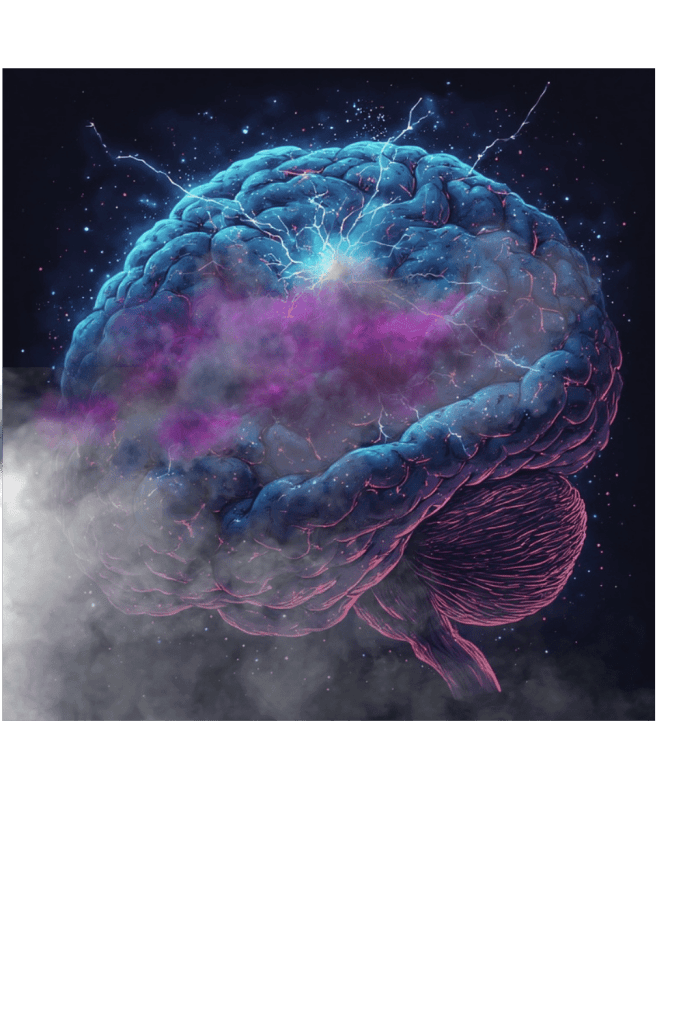
The cruel joke? Many of us with chronic pain, ADHD, or trauma live in a state where both are happening at once. Inflammation clouds the signals (fog) while constant effort to function burns through what little energy reserves remain (fatigue). Add medication effects, sleep disruption, or stress hormones—and your poor nervous system is basically trying to run Windows 98 on low battery.
The next time you say “I can’t think today,” remember—it’s not laziness or lack of willpower. It’s biology doing its best under impossible conditions. Be kind to your brain. It’s been through a lot, and honestly, it deserves a nap and maybe a snack. Til next time gang, take care of yourselves, and each other.

 WannaBeNormal