Uncategorized

๐Ÿ’Š When Your Body Stages a Coup: Surviving Withdrawal from Your Legally Prescribed Meds

So picture this: youโ€™re minding your business, taking your meds like a responsible adult, when suddenlyโ€”boom.
Pharmacy delay. Doctor out of town. Prior authorization โ€œpending.โ€ Ah the setback of psych meds.
And your nervous system? Itโ€™s like, โ€œCool cool coolโ€ฆ letโ€™s panic about everything now.โ€

Letโ€™s be clear right out of the gate:
This isnโ€™t addiction.
This is what happens when your body gets used to something your doctor prescribed, and then it disappears faster than your motivation on a Monday.

For people managing chronic pain, ADHD, bipolar disorder, fibromyalgia, anxietyโ€”basically anything that makes life feel like juggling flaming swordsโ€”missing meds can wreck your whole week. Sometimes your whole month. It used to be pain meds were controlled, well I got off all them and then I find out one of my meds for my mental state is controlled too.

So hereโ€™s the practical, not-patronizing guide to surviving it.


๐Ÿง  1. Know Whatโ€™s Happening โ€” Itโ€™s Not โ€œJust in Your Headโ€

Your body doesnโ€™t care that youโ€™re being responsible. It just knows chemistry changed.
Withdrawal from meds like antidepressants, or mood stabilizers can cause:

  • Flu-like symptoms (the fever, chills, and โ€œoh God, whyโ€ kind)
  • Dizziness or brain zaps
  • Stomach chaos (you know what I mean)
  • Anxiety that feels like being trapped in your own skin
  • Crying at car insurance commercials

Youโ€™re not crazy, dramatic, or weak. Youโ€™re literally detoxing from a medication your body depended on.


๐Ÿฉบ 2. Call the Pharmacy and Doctor โ€” Every. Single. Day.

Yes, itโ€™s annoying. Yes, they hate it. Do it anyway.
Sometimes the squeaky wheel really does get the refill.

Ask for:

  • A partial fill (even a few daysโ€™ worth helps)
  • Generic or alternative options
  • If your doctor can bridge it with samples or a similar med

If you canโ€™t get through to your doctor, ask to speak to the nurse or pharmacist directlyโ€”they can often light a fire under the process faster than anyone else.


๐Ÿง˜โ€โ™€๏ธ 3. Temporary Coping Tools (That Actually Help)

You canโ€™t cure withdrawal, but you can soften the edges.
Try:

  • Hydration like itโ€™s your job. Electrolytes help your body flush junk out faster.
  • Protein and complex carbs. Blood sugar swings make symptoms worse.
  • Body temp tricks: cool showers for feverish restlessness, warm baths for muscle tension.
  • Magnesium and vitamin B supplements (if cleared by your doc).
  • Ginger tea or mints for nausea.
  • Noise + comfort TV. Distract your brain from itself. (โ€œSVU’ or ‘Chicago’ shows is a favorite here.)

And yes, sleep whenever you can. Withdrawal can feel like a bad breakup between your brain and your body, and youโ€™ll need rest to survive the drama.


๐Ÿšจ 4. Know When Itโ€™s Too Much

If your symptoms go beyond โ€œughโ€ and start looking like โ€œdangerous,โ€ itโ€™s time to get help.
Go to urgent care or call your doctor if you experience:

  • Suicidal thoughts
  • Chest pain
  • Severe confusion or disorientation
  • Tremors, seizures, or blood pressure spikes

No guilt, no hesitation. This isnโ€™t weaknessโ€”itโ€™s biology in meltdown mode.


๐Ÿ’ฌ 5. Youโ€™re Not a โ€œDruggie.โ€ Youโ€™re a Human Being.

Letโ€™s kill that stigma right now.
Thereโ€™s a difference between dependency and addictionโ€”one means your body adapted to a med, the other means thereโ€™s misuse or compulsion.

If youโ€™re following your prescription and life implodes when you miss it, thatโ€™s not moral failure. Thatโ€™s chemistry. And it deserves compassion, not judgment.


๐ŸŒฟ Bonus: What to Do Once Youโ€™re Back on Track

  • Ask about tapering. Even a few daysโ€™ gap can make restarting rough.
  • Set up refill reminders. Calendar, app, sticky note, carrier pigeonโ€”whatever works.
  • Request overlap fills (some pharmacies will fill a few days early if you ask).
  • Stock an emergency buffer once you can, even if itโ€™s just a few daysโ€™ worth.

And most importantly: forgive yourself for the mess that isnโ€™t your fault.
Medication management in modern healthcare is like playing whack-a-mole blindfolded. Youโ€™re doing great just by surviving it. Dependency is’nt addiction. Til next time gang, take care of yourselves, and each other!

Uncategorized

Notifications from My Chronic Illness Squad

Sometimes living with multiple diagnoses feels like Iโ€™m stuck moderating the worldโ€™s most chaotic group chat. None of my conditions text in complete sentences, everyone interrupts, and nobody ever seems to be on the same page. Honestly, if you peeked at the notifications going off in my brain, this is pretty much what youโ€™d seeโ€ฆ

Good Morning!

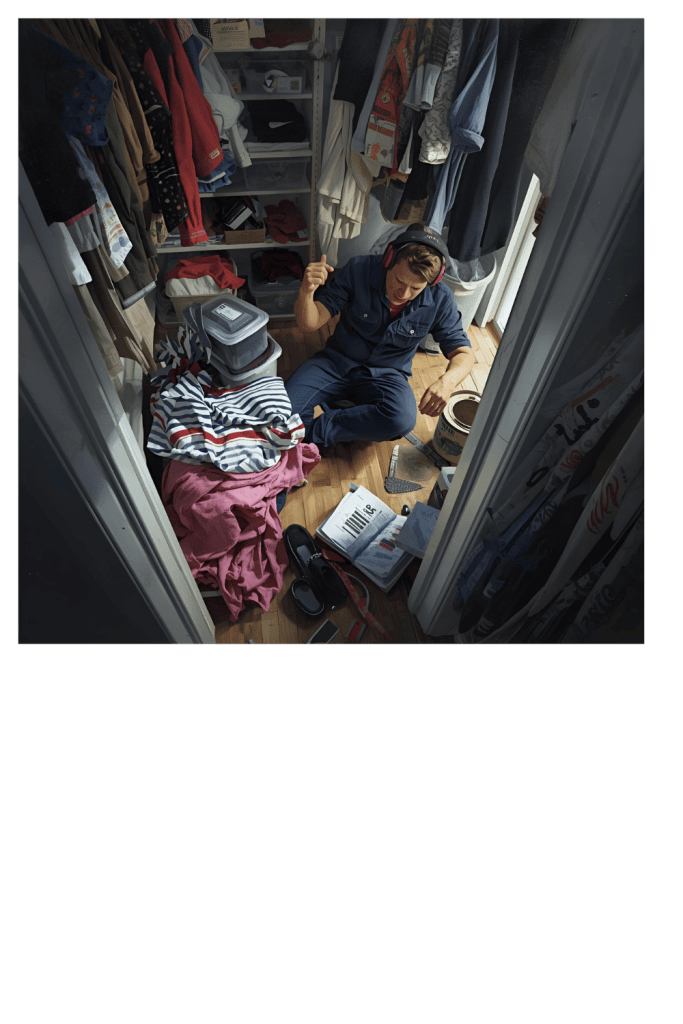
ADHD: โ€œGUYS I just had the BEST idea! Letโ€™s reorganize the closet at 2 a.m. while blasting music!โ€

Fibromyalgia: โ€œCool, but youโ€™re going to need a heating pad, three naps, and a chiropractor after.โ€

Bipolar: โ€œYES. Letโ€™s do it! Letโ€™s paint the closet rainbow colors and start a whole new side hustle around it!!โ€

Anxiety: โ€œWait. What if the paint is toxic? What if you mess it up? What if everyone laughs at you? Also, did you lock the door?โ€

Depression: โ€œlol. whatโ€™s the point of even having a closet.โ€

PTSD: [randomly sends 17 fire emojis]

After Lunch:


ADHD: โ€œOops, forgot the drawers. Now Iโ€™m starting a craft project.โ€

Fibromyalgia: โ€œOh, awesome. Guess whoโ€™s going to need three days in bed because of hot glue injuries?โ€

Bipolar: โ€œWE CAN SELL IT ON ETSY! MILLIONS!!โ€

Anxiety: โ€œWhat if nobody buys it? What if they all leave one-star reviews? What if we end up bankrupt??โ€

Depression: โ€œsame.โ€

PTSD: [sends an old photo no one wanted to see]

Mid – Afternoon

ADHD: โ€œOops! Forgot the craft, but I DID deep clean the fridge!โ€


Fibromyalgia: โ€œCongrats. Iโ€™ll just be over here, inflamed like a balloon.โ€

Motivation (rare cameo): โ€œGuysโ€ฆ maybe weโ€ฆ clean the kitchen?โ€

ADHD: Ignore Motivation, heโ€™s on vacation most days


Bipolar: โ€œOMG letโ€™s turn this into a cleaning business! Million-dollar idea!!โ€


Anxiety: โ€œWhat if someone hires us and we miss a spot and they never forgive us?โ€


Depression: โ€œWe wouldnโ€™t go anyway.โ€


PTSD: [sends a soft focus picture of nothing in particular]

2 A.M. Chaos ๐ŸŒ™

ADHD: โ€œGUYS! Big idea! We should make a podcast!โ€

Fibromyalgia: โ€œWe canโ€™t even make it through a shower without a recovery period.โ€


Bipolar: โ€œNo, no โ€” THIS is the idea thatโ€™ll change everything!!โ€

Anxiety: โ€œWhat if no one listens? What if EVERYONE listens?!โ€

Depression: โ€œlol. either way, pointless.โ€

PTSD: [sends a GIF of an explosion]

And thatโ€™s just one day in the group chat. Tomorrow theyโ€™ll be arguing about whether to try a new hobby, cry about laundry, or plan an entire business venture at 3 a.m. Living with ADHD, bipolar disorder, fibromyalgia (and the rest of the crew) isnโ€™t neat or predictableโ€”itโ€™s messy, noisy, and sometimes ridiculous. But at least if I can laugh at the chaos, I get to feel like the one running the chat instead of just stuck in it Till next time gang, take care of yourselves, and each other!

Uncategorized

Your Brainโ€™s Clock is Lying to You: A Field Guide to Weird Time Perception

Neurodivergent time is like dog years โ€” it moves differently, feels different, and somehow makes perfect sense only to the person experiencing it.
If youโ€™ve ever been both unfashionably early and catastrophically late in the same week, welcome to the club.


1. The Classic: Time Blindness

You look at the clock, itโ€™s 3:05.
You blink, check again, and suddenly itโ€™s 3:58, youโ€™re still in pajamas, and the event was across town at 4.
This isnโ€™t laziness โ€” research suggests ADHD brains have differences in time estimation and temporal processing (Barkley, 2010), meaning we actually perceive time passing less accurately.
Translation: the clock is real, but our internal one is a knockoff from Wish.


2. The Paradox: Hyper-Punctuality

On the flip side, some of us are so terrified of being late that we swing too far the other way.
Now weโ€™re sitting in the parking lot 25 minutes early, scrolling memes and contemplating our life choices.
Our brainโ€™s solution to not trusting time is apparently to overcompensate until itโ€™s awkward.


3. The “Just One More Thing” Trap

We swear we have time for one tiny task before we leave โ€” toss in the laundry, answer that email, maybe make baked salsa chicken from scratch โ€” and suddenly weโ€™re in full panic mode.
The ADHD brain struggles with prospective memory (remembering to do something in the future) and transitions, so starting โ€œone more thingโ€ is basically time gambling with terrible odds.


4. The Black Hole Effect

You start reorganizing the spice rack. Next thing you know, itโ€™s 2am, youโ€™re alphabetizing oregano, and you have no idea how you got here.
Hyperfocus is great for productivityโ€ฆ until you remember you were supposed to eat dinner four hours ago.


Tips for Outsmarting Your Brainโ€™s Broken Clock

  • Timers are your friend โ€“ Set alarms for when to start getting ready, not just when to leave.
  • The โ€œfake leave timeโ€ trick โ€“ Tell yourself you have to be there 15 minutes earlier than you do.
  • Visible time cues โ€“ Use analog clocks or visual timers where you can see time moving.
  • Build a buffer โ€“ If youโ€™re early, bring a book or podcast so you donโ€™t feel like youโ€™re wasting time.

๐Ÿ“š Fact Source: Barkley, R. A., Murphy, K. R., & Fischer, M. (2010). ADHD in Adults: What the Science Says. Guilford Press.
Yes, thatโ€™s an actual book. No, I didnโ€™t make it up. Itโ€™s basically the ADHD brain user manual.
Til next time gang, take care of yourselves, and each other!

Uncategorized

Reframing for Real Life: How to Shift Your Thoughts Without Gaslighting Yourself

AKA Why My Brain is Not the Boss of Me

Letโ€™s be honest: brains can be drama queens. They catastrophize. They tell half-truths. They rerun that one embarrassing moment from seventh grade like itโ€™s a Netflix Original. And when you live with chronic illness, ADHD, bipolar disorder, or youโ€™re just a human being trying to function, those mental reruns can get extra spicy.

Enter: reframing. Itโ€™s a simple but powerful cognitive strategy that helps you shift how you view a situation or thoughtโ€”without pretending everything is fine when itโ€™s clearly not. This isnโ€™t about toxic positivity. This is about mental judo.


What Is Reframing (And Why Should I Care?)

Reframing is the mental equivalent of turning the pillow over to the cool side. It’s rooted in Cognitive Behavioral Therapy (CBT) and helps you challenge automatic negative thoughts by looking at things from a different (and often more helpful) perspective.

Itโ€™s not about lying to yourself. Itโ€™s about finding a version of the truth that doesnโ€™t punch you in the gut.


How Reframing Works (Spoiler: Science Says It Does)

Research shows that reframing, also called “cognitive reappraisal,” can significantly reduce symptoms of anxiety, depression, and stress. Two studies worth name-dropping at your next emotionally intelligent brunch:

  1. Gross & John (2003) found that people who use reappraisal are more emotionally balanced and less likely to explode or implode emotionally.
  2. Jamieson et al. (2012) showed that people who reframed their stress (as the body preparing to rise to a challenge) performed better and felt less overwhelmed.
    • Citation: Jamieson, J. P., Nock, M. K., & Mendes, W. B. (2012). Mind over matter. Journal of Experimental Psychology: General, 141(3), 417โ€“422.
      https://doi.org/10.1037/a0025719

How to Reframe Without Losing Your Edge

  1. Catch the Thought
    Example: “Iโ€™m lazy. I didnโ€™t get anything done today.”
  2. Reality Check
    Ask: Is this a feeling or a fact? Would I say this to a friend?
  3. Flip It Gently
    Reframe: “My energy was low, and I did what I could. Resting isnโ€™t lazy.”
  4. Add Sass or Compassion (Optional but Recommended)
    Try: “Okay, Brain. Thanks for your input. Now please go sit in the back with Anxiety and Guilt.”

Everyday Reframes That Save My Sanity

Unhelpful ThoughtReframed Thought
“Iโ€™m falling behind.”“Iโ€™m moving at my own pace, and thatโ€™s valid.”
“I should be doing more.”“Iโ€™m doing what I can, and that counts.”
“Everyone else has it together.”“Theyโ€™re probably also crying in their car.”
“Iโ€™ll never get it right.”“Progress isnโ€™t linear, and effort matters.”

Closing Thoughts (AKA Why You Deserve a Brain That Isnโ€™t Mean)

You donโ€™t need to have perfect mental health to practice reframing. You just need to notice when your thoughts are dragging you under and say, โ€œActually, no thanks.โ€

Reframing isnโ€™t pretending life is great. Itโ€™s realizing you donโ€™t have to believe every thought your brain throws at you. Especially the mean ones. Especially the hopeless ones.

You are allowed to talk back.

And you deserve to hear yourself say something kinder. Til next time guys. Take care of yourselves, and each other

Uncategorized

Can You Hear Me Now? Because the System Sure Doesnโ€™t

Letโ€™s just get one thing out of the way: when we say weโ€™re tired, we donโ€™t mean โ€œI could use a napโ€ tired. We mean, โ€œit feels like my bones are made of lead and Iโ€™m dragging them through emotional quicksandโ€ tired. Welcome to chronic illness fatigue โ€” where the real game is not getting things done, but feeling guilty about the things we couldnโ€™t do.


Invisible Illness Fatigue: A Sneaky Beast

When you live with something like fibromyalgia, ADHD, or bipolar disorder (or the full trifecta, if you’re really winning like I am), fatigue doesnโ€™t show up like it does after a long day. Itโ€™s not solved with sleep. Itโ€™s a permanent roommate that throws a tantrum when you so much as think about productivity.

We donโ€™t just skip tasks. We skip tasks, then feel like a failure for skipping them, then try to explain why, then realize weโ€™re exhausted from the explaining. And even when people say they understand, thereโ€™s that unspoken โ€œbut everyoneโ€™s tiredโ€ hanging in the air. Sure, Karen, but not everyone needs to lie down after a shower.


The Gaslight of the Medical Maze

Now letโ€™s sprinkle in a bit of medical neglect for flavor. โ€‹According to the National Council for Mental Wellbeing, it takes an average of 48 days to get an appointment with a behavioral health provider in the U.S. โ€” and that’s after you’ve made contact.โ€‹ย Because whatโ€™s chronic illness without fighting the very system meant to help us? I spent this week trying to schedule a psych appointment for my teenager. I called seventeen times. Seventeen. Not metaphorically. SEVENTEEN. I left messages. I waited. I got bounced from voicemail to nowhere.โ€‹ Their voicemail message says ‘someone will get back to you within 24 hrs.’ Never not once called.
๐Ÿ“Œ Cold, Hard Reality Check:
According to the National Council for Mental Wellbeing, the average wait time for behavioral health services in the U.S. is a staggering 48 days. Thatโ€™s nearly seven weeks of waiting in limboโ€”waiting for care that should come sooner.

And when I finally got through โ€” a moment of hard-earned triumph โ€” I did what any burnt-out, panic-caffeinated, mom-on-the-edge might do: I scheduled it โ€‹first available for the one day I absolutely canโ€™t do it. Face palm? No. Face ground. But the idea of calling again, of pushing through the labyrinth of dead-end prompts and receptionist roulette? I physically canโ€™t do it. Iโ€™ll move my own mountain that day instead.

This is what they donโ€™t see. The victories that come covered in emotional tax. The way we โ€‹beat ourselves up over accidents because weโ€™re so used to feeling like weโ€™re failing. Even our wins taste like stress.


The Never-Ending Ask for Help (That Goes Nowhere)

Everyone tells you to ask for help. But they donโ€™t tell you what to do when that help turns out to be a ghost. Or a voicemail. Or an email that never gets answered. Or a friend who says, โ€œLet me know if you need anythingโ€ but quietly disappears when you say, โ€œActually, I do.โ€

When you do speak up, you risk being labeled as dramatic or dependent. When you donโ€™t, you’re โ€œnot taking care of yourself.โ€ Itโ€™s a rigged game. The buck never stops. It just circles the drain while weโ€™re clinging to the rim.

And yes, it gets to us. All the time. We internalize it. We feel like a burden. Like we have to keep apologizing for being sick. Like if we were just stronger, more organized, less emotional, less needy… we could pull off the impossible. You can gaslight yourself into silence before a single word leaves your mouth.


So Why Share This?

Because I know Iโ€™m not the only one. And if youโ€™ve been spiraling, crying in between productivity guilt sessions, or clenching your teeth while listening to elevator hold music for the fifth time this week โ€” you’re not alone.

This isnโ€™t a cry for pity. Itโ€™s a call for reality. Letโ€™s be honest about what it really feels like to be chronically ill, overwhelmed, and stuck inside a system that expects perfect performance from broken parts.

Letโ€™s remind each other that doing our best sometimes looks like barely functioning โ€” and thatโ€™s still valid. Letโ€™s talk about how asking for help shouldnโ€™t feel like rolling a boulder uphill.

Letโ€™s be soft with ourselves.

You are not failing. You are carrying more than most people even know exists. And you’re still here, still trying. Thatโ€™s resilience. Thatโ€™s strength. Thatโ€™s you. Til next time gang, take care of yourselves, and each other!

Uncategorized

The ADHD Energy Crash: Why It Happens and How to Navigate It

If you live with ADHD, you’re likely familiar with the phenomenon of feeling mentally and physically drained by mid-afternoon. This isn’t just about being tired; it’s a distinct experience tied to the unique ways ADHD affects energy regulation.

๐Ÿ” Understanding the ADHD Energy Crash

ADHD is characterized by challenges in executive functioning, which means tasks that require planning, focus, and organization demand more cognitive effort. This heightened effort can lead to quicker depletion of mental energy. Additionally, individuals with ADHD often struggle with interoceptionโ€”the ability to recognize internal bodily cuesโ€”making it harder to notice signs of fatigue until they’re overwhelming.

โœ… Practical Strategies to Combat the Crash

Here are several evidence-based strategies to help manage and mitigate the afternoon energy slump:

  1. Incorporate Regular Physical Activity: Engaging in physical exercise can boost energy levels and improve focus. Even short walks or light stretching during breaks can make a significant difference. If you have a fitbit, the get up once an hour and do 250 steps setting, turn it on and stick to it.
  2. Prioritize a Protein-Rich Breakfast: Starting your day with a meal high in protein can stabilize blood sugar levels and provide sustained energy, reducing the likelihood of an early crash. Breakfast isnt a great meal on the go but if nothing else have a protein shake.
  3. Utilize Power Naps Wisely: Short naps, ideally between 10โ€“20 minutes, taken in the early afternoon, can rejuvenate your mind without affecting nighttime sleep. This is a rule of thumb but not one I follow. I found my best nap is between 30 minutes to an hour, it gives me the perfect alertness when I get up. Experiment on your own and listen to your body.
  4. Practice Energy Pacing: Monitor your energy levels throughout the day and plan tasks accordingly. Scheduling demanding activities during peak energy times and allowing for rest during low-energy periods can enhance productivity. I tell people after dinner don’t ask me shit because once the last dish is done I am off the clock lol
  5. Engage in Body Doubling: Working alongside someone else, either in person or virtually, can increase accountability and focus, making tasks feel less daunting. This is seriously magic I don’t get why it works but it does.
  6. Stay Hydrated and Eat Balanced Meals: Dehydration and poor nutrition can exacerbate fatigue. Ensure you’re drinking enough water and consuming meals that balance carbohydrates, proteins, and healthy fats. Water water water. I hate it but it affects more than you’d think.
  7. Maintain Consistent Sleep Patterns: Establishing a regular sleep schedule helps regulate your body’s internal clock, leading to improved energy levels during the day. I’m up at 3. It was upsetting as I tried to change and mold it to conform with the usual hours, when I accepted that my body wanted to set its own schedule and started planning my days around that I was a great deal happier.
  8. Limit Caffeine Intake: While caffeine can provide a temporary boost, excessive consumption may lead to energy crashes later in the day. Moderation is key. HAHAHA! I can hear everyone who knows me heads whipping around. I’m a coca-cola girl, and maybe you arent overly sensitive to caffeine but thats where I’d make adjustments first.
  9. Create a Stimulating Work Environment: Incorporate elements that keep you engaged, such as background music or varying your workspace, to maintain interest and energy. They sell fidget mats that have all these things but your better off getting a fidget spinner, those are portable.
  10. Seek Professional Support: If energy crashes are significantly impacting your daily life, consider consulting a healthcare professional for personalized strategies and potential treatment options. Theres no shame in asking for help.

By understanding the underlying factors contributing to the ADHD energy crash and implementing these strategies, you can better manage your energy levels and maintain productivity throughout the day. Remember, it’s about finding what works best for you and being compassionate with yourself in the process. Til next time gang, take care of yourselves and each other.

Uncategorized

Parenting Through the Fog: ADHD, Fibromyalgia, and Showing Up Anyway

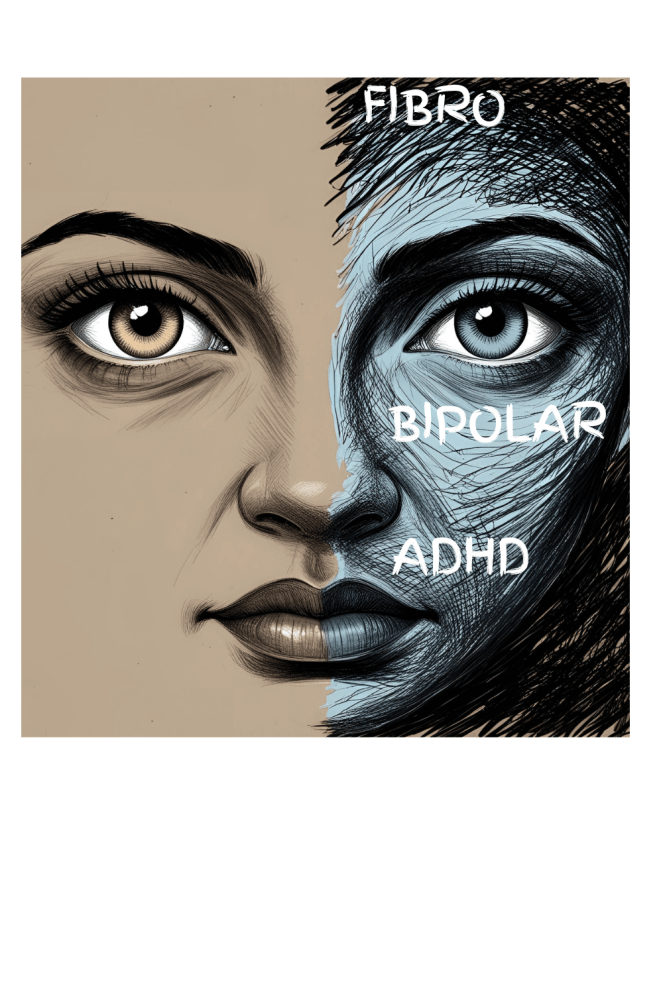
Some mornings, the win is just getting pants on. Other mornings, itโ€™s breakfast made, meds taken, laundry halfway done before noon, and a gold star for basic humaning. But when you live with both Bipolar and fibromyalgia, (with a little ADHD thrown in for good measure) parenting becomes less of a schedule and more of a survival sport.

And the thing no one tells you? Showing up imperfectly still counts.

The Day-to-Day: A Symphony of Chaos and Grit

On paper, it probably looks like weโ€™re flaky. Late to the appointment, forgot the school form (again), still haven’t finished the laundry from last Tuesday. In reality, itโ€™s brain fog, chronic pain, executive dysfunction, and a nervous system that acts like itโ€™s sprinting from a bearโ€ฆ while weโ€™re just trying to make dinner.

Itโ€™s the kind of exhaustion you canโ€™t nap your way out of.

Some days youโ€™re the mom who makes Halloween costumes from scratch. Other days youโ€™re the mom who considers goldfish crackers and applesauce a win. You are both and neither โ€” and you are enough.

๐Ÿ’ก My Daily Routine (On a Good-ish Day):

I am up at 4. No reason for it, just can’t sleep any later ever since my heart when I was in the hospital, first thing they did was draw blood so I think I started getting up early to psych myself up for it lol/
I do my Duolingo (gotta get to exercising the brain) I ‘watch the news’, I listen to all the late night monologues and any interviews I wanted to catch, or just some music in my headphones when the news isnt interesting.
This is the quiet start to the day..
5:30 First attempt waking hubby
6 First attempt waking up monkey
Usually I watch the news or do my steps in between going room to room rousing people.
6:30 daughters not up start getting irritated.
7:40 I feed and medicate the furry children
8 I start on either post or making something.
10 I have to eat to take my meds
12 the cats get fed and medicated again
12-3 Always cleaning. Folding clothes, vacuuming and dishes usually round out my day.
4 I typically start either project or chat with daughter about her day, dinner
5:30 all my chores are done by now, or as I say to them ‘if it aint done it aint gettin done til tomorrow’
I watch tv til 8 and put myself into bed, usually falling asleep, when I don’t I get up and take a gummie, because I NEED sleep and no matter what time I go to bed I am up at 4, so might as well get some sleep you know?

This might be the hardest for me. Or it WAS, I’m finally letting go.

Spoonie-friendly routines. Simplify where you can. Wash days spaced out. Clothes that donโ€™t need ironing. Outsource or automate what you can.
I have an every other day routine because I am honest with myself and I know I need a day to recover after a productive day LOL

Movement, but gentle. Stretching or chair yoga instead of pretending weโ€™re still in our 20s with full cartilage and a pain-free morning.
Walking, so much walking lol

Let someone help. Even if itโ€™s just asking your kid to throw their trash away. Micro-help still counts.
Stop feeling guilt, other people have hands and feet too!

Digital checklists or ADHD-friendly planners (visual, colorful, forgiving of missed days).
I might know somewhere to get them… LOL Seriously I love mine and feeling halfway organized.

The Numbers Behind the Fog

  • ADHD is underdiagnosed in women by huge margins. One study found girls are 50โ€“75% less likely to be diagnosed than boys, often because theyโ€™re more โ€œdaydreamyโ€ than disruptive.
  • Fibromyalgia affects 80โ€“90% women, and often takes 5+ years to diagnose. Why? Because womenโ€™s pain is historically minimized or chalked up to anxiety.
  • Executive dysfunction isnโ€™t laziness โ€” itโ€™s a brain-based difficulty in initiating, organizing, and following through on tasks. ADHD and fibro both contribute as does the Bipolar.
  • Bipolar disorder is frequently misdiagnosed in women, often as depression or borderline personality disorder. Studies show up to 69% of women with bipolar are initially misdiagnosed, and the average delay before an accurate diagnosis is 6 to 8 years.

So yeahโ€ฆ itโ€™s not in your head. But even if it were, that would still be real.


Youโ€™re Not a Failure, Youโ€™re a Force

If all you did today was exist in your body and care about your kids, youโ€™ve already done the hard part.

The parenting books didnโ€™t cover flare days or mental fog. But we are writing the new manual: one honest, messy, beautiful chapter at a time.

Youโ€™re not alone, youโ€™re not broken โ€” and you donโ€™t have to do this perfectly to be doing it well. Til next time guys, take care of yourselves, and each other


๐Ÿ” Sources to Back It All Up


  1. ADHD underdiagnosed in girls/women
  2. Fibromyalgia affects mostly women & takes years to diagnose
  3. Bipolar misdiagnosis in women
  4. Executive dysfunction is real (not laziness!)
Uncategorized

It’s Not Laziness, It’s Executive Dysfunction (And It Sucks)

Let me just say this plainly: if I could get everything done that I want to get done, I’d be running the world, not Googling “how to un-shame clean your kitchen” for the fifth time this week. But thanks to my brain, I’m lucky if I remember why I walked into a room before I forget what day it is. Again.

ADHD Isn’t About Laziness. Period.

Weโ€™ve all heard it: “You just need to try harder,” or “If it mattered to you, youโ€™d do it.”

But researchโ€”you know, those pesky factsโ€”says otherwise. ADHD is a neurodevelopmental disorder that impairs the brain’s executive functioning system. That’s the part of your brain in charge of motivation, planning, prioritizing, and following through. Imagine if the project manager in your head was replaced by a hyperactive squirrel on espresso (GEORGE! George is fine by the way, he has a whole family now, hardly ever has time to say hello). Thatโ€™s what weโ€™re dealing with.

According to clinical psychologist Dr. Russell Barkley, one of the top researchers on ADHD, people with ADHD have impairments in “executive function” that make self-regulation incredibly difficult. Itโ€™s not about willpower; itโ€™s about the wiring. Our dopamine systems are under-responsive to reward cues, which means motivation isnโ€™t just lowโ€”itโ€™s missing the GPS coordinates’. I’m not one to give myself excuses, because I don’t like it when others use them and I hate being a hypocrite, but its still true that we are wired differently going in a direction we dont know and are constantly getting redirected. I often liken it to a pinball in a machine.

Unreliable Doesn’t Mean Uncaring

One of the most brutal side effects of ADHD isn’t the mess or the missed appointments. It’s the shame that comes from being “that friend” or “that mom” who can’t follow through the way they want to. You know, the one with a big heart and the flakiest calendar. Do you know how much I’d do for others

People think you’re careless, selfish, or just plain rude. What they donโ€™t see is the internal warfare: the notes, reminders, alarms, sticky tabs, pep talks, self-hatred, guilt spirals, and emotional crashes. You donโ€™t skip coffee with a friend because you donโ€™t care. You skip because your brain misfired three times trying to remember to get dressed and now youโ€™re late and frozen in a shame spiral. Again.

Rejection Sensitivity and the Spiral of Doom

Ever heard of Rejection Sensitive Dysphoria (RSD)? Itโ€™s a common experience for people with ADHD and it means that even a hint of disappointment or criticism can hit like a sucker punch to the gut. So now youโ€™re not just late, youโ€™re convinced your friend hates you, youโ€™re the worst human ever, and heyโ€”why not just never make plans again?

This is where ADHD becomes more than a memory issue. It becomes a self-worth issue. You start doubting your ability to be dependable, to show up, to be enough. And when the world keeps reflecting that back at you, the damage compounds.

So What Helps?

  • Compassion (especially from yourself): Youโ€™re not lazy. Your brain has different settings. Start there.
  • External supports: Use them all. Alarms, timers, whiteboards, apps, body doubles. Build scaffolding around your brain. I write everything down. I have shit everywhere that I do not remember why I wrote it or sometimes come across the thing I wrote it down for. When I started breaking up every chore into little baby chores I was a lot more real with myself. Like setting the meals as I do. Less chance of me deviating and going into decision paralysis. Though I did mess up this week but it can’t be helped, I forgot and planned a meal on my birthday AND we had a prolonged power outage causing us to throw away a lot of things.
  • Micro-goals: Instead of “clean the house,” try “clear the table.” Progress feels good, if it feels good your brain will do more of it. I do one side of the sink then give myself a free break to write or just veg out for half an hour or whatever. YOU make the rules, there ARE rules though and when you give yourself little dopamine snacks through the day it will make you more even keel.
  • Community: ADHDers need each other. Not for adviceโ€”though that helpsโ€”but for validation. To always compare yourself against what YOU perceive to be a perfect normal person (though I PROMISE you everyone you meet has stuff bringing them down, some just have the advantage of a prettier package, inside its still the same shit) is pointless.

Here’s the Truth

You can be inconsistent and still be valuable. You can forget the thing and still be deeply caring. You can be unreliable sometimes and still be a good mom, friend, partner, person.

I donโ€™t write this post as a PSA. I write it as someone who has been eaten alive by guilt more times than I can count. I want the world to stop equating productivity with worth. But until it does, I hope this helps someoneโ€”even just one personโ€”feel a little less broken. Because I promise, you’re not. Til next time guys. Take care of yourselves and each other

Uncategorized

5 Weirdly Effective Ways to Feel Better Fast (Backed by Science, Not Just TikTok)

Ever feel like your brainโ€™s stuck in dial-up mode while the rest of the worldโ€™s running on fiber optic? Been there, ordered the T-shirt, wore it for three days straight. When you’re fried, frazzled, or just feeling emotionally soggy, you donโ€™t always have the bandwidth for a full mental health makeover. The good news? Science has your backโ€”and it doesnโ€™t require a prescription or a bank loan. Here are five surprisingly effective, science-backed ways to feel better fastโ€”without leaving your couch (probably).


1. Deep Breathing: A Free Spa Day for Your Nervous System

Letโ€™s be real: when someone tells you to โ€œjust breathe,โ€ itโ€™s usually right before you snap like a glow stick. But hear me outโ€”breathwork is basically a nervous system cheat code.

๐Ÿ”ฌ Science says: Deep, controlled breathing activates your parasympathetic nervous system (aka the “rest and digest” mode), reducing cortisol and lowering heart rate. One study in Frontiers in Psychology (Zaccaro et al., 2018) found that slow breathing significantly improves mood and lowers anxiety.

๐ŸŒ€ Try this: Inhale for 4 counts, hold for 4, exhale for 4 (aka box breathing). Bonus points if you close your eyes and pretend you’re somewhere tropical and not just hiding from your responsibilities.

I don’t like to recommend anything I don’t do, so rest assured I do this, though I switch up the rhythms, and I would recommend you do the same because so long as you’re breathing, it works doesnt matter how pretty it is.


2. Laughter Therapy: Better Than an Espresso Shot

Who knew memes could double as mental health tools? Turns out, watching something funny isnโ€™t just procrastinationโ€”it’s therapy with a punchline.

๐Ÿ”ฌ Science says: Laughter triggers the release of endorphins and lowers stress hormones. A study in The Journal of Neuroscience (Dunbar et al., 2012) shows that laughter increases pain tolerance and boosts social bonding.

๐Ÿ“บ Try this: Watch a short stand-up set, blooper reel, or the 7,000th rerun of your favorite sitcom. Whatever tickles your funny bone.

๐Ÿ‘‰ Real-life moment: You know what I’ve heard? I laugh too much. I’m too loud. I shouldn’t make everything a joke. You know what? I’m beyond caring. You know that whole near death thing? It showed me life was FAR TOO SHORT to waste time on the vast amount of unpleasantness one generally has to put up with. If you can’t laugh did you even enjoy it? I listen to last nights late night monologues or stand up while I’m doing my duolingo in the mornings (take care of your brain folks, no joke, you’ll miss it when it starts to go LMAO) and on mornings that I can’t I find the rest of the day I can be kind of an asshole. I mean, I’m always sorry, but I’m going to be honest with you guys about it LOL


3. Gardening or Nature Exposure: Green = Good Vibes

No yard? No problem. Even a houseplant counts as emotional support foliage. Nature doesnโ€™t judge your outfit or ask how many hours of sleep you got.

๐Ÿ”ฌ Science says: Time in nature reduces stress and improves mood. The Japanese practice of shinrin-yoku (forest bathing) has been studied extensively; one study in Environmental Health and Preventive Medicine (Park et al., 2010) showed it significantly lowers cortisol.

๐ŸŒฑ Try this: Step outside and touch a tree (yes, really), water your plants, or sit near a window. Even watching nature videos has calming effects.

I am plant killer number one around here. I wouldnt be surprised if my mug shot is hanging in the break room for plants like shoplifters mugshots are at Walmart LOL. That being said, the WORST thing the hip replacement has stolen is my weekly or biweekly mowing the yard. I love it, we have an electric mower so I get a good one hour out of it, bopping alone to some music, its just mindless outdoor sun time. Then stick it on the charger and hit it the next day. I have a hard time sitting in the sun even when I know its good for me and outside I wouldnt last long before getting bored.


4. Listening to Classical Music: Your Brainโ€™s Chill Pill

Before you roll your eyes, no, it doesnโ€™t have to be Mozart. But slower, instrumental music can work some serious emotional sorcery.

๐Ÿ”ฌ Science says: A study in PLOS ONE (Thoma et al., 2013) found that listening to classical music after a stressor reduced cortisol levels more effectively than silence or other genres.

๐ŸŽต Try this: Play something instrumental (piano, strings, lo-fi beats) for 5-10 minutes. Even better? Lie down and do nothing while it plays. Yes, doing nothing is productive sometimes.

I love all music. Classical is not a fave but I will put on some really low volume piano pieces when I need it. Generally its just pop from the 80s though. But try Chopin first lol who knows, it could be your new favorite.


5. Social Connection: Text That One Person (Yes, Them)

When youโ€™re down, your brain might tell you to retreat like a wounded raccoon. But reaching outโ€”even just a littleโ€”can flip the script fast.

๐Ÿ”ฌ Science says: Human connection boosts oxytocin, lowers anxiety, and increases resilience. A study from American Journal of Psychiatry (Ozbay et al., 2007) highlights social support as one of the most powerful buffers against stress.

๐Ÿ“ฑ Try this: Send a funny meme to a friend, voice note someone who โ€œgets it,โ€ or even comment on someoneโ€™s post meaningfully.

๐Ÿ‘‰ Its so hard guys. The phone is like there…. And like, sometimes, sometimes it even *gulping loudly*…. RINGS!!! TERRIFYING! I know guys, see, I get it, but how about a text? A text connects you like a ‘sup’ nod between bros, but without the whole sense of the ‘sup’ reply. I bake that shit right into my texts too, I say ‘hey, let me know how you are when you get a minute’. No rush. I’m chill man. Or even ‘just sayin hey and wanted you to know I’m thinking of you’ totally not giving them ANY obligation, because like why would I bum anyone I love out like that?


Closing: Feeling better doesnโ€™t always need to be a full-blown self-care summit. Sometimes, itโ€™s in the little things: a breath, a laugh, a leaf, a lyric, a message. Try one. Try them all. You deserve moments of easeโ€”even when lifeโ€™s handing out chaos like Halloween candy. Til next time gang. Take care of yourselves, and each other!


Uncategorized

Why Telling Someone with Anxiety to โ€˜Just Relaxโ€™ Doesnโ€™t Helpโ€”and What Actually Works

In todayโ€™s fast-paced world, weโ€™re constantly flooded with news from every directionโ€”social media, TV, podcasts, and more. It can feel impossible to escape the nonstop flow of information, and for many, this leads to increased anxiety. As someone navigating a neurodivergent mind, I often struggle with how to handle this overwhelming surge of news. I always have. I remember my first existential crisis thought. I asked my Mom what happens when you die and while I don’t remember her reply the feeling of ice down my spine is burned into my soul. I was eight.

When anxiety levels rise due to the relentless news cycle, well-meaning friends and family often offer the same advice: โ€œJust relaxโ€ or โ€œTake a break from the news.โ€ While this may sound simple and straightforward, it can feel dismissive to those of us who experience anxiety or ADHD. The implication is that we can simply switch off our feelings and concerns with a flick of a switch. I get the impulse to say it, it comes to mind for us too. Do you think I am not SCREAMING at myself on the inside to just relax? Did you think thats not a thought that has occurred to me in multiple scenarios in my life, NOTHING coming from my rational adult mind is saying lay on the floor in the fetal position and remember every single thing that could go wrong in life, and then here we are.

For many neurotypical individuals, taking a break from the news or engaging in self-care activities can be effective strategies for managing stress. They might find that stepping away from their screens allows them to recharge and regain perspective. This approach can help them feel more grounded and less affected by external chaos. I’ve seen the methods everyone has suggested work, a lot worked well with people I knew to have heightened anxiety, I have SEEN the benefits.

However, for those of us who are neurodivergent, the situation is often more complex. The advice to โ€œjust relaxโ€ can feel like a foreign language when our brains are wired differently. Anxiety can manifest as racing thoughts or an inability to focus on anything other than the distressing information we consume. This makes it challenging to simply โ€œturn it off.โ€

For many neurodivergent individuals, thereโ€™s a compulsion to stay informed about current eventsโ€”often driven by anxiety about missing crucial information. This need can lead to excessive news consumption, where checking updates becomes a ritual rather than a choice. Ironically, this behavior can exacerbate feelings of distress rather than alleviate them. Like I GET that the room is on fire, I can feel the heat of it, and you are RIGHT that the room will be on fire whether I’m looking at it or not, HOWEVER if I’m not looking at it how do I know if a spark will land on me. (That metaphor works on multiple levels, my high brain is giving itself a high five lol)

Hyperfixation is another common experience for those with ADHD or anxiety. When something captures our attentionโ€”like a troubling news storyโ€”we may find ourselves fixated on it for hours or even days. This rumination can lead us down a rabbit hole of worry and fear, making it difficult to engage in other activities or enjoy moments of peace. It follows you whether you want it to or not any the second you relax that control just a little in your mind the bad thoughts have the clearance they need to invade.

The sensory overload created by constant notifications and alerts can further complicate our ability to cope with anxiety. The barrage of sounds and visuals can feel overwhelming, leading to heightened stress levels and an increased sense of panic. Itโ€™s as if our brains are on high alert all the time, making relaxation nearly impossible.

Interestingly, the advice to avoid news altogether can create its own set of challenges. For some neurodivergent individuals (myself included) , avoiding distressing information doesnโ€™t eliminate anxiety; instead, it may lead to increased worry about what we might be missing out on or how we might be unprepared for future events. If I don’t know whats coming at me how can I prepare for the inevitable pop up derailments that follow me around like a rain cloud.

The phrase โ€œjust relaxโ€ often comes from a place of care but can feel frustrating and invalidating for those dealing with anxiety or ADHD. It minimizes the complexity of our experiences and implies that we lack control over our emotions when, in reality, weโ€™re navigating a much more intricate landscape. On top of that it makes me want to look at them and say ‘REALLY? OMG YOU’RE RIGHT THATS THE ANSWER! Thank you SO much now I am cured’

Ultimately, itโ€™s essential for friends, family members, and healthcare providers to recognize that everyone experiences anxiety differently. Acknowledging these differences can foster better communication and support systems that allow neurodivergent individuals to express their needs without feeling judged or misunderstood.

Strategies to Help:

  1. Mindful Media Consumption: Set specific times during the day when you check the news instead of allowing it to infiltrate every moment.
  2. Curate Your Information Sources: Choose reliable sources that provide balanced reporting without sensationalism.
  3. Practice Grounding Techniques: Techniques like the 5-4-3-2-1 method (identifying five things you see, four things you hear, etc.) can help anchor you in the present.
  4. Engage in Absorbing Activities: Pursue hobbies that require focusโ€”like painting or readingโ€”to provide a healthy distraction from distressing thoughts.
  5. Seek Support: Talk openly with understanding friends or mental health professionals who respect your experiences and offer guidance tailored to your needs.

There’s little we can do for much of life beside hang on for the ride but distraction can work wonders. I throw myself into finding the best deals. My mind hasnt quieted enough to help me read which is my favorite down time activity, thoughts are too loud for the book words to penetrate the frustrating shell over my brain. Hang in there guys, lets build a community of people who listen and support rather than rush to judge. I’m always happy to hear what helps for you guys, lets share strategies! Til next time gang. Take care of yourselves, and each other.