Uncategorized

The ADHD Energy Crash: Why It Happens and How to Navigate It

If you live with ADHD, you’re likely familiar with the phenomenon of feeling mentally and physically drained by mid-afternoon. This isn’t just about being tired; it’s a distinct experience tied to the unique ways ADHD affects energy regulation.

🔍 Understanding the ADHD Energy Crash

ADHD is characterized by challenges in executive functioning, which means tasks that require planning, focus, and organization demand more cognitive effort. This heightened effort can lead to quicker depletion of mental energy. Additionally, individuals with ADHD often struggle with interoception—the ability to recognize internal bodily cues—making it harder to notice signs of fatigue until they’re overwhelming.

âś… Practical Strategies to Combat the Crash

Here are several evidence-based strategies to help manage and mitigate the afternoon energy slump:

  1. Incorporate Regular Physical Activity: Engaging in physical exercise can boost energy levels and improve focus. Even short walks or light stretching during breaks can make a significant difference. If you have a fitbit, the get up once an hour and do 250 steps setting, turn it on and stick to it.
  2. Prioritize a Protein-Rich Breakfast: Starting your day with a meal high in protein can stabilize blood sugar levels and provide sustained energy, reducing the likelihood of an early crash. Breakfast isnt a great meal on the go but if nothing else have a protein shake.
  3. Utilize Power Naps Wisely: Short naps, ideally between 10–20 minutes, taken in the early afternoon, can rejuvenate your mind without affecting nighttime sleep. This is a rule of thumb but not one I follow. I found my best nap is between 30 minutes to an hour, it gives me the perfect alertness when I get up. Experiment on your own and listen to your body.
  4. Practice Energy Pacing: Monitor your energy levels throughout the day and plan tasks accordingly. Scheduling demanding activities during peak energy times and allowing for rest during low-energy periods can enhance productivity. I tell people after dinner don’t ask me shit because once the last dish is done I am off the clock lol
  5. Engage in Body Doubling: Working alongside someone else, either in person or virtually, can increase accountability and focus, making tasks feel less daunting. This is seriously magic I don’t get why it works but it does.
  6. Stay Hydrated and Eat Balanced Meals: Dehydration and poor nutrition can exacerbate fatigue. Ensure you’re drinking enough water and consuming meals that balance carbohydrates, proteins, and healthy fats. Water water water. I hate it but it affects more than you’d think.
  7. Maintain Consistent Sleep Patterns: Establishing a regular sleep schedule helps regulate your body’s internal clock, leading to improved energy levels during the day. I’m up at 3. It was upsetting as I tried to change and mold it to conform with the usual hours, when I accepted that my body wanted to set its own schedule and started planning my days around that I was a great deal happier.
  8. Limit Caffeine Intake: While caffeine can provide a temporary boost, excessive consumption may lead to energy crashes later in the day. Moderation is key. HAHAHA! I can hear everyone who knows me heads whipping around. I’m a coca-cola girl, and maybe you arent overly sensitive to caffeine but thats where I’d make adjustments first.
  9. Create a Stimulating Work Environment: Incorporate elements that keep you engaged, such as background music or varying your workspace, to maintain interest and energy. They sell fidget mats that have all these things but your better off getting a fidget spinner, those are portable.
  10. Seek Professional Support: If energy crashes are significantly impacting your daily life, consider consulting a healthcare professional for personalized strategies and potential treatment options. Theres no shame in asking for help.


By understanding the underlying factors contributing to the ADHD energy crash and implementing these strategies, you can better manage your energy levels and maintain productivity throughout the day. Remember, it’s about finding what works best for you and being compassionate with yourself in the process. Til next time gang, take care of yourselves and each other.

Uncategorized

It’s Not Laziness, It’s Executive Dysfunction (And It Sucks)

Let me just say this plainly: if I could get everything done that I want to get done, I’d be running the world, not Googling “how to un-shame clean your kitchen” for the fifth time this week. But thanks to my brain, I’m lucky if I remember why I walked into a room before I forget what day it is. Again.

ADHD Isn’t About Laziness. Period.

We’ve all heard it: “You just need to try harder,” or “If it mattered to you, you’d do it.”

But research—you know, those pesky facts—says otherwise. ADHD is a neurodevelopmental disorder that impairs the brain’s executive functioning system. That’s the part of your brain in charge of motivation, planning, prioritizing, and following through. Imagine if the project manager in your head was replaced by a hyperactive squirrel on espresso (GEORGE! George is fine by the way, he has a whole family now, hardly ever has time to say hello). That’s what we’re dealing with.

According to clinical psychologist Dr. Russell Barkley, one of the top researchers on ADHD, people with ADHD have impairments in “executive function” that make self-regulation incredibly difficult. It’s not about willpower; it’s about the wiring. Our dopamine systems are under-responsive to reward cues, which means motivation isn’t just low—it’s missing the GPS coordinates’. I’m not one to give myself excuses, because I don’t like it when others use them and I hate being a hypocrite, but its still true that we are wired differently going in a direction we dont know and are constantly getting redirected. I often liken it to a pinball in a machine.

Unreliable Doesn’t Mean Uncaring

One of the most brutal side effects of ADHD isn’t the mess or the missed appointments. It’s the shame that comes from being “that friend” or “that mom” who can’t follow through the way they want to. You know, the one with a big heart and the flakiest calendar. Do you know how much I’d do for others

People think you’re careless, selfish, or just plain rude. What they don’t see is the internal warfare: the notes, reminders, alarms, sticky tabs, pep talks, self-hatred, guilt spirals, and emotional crashes. You don’t skip coffee with a friend because you don’t care. You skip because your brain misfired three times trying to remember to get dressed and now you’re late and frozen in a shame spiral. Again.

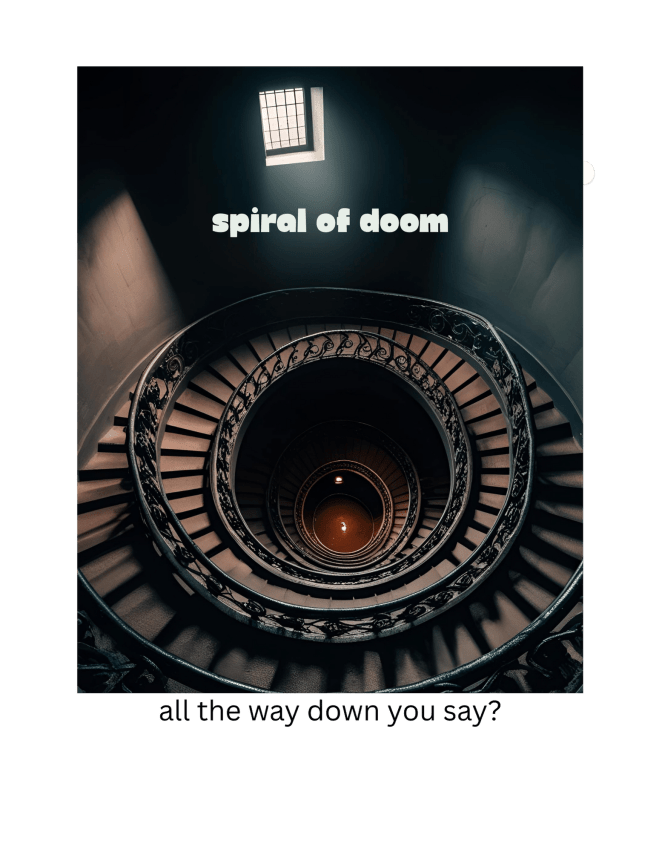
Rejection Sensitivity and the Spiral of Doom

Ever heard of Rejection Sensitive Dysphoria (RSD)? It’s a common experience for people with ADHD and it means that even a hint of disappointment or criticism can hit like a sucker punch to the gut. So now you’re not just late, you’re convinced your friend hates you, you’re the worst human ever, and hey—why not just never make plans again?

This is where ADHD becomes more than a memory issue. It becomes a self-worth issue. You start doubting your ability to be dependable, to show up, to be enough. And when the world keeps reflecting that back at you, the damage compounds.

So What Helps?

  • Compassion (especially from yourself): You’re not lazy. Your brain has different settings. Start there.
  • External supports: Use them all. Alarms, timers, whiteboards, apps, body doubles. Build scaffolding around your brain. I write everything down. I have shit everywhere that I do not remember why I wrote it or sometimes come across the thing I wrote it down for. When I started breaking up every chore into little baby chores I was a lot more real with myself. Like setting the meals as I do. Less chance of me deviating and going into decision paralysis. Though I did mess up this week but it can’t be helped, I forgot and planned a meal on my birthday AND we had a prolonged power outage causing us to throw away a lot of things.
  • Micro-goals: Instead of “clean the house,” try “clear the table.” Progress feels good, if it feels good your brain will do more of it. I do one side of the sink then give myself a free break to write or just veg out for half an hour or whatever. YOU make the rules, there ARE rules though and when you give yourself little dopamine snacks through the day it will make you more even keel.
  • Community: ADHDers need each other. Not for advice—though that helps—but for validation. To always compare yourself against what YOU perceive to be a perfect normal person (though I PROMISE you everyone you meet has stuff bringing them down, some just have the advantage of a prettier package, inside its still the same shit) is pointless.

Here’s the Truth

You can be inconsistent and still be valuable. You can forget the thing and still be deeply caring. You can be unreliable sometimes and still be a good mom, friend, partner, person.

I don’t write this post as a PSA. I write it as someone who has been eaten alive by guilt more times than I can count. I want the world to stop equating productivity with worth. But until it does, I hope this helps someone—even just one person—feel a little less broken. Because I promise, you’re not. Til next time guys. Take care of yourselves and each other