Uncategorized

10 Mental Health Truths I Wish I Could Return for Store Credit

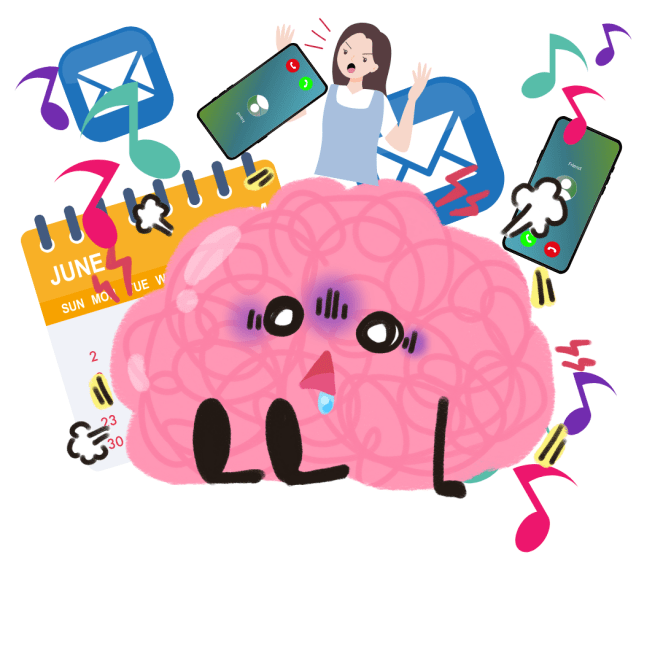
Look, I’ve learned a lot on this magical, chaotic, sometimes-on-fire journey called mental health. Some of it has been helpful. Some of it has been… character-building. And some of it? Honestly? I’d like to return. No receipt. No questions asked.

So here they are: the Extremely Official, Totally Relatable truths I’ve collected while navigating ADHD, bipolar disorder, fibromyalgia, and the delightful rollercoaster of chronic illness and healing. May they make you laugh, cry-laugh, or at least feel seen.


1. Hyperfocus Is Basically Time Travel, but for Grown-Ups with Deadlines

You sit down to answer one email and suddenly it’s 3:47 AM, you’ve organized your entire digital photo archive by vibe, and your actual to-do list is untouched.
Ask me how I ended up rearranging pintrest pins instead of posting this post I’d already written lol.


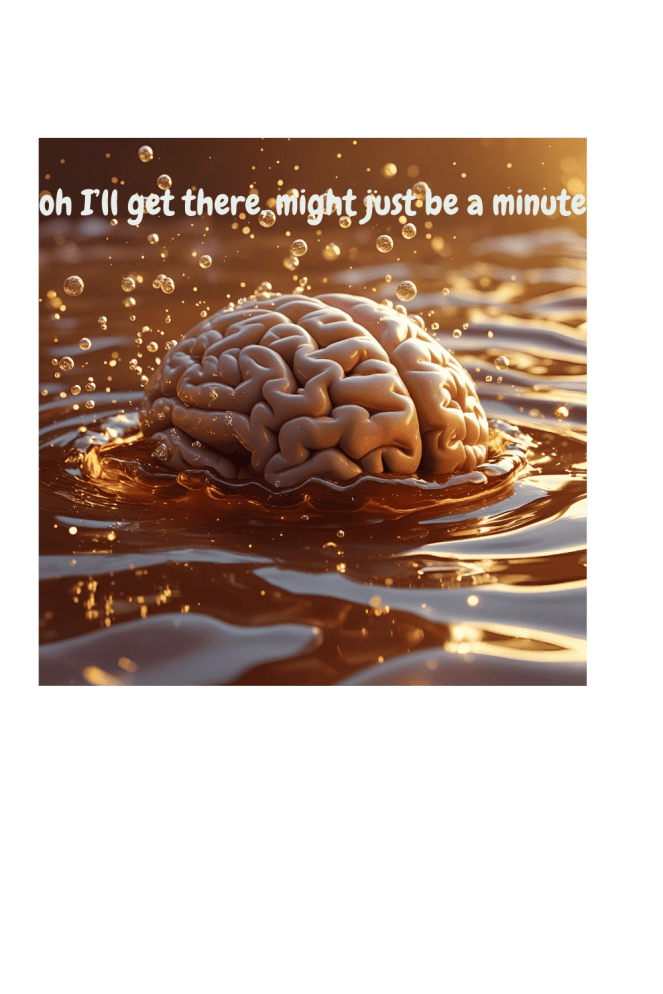
2. Fibro Fog Is Just Nature’s Way of Saying ‘You Didn’t Need That Thought Anyway’

What was I saying?
Seriously though — memory glitches, word loss, and that feeling of trying to think through molasses? Welcome to chronic illness.
The word loss alone is going to end up hospitalizing me lol I swear nothing aggravates me as much as forgetting a work I can SEE in my head!


3. Manic Cleaning Sprees Are Not the Same as Stability

Sure, the baseboards are spotless, but also I haven’t eaten in 14 hours and I’m crying because I accidentally broke a plastic fork. Balanced, right?


4. My Thermostat Is Broken and So Am I

One minute I’m freezing, the next I’m sweating like I ran a marathon in a snowsuit. Is it ADHD? Bipolar? Perimenopause? Chronic illness roulette? Who knows.
All I know is that my house is 70 degrees and I am 100% not okay.


5. “Self-Care” Can Feel Like a Full-Time Job I’m Bad At

Some days self-care is a bubble bath and deep breathing.
Other days it’s canceling everything, laying facedown, and rage-scrolling memes until I feel slightly less like a soggy tissue.


6. Rest Guilt Is Real

If I lie down, I feel guilty.
If I don’t lie down, my body throws a full tantrum.
Either way, I lose — and my couch wins.


7. “You Seem Fine” Is the Greatest Lie Ever Told

I’ve smiled through panic attacks. I’ve small-talked while dissociating. I’ve joked my way through days that felt like molasses dipped in dread.
Trust me — looking fine is a survival tactic, not a wellness update.


8. Executive Dysfunction Is Not Laziness. I’d LOVE to Do the Thing. I Just… Can’t.

Making a phone call, doing the dishes, starting a task — sometimes it feels like standing at the bottom of a mountain with no ropes, no snacks, and brain fog rolling in fast.


9. Chronic Illness and Mental Health Issues Rarely RSVP — They Just Show Up and Rearrange the Furniture

Plans? Canceled. Energy? Randomized.
And trying to explain why today’s “bad” looks totally different than yesterday’s? Exhausting.


10. Humor Isn’t a Coping Mechanism. It’s a Survival Skill.

If you can’t laugh at this mess, you’ll drown in it.
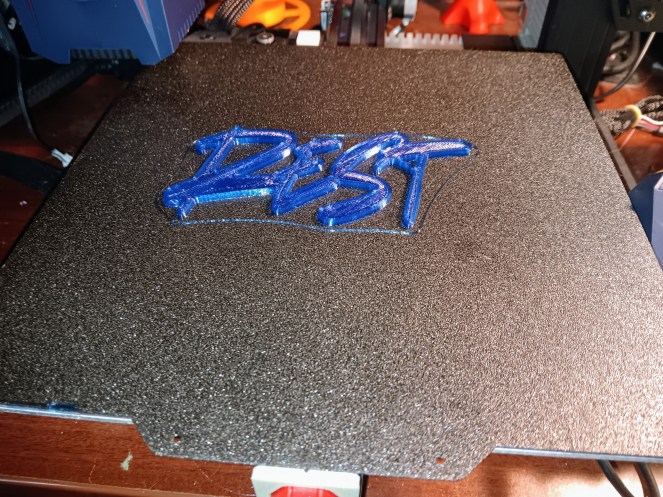
So yes, I make sarcastic jokes, weird art, and trays that say things like “mentally chill” or “still here, still weird.”
Because some days, that little spark of laughter is what gets me through — and maybe it’ll help someone else, too.


🎁 P.S. Wanna Carry This Energy Home?

If you made it this far, you’re clearly my people. I make handmade trays, keychains, and small gifts designed for overwhelmed brains, messy moods, and healing hearts.
https://www.etsy.com/shop/JoknowsCreations
Come browse the chaos collection — snark included at no extra cost. Til next time gang, take care of yourselves, and each other.
Uncategorized

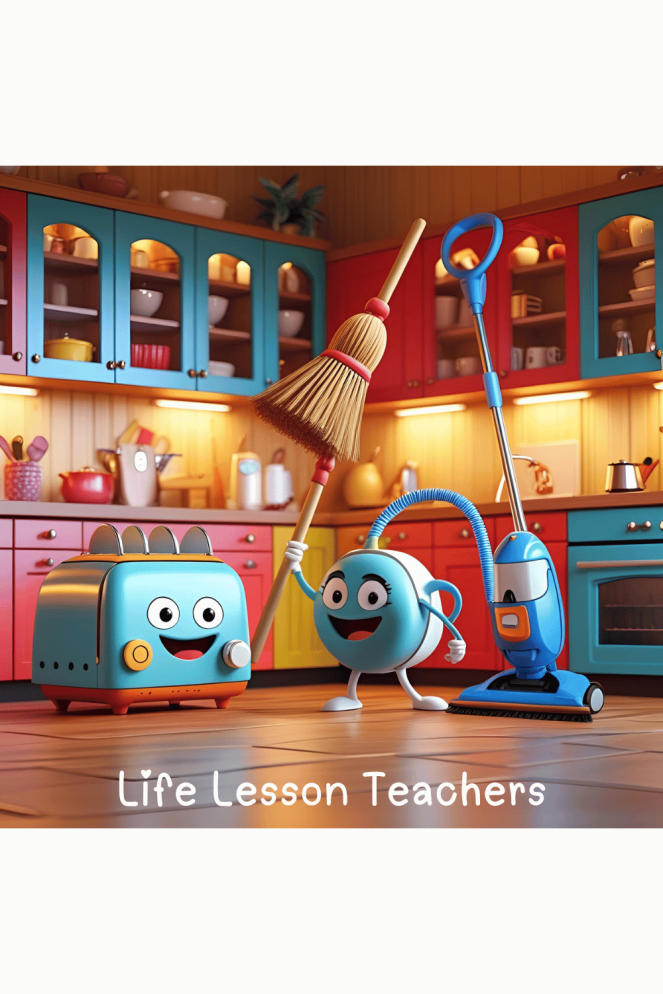
Extremely Official Life Lessons I’ve Learned From Inanimate Objects

Hey friends. No heavy lifting today — unless you count carrying the emotional weight of a slightly stale muffin and a cluttered craft table. Just some wisdom I’ve gathered from staring at household objects for way too long and assigning them personalities.

1. My Laundry Basket

Life lesson: You can only carry so much emotional weight (and unmatched socks) before you drop something and cry about it.

2. My Microwave

Life lesson: You can explode if someone doesn’t give you enough time to cool off. It’s science. And vibes.

3. That One Spoon That’s Always Dirty

Life lesson: You are valuable. You are essential. And even if you feel gross and overlooked, someone’s probably looking for you right now.

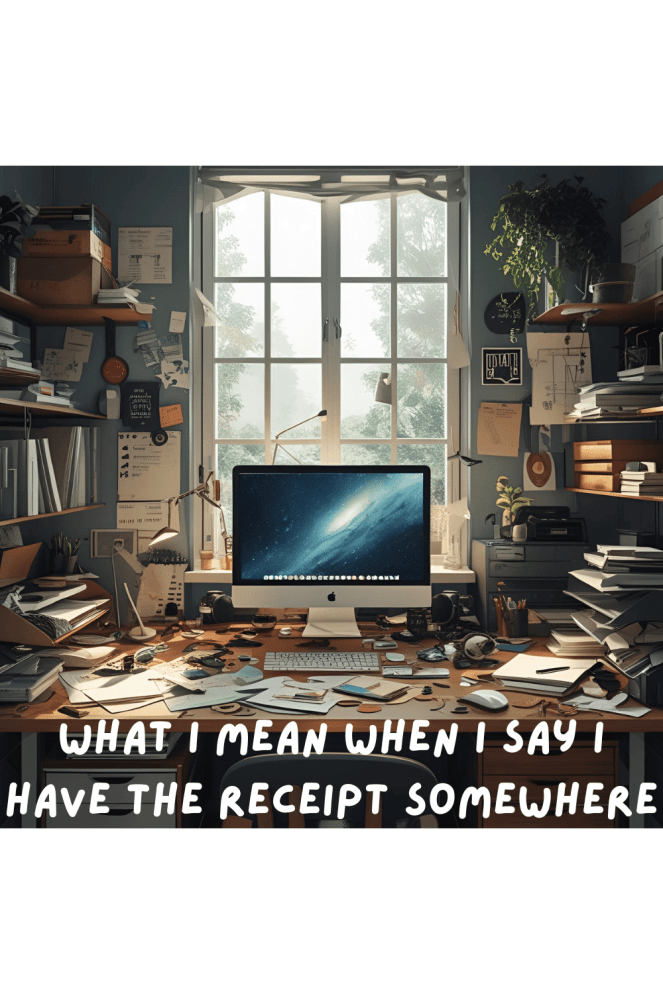
4. The Craft Table (aka The Table Formerly Known as “Dining Room”)

Life lesson: You don’t have to be pretty to be productive. Also, chaos can be functional. It’s fine. It’s all fine.

5. My Phone Charger

Life lesson: You can’t be expected to power everything if you’re frayed at both ends. Unplug. Recharge. Or scream. Honestly, all valid.

6. The Thermostat

Life lesson: You can keep everything “set” just right and still end up wildly uncomfortable. Sometimes your system just doesn’t cooperate. That doesn’t mean you’re broken — it means you’re human. Or possibly perimenopausal. Or both. Let’s be honest, probably both.

7. The Floor

Life lesson: No matter how hard you hope, it still isn’t made of trampoline. Bouncing back takes work. And ice packs.

8. The Dish Towel That’s Always Damp

Life lesson: You can show up day after day, do your job, and still get left in a heap in the corner. But look at you — still wiping up messes like a champ.

9. That Cup in the Sink That No One Ever Claims

Life lesson: Boundaries are important. You are not the designated cleaner of everyone else’s mystery problems.

10. My Alarm Clock

Life lesson: People won’t always appreciate you for waking them up, but sometimes being the annoying truth-teller is your job. Be loud anyway.

Til next time gang, unless I resin my fingers together lol. Take care of yourselves, and each other!

Uncategorized

🧠 When You’re Too Overwhelmed to Function (Yes, It’s a Thing)

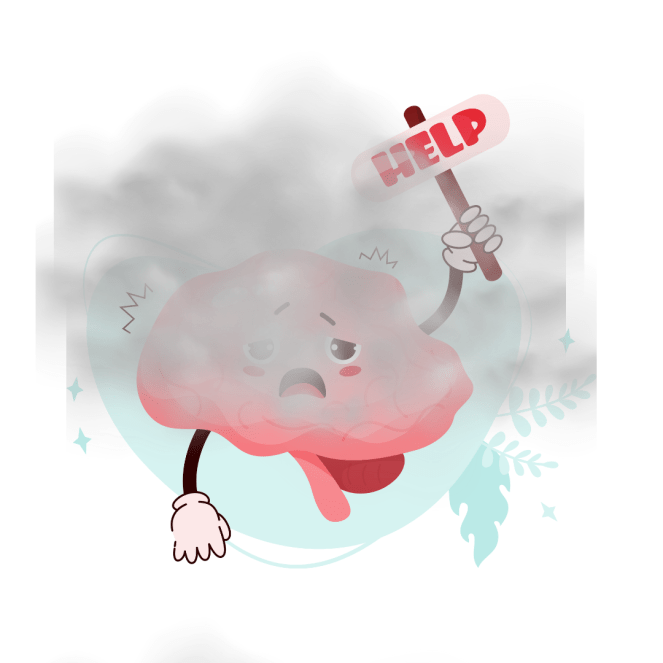
There are days — and let’s be honest, whole eras — where the simplest task feels like trying to run a marathon in molasses. You walk into a room and forget why. You stare at a sink full of dishes like it’s trying to fight you. Your to-do list is screaming, your brain is buffering, and somehow the only thing you do manage to do is… nothing.

You’re not lazy. You’re not broken. You’re overwhelmed — and your brain has hit the freeze setting.

This isn’t just relatable, it’s biological.


🧬 Why Your Brain Freezes When You’re Overwhelmed

When your brain perceives stress — whether that’s from sensory overload, emotional exhaustion, chronic illness, or straight-up having too many tabs open in your life — it doesn’t care if it’s “just” a sink full of dishes. It reacts like there’s danger.

And that reaction? It comes from your amygdala, the little almond-shaped area in your brain responsible for detecting threats. When it thinks something’s Too Much™, it sends a signal that hijacks your logical brain (the prefrontal cortex) and triggers a fight, flight, or freeze response.

According to a 2016 article in the Harvard Business Review, when we experience cognitive overload, we lose access to “working memory,” which is the part of our brain that helps us juggle tasks. And a study in the Journal of Neuroscience showed that chronic stress impairs decision-making and reduces the brain’s ability to adapt — making it even harder to snap out of the fog once you’re in it.

Basically: the more overwhelmed you are, the harder it is to stop being overwhelmed. Coolcoolcool.


🔓 Getting Unstuck: How to Unfreeze When You’re Overwhelmed

First, let’s make one thing clear: you don’t need a complete life overhaul to start moving again. We’re not doing a Marie Kondo purge, a 10-step plan, or a productivity bootcamp. We’re just finding tiny ways to signal to your brain, “Hey, we’re safe. We can take a step now.” I think I’ve talked about these before but they bear repeating.

Here are some strategies that actually help:

1. Name It to Tame It

Saying out loud, “I feel frozen right now,” isn’t weakness — it’s neuroscience. Recognizing your emotional state lights up the prefrontal cortex and starts to re-engage that logical part of your brain.
Bonus tip: Try writing it down, even if it’s just “overwhelmed AF” on a sticky note.

2. Do One Teeny, Tiny Thing

Literally one thing. Not “do the dishes.” Just “stand next to the sink.” Or “put one plate in the dishwasher.”
That’s it. Dopamine doesn’t care how small — it still gives you a little hit for doing something. And that can be just enough to take another step.

3. Try a “Body Double” Moment

This is magic for ADHD brains but helpful for anyone: having someone around (even virtually!) can snap your brain out of a freeze. It’s not about accountability — it’s about regulation.
Text a friend, turn on a co-working YouTube, or call your sister and do five minutes of Something While Complaining.

4. Change the Channel (Sensory Reset)

Sometimes your brain needs a hard reboot. That can be as simple as:

  • Splashing cold water on your face
  • Stepping outside and feeling the air
  • Listening to music with no lyrics (lofi is a fave here)
  • Switching to a different space (yes, flopping on a new surface counts)

5. The “Timer Trick”

Set a timer for 5–10 minutes and say, “I’ll just do this one thing until the timer goes off.”
You can stop when it dings — really! — but often, starting is the hardest part. The timer gives your brain a finish line.


🌱 One Last Thing: You’re Allowed to Rest

Freezing isn’t failure. It’s your brain doing its best to protect you — and that means you don’t need to bully it into productivity. Sometimes the most radical act is letting yourself rest without shame.

You are not lazy. You are not broken. You’re surviving in a system that wasn’t designed for brains like yours — but you’re still here. That’s power. Til next time gang, take care of yourselves, and each other!

Uncategorized

Survival & Sanity Weeks 9&10

Another two weeks, another round of What the hell are we eating? Welcome to Survival and Sanity: Weeks 9–10, where the focus is chicken (because it’s cheap), simplicity (because I’m exhausted), and enough reserves to keep you from spiraling into meal decision burnout.

This plan is spoonie- and budget-friendly. You’ll find cook-day meals that stretch across multiple nights, plenty of “fend for yourself” reserves, and recipes that don’t demand your soul in exchange for dinner.

🍽️ Survival and Sanity: Weeks 9–10 Menu

Starting Monday, June 9

Monday (June 9):
Reserves Day – It’s Monday. You’re lucky there’s food at all.

Tuesday (June 10):
Chicken Stir Fry – For when you want takeout vibes but need your wallet to calm down.

Wednesday (June 11):
Reserves Day – Eggs? Sandwiches? Cereal? I support all of it.

Thursday (June 12):
Kielbasa & Veggie Sheet Pan Bake – One pan, zero shame, and dinner without a meltdown.

Friday (June 13):
Reserves Day – Official “find your own dinner and your own fork” night.

Saturday (June 14):
Takeout or Reserves – AKA “pretend we’re normal” night.

Sunday (June 15):
Bacon-Wrapped Chicken – Because wrapping anything in bacon is basically therapy.


Monday (June 16):
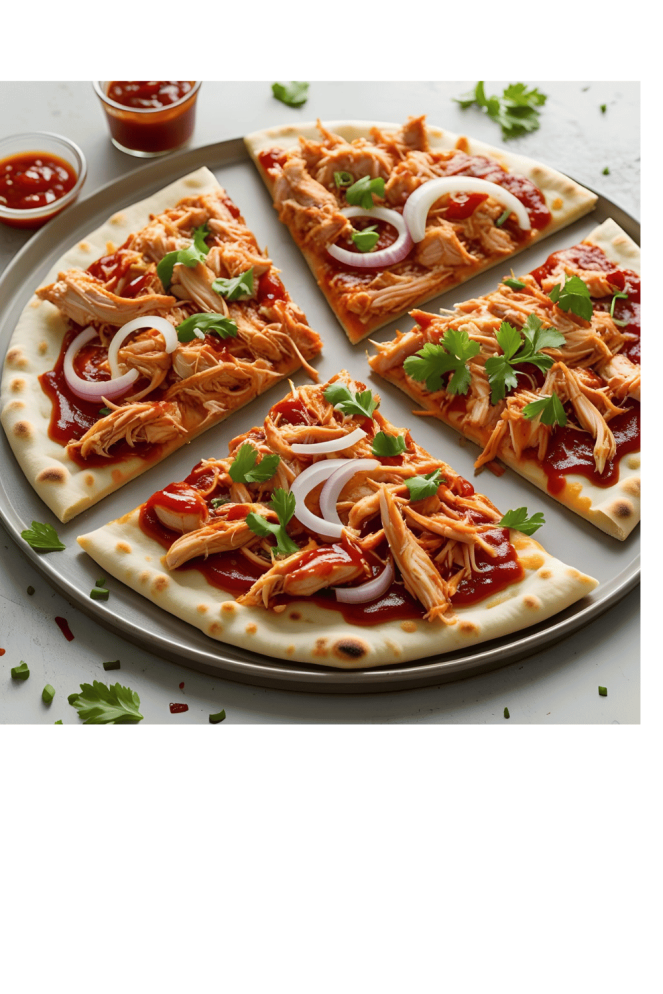
Mixed Flatbreads (Pesto + BBQ Chicken) – One of each flavor because decisions are hard and everyone wins.

Tuesday (June 17):
Garlic Ranch-Seasoned Chicken & Potatoes – No clumpy white sauce here, just herby garlic goodness baked until golden.

Wednesday (June 18):
Reserves Day – We’re all just scavengers at this point. Go forth and forage.

Thursday (June 19):
Chicken Tomato Pasta – Proof that noodles and tomatoes can solve most of life’s problems.

Friday (June 20):
Reserves Day – Not my circus, not my dinner.

Saturday (June 21):
Reserves or Eggs – Whatever’s in the fridge or however many eggs you can scramble.

Sunday (June 22):
Crockpot Chicken with Garlic Butter Herb Sauce – A Sunday dinner that feels like someone tried without making you cry in the kitchen.
Til next time gang, take care of yourselves and each other!

Uncategorized

“Wait, Why Did I Walk in Here Again?” — The Silent Rage of Forgetting Everything and Blaming Yourself for It

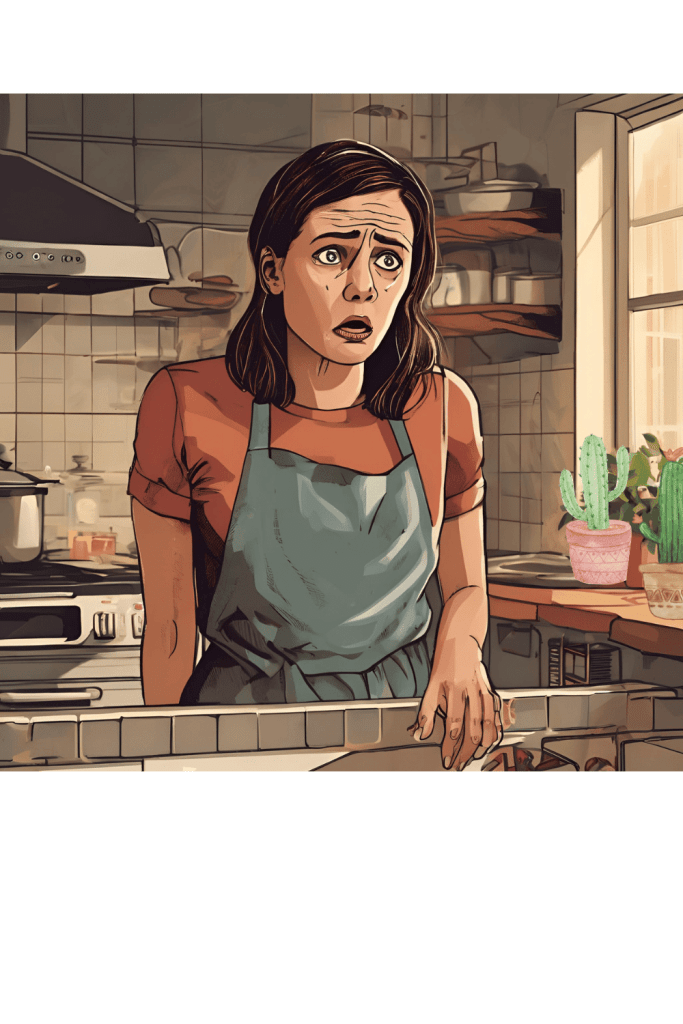
I walked into the kitchen and immediately forgot why. So I stood there. Just… stood there. Like maybe the answer would jump out and bite me in the ass. Sometimes it does. Other times I start spinning like a loading screen stuck at 3%, muttering to myself, “No. I came in here for a reason. We are not leaving until we figure it out.”

And then I see the dishes. Maybe that’s why I came in? No… but might as well do them, right? But the water jug needs filling first. So I fill that. If I’m going to do the dishes I should grab my cup. So I go to grab my cup — and by the time I get to my room, the real reason I went into the kitchen finally slaps me in the face. I spin around and race back in before I forget again… but it’s too late. Whatever it was is gone. I sigh. I fill my water. I forget the dishes. And the next time I look up, it’s lunchtime and I have nothing to show for my entire morning but frustration, a full water jug, and a brain that feels like it’s made of mashed potatoes.

You already know I’ve written about executive dysfunction — and this, my friends, is a prime example. Forgetting what you were doing in the middle of doing it? Classic brain chaos.

But the part that really gets me? The rage at myself afterward.

It’s not just forgetfulness. It’s that instant gut-punch of anger when I realize I’ve wasted another 30 minutes chasing my own tail around the kitchen like a confused Sims character. It’s looking up at the clock and realizing that despite all my effort, I have nothing to show for it. Again.

And I know — I know — this isn’t a moral failure. I’ve read the books. I’ve written the posts. But logic doesn’t stop that voice in my head from whisper-screaming:
“Why can’t you just remember one simple thing?”


📚 You’re Not Broken. You’re Wired Differently.

Here’s the thing: this is common for people living with ADHD, bipolar disorder, and fibromyalgia — especially when you’ve got more than one working against you. We’re out here trying to be productive while our brains are basically running Windows 95 during a thunderstorm.

Let me throw you some validation, science-style:

  • A study in Psychiatry Research (2017) found that adults with ADHD often report intense frustration and self-directed anger after forgetful moments — especially when they’re trying to keep up with everyday tasks.
  • Another study in Bipolar Disorders Journal (2020) confirmed that even between episodes, people with bipolar disorder experience ongoing memory lapses and cognitive fog, which can trigger shame and feelings of incompetence.
  • Oh, and let’s not forget fibro fog, which isn’t just a cute nickname — it’s real cognitive dysfunction tied to chronic pain and fatigue. Researchers at the University of Michigan linked fibromyalgia with slower information processing, memory issues, and impaired attention — aka, the holy trifecta of “why am I like this?”

🧠 It’s Not a Lack of Effort — It’s a Lack of Mental Gas

We aren’t failing because we’re lazy or not trying hard enough. We’re just running on fumes while carrying twenty invisible backpacks full of mental weight.

Sometimes we remember. Sometimes we don’t. Sometimes we get furious with ourselves for not being able to hold all the tabs open, even though the mental browser has clearly crashed and is asking us to send an error report.

And the worst part? We carry that anger all day. It builds. It compounds. It turns into guilt, then into a shutdown. That’s the cost no one sees — and too many of us pay it in silence.


When the Tabs Crash – How to Forgive Yourself for Having a Human Brain

So what do you do when your brain throws a blue screen of death during your breakfast routine?

You don’t white-knuckle it through the guilt spiral, that’s for damn sure. Here’s what I’ve learned (sometimes the hard way) that might actually help when your brain taps out mid-task:


🔁 1. Reboot, Don’t Rage

When you realize you’ve just lost 20 minutes chasing nothing, pause. Literally. Sit down. Sip your coffee. Give your brain a hot minute to defragment.


📝 2. Use External Memory — Sticky Notes Are Your Friends, Not an Admission of Failure

Put a dry erase board in the kitchen. Use a Sharpie on your hand. Talk to yourself out loud like you’re your own helpful assistant.


🧍‍♀️ 3. Anchor the Space

If you forget why you walked into the room, try narrating the space to yourself.


🧠 4. Remember: Brains Use Energy. Yours Just Uses More.

You wouldn’t blame your phone for dying if you’d been using GPS, streaming music, and checking Instagram at the same time, right? You’d say, “Yeah, that makes sense.” Your brain is the same. ADHD, bipolar, fibro — they all eat cognitive battery life like candy.


💬 5. Talk Back to the Inner Bully

When that voice says “You’re useless,” respond with your voice:


💗 Final Words: You’re Not Alone. And You’re Not the Only One Forgetting Why You Opened the Fridge.

If you’ve ever felt like you’re the only person yelling at yourself in the middle of the day for forgetting why you walked into a room — you’re absolutely, 100% not.

And if you’ve been carrying that anger, thinking it means you’re weak or broken or lazy?

Let me tell you something:

Let the damn dishes wait. You’ve got enough on your plate. Til Next time guys, take care of yourselves, and each other.

Uncategorized

🧵 The Art of Distracting Myself: Crafting Through Chronic Pain

Living with chronic conditions like fibromyalgia, ADHD, and bipolar disorder means navigating a daily landscape filled with unpredictability and discomfort. Some days, it’s the bone-deep ache that slows me down; other days, it’s the whirlwind of mental fog, impulsivity, or emotional crashes that make the hours feel heavier than they should.

Over time, I’ve discovered something powerful: crafting isn’t just something I enjoy—it’s something I need. Whether I’m swirling pigment into resin or layering textures in a tray mold, I’m not just passing time. I’m reclaiming it.


🎨 Crafting as a Therapeutic Distraction

When my pain flares or my brain decides it wants to spiral, I’ve learned to grab a tool—sometimes a glue gun, sometimes my 3D printer software—and create instead of collapse. Focusing on a tactile task redirects my mind and offers relief, even if temporary. And sometimes that temporary is exactly enough to get me through the day.

Today I mowed. Should I have? Likely not, I was weed eatering (I have no idea what to call it, using the weed eater sounds weird, like use it for what lol, I was using in for its intended purpose LOL) I was around the base of our biggest ‘problem’ tree, I tripped over a root and went tumbling (I was on an incline) but don’t worry, I didnt hurt my hip I landed face first LOL. I got up but knew I was on limited time before the pain made me get down and stay down for the day, so I immediately went in an showered so I could go make art which I did all afternoon. It really didnt feel like I had any pain then after I did some designs I stood up to get something and THERE IT IS! My pain let itself be known. In fact it started screaming at me, my entire body aches.

This isn’t just anecdotal. A study from the University of Colorado found that mental distractions actually inhibit pain at the earliest stages of processing. Basically, when you’re busy crafting or designing something fun or beautiful, your brain says “brb” to the pain (source).


🧠 The Neuroscience of Distracting Pain

Pain is weird. It’s not just in your body—it’s in your brain too. And your brain can be tricked (in the nicest way). Activities that take up cognitive load (like learning a new resin technique or tweaking text in Tinkercad) can literally reduce your brain’s ability to process pain.

There’s even evidence that creative distraction helps people who tend to catastrophize pain—that is, folks whose brains go “this is the worst pain ever and I will never survive this” before breakfast. (Relatable? Same.) (source)


🧺 Turning Pain Into Purpose

I don’t just make things to distract myself—I make things with meaning. Every “Bad Day Basket,” every resin trinket tray, every cheeky 3D-printed phrase like “feel your feelings” or “meds, magic & mindset”—they all come from lived experience.

Helping people has always been a passion of mine, I’ve made up baskets and boxes from coupon shopping, theres nothing like the feeling of doing something of consequence for someone else. Theres an episode of Friends where Phoebe wants to do something selfless, and ever time she does, Joey finds a way it benefited her, concluding that since when you do good for others, you feel happy and proud that you were able to do that, therefore nothing is entirely selfish. Like if you’ve ever vacuumed a new rug, you know the lined pattern you get after for a job well done? Its like that only times a whole bunch more.

These aren’t just products. They’re part of a bigger story—mine, and maybe yours too.


🌟 Creativity as Self-Care (Not Performance)

It’s not about perfection. This isn’t art school. This is about peace. About having something in your hands that makes you feel in control again. About setting your mind gently in another direction for a little while.

Let yourself play.
Let yourself suck at it.
Let yourself create something beautiful—or beautifully messy.


💬 Final Thoughts

Chronic illness will take what it can. Crafting is how I take a little bit back. It’s okay if it’s imperfect. It’s okay if it’s just for you. The act of creating is the win.

If you’re on your own journey through pain or mental health struggles, I hope you’ll try creating something too. And if you don’t know where to start… well, I’ve got some trays and kits with your name on them. Til next time gang, take care of yourselves, and each other!

Uncategorized

The ADHD Energy Crash: Why It Happens and How to Navigate It

If you live with ADHD, you’re likely familiar with the phenomenon of feeling mentally and physically drained by mid-afternoon. This isn’t just about being tired; it’s a distinct experience tied to the unique ways ADHD affects energy regulation.

🔍 Understanding the ADHD Energy Crash

ADHD is characterized by challenges in executive functioning, which means tasks that require planning, focus, and organization demand more cognitive effort. This heightened effort can lead to quicker depletion of mental energy. Additionally, individuals with ADHD often struggle with interoception—the ability to recognize internal bodily cues—making it harder to notice signs of fatigue until they’re overwhelming.

✅ Practical Strategies to Combat the Crash

Here are several evidence-based strategies to help manage and mitigate the afternoon energy slump:

  1. Incorporate Regular Physical Activity: Engaging in physical exercise can boost energy levels and improve focus. Even short walks or light stretching during breaks can make a significant difference. If you have a fitbit, the get up once an hour and do 250 steps setting, turn it on and stick to it.
  2. Prioritize a Protein-Rich Breakfast: Starting your day with a meal high in protein can stabilize blood sugar levels and provide sustained energy, reducing the likelihood of an early crash. Breakfast isnt a great meal on the go but if nothing else have a protein shake.
  3. Utilize Power Naps Wisely: Short naps, ideally between 10–20 minutes, taken in the early afternoon, can rejuvenate your mind without affecting nighttime sleep. This is a rule of thumb but not one I follow. I found my best nap is between 30 minutes to an hour, it gives me the perfect alertness when I get up. Experiment on your own and listen to your body.
  4. Practice Energy Pacing: Monitor your energy levels throughout the day and plan tasks accordingly. Scheduling demanding activities during peak energy times and allowing for rest during low-energy periods can enhance productivity. I tell people after dinner don’t ask me shit because once the last dish is done I am off the clock lol
  5. Engage in Body Doubling: Working alongside someone else, either in person or virtually, can increase accountability and focus, making tasks feel less daunting. This is seriously magic I don’t get why it works but it does.
  6. Stay Hydrated and Eat Balanced Meals: Dehydration and poor nutrition can exacerbate fatigue. Ensure you’re drinking enough water and consuming meals that balance carbohydrates, proteins, and healthy fats. Water water water. I hate it but it affects more than you’d think.
  7. Maintain Consistent Sleep Patterns: Establishing a regular sleep schedule helps regulate your body’s internal clock, leading to improved energy levels during the day. I’m up at 3. It was upsetting as I tried to change and mold it to conform with the usual hours, when I accepted that my body wanted to set its own schedule and started planning my days around that I was a great deal happier.
  8. Limit Caffeine Intake: While caffeine can provide a temporary boost, excessive consumption may lead to energy crashes later in the day. Moderation is key. HAHAHA! I can hear everyone who knows me heads whipping around. I’m a coca-cola girl, and maybe you arent overly sensitive to caffeine but thats where I’d make adjustments first.
  9. Create a Stimulating Work Environment: Incorporate elements that keep you engaged, such as background music or varying your workspace, to maintain interest and energy. They sell fidget mats that have all these things but your better off getting a fidget spinner, those are portable.
  10. Seek Professional Support: If energy crashes are significantly impacting your daily life, consider consulting a healthcare professional for personalized strategies and potential treatment options. Theres no shame in asking for help.

By understanding the underlying factors contributing to the ADHD energy crash and implementing these strategies, you can better manage your energy levels and maintain productivity throughout the day. Remember, it’s about finding what works best for you and being compassionate with yourself in the process. Til next time gang, take care of yourselves and each other.

Uncategorized

A Grown-Up Juice Box and Other Things I Wish Existed Today

Survival & Sanity Edition

Some days, I just need something to fix everything instantly.
A nap. A hug. A reset button. A very large grilled cheese that appears by yelling “Grilled cheese!”

Since none of that magically appeared (yet), here’s my list of things I wish existed today. Feel free to add yours in the comments, because I know I’m not the only one on the edge.


🌈 Today’s Top 10 Things That Should Exist But Don’t:

  1. A grown-up juice box with electrolytes, magnesium, and a splash of wine. Or beer. Or a shot of Jack lol it depends on the day.
  2. A “No One Is Allowed to Ask Me Anything Today” hat—everyone must obey it. Also on a related note, a personal bubble. Let those suckers keep their distance .
  3. A teleporting weighted blanket that hugs you and then disappears before you get too hot. Does anyone’s body temp go wonky with sleep deprivation or high anxiety? No just me? Sweet! It actually makes me have a physical ‘flush’
  4. An adult-sized baby swing that rocks you while playing lo-fi beats and whispering “you’re doing great.” Maybe music instead of the whispering, that actually sounds a little creepy lol but I’m down for the swings! Hubby even has hooks indoors to hang hammocks sometimes the swinging or rocking repetitive motion helps.
  5. A “pause the world” button. Just for an hour. Or a week. It was kind of like that when I was in the coma, don’t recommend that route.
  6. A clone who does your grocery shopping and argues with the insurance company for you. Use what you’ve got though, we do pick up whenever possible even if we plan on going inside, its easier to manage the list, keeps things a little more organized.
  7. A universal “I’m spiraling, treat me gently” badge that everyone understands. Or don’t understand, just respect others feelings, that shouldnt even have to be a wish, but its not exactly great out there.
  8. An emotional support burrito that is also a functioning therapist. Or tacos! Emotional support tacos with some frozen margs lol.
  9. A magic snack drawer that restocks with your comfort food daily (and knows your allergies). Cool ranch on lock!
  10. A panic shutoff switch. Like a car alarm button, but for your brain. A pause? Maybe just not a multi party pile up on the everything all at once highway lol
  11. A fidget suit. I would straight up rock that thing at every opportunity. Imagine: a soft, cozy hoodie with textured sleeves, loops to tug on, snap buttons, zipper pulls, maybe even little hidden squeeze pouches and stretchy straps to tug when you’re crawling out of your own skin, I can tell you how often the panic will come over me at night and the only thing that helps is hopping out of bed and MOVING. Oh and POCKETS.
  12. Weighted curtains for your brain, you pull them closed and suddenly outside voices get quiet, to-do lists stop screaming, and it’s like a sensory hug for your overstimulated self.
    Bonus: blocks gaslighting and unsolicited advice.
  13. A Spoon Dispenser lol you swipe a card or breathe into it, and if it senses you’ve been emotionally juggling chainsaws, it gives you five extra spoons for the day. So many days I’d give my last penny for a spoon lol
  14. Memory foam couch that holds you like a mom, it knows when you’re about to cry and reclines automatically. One arm dispenses hot tea, the other tucks a weighted blanket around you.
    Available in “Smells Like Cookies” and “Washes Your Hair Energy.”
    Limited edition comes with caffeine mist and validation.

Whether it’s imaginary inventions or real-deal coping tools, the truth is we’re all just trying to patch together peace in a loud, messy world. Some days we thrive. Some days we spiral in our soft pants and pray the coffee kicks in before the anxiety does. Either way, you’re not alone in this. You never were.

So take your meds, drink some water, and rest when you need to. Find something small to laugh about if you can. And remember: survival is still survival, even when it’s messy.

Take care of yourselves—and each other.

Uncategorized

Survival & Sanity: Reserve-Based Meal Plan – Weeks 7&8

🐔 Two Weeks of Chicken Dinners (With Bacon, Because Why Not)

Let’s be real — Lately, life’s been a whirlwind. Between healing, hustling, and handling a hundred little things that crop up every week, I’ve been feeling the crunch. Projects pile up, messages go unanswered, and if I don’t write stuff down, it vanishes into the fog of “what was I supposed to do today again?”

But even on the most chaotic days, we still have to eat. They still have to eat. So when I’m trying to keep the wheels on, these two-week reserve-based meal plans are my safety net. They let me cook in chunks, plan for the crash days, and feel like I’ve got something handled — even if that “something” is just dinner.

This round, I leaned into chicken (because it’s versatile and usually affordable), and I’m making bacon pull double-duty too. That’s right — bacon-wrapped chicken one night, bacon fried rice another, and some dreamy flatbreads that taste way fancier than they are. We’ve even got a baked potato bar thrown in for a choose-your-own-comfort-food kind of night.

I don’t know about you, but I’ve needed meals lately that come with a side of grace. Meals that don’t guilt-trip me if I need to swap things around or punt dinner to leftovers. Meals that say, “Hey, you’re doing your best. Sit down. Eat. Breathe.”

So that’s what this plan is about. Survival, yes — but also sanity. Feeding yourself and your people without feeding the burnout.

🍽️ 2-Week Meal Plan (Starting Monday, May 26)

Week One
🟢 Monday, May 26: Leftovers/Reserves
🟢 Tuesday, May 27: Loaded Baked Potatoes
🟢 Wednesday, May 28: Leftovers/Reserves
🟢 Thursday, May 29: Garlic Butter Chicken Thighs
🟢 Friday, May 30: Leftovers/Reserves
🟢 Saturday, May 31: Takeout or Breakfast for Dinner
🟢 Sunday, June 1: Bacon Wrapped Chicken

Week Two
🟢 Monday, June 2: BBQ Chicken & Pesto Flatbreads
🟢 Tuesday, June 3: Leftovers
🟢 Wednesday, June 4: Bacon Fried Rice
🟢 Thursday, June 5: Leftovers/Reserves
🟢 Friday, June 6: Chicken Bacon Tomato Pasta
🟢 Saturday, June 7: Leftovers/Reserves
🟢 Sunday, June 8: Herb Roasted Chicken Thighs

Uncategorized

Flaky Doesn’t Mean Faithless: Chronic Illness and Friendship Guilt


🧠 The Truth About Being a ‘Flaky’ Friend

People with chronic illness or neurodivergence often carry a ton of guilt about canceling plans, going silent, or not showing up “like we used to.” We’ve internalized the idea that not being physically or emotionally available = not being a good friend.

But here’s the reality:
➡️ According to a 2019 survey by the NIH, over 60% of chronically ill individuals reported losing friendships due to symptoms like fatigue, pain, or mental health swings.
➡️ A 2022 study on social isolation in disability populations found that many people with invisible conditions felt “socially unreliable” — not because they didn’t care, but because their bodies were unpredictable.

I don’t make plans anymore. I can’t remember exact situations where I flaked due to hurting but I do remember the fun others had without me and who wants that?


💬 You’re Not Letting People Down — You’re Living with Limits

Chronic illness isn’t convenient. ADHD isn’t on a timer. Fibro flares don’t RSVP.
Being “flaky” is often just a side effect of surviving something the world wasn’t built to accommodate.

That doesn’t make you unreliable.
That makes you human.

I’ve certainly had others call and cancel for short notice, so intellectually I know I’m not the only one, but shit every time I can’t do something I feel like someone is shining a spotlight on me.


🧷 What Real Friendship Looks Like

True friendship isn’t measured by how often you show up, but how real you are when you do.
Some friends won’t get it—and that hurts. But the right people? The ones who stay? They see your effort, not your absence.

And let’s be honest, sometimes we don’t show up for others because we can’t even show up for ourselves. That’s not selfish. That’s self-preservation.


What You Can Do Instead of Guilt-Looping

  • Send a quick check-in text even if you can’t talk: “Hey, not up for chatting, but I’m thinking of you.”
  • Leave room for honest updates, not excuses: “I wish I had more spoons today. I hate canceling.”
  • Say thank you to the people who stay without making you feel bad.

To the select few who love me regardless and pick up where we left off no matter how much time passed, I appreciate and love you.


❤️ Final Thought

You’re not a bad friend. You’re just living in a body that asks a lot of you. If people mistake that for being faithless, they were never seeing you clearly to begin with.

Give yourself the grace you’d give anyone else struggling.

You don’t owe anyone more than what you’ve got to give. And what you do give—your honesty, your love, your truth—is enough. Til next time gang, take care of yourselves, and each other.