If you’re anything like me — fibro-fogged, recently-hip-replaced, raising a gloriously neurodivergent teen, and running on caffeine, hope, and probably expired groceries — then planning dinner might feel like launching a rocket from your laundry room.
This meal plan is for those of us trying to survive the week without crying into a dish towel. It’s a real-life, spoon-theory-approved guide with easy cook-day meals and fallback reserves that don’t require your whole brain.
🗓️ Printable 2-Week Meal Menu (with Attitude)
Week Three
Day
Meal
Monday
Mac & Cheese with Sausage — Leftovers from Sunday. Bonus: Only one pan to clean and minimal effort to reheat. That’s a win in my book.
Tuesday
Sausage & Peppers over Egg Noodles — Bright, flavorful, and uses enough veggies to pretend we’re balanced adults.
Wednesday
Chicken Strips + Knorr Side — Reserve meal MVP. Add a veggie if you’re feeling wild.
Thursday
Baked Chicken + Roasted Veggies — Sheet pan magic. Roast everything at once and act like it was on purpose.
Friday
Reserves — Classic, comforting, and suspiciously filling for something this lazy.
Saturday
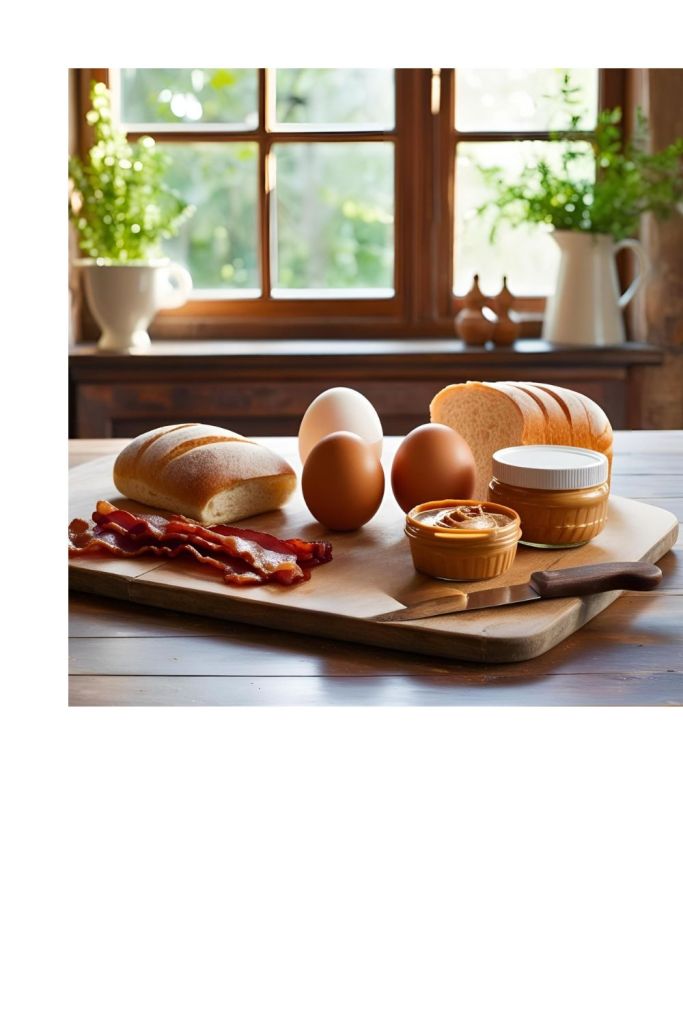
Sausage + Eggs + Toast — Breakfast-for-dinner, aka using breakfast foods to emotionally reset.
Sunday
Coke Pulled Pork + Mac or Egg Noodles — The crockpot does all the work. You take the credit.
Week Four
Day
Meal
Monday
Pulled Pork “Tacos” — Leftovers dressed up. Throw in onions, peppers, canned tomatoes, and rice. Tortilla optional. I like to make it a rice bowl or in tortillas, we have also put pulled pork leftovers with some salsa and nachos.
Tuesday
Meatballs in Marinara — From the freezer to the table. Zero regrets.
Wednesday
Eggs + Toast + Hashbrowns or Fruit — Breakfast, again. Because we do what works.
Thursday
Chicken Stir-Fry + Rice — Takes 15 minutes and makes you feel like you’ve got your life together.
Friday
Soup + Crackers or Sandwiches — More reserves. Less thinking.
Saturday
Pasta Bake or Lazy Lasagna — Toss it in a dish and bake until bubbly. Cheesy redemption.
Sunday
Maple Glazed Chicken + Buttered Noodles — The Pinterest recipe you actually pulled off. Hubby-approved. Next time we’re reducing that glaze for stick factor.
🍳 Ingredients for the Cook Day Hits (Sarcasm Included)
Sausage & Peppers over Egg Noodles Ingredients: sweet Italian turkey sausage, red and green bell peppers, yellow onion, garlic, broth (instead of wine), canned diced tomatoes, tomato paste, dried oregano, olive oil, egg noodles. Honestly I tweak this every time. If it sounds like it’d be good in it I’d try. Mood: Colorful enough to feel like you’re trying.
Baked Chicken + Roasted Veggies Ingredients: chicken breasts, potatoes, carrots, olive oil, salt, pepper, whatever seasoning makes you feel chef-y. Mood: Toss it all on a sheet pan. Roasting = pretending you’re fancy.
Coke Pulled Pork Ingredients: pork roast, 1 can of Coke, BBQ sauce, salt, pepper, onion powder. Mood: Dump, set, and go live your life.
Meatballs in Marinara Ingredients: frozen meatballs, jarred marinara sauce, spaghetti or mashed potatoes. Mood: It’s giving “fake it till you bake it.”
Chicken Stir-Fry Ingredients: chicken breasts, frozen stir-fry veggies, soy sauce, splash of broth, oil, rice. Mood: One-pan wonder with zero side-eyes.
Pasta Bake or Lazy Lasagna Ingredients: cooked pasta, any ground meat, jarred pasta sauce, shredded cheese. Mood: Layer, bake, and pretend you slaved.
Maple Glazed Chicken Ingredients: chicken thighs or breasts, maple syrup, soy sauce, garlic powder or minced garlic, BBQ sauce. Mood: So good your partner eats the leftovers. Sauce could use a glow-up — try reducing it next time.
🍆 Reserve Staples to Keep on Hand
Chicken strips (frozen)
Eggs
Bread (for toast & sandwiches)
Canned soups
Frozen vegetables
Hashbrowns
Knorr sides or boxed pasta mixes
Rice
Pasta
Tortillas
Jarred pasta sauce
Shredded cheese
Bacon or sausage (for breakfast-for-dinner days)
Instant mashed potatoes (optional but very sanity-saving)
🚨 Final Thoughts
You don’t have to be a perfect parent or domestic goddess to feed your family. This plan makes use of what you already have, lets you lean on frozen staples without shame, and helps reduce decision fatigue. Keep showing up, spoon by spoon. You’re doing better than you think.
Want more meal plans? Stick around — we’re doing this every two weeks until I run out of freezer space or patience.
Printable grocery list? Right here. Pinterest-worthy recipes? Working on it. Sanity? Pending.
The Dishes, the Drama, and the Floor Dive That Saved the Day
‘woe is me’ – me probably being melodramatic
Let me set the scene: I’m a chronic-illness, ADHD, bipolar, recently-hip-replaced mom trying to hold the household together with duct tape and sarcasm. My teen? Smart. Strong-willed. And currently convinced I’m the villain in her origin story.
And today? Today was The Dishes Incident™.
✋ Scene One: A Chore of Her Own Choosing
We don’t assign chores like a dictatorship around here. I made a list. She chose “dishes.” It was her idea. Ten bucks a week. Seemed simple. No tricks, no traps. Just a job she picked herself.
Last night, after hours of computer time, I said: “It’s time.”
She said: “I’m tired.”
I said: “Fine. Tomorrow morning, before school.”
She said: “Okay.”
Agreement made. Terms accepted. Treaty signed.
⏰ Scene Two: The Deal Breaker
She woke up on her own at 5 AM — a miracle I did not question. Then she asked:
“Can I do them when I get home?”
Cue my calm-but-firm voice: “No. That’s not the deal.” The deal. Her deal.
Enter: rage. Defiance. And the words that burn like fire even when you know they’re just teen flailing:
“I hate you! I want to go live with Grandma!”
Classic. Not the first time I have heard it and it wont be the last I’m sure but it guts me every time.
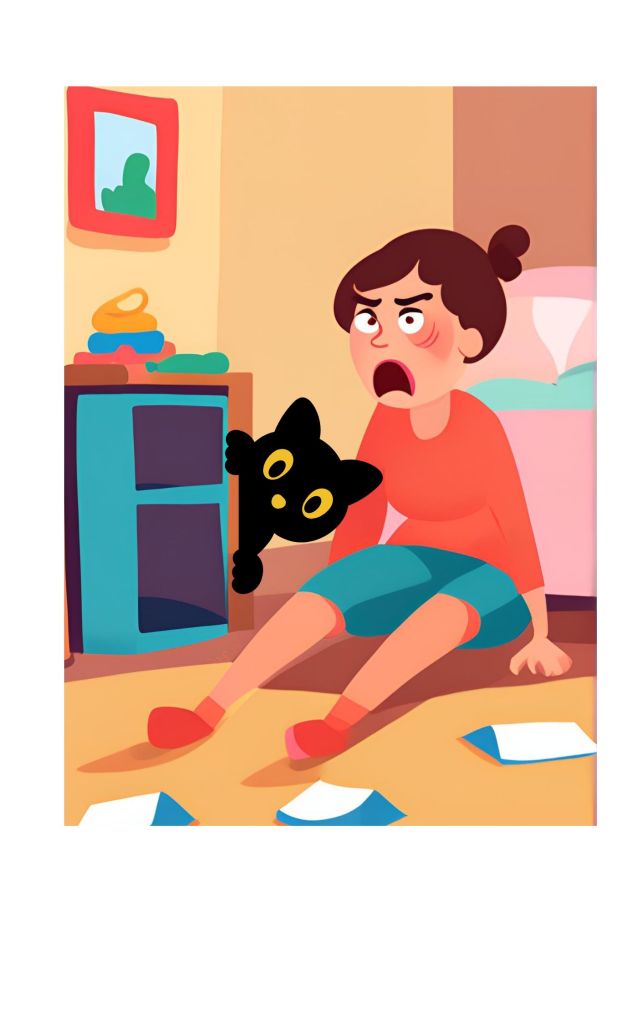
🐈 Scene Three: The Cat, the Crisis, and the Floor
Then I saw her on the living room camera… getting way too close to one of the cats. And a pit hit my stomach: Was she looking for something to hurt because she was hurting?
the cat was like, ‘you broke the food lady’
I ran. Too fast. My hip screamed. I told her: “If you need to hurt someone, hurt me. I’m the one you’re mad at.”
Then her dad got up. And I — knowing better — told him what she said.
Cue: screaming. Yelling. Not listening. To me, nor each other.
So I did the only thing I could think of. I threw myself on the floor. Literally. Like a one-woman protest movement.
It worked. Not proud of it. But it worked. Because when words don’t reach them, drama sometimes does.
🫱 Scene Four: The Olive Branch (and the Laundry)
Later, I offered her a new deal. The laundry. Every day. Not as punishment — as partnership.
Her dad won’t have to haul baskets up and down stairs. I still can’t do them after surgery. It’s a chance for her to contribute and feel capable again.
But just so we’re clear: If she cooks it, she cleans it. I may be flexible, but I’m not a doormat.
💬 What I’m Learning (Even When It Hurts)
Holding boundaries hurts sometimes. Offering grace doesn’t always feel graceful. Being the “mean mom” isn’t about being cruel — it’s about being consistent.
She sees me as mean today. We’ll see how she is when she gets home. We havent had a blow up like that in a while, sometimes she comes home apologetic, sometimes she doubles down. Maybe one day she’ll see it for what it was: love that didn’t flinch, even when it limped. Til next time gang, take care of yourselves, and each other!
(Or: “Sorry, kid, my brain’s floating three feet to the left right now.”)
Some days, I’m Supermom(ish). Other days, I’m just a sentient pile of laundry pretending to be a person. And then there are the days I’m trying to parent through a fog so thick it feels like I’m watching my life on a 5-second delay. Do you ever do that? Your nodding along, it appears you are in agreement only to blurt out an answer to a rhetorical question from two topics ago and its just stares and crickets? No? just me?
That’s dissociation — and it’s not just zoning out. It’s a real and very common symptom of trauma, stress, and neurodivergence.
What Dissociation Actually Is
Dissociation is your brain’s way of going, “Nope. Too much. We’re going to detach for survival now.” Believe it or not I learned this when my heart stopped. I have ZERO recollection of at least a month on either side, and I hope I never get those memories back because they had to be scary for my brain to hide them like that.
Dissociation can feel like:
You’re watching yourself from outside your body
Time is warped or unreal
The world looks… fake. Like how they depict it in movies with people in your face that look like characters from a dream
Emotions are muted, or you’re totally numb
According to the National Alliance on Mental Illness (NAMI), dissociation can affect people with PTSD, anxiety, depression, ADHD, and bipolar disorder — basically, a Greatest Hits list of what I’m working with.
And yes, it can show up in chronic pain conditions too. Research in the Journal of Trauma & Dissociation (2020) found that people with fibromyalgia reported higher dissociation symptoms than control groups — likely because living in constant pain is its own form of trauma.
But What Does That Look Like as a Parent?
It looks like:
Nodding at your teen’s story but realizing you didn’t process a word of it
Looking at the kitchen sink and wondering how the dishes multiplied like gremlins
Holding your kid’s hand while mentally floating somewhere in 2004
Hearing “Mom?” for the third time before realizing you are Mom. Or your name, anything someone has to say three times before it registers.
And when your kid’s autistic and needs you fully present — or your brain’s ADHD and skittering like George in a glitter store — that’s a special brand of guilt.
What Helps Me Come Back
I’m still figuring it out. But here’s what works — sometimes:
Name it: “I’m dissociating” sounds weird at first, but saying it out loud grounds me. It also helps my teen understand it’s not personal. It has helped countless times with hubby.
Cold water or texture changes: Ice packs, textured putty, or touching something rough brings me back. Try keeping a wash cloth in the freezer.
Mindless movement: Folding towels. Walking in circles. Tapping my fingers. Rhythm helps. Fidget spinners. Keep a pencil and paper and doodle. Anything mindless.
Breathing and narration: “I’m sitting. My feet are on the floor. I can hear the fan.” It’s cheesy. It works. Its a variation of a tact professionals use, five things you can see, four things you can hear, etc.
If This Is You Too…
You’re not broken. You’re not a bad parent. You’re not failing because your brain protects you in weird, inconvenient ways.
You’re doing the best you can. And you’re still showing up. Even if it’s in pieces, even if you’re floating — you’re here.
That counts for something. Til next time gang, take care of yourselves and each other.
For the nights when you’re out of energy, out of time, or just plain over it.
Let’s be real: I’m not living in a Pinterest-perfect kitchen with endless time, energy, or executive function. I’m not even 50% back to where I WAS, which is to say subpar and inefficient.
So yeah—there’s a lot going on at any given moment in my house.
Meal planning used to feel like one more thing I was “failing” at. I’d write out seven dinners for the week, try to stick to it, and inevitably hit a wall by Wednesday. Leftovers piled up, produce went bad, or we ended up eating cereal because the plan didn’t match real life.
That’s when I stopped trying to force a perfect schedule and started building something that actually works for us. I call it my Reserves-Based Meal Plan—a mix of flexible structure, intentional leftovers, and reliable “backup” meals. It’s made our evenings smoother, saved money, and reduced the constant stress around food. Are you sick and tired of looking in your fridge saying ‘I don’t know what do YOU want to eat?’ We were to the point of it being overwhelming. I am nearly done with week 1 and its gone well and we havent asked the dreaded question yet.
If you’re overwhelmed, neurodivergent, chronically ill, or just busy as hell—this system might help you too.
🧂 What Is a Reserves-Based Meal Plan?
You know how most meal plans assume you’re going to cook every single night like some kind of apron-wearing domestic goddess who enjoys washing cutting boards?
Yeah. No thanks.
A Reserves-Based Meal Plan is built for people with actual lives—and possibly brain fog, executive dysfunction, chronic pain, or a teen who suddenly “doesn’t like chicken anymore” even though it was fine yesterday.
Here’s how it works:
I plan 3–4 solid meals a week—things I know we’ll probably eat together.
The rest of the week is leftovers or “reserves.”
Reserves = easy backup meals I can make fast with zero emotional commitment. Think: chicken strips, scrambled eggs, or anything that comes out of a box and doesn’t judge me. (Hamburgers, Keilbasa, eggs and chicken strips are pretty well what we stick to)
This plan is flexible on purpose. It gives me room to shift things around when life gets chaotic (which, let’s be real, is always), and it keeps food from going to waste when plans change or I just can’t that night.
🗓️ Two-Week Meal Plan (With Commentary & Chaos)
Welcome to the plan that might save your week—or at least reduce the number of emergency cereal nights.
This plan assumes you’re cooking about 3–4 times a week, depending on energy levels, surprise IEP meetings, or spontaneous teenage existential crises. The rest of the time is covered by leftovers, reserves, or the ancient rite of takeout.
Week One
Day
Meal
Sunday
Hamburger Helper – Not fancy, but comforting. It’s giving “90s latchkey kid,” and we respect that energy. I sometimes switch out the burger and go with ground turkey or throw some veggies. Its the only way I can sneak them into her
Ingredients: ground beef, boxed hamburger helper mix, milk, water, and your dignity.
Monday
Leftovers or Reserves – Whatever is easiest to microwave while standing in socks staring into the fridge.
Tuesday
Sausage & Peppers with Jasmine Rice – Colorful enough to feel like you’re trying, but simple enough to cook on autopilot. You can also make it without the rice, put it on a hoagie roll (or grinder to my RI friends)
Ingredients: sausage (Italian or kielbasa), bell peppers, onions, canned tomatoes, garlic, olive oil, jasmine rice.
Wednesday
Leftovers or Reserves – The peppers are still in the fridge, but now they’re suspicious.
Thursday
Leftovers or Reserves – Try and use up one reserve or another.
Friday
Chicken Fajitas – Hot, sizzling, and guaranteed to make the kitchen smell like you’re doing something impressive. (Also a good way to use up the rest of the peppers)
Ingredients: chicken breast or thighs, bell peppers, onions, spices (paprika, cumin, garlic), tortillas. Optional: sour cream, salsa, shredded cheese. Rice
Saturday
Leftovers or Takeout – Translation: The fridge is now an emotional puzzle, and you’ve earned the right to outsource.
Week Two
Day
Meal
Sunday
Chicken & Rice Casserole – A cozy, low-effort oven hug.
Finish All Reserves – If it’s not gone today, it’s getting freezer-burned or forgotten.
Sunday
Mac & Cheese with Kielbasa – The grand finale. This meal says, “We made it. Somehow.”
Ingredients: boxed mac & cheese or homemade, kielbasa or smoked sausage, butter, milk, cheese, sense of victory.
🛒 The “I Got Everything, I Think” Shopping List
This is the comprehensive list for the full two-week plan. It includes all the main meal ingredients and reserves. You won’t need everything every time, so adjust based on what’s already hiding in your pantry or freezer.
Feel free to highlight the things that are “yes, I must buy this” and ignore the things that are already fossilized in the back of your cabinet. Also, I’m not going to say its the same for everyone, but this list at Walmart the way I bought everything ended up being roughly 150 dollars. I estimate we MIGHT spend another 100 on snacks any given MONTH, and 400-500 a month for groceries seems ideal for a family of 3-4 to aim for
🥩 Protein Zone (a.k.a. Things That Should Be Thawed but Probably Aren’t)
Chicken breasts or thighs – 4-5 lbs (fajitas, maple glazed, casserole) (if you get frozen breasts you can easily pull out however many you need)
Sausage (Italian or smoked/kielbasa) – 2–3 packs (I buy the horseshoe one and the pack of bun sized ones, you can use either or interchangably.)
Eggs – 2 dozen (reserves, baking, general survival)
Pre-cooked chicken strips or tenders – 1 bag or box (reserves)
The reserves figure in because you can move them around. So many times I see Sausage and peppers and think, ‘ugh, thats a lot of standing’ I try and get the bag of frozen chicken, I take out 3-4 depending on what I’m making, but its easier to thaw and plan for it and I get the 5 lb bag. For the ground beef, I get one lb, but then I get frozen burgers. You can break them up for the pasta, mix whatever sausage is left, it will give you a nice thick meat sauce.
🥕 Produce That Will Eventually Get Sketchy
Bell peppers – 4–5 (fajitas, sausage & peppers) OR I get the small bag of sweet peppers or stoplight peppers as they are sometimes called.
Onions – 3–4 (every meal ever)
Tomatoes – 2–3 (general use)
Garlic – 1 bulb (for when you want to feel like a chef)
Salad greens – if you want to pretend you eat salads
Optional: carrots, celery, herbs (fancy but not required)
🥖 Bread & Grains (Carb Comfort Section)
Hamburger buns – 1 pack
Hot dog buns – 1 pack
Bread – 1 loaf (toast, sandwiches, life raft)
Jasmine rice – 1 bag (sausage & peppers, casserole)
Egg noodles – 1 bag (maple glazed chicken)
Elbow macaroni – 1 box (mac & cheese)
Pasta (penne/spaghetti/etc.) – 1–2 boxes
Knorr sides – 1–2 packets (reserves)
Tortillas – 1 pack (fajitas, leftover tacos)
📝 Check your pantry before heading to the store. The easiest way I have found is to get your list then go through your pantry and check off what you see. Otherwise you end up with half filled bags, or worse, moldy stuff.
🧀 Fridge Friends (aka: Things I Steal Bites Of While Cooking)
Milk – 1 gallon
Butter – 1–2 sticks
Shredded cheese – 2–3 cups I get different kinds
Cream cheese – optional, but excellent
Parmesan – optional but classy
🥫 Pantry Staples & Secret Weapons
Hamburger Helper – 1 box (nostalgia in a packet)
Pasta sauce – 1 jar (or make your own if you’re feeling bold)
Canned tomatoes – 4 cans, I like to get petite diced but there are a number of cuts and flavors to try.
Maple syrup – not just for pancakes anymore Use REAL syrup though.
Chicken broth – 2–3 cups or 2 cans
Cream of chicken soup – 1–2 cans
Mac & cheese – 1 box (or ingredients for homemade) I want to do the mac and cheese and sausage in a casserole but you can just make it by frying up the sausage and making the mac and cheese seperate.
Cooking oil – olive or vegetable
Salt, pepper, garlic powder, cumin, paprika, Italian seasoning
🧂 Extras / Condiments / Things You Forget Until It’s Too Late
Ketchup, (burgers, sandwiches)
Salsa, hot sauce
Soy Sauce
Frozen veggies – great for sides or stuffing into casseroles – I put them in EVERYTHING, its the best way to get veggies in front of her without her really noticing.
Tortilla chips – for reserve dinner morale boosts
🍽️ Basic Recipe Rundown
(for all the planned meals — not reserves) Reserves for this week: Hamburger, sausage, eggs, chicken strips and endless knorr sides.
🍔 Hamburger Helper (Sunday, Week 1)
Nostalgic chaos in a box, and honestly? Still slaps.
How to: Brown the ground beef. Drain the grease if it’s swimming. Add in the mix, milk, and water. Stir, simmer, stir again, ignore for a while, then serve. Bonus points if you add frozen peas or shredded cheese. Or depending on the flavor a can of tomatoes.
🌶️ Sausage & Peppers with Jasmine Rice (Tuesday, Week 1)
Looks colorful. Feels like effort. Isn’t.
You’ll need:
1 lb sausage (Italian or smoked kielbasa)
Bell peppers (2–3), onions (1–2), and tomatoes (canned)
Garlic, olive oil, salt/pepper
1/2 cup chopped fresh basil leaves
4 garlic cloves, chopped
2 tablespoons tomato paste
1 cup Chicken broth, you CAN use marsala wine but I dont keep that handy
1 (15-ounce) can diced tomatoes
1/4 teaspoon red pepper flakes, optional
Jasmine rice
How to: Heat the oil in a heavy large skillet over medium heat. Add the sausages and cook until brown on both sides, about 7 to 10 minutes. Remove from the pan and drain. Keeping the pan over medium heat, add the peppers, onions, salt, and pepper and cook until golden brown, about 5 minutes. Add the oregano, basil, and garlic and cook 2 more minutes. Add the tomato paste and stir. Add the Marsala wine, tomatoes, and chili flakes, if using. Stir to combine, scraping the bottom of the pan with a wooden spoon to release all the browned bits. Bring to a simmer. Cut the sausages into 4 to 6 pieces each, about 1-inch cubes. Add the sausage back to the pan and stir to combine. Cook until the sauce has thickened, about 20 minutes. Fix the rice per instructions, serve on top of Jasmine rice or put it on a bun.
🌯 Chicken Fajitas (Friday, Week 1)
Sizzling pan. Big energy. Barely any effort.
You’ll need:
1–1.5 lbs chicken (breast or thigh), sliced
Bell peppers + onions, sliced
Spices: paprika, cumin, garlic powder, salt
Tortillas
can of petite diced tomatoes
Optional toppings: cheese, salsa, lime
Rice (use Jasmine if you want to use it up, but any rice works)
How to: Toss chicken in spices, sauté in oil. Add peppers and onions and can of tomato with most of the water drained. Cook till soft and a little browned. Wrap in tortillas with rice and top with whatever’s in the fridge cheese and salsa wise.
🍗 Chicken & Rice Casserole (Sunday, Week 2)
Comfort food with a “throw it in the oven and pray” vibe.
You’ll need:
Cooked or leftover chicken
Cooked rice
1–2 cans cream of chicken soup
Chicken broth
Shredded cheese
Optional: peas, carrots, frozen sadness
How to: Mix everything in a baking dish—rice, chopped chicken, soup, splash of broth, cheese. Stir. Bake at 350°F for 30–40 min. Top with extra cheese if you love yourself.
🍁 Maple Glazed Chicken with Egg Noodles (Tuesday, Week 2)
Sweet, sticky, and weirdly impressive for how lazy it is.
You’ll need:
Chicken (breasts or thighs)
Maple syrup PURE
Garlic (minced)
Chicken Broth
Lemon juice
Egg noodles
Butter
How to: Mix maple, garlic, chicken broth lemon juice in a medium bowl. Set aside. Season chicken salt and pepper, sear in a skillet. 3-4 minutes on each side. Set aside and wait for the pan to cool completely. Once cool, add maple sauce mixture. Bring to simmer and scrape all the brown bits off the bottom of the pan. Add in the seared chicken back into the skillet, simmer 5-8 minutes until chicken is done Simmer until cooked and glazed. Remove the chicken and reduce the glaze. That sounds daunting but its not. You just turn the heat on high and simmer for 1-3 minutes, DON’T BURN IT! Stay with it and stir it. Cook noodles, strain leave 1/2-1 cup of starchy water, throw in garlic butter. Slap it all on a plate. Smile faintly.
🍝 Pasta & Meat Sauce (Wednesday, Week 2)
The crowd-pleaser. The fallback. The midweek MVP.
You’ll need:
Pasta (any kind)
1 lb ground beef
1 jar pasta sauce
Garlic, onion, herbs (optional)
How to: Brown ground beef with garlic/onion if using. Pour in sauce. Simmer while the pasta cooks. Drain pasta, mix, serve, top with cheese and relief. You can easily break up the burgers, you can also break up the sausage.
🧀 Mac & Cheese with Kielbasa (Sunday, Week 2)
Is it a kid meal? Is it comfort food? Is it just what you had left? Yes.
You’ll need:
Boxed mac & cheese or your homemade version
Kielbasa/smoked sausage
Butter, milk, shredded cheese (if DIY)
How to: Cook kielbasa separately (sauté or bake). Make mac & cheese. Mix them together or serve side-by-side like a classy cafeteria dinner.
Or for more of a homemade from scratch feel: Cook and stir the cut-up kielbasa in a large skillet over medium heat for 6 to 8 minutes, until heated through and beginning to brown. Remove the sausage from the skillet, and set aside.
Fill a pan with lightly salted water, bring to a boil over medium-high heat, stir in the macaroni, and return to a boil. Cook, stirring occasionally, until the pasta has cooked through but is still firm to the bite, about 8 minutes. Drain well.
Preheat an oven to 350 degrees F (175 degrees C). Grease a 9×13 inch baking dish. Melt the butter in the skillet over medium-low heat, and cook and stir the chopped onion for about 5 minutes, until translucent. Whisk in the flour, stirring constantly to avoid lumps. Cook and stir the butter, onion and flour for 2 to 3 minutes to make a roux, and remove from the heat. Whisk in the milk a little at a time, stirring constantly, until all the milk has been incorporated, and return to low heat. Bring the sauce to a simmer, and cook over low heat for about 2 minutes, stirring constantly, to finish cooking the flour. Whisk in the cheese, most use cheddar but theres no hard and fast rule so I throw in a mix generally, a few cubes at a time, until all the cheese has been incorporated and the sauce is hot and smooth. Pour the macaroni into the cheese sauce, and stir to combine. Stir in the cooked kielbasa, salt, and pepper.
Spoon the macaroni mixture into the prepared baking dish, and sprinkle the bread crumbs over the top. Bake for about 20 minutes in the preheated oven, until the crumbs are brown and the casserole is bubbling. Let stand for 15 minutes after baking, to set before serving. The bread crumbs make it FEEL authentically homemade.
🎉 Conclusion: You’ve Got This (Seriously)
Look, meal planning doesn’t have to be a perfect science. If it were, we’d all have an army of chefs and a fridge that actually respects us. But I’ve learned that the most important part is making a plan that fits your life. And let’s be honest—life is messy.
This Reserves-Based Meal Plan is designed to take the pressure off and give you a framework that works around whatever’s going on in your world, from chronic illness to teenage moods. It’s not about perfection; it’s about giving yourself room to breathe, stay flexible, and get dinner on the table without pulling your hair out. I also did it to stream line shopping. Our personal plan is twice a month, but you could go weekly or monthly easily.
I know some nights will be leftovers, some will be reserves, and sometimes I’ll be ordering pizza and pretending it’s part of the plan. And that’s okay. We’re all just doing our best.
So, whether you’re juggling multiple schedules, battling a mental health day, or just trying to get through the week without eating cereal at 8 p.m., I hope this plan helps you keep things moving—without making you feel like you’re failing. You’ve got this. And if you don’t, well, there’s always takeout.
📚 Final Thoughts
Meal planning doesn’t need to be overwhelming. Use this system to make meals work for you—whether that’s through leftovers, reserves, or embracing the chaos of real life. And remember: this plan is just a starting point. You’ll tweak it, adjust it, and make it yours. Start with the easiest things you can, the more versatile the better I tried to make it so I got at least two meals out of everything And that’s what’s going to make it actually stick. I might wait until I see whats left over after two weeks before I do the next or I might plan it out today, not like I got much going on lol
If you’ve got questions or want to share your own tricks for surviving busy nights, drop a comment below. Let’s all be in this together. We can’t be perfect, but we can be practical. And trust me, that’s better anyway. Til next time gang, take care of yourselves, and each other.
Recovering from hip replacement surgery sounds daunting, so why not make the most of your downtime? I’m a week out and I’m SO bored. I’ll probably knock out at least five of these this week. If you guys have ideas let me know EDITED TO ADD: Mother in law sent me a message letting me know that when her hubby had a hip replacement he built models and thats how she ended up with a curio case full lol. I hadn’t thought of them until she reminded me of Grandpa Greg’s recovery but thats also something tangible so I’d absolutely work on that. Legos too after I thought about it.
1. Binge Watch TV Shows Until You Forget What Day It Is
HBO, Netflix, Hulu… I feel like this one goes without saying… summon the entertainment gods! Start a show so long you’ll still be watching it when you can finally walk without looking like a baby giraffe. I’m planning to re watch this season’s Law and Orders, and Greys, and all the Chicago shows. Then I’ll branch out to see if there are any finished shows, or finished seasons of shows that I have on my to watch list.
2. Perfect the Art of Asking for Everything
This is your time to shine as the supreme monarch of laziness. Channel your inner diva and ask others to fetch you water, snacks, blankets, and everything else. I’ve started calling my husband into the room to do little things once I lay down. I start by justifying it as he’s walking in the room he’s like ‘just tell me, I know you’d do it if you could’. But half the fun is making up the justifying stuff. Make an argument they can’t say no to
3. Assemble a Throne of Pillows
You’re going to be sitting a lot, so why not create the most luxurious pillow fort for your recovery? Bonus points if you make people call you the Pillow Queen. I don’t just want a pillow throne, I want a pillow empire that I may sit atop and be fanned and fed grapes LOL
4. Write a Memoir Called “Titanium and Tantrums”
Chronicle your hip replacement journey in all its glory—include your emotional highs, your many Netflix binges, and the awkward moment you dropped a crutch down the stairs. Kidding, steer clear of stairs for the duration of your recovery. I didnt do crutches, I did a combo of walker and cane but it sucks to drop your cane. I have a grabber that I also drop, so I play pick up sticks with my toes lol. My memoir would be boring, mostly about how I try doing things myself, fail, then wait for someone to *gulp* help.
5. Invent an Alter Ego for Your New Hip
Name your new hip something badass like “T-800” or “Iron Justice.” Refer to it exclusively in the third person. “Iron Justice doesn’t approve of stairs today.” LOL I havent named mine yet, but I did notice I didnt have any bionic powers yet. Super Speed???? Maybe but I wont find that out til its magically activated and I am summoned to my rightful place instead of seated here atop my pillow throne.
6. Train Your Pets to Assist You
Turn your dog into a furry nurse or your cat into a reluctant butler. Teach them to fetch your slippers, deliver snacks, or at least sit next to you and look cute. I’ve been working SO HARD at this one, so far I have gotten two of the four to sit in my vicinity and grace me with their presence, I’ll continue working at it, it will be slow going but I’ve got time.
7. Learn to Swear in Different Languages
You’ll need new words for when physical therapy makes you want to throw something. Imagine shouting “Merde!” or “Scheisse!” to spice up your frustrations. I should look into the swear words, I don’t think they have a section for it in Duolingo lol, but I’ve been doing Duolingo more. Make yourself fluent in a language of your choosing. Thats using your time constructively
8. Create a Playlist Called ‘My Hip Don’t Lie’
LOL You knew a playlist had to be on the list somewhere! Honestly my soundtrack has been senate hearings and stand up comedy, but now that I’m feeling good enough not to sit on my ass today it’s Shakira time. Include other bangers like “Can’t Stop This Feeling” and “Walk This Way.” Dance from the couch (or gently sway if you’re not quite there yet).
9. Become a Professional Napper
If naps were an Olympic sport, you’d be going for gold. Nap at odd hours. Nap mid-conversation. Nap just because you’re bored. Recovery requires rest, after all. I seriously love me a good nap. I havent been sleeping well because I have to elevate my hip and I’m uncomfortable on that side, so if I’m in my chair and the moment calls for it I can be sound asleep in under 3 minutes.
10. Plan Your Post-Recovery Dance Routine
Once your new hip is ready, you’ll obviously want to celebrate with a victory dance. Sketch it out now: a little cha-cha, a hip thrust (carefully), and a triumphant lean. I have actually thought about this a fair amount, I love to dance. I love to move, I hate sitting still so its driving me crazy, but I know I’ll be able to dance soon and feel much better while doing it, so thats what I’m holding on to.
Final Thoughts:
Recovery is hard, but humor makes it bearable. Whether you’re inventing alter egos for your hip or perfecting your dramatic limping skills, the key is to stay entertained and keep smiling (or rolling your eyes). You’ve got this—Iron Justice (or Titanium Tina ooohhh, I like that one) will be back on the dance floor in no time. Til next time gang, take care of yourselves, and each other.
So gang, I am very close to my surgery let me tell you, the anxiety has been overwhelming. Between the constant worry about how I’m going to manage after the surgery and the fear of the unknown, I’ve been on edge. And I’ve realized—I’m scared. Really scared.
I think I’ve spent most of my life learning how to cope with anxiety, whether it’s from a health condition or just the daily emotional rollercoaster of managing multiple diagnoses. But this surgery? This is different. It feels like it’s more than just my body I’m worried about—it’s my whole life, my routine, my identity. And when that kind of anxiety takes over, it feels like I can’t think straight.
I’m sure many of you reading this can relate: sometimes, when everything becomes too much, the panic creeps in. And that’s where distraction comes in. For me, lately, it’s been art.
I’ve spent the past week coloring, sketching—literally hundreds of pictures. I’m sure some people would call it “mania,” and, honestly, maybe they’re right. My brain feels like it’s on overdrive, and I can’t seem to stop. But I know that, right now, I need this. I need something to focus on to keep myself from spiraling into full-blown anxiety.
Why Distraction Can Help
Distraction isn’t just a coping mechanism—it’s been a lifeline for me. I know that sounds strange, but it’s true. When you’re dealing with overwhelming thoughts and feelings, whether it’s from anxiety or just pure fear, sometimes the best thing you can do is focus on something that takes your mind off the panic. For me, that’s sketching.
And it’s not just about “getting away” from the anxiety. When I immerse myself in coloring or drawing, my brain gets a break from the constant worrying. I’m able to focus on something else, something creative. It brings a sense of order and control back into a chaotic mind. It calms me down, even if just for a little while.
I’m not saying that distraction is a cure-all. But research does show that activities like drawing, coloring, or other creative outlets can help reduce stress. When we focus on an activity, like sketching lines or picking colors, our minds can get a break from the chaos. We tap into a different part of our brain, one that’s focused on the task at hand and not on the anxiety.
It’s like hitting the pause button for a moment.
How Art Helps Me Manage Anxiety
I don’t want to sugarcoat it: I’m still scared about the surgery. I’m still battling those racing thoughts. But art has been helping me hold it together. And I wanted to share with you how it’s working for me—maybe it’ll help you, too.
Mindfulness Through Repetition One of the reasons art works for me is because of the repetition. It’s not just about making something pretty—it’s about finding a rhythm. When I’m coloring or sketching, I get lost in the lines, the colors, the patterns. It’s almost meditative. The more repetitive the action, the easier it is to forget about the spiraling thoughts and focus on something grounding. It gives me a mental “reset” button.
A Safe Space for My Mind When the anxiety gets too much, my mind wants to go into full-blown panic mode. But when I sit down to color or sketch, it’s like I’m creating a safe space for my brain. I’m not just making art—I’m creating a moment of peace in my otherwise chaotic head.
A Way to Express What Words Can’t Sometimes, words aren’t enough. I can’t always explain what I’m feeling, but I can express it through art. Maybe it’s the colors I choose or the way I draw certain shapes—it’s a release, even if it’s just for me. It feels like I’m channeling my emotions into something productive rather than letting them overwhelm me.
Distraction: Not a Solution, But a Temporary Lifeline
I want to be clear—distraction isn’t the same as dealing with the root of the problem. It’s not a long-term fix for my anxiety. I know I’ll need to face those fears head-on eventually. But right now, I need something to hold on to, something to give me a break from the relentless worry.
And for me, art is that something. It’s not perfect, but it’s helping. So as usual I start wondering WHY it seems to help, in hopes that I can learn where its helping and replicate it, and expand on it if possible. Here’s some facts from some recent studies related to creativity as a stress relief outlet.
Fact: Studies have shown that distraction can be an effective way to manage anxiety, especially in the short-term. Engaging in focused activities like coloring, sketching, or other forms of art can temporarily redirect attention away from anxiety-provoking thoughts, providing relief.
Fact: Engaging in creative activities like drawing, coloring, or painting has been shown to trigger the body’s relaxation response, lowering cortisol levels (the stress hormone) and promoting calmness. Sometimes writing helps but then sometimes that empty page is more added stress, so when I am as all over the place as I am right now I think writing would add to my stress
Fact: Repetitive, meditative activities such as coloring or drawing patterns can act as a form of mindfulness. Mindfulness has been shown to reduce anxiety by allowing individuals to stay present in the moment and shift focus away from intrusive thoughts.
Fact: Art provides a powerful way to express emotions that might be difficult to articulate in words. Creating something visual can give individuals a sense of release and help process complex feelings, such as anxiety or fear.
Fact: Creative activities like sketching, drawing, or painting can be particularly helpful for individuals with ADHD, as they provide an outlet for energy and focus, potentially reducing impulsivity and hyperactivity.
What Can Help You?
Maybe art isn’t your thing. Maybe you don’t have time to sit down and color. But find something that works for you. Whether it’s journaling, knitting, cooking, or even just going for a walk, distraction can be a useful tool. When anxiety is screaming in your face, sometimes the best thing you can do is take a step back and refocus. Give yourself permission to take a break, even if it’s just for a moment.
I know that none of this will take away my fear about the surgery, but I’m learning to use the tools I have at my disposal to help me get through this in one piece. And if this post helps even one of you feel less alone in your own struggles, then it’s all worth it.
If you’re facing a tough time, I encourage you to try something creative—or even just something that lets you breathe for a moment. It doesn’t have to be perfect. It just has to help. Til next time gang, take care of yourselves, and each other!
When you’re preparing for surgery, the last thing on your mind is probably whether or not you’re drinking enough water. You’re probably thinking about your recovery plan, pain management, or even the growing pile of tasks to tackle before you go under the knife. But here’s the truth: hydration is undeniably one of the most important—and often overlooked—parts of your healing journey. And no, it’s not just a ploy from the water bottle companies (although, they’re not mad about it).
Let’s talk about why staying hydrated during surgery recovery is vital for your body, your mind, and your sanity—and why you might need a gentle nudge to actually drink the water.
Why Hydration Is Crucial: The Science Bit (I Promise It’s Short)
First, let’s get the dry facts out of the way. The body is made up of about 60% water, and every single cell, tissue, and organ in your body relies on water to function properly. When you’re recovering from surgery, hydration helps:
Boost Healing: Water helps to carry oxygen and nutrients to your cells, and since your body is focused on healing, it needs all the help it can get. When you’re dehydrated, your healing process could slow down. So if you want to be up and moving sooner rather than later, water’s your best friend.
Regulate Temperature: Post-surgery fever or chills? Keeping hydrated can help regulate your body temperature, which is especially important when your body is dealing with the aftermath of a big medical procedure.
Fight Fatigue: Surgery can leave you feeling tired, but being dehydrated only adds to that fatigue. If you feel like you need an extra boost, water can be your secret weapon.
Prevent Constipation: If you’re on pain medication, you’ve probably been warned about constipation, right? Well, water helps move things along. So, if you don’t want to deal with that during your recovery, your hydration levels need to stay up.
Before I had my heart issues, I was absolutely the worst at drinking water but when you are in a hospital for a month as a coke drinker where they only have pepsi I started trying to figure out how to incorporate it into my day. I have found ICE COLD makes it tolerable for me, but we are all different. I dont like flavored water but others swear by it. Play around there is no right way or wrong way. I also was told, and I don’t have the science on this one, but I have a needle phobia and being comfortable temperature and hydrated helped SO MUCH with my daily blood work.
Now that the science is out of the way, let’s get real for a minute. Staying hydrated during recovery isn’t always easy. For some, the thought of drinking plain water feels as exciting as watching paint dry. You might find yourself staring at that glass of water like it’s an ancient artifact or worse, like it’s a reminder of that one health trend you keep swearing you’ll stick to (but…don’t).
I have a mixed record when it comes to following trends. I’m on year 6 or 7 tracking my health with my fitbit (I think this is the 5th one I’ve had), so its safe to say I’ve stuck with that and I’d say I’m in the 80-90ish percentile with meeting my step goal daily. Of course getting up and moving is part of it, however a lot of the strength building efforts I don’t follow at all, and my diet is TERRIBLE. I try but have the taste buds of a picky toddler lol.
So How Do You Actually Drink More Water Without Feeling Like a Chore?
Let’s be honest, trying to drink 8 glasses of water a day can feel like a punishment, especially when you’re juggling surgery prep, recovery, and everything else that’s going on in your life. Here are some tricks to make hydration feel a little more doable and a little less like a never-ending task:
Make It Flavorful: Add some flair to your water! Try infusing it with lemon, cucumber, mint, or berries. Suddenly, it’s not just water—it’s a spa experience! (Well, almost.)
Use a Fun Water Bottle: If you’ve got a cute, reusable water bottle with a built-in straw, you’re already ahead of the game. It’s amazing how much more likely you are to drink water when it’s in something you love. Plus, those bottles that say “Drink More!” on the side? It’s basically a mini cheerleader reminding you to hydrate.
I think the bottle you choose plays a role in your enjoyment as well. What good is ice cold water from a warm plastic bottle? I prefer my water cold so I got an insulated bottle.
Set Reminders: Set a timer on your phone every hour to remind you to take a sip. It’s like having a personal assistant, but one that only cares about you staying hydrated. You could even get an app for hydration tracking if you’re the type who loves checking things off.
Use a Hydration Tracking App: There are apps designed to track your hydration. These apps send you reminders and give you points for every glass you drink, which adds a little game to the task. Because who doesn’t love a little reward for staying healthy?
Make It Part of Your Routine: Maybe drinking water could be your thing right after meals, or first thing when you wake up. It’s all about consistency. The more you make it a habit, the less likely you are to forget.
I really do drink extra water, because while I try and be healthy, I also drink coke. I let myself have 3 (it used to be 6 so I really did make it healthier) so to allow myself to feel ok about the coke I go hard at the water to push the soda through my system. Its an imperfect system I know, but my life is checks and counter checks in my head.
The Bottom Line: Drink More Water, Feel Better
Here’s the takeaway: your body is working hard to heal after surgery, and the best way to support that healing process is by giving it the one thing it can’t do without—water. It may sound basic, but staying hydrated will help you feel better, recover faster, and keep you functioning through the post-surgery haze.
So, next time you find yourself staring at that glass of water, remember—it’s not just a glass of water. It’s your partner in crime, your secret weapon for recovery. Don’t let it sit there untouched. Drink it. Your body—and your brain—will thank you.
And hey, if you’re still having trouble getting your daily water intake, just think of it this way: you’re one sip closer to being able to walk without crutches and dance like nobody’s watching. (Okay, maybe we’ll save the dancing for later, but you get the idea.) Til next time gang, take care of yourselves, and each other.
If you’re preparing for hip replacement surgery, the pre-op appointment is an essential step to ensure everything goes smoothly. This appointment helps you, your surgeon, and your healthcare team get ready for the surgery day, addressing any concerns and confirming you’re in the best shape possible for the procedure. I feel like there are two types of people, there are people who need to know every single thing about hips and the surgery to feel better prepared and less scared, or theres the ones that want to know nothing and wake up with a new hip and less pain. I do like to know every little bit, but also I just want to lay down, sleep and wake up renewed with that new hip. Whether you’re nervous or just want to know what to expect, understanding the purpose of the pre-op appointment can ease some of your worries. I just had mine and it mostly helped.
1. Understanding the Purpose of the Pre-Op Appointment
The pre-op appointment is essentially a way for your healthcare team to ensure that you’re ready for surgery. It’s a chance to:
Review your medical history: Your doctor will go over any conditions you have, medications you take, and any allergies to ensure there are no surprises. (I have 12 plus over the counter!)
Conduct physical exams: The doctor will assess your overall health and do a brief physical exam to make sure your body is in good shape for surgery.
Order necessary tests: Blood work, X-rays, and sometimes an EKG or other imaging may be ordered, depending on your age and medical history. I had both and for the first time in a long time it HURT, I had fasted as told and was dehydrated, drink water people it will be less painful
Discuss the surgery process: The surgeon will explain how the hip replacement will be performed, the type of implant that will be used, and what the recovery process will look like.
This was when I first understood the extent of the surgery I was about to undergo. I was feeling a bit overwhelmed by the amount of information shared, but it was also reassuring to know that everyone was thoroughly planning for my care.
2. What to Expect During the Appointment
When you arrive for your pre-op appointment, here are the steps you’ll likely go through:
Medical History Review: Expect to answer a series of questions about your past surgeries, current health conditions (such as diabetes, heart disease, or respiratory issues), and any medications or supplements you’re currently taking.
Physical Exam: The doctor will check your vital signs (such as blood pressure, heart rate, and oxygen levels) and may perform a physical exam of your hips, legs, and overall strength.
Tests and Screenings: Depending on your specific situation, you might need tests like blood work, an EKG (electrocardiogram), and imaging to assess the condition of your hip and overall health. Some doctors may also screen you for any signs of infection or other concerns that could affect surgery. Discussion of Medications: Certain medications, such as blood thinners, might need to be adjusted or stopped before surgery. Make sure to ask questions about what you can and cannot take leading up to the operation.
I had to adjust my medications, especially some that thinned my blood, so this conversation was very important for me. It helped me feel more prepared to follow the specific instructions and avoid any complications. I try and be exact about my meds as its always a consideration with so many meds (12 not counting otcs!)
3. Pre-Surgery Instructions and Recommendations
At the end of your appointment, your surgeon or nurse will give you instructions on how to prepare for the surgery. This could include:
Fasting Instructions: You’ll likely be instructed not to eat or drink after midnight the night before surgery to reduce the risk of complications.
Arrangements for Transportation: Since you won’t be able to drive after surgery, make sure you’ve arranged for someone to take you to and from the hospital. Also, I wont say everywhere but here they say you have to have someone IN THE WAITING ROOM during the entire surgery so check on that. Most states also have people that volunteer if you need someone to wait for you, or its covered under insurance so check before the big day.
Preparing for Recovery: Your surgeon will likely discuss what your recovery process will look like, including physical therapy, pain management, and what you’ll need at home to assist with your recovery. You may also be given recommendations for exercises to do before surgery to strengthen muscles around your hip and prepare for recovery.
My doctor was great at helping me understand what I needed to do to prepare. I received a detailed list of things to bring to the hospital and suggestions for making my home more recovery-friendly. It was a relief to know exactly what to expect. Until I started obsessing about it lol.
4. Questions to Ask Your Surgeon
It’s normal to have a lot of questions before a big surgery like a hip replacement. If you get overwhelmed easy as I do, write them down, that way you have them ready. In the moment when they ask if I have questions, I always know I do but I have no idea what they were so I say no and freak out until its explained causing myself needless pain. Some good questions to ask your surgeon during the pre-op appointment include:
What type of implant will be used, and why?
How long will the surgery take?
What should I expect during the recovery process?
Are there any risks or complications I should be aware of?
Will I need physical therapy? If so, for how long?
What should I bring to the hospital with me?
When can I expect to return to normal activities (work, exercise, etc.)?
What will I need that first week/month etc?
I took hubby and a notepad to my pre-op appointment to jot down questions that popped into my head. One of the best things I did was ask about the recovery timeline. It gave me realistic expectations and helped me mentally prepare for the long road ahead.
5. The Emotional Side of Pre-Op Appointments
While the practical aspects of the pre-op appointment are important, it’s also normal to feel a mix of emotions—nervousness, excitement, or even uncertainty. Many people find that the more they learn about the process, the more confident they feel. Don’t be afraid to voice any concerns or ask for additional support, whether that’s a follow-up appointment or simply a clearer explanation.
That was the moment when I realized it was okay to be nervous, but also to trust the process. Talking with my surgeon and the team helped me feel supported, and I found that expressing my concerns out loud made me feel more at ease going into surgery.
Conclusion
The pre-op appointment is a vital step in preparing for your hip replacement surgery. It’s an opportunity to learn everything you need to know, ask important questions, and ensure your body is as ready as possible for the procedure. While it’s completely normal to feel a bit anxious, rest assured that your healthcare team is there to guide you every step of the way.
By being proactive, asking questions, and following instructions, you’ll be one step closer to a successful surgery and a smooth recovery. Til next time guys, take care of yourselves, and each other!
Hey, fellow brain-glitch aficionados! Ever find yourself nodding along in a conversation, when—BAM!—your brain decides to take an impromptu vacation? Welcome to the wild world of auditory processing mishaps!
What’s Happening Up There? Picture your brain as a super-slick computer. It normally takes in sound, converts it to signals, and serves up meaning faster than you can say “What?” But sometimes, it’s like trying to untangle last year’s Christmas lights: messy and confusing.
The Science-y Bit (Don’t Worry, It’s Fun) This little brain hiccup is known as Auditory Processing Disorder (APD). It’s when your brain’s sound system decides to prank you. One minute you’re fine, and the next, you’re wondering if everyone around you started speaking Klingon. This little brain hiccup is known as Auditory Processing Disorder (APD). When you have APD, your brain struggles to process the sounds it hears correctly. It’s like if you were listening to music and the song kept skipping, leaving you wondering what just happened.
The brain processes sound in a specific order: first, the ear detects sound waves, then sends electrical signals to the brain. The auditory cortex takes those signals and decodes them into speech and meaning. Simple, right? But when there’s a glitch in that system, you might hear everything perfectly fine, but your brain just can’t put it together the way it’s supposed to. I know for me, it just takes my brain a little extra time to make the words known to my brain. Like my husband can talk, and I swear to you it sounds like Charlie Brown’s adults ‘wha whaaa wha waa wha’ lol, so I will ask for repeats or clarifications, then as he is talking, I understand what they said a minute ago and I have a comment about it. I have a bad habit of interrupting people, I am trying to stop, but I KNOW if I keep my comment to myself theres a 95% chance I will forget (and if I do I’m sorry and that will make me even MORE mad at my misfiring brain, its a perpetual state of loathing)
Fun Fact: Studies suggest that around 5% of children have some form of APD, and it often goes undiagnosed, leaving kids (and adults) in a perpetual state of “Huh?”
Signs You’re Having an Auditory Adventure:
Words suddenly sound like gibberish. (Is this what babies feel like all the time?)
You catch yourself saying “Huh?” more than a confused owl.
You’re nodding and smiling, hoping no one realizes you’re lost in auditory space.
The Plot Twist: When You’re the One Speaking Irony strikes! Sometimes, your own words decide to play hide and seek in your brain. It’s like your thoughts are sprinting while your mouth is stuck in quicksand. So embarrassing and happens at least once per conversation
Why Does This Happen?
Fatigue: When you’re running low on energy, your brain can’t work at full capacity. Studies have shown that fatigue can slow down the brain’s ability to process auditory information. It can slow down the brains ability to process any information actually. Essentially, your brain starts skipping steps in its usual routine—like a tired computer processing instructions slower than usual. According to research, lack of sleep (or chronic sleep deprivation) can decrease the brain’s ability to filter out irrelevant sounds, leading to auditory processing issues.
Stress: Ever notice how hard it is to concentrate when you’re stressed? Well, turns out your brain is sort of like a nervous multitasker. When you’re under stress, your brain’s focus shifts to dealing with the stressor (like an impending deadline or an important meeting) and less on the conversation happening around you. Research from the American Psychological Association has found that chronic stress can affect how the brain processes auditory stimuli by overloading the prefrontal cortex, which is responsible for attention and processing language.
Sensory Overload: Your brain is constantly bombarded with sensory information—sounds, sights, smells, you name it. When too much sensory input floods in at once, your brain can have a “processing jam.” Think of it like trying to run too many apps at once on your phone. Research has shown that sensory overload, especially in noisy environments, can make it harder for your brain to filter and focus on the important sounds (like someone speaking to you), causing a breakdown in auditory processing. Studies also show that people with APD are more sensitive to background noise, which exacerbates this issue.
Coping Strategies (or “How to Pretend You’re Still on Earth”)
The classic “Could you repeat that?” (Works 60% of the time.)
Blame it on a sudden case of daydreaming (who doesn’t love a good daydreamer?)
Master the art of the vague response: “Wow, that’s really something!” Practice the smile and nod.
Remember, you’re not alone in this auditory obstacle course. So next time your brain takes an unscheduled break, just smile and laugh—it’s too short not to!
Take care, stay quirky, and make sure to be good to each other! Don’t forget to spread the kindness and love, to yourselves and each other! (George is around btw he says hi. I was going to post a picture of George and Georgina they are always playing with their kids in my yard, I’ll get one soon!)
In today’s fast-paced world, we’re constantly flooded with news from every direction—social media, TV, podcasts, and more. It can feel impossible to escape the nonstop flow of information, and for many, this leads to increased anxiety. As someone navigating a neurodivergent mind, I often struggle with how to handle this overwhelming surge of news. I always have. I remember my first existential crisis thought. I asked my Mom what happens when you die and while I don’t remember her reply the feeling of ice down my spine is burned into my soul. I was eight.
When anxiety levels rise due to the relentless news cycle, well-meaning friends and family often offer the same advice: “Just relax” or “Take a break from the news.” While this may sound simple and straightforward, it can feel dismissive to those of us who experience anxiety or ADHD. The implication is that we can simply switch off our feelings and concerns with a flick of a switch. I get the impulse to say it, it comes to mind for us too. Do you think I am not SCREAMING at myself on the inside to just relax? Did you think thats not a thought that has occurred to me in multiple scenarios in my life, NOTHING coming from my rational adult mind is saying lay on the floor in the fetal position and remember every single thing that could go wrong in life, and then here we are.
For many neurotypical individuals, taking a break from the news or engaging in self-care activities can be effective strategies for managing stress. They might find that stepping away from their screens allows them to recharge and regain perspective. This approach can help them feel more grounded and less affected by external chaos. I’ve seen the methods everyone has suggested work, a lot worked well with people I knew to have heightened anxiety, I have SEEN the benefits.
However, for those of us who are neurodivergent, the situation is often more complex. The advice to “just relax” can feel like a foreign language when our brains are wired differently. Anxiety can manifest as racing thoughts or an inability to focus on anything other than the distressing information we consume. This makes it challenging to simply “turn it off.”
For many neurodivergent individuals, there’s a compulsion to stay informed about current events—often driven by anxiety about missing crucial information. This need can lead to excessive news consumption, where checking updates becomes a ritual rather than a choice. Ironically, this behavior can exacerbate feelings of distress rather than alleviate them. Like I GET that the room is on fire, I can feel the heat of it, and you are RIGHT that the room will be on fire whether I’m looking at it or not, HOWEVER if I’m not looking at it how do I know if a spark will land on me. (That metaphor works on multiple levels, my high brain is giving itself a high five lol)
Hyperfixation is another common experience for those with ADHD or anxiety. When something captures our attention—like a troubling news story—we may find ourselves fixated on it for hours or even days. This rumination can lead us down a rabbit hole of worry and fear, making it difficult to engage in other activities or enjoy moments of peace. It follows you whether you want it to or not any the second you relax that control just a little in your mind the bad thoughts have the clearance they need to invade.
The sensory overload created by constant notifications and alerts can further complicate our ability to cope with anxiety. The barrage of sounds and visuals can feel overwhelming, leading to heightened stress levels and an increased sense of panic. It’s as if our brains are on high alert all the time, making relaxation nearly impossible.
Interestingly, the advice to avoid news altogether can create its own set of challenges. For some neurodivergent individuals (myself included) , avoiding distressing information doesn’t eliminate anxiety; instead, it may lead to increased worry about what we might be missing out on or how we might be unprepared for future events. If I don’t know whats coming at me how can I prepare for the inevitable pop up derailments that follow me around like a rain cloud.
The phrase “just relax” often comes from a place of care but can feel frustrating and invalidating for those dealing with anxiety or ADHD. It minimizes the complexity of our experiences and implies that we lack control over our emotions when, in reality, we’re navigating a much more intricate landscape. On top of that it makes me want to look at them and say ‘REALLY? OMG YOU’RE RIGHT THATS THE ANSWER! Thank you SO much now I am cured’
Ultimately, it’s essential for friends, family members, and healthcare providers to recognize that everyone experiences anxiety differently. Acknowledging these differences can foster better communication and support systems that allow neurodivergent individuals to express their needs without feeling judged or misunderstood.
Strategies to Help:
Mindful Media Consumption: Set specific times during the day when you check the news instead of allowing it to infiltrate every moment.
Curate Your Information Sources: Choose reliable sources that provide balanced reporting without sensationalism.
Practice Grounding Techniques: Techniques like the 5-4-3-2-1 method (identifying five things you see, four things you hear, etc.) can help anchor you in the present.
Engage in Absorbing Activities: Pursue hobbies that require focus—like painting or reading—to provide a healthy distraction from distressing thoughts.
Seek Support: Talk openly with understanding friends or mental health professionals who respect your experiences and offer guidance tailored to your needs.
There’s little we can do for much of life beside hang on for the ride but distraction can work wonders. I throw myself into finding the best deals. My mind hasnt quieted enough to help me read which is my favorite down time activity, thoughts are too loud for the book words to penetrate the frustrating shell over my brain. Hang in there guys, lets build a community of people who listen and support rather than rush to judge. I’m always happy to hear what helps for you guys, lets share strategies! Til next time gang. Take care of yourselves, and each other.







 What Dissociation Actually Is
 But What Does That Look Like as a Parent?
 What Helps Me Come Back
 If This Is You Too…






























 WannaBeNormal