Uncategorized

5 Weirdly Effective Ways to Feel Better Fast (Backed by Science, Not Just TikTok)

Ever feel like your brain’s stuck in dial-up mode while the rest of the world’s running on fiber optic? Been there, ordered the T-shirt, wore it for three days straight. When you’re fried, frazzled, or just feeling emotionally soggy, you don’t always have the bandwidth for a full mental health makeover. The good news? Science has your back—and it doesn’t require a prescription or a bank loan. Here are five surprisingly effective, science-backed ways to feel better fast—without leaving your couch (probably).


1. Deep Breathing: A Free Spa Day for Your Nervous System

Let’s be real: when someone tells you to “just breathe,” it’s usually right before you snap like a glow stick. But hear me out—breathwork is basically a nervous system cheat code.

🔬 Science says: Deep, controlled breathing activates your parasympathetic nervous system (aka the “rest and digest” mode), reducing cortisol and lowering heart rate. One study in Frontiers in Psychology (Zaccaro et al., 2018) found that slow breathing significantly improves mood and lowers anxiety.
🌀 Try this: Inhale for 4 counts, hold for 4, exhale for 4 (aka box breathing). Bonus points if you close your eyes and pretend you’re somewhere tropical and not just hiding from your responsibilities.

I don’t like to recommend anything I don’t do, so rest assured I do this, though I switch up the rhythms, and I would recommend you do the same because so long as you’re breathing, it works doesnt matter how pretty it is.


2. Laughter Therapy: Better Than an Espresso Shot

Who knew memes could double as mental health tools? Turns out, watching something funny isn’t just procrastination—it’s therapy with a punchline.

🔬 Science says: Laughter triggers the release of endorphins and lowers stress hormones. A study in The Journal of Neuroscience (Dunbar et al., 2012) shows that laughter increases pain tolerance and boosts social bonding.

📺 Try this: Watch a short stand-up set, blooper reel, or the 7,000th rerun of your favorite sitcom. Whatever tickles your funny bone.
👉 Real-life moment: You know what I’ve heard? I laugh too much. I’m too loud. I shouldn’t make everything a joke. You know what? I’m beyond caring. You know that whole near death thing? It showed me life was FAR TOO SHORT to waste time on the vast amount of unpleasantness one generally has to put up with. If you can’t laugh did you even enjoy it? I listen to last nights late night monologues or stand up while I’m doing my duolingo in the mornings (take care of your brain folks, no joke, you’ll miss it when it starts to go LMAO) and on mornings that I can’t I find the rest of the day I can be kind of an asshole. I mean, I’m always sorry, but I’m going to be honest with you guys about it LOL


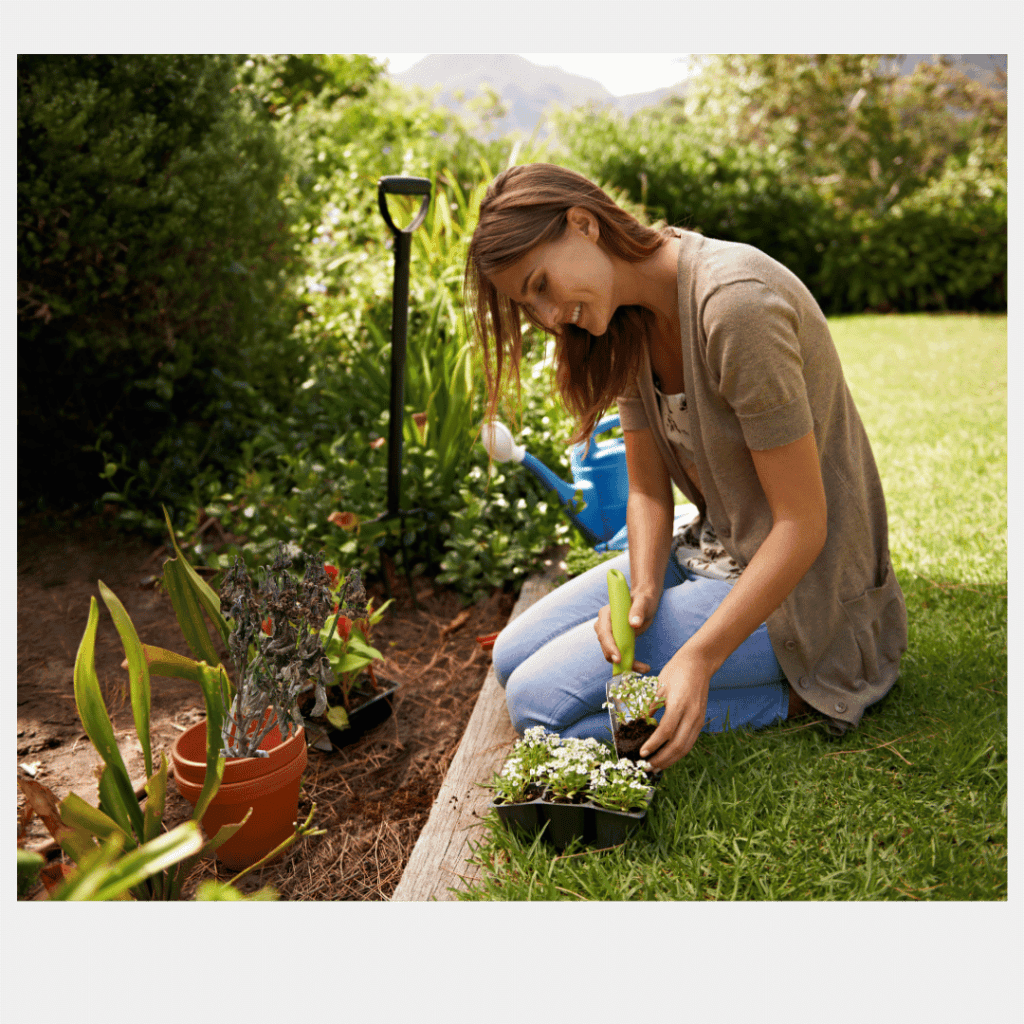
3. Gardening or Nature Exposure: Green = Good Vibes

No yard? No problem. Even a houseplant counts as emotional support foliage. Nature doesn’t judge your outfit or ask how many hours of sleep you got.
🔬 Science says: Time in nature reduces stress and improves mood. The Japanese practice of shinrin-yoku (forest bathing) has been studied extensively; one study in Environmental Health and Preventive Medicine (Park et al., 2010) showed it significantly lowers cortisol.

🌱 Try this: Step outside and touch a tree (yes, really), water your plants, or sit near a window. Even watching nature videos has calming effects.

I am plant killer number one around here. I wouldnt be surprised if my mug shot is hanging in the break room for plants like shoplifters mugshots are at Walmart LOL. That being said, the WORST thing the hip replacement has stolen is my weekly or biweekly mowing the yard. I love it, we have an electric mower so I get a good one hour out of it, bopping alone to some music, its just mindless outdoor sun time. Then stick it on the charger and hit it the next day. I have a hard time sitting in the sun even when I know its good for me and outside I wouldnt last long before getting bored.


4. Listening to Classical Music: Your Brain’s Chill Pill

Before you roll your eyes, no, it doesn’t have to be Mozart. But slower, instrumental music can work some serious emotional sorcery.
🔬 Science says: A study in PLOS ONE (Thoma et al., 2013) found that listening to classical music after a stressor reduced cortisol levels more effectively than silence or other genres.

🎵 Try this: Play something instrumental (piano, strings, lo-fi beats) for 5-10 minutes. Even better? Lie down and do nothing while it plays. Yes, doing nothing is productive sometimes.

I love all music. Classical is not a fave but I will put on some really low volume piano pieces when I need it. Generally its just pop from the 80s though. But try Chopin first lol who knows, it could be your new favorite.


5. Social Connection: Text That One Person (Yes, Them)

When you’re down, your brain might tell you to retreat like a wounded raccoon. But reaching out—even just a little—can flip the script fast.

🔬 Science says: Human connection boosts oxytocin, lowers anxiety, and increases resilience. A study from American Journal of Psychiatry (Ozbay et al., 2007) highlights social support as one of the most powerful buffers against stress.

📱 Try this: Send a funny meme to a friend, voice note someone who “gets it,” or even comment on someone’s post meaningfully.
👉 Its so hard guys. The phone is like there…. And like, sometimes, sometimes it even *gulping loudly*…. RINGS!!! TERRIFYING! I know guys, see, I get it, but how about a text? A text connects you like a ‘sup’ nod between bros, but without the whole sense of the ‘sup’ reply. I bake that shit right into my texts too, I say ‘hey, let me know how you are when you get a minute’. No rush. I’m chill man. Or even ‘just sayin hey and wanted you to know I’m thinking of you’ totally not giving them ANY obligation, because like why would I bum anyone I love out like that?


Closing: Feeling better doesn’t always need to be a full-blown self-care summit. Sometimes, it’s in the little things: a breath, a laugh, a leaf, a lyric, a message. Try one. Try them all. You deserve moments of ease—even when life’s handing out chaos like Halloween candy. Til next time gang. Take care of yourselves, and each other!


Uncategorized

Why Telling Someone with Anxiety to ‘Just Relax’ Doesn’t Help—and What Actually Works

In today’s fast-paced world, we’re constantly flooded with news from every direction—social media, TV, podcasts, and more. It can feel impossible to escape the nonstop flow of information, and for many, this leads to increased anxiety. As someone navigating a neurodivergent mind, I often struggle with how to handle this overwhelming surge of news. I always have. I remember my first existential crisis thought. I asked my Mom what happens when you die and while I don’t remember her reply the feeling of ice down my spine is burned into my soul. I was eight.

When anxiety levels rise due to the relentless news cycle, well-meaning friends and family often offer the same advice: “Just relax” or “Take a break from the news.” While this may sound simple and straightforward, it can feel dismissive to those of us who experience anxiety or ADHD. The implication is that we can simply switch off our feelings and concerns with a flick of a switch. I get the impulse to say it, it comes to mind for us too. Do you think I am not SCREAMING at myself on the inside to just relax? Did you think thats not a thought that has occurred to me in multiple scenarios in my life, NOTHING coming from my rational adult mind is saying lay on the floor in the fetal position and remember every single thing that could go wrong in life, and then here we are.

For many neurotypical individuals, taking a break from the news or engaging in self-care activities can be effective strategies for managing stress. They might find that stepping away from their screens allows them to recharge and regain perspective. This approach can help them feel more grounded and less affected by external chaos. I’ve seen the methods everyone has suggested work, a lot worked well with people I knew to have heightened anxiety, I have SEEN the benefits.

However, for those of us who are neurodivergent, the situation is often more complex. The advice to “just relax” can feel like a foreign language when our brains are wired differently. Anxiety can manifest as racing thoughts or an inability to focus on anything other than the distressing information we consume. This makes it challenging to simply “turn it off.”

For many neurodivergent individuals, there’s a compulsion to stay informed about current events—often driven by anxiety about missing crucial information. This need can lead to excessive news consumption, where checking updates becomes a ritual rather than a choice. Ironically, this behavior can exacerbate feelings of distress rather than alleviate them. Like I GET that the room is on fire, I can feel the heat of it, and you are RIGHT that the room will be on fire whether I’m looking at it or not, HOWEVER if I’m not looking at it how do I know if a spark will land on me. (That metaphor works on multiple levels, my high brain is giving itself a high five lol)

Hyperfixation is another common experience for those with ADHD or anxiety. When something captures our attention—like a troubling news story—we may find ourselves fixated on it for hours or even days. This rumination can lead us down a rabbit hole of worry and fear, making it difficult to engage in other activities or enjoy moments of peace. It follows you whether you want it to or not any the second you relax that control just a little in your mind the bad thoughts have the clearance they need to invade.

The sensory overload created by constant notifications and alerts can further complicate our ability to cope with anxiety. The barrage of sounds and visuals can feel overwhelming, leading to heightened stress levels and an increased sense of panic. It’s as if our brains are on high alert all the time, making relaxation nearly impossible.

Interestingly, the advice to avoid news altogether can create its own set of challenges. For some neurodivergent individuals (myself included) , avoiding distressing information doesn’t eliminate anxiety; instead, it may lead to increased worry about what we might be missing out on or how we might be unprepared for future events. If I don’t know whats coming at me how can I prepare for the inevitable pop up derailments that follow me around like a rain cloud.

The phrase “just relax” often comes from a place of care but can feel frustrating and invalidating for those dealing with anxiety or ADHD. It minimizes the complexity of our experiences and implies that we lack control over our emotions when, in reality, we’re navigating a much more intricate landscape. On top of that it makes me want to look at them and say ‘REALLY? OMG YOU’RE RIGHT THATS THE ANSWER! Thank you SO much now I am cured’

Ultimately, it’s essential for friends, family members, and healthcare providers to recognize that everyone experiences anxiety differently. Acknowledging these differences can foster better communication and support systems that allow neurodivergent individuals to express their needs without feeling judged or misunderstood.

Strategies to Help:

  1. Mindful Media Consumption: Set specific times during the day when you check the news instead of allowing it to infiltrate every moment.
  2. Curate Your Information Sources: Choose reliable sources that provide balanced reporting without sensationalism.
  3. Practice Grounding Techniques: Techniques like the 5-4-3-2-1 method (identifying five things you see, four things you hear, etc.) can help anchor you in the present.
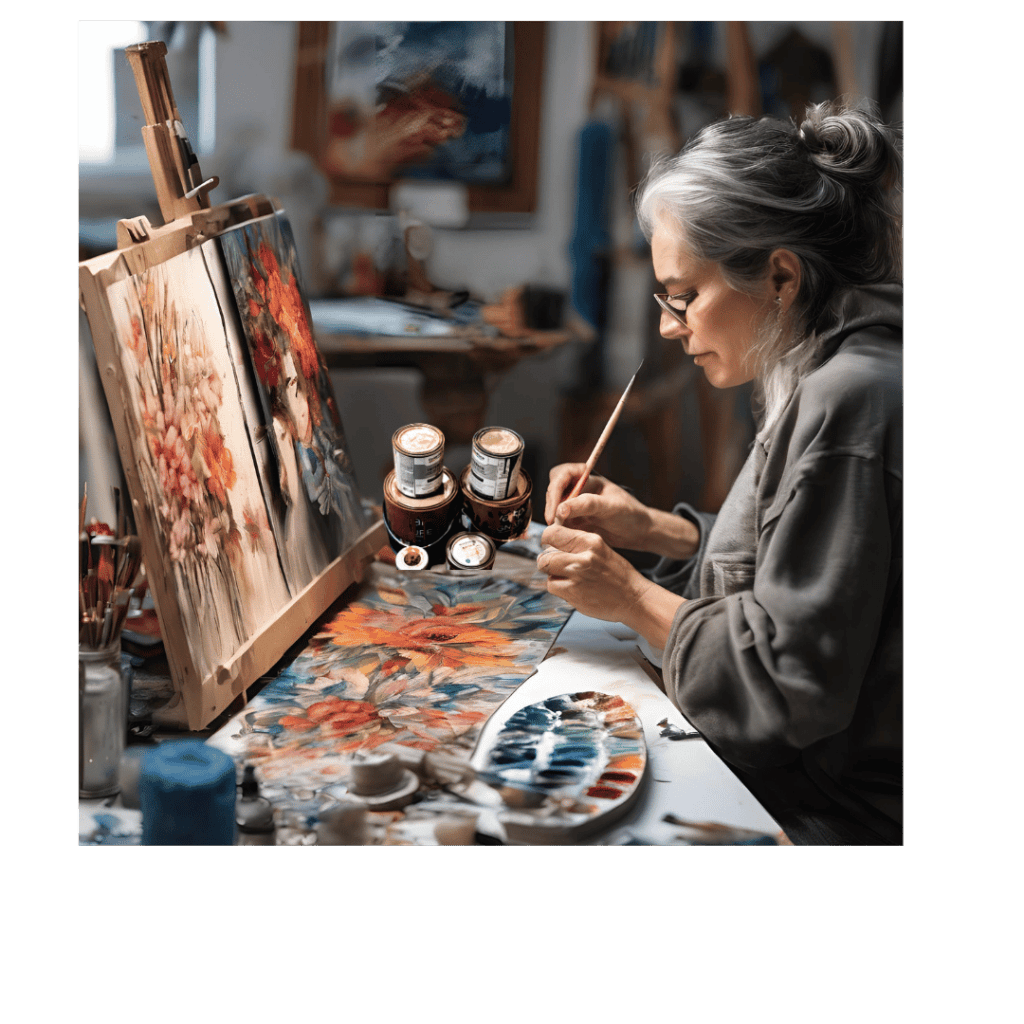
  4. Engage in Absorbing Activities: Pursue hobbies that require focus—like painting or reading—to provide a healthy distraction from distressing thoughts.
  5. Seek Support: Talk openly with understanding friends or mental health professionals who respect your experiences and offer guidance tailored to your needs.

There’s little we can do for much of life beside hang on for the ride but distraction can work wonders. I throw myself into finding the best deals. My mind hasnt quieted enough to help me read which is my favorite down time activity, thoughts are too loud for the book words to penetrate the frustrating shell over my brain. Hang in there guys, lets build a community of people who listen and support rather than rush to judge. I’m always happy to hear what helps for you guys, lets share strategies! Til next time gang. Take care of yourselves, and each other.

Uncategorized

Creative Outlets for Coping with Stress: Finding Fun in the Chaos

Stress management, we ALL at some point undergo stress, its an essential yet shitty byproduct of a joyful human experience. While your brain feels like it’s running a marathon while simultaneously trying to solve a Rubik’s cube, sometimes you need something more than deep breathing to keep from losing your mind. Maybe its because I grew up in the era of Saturday morning cartoons and reruns of Tom and Jerry, but I very much picture and visualize stress as making me red and steam coming out of my ears, so I look at stress relief as a valve that releases AAAALLLLLL the bad (I used to teach yoga, exhale the bad to give you room to inhale the good.). From work pressures to personal challenges, it can feel like the weight of the world is on your shoulders. But did you know that one of the best ways to manage stress might just be to create, express, and explore? Engaging in creative activities like art, writing, and music not only offers a fun escape, but can also provide therapeutic benefits to calm the mind and rejuvenate the spirit. Here are some creative outlets that can help alleviate stress, all while having a blast.

Art: When Words Fail, Colors Speak

Forget being the next Picasso. This isn’t about creating museum-worthy masterpieces. It’s about splashing color around and telling your brain to shut up for a minute. Mixing colors and mediums have been proven to raise cortisol levels in repeated studies. Pro tip: Those adult coloring books? Total game-changers. Especially the ones with the naughty words, those help and who didnt color in bubble letters on stuff in school. I love those or the really pretty Mandalas! Last year I even got hubby one, the Mandalas were all boobs lol he loved it.

Writing: Your Brain’s Emotional Dumpster

Journaling isn’t just for angsty teenagers. It’s like having a conversation with yourself where you don’t have to apologize for your wild thoughts. Often offering both clarity and release, fiction, poetry, stream of consciousness – whatever helps you dump those mental gremlins onto paper. Stream of consciousness writings are my favorite. When something is bothering me I like to sit down and just start writing and just see where it takes me. Whether you’re writing a letter to yourself, crafting poetry, or telling a short story, the act of writing helps organize your thoughts and reduce emotional overload. Sometimes its funny sometimes its revealing in that sometimes I will be writing about whatever is bothering me and whatever the answer is it jumps onto the paper after I’ve worked it out in my head and put it to paper. Other times I will write about a problem and put it away for a set amount of time NOT thinking about it and go back to it after a day or so and when I look at it again it doesnt matter as much or I immediately come up with a solution I couldnt think of when I was laser focused on it. Any way you look at it, getting the words out (to your own eyes anyway) can’t make it worse.

Music: Turning Emotional Chaos into Sound

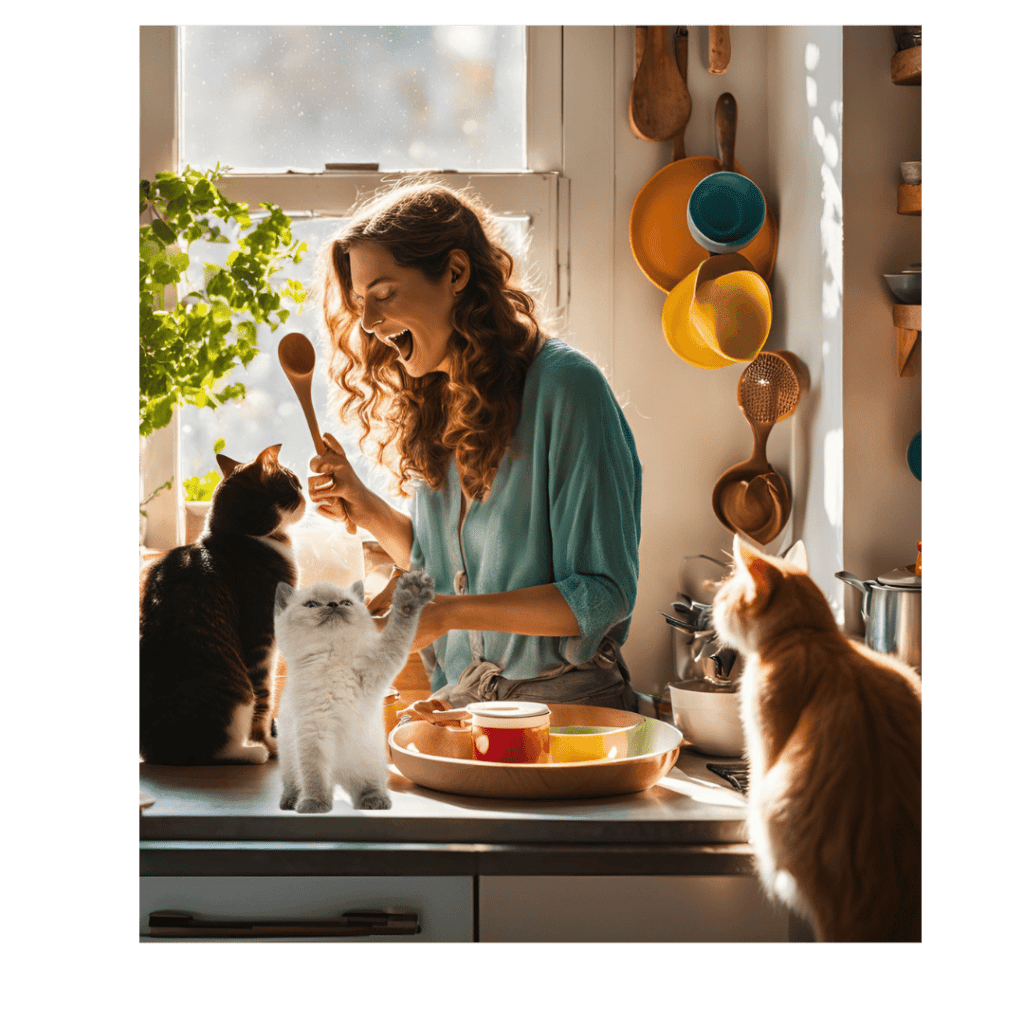
You don’t need to be a rock star. Singing in the shower, drumming on kitchen counters, or creating the world’s most chaotic Spotify playlist counts as therapy. Music has the incredible ability to transport you to another place. Research has shown that playing music, or even just singing along to your favorite tunes, can reduce cortisol levels (the stress hormone) and boost your mood. My personal recommendation? Find that one song that makes you forget everything else exists. Put on kitchen concerts for the animals. Blast the music while you are cooking and embarrass your teenager by singing along to all the songs at full volume with the confidence that said teenager used to sing the wrong lyrics with. LOL I hate saying ‘kids these days’ but its true, they didnt have radio before lyrics were freely available, remember when you were young singing along to songs with your friends only to realize you’ve been singing the wrong words so you missed the meaning in the song entirely lol. Music has hit me HARD in the last few years, and I have such eclectic taste, I love songs with that emotional breath catch, not like the fake movie ones but like just pure angst they just can’t contain the little noise that goes with it. Thats my favorite. I dont drive anymore but that used to be my go to, getting in the car and driving, windows down (well usually smoking back then too) and blasting the music loudly singing along. I do miss that, being a passenger doesnt work, it just hits different I dont know why.

Crafting: Hands Busy, Brain Quiet

Whether it’s knitting, building model trains, or creating the world’s most elaborate paperclip sculpture, sometimes keeping your hands busy is the best way to quiet your mind. Its for the same reason some people have to do lists, crossing those little things off the list give you a sense of accomplishment and a craft project, especially something tangible you can see and feel. Repetitive motions can be calming too. I generally read a book but when I’m going through things in my head I can’t sit still so I make things. Not good things, I made a coat hanger Christmas tree for my room because I love the lights. I’m tempted to become like a teenager and line my room with LED light strips I love the soft glow. I did a number of crafty gifts this year too. My little monkey (well not so little but my youngest will always be my little monkey) likes four different NFL teams and wanted merch for each for Christmas. We all know how expensive that would have been so I made her ornaments for each team. Little things like that.

Dance Like Nobody’s Watching (Seriously, Nobody’s Watching)

No choreography required. Just you, some music, and zero judgment. Moving your body releases endorphins and reduces stress. Dance also helps to reconnect with your body in a positive way, making it an excellent tool for both physical and mental wellness Pro move: Close the curtains and go absolutely wild. Ever since I was a teenager when I got upset I’d be in my room singing and dancing to the music I was blaring. It warns my family I’m going through some shit in my head and now might not be the best time to ask me for more since I’m already super overwhelmed. And in the kitchen while I am fixing dinner, it used to be a routine, me and monkey dancing around in the kitchen lol.

Cooking and Baking: Whisk Your Worries Away

Now we should also be talking about turning your kitchen into a stress-free zone. Cooking isn’t just about not starving – it’s like therapy, but with tastier results. Chopping veggies can be weirdly zen, and don’t even get me started on the magic of kneading dough. It’s like punching your problems, but in a socially acceptable way.Here’s the deal: whipping up a meal gives you control when everything else feels chaotic. Plus, experimenting with flavors is way more fun than spiraling into anxiety. And let’s be real, comfort food is called that for a reason. Bonus points if you share your creations – nothing beats the warm fuzzies of feeding your people.

Photography: Capturing Calm in the Chaos

Ever notice how looking through a camera lens can make the world seem less… overwhelming? It’s like putting on anxiety-canceling glasses. Suddenly, you’re not worrying about your to-do list; you’re hunting for that perfect shot of a flower or your friend’s goofy smile. Photography is sneaky mindfulness. You have to slow down, breathe, and really look at what’s around you. It doesn’t matter if you’re using a fancy camera or just your phone – the point is to capture those little moments of “oh, hey, the world isn’t so bad after all.”

Gardening: Nature’s Therapy

Let’s get our hands dirty, folks. Gardening isn’t just for retirees with too much time on their hands. It’s like playing in the dirt, but as an adult, and with purpose. There’s something stupidly satisfying about watching a seed you planted turn into an actual plant. It’s like, “Look, I made life happen!” – which is pretty cool when you’re feeling powerless. Even if you don’t have a green thumb (hello, plant murderers anonymous), just being around plants can chill you out. It’s nature’s way of saying, “Relax, dude. If I can grow through concrete, you can handle your day.”

Embrace Your Inner Weirdo Creator

Here’s the thing about all these stress-busting activities: there’s no right way to do them. Can’t cook without burning water? Who cares! Your photos all blurry? Big deal! Plants keep dying? Join the club! (seriously I swear they see me coming and unalive themselves LOL) The point isn’t to be good at these things. It’s about finding something that makes your brain shut up for a bit. Whether you’re painting stick figures, writing terrible poetry, or growing the world’s saddest basil plant, you’re giving your stress the middle finger. You can combine a lot of these creative pursuits, take a picture of the food you made all pretty, hell take pics of your ugly creations too, all the abominations, so if you decide to stick with whatever the creative pursuit you can keep track of how far you’ve made it. So next time you’re feeling like the world’s out to get you, try picking up a spatula, a camera, or a watering can. Your stressed-out brain will thank you – and hey, you might even have some fun along the way.Remember, gang: creativity isn’t about being perfect. It’s about telling stress to fuck all the way off. Til next time gang, take care of yourselves, and each other!

Uncategorized

10 Half-Assed Mindfulness Hacks for Parents Who Are Losing Their Shit

Listen up, you beautiful disasters! If you’re like me—juggling ADHD, bipolar disorder, fibromyagia, and a kid on the autism spectrum—you probably feel like you’re one meltdown away from joining the circus. Well, grab a seat and a drink (coffee, wine, whatever floats your boat), because I’m about to drop some truth bombs about mindfulness for parents who don’t have time to om their way to nirvana. As if life isnt stressful enough we have elections and questionable economics time. Seriously guys if I think about it too long I cry. So, the answers? I don’t have any, but we’re in it together, so lets get more mindful and attentive and lets be present.

  1. The “Oh Shit” Breath
    When life’s going to hell in a handbasket, take five seconds to breathe like you mean it. It’s not meditation, it’s survival.

  2. Actually Listen to Your Kid (Revolutionary, I Know)
    Put down your phone and pretend your kid’s the most interesting person in the world. Bonus: You might actually learn something.

  3. Body Scan for the Chronically Pained
    From your toes to your “I need coffee” headache, check in with your body. It’s like playing “Where’s Waldo?” but with pain.

  4. One Damn Thing at a Time
    ADHD brain wants to do all the things? Tough shit. Pick one task and stick to it like your sanity depends on it (because it does).

  5. Mindful Eating (Or Inhaling, Let’s Be Real)
    Take a hot second to actually taste that cold pizza you’re scarfing down between crises. Your taste buds will thank you.
  6. Savor the Silence (All 3 Seconds of It)
    Find a quiet moment and cling to it like it’s the last lifeboat on the Titanic. Even if it’s just hiding in the bathroom.
  7. Gratitude: Not Just for Hippies
    When your brain’s being a jerk, list three things you’re grateful for. Even if it’s “I’m grateful I haven’t lost my mind… yet.”
  8. Transition Without Tantrums (You, Not the Kids)
    Take a breath before switching gears. It’s like hitting the mental reset button, but without the IT guy.
  9. Self-Compassion for the Self-Loathing
    On days when you feel like the world’s worst parent, remind yourself: “I haven’t sold the kids to the circus yet, so I’m winning.”
  10. Mindful Moments for the Time-Strapped
    Use those in-between moments to check in with yourself. Waiting in line? Perfect time for a mental health check instead of doom-scrolling.

Look, I know mindfulness sounds like something for people who have their shit together. But trust me, it’s for us mess-makers too. These aren’t fancy techniques; they’re survival skills for parents on the brink. So the next time you’re about to lose it, try one of these. And remember, we’re all in this chaotic, beautiful clusterfuck together. Now go forth and half-ass your way to mindfulness, you amazing people and take care of yourselves, and each other

Uncategorized

Finding Joy in Everyday Life: Cultivating Small Moments of Joy and Gratitude

Hey there! Life can sometimes feel like a whirlwind, especially when you’re juggling the ups and downs of mental health and family life. As a bipolar mama dealing with anxiety and ADHD and chronic pain, I totally get how tough it can be to spot joy amidst the chaos. But trust me, it’s those little moments that can help us cultivate gratitude and find some peace. So, let’s chat about how to invite joy into your everyday life, even when things get a bit bumpy.

Embrace the Power of Small Moments
Joy often sneaks in through the little things—a warm cup of coffee, a quick chat with a friend, or a giggle with your kid. So, hit pause for a sec and soak it all in. Take a deep breath, be present, and notice the little details around you. Practicing mindfulness can help you stay anchored in the moment and make it easier to see the beauty hiding in plain sight.

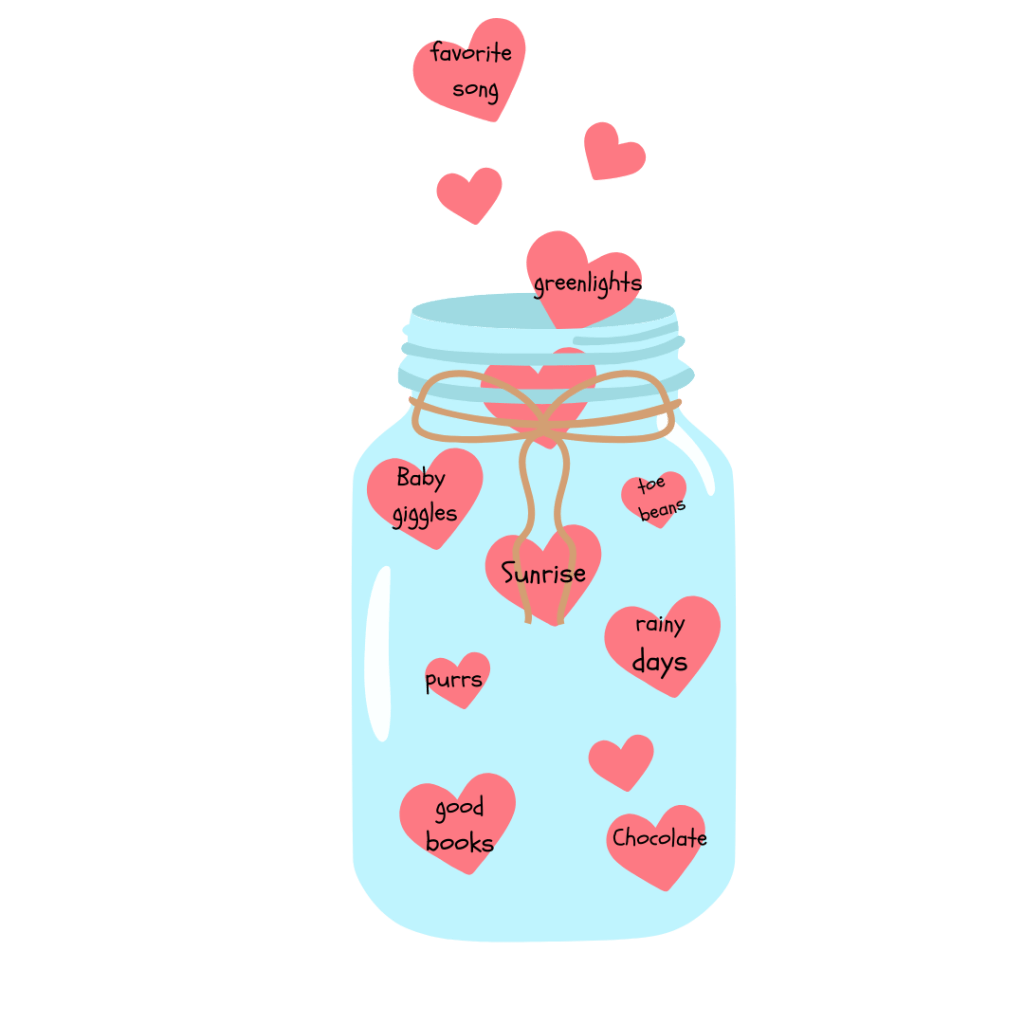
Create a Joy Jar
Here’s a fun idea: grab a jar and some slips of paper. Whenever something brings you joy or you feel grateful, jot it down and toss it in the jar. Over time, you’ll have a treasure trove of positive reminders to dig into whenever you need a little pick-me-up. It’s a great way to shift your focus from challenges to the bright spots that pop up throughout your day.

Celebrate Your Achievements
Big or small, every win counts! Set some manageable goals—like finally tackling that mountain of laundry or taking a stroll outside—and give yourself a high-five when you achieve them. Celebrating these little victories helps build momentum and reinforces the idea that joy can come from everyday accomplishments. Try and limit the unpleasant activities to one each day, we can all stomach a lot more if we break it off into bite size chunks.

Cultivate Gratitude
Gratitude is like magic for your perspective. Try keeping a gratitude journal where you jot down three things you’re thankful for each day. This simple practice helps shift your focus from what’s missing in your life to what you already have, nurturing a more positive mindset. If three sounds daunting, start with one. There is air in your lungs. Tomorrow it can be the baby that smiled at you in the check out lane. If you can’t find one thing to be grateful for, then be someone else’s reason to give thanks, then there will be two of you.

Connect with Nature
Nature is like a big hug for your soul. Even a short walk around the block or spending some time with your plants can lift your spirits. Pay attention to the sounds, colors, and textures around you—engaging with nature can really help ground you and reconnect you with yourself. Sunlight, and I am one of those people that hisses when light touches me, but 20 minutes of open air sunlight exposure every day will connect you, ground you to your surroundings and give you vitamins and minerals that light bulbs can’t replace.

Engage in Creative Activities
Get those creative juices flowing! Whether it’s painting, writing, gardening, or crafting, find something that sparks joy for you. Allow yourself to create without any judgment; just enjoy the process and let it be a source of happiness and self-discovery. A fifteen minute block of time with nothing but a piece of paper and a pen and just write or draw, whatever you feel.

Reach Out for Connection
Feeling isolated can be tough when you’re navigating mental health challenges. Reach out to friends, family, or support groups—sharing your experiences can lighten the load and remind you that you’re not alone in this journey. I’ve found a lot of help and information in message boards. I’ve considered setting up a small message board here, not with any centralized theme I just want somewhere anyone can come to not feel alone.

Practice Self-Compassion
We all have tough days; it’s part of being human! So, be kind to yourself. Treat yourself with the same compassion you’d offer a friend going through a rough patch. Remember that every step toward joy matters—even if it feels small. You don’t have to have it all together, you don’t have to have anything together and its ok to not be ok.

Make Room for Play
As busy mamas, we often forget how important play is! Carve out time for activities that bring you joy—whether it’s playing games with your autistic teen or trying out a new hobby. Play helps relieve stress and reminds us of the simple joys in life. If you can share the hobbies you enjoy with the ones you love it will give you both reasons to smile.

Find Meaning in Challenges
It might be hard, but try to find meaning in your struggles. Reflect on what you’ve learned from those experiences and how they’ve shaped you. This perspective can help build resilience and deepen your appreciation for the joy that follows tough times. Its lessons that shape us good or bad and its because of where we’ve been that we know where we ARE.

Conclusion

Finding joy in everyday life isn’t about pretending challenges don’t exist; it’s about embracing those small moments that light up our days. As someone navigating bipolar disorder, anxiety, and ADHD, I know how real the struggle is—but by cultivating gratitude and seeking out joy, we can tackle our journeys with more resilience and hope. Remember: it’s perfectly okay to seek support and take time for yourself. You deserve joy, and it’s often hiding in the simplest moments! Take care of yourselves, and each other!