Tonight lets talk about something SUPER fun for people who are NORMAL procrastinators, or people who are just chronically punctual, this shit makes my eye twitch. I want to be on time, but I am ALWAYS either embarrassingly early or unforgivably late, I just can’t find a way to strike a happy medium. I was surprised to learn of the other ways time blindness presents itself in my life, its not just about not being on time. So lets dive into the wild world of time blindness. You know, that delightful phenomenon where your brain treats the concept of time like a cruel joke? Yeah, for those of us with autism or ADHD, keeping track of the chronological flow of existence is about as easy as herding cats on meth.
Let’s start with our autistic homies. For them, time blindness can manifest in a few gloriously confusing ways: First up, we’ve got the struggle to grasp the very concept of past, present, and future. It’s like the abstract notion of time is an ancient language only understood by neurotypical scholars. “What do you mean, this moment won’t last forever? Blasphemy!”
Then there’s the complete obliviousness to how much damn time has passed. You could be happily stimming away, lost in your own little world, only to emerge hours later wondering where the hell the day went. Time? What’s that? A construct created by the neurotypical elite to oppress us?
And let’s not forget the sacred routines. Stray from the schedule even a smidgen, and it’s like the world is ending. Spontaneity? Never heard of her. Rigidity and predictability are our jam, thank you very much.
But wait, there’s more! Our ADHD brethren also get to experience the joys of time blindness in their own unique ways:
Impulsivity and time management? What a delightful oxymoron! Thinking ahead and considering consequences is for the weak. We prefer to live life on the edge, making split-second decisions without a care for that pesky thing called “time.”
Procrastination is our middle name. Why do today what you can put off until tomorrow, next week, or maybe even next year? Prioritizing tasks and meeting deadlines is so overrated when you could be hyperfocusing on reorganizing your sock drawer instead.
Speaking of hyperfocus, that’s another fun ADHD party trick. One minute you’re trying to be a productive member of society, the next you’re utterly consumed by whatever random interest has captured your brain’s fleeting attention. Time? What’s that again?
At the end of the day, both autism and ADHD involve executive function challenges that make time management about as easy as walking a tightrope while juggling chainsaws. But hey, at least we’re keeping things interesting, right?So embrace the time blindness, folks. Lean into the chaos and confusion. After all, who needs to follow the neurotypical construct of time when you can march to the beat of your own delightfully disordered drum? Til next time gang, take care of yourself, and each other!
Part of coming back from the abyss that has been so difficult for me is this new thing, that I’m told is common after head injuries, strokes, blood loss, high fever, basically a LOT, is something called Auditory Processing difficulties, and I’ve since learned thats also something ADHD-ers and Autism sufferers sometimes experience it as well. I will say for me, this mainly presents as I can look at you talking and forget what you are saying before you are even done saying it. Now a lot of times, I’ll ask a question to be 100% clear that I understood it, and you will get irritated thinking I wasnt paying attention, but its as if its just on a delay, my brain IS listening and it knows something important is being said, it just takes a minute to translate it to English from Galifreyan (Dr Who reference for nerds like me but if you are unfamiliar substitute any alien language). Its annoying to me just as much as it is to the person I am talking to, maybe more so for me because I know I’m not dumb so why do I need to be talked to like I’m 12 for me to process it?
So what are Auditory Processing difficulties? Auditory processing difficulties are like having trouble with how your brain understands and makes sense of the things you hear, even though your ears work fine. It’s sort of like trying to listen to someone talk when there’s a lot of background noise – it can be hard to pick out the words and understand what’s being said. People with auditory processing issues might struggle to follow conversations, remember spoken instructions, or tell the difference between similar sounds. These difficulties can make it challenging to learn, communicate, and engage in everyday activities that involve listening.
Imagine you’re in a noisy restaurant, and your friend is telling you a story. While you can hear their voice just fine, the background noise makes it incredibly challenging to follow the narrative. You keep missing crucial details or misinterpreting what they’re saying, even though you’re trying your best to focus. This is similar to the experience of someone with AP issues, where filtering out background noise and isolating the important sounds is a constant struggle.
Another example could be trying to follow a set of verbal instructions. Let’s say someone tells you, “First, take the blue folder from the cabinet, then make three copies of the document inside, and finally, staple them together.” For someone with AP issues, the order of these steps might get jumbled in their brain, leading them to make copies first, then retrieve the folder, and potentially forget the stapling part altogether.
Auditory memory is also affected in AP issues, making it challenging to remember things that were said, even just moments ago. This can be particularly problematic in classroom settings, where a student with AP issues might struggle to recall the teacher’s instructions or retain information from lectures or discussions.
In some cases, AP issues can also impact language development and comprehension. A child with problems with AP might have trouble learning nursery rhymes, songs, or even their own name, as the sounds and syllables get jumbled in their brain. This can lead to delays in speech and language acquisition, as well as difficulties with reading and writing later on.
It’s important to note that we are not talking about a hearing impairment and its important to get everything checked out when you start to notice these issues as they CAN be indicative of other more serious problem, or a neurological condition that affects how the brain processes and interprets auditory information. While there is no cure for AP issues, early intervention and specialized therapies can help individuals develop strategies to manage their symptoms and improve their auditory processing abilities.
There are some tips that can help this be more manageable: 1. Minimize background noise and improve acoustics 2. Use visual aids and cues NOTES ARE MY BEST FRIENDS, I am never without a pen. 3. Use a recorder- even a notes app on your phone will work. 4. Always check that you are understanding and being understood. Its easiest to ask and repeat it to yourself 5. Know your weaknesses, if this is one of them, being upfront with save everyone headaches when you find something that works for everyone involved.
Be patient and supportive guys, believe me, most of the time these people are more frustrated with themselves than you are. You never know, this is incredibly hard to deal with if someone is struggling with it and then aware that everyone is getting irritated at the clarifying questions, the person won’t ask the questions, shit will get done wrong, and everyone suffers. Til next time gang, take care of yourself, and each other!
Tonight lets talk about something that affects me in each one of my health issues, and many others, chances are if you are reading this it will resonate with you deep down, and all I can say is ‘I feel ya’.
Executive dysfunction refers to the brain’s delightful way of screwing up the cognitive processes that let you plan, focus, remember instructions, and juggle multiple tasks without losing your mind. These processes are crucial for, you know, actually getting stuff done and functioning like a semi-competent human being. When executive dysfunction kicks in, it can manifest in all sorts of fun ways, like having the working memory of a goldfish, the cognitive flexibility of a brick, the inhibitory control of a toddler, and the decision-making skills of a squirrel on caffeine.
(I know, I’m sorry George, just trying to make other people understand what its like to be you. I know you are a good boy and stay away from caffeine)
Fibromyalgia patients often get the short end of the stick with executive dysfunction, which can royally fuck up their daily lives. Studies show that folks with fibromyalgia perform about as well as a drunk turtle on tasks that measure executive functions like updating, shifting, inhibition, decision-making, and planning. Imagine trying to switch between different sets of rules or stop automatic responses when your brain feels like it’s been run over by a truck. This cognitive impairment is often linked to the severity of pain, psychiatric comorbidities, and other delightful variables like body mass index (BMI) and sleep disturbances. Basically, the brain areas involved in both pain processing and executive functions decide to throw a party, but forget to invite cognitive resources.
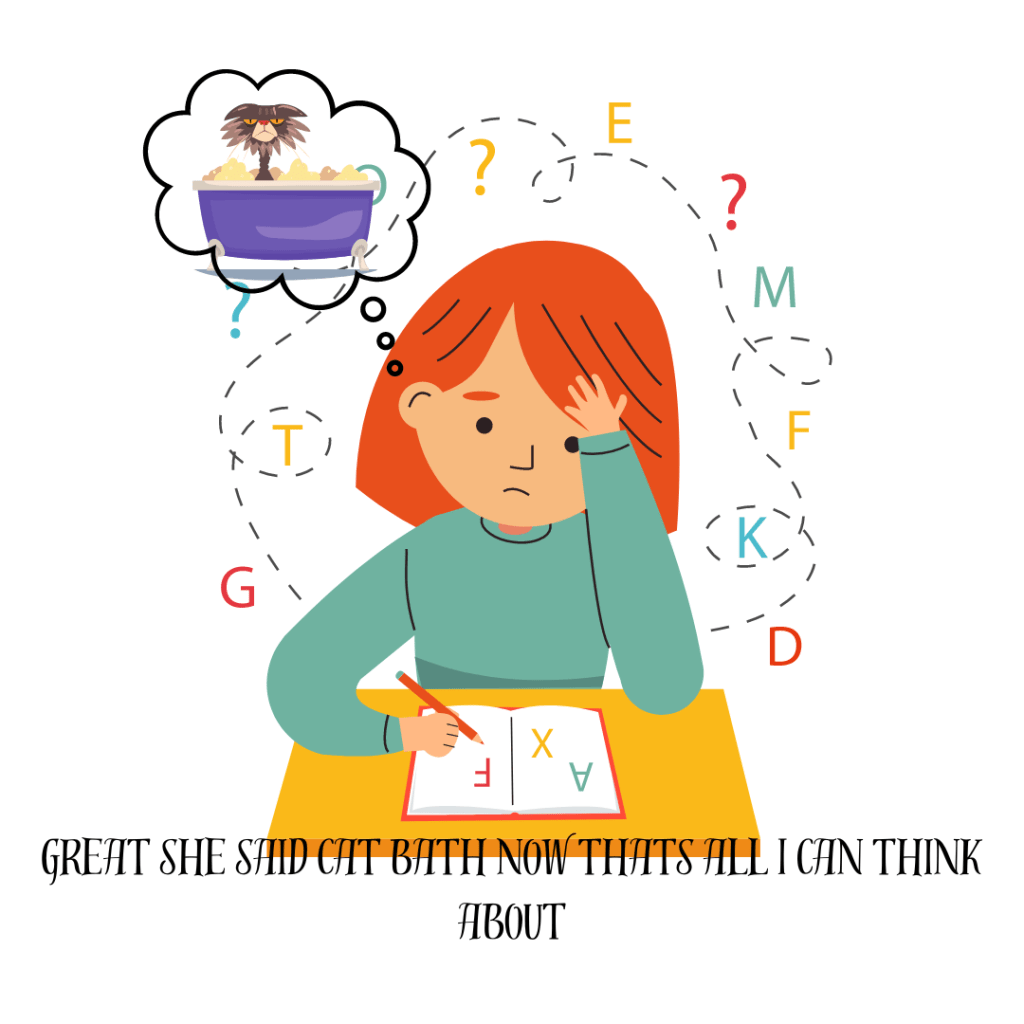
Individuals with autism spectrum disorder (ASD) also get to enjoy the rollercoaster of executive dysfunction. This can show up as difficulties with planning, flexibility, and inhibitory control. Picture an autistic person trying to switch tasks or adapt to new routines—it’s like asking a cat to take a bath. They might also struggle with organizing their thoughts and actions, which can turn completing tasks into a Herculean effort. Executive dysfunction in autism can add a lovely layer of complexity to the social and communication difficulties that are already part of the package, making it even harder to understand and respond to social cues.
Executive dysfunction is basically the middle name of attention-deficit/hyperactivity disorder (ADHD). Individuals with ADHD often have the working memory of a sieve, the inhibitory control of a sugar-high kid, and the cognitive flexibility of a rusty hinge. This can lead to a spectacular mess of disorganized tasks, half-finished projects, and impulsive decisions that make you wonder if they have a death wish. For instance, someone with ADHD might start a dozen projects but finish none, or act on a whim without considering the fallout. These executive function deficits can turn academic, occupational, and social functioning into a daily struggle, making it a challenge to meet the demands of life without constant chaos.
During manic episodes, individuals with bipolar disorder can experience executive dysfunction on steroids. This might include making decisions that are about as well-thought-out as a drunk text, poor impulse control, and planning skills that make you question their sanity. For example, someone in a manic state might blow their life savings on a whim or engage in risky behaviors without a second thought. They may also have the attention span of a gnat, making it impossible to focus on tasks or follow through with plans. These executive function impairments can turn managing bipolar disorder into a circus act, with stability being the elusive tightrope walker.
Executive dysfunction is the brain’s way of throwing a wrench into the lives of those with fibromyalgia, autism, ADHD, and bipolar disorder. It screws with their ability to plan, organize, and execute tasks, leading to a daily struggle to function. Understanding the specific ways executive dysfunction manifests in these conditions can help in developing targeted interventions to improve cognitive functioning and overall quality of life. Because let’s face it, everyone deserves a fighting chance to get their shit together. We need to help each other out, especially reach out if you are struggling, we’re all swimming against the current. Til next time gang, take care of yourselves, and each other!
I had a topic picked for today, for days really, but it’s deeply personal and today I’ve already cried over three commercials and once cuz I was pissed off, so I’m going to wait on that one, I feel too vulnerable. So instead, why don’t we talk about one of the middle symptoms in my ven diagram of my illnesses (its also a common comorbidity of autism, so I am getting it from all sides folks) its called Emotional Dysregulation.
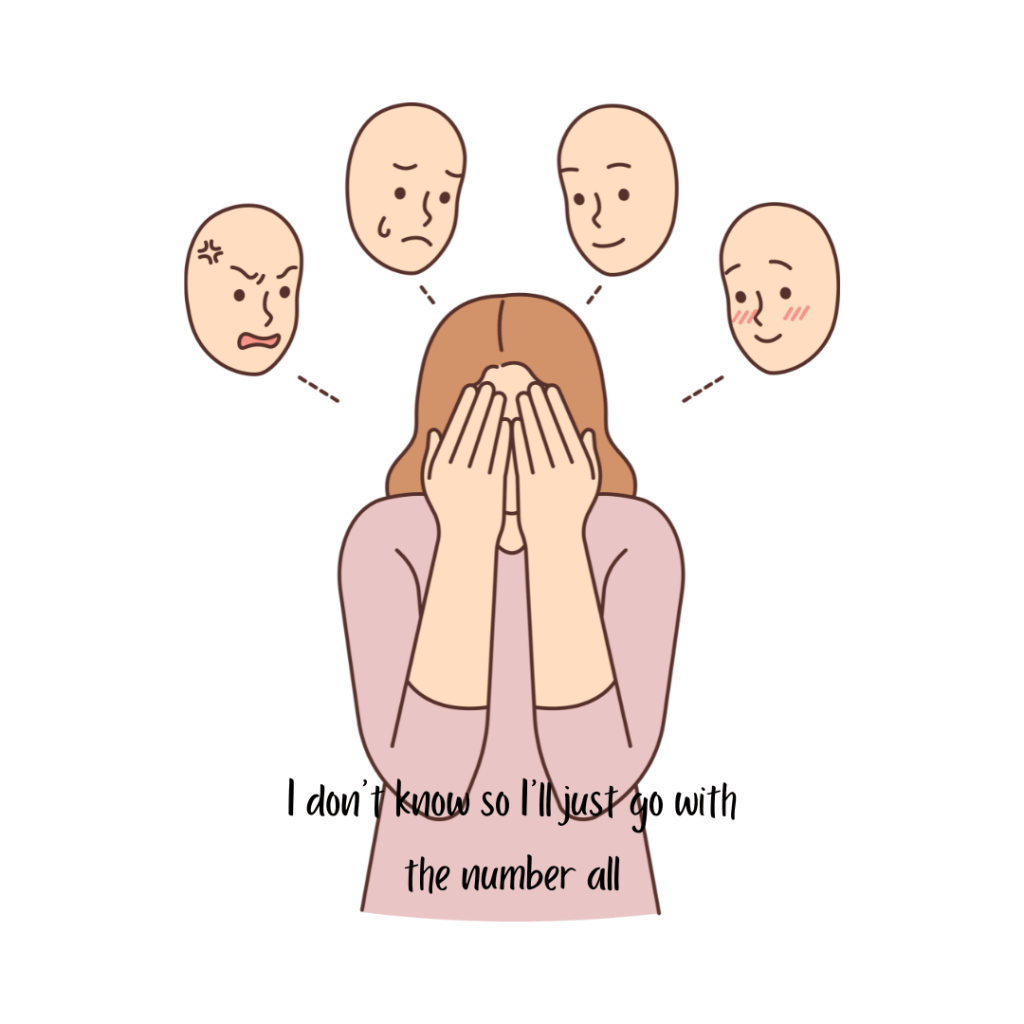
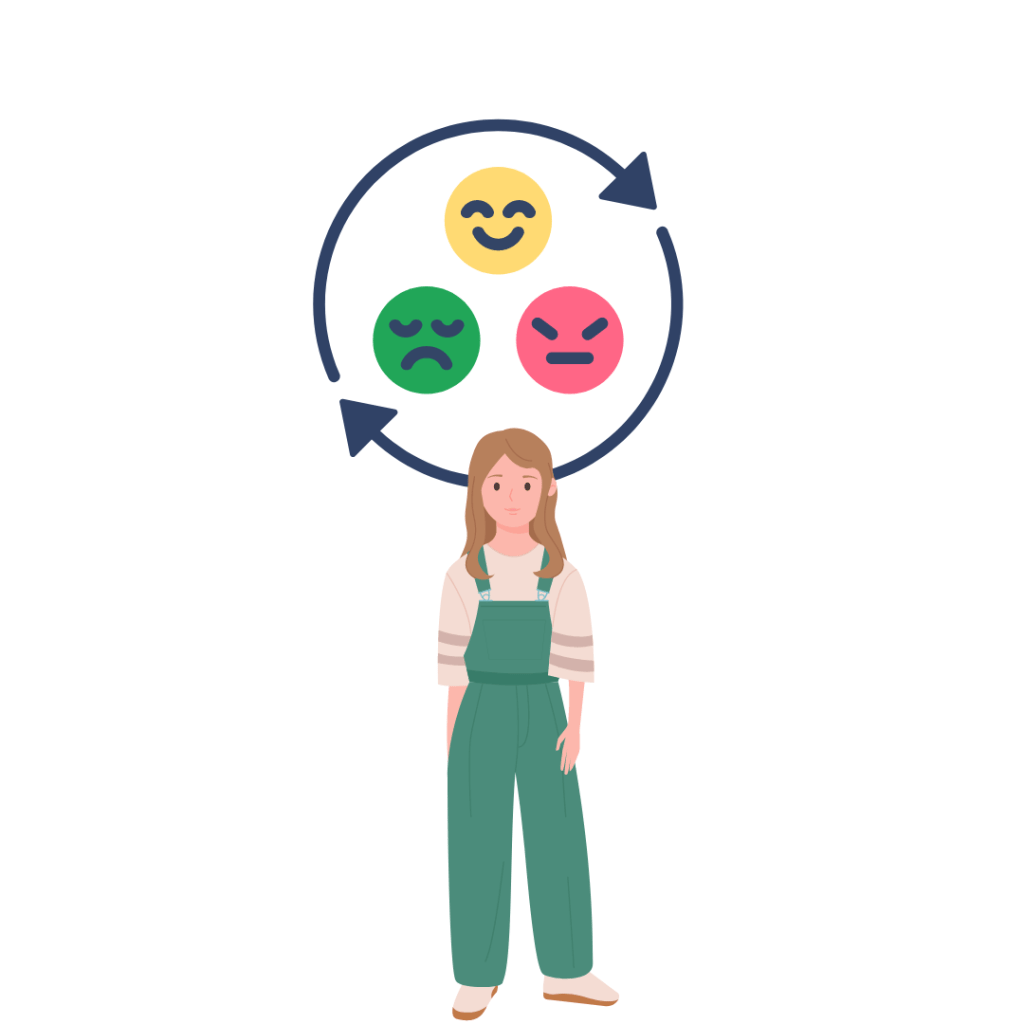
What IS emotional dysregulation? Emotional dysregulation is like having your emotions go on a rollercoaster ride without your consent. You know, it’s when you struggle to keep those feelings in check and end up reacting in ways that might seem a bit over-the-top to others. It’s like your emotions are playing tug-of-war with you, making everyday situations feel like a big deal. And it’s not just about feeling all the feels, but also struggling with how to respond appropriately. Think of it as your emotional volume knob stuck on high, making it tough to keep things chill when you need to. And hey, it’s often buddies with executive dysfunction, so they like to hang out together, but we’ll dive into that one another time.
In Bipolar Mania, this is going to be like someone put a rocket booster in your brain and lit the fuse. One minute you’re feeling energetic and euphoric, making grandiose plans to start 17 new business ventures. The next, you’re sobbing uncontrollably because a Geico commercial reminded you of that goldfish you killed in 3rd grade. Your moods careen so violently, loved ones get whiplash just watching. It’s a real hoot when the mania convinces you that you’re a world-renowned painter, so you “decorate” the living room walls with your…unique…art. Its ok guys, mine just makes me think I write anything worth reading LOL.
In ADHD you are going to recognize this as more like having a nuclear meltdown at the sight of a mildly inconvenient traffic jam. You go from 0 to rage monster in 3.5 seconds over something as minor as the remote being lost. Then just as quickly, you’re cackling at internet memes, having completely forgotten what set you off. Your emotional outbursts are so disproportionate and fleeting, it’s like watching a moody toddler control the weather. Things that are of vital importance RIGHT NOW suddenly don’t seem like a big deal especially after thinking of all the work involved. Its not that I’m lazy its just there are days when I think all the thoughts and there are days where I will work myself to exhaustion and bleeding to avoid thinking ANY thoughts. Its a delight really lol.
Fibromyalgia brings a special kind of emotional chaos. You wake up feeling somewhat human, but by noon, the brain fog has you zoning out mid-sentence while describing your weekend. Nobody I’m talking to can possibly be more pissed at me zoning out than me, so often times I will catch myself and not say anything, because when I do then the person I’m talking to just gets annoyed at me whereas my way I only annoy myself. Though it does mean I miss whole convos, so eventually it comes out that I totally spaced it so I guess either way I’m pissing people off. By 2pm, you’re snapping at loved ones over the slightest noise because everything is exacerbating your body’s pain signals. But then a good cry sesh has you feeling marginally better, so you impulsively buy yourself 10 shirts because they are a good deal in bulk. An emotional rollercoaster where the only consistent thing is inconsistency.
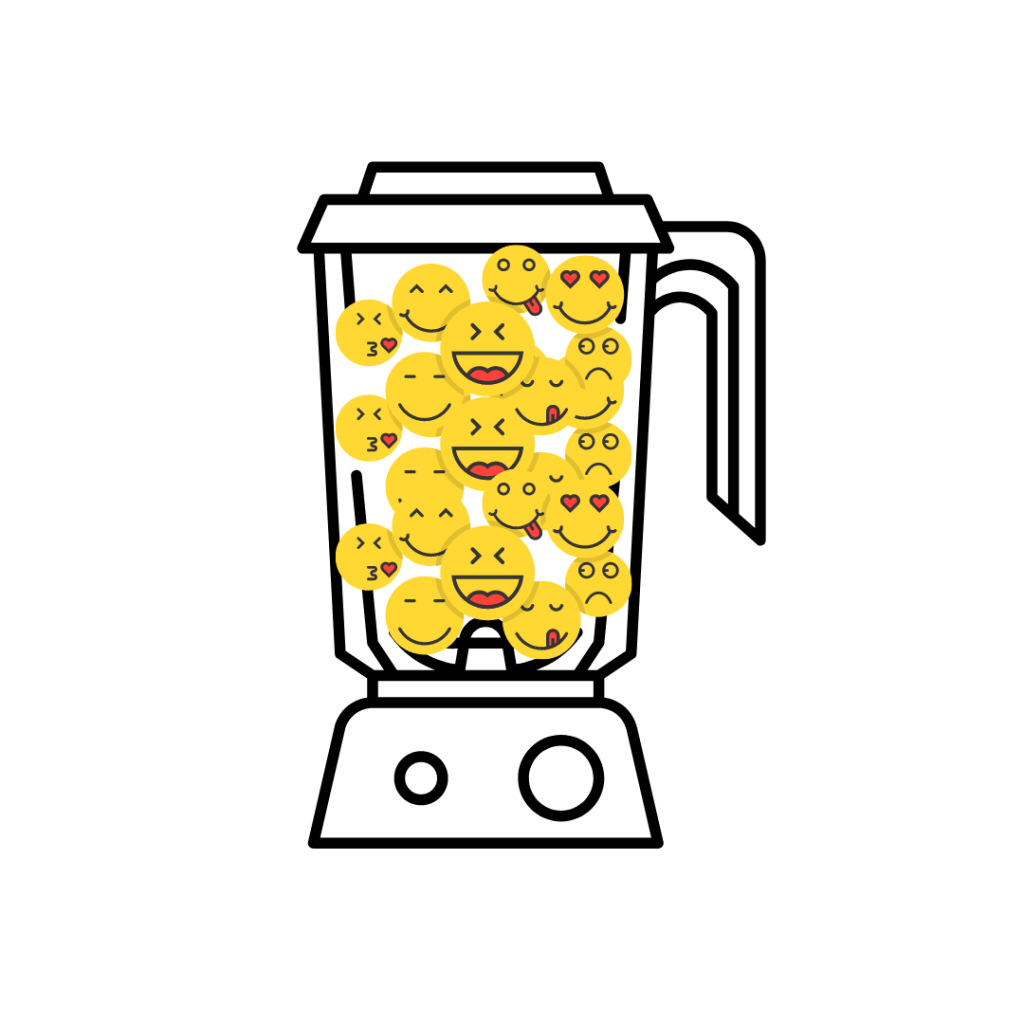
Now take all three of those delightful experiences and put them in a blender – that’s the big mood gumbo you get with comorbid bipolar, ADHD and fibromyalgia. One second you’re manically rearranging the furniture and rapidly rambling business plans. The next you’re lashing out at your spouse for daring to breathe too loudly near your full-body ache-fest. Throw in some weepy fibro fog where you forget what you’re upset about, and baby, you’ve got a stew going!
And lets not forget I’m navigating around a moody autistic teenager thats dealing with her own emotional dysregulation. In her that can present as intense outbursts or all out shutdowns, difficulty calming down, they already struggle to self soothe, this just highlights and exacerbates it. They might struggle to express emotions appropriately, its often a big deal and takes a while to settle. Sensory overload is also a problem, if overwhelmed everything is amplified by ten. Stimming is a big indicator, and for most kids that sounds or repetitive movements and also a rigidity and difficulty with flexibility can be considered emotional dyregulation.
For the blissfully unacquainted, just imagine a rollercoaster designed by a schizophrenic rocket scientist who’s ingested every mind-altering substance known to humanity. Ups, downs, loop-de-loops and sudden screeching emotional halts that make no sense. That’s the bipolar/ADHD/fibromyalgia brain on a good day! But don’t worry, we’re sure the burning desire to both achieve world domination and take a 5-year nap will balance itself out…any minute now. Until next time gang, take care of yourself and each other. (Oh I forgot to say, when I was taking my trash out I saw a real life George. He says ‘hey’ lol)
Hi! Sick of me yet? You will be, I’m A LOT. So I thought I’d write a few words about being the parent of an autistic child. It is not an easy thing to summarize, and no two kids with autism or without are the same, so this might not be your experience but for those out there who are experiencing ANY aspect of this, I empathize!
I’m a mom and was a daycare worker for years, and yet when my youngest came along I was incredibly ill prepared for her special brand of antics. We didn’t really worry much when our little one missed some verbal milestones, every kid is different and we knew she COULD vocalize, it was almost like she wanted to study words and letters, how they felt coming out of her mouth, I swear she vocalized every combo of sounds you can think of just none in the combos that meant actual tangible things. So when she hit age 2 she had enough of a deficit in the language skills area that we were sent to a specialist. Honestly, getting her diagnosis was a turning point, we could put a name to it, develop strategies to deal with it, like the devil you know argument. So to the google I went to learn everything there was to know about how to give her the very best chances in life.
If I were to give advice, it would be absorb all the info you can from the experts, same as you would with anything you had no experience with, but in those experts, know who speaks your language and can answer your questions honestly in ways you can understand, because in the end, you’re all working towards the same goal. For me that was through a program called Parents As Teachers. I met the greatest people, I really did, and I loved them like family. We got her immediately into other therapy programs, started her in preschool soon as they’d take her, and had home based therapy for at least the first year maybe two. Those pivotal years right before regular school starts where they get more one on one time. We all learned some basic sign language, and for some reason that worked. I’ve always been confused about why it worked, because she’s learning the words but not saying the words with her mouth just with her hands. By the time she was school age she had the expected vocabulary and had grown exceedingly easier to understand, though we did rely on a small group of people who ‘spoke Z’. The way she words things to this day still confuses me, like if she’d like something she’ll say ‘there are Gatorades in the living room’ when what she actually means is ‘hey, I saw the Gatorades out there, MAY I HAVE ONE?’ Lol, I have countless quotes of the way she words things that I was smart enough to stick on facebook any time one gave me a healthy chuckle. One of the more recent examples of this was this year, in her doctors office they gave her a wellness checklist of some sort, but they just gave it to her, no explanation and expected her to fill it out and give it right back, meaning we didn’t see it. That’s fine, I don’t need to input anything she can speak for herself, however, I feel like they are treating her for her age rather than her mental age which is a few years slower. I knew it didn’t go well when they doc came in and put the rolley chair so they were between us and her, and said ‘so why do you hurt yourself?’ Speaking of self harm, where she thought the question was more of a ‘do you trip fall and hit yourself on things’ and she was just telling them she was clumsy. She also is a very literal child, for as indirect as she words things sometimes, and she lives in a house with two of the most sarcastic parents you’ll ever meet. It was hard, but what options did we have? I feel like through her we all learned different ways of learning things so we could teach her better. She wasn’t fully potty trained at five but she was speaking more and phasing the sign language out in favor of speaking. She had a wonderful, amazing, committed teacher who had her for all of her preschool years (shout out to Ms Tracy, you are an angel and we love you).
As she got older, it was the meltdowns that got us pulling our hair out. I can’t tell you how many times she’d hyper fixate on something (usually a food) and she’d only have that one thing…. Until she was just dead to it. So many times, you buy as many chicken nuggets as your freezer can hold because that’s all she will eat, then one day she wakes up and says ‘no I HATE chicken nuggets’ then it was a corndog kick. We tried to explain to her she could have both we could rotate things, she wasn’t having it. So quick to use words like hate and just switching things off like a switch. She did it with movies, she’d have one playing on a loop since she was like 4 and could figure out the remotes. THAT was a kicker. We had to put a LOCKING gate on our kitchen entryway because we kept waking up to her helping herself to the fridge. She was SO smart in someways, I would watch as she worked something out in her head, so her not knowing how to say things confused me, because I’ve always been the opposite, I have the words but not the figuring out skills. It was very conflicting. School was a blessing as she started to fall into line a bit and get a bit more structured, but it came with its own struggles, she was ‘misplaced’ more than once, as recently as THIS YEAR by the school and also because she doesn’t pay attention. To be clear I do not fault the school for the issue this year but there were no check and balances or we wouldn’t have this problem still.
She still has meltdowns, they have thankfully become less frequent which good considering she’s bigger than me now. The biggest concern there was she would frequently shut off in the middle of a melt down and there was no reasoning with her she’d just lash out. A lot of times it was about keeping her from hurting herself. Like LITERALLY hitting and scratching herself. Other times it was about other people. We got a call from the school once because she threw a shoe at her teacher. Once it was called to the school with them telling us they could have called the cops on her for assault, and I think she was 8, they were just telling us they had that option and we were lucky they didn’t choose to use it. We decided early on that her being difficult with US was preferable to her being difficult at school. Most teachers spoke of her like she was a different kid at parent teacher conferences, but that’s common for a lot of kids I know.
When she was diagnosed, like in the meeting, the doctor tried to illustrate a point and he handed my kid a pencil and said ‘this is an airplane’. My kid looked to us like ‘is this guy an idiot? that’s a pencil’ The doctor then tells us ‘see? she has no imagination’ then moved along as if he hadn’t just totally gas lit my kid. I often think about that doctor and wonder why he still had a job because he could not have been more wrong in regards to imagination. She was raised mostly as a single child because my ex did not believe law applied to him and disregarded visitation schedules, so she got bored and invented kids to play with. She had the same imaginary friends for years, and in 5th grade she wrote a little bio about herself and had her teacher believing we had other younger kids, a dog, just a whole narrative of inaccurate info. She started talking about them, and people kept telling us she’ll grow out of it, unfortunately I think that approach failed us because while having conversations with yourself is pretty common, the fact that she did it around people and to all her made up friends around REAL kids who could have been her friends left her being seen as the ‘weird kid’ so the other kids would ignore her, so she relied harder on the imaginary ones who never made fun or disagreed with her, vicious cycle. Between people telling us this was normal and she’d grow out of it PLUS the pandemic we didn’t have the opportunity to get her tested for Schizophrenia and related diagnosis until last year. As expected, they don’t think she believes the voices to be real, and hubby and I are wondering if she lied to the doctor and on the test (which she filled out faster than anyone had the doctor said) because she is very good at coming up with an answer you want to hear. So much so that if you ask her a yes or no question, then ask her to explain why she answered that way, she will often times say the exact opposite. She doesn’t want to explain, she has more urgent matters that involve bouncing around (her stimming) and talking to her imaginary friends and she wants to get back to it. I’ve had more and more difficulty with meaningful conversations. That said, if we’re talking about one of her hyper focus things she’s surprisingly insightful because she will research things relentlessly, so long as its something she likes. Which changes at the drop of a hat. An invisible hat lol.
I love my kiddo and I know she’s different, but we encourage anything that she wants to do that involves other kids because its less time alone with only her imaginary friends. She’s a good kid and a fun kid and I want others to see that. I want others to see the similarities and appreciate the differences rather than thinking she’s weird or any kind of ridicule but we can’t save her from all of it, kids are mean. They did put her on some meds after I refused for years trying to give her brain time to develop. I also had to be convinced that I wasn’t just trying to give her meds to make my life easier. I didn’t want to drug her into zombie compliance. In the end its an individual decision but she’s in therapy and closely monitored. I’d love to hear from other Autism parents, brainstorm some tips to make the imaginary friends become less of an obstacle, maybe fade into the background once she gets to high school. There’s so SO much more I’d love to and will share with you at a later time but I wanted to bring Autism awareness and neurodivergence into the conversation. Until next time, stay kind to yourselves and each other.































 WannaBeNormal