


Tonight lets talk about something that affects me in each one of my health issues, and many others, chances are if you are reading this it will resonate with you deep down, and all I can say is ‘I feel ya’.

Executive dysfunction refers to the brain’s delightful way of screwing up the cognitive processes that let you plan, focus, remember instructions, and juggle multiple tasks without losing your mind. These processes are crucial for, you know, actually getting stuff done and functioning like a semi-competent human being. When executive dysfunction kicks in, it can manifest in all sorts of fun ways, like having the working memory of a goldfish, the cognitive flexibility of a brick, the inhibitory control of a toddler, and the decision-making skills of a squirrel on caffeine.
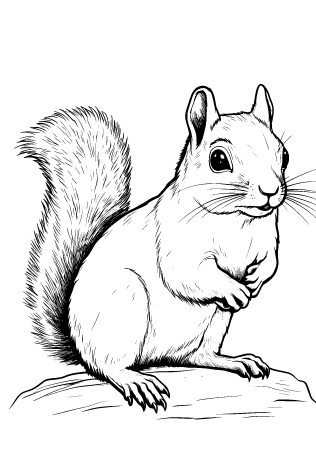
(I know, I’m sorry George, just trying to make other people understand what its like to be you. I know you are a good boy and stay away from caffeine)
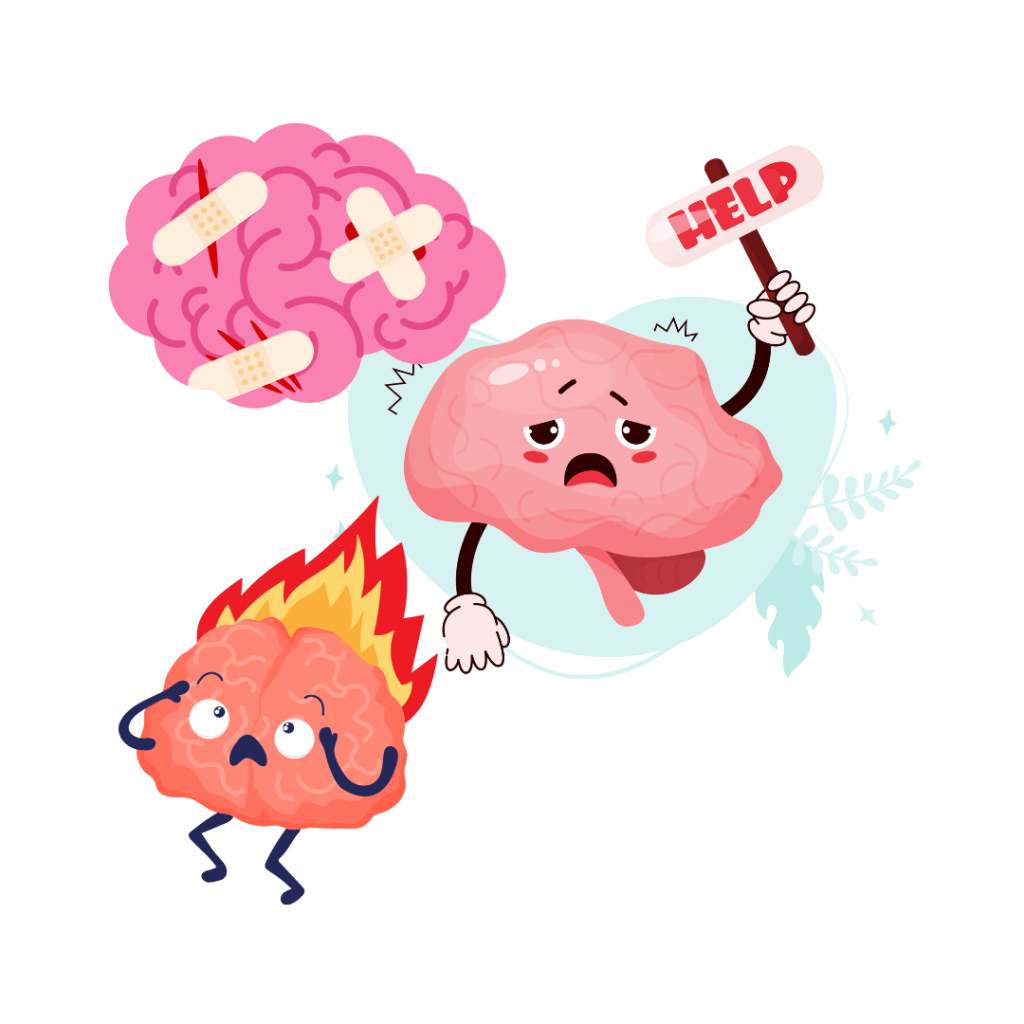
Fibromyalgia patients often get the short end of the stick with executive dysfunction, which can royally fuck up their daily lives. Studies show that folks with fibromyalgia perform about as well as a drunk turtle on tasks that measure executive functions like updating, shifting, inhibition, decision-making, and planning. Imagine trying to switch between different sets of rules or stop automatic responses when your brain feels like it’s been run over by a truck. This cognitive impairment is often linked to the severity of pain, psychiatric comorbidities, and other delightful variables like body mass index (BMI) and sleep disturbances. Basically, the brain areas involved in both pain processing and executive functions decide to throw a party, but forget to invite cognitive resources.
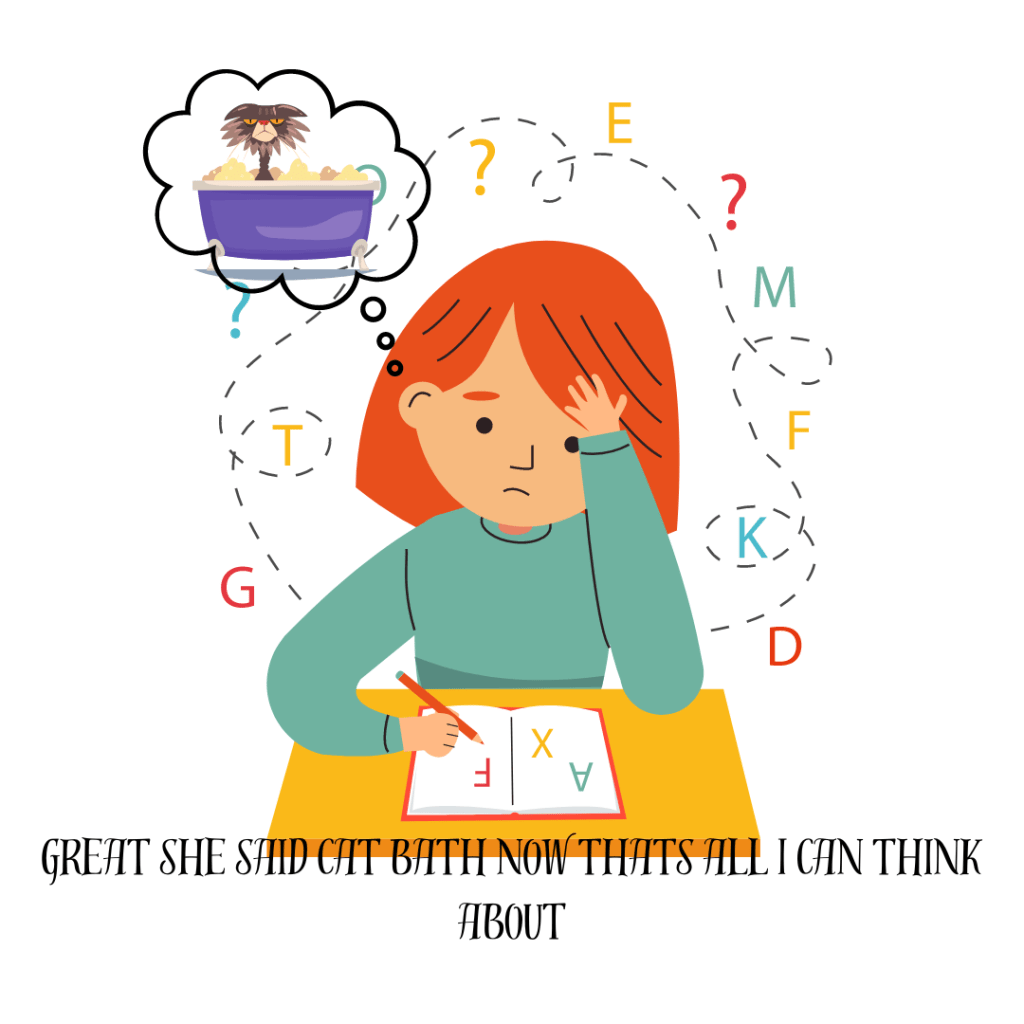
Individuals with autism spectrum disorder (ASD) also get to enjoy the rollercoaster of executive dysfunction. This can show up as difficulties with planning, flexibility, and inhibitory control. Picture an autistic person trying to switch tasks or adapt to new routines—it’s like asking a cat to take a bath. They might also struggle with organizing their thoughts and actions, which can turn completing tasks into a Herculean effort. Executive dysfunction in autism can add a lovely layer of complexity to the social and communication difficulties that are already part of the package, making it even harder to understand and respond to social cues.

Executive dysfunction is basically the middle name of attention-deficit/hyperactivity disorder (ADHD). Individuals with ADHD often have the working memory of a sieve, the inhibitory control of a sugar-high kid, and the cognitive flexibility of a rusty hinge. This can lead to a spectacular mess of disorganized tasks, half-finished projects, and impulsive decisions that make you wonder if they have a death wish. For instance, someone with ADHD might start a dozen projects but finish none, or act on a whim without considering the fallout. These executive function deficits can turn academic, occupational, and social functioning into a daily struggle, making it a challenge to meet the demands of life without constant chaos.

During manic episodes, individuals with bipolar disorder can experience executive dysfunction on steroids. This might include making decisions that are about as well-thought-out as a drunk text, poor impulse control, and planning skills that make you question their sanity. For example, someone in a manic state might blow their life savings on a whim or engage in risky behaviors without a second thought. They may also have the attention span of a gnat, making it impossible to focus on tasks or follow through with plans. These executive function impairments can turn managing bipolar disorder into a circus act, with stability being the elusive tightrope walker.

Executive dysfunction is the brain’s way of throwing a wrench into the lives of those with fibromyalgia, autism, ADHD, and bipolar disorder. It screws with their ability to plan, organize, and execute tasks, leading to a daily struggle to function. Understanding the specific ways executive dysfunction manifests in these conditions can help in developing targeted interventions to improve cognitive functioning and overall quality of life. Because let’s face it, everyone deserves a fighting chance to get their shit together. We need to help each other out, especially reach out if you are struggling, we’re all swimming against the current. Til next time gang, take care of yourselves, and each other!
















 WannaBeNormal