

So picture this: you’re minding your business, taking your meds like a responsible adult, when suddenly—boom.
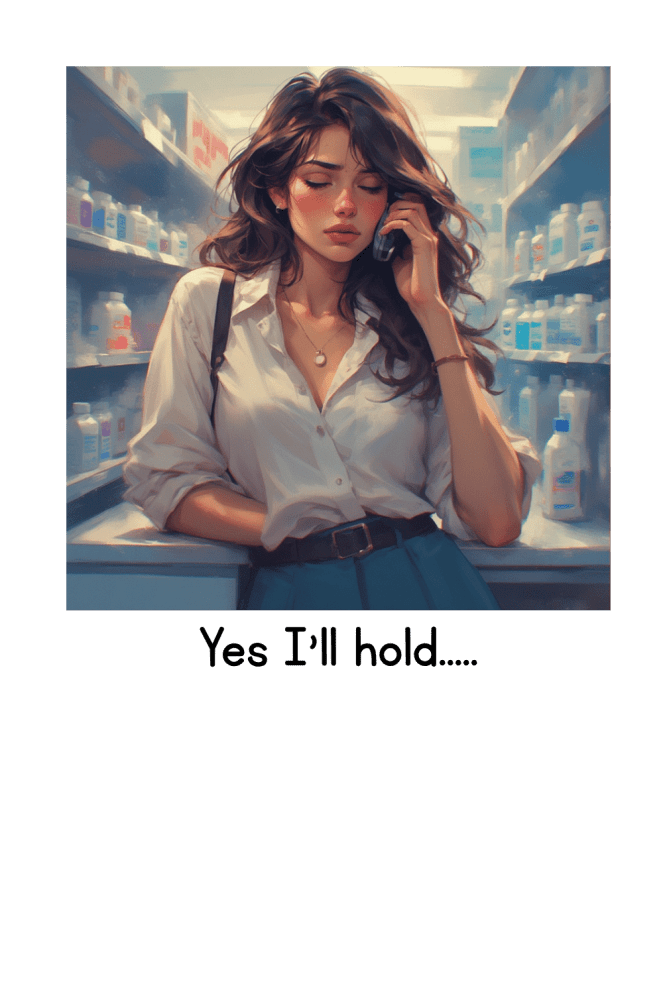
Pharmacy delay. Doctor out of town. Prior authorization “pending.” Ah the setback of psych meds.
And your nervous system? It’s like, “Cool cool cool… let’s panic about everything now.”
Let’s be clear right out of the gate:
This isn’t addiction.
This is what happens when your body gets used to something your doctor prescribed, and then it disappears faster than your motivation on a Monday.
For people managing chronic pain, ADHD, bipolar disorder, fibromyalgia, anxiety—basically anything that makes life feel like juggling flaming swords—missing meds can wreck your whole week. Sometimes your whole month. It used to be pain meds were controlled, well I got off all them and then I find out one of my meds for my mental state is controlled too.
So here’s the practical, not-patronizing guide to surviving it.
🧠 1. Know What’s Happening — It’s Not “Just in Your Head”
Your body doesn’t care that you’re being responsible. It just knows chemistry changed.
Withdrawal from meds like antidepressants, or mood stabilizers can cause:
- Flu-like symptoms (the fever, chills, and “oh God, why” kind)
- Dizziness or brain zaps
- Stomach chaos (you know what I mean)
- Anxiety that feels like being trapped in your own skin
- Crying at car insurance commercials
You’re not crazy, dramatic, or weak. You’re literally detoxing from a medication your body depended on.
🩺 2. Call the Pharmacy and Doctor — Every. Single. Day.
Yes, it’s annoying. Yes, they hate it. Do it anyway.
Sometimes the squeaky wheel really does get the refill.
Ask for:
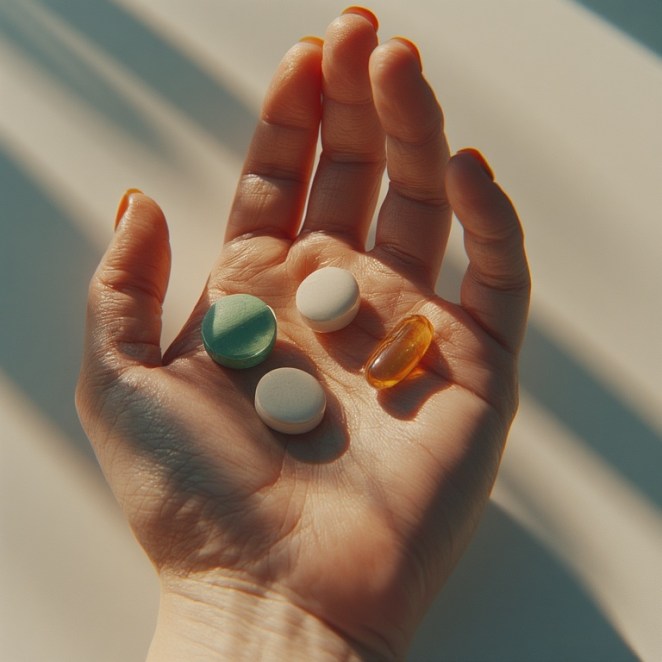
- A partial fill (even a few days’ worth helps)
- Generic or alternative options
- If your doctor can bridge it with samples or a similar med
If you can’t get through to your doctor, ask to speak to the nurse or pharmacist directly—they can often light a fire under the process faster than anyone else.
🧘♀️ 3. Temporary Coping Tools (That Actually Help)
You can’t cure withdrawal, but you can soften the edges.
Try:
- Hydration like it’s your job. Electrolytes help your body flush junk out faster.
- Protein and complex carbs. Blood sugar swings make symptoms worse.
- Body temp tricks: cool showers for feverish restlessness, warm baths for muscle tension.
- Magnesium and vitamin B supplements (if cleared by your doc).
- Ginger tea or mints for nausea.
- Noise + comfort TV. Distract your brain from itself. (“SVU’ or ‘Chicago’ shows is a favorite here.)
And yes, sleep whenever you can. Withdrawal can feel like a bad breakup between your brain and your body, and you’ll need rest to survive the drama.
🚨 4. Know When It’s Too Much
If your symptoms go beyond “ugh” and start looking like “dangerous,” it’s time to get help.
Go to urgent care or call your doctor if you experience:
- Suicidal thoughts
- Chest pain
- Severe confusion or disorientation
- Tremors, seizures, or blood pressure spikes
No guilt, no hesitation. This isn’t weakness—it’s biology in meltdown mode.
💬 5. You’re Not a “Druggie.” You’re a Human Being.
Let’s kill that stigma right now.
There’s a difference between dependency and addiction—one means your body adapted to a med, the other means there’s misuse or compulsion.
If you’re following your prescription and life implodes when you miss it, that’s not moral failure. That’s chemistry. And it deserves compassion, not judgment.
🌿 Bonus: What to Do Once You’re Back on Track

- Ask about tapering. Even a few days’ gap can make restarting rough.
- Set up refill reminders. Calendar, app, sticky note, carrier pigeon—whatever works.
- Request overlap fills (some pharmacies will fill a few days early if you ask).
- Stock an emergency buffer once you can, even if it’s just a few days’ worth.

And most importantly: forgive yourself for the mess that isn’t your fault.
Medication management in modern healthcare is like playing whack-a-mole blindfolded. You’re doing great just by surviving it. Dependency is’nt addiction. Til next time gang, take care of yourselves, and each other!

 What Dissociation Actually Is
 But What Does That Look Like as a Parent?
 What Helps Me Come Back
 If This Is You Too…
 WannaBeNormal