
Uncategorized

Things I Forgave Myself For This Week

Some weeks you crush goals.
Some weeks you just survive with your dignity slightly intact.
This week? I did a little of both, and I’m not dragging myself for the rest. I’m not. Ok, I am TRYING not to lol. I looked up all these things so we know, this happens to alot of us.

Here’s what I’m letting go of:

Eating crackers for dinner.
It was beige. It was crunchy. It was all I had in me. I know its not nutritional, but I put peanut butter on them, that counts right?

People with chronic pain or fatigue often struggle with meal prep. One study found that when we remove the guilt, we’re more likely to eat again tomorrow—and better. (Neff, 2003)
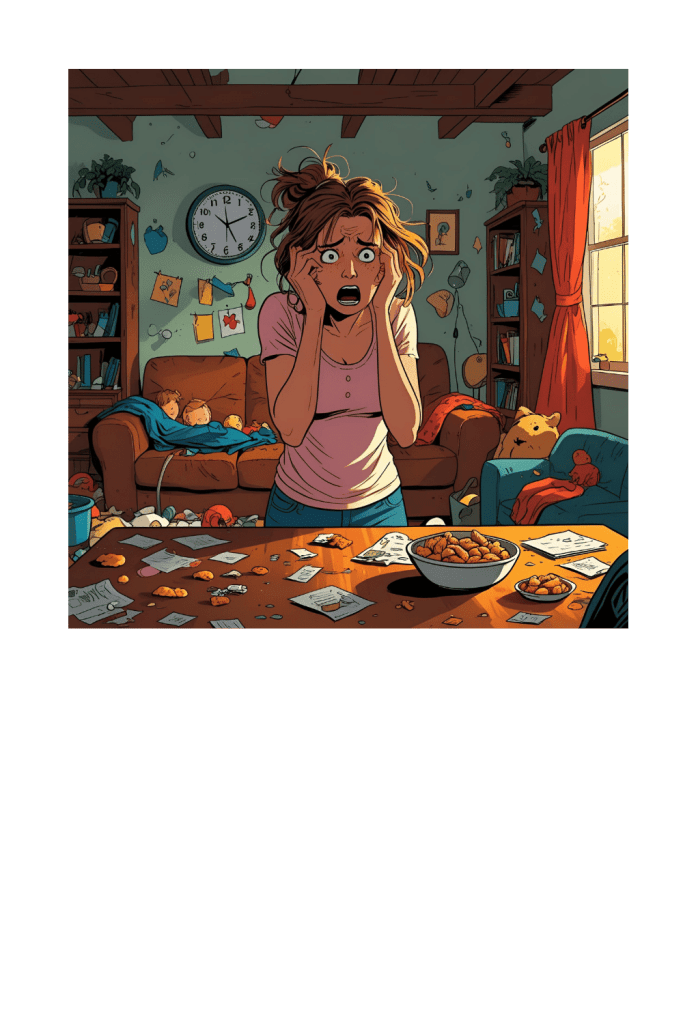
 Snapping at a stranger when I was overstimulated.
Was it my finest moment? No. But was it the end of the world? Also no.

Emotional dysregulation is common in both ADHD and bipolar. Reframe the moment to be more valuable than perfection. Modeling apology actually builds trust. (Siegel & Bryson, 2011)

Crying over a tv personality retiring.
But who will give me the news everyday at 6? I won’t be able to get the exact same news and information from the person they already filled the position with.

Not cleaning up the kitchen. Or the bathroom. Or basically anything.
The mess wasn’t going anywhere. The mess NEVER goes anywhere, its relentless. Unfortunately, my energy very much goes away lol.

Fatigue from chronic illness isn’t laziness. Research shows that pacing (doing less on purpose) leads to more consistent function long-term. (Nielson et al., 2013)

Skipping my meds one day, even though I knew better.
I forgot. That’s it. That’s the reason.

People with ADHD and mood disorders often struggle with medication consistency. Shame spirals make it worse. Compassion-based routines improve long-term adherence. (Safren et al., 2005)

Needing space from literally everyone.
Even the people I like. Especially them. Even the cats.

Sensory overload and mental fatigue demand recovery time. Boundaries aren’t selfish—they’re how we stay functional. (Brown, 2019)

 Wishing I had a different body.
This one feels broken. I still have to live here. Down to the tip of my hair I want everything new. Or I’ll take recycled, I shop at thrift stores

Body grief is real in chronic illness. Acceptance doesn’t mean joy—it just means recognizing pain without adding shame to it. (Cash & Pruzinsky, 2002)

Wanting to give up.
But I didn’t. I just wanted to. And that counts.

Suicidal ideation and burnout can flare in depression or mania recovery. Naming those moments gives you back control. It’s a signal—not a verdict. I’m trying my best to make the most positive of that signal that I possibly can. (Linehan, 1993)

💬 Final Thought:

If this list hits home, maybe you need to make one of your own.

Forgive the little stuff.
Forgive the big stuff.
Forgive the you that’s still trying, even if it doesn’t look like much from the outside.

You’re not weak. You’re wicked strong for feeling this much and still showing up. Til next time gang. Take care of yourselves, and each other!


Uncategorized

Grounded Spirit, Chaotic Body: Spoonie Grounding Tricks That Actually Work

So your brain is playing musical chairs, your body feels like a poorly-updated weather app, and you’re trying not to scream into the void. Welcome to Tuesday.

Let’s talk grounding. No, not like punishment (though if my body had a curfew, it’d definitely be in trouble. Or WAIT, better yet what if I could ground myself? I have had a bit of an attitude lately lol). I mean the kind of grounding that keeps your head tethered to Earth when the world starts to spin—literally or metaphorically.

These tricks aren’t cures. They’re sanity-saving, meltdown-preventing hacks from a fibro-fueled, ADHD-spicy, anxiety-sparked brain that’s been there. A lot.

1. 5-4-3-2-1 Technique
Engage all your senses:

  • 5 things you can see
  • 4 things you can touch
  • 3 things you can hear
  • 2 things you can smell
  • 1 thing you can taste (coffee counts. So does chocolate.)

*This works great when your brain is running full-speed in five directions and not one of them is “calm.”

2. Cold Water, Meet Overheated Brain
Grab a frozen veggie bag, cold can of soda, or run cold water over your wrists.

It’s a little jolt to your system that says: Hey, still alive. Chill out (literally).

3. Root Down (With or Without a Tree)
Press your feet into the ground. Feel the floor. Imagine roots growing into the Earth.
Bonus if you’re outside and can touch actual grass—unless you’re allergic. Then, uh… maybe stick to carpet.

4. Texture Check
Have a fidget, squish, or tactile object you like the feel of? Use it.

I include a small sensory item with every tray I sell because I know how hard it is to find something that doesn’t scream “kid toy” but still gets the job done.

5. Pick a Word, Repeat It Like a Mantra
Mine is “magic” today. Because even in the chaos, there’s some weird alchemy that happens when you survive anyway. Choose yours.

Speaking of grounding (see what I did there?), I made a tray that says “Grounded Spirit” because some days I need that reminder sitting right next to me—especially when my brain wants to float away and my pain wants to knock me down.

But this post isn’t about the tray.

It’s about remembering that you deserve tools that help you stay rooted when everything feels like it’s spinning.

Try one, try them all. Add your own. Tape them to your fridge. And if you fall apart a little later? That doesn’t mean you failed. It means you’re trying.

And that’s more than enough today. Do you have any tips others could benefit from? I’m always looking for new ways to ground myself, email me at wannabenormal@gmail.com or contact me through the contact form. Til next time gang, take care of yourselves, and each other.

PS.
Because Apparently I’m Not the First Genius to Try Grounding

Look, I’d love to say I invented these grounding techniques while dramatically staring into the void, but some actual professionals with degrees and peer-reviewed studies beat me to it. If you want to nerd out—or just need proof to show your skeptical co-worker—here’s where the science lives:

SAMHSA (Substance Abuse and Mental Health Services Administration)
Trauma-informed care guidelines include grounding as a legit tool for managing anxiety and dissociation.
👉 samhsa.gov

Anxiety Canada: 5-4-3-2-1 Grounding
This popular CBT/DBT trick is clinically recognized for calming panic and reorienting during sensory overload.
👉 anxietycanada.com/articles/grounding-techniques

National Library of Medicine
Peer-reviewed proof that sensory-based grounding techniques actually help regulate stress and pain.
👉 ncbi.nlm.nih.gov