Uncategorized

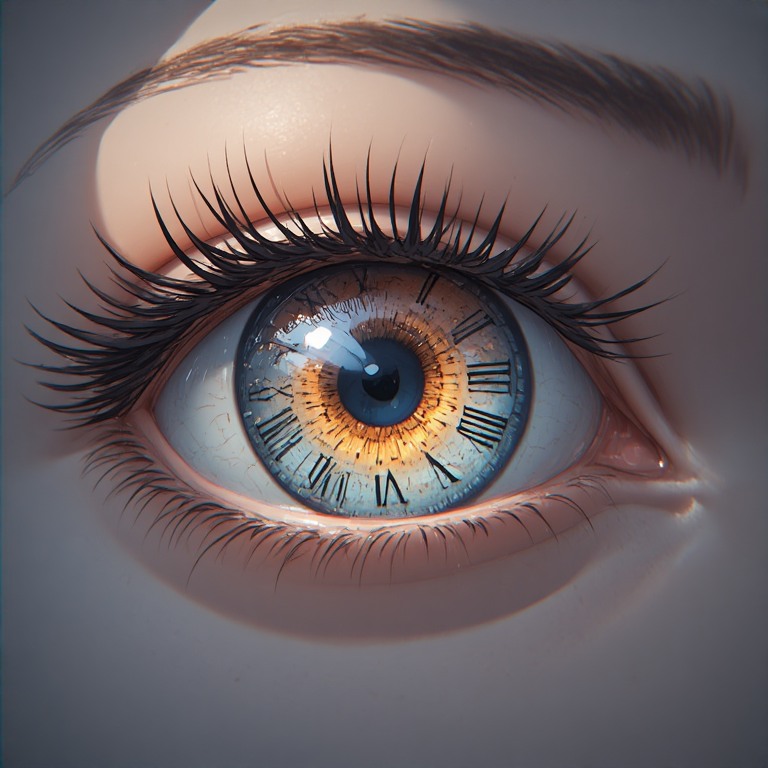
Fibromyalgia Time Is a Completely Different Time Zone

I live in a time zone most people don’t know exists.
It doesn’t follow clocks, calendars, or common sense.
It does follow pain levels, fatigue spikes, and whether my nervous system has decided today is a “no thoughts, just vibes” kind of day.

Welcome to Fibromyalgia Time.


1. Five Minutes Can Take an Hour

In Fibromyalgia Time, a “quick task” is a bold lie.

  • Showering
  • Getting dressed
  • Answering one email

Each looks like it should take five minutes. In reality, it includes:

  • A rest break
  • A mental pep talk
  • Forgetting what you were doing
  • Another rest break

Time stretches when pain shows up, and shrinks when energy disappears.


2. “Later” Is a Vague Concept at Best

When I say “I’ll do it later,” I don’t mean today.
I also don’t mean tomorrow.
I mean when my body allows it.

Fibromyalgia doesn’t run on deadlines. It runs on:

  • Pain levels
  • Brain fog density
  • How hard my nervous system is spiraling

Later is not procrastination. It’s symptom-based scheduling.


3. Energy Expires Without Warning

Normal time assumes energy is steady.

Fibromyalgia Time says:

You can wake up feeling okay and hit empty before lunch.
You can plan carefully and still lose the day by 2 p.m.

Energy doesn’t taper. It vanishes.
And when it’s gone, the clock stops mattering.


4. Recovery Time Is Not Predictable

In normal time, rest has a formula:

In Fibromyalgia Time:

Recovery isn’t linear.
Sometimes a nap helps.
Sometimes it does nothing.
Sometimes it makes things worse because now you’re groggy and in pain.


5. Past Me and Present Me Are Not the Same Person

Fibromyalgia Time has no memory continuity.

Past Me:

  • Made plans
  • Overestimated capacity
  • Was wildly optimistic

Present Me:

  • Is negotiating with joints
  • Has three spoons left
  • Is offended by Past Me’s confidence

Canceling plans isn’t flakiness — it’s time travel without consent.


6. The Clock Keeps Moving Even When I Can’t

This is the cruelest part.

The world doesn’t pause when your body does.
Bills are still due.
Appointments still exist.
Expectations don’t magically adjust.

Fibromyalgia Time moves slower inside your body — but faster everywhere else.
That disconnect is exhausting all by itself.


7. Productivity Happens in Weird Bursts

Fibromyalgia doesn’t believe in steady output.

Instead you get:

  • Sudden bursts of “must do everything NOW”
  • Followed by complete shutdown

It’s not a lack of motivation.
It’s a nervous system that dumps all available energy at once and then clocks out.


8. Rest Is Not Wasted Time (Even If It Looks Like It)

In normal time, rest is a reward.

In Fibromyalgia Time, rest is maintenance.

Lying down isn’t laziness.
Doing less isn’t failure.
Pausing is how you stay functional at all.

The clock might say you did “nothing,” but your body knows better.


9. Fibromyalgia Time Requires Translation
“Just five more minutes”
“Can you hurry?”
“It won’t take that long”

These phrases assume a shared timeline.

We’re not on the same clock — and that’s not a moral failing.
It’s a medical reality.


10. Surviving Fibromyalgia Means Redefining Time Entirely

Success isn’t measured in hours worked or tasks completed.

In Fibromyalgia Time, success looks like:

  • Listening to your body
  • Stopping before you crash
  • Adjusting expectations without self-blame

You’re not behind.
You’re just operating in a different time zone — one that requires patience, flexibility, and a whole lot of self-compassion.

Til next time gang, take care of yourselves, and each other.



Uncategorized

Why Cold Wrecks My Body (and What Actually Helps)

Cold doesn’t just make things uncomfortable.
It changes how my body functions.

When temperatures drop, my muscles tighten automatically, my joints stiffen faster, my pain threshold lowers, and my nervous system shifts into protection mode. Even before I move, my body is already bracing — like it’s expecting something bad to happen.

What helps:
I warm my body before I ask anything of it. Heat isn’t a treat, it’s a prerequisite. Heating pads, hot showers, warm drinks — anything that tells my nervous system it’s safe enough to stand down.


Cold also makes my muscles stay clenched — especially my shoulders, neck, hips, and lower back. That constant tension creates soreness that doesn’t feel earned and doesn’t go away with rest alone.

What helps:
Targeted warmth and gentle movement. Not “bundling up,” but keeping the parts that guard the most actively warm. Slow stretching or light movement early prevents stiffness instead of fighting it later.


In winter, everything costs more energy. Getting dressed hurts more. Moving hurts more. Thinking hurts more. By noon, I’m exhausted and I haven’t even done anything impressive.

What helps:
I move earlier and smaller. A little motion before the stiffness sets in keeps my body from locking up. This isn’t exercise — it’s lubrication. Waiting until later usually means paying interest.


Cold doesn’t just affect my body — it stresses my nervous system. That means higher pain, lower tolerance, and less emotional bandwidth, even if nothing “bad” is happening.

What helps:
I treat cold days like high-stress days. Fewer plans. Fewer decisions. More quiet. Less pressure to perform. If my nervous system is already taxed, I don’t pile more on top of it.


Winter also messes with expectations. I want to function the same way I do in warmer months, and my body refuses. That gap between expectation and reality is where frustration lives.

What helps:
I lower the bar before I hit it. Winter isn’t the season for pushing limits — it’s the season for pacing. Needing more support when the environment is harsher isn’t regression. It’s adaptation.


Cold doesn’t mean I’m failing.
It means my body is responding to stress the way it was built to.

Winter raises the difficulty level — and I’m allowed to adjust how I play the game. Til next time guys, take care of yourselves, and each other.

Uncategorized

Doctors who are helpful with Fibro, thats the real treasure to find…


Hi gang! I have some stuff to say about other topics but since its Fibromyalgia Awareness Month lets try and keep the Fibro convo going. Fibro’s a tough nut to crack when it comes to diagnosis because there’s no one-size-fits-all test that gives you a clear-cut answer. I totally get the frustration there. It’s crucial to team up with a doc who really knows their fibro stuff, one who listens to what you’re going through and doesn’t just slap everything under the fibro label. Sure, fatigue might be tied to fibro, but it could also signal something else lurking in the shadows. What if it’s a whole other issue that can be managed? It’s worth digging into. If your doc brushes off any of your worries, it’s time to find someone who takes you seriously. Seriously, advocate for yourself! Start by getting clued up on what you’re dealing with, arm yourself with info on what treatments are out there, what to watch out for, what might be red flags for other conditions. Sure, docs should be up to speed on all this stuff, but they’ve got a million and one things on their plate. You knowing your stuff gives you a leg up, at least you can point them in the right direction. Bring along logs of your symptoms, stuff you’ve tried, and hey, if you’ve found some golden nuggets of wisdom online, make sure they’re from a legit source. Doctors ain’t gonna take your brother’s buddy’s Facebook rant as gospel, and it just makes it tougher for the rest of us.

Ah, fibromyalgia, the mystical unicorn of medical conundrums, where symptoms are as clear as mud and diagnosing it feels like playing a round of medical bingo. Let’s paint the picture, you stroll into your doctor’s office armed with a laundry list of symptoms that could make even the most seasoned hypochondriac turn green with envy. But instead of the understanding you anticipated, you’re greeted with the classic eye-roll and the timeless response: ‘It’s probably just Fibro.’ Making you feel like its normal to hurt this way and you should just buck up and take it. You must be weak if you can’t handle it. Because, of course, who needs medical expertise when you’ve got stress to conveniently blame for every twinge and throb, am I right?

And when your doc finally has enough of your complaints they do the next predictable thing, referral so you are no longer their problem. The notorious medical dance – you know, where you hop from one specialist to another like a pinball in a machine, each one looking more perplexed than the last. “It’s just in your head,” they proclaim, as if that magically diminishes your pain, making it more… ethereal? Because obviously, feeling like you’ve been steamrolled by a freight train is just a whimsical creation of your imagination, not a serious condition worthy of genuine concern.

But fear not, dear patient, for there’s always the ever-popular misdiagnosis game to keep things interesting. Is it chronic fatigue syndrome? Is it rheumatoid arthritis? Is it just your body’s way of telling you that it’s time to invest in a better mattress? Who knows! It’s like playing medical roulette, except instead of winning a jackpot, you get a lifetime supply of confusion and frustration.

So, here’s to you, fibromyalgia warriors, bravely battling through the medical maze armed with nothing but your pain and a healthy dose of sarcasm. After all, if laughter is the best medicine, then you’re practically immortal.
Til next time gang, take care of yourself, and each other!

I forgot to add, George says ‘hey whats up?’ He’s off tearing shit up at the moment but he’s not going away lol.