When people hear “fibromyalgia,” they usually think of pain — aching joints, sore muscles, that constant feeling like you overdid it yesterday even when you didn’t. Pain is part of it, yes. But for many people with fibromyalgia, fatigue is the symptom that quietly dismantles daily life.
This isn’t the kind of tired that goes away with a good night’s sleep or a strong cup of coffee. Fibromyalgia fatigue is persistent, physical, and rooted in how the nervous system functions.
Common Fibromyalgia Symptoms (Beyond Pain)
Fibromyalgia is a multisystem condition, not a single-symptom diagnosis. Common symptoms include:
Chronic widespread musculoskeletal pain
Ongoing fatigue
Non-restorative sleep (waking up unrefreshed)
Cognitive difficulties (“fibro fog”)
Sensitivity to light, sound, temperature, or touch
Headaches or migraines
Gastrointestinal issues (often overlapping with IBS)
Muscle stiffness, especially in the morning
Mood changes linked to nervous system stress
Not everyone experiences every symptom, and severity can fluctuate — sometimes daily, sometimes hourly.
What Makes Fibromyalgia Fatigue Different?
Fibromyalgia fatigue isn’t simply being tired from doing too much. It’s tied to central sensitization, a process in which the brain and spinal cord become overly reactive.
In simple terms:
The nervous system stays partially “on alert”
Pain signals are amplified
The body burns energy just maintaining baseline function
Even rest can require effort when the system responsible for regulating stress, pain, and recovery isn’t working efficiently.
Think of it like running multiple background apps you can’t close. The battery drains faster — even on low activity.
Mayo Clinic explains that people with fibromyalgia commonly experience fatigue and disrupted sleep, noting that individuals often wake up tired even after sleeping for a long time, as pain and related sleep disorders can interfere with rest. Mayo Clinic
Why Sleep Doesn’t Fix Fibromyalgia Fatigue
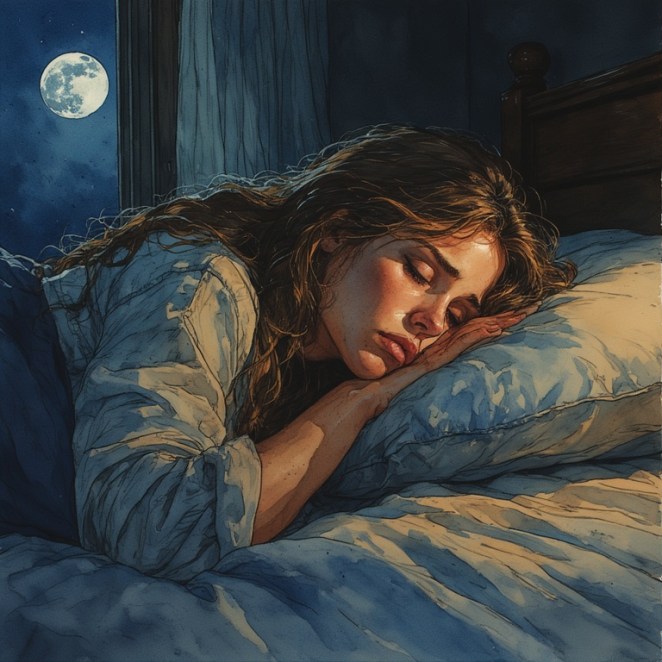
One of the most frustrating aspects of fibromyalgia is that sleep doesn’t reliably restore energy.
Research shows that people with fibromyalgia often experience:
Disrupted sleep architecture
Reduced time in deep, restorative sleep stages
Alpha-wave intrusion during sleep, keeping the brain partially alert
Frequent micro-arousals caused by pain or nervous system activity
This means someone can be unconscious for eight hours and still wake up feeling unrefreshed, stiff, and exhausted.
Sleep happens — but rest doesn’t fully occur.
Sleep research indicates that people with fibromyalgia often experience abnormal sleep patterns, such as reduced deep sleep and brain activity resembling wakefulness during sleep stages, which helps explain why rest does not always feel restorative. Sleep Foundation
The Role of the Nervous System
Fibromyalgia is increasingly understood as a disorder of nervous system regulation, not muscle damage or inflammation alone.
When the nervous system struggles to downshift:
Muscles remain tense
Pain signals remain elevated
Stress hormones like cortisol can become dysregulated
Energy recovery is impaired
This is why fatigue in fibromyalgia often feels disproportionate to activity levels — and why pushing through it usually backfires.
Why “Just Rest More” Misses the Point
Well-meaning advice like “get more sleep” or “listen to your body” often falls short because it assumes the system responsible for rest is functioning normally.
In fibromyalgia:
Rest helps, but it’s not a cure
Sleep matters, but it’s not always restorative
Energy management requires strategy, not willpower
Understanding this difference matters — medically, socially, and personally.
The Bottom Line
Fibromyalgia fatigue is not laziness, lack of motivation, or deconditioning. It’s a nervous system issue that affects how the body processes pain, stress, sleep, and recovery.
Recognizing fatigue as a core symptom — not a side effect — is essential to understanding what living with fibromyalgia actually looks like.
Because when the system itself is misfiring, exhaustion isn’t a failure. It’s feedback. Til next time gang, take care of yourselves, and each other!
Sleep isn’t just about closing your eyes and drifting off. For some of us, it’s like trying to land a plane in a thunderstorm with three different copilots all fighting over the controls. ADHD, bipolar disorder, and fibromyalgia each mess with sleep in their own ways—and when they show up together, it’s no wonder rest feels more like a negotiation than a guarantee.
ADHD: A Brain That Won’t Clock Out
With ADHD, the brain doesn’t exactly come with an off-switch. Racing thoughts, late-night hyperfocus, or the dreaded “second wind” make it easy to miss sleep windows. Research shows people with ADHD often experience delayed sleep phase syndrome—meaning their internal clock is naturally shifted later.
What helps:
Keep a consistent bedtime routine (same order, every night, like brushing teeth → skincare → reading).
Use a “wind-down timer” alarm to remind you when to step away from screens.
Try body-doubling for bedtime (texting a friend “logging off now” helps hold you accountable).
Bipolar Disorder: Sleep as a Mood Swing Marker
Sleep disruption isn’t just a symptom of bipolar disorder—it’s also a warning sign. During manic episodes, people may need little to no sleep and still feel wired. In depressive episodes, hypersomnia (sleeping too much) or insomnia are both common. Clinicians even track sleep patterns as a way to gauge where someone is on the bipolar spectrum, because sleep disturbance is that central to the condition.
What helps:
Stick to a strict sleep/wake schedule—even on weekends.
Limit caffeine, alcohol, and late-night stimulation, since they can trigger swings.
Track sleep with an app or journal to catch changes early (your future self and your doctor will thank you).
Fibromyalgia: The Non-Restorative Sleep Thief
Fibro brings its own brand of sleep sabotage. Studies point to “alpha wave intrusion,” where the brain doesn’t stay in deep, restorative stages of sleep. Combine that with pain flare-ups and restless legs, and even if you technically sleep for eight hours, you wake up feeling like you pulled an all-nighter.
What helps:
Prioritize pain management before bed—stretching, warm baths, or heat pads can calm flare-ups.
Create a cozy sleep space: blackout curtains, white noise, supportive mattress.
Try gentle sleep hygiene aids, like calming teas or magnesium (if your doctor approves).
The Triple-Whammy Effect
Now imagine all three at once: ADHD pushing bedtime later, bipolar flipping the switch between insomnia and oversleeping, and fibromyalgia making whatever sleep you do get feel useless. No wonder mornings feel brutal and exhaustion never really leaves.
Why It Matters
Poor sleep isn’t just a nuisance—it worsens mood swings, flares up pain, and makes executive function even harder. But knowing the “why” behind your exhaustion is powerful. It means you can stop blaming yourself and start stacking small, realistic strategies that give you a fighting chance at rest. Til next time gang, take care of yourselves and each other.
1. Misconception: Fibromyalgia is just “in your head” or not real. Truth: Fibromyalgia is a real, chronic medical condition that affects the central nervous system. It’s characterized by widespread pain, fatigue, and other symptoms that are definitely not imagined. It’s scientifically recognized and impacts both physical and emotional well-being. Science backs us up on this one, folks.
I can sometimes understand why people might not get it—if I’m having a good day and I’m active, I probably look like your average Midwestern mom. I mean, maybe I should just get an “F” tatted on my forehead? I’ve thought about it. The number of doctors who’ve been dismissive of my very real condition is almost as high as the number of people who are shocked when they hear about my bipolar diagnosis. Clearly, they haven’t seen the rapid mood swings or heard me say, “But you’re sad?” to which I’ll reply, “Yes, amazingly, I can be both sad and manic at the same time, and trust me, it’s a million times worse.”
But I digress. Let’s keep up here—it’s 2025, and fibromyalgia has been a diagnosable illness since 1976. Before that, it was known as fibrositis in 1904, and even earlier, it was referred to as rheumatism. I mention this because, although no one knows exactly what causes it, I’ve been diving into my genealogy—yes, I’m a bit of a nerd—and checking birth and death records to compare what I know versus what I think I know. In the process, I’ve noticed that at least six of my direct ancestors had some form of fibro or rheumatism.
Do I think fibromyalgia will kill me? No—honestly, I have more pressing health concerns to worry about—but it’s been around for a long time. If you come across a medical professional who doesn’t think fibro is real, get a second opinion. And just to clarify: I’m talking about someone who doesn’t believe fibro even exists—not someone who doubts it’s what you’re suffering from. I’ll say it again: a second opinion never hurts… though, in my case, I had my doctor of 7 years drop me for getting one. So stay informed, don’t get discouraged, and keep pushing until you get the answers you deserve.
2. Misconception: Fibromyalgia is the same for everyone.
Truth : Fibromyalgia is like a box of chocolates, you never know what you’re gonna get. Sure, we’ve all got the greatest hits – pain that feels like we’ve gone ten rounds with a heavyweight champ and fatigue that makes sloths look energetic. But beyond that? It’s a grab bag of fun surprises. Some of us are walking zombies thanks to sleep issues, while others are living in a fog so thick you’d think we’re extras in a horror movie. And don’t even get me started on the triggers. What sets off my fibro might not even tickle yours. This is why docs often treat fibro like the ‘rule it out’ illness. They run every test under the sun, and when everything comes back squeaky clean, they throw up their hands and say, “Must be fibro!” I wonder how many times that phrase was said by a doctor to a person who died from something that should have been caught. Wouldn’t it be peachy if we could all agree on what fibro looks like? Maybe then we’d have a magic pill or a cure. Hell, I’d settle for a flashing neon sign that says, “Fibro flare incoming!” But nope, that’s not how this beast rolls.
3. Misconception: People with fibromyalgia are just “lazy.”
Truth: People with fibromyalgia often experience extreme fatigue that is not relieved by rest. This can make daily activities feel overwhelming and exhausting, but it’s not a matter of laziness—it’s a physical condition that affects the body’s ability to generate energy and recover. Picture this: you’ve just “slept” for 10 hours, but you feel like you’ve been awake for days, You drag yourself out of bed, feeling like you’re moving through molasses, and even the simple act of making a cup of coffee feels like you’re scaling Mount Everest. That’s fibro fatigue, folks.
This isn’t about being lazy or needing an extra cup of coffee. It’s your body throwing a full-on rebellion, refusing to generate the energy you need to function like a normal person. And let me tell you, it’s beyond frustrating.
The kicker? This fatigue doesn’t play fair. It doesn’t care if you’ve rested, slept for 12 hours, or spent the day binge-watching your favorite show. It’s always lurking, ready to sucker-punch you when you least expect it. And no matter how mad I get at myself, once I’m in a funk its necessities only and they tend to relate to immediate family, so the things I don’t get done pile up until they become daunting to the point that I don’t know where to start so I just DON’T start. Executive dysfunction at its best folks.
So next time you see someone with fibro canceling plans or looking like they’ve been hit by a truck, remember: we’re not being flaky or dramatic. We’re just trying to navigate life with a body that’s forgotten how to recharge its batteries. It’s not laziness—it’s our reality, and we’re doing our best to push through it every single day.
4. Misconception: Fibromyalgia only affects older people. Fibromyalgia is also not limited to adulthood—children and adolescents can be diagnosed with it, though this is relatively rare. According to the American College of Rheumatology, fibromyalgia in children and teens often presents differently than it does in adults, with symptoms like widespread pain, fatigue, headaches, and difficulty concentrating (often referred to as “fibro fog”). The challenges with diagnosing fibro in younger individuals are compounded by the fact that many of these symptoms overlap with those of other conditions, making it harder to pinpoint fibromyalgia as the cause.
In younger patients, symptoms may be mistaken for growing pains or other childhood illnesses, which can delay a correct diagnosis. The National Fibromyalgia Association states that fibromyalgia in children may be underdiagnosed, partly because doctors may attribute symptoms like tiredness or pain to more common, non-chronic conditions. Additionally, children may struggle to articulate how they’re feeling, which can make diagnosis even more difficult.
Fibromyalgia can occur at any stage of life, and its symptoms vary widely. While some people may have mild discomfort, others experience debilitating pain and fatigue that severely impacts their daily lives. As the condition often fluctuates in severity, it can be hard to predict its long-term course.
It’s important to note that the cause of fibromyalgia is still not fully understood, though genetics, infections, physical trauma, and emotional stress are thought to contribute to its development.
5. Misconception: There’s no treatment for fibromyalgia.
You’ve probably heard there’s no treatment for this beast, right? Well, hold onto your hats, because that’s about as true as saying chocolate isn’t a food group. Sure, we don’t have a magic wand to make fibro disappear (believe me, I’ve looked). But we’ve got a whole arsenal of tricks to keep this monster at bay. It’s like playing whack-a-mole with your symptoms, but hey, at least we’re not sitting ducks! First up, we’ve got meds. From your garden variety pain killers to fancy-pants antidepressants and anti-seizure meds, there’s a buffet of options. These bad boys can help tame the pain and maybe even let you catch some Z’s without feeling like you’ve been hit by a truck. Then there’s physical therapy and exercise. I know, I know, the thought of moving when everything hurts is about as appealing as a root canal. But trust me, a little moderate exercise can work wonders. It’s like giving your body a tune-up.
And let’s not forget about the mind game. Cognitive-behavioral therapy isn’t just for when you’re feeling blue. It’s like a personal trainer for your brain, helping you outsmart the pain and stress. Now, for the lifestyle changes. Getting enough rest, eating right, and practicing good sleep hygiene might sound like advice your grandma would give, but don’t knock it ’til you’ve tried it. It’s amazing what a difference these can make. For those feeling a bit adventurous, there’s always acupuncture and massage. It’s like a spa day, but with actual health benefits. Who knew getting poked with needles could feel so good? The key here, my fellow fibro warriors, is to mix and match. It’s like creating your own personal fibro-fighting cocktail. What works for me might not work for you, and that’s okay. We’re all unique snowflakes in this blizzard of pain.So don’t let anyone tell you there’s no hope. We might not have a cure (yet), but we’ve got options. And in this fibro fight, options are our secret weapon. Now, go forth and conquer my friends, Until next time take care of yourselves, and each other.














 WannaBeNormal