Uncategorized

The Spoonie Survival Guide to December: Manage the Joy Without the Meltdown (Ok SOME meltdowns, but minimal)

Ah, December.
The month where everyone else seems to be powered by peppermint and holiday magic… and I’m over here running on fumes, stubbornness, and one functioning spoon. Maybe two if I slept weird and accidentally charged myself.

But here’s the thing: December doesn’t have to eat us alive.
We can enjoy the cute twinkle lights, the cozy vibes, the nostalgia — without sacrificing our last working nerve.

So here are my tried-and-true, spoonie-approved tips for making it through the season with your sanity (mostly) intact.


1. Lower the Bar. Then Lower It Again.

Holiday movies lied.
No one needs matching pajamas, a handmade wreath, and a three-course dinner.
Pick the bare minimum that still feels like joy — the rest can sit in the corner and think about what it’s done. Matching PJs? Nope, I get everyone a shirt and call it good.

2. Build Your “Nope List” Early

These are the things you’re not doing.
Not even considering.
Not even thinking about reconsidering.

Mine includes:

  • Wrapping gifts like a Pinterest mom
  • Baking anything that requires more than one bowl
  • Going to three events in one weekend (laughable)
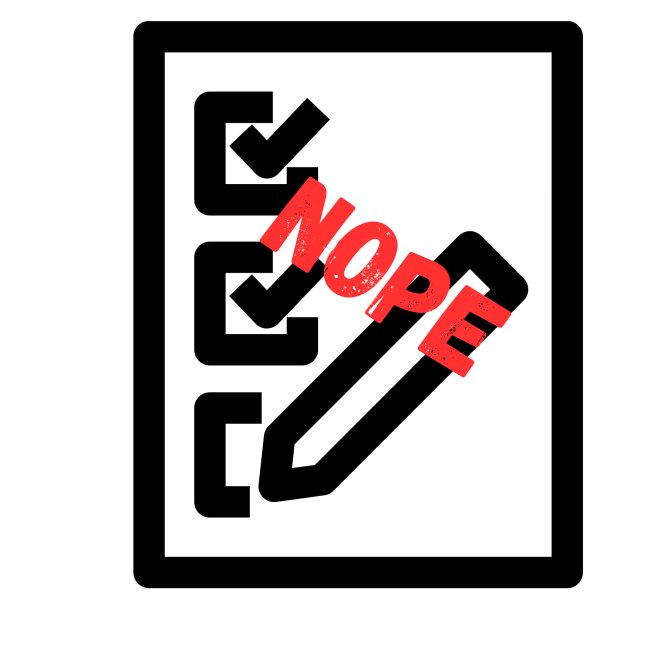
Write it down. Honor it like a boundary carved in stone. I will NOT be guilted into something I physically am unable to do.

3. Embrace the Lazy-Girl Gift Strategy

If it can be ordered, mailed, or printed without me putting on real pants?
It’s fair game.

Digital gifts, Etsy finds, consumables… honestly, the best gifts don’t come from a craft room meltdown. Pants arent really the enemy but shoes and a bra always seem to take more spoons than I have.

4. Schedule Recovery Time Like It’s a Medical Appointment

Events = exhaustion.
Fun = exhaustion.
Walking from the couch to the door to sign for a package = sometimes also exhaustion.

So plan buffer days around anything that drains you. No guilt.

Your energy is a budget — spend wisely. I try to not plan anything for the whole month of December because things come up.

5. Keep One “Emergency Joy” Thing Nearby

A candle.
A smashbook.
Your comfort show.
A snack that makes you feel alive.

Something tiny that sparks joy when your spoon count hits “Windows XP crashing” mode.

6. Delegate Like a CEO on a Deadline

Kids can help.
Partners can help.
DoorDash exists for a reason.

Being a spoonie in December means becoming a master delegator with zero apologies.

7. Create a Bare-Minimum Holiday Tradition

One thing.
Just one.

A movie you always watch.
A hot cocoa night.
A drive to see lights.

Consistency beats intensity every time. I’ve got little things I add each year, with trimming the tree (daughter does under my supervision.) We TRY and watch a movie with a holiday theme. Hot chocolate. Little things.

8. Let Go of the Ghost of December Past

Maybe old you did more.
Maybe old you hosted dinners or ran around like a festive tornado.

New you deserves grace — not comparison. What sucks is there is ten years between middle and last child. I could do WAY more when the older two were prime Christmas ages! Theres not even a comparison.

9. Pick the Memories Over the Motion

If something makes a good memory but doesn’t drain you?
That’s the sweet spot.

We’re not chasing “perfect.”
We’re chasing “present.” There’s a lot of moments you can be ‘present’ for once you take shortcuts on the things that matter less.

10. Celebrate Your Way — Even If Your Way Is the Couch

Rest doesn’t make you less festive.
Joy doesn’t require performance.
You’re allowed to celebrate at the speed your body allows. Do things in advance to use when your spoons are empty, cook in bulk when you have everything out.

And honestly?
That’s where the real peace of the season lives.
December is not a test you have to pass.
It’s a month — messy, beautiful, loud, overwhelming — that you get to shape in the way that works for you.

You deserve moments of joy that don’t cost you your health.
You deserve ease.
You deserve gentleness.

So here’s to a season that meets us where we are — not where the world tells us we “should” be.Til next time gang, take care of yourselves, and each other.

Uncategorized

When You Can’t Tell If It’s a Flare or a Flashback (And Why That’s Terrifying)

Your heart’s doing the cha-cha at 130 beats per minute. Your chest tightens. The world tilts. Your hands shake. Your brain starts whispering, “Hey, are we dying or just freaking out again?”

Is it POTS? A panic attack? A flashback to that one time your body really did betray you?
You’ve got about thirty seconds to figure it out before the anxiety of not knowing makes everything worse.

Welcome to the impossible diagnostic puzzle that is living with chronic illness and PTSD from medical trauma.


When Your Body Is Both the Scene of the Crime and the Witness

People with chronic illnesses are statistically more likely to develop PTSD-like symptoms—but the kicker is, it’s not from a one-time event. It’s because your body is an ongoing threat to your own sense of safety.

Unlike classic PTSD, where the trauma is technically in the past, medical PTSD means the trauma could literally happen again.
When you live with something like POTS, EDS, or MCAS, your body is both the suspect and the alarm system. The hypervigilance isn’t paranoia—it’s pattern recognition. You’ve learned that symptoms can mean something is seriously wrong.

But here’s the nightmare twist: those same symptoms—heart racing, shaking, dizziness—are also identical to a panic attack.


The Overlap That Makes You Want to Scream Into a Pillow

Let’s play a fun game called “Spot the Difference” between POTS and panic attacks:

POTS Symptoms:

  • Rapid heart rate (120+ bpm)
  • Dizziness or lightheadedness
  • Shortness of breath
  • Chest tightness
  • Trembling, sweating, nausea
  • Feeling like you might pass out

Panic Attack Symptoms:

  • Rapid heart rate
  • Dizziness or lightheadedness
  • Shortness of breath
  • Chest tightness
  • Trembling, sweating, nausea
  • Feeling like you might pass out

Yeah. Exactly the same.

So you sit there, pulse pounding, trying to decide if you need electrolytes or grounding exercises. And the longer you try to figure it out, the more anxious you get. Which—you guessed it—makes your heart race even more.

Congratulations, you’ve just triggered both conditions at once.


The “Is It My Body or My Brain?” Spiral

  1. Heart rate spikes.
  2. You think, “Is this POTS or panic?”
  3. The uncertainty feeds the anxiety.
  4. Anxiety makes your heart rate climb higher.
  5. PTSD brain jumps in like, “Hey, remember the last time this happened?”
  6. Your body floods with stress hormones.
  7. Symptoms worsen, clarity vanishes, and you’re stuck in a full-body loop of chaos.

Sometimes grounding doesn’t work. Sometimes standing makes it worse. Sometimes everything makes it worse. The mental gymnastics of self-triage would exhaust an Olympic athlete, and that’s before you even factor in the fatigue that both conditions bring.


When Hypervigilance Isn’t a “Coping Issue”

In classic PTSD, hypervigilance—constantly scanning for danger—is something therapy tries to reduce.
But when you live with a chronic condition that can cause fainting, cardiac issues, or anaphylaxis, that vigilance might literally save your life.

So how do you tell your brain to “calm down, you’re safe” when sometimes… you actually aren’t?

This is the impossible bind of trauma plus illness:
PTSD therapy says, stop monitoring every sensation.
Your medical team says, monitor every sensation.
Neither is wrong. Neither fully works.


The Medical Gaslighting Cherry on Top

And just to make it more fun: when you do seek help, you get hit with the “it’s just anxiety” script.

Even though POTS isn’t caused by anxiety, and even though research shows anxiety rates are about the same as the general population, you’ll still have doctors waving off your physical symptoms because your chart says PTSD.

You start to lose faith in professionals. You stop asking for help. You learn to rely only on yourself for triage—because nobody else seems capable of telling the difference either.

Which means you’re back to square one, again, sitting in the impossible space of trying to figure it out alone.


The Treatment Contradiction

PTSD therapy often involves exposure work—facing the thing that scares you until your brain chills out about it.
Except in this case, the “thing that scares you” is your own body.

You can’t just take a break from having a body. You can’t “gradually reintroduce” the experience of dizziness or tachycardia when those things are daily realities that might require medical intervention.

Worse, some PTSD therapies intentionally raise your heart rate to help you practice staying calm through physical sensations. That’s great… unless you have POTS, where that heart rate spike might actually make you faint.

So you end up in a no-win situation where treating one condition can trigger the other.


What Actually Helps (Sometimes)

There’s no perfect fix here. But there are ways to soften the edges:

💡 Look for patterns, not moments. Track triggers over time. Are symptoms linked to posture, temperature, dehydration, or specific memories? Zooming out can help reduce panic in the moment.

💡 Build a “both/and” plan. Sit down? Yes (helps POTS). Ground yourself? Yes (helps panic). You don’t have to guess which one it is to respond with compassion instead of chaos.

💡 Find trauma-informed doctors. You need providers who understand that your nervous system and your medical symptoms aren’t separate universes.

💡 Accept uncertainty. Sometimes you just won’t know—and that’s not failure. That’s reality.

💡 Validate yourself. You’re not dramatic. You’re not broken. You’re reacting appropriately to a wildly confusing body situation that most people can’t imagine.


The Unspoken Truth

Living with medical PTSD and chronic illness means constantly trying to interpret a body that lies to you and tells the truth at the same time.

It means your hypervigilance is both too much and not enough.
It means your body is both the warning sign and the danger.

You’re not failing to cope—you’re surviving something that isn’t designed to make sense.

And honestly? That’s nothing short of heroic.

Til next time, gang, take care of yourselves, and each other!


🧠 Research Toolbox

  • American Psychological Association. Medical trauma and PTSD in patients with chronic illness (2020).
  • Raj, S. R. (2022). Postural Orthostatic Tachycardia Syndrome (POTS): Pathophysiology, Diagnosis, and Management. Cleveland Clinic Journal of Medicine.
  • Löwe, B. et al. (2021). Trauma, PTSD, and chronic illn
Uncategorized

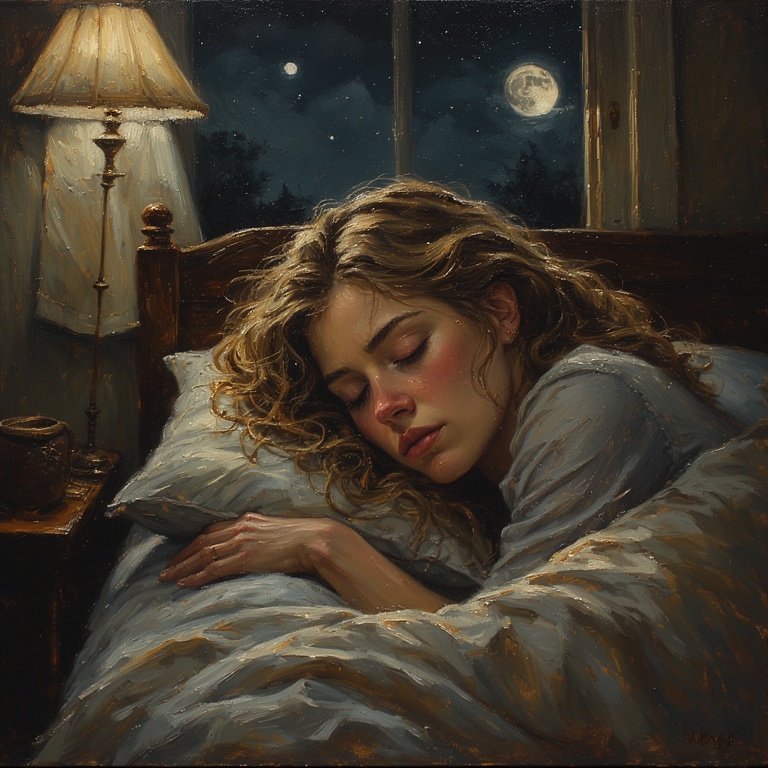
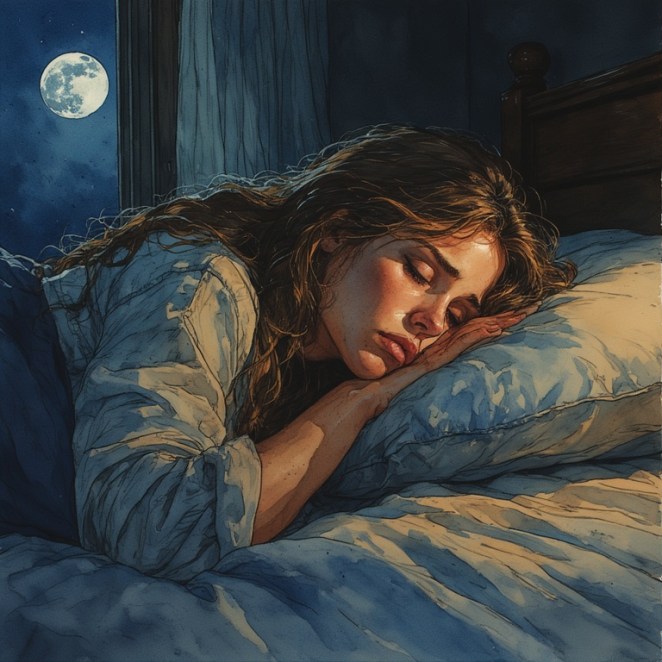
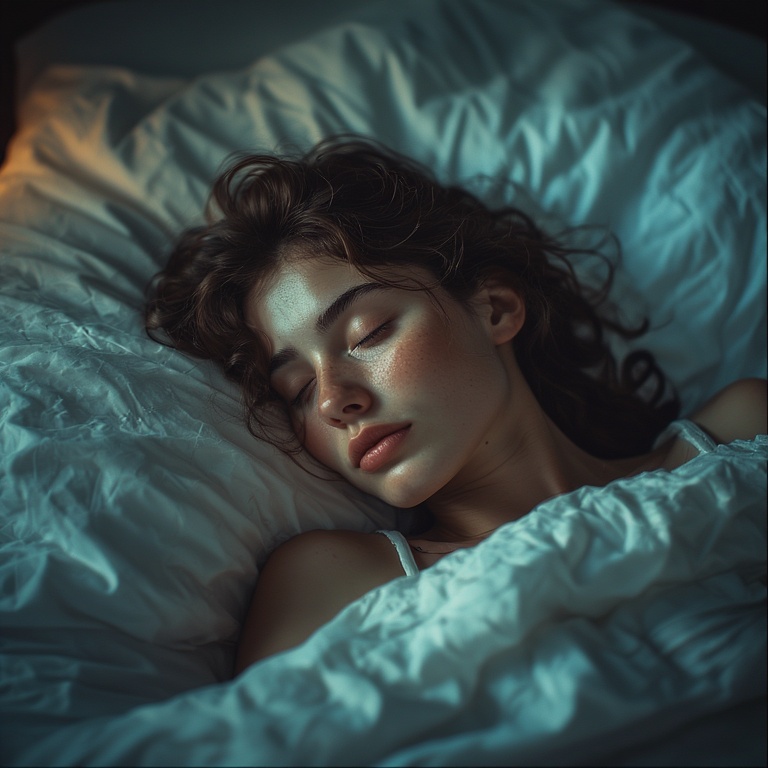
Why Sleep Is So Complicated When You’re Living With ADHD, Bipolar Disorder, and Fibromyalgia

Sleep isn’t just about closing your eyes and drifting off. For some of us, it’s like trying to land a plane in a thunderstorm with three different copilots all fighting over the controls. ADHD, bipolar disorder, and fibromyalgia each mess with sleep in their own ways—and when they show up together, it’s no wonder rest feels more like a negotiation than a guarantee.


ADHD: A Brain That Won’t Clock Out

With ADHD, the brain doesn’t exactly come with an off-switch. Racing thoughts, late-night hyperfocus, or the dreaded “second wind” make it easy to miss sleep windows. Research shows people with ADHD often experience delayed sleep phase syndrome—meaning their internal clock is naturally shifted later.

What helps:

  • Keep a consistent bedtime routine (same order, every night, like brushing teeth → skincare → reading).
  • Use a “wind-down timer” alarm to remind you when to step away from screens.
  • Try body-doubling for bedtime (texting a friend “logging off now” helps hold you accountable).

Bipolar Disorder: Sleep as a Mood Swing Marker

Sleep disruption isn’t just a symptom of bipolar disorder—it’s also a warning sign. During manic episodes, people may need little to no sleep and still feel wired. In depressive episodes, hypersomnia (sleeping too much) or insomnia are both common. Clinicians even track sleep patterns as a way to gauge where someone is on the bipolar spectrum, because sleep disturbance is that central to the condition.

What helps:

  • Stick to a strict sleep/wake schedule—even on weekends.
  • Limit caffeine, alcohol, and late-night stimulation, since they can trigger swings.
  • Track sleep with an app or journal to catch changes early (your future self and your doctor will thank you).

Fibromyalgia: The Non-Restorative Sleep Thief

Fibro brings its own brand of sleep sabotage. Studies point to “alpha wave intrusion,” where the brain doesn’t stay in deep, restorative stages of sleep. Combine that with pain flare-ups and restless legs, and even if you technically sleep for eight hours, you wake up feeling like you pulled an all-nighter.

What helps:

  • Prioritize pain management before bed—stretching, warm baths, or heat pads can calm flare-ups.
  • Create a cozy sleep space: blackout curtains, white noise, supportive mattress.
  • Try gentle sleep hygiene aids, like calming teas or magnesium (if your doctor approves).

The Triple-Whammy Effect

Now imagine all three at once: ADHD pushing bedtime later, bipolar flipping the switch between insomnia and oversleeping, and fibromyalgia making whatever sleep you do get feel useless. No wonder mornings feel brutal and exhaustion never really leaves.


Why It Matters

Poor sleep isn’t just a nuisance—it worsens mood swings, flares up pain, and makes executive function even harder. But knowing the “why” behind your exhaustion is powerful. It means you can stop blaming yourself and start stacking small, realistic strategies that give you a fighting chance at rest. Til next time gang, take care of yourselves and each other.

Research Toolbox:
Sources

The National Fibromyalgia Association — Sleep Disturbances & Fibromyalgia
(information on fibro and sleep disturbances)

International Journal of Bipolar Disorders – Sleep and Circadian Rhythms in Bipolar Disorder
(research on bipolar disorder and sleep)

PubMed — ADHD and Circadian Rhythm Sleep-Wake Disorders
(research on ADHD and circadian rhythm)

Uncategorized

Things I’ve Googled at 2 AM: A Greatest Hits Collection

Welcome to the dark underbelly of my internet search history – that beautiful, chaotic wasteland where insomnia meets ADHD curiosity and good judgment goes to die. If Google keeps receipts (and let’s be honest, they absolutely do), then I’m pretty sure I owe them an apology and possibly therapy fees.

For those blessed neurotypical souls who can actually fall asleep at reasonable hours, let me explain what happens in the 2 AM Google zone: it’s where rational thought meets hyperfocus, and somehow you end up three hours deep in research about whether penguins have knees. Spoiler alert: they do, and now I know more about penguin anatomy than any reasonable adult should.

The Medical Anxiety Spiral

Let’s start with the classics – those searches that begin with a minor bodily concern and end with me mentally writing my will:

  • “why does my left eyelid twitch”
  • “is eye twitching a sign of brain tumor”
  • “brain tumor symptoms”
  • “how long do you live with undiagnosed brain tumor”
  • “can stress cause fake brain tumor symptoms”
  • “how to tell if you’re being dramatic about health symptoms”

This particular rabbit hole usually ends with me either completely convinced I’m dying or completely convinced I’m a hypochondriac, with no middle ground available. WebMD is not your friend at 2 AM, people. WebMD at 2 AM is that friend who tells you your headache is definitely a rare tropical disease even though you live nowhere near water and haven’t left your house in three days.

The Parenting Panic Searches

Nothing quite like teenage behavior to send you spiraling into the depths of Google at ungodly hours:

  • “is it normal for 16 year old to sleep 14 hours”
  • “how much attitude is normal for teenager”
  • “signs your teenager actually hates you vs normal teenage behavior”
  • “how to communicate with teenager who speaks only in grunts”
  • “when do teenagers become human again”

The best part about these searches is that every parenting forum has exactly two types of responses: “totally normal, you’re doing great!” and “this is a red flag, call a professional immediately.” There’s no middle ground in internet parenting advice, which is super helpful when you’re already spiraling at 2 AM.

The Random Life Questions That Consume My Soul

This is where things get weird. These are the searches that start nowhere and go everywhere:

  • “how do they get ships in glass bottles”
  • “what happens if you never cut your fingernails”
  • “do fish get thirsty”
  • “why do we say ‘after dark’ when it’s still light after dark in summer”
  • “how many people are named Steve in the world right now”
  • “what’s the oldest living thing on earth”
  • “can you die from lack of sleep”

That last one usually comes up around hour four of my insomnia adventures, when I’m googling whether my inability to sleep is actually going to kill me. The internet has mixed opinions on this, which is not reassuring when you’re already not sleeping.

The Organizational Fantasy Research

These searches represent my eternal optimism that the right system will finally fix my chaotic life:

  • “best planner for ADHD brain”
  • “bullet journaling for beginners”
  • “how to organize small spaces”
  • “Marie Kondo method actually work”
  • “minimalism with ADHD”
  • “organization systems that actually work for messy people”

I’ve researched more organizational systems than I’ve actually implemented, which tells you everything you need to know about how this usually goes. But hey, at 2 AM, I’m always convinced that THIS system will be the one that changes everything.

The Philosophical Crisis Questions

When the insomnia really sets in and I start questioning the nature of existence:

  • “what is the point of life”
  • “are we living in a simulation”
  • “do other people think in words or pictures”
  • “is everyone else just pretending to have their life together”
  • “what happens to consciousness when you die”
  • “why do humans need meaning in life”

These usually pop up around 3 AM when my brain decides that sleep is for quitters and existential dread is the only logical response to being awake this long.

The Wikipedia Rabbit Holes

These start with one innocent click and end with me knowing way too much about completely random topics:

Starting search: “what year was the microwave invented” Six hours later: I’m an expert on the history of food preservation, the science of radiation, and somehow the entire genealogy of the inventor’s family tree.

Starting search: “why do cats purr” Final destination: A comprehensive understanding of feline evolution, big cat behavior in the wild, and the physics of sound vibration.

The “Do Normal People…” Medical Questions

These are the searches I’m too embarrassed to ask my actual doctor about:

  • “is it normal to talk to yourself out loud”
  • “how often should normal people shower”
  • “what does a normal sleep schedule look like”
  • “do normal people remember their dreams”
  • “how much coffee is too much coffee per day for a normal person”

The irony is that I have an actual doctor I could ask these questions, but somehow googling them at 2 AM feels less judgmental than admitting to a medical professional that I don’t know what constitutes normal human behavior.

The Conspiracy Theory Adjacent Searches

I’m not saying I believe in conspiracy theories, but 2 AM me is definitely more open to alternative explanations for things:

  • “why do all mattress stores seem empty but stay in business”
  • “do birds actually exist or are they government drones”
  • “what’s really in hot dogs”
  • “why do all celebrities look younger than their age”
  • “are we alone in the universe”

These searches usually happen when I’ve been awake too long and my critical thinking skills have left the building. Daylight me reads these search histories and wonders what the hell nighttime me was thinking.

The Conclusion I Never Reach

The beautiful thing about 2 AM Google spirals is that they never actually end with answers – they just end with exhaustion or the sudden realization that it’s somehow 5 AM and I have to be functional in three hours.

I’ve learned more random facts from insomnia-driven research than from college, but I couldn’t tell you how any of it connects or why I needed to know that octopuses have three hearts at 2:30 in the morning.

The real kicker? I’ll do it all again tonight, because apparently my brain believes that this time will be different. This time, I’ll find the perfect solution to all of life’s problems hidden somewhere in the depths of the internet.

Spoiler alert: it’s usually just more questions and the growing realization that humans are weird, life is complicated, and I should probably just go to sleep.

But first, let me just quickly Google why I can’t fall asleep… Til next time gang, take care of yourselves, and each other!

Uncategorized

The Real Truth About Living With Multiple Medical Conditions (From Someone Who Gets It)

You’d think having one chronic health condition would be enough to earn you a loyalty card for the doctor’s office (every tenth copay is free?), but apparently, nature loves a “Buy One, Get One” deal just as much as supermarkets do.

In fact, as of 2023, over half (51.4%) of American adults are dealing with at least two chronic conditions simultaneously. Not to brag, but some of us are collecting diagnoses like they’re Pokemon cards. (Its me, I’m some of us.)

1. Your Pill Organizer Qualifies as a Carry-On

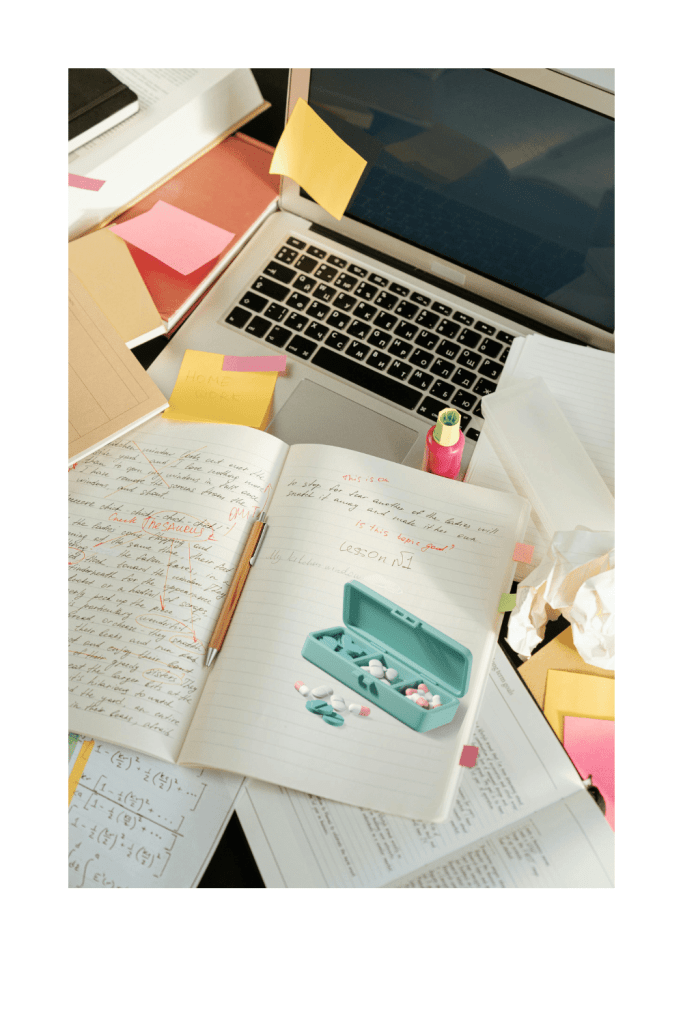
You know you’re living with multiple medical conditions when your pill organizer is bigger than your snack box… and requires its own spreadsheet for refills. You could host a bingo night called “Guess Which Pill is for What?” (Winner gets a nap.)

2. Doctor’s Appointments: The New Social Calendar

If social status were measured by how many specialists you know by their first name, you’d be downright popular. Dermatologist on Tuesday? Endocrinologist on Wednesday? Neurologist at the end of the month? You’ve got a calendar busier than a pop star’s tour schedule.

3. Symptoms: Pick ‘n’ Mix Edition

Fatigue, brain fog, joint pain, strange rashes—sometimes it’s hard to know whether a new symptom is a plot twist from an old diagnosis or just a friendly sequel from a new one. You ask your doctor, “Is this Normal™?” and they say, “Well, for you, maybe!”

4. Health Is a Team Sport Now

Turns out, it takes a village… to manage your prescriptions, go over lab results, and remind you again which foods will actually disagree with Condition #3 (but not #2).

5.You’re Not Alone in This Wild Ride

Here’s the kicker: 76.4% of US adults had at least one chronic condition in 2023—and over one in four young adults aged 18–34 now have two or more. If you sometimes feel like a medical outlier, you’re actually part of the majority (how’s that for a plot twist?).

6. Bonus Round: Confusing Your Fitbit

You tell your fitness tracker you have “bad days” and “good days.” Fitbit just quietly registers your nap as a “restorative yoga” session. (Thanks, buddy, I needed that win.)

Quick Facts to Drop at Parties for Street Cred:

Multiple chronic conditions (aka “multimorbidity”) are on the rise, especially among young adults—up from 21.8% to 27.1% in a decade. Most common tag team combos include high cholesterol, arthritis, hypertension, depression, and—everybody’s favorite—obesity.

Living with multiple medical conditions isn’t for the faint of heart…except, actually, sometimes it literally is when your next diagnosis is “mild tachycardia.” But you do it with humor, strength, and the world’s most impressive pill stash. And that, fellow warriors, is the real truth.

Author’s tip: If in doubt, just tell people you’re “collecting chronic conditions” like rare action figures. Laughter might not be the best medicine, but it’s definitely covered by emotional insurance.

Factual data for your reading pleasure: The CDC and other reputable sources confirm everything above, except maybe the part about winning a nap at diagnosis bingo. Til next time gang, take care of yourselves, and each other!

Uncategorized

How Chronic Illness Turned Me Into a Crafty Witch with a 3D Printer

When pain, boredom, and executive dysfunction unite—you get resin, rage, and a whole lot of accidental glitter.

I didn’t set out to become a craft goblin. I wasn’t summoned under a full moon or handed a glue gun by a mysterious old crone—though honestly, that would’ve been cooler. What actually happened? Chronic illness, ADHD, and mental health issues tag-teamed me into a corner, and I crawled out with glitter in my hair, UV resin on my shirt, and a 3D printer whirring in the background like some kind of mechanical emotional support animal.

🧠 Brain fog + body pain = weird creativity cocktail

Being chronically ill is basically like living in hard mode with no save points. There are days where just getting out of bed feels like climbing Everest. And when your body taps out, but your brain still insists on doing something, you get creative—weirdly creative.

One day I woke up and thought, “What if I poured sparkly goo into molds to feel better?” Then, “What if I started designing stuff to go in the goo?”
Next thing I know, I’m elbows deep in fidget toy sketches and debating the opacity of rose gold filament.

Not because I’m trying to get rich. Not because I want to be Etsy famous.
Because it helps me feel like a person again.

🧙‍♀️ Crafting is my magic—just with more swearing

There’s something weirdly powerful about turning pain into something tangible. Making trays and fidgets and little resin reminders isn’t just “cute” or “fun.” It’s my therapy when therapy isn’t enough. It’s my way of saying “I’m still here” even when my body’s out of spoons and my brain’s rerouting itself through a foggy mess of dopamine starvation.

And yes, sometimes I cry while sanding something or curse at my printer like it personally betrayed me. That’s part of the ritual.

🛠️ My cauldron just happens to be full of UV resin and PLA

There’s a stereotype that chronically ill folks just sit around watching Netflix and napping. (Okay, sometimes we do that too—rest is radical, y’all.) But a lot of us are brimming with creativity, we just needed the right outlet—and in my case, that outlet prints in layers and smells faintly of molten plastic.

Now I blend 3D printing and resin pouring into something like art, something like therapy, something like survival. I make trays that say things like “Grounded Spirit” and “Wildflower” because those are the things I need to remember. I make fidgets that spin and snap and soothe because my nervous system is a feral toddler with no nap schedule.

And when people actually buy those things? When they tell me it helped them feel a little more seen, a little more held? That’s the part that feels like real magic.


🧷 Not an ad, but here’s the cauldron shop if you want to peek

If you’re curious about what resilience looks like in resin, I’ve got a little Etsy shop full of snark, softness, and sensory-friendly goodies. I call them my “Spoonie Shenanigans,” and no two are ever quite alike—kind of like us. https://joknowscreations.etsy.com Til next time gang take care of yourselves, and each other.