
Uncategorized

🧩 11 Things I’ve Accepted I’ll Never Have Together (And That’s Okay)

There comes a point in every adult’s life where you stop chasing perfection and just start chasing peace.
Mine came somewhere between my third “lost laundry sock” breakdown and realizing that meal planning for the week doesn’t make my brain any less chaotic.

So here are 10 things I’ve fully accepted I’ll never have together — and honestly, I’m fine with it.


1. My Sleep Schedule

Some nights I’m out cold by 9. Other nights, I’m rearranging my thoughts (and furniture) at 2 a.m. Balance? Never met her. My problems are in those wee hours of the morning but my issues are waking up no later than 4, even if I dont fall asleep til 3. Its maddening.


2. Laundry

There’s clean, there’s dirty, and there’s “on that chair I swear I’ll fold tomorrow.”
Spoiler: tomorrow’s been rescheduled indefinitely.


3. My Phone Storage

I can delete exactly 400 screenshots and still have “not enough space.” I think the memes multiply when I’m not looking.


4. Matching Socks

At this point, I’m calling it fashion. If my socks are both clean, that’s a win.


5. My Inbox

Some people zero out their email every night. I zero out emotionally about my email every night.
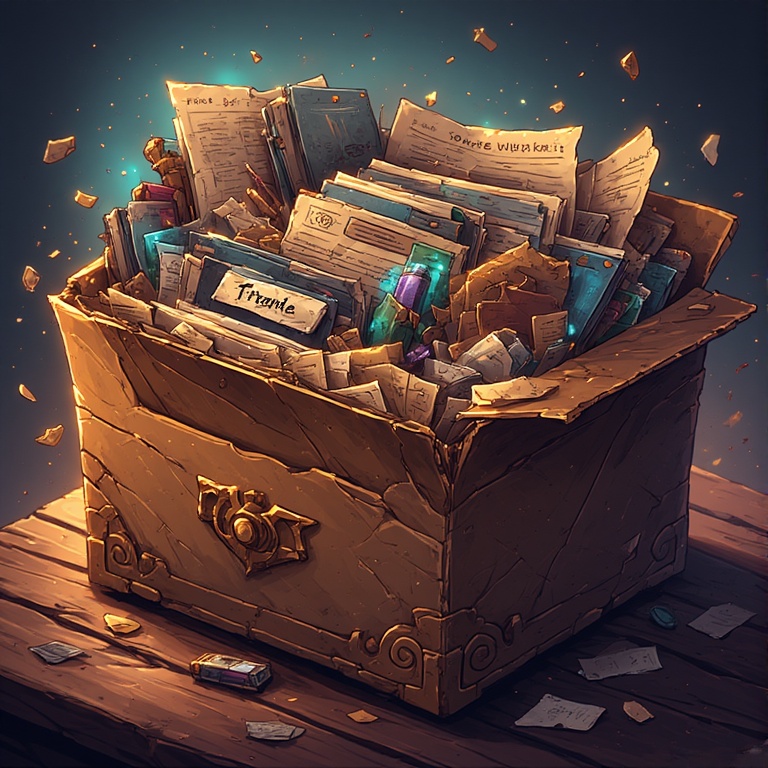

6. That One Junk Drawer

It’s basically a time capsule for expired batteries and mystery cords from 2008.


7. My Brain’s Tabs

They’re all open. None of them are loading. I’ve accepted it’s just part of my operating system.


8. My To-Do List

For every item I cross off, three new ones appear like hydra heads. Productivity is a myth perpetuated by people with working serotonin.


9. My Diet

Sometimes it’s vegetables and lean protein.
Sometimes it’s cold pizza and vibes.
It’s called balance, baby.


10. The Idea of “Having It Together”

Turns out, nobody does. Some just accessorize their chaos better.
So here’s to letting go, laughing at the mess, and knowing that imperfect is still enough.

11. My Posting Schedule
I love sharing my thoughts and connecting with my community — but some days, the mental energy just isn’t there.
And that’s okay.
Skipping a post doesn’t mean I’m lazy or unreliable; it means I’m human. listicles are just easier to do when your brain wont shut up enough to do any research or even just have the mental capacity for boring depressive stuff. I’m trying to keep it up beat and hold it all together. Sometimes “taking care of business” looks like closing the laptop, eating something carb-loaded, and giving my brain a breather.


💭 Final Thought:

You don’t have to fix everything to be doing okay.
Sometimes the healthiest thing you can do is stop fighting the tide and just float for a bit.Til next time gang, take care of yourselves, and each other.


Uncategorized

Medication Management When You Have More Than One Diagnosis

Navigating medication when you live with multiple diagnoses—like ADHD, bipolar disorder, and fibromyalgia—feels less like healthcare and more like trying to solve a Rubik’s cube in the dark. Upside down. While juggling. There’s always a new prescription, a dosage change, or a side effect surprise. Add in the fact that I’m a mom, recently had hip surgery, and sometimes just plain forget things (hello, ADHD brain), and it’s a wonder I manage at all.


1. Keeping Track Is Basically a Full-Time Job

I’ve tried everything: pill organizers, phone alarms, sticky notes, calendar reminders. Some weeks, I’m a medication goddess. Other weeks, I realize at 3 p.m. that my morning meds are still sitting on the counter untouched. According to the CDC, about 50% of people with chronic illnesses don’t take their meds exactly as prescribed—so apparently I’m in good (if frustrated) company. I employ a triple check system, because I have a problem with short term memory, so I had a few times gotten confused and taken morning pills twice. Now I have an organizer, take them at designated time, and old school write it down on the really bad days.

And ADHD doesn’t help. Sometimes I forget to refill my prescription entirely, which means pharmacy texts have become my unofficial accountability partner.


2. Doctors Don’t Always See the Whole Picture

Every specialist has their own tunnel vision. My psychiatrist cares about mood stability, my rheumatologist about pain, and my primary care about blood pressure and labs. Rarely do they connect the dots between all of them. That’s on me.

I keep an updated list of every med, dose, and timing on my phone ON TOP OF the primary care doc who is supposed to monitor my meds. It’s not foolproof, but it’s saved me more than once when someone said, “Wait, you’re taking that too?” I sometimes wish my doctors had a group chat—but since that’s not happening, I play coordinator.


3. Side Effects and Interactions: The Uninvited Guests

Adding a new med always feels like a game of roulette. Will this one help? Will it mess up something else? Once, I started a pain medication that made my bipolar symptoms spiral. (Fun surprise. 0/10, do not recommend.) Recently I was talking to a new psych doc and SHE told me that I shouldnt take a med that I guess has an affect on people with CKD and my numbers put me right at the beginning of that. And yet neither the doc that prescribed the med nor any doc I have talked to ever said anything about it and I’ve been on it well over a year.

Fact check: studies show up to 30% of adults on multiple medications experience interactions or side effects significant enough to affect daily life. No wonder I sometimes feel like I’m trading one problem for another.


4. Forgiving Myself for the Fumbles


(I am SO excited football is back on, my Sundays have purpose now so excuse my metaphors lol)

Missed doses happen. Taking the night meds in the morning happens. Once I even double-dosed my muscle relaxer and took the best nap of my life (not ideal, but at least memorable).

I used to beat myself up for every mistake. Now I remind myself: this is hard, and I’m doing the best I can. Systems help, but expecting perfection is just setting myself up for failure. Its important to be dilligent and well informed and trying your best where meds are concerned but you will make mistakes, we all make mistakes so just be gentle with yourself.


5. Advocacy and Asking for Help

I’ve learned to speak up more at appointments, to say, “This isn’t working” without guilt. Being able to leave a message in the portal helps the minor hiccups I’ve had, but be honest with yourself and your doctor, because if you can’t take a med they might be able to give you another med that works just as good. I’ve asked my pharmacist about interactions that my doctors overlooked. And yes, sometimes I ask my teen to double-check if I actually swallowed my pills. Around here, med management is a team sport.


Final Thoughts

Managing meds with multiple diagnoses isn’t simple—it’s messy, frustrating, and often overwhelming. But with humor, alarms, sticky notes, family backup, and a good dose of self-compassion, I somehow keep moving forward. If you’re in the same boat, you’re not alone. We’re all just out here trying to make the chaos work. Til next time gang, take care of yourselves, and each other.