Uncategorized

Why Spoonies Are the Best Problem-Solvers (It’s Science)

Let’s talk about something we never get enough credit for: people with chronic illness are problem-solving ninjas.
And no, that’s not just me trying to make our daily struggle sound poetic — there’s actual science behind it.

While healthy folks go about their stable little lives with their cooperative bodies and reliable energy, we’re over here MacGyvering our way through every single day.

That constant adapting? It’s not just survival — it’s skill-building. Real, measurable, brain-changing skill-building.


🧠 The Science-y Bit

Research shows that adversity can actually boost creativity — making people more original, flexible, and engaged problem-solvers.

In plain English: hard stuff makes your brain weirdly good at solving other hard stuff.

So when you live with chronic illness, you’re basically getting a crash course in creative adaptation 24/7.

We’re not just surviving. We’re literally rewiring our brains to find new ways to function every single day.


💡 Spoonie Skill Set: Why We’d Crush Any Escape Room

1. Creative Constraint Management

Limited energy? Unpredictable symptoms? Welcome to our daily innovation lab.
Chronic illness is a masterclass in working under ridiculous constraints — and somehow making it work anyway.

2. Advanced Risk Assessment

Every activity is a cost-benefit analysis:
Shower or make dinner? Push through or rest now and avoid a three-day crash later?
That’s executive-level decision-making, my friend.

3. Reframing Like a Pro

Can’t work full-time? That’s not failure — that’s efficiency.
Need to cancel plans? That’s strategic rest.
We’ve had to reframe our entire lives, and that’s actually a top-tier cognitive skill.

4. Pattern Recognition on Steroids

Tracking symptoms, testing triggers, noticing connections? We’re basically data analysts in pajamas.
We notice what works, what doesn’t, and we constantly adapt.


🔁 Creativity + Resilience = Survival Superpower

Studies show creativity and resilience feed off each other — they grow together.

Spoonies don’t just “bounce back.” We reinvent how to exist in a world that wasn’t designed for us.
That kind of mental flexibility? It makes us great at:

  • Staying calm under chaos
  • Pivoting fast when plans fall apart
  • Finding new solutions when old ones fail
  • Surviving on 2 spoons and a half-decent snack

Basically, we’ve got the kind of mental agility CEOs put on résumés.


💼 Real-Life Problem-Solving Nobody Sees

  • Healthcare project management – coordinating meds, specialists, and insurance like a pro.
  • Energy economics – allocating resources like an overworked CFO.
  • Innovation on demand – finding new ways to cook, clean, and live when your body says “nope.”
  • Relationship navigation – balancing guilt, limits, and connection with Jedi-level emotional intelligence.

We do this every single day — quietly, constantly, expertly.


💬 Why It Matters

This isn’t toxic positivity. Chronic illness still sucks.
But recognizing the skills we’ve built? That’s validation, not sugarcoating.

✨ It crushes the “lazy” stereotype — our brains are working overtime.
🧩 It explains our exhaustion — cognitive heavy-lifting is still lifting.
💪 It proves we’re developing skills that translate everywhere — creativity, adaptability, resource management, resilience.


🧃 The Bottom Line

We’re not lazy.
We’re not fragile.
We’re elite-level problem-solvers operating under extreme conditions.

Our lives are one long masterclass in creativity, strategy, and resilience — and science says that makes us exceptional thinkers.

So the next time someone implies you’re “just resting,” remember: you’re actually performing high-level cognitive gymnastics 24/7.

Now if you’ll excuse me, I’m off to solve the complex equation of whether cereal counts as dinner.
(Spoiler alert: it does. That’s called strategic resource allocation.) Til next time gang, take care of yourselves, and each other.


Uncategorized

Taylor Swift Gets Us All: Even the Spoonie Ones

From survival mode to regret, heartbreak to invisibly raging chaos, Taylor somehow finds the words for it all. These lyrics aren’t just clever turns of phrase — they’re mirrors for anyone struggling to be seen, understood, or simply to make it through another day. So the next time your body, brain, or emotions feel like they’re on fire, remember: Taylor’s got a line for that, and so do you. It’s not about whose pain is “worse” or more legitimate — it’s about being seen, validated, and reminded that even in the middle of your messiest moments, you’re still here, still trying, and still worthy of recognition.

“Balancin’ on breaking branches.” — Exile
Tell me you live with chronic illness, ADHD, or bipolar disorder without telling me. That line is the daily tightrope walk — trying to look stable while everything underneath you is creaking. You’re functioning, technically… but one more unexpected email, flare-up, or emotional storm and snap. It’s the exhausted kind of resilience that looks impressive from the outside but feels like survival from the inside.

“I’d go back in time and change it but I can’t.” — Back to December, Speak Now
Sometimes life leaves you with regrets that can’t be undone. Chronic illness, mental health episodes, or relationship missteps can haunt you, and all you can do is keep going forward while carrying those lessons with you.


“They told me all my cages were mental.” — This Is Me Trying, Folklore
Living with invisible illness or neurodivergence can make people question your experience. Taylor nails the frustration of having your struggles minimized or dismissed, even when you’re doing your absolute best to keep it together.

“Love slipped beyond your reaches.” — Champagne Problems, Folklore
For anyone navigating relationships while dealing with chronic pain, mental illness, or emotional turmoil, this lyric speaks to those moments when your best efforts simply aren’t enough — and you feel powerless watching connection slip away.

“Did you ever hear about the girl who got frozen?” — Right Where You Left Me, Folklore
That’s literally trauma in a sentence. Perfect for describing being stuck in survival mode long after the danger has passed.

“When I was drownin’, that’s when I could finally breathe.” — Clean, 1989
Leave it to Taylor to turn a mental breakdown into poetry. That line perfectly sums up what it feels like when you finally stop pretending you’re fine — when the exhaustion, pain, or chaos finally knocks you flat, and somehow, that’s when you start healing. It’s not weakness; it’s the breath you take after holding it for way too long.


“You made a rebel of a careless man’s careful daughter.” — Mine
Generational trauma wrapped in a love song. It’s breaking the patterns you were born into, learning love without fear, and realizing being “the careful daughter” was never the same as being safe.

“Why’d I have to break what I love so much.” — Afterglow
For anyone who’s accidentally hurt someone they care about — a child, partner, or even themselves. Chronic illness, emotional overwhelm, or mental health challenges can make us stumble in ways we never intended, and this lyric captures that ache of regret perfectly.

“The room is on fire, invisible smoke.” — The Archer
This is what living with chronic illness, PTSD, or anxiety can feel like. Everything in you is alight — panic, pain, exhaustion — but the world sees nothing. Your body aches, your brain races, your emotions combust… and everyone else is just like, “You seem fine.” It’s invisible chaos, and that’s the cruelest part: no one can help fight a fire they can’t see.

“I guess sometimes we all get some kind of haunted.” — Midnight Rain
The emotional equivalent of a PTSD flashback, chronic pain flare-up, or neurodivergent meltdown. It’s the moment when your past — trauma, illness, or just life — creeps up on you uninvited. It’s not about reliving the past; it’s about acknowledging that it still lingers.

“I miss who I used to be.” — Would’ve, Could’ve, Should’ve
When life steals pieces of you. Chronic illness, mental health struggles, or trauma can leave you staring at the mirror wondering if you’ll ever recognize yourself again. Taylor nails the quiet heartbreak of missing the “you” that existed before pain, betrayal, or illness started rewriting your story.

“How much sad did you think I had in me?” — So Long, London
Nails the emotional extremes of bipolar or just being completely maxed out emotionally. That mix of exhaustion, overwhelm, and “I’m still standing, barely” is instantly relatable to anyone with intense mood swings or chronic emotional strain.

“I can go anywhere I want — just not home.” — Exile
The heartbreak of estrangement in one line. You build a life, you heal, but that door you once knew as “home” doesn’t open anymore. It’s grief with no funeral, just echoes.


    From survival mode to heartbreak, estrangement to invisible chaos, Taylor somehow finds the words for it all. Each lyric shows us we’re not alone in our experiences, that even invisible struggles — chronic illness, mental health battles, neurodivergence, estrangement — are valid and worthy of recognition. So the next time your body, brain, or emotions feel like they’re on fire, remember: Taylor’s got a line for that, and so do you. It’s not a contest about whose pain is “worse.” It’s about being seen, being validated, and acknowledging that even in the middle of your messiest moments, you’re still here, still trying, and still worthy of recognition.

    Til next time, gang: take care of yourselves, and of each other.

    Uncategorized

    Hyperfixation Cuisine: A Love Story

    When food is your ride-or-die for two weeks… until it ghosts you.

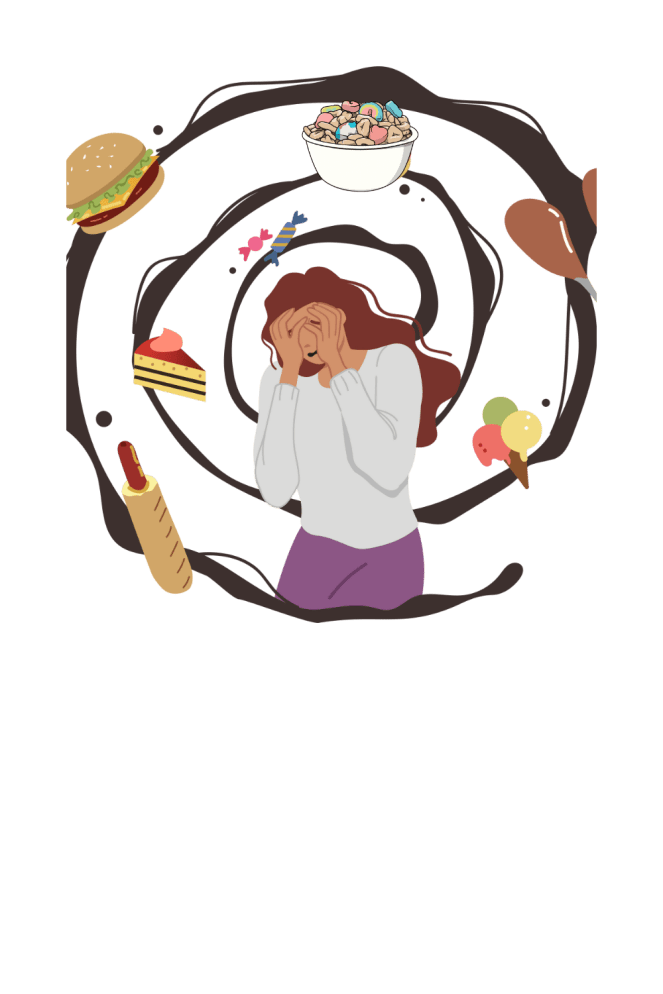
    I don’t fall in love often—but when I do, it’s usually with a snack. A drink. A cereal. A very specific sandwich from one very specific place that I will eat exclusively for 14 days straight like it holds the secrets of the universe and contains all the nutrients my body will ever need. During these passionate food affairs, I become a creature of pure obsession—calculating how many times per day I can reasonably consume my chosen item without judgment, researching the optimal preparation methods, and feeling genuinely excited about meal times in a way that probably isn’t normal for a grown adult. I’ll stock up like I’m preparing for the apocalypse, filling my cart with multiples of the same item while cashiers give me curious looks that I interpret as admiration for my decisive shopping skills. And then? I ghost. Cold turkey. No warning, no closure, no gradual tapering off—just me and my shame in aisle 5, pretending I never knew that Creamsicle shake, avoiding eye contact with the 47 cans of soup I can no longer stomach, and wondering why my brain treats food like a series of intense but doomed romantic relationships.

    What Is Hyperfixation Cuisine?

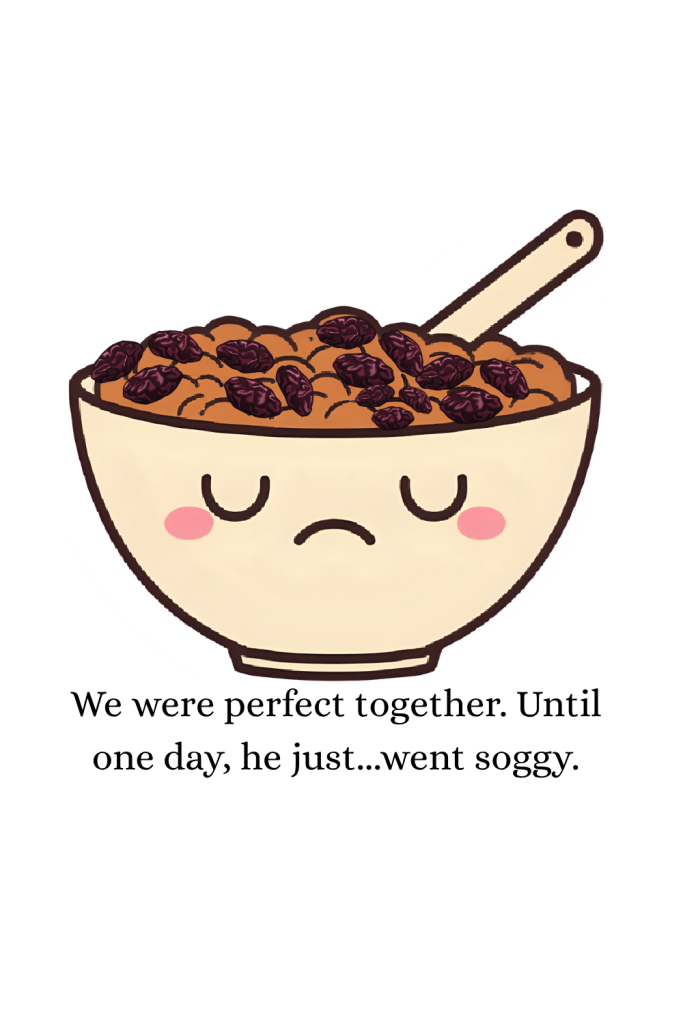
    It’s the culinary equivalent of a summer fling. You’re obsessed. You plan your day around it. You talk about it to anyone who will listen (and a few who won’t). You buy in bulk. And then one morning, like a cursed love spell wearing off, it’s done. You’re left with a pantry full of raisin bran and the haunting echoes of a snack you no longer want to eat.

    Neurodivergent folks—those of us with ADHD, autism, or both—know this dance well. It’s not a food phase; it’s a full-blown romantic arc.

    And science backs us up!

    Let’s sneak in some facts while we laugh about it:

    Nutritionists would say variety is key. But also? Survival. Joy. Convenience. These are not small things. And if eating the same 3 things on rotation keeps your body going through a rough patch? That’s not failure—that’s strategy.

    Plus, it always changes eventually. Usually when you least expect it. Often mid-bite.

    Honestly? Laugh. Embrace it. Maybe write a heartfelt goodbye letter to your former food flame. (“Dear Bagel Bites, we had some good times. I’m sorry I abandoned you half-eaten in the freezer door.”)

    You don’t have to force variety or shame yourself for what your brain finds comforting. Just make sure you stay fed, hydrated, and somewhat functional. And if one day you find yourself suddenly obsessed with cucumbers in vinegar, just know: you’re not alone.


    What was your last food fling? Let me know so I don’t feel like the only one who once ate eleven bowls of raisin bran in one week.

    And to all the forgotten snacks still lurking in my pantry…
    I loved you once. I swear I did, lol. Til next time gang, take care of yourselves

    Uncategorized

    Reframing for Real Life: How to Shift Your Thoughts Without Gaslighting Yourself

    AKA Why My Brain is Not the Boss of Me

    Let’s be honest: brains can be drama queens. They catastrophize. They tell half-truths. They rerun that one embarrassing moment from seventh grade like it’s a Netflix Original. And when you live with chronic illness, ADHD, bipolar disorder, or you’re just a human being trying to function, those mental reruns can get extra spicy.

    Enter: reframing. It’s a simple but powerful cognitive strategy that helps you shift how you view a situation or thought—without pretending everything is fine when it’s clearly not. This isn’t about toxic positivity. This is about mental judo.


    What Is Reframing (And Why Should I Care?)

    Reframing is the mental equivalent of turning the pillow over to the cool side. It’s rooted in Cognitive Behavioral Therapy (CBT) and helps you challenge automatic negative thoughts by looking at things from a different (and often more helpful) perspective.

    It’s not about lying to yourself. It’s about finding a version of the truth that doesn’t punch you in the gut.


    How Reframing Works (Spoiler: Science Says It Does)

    Research shows that reframing, also called “cognitive reappraisal,” can significantly reduce symptoms of anxiety, depression, and stress. Two studies worth name-dropping at your next emotionally intelligent brunch:

    1. Gross & John (2003) found that people who use reappraisal are more emotionally balanced and less likely to explode or implode emotionally.
    2. Jamieson et al. (2012) showed that people who reframed their stress (as the body preparing to rise to a challenge) performed better and felt less overwhelmed.
      • Citation: Jamieson, J. P., Nock, M. K., & Mendes, W. B. (2012). Mind over matter. Journal of Experimental Psychology: General, 141(3), 417–422.
        https://doi.org/10.1037/a0025719

    How to Reframe Without Losing Your Edge

    1. Catch the Thought
      Example: “I’m lazy. I didn’t get anything done today.”
    2. Reality Check
      Ask: Is this a feeling or a fact? Would I say this to a friend?
    3. Flip It Gently
      Reframe: “My energy was low, and I did what I could. Resting isn’t lazy.”
    4. Add Sass or Compassion (Optional but Recommended)
      Try: “Okay, Brain. Thanks for your input. Now please go sit in the back with Anxiety and Guilt.”

    Everyday Reframes That Save My Sanity

    Unhelpful ThoughtReframed Thought
    “I’m falling behind.”“I’m moving at my own pace, and that’s valid.”
    “I should be doing more.”“I’m doing what I can, and that counts.”
    “Everyone else has it together.”“They’re probably also crying in their car.”
    “I’ll never get it right.”“Progress isn’t linear, and effort matters.”

    Closing Thoughts (AKA Why You Deserve a Brain That Isn’t Mean)

    You don’t need to have perfect mental health to practice reframing. You just need to notice when your thoughts are dragging you under and say, “Actually, no thanks.”

    Reframing isn’t pretending life is great. It’s realizing you don’t have to believe every thought your brain throws at you. Especially the mean ones. Especially the hopeless ones.

    You are allowed to talk back.

    And you deserve to hear yourself say something kinder. Til next time guys. Take care of yourselves, and each other

    Uncategorized

    Grounded Spirit, Chaotic Body: Spoonie Grounding Tricks That Actually Work

    So your brain is playing musical chairs, your body feels like a poorly-updated weather app, and you’re trying not to scream into the void. Welcome to Tuesday.

    Let’s talk grounding. No, not like punishment (though if my body had a curfew, it’d definitely be in trouble. Or WAIT, better yet what if I could ground myself? I have had a bit of an attitude lately lol). I mean the kind of grounding that keeps your head tethered to Earth when the world starts to spin—literally or metaphorically.

    These tricks aren’t cures. They’re sanity-saving, meltdown-preventing hacks from a fibro-fueled, ADHD-spicy, anxiety-sparked brain that’s been there. A lot.

    1. 5-4-3-2-1 Technique
    Engage all your senses:

    • 5 things you can see
    • 4 things you can touch
    • 3 things you can hear
    • 2 things you can smell
    • 1 thing you can taste (coffee counts. So does chocolate.)

    *This works great when your brain is running full-speed in five directions and not one of them is “calm.”

    2. Cold Water, Meet Overheated Brain
    Grab a frozen veggie bag, cold can of soda, or run cold water over your wrists.

    It’s a little jolt to your system that says: Hey, still alive. Chill out (literally).

    3. Root Down (With or Without a Tree)
    Press your feet into the ground. Feel the floor. Imagine roots growing into the Earth.
    Bonus if you’re outside and can touch actual grass—unless you’re allergic. Then, uh… maybe stick to carpet.

    4. Texture Check
    Have a fidget, squish, or tactile object you like the feel of? Use it.

    I include a small sensory item with every tray I sell because I know how hard it is to find something that doesn’t scream “kid toy” but still gets the job done.

    5. Pick a Word, Repeat It Like a Mantra
    Mine is “magic” today. Because even in the chaos, there’s some weird alchemy that happens when you survive anyway. Choose yours.

    Speaking of grounding (see what I did there?), I made a tray that says “Grounded Spirit” because some days I need that reminder sitting right next to me—especially when my brain wants to float away and my pain wants to knock me down.

    But this post isn’t about the tray.

    It’s about remembering that you deserve tools that help you stay rooted when everything feels like it’s spinning.

    Try one, try them all. Add your own. Tape them to your fridge. And if you fall apart a little later? That doesn’t mean you failed. It means you’re trying.

    And that’s more than enough today. Do you have any tips others could benefit from? I’m always looking for new ways to ground myself, email me at wannabenormal@gmail.com or contact me through the contact form. Til next time gang, take care of yourselves, and each other.

    PS.
    Because Apparently I’m Not the First Genius to Try Grounding

    Look, I’d love to say I invented these grounding techniques while dramatically staring into the void, but some actual professionals with degrees and peer-reviewed studies beat me to it. If you want to nerd out—or just need proof to show your skeptical co-worker—here’s where the science lives:

    SAMHSA (Substance Abuse and Mental Health Services Administration)
    Trauma-informed care guidelines include grounding as a legit tool for managing anxiety and dissociation.
    👉 samhsa.gov

    Anxiety Canada: 5-4-3-2-1 Grounding
    This popular CBT/DBT trick is clinically recognized for calming panic and reorienting during sensory overload.
    👉 anxietycanada.com/articles/grounding-techniques

    National Library of Medicine
    Peer-reviewed proof that sensory-based grounding techniques actually help regulate stress and pain.
    👉 ncbi.nlm.nih.gov

    Uncategorized

    10 Mental Health Truths I Wish I Could Return for Store Credit

    Look, I’ve learned a lot on this magical, chaotic, sometimes-on-fire journey called mental health. Some of it has been helpful. Some of it has been… character-building. And some of it? Honestly? I’d like to return. No receipt. No questions asked.

    So here they are: the Extremely Official, Totally Relatable truths I’ve collected while navigating ADHD, bipolar disorder, fibromyalgia, and the delightful rollercoaster of chronic illness and healing. May they make you laugh, cry-laugh, or at least feel seen.


    1. Hyperfocus Is Basically Time Travel, but for Grown-Ups with Deadlines

    You sit down to answer one email and suddenly it’s 3:47 AM, you’ve organized your entire digital photo archive by vibe, and your actual to-do list is untouched.
    Ask me how I ended up rearranging pintrest pins instead of posting this post I’d already written lol.


    2. Fibro Fog Is Just Nature’s Way of Saying ‘You Didn’t Need That Thought Anyway’

    What was I saying?
    Seriously though — memory glitches, word loss, and that feeling of trying to think through molasses? Welcome to chronic illness.
    The word loss alone is going to end up hospitalizing me lol I swear nothing aggravates me as much as forgetting a work I can SEE in my head!


    3. Manic Cleaning Sprees Are Not the Same as Stability

    Sure, the baseboards are spotless, but also I haven’t eaten in 14 hours and I’m crying because I accidentally broke a plastic fork. Balanced, right?


    4. My Thermostat Is Broken and So Am I

    One minute I’m freezing, the next I’m sweating like I ran a marathon in a snowsuit. Is it ADHD? Bipolar? Perimenopause? Chronic illness roulette? Who knows.
    All I know is that my house is 70 degrees and I am 100% not okay.


    5. “Self-Care” Can Feel Like a Full-Time Job I’m Bad At

    Some days self-care is a bubble bath and deep breathing.
    Other days it’s canceling everything, laying facedown, and rage-scrolling memes until I feel slightly less like a soggy tissue.


    6. Rest Guilt Is Real

    If I lie down, I feel guilty.
    If I don’t lie down, my body throws a full tantrum.
    Either way, I lose — and my couch wins.


    7. “You Seem Fine” Is the Greatest Lie Ever Told

    I’ve smiled through panic attacks. I’ve small-talked while dissociating. I’ve joked my way through days that felt like molasses dipped in dread.
    Trust me — looking fine is a survival tactic, not a wellness update.


    8. Executive Dysfunction Is Not Laziness. I’d LOVE to Do the Thing. I Just… Can’t.

    Making a phone call, doing the dishes, starting a task — sometimes it feels like standing at the bottom of a mountain with no ropes, no snacks, and brain fog rolling in fast.


    9. Chronic Illness and Mental Health Issues Rarely RSVP — They Just Show Up and Rearrange the Furniture

    Plans? Canceled. Energy? Randomized.
    And trying to explain why today’s “bad” looks totally different than yesterday’s? Exhausting.


    10. Humor Isn’t a Coping Mechanism. It’s a Survival Skill.

    If you can’t laugh at this mess, you’ll drown in it.
    So yes, I make sarcastic jokes, weird art, and trays that say things like “mentally chill” or “still here, still weird.”
    Because some days, that little spark of laughter is what gets me through — and maybe it’ll help someone else, too.


    🎁 P.S. Wanna Carry This Energy Home?

    If you made it this far, you’re clearly my people. I make handmade trays, keychains, and small gifts designed for overwhelmed brains, messy moods, and healing hearts.
    https://www.etsy.com/shop/JoknowsCreations
    Come browse the chaos collection — snark included at no extra cost. Til next time gang, take care of yourselves, and each other.

    Uncategorized

    🧠 When You’re Too Overwhelmed to Function (Yes, It’s a Thing)

    There are days — and let’s be honest, whole eras — where the simplest task feels like trying to run a marathon in molasses. You walk into a room and forget why. You stare at a sink full of dishes like it’s trying to fight you. Your to-do list is screaming, your brain is buffering, and somehow the only thing you do manage to do is… nothing.

    You’re not lazy. You’re not broken. You’re overwhelmed — and your brain has hit the freeze setting.

    This isn’t just relatable, it’s biological.


    🧬 Why Your Brain Freezes When You’re Overwhelmed

    When your brain perceives stress — whether that’s from sensory overload, emotional exhaustion, chronic illness, or straight-up having too many tabs open in your life — it doesn’t care if it’s “just” a sink full of dishes. It reacts like there’s danger.

    And that reaction? It comes from your amygdala, the little almond-shaped area in your brain responsible for detecting threats. When it thinks something’s Too Much™, it sends a signal that hijacks your logical brain (the prefrontal cortex) and triggers a fight, flight, or freeze response.

    According to a 2016 article in the Harvard Business Review, when we experience cognitive overload, we lose access to “working memory,” which is the part of our brain that helps us juggle tasks. And a study in the Journal of Neuroscience showed that chronic stress impairs decision-making and reduces the brain’s ability to adapt — making it even harder to snap out of the fog once you’re in it.

    Basically: the more overwhelmed you are, the harder it is to stop being overwhelmed. Coolcoolcool.


    🔓 Getting Unstuck: How to Unfreeze When You’re Overwhelmed

    First, let’s make one thing clear: you don’t need a complete life overhaul to start moving again. We’re not doing a Marie Kondo purge, a 10-step plan, or a productivity bootcamp. We’re just finding tiny ways to signal to your brain, “Hey, we’re safe. We can take a step now.” I think I’ve talked about these before but they bear repeating.

    Here are some strategies that actually help:

    1. Name It to Tame It

    Saying out loud, “I feel frozen right now,” isn’t weakness — it’s neuroscience. Recognizing your emotional state lights up the prefrontal cortex and starts to re-engage that logical part of your brain.
    Bonus tip: Try writing it down, even if it’s just “overwhelmed AF” on a sticky note.

    2. Do One Teeny, Tiny Thing

    Literally one thing. Not “do the dishes.” Just “stand next to the sink.” Or “put one plate in the dishwasher.”
    That’s it. Dopamine doesn’t care how small — it still gives you a little hit for doing something. And that can be just enough to take another step.

    3. Try a “Body Double” Moment

    This is magic for ADHD brains but helpful for anyone: having someone around (even virtually!) can snap your brain out of a freeze. It’s not about accountability — it’s about regulation.
    Text a friend, turn on a co-working YouTube, or call your sister and do five minutes of Something While Complaining.

    4. Change the Channel (Sensory Reset)

    Sometimes your brain needs a hard reboot. That can be as simple as:

    • Splashing cold water on your face
    • Stepping outside and feeling the air
    • Listening to music with no lyrics (lofi is a fave here)
    • Switching to a different space (yes, flopping on a new surface counts)

    5. The “Timer Trick”

    Set a timer for 5–10 minutes and say, “I’ll just do this one thing until the timer goes off.”
    You can stop when it dings — really! — but often, starting is the hardest part. The timer gives your brain a finish line.


    🌱 One Last Thing: You’re Allowed to Rest

    Freezing isn’t failure. It’s your brain doing its best to protect you — and that means you don’t need to bully it into productivity. Sometimes the most radical act is letting yourself rest without shame.

    You are not lazy. You are not broken. You’re surviving in a system that wasn’t designed for brains like yours — but you’re still here. That’s power. Til next time gang, take care of yourselves, and each other!

    Uncategorized

    🧵 The Art of Distracting Myself: Crafting Through Chronic Pain

    Living with chronic conditions like fibromyalgia, ADHD, and bipolar disorder means navigating a daily landscape filled with unpredictability and discomfort. Some days, it’s the bone-deep ache that slows me down; other days, it’s the whirlwind of mental fog, impulsivity, or emotional crashes that make the hours feel heavier than they should.

    Over time, I’ve discovered something powerful: crafting isn’t just something I enjoy—it’s something I need. Whether I’m swirling pigment into resin or layering textures in a tray mold, I’m not just passing time. I’m reclaiming it.


    🎨 Crafting as a Therapeutic Distraction

    When my pain flares or my brain decides it wants to spiral, I’ve learned to grab a tool—sometimes a glue gun, sometimes my 3D printer software—and create instead of collapse. Focusing on a tactile task redirects my mind and offers relief, even if temporary. And sometimes that temporary is exactly enough to get me through the day.

    Today I mowed. Should I have? Likely not, I was weed eatering (I have no idea what to call it, using the weed eater sounds weird, like use it for what lol, I was using in for its intended purpose LOL) I was around the base of our biggest ‘problem’ tree, I tripped over a root and went tumbling (I was on an incline) but don’t worry, I didnt hurt my hip I landed face first LOL. I got up but knew I was on limited time before the pain made me get down and stay down for the day, so I immediately went in an showered so I could go make art which I did all afternoon. It really didnt feel like I had any pain then after I did some designs I stood up to get something and THERE IT IS! My pain let itself be known. In fact it started screaming at me, my entire body aches.

    This isn’t just anecdotal. A study from the University of Colorado found that mental distractions actually inhibit pain at the earliest stages of processing. Basically, when you’re busy crafting or designing something fun or beautiful, your brain says “brb” to the pain (source).


    🧠 The Neuroscience of Distracting Pain

    Pain is weird. It’s not just in your body—it’s in your brain too. And your brain can be tricked (in the nicest way). Activities that take up cognitive load (like learning a new resin technique or tweaking text in Tinkercad) can literally reduce your brain’s ability to process pain.

    There’s even evidence that creative distraction helps people who tend to catastrophize pain—that is, folks whose brains go “this is the worst pain ever and I will never survive this” before breakfast. (Relatable? Same.) (source)


    🧺 Turning Pain Into Purpose

    I don’t just make things to distract myself—I make things with meaning. Every “Bad Day Basket,” every resin trinket tray, every cheeky 3D-printed phrase like “feel your feelings” or “meds, magic & mindset”—they all come from lived experience.

    Helping people has always been a passion of mine, I’ve made up baskets and boxes from coupon shopping, theres nothing like the feeling of doing something of consequence for someone else. Theres an episode of Friends where Phoebe wants to do something selfless, and ever time she does, Joey finds a way it benefited her, concluding that since when you do good for others, you feel happy and proud that you were able to do that, therefore nothing is entirely selfish. Like if you’ve ever vacuumed a new rug, you know the lined pattern you get after for a job well done? Its like that only times a whole bunch more.

    These aren’t just products. They’re part of a bigger story—mine, and maybe yours too.


    🌟 Creativity as Self-Care (Not Performance)

    It’s not about perfection. This isn’t art school. This is about peace. About having something in your hands that makes you feel in control again. About setting your mind gently in another direction for a little while.

    Let yourself play.
    Let yourself suck at it.
    Let yourself create something beautiful—or beautifully messy.


    💬 Final Thoughts

    Chronic illness will take what it can. Crafting is how I take a little bit back. It’s okay if it’s imperfect. It’s okay if it’s just for you. The act of creating is the win.

    If you’re on your own journey through pain or mental health struggles, I hope you’ll try creating something too. And if you don’t know where to start… well, I’ve got some trays and kits with your name on them. Til next time gang, take care of yourselves, and each other!

    Uncategorized

    Understanding the Aftermath of Hypomania (aka: When the Glitter Settles)

    There’s something almost intoxicating about hypomania. Your brain buzzes, ideas come faster than you can write them down, and suddenly everything feels possible. You’re cleaning the garage, starting a new project, texting friends back after weeks of silence, and maybe even feeling like you’ve finally “figured it out.”

    But here’s the part people don’t talk about enough: what happens after.

    When the sparkle fades and your energy crashes back to earth, you’re left sorting through the emotional and physical wreckage. It’s not just exhaustion—it’s this weird cocktail of regret, confusion, and grief. You might feel raw, embarrassed, or even guilty for things you said or started and couldn’t finish. That aftermath can be brutal.

    Hypomania is part of bipolar II disorder—it’s marked by elevated mood, a surge in productivity, and bursts of creativity or restlessness. But while it can feel euphoric at the time, the come-down can leave you reeling, questioning your choices, and trying to clean up the mess your over-caffeinated brain tornadoed through.

    The Cycle of Risk and Regret (a.k.a. Oops, I Did It Again — But Not in a Fun Britney Way)

    Here’s the thing no one glamorizes about hypomania: the aftermath of impulsive choices that seemed like brilliant ideas at the time. One minute you’re ordering $200 worth of “self-improvement” stuff at 2 a.m., signing up for a new certification course, and texting your ex like you’re starring in your own comeback tour — and the next, you’re wondering what the hell just happened.

    And science backs it up. According to research published on PubMed, people in hypomanic states often engage in high-risk behaviors — overspending, substance use, reckless decisions — the kind of things that feel like you’re chasing possibility, but too often watching it all boomerang back with the grace of a collapsing Jenga tower.

    What follows? That slow, sinking feeling. Guilt. Shame. Maybe even avoidance. You look at the credit card bill, or a strained relationship, and suddenly the vibrant energy of hypomania gets replaced with the emotional hangover no one warned you about.

    You’re not the only one who’s been caught in this loop. You’re not a bad person. You’re a person with a disorder that messes with impulse and inhibition. It doesn’t excuse the consequences, but it does explain the pattern — and understanding the pattern is how we start breaking it. I was so stuck here myself but perhaps worse is the gaslighting I do over EVERY. SINGLE. DECISION. afterwards because I sincerely have lost all faith in my own judgment. Like every little thing, ‘is it a good idea or are you just manic’ plays in my head on a loop.

    The Crash Landing No One Talks About

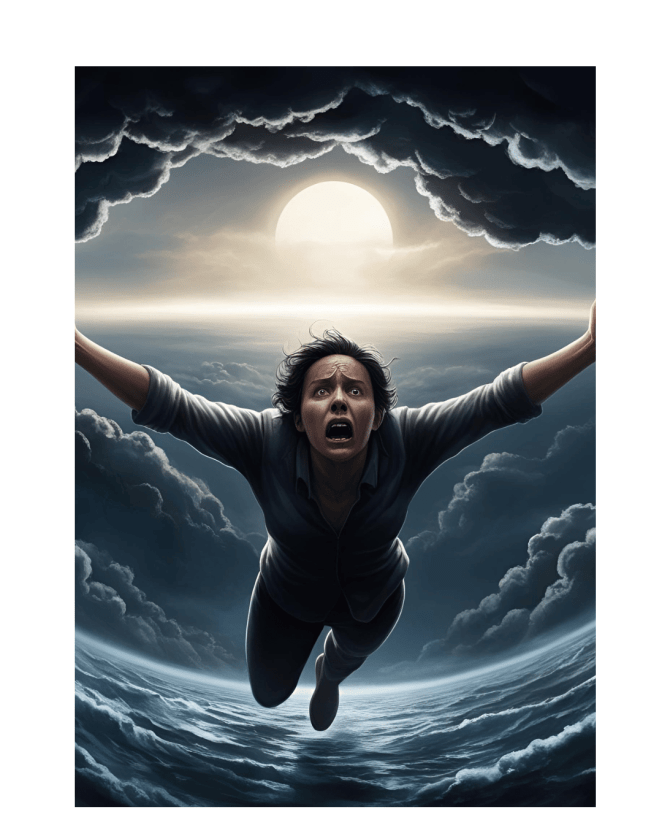
    If hypomania feels like flying a little too close to the sun, then the crash that follows is more than just a rough landing — it’s a total freefall. One minute, you’re bursting with ideas and energy, barely sleeping, maybe even reorganizing the garage at 2 a.m. like you’re possessed by the spirit of Marie Kondo on espresso. And then… it’s like the lights shut off. The energy vanishes. You’re not just tired — you’re hollowed out. The sadness is deep, the fatigue bone-heavy, and everything starts to feel like too much and not enough, all at once.

    It’s not just a “mood swing.” It’s a full-body, full-mind shutdown that makes even brushing your teeth feel like a high-stakes negotiation. And the cruelest part? The contrast. You remember how you felt just days ago, and now you can’t fathom getting off the couch. That whiplash is its own kind of heartbreak. Like it physically makes me ache sometimes.

    When Life Throws a Brick Through the Window

    Here’s the thing: if you’re already dancing on the edge of a depressive episode, real-life chaos doesn’t just nudge you — it can send you tumbling. Research backs this up: negative life events (you know, the kinds that seem to show up all at once like uninvited guests) have been shown to intensify depressive symptoms in folks with bipolar disorder [PMC, Cleveland Clinic]. And if you’re someone already wired with a predisposition

    to depression? That impact hits even harder. It’s why managing stress isn’t just a suggestion — it’s survival. I will legit cry over such trivial stuff, then hate myself cuz I KNOW its dumb to cry about it so I cry more cuz I’m mad at myself for not being able to look at a situation thats got nothing to do with me or so so trivial Learning how to soften life’s blows, build resilience, and stack the odds in your favor might not make the hard stuff disappear, but it can definitely make it hurt less when it lands.

    Moving Forward: Strategies for Coping (AKA, Surviving the Crash Without Losing Your Damn Mind)

    Look, managing life after hypomania is like waking up in a house you swore you just deep cleaned, only to find emotional dishes stacked in every room. But there are ways to climb out of the mess — even if you’re doing it one spoon at a time.

    🔹 Self-Compassion
    This is not a personal failure, a moral shortcoming, or some character flaw you need to apologize for. It’s a medical condition — full stop. Remind yourself (repeatedly, if needed) that what you’re feeling isn’t your fault. You’re not broken, you’re human. In a world that crops all the edges to paint a rosier picture be the straight angle in black and white.

    🔹 Structured Support
    When your brain feels like a Pinterest board of chaos, routines can become lifelines. Simple, repeatable actions — morning check-ins, meal planning, a therapy appointment every other Tuesday — can help stabilize the rollercoaster. And yes, professional help is allowed and encouraged (therapy = tools, not weakness). Every morning my routine has been the same for years, Duolingo while I listen to stand up comedy with the news in the background, if any of those is missing my day starts out lacking which leads to a bad day

    🔹 Community Connection
    Even if you’re more “socially exhausted introvert” than “group hug enthusiast,” connecting with people who get it can make a huge difference. Whether it’s an online forum, a group chat, or that one friend who won’t judge your 2 a.m. existential texts — don’t go it alone. Thats what I’m trying to do here, build a community, hopefully to work right on up to a forum we can all support each other. Thats my goal anyway the minute I can sell enough in my store to pay to host the forum it will be done!


    Understanding the highs and lows — especially the rough emotional terrain that can follow hypomania — isn’t just helpful, it’s empowering. When you mix solid science with self-awareness and some well-worn coping tools, you start to feel just a little more in control. Not perfect, not invincible — but stronger. And that counts. Til next time gang, take care of yourselves, and each other.

    P.S. If this hit a little close to home and you’re looking for something to help you process the messy in-between parts — I made a workbook just for this. It’s not magic, but it’s honest, helpful, and created by someone who’s been there. Check it out

    Uncategorized

    🥫 Building a Pantry When I Can’t Build Much Else


    (aka, How Stockpiling Became My Quiet Way of Fighting Back)

    Some days, my body feels like a traitor.
    I can’t bend over very far, I can’t pick up anything off the floor or up high without my grabber thingy. I can’t haul laundry up the stairs. I can’t even promise I’ll be the same “me” tomorrow that I am today.

    I’m caught up on reading anyway

    Living with chronic illness — especially things like fibromyalgia and ADHD — means my energy, my ability, my very reliability can vanish without warning.
    (And nothing says “party” like waking up with zero spoons and an entire day’s worth of responsibilities, right?)

    When your body plays dirty, it’s easy to start turning that anger inward.
    It’s easy to start hating yourself for being “unreliable,” for needing help, for “failing” even when you’re trying so damn hard.
    And that self-loathing?
    It can spiral faster than you’d believe.

    But here’s something I want to say — to myself and to you:
    You are not unreliable.
    You are surviving a body that hands you chaos every morning and expects you to make peace with it by lunchtime.


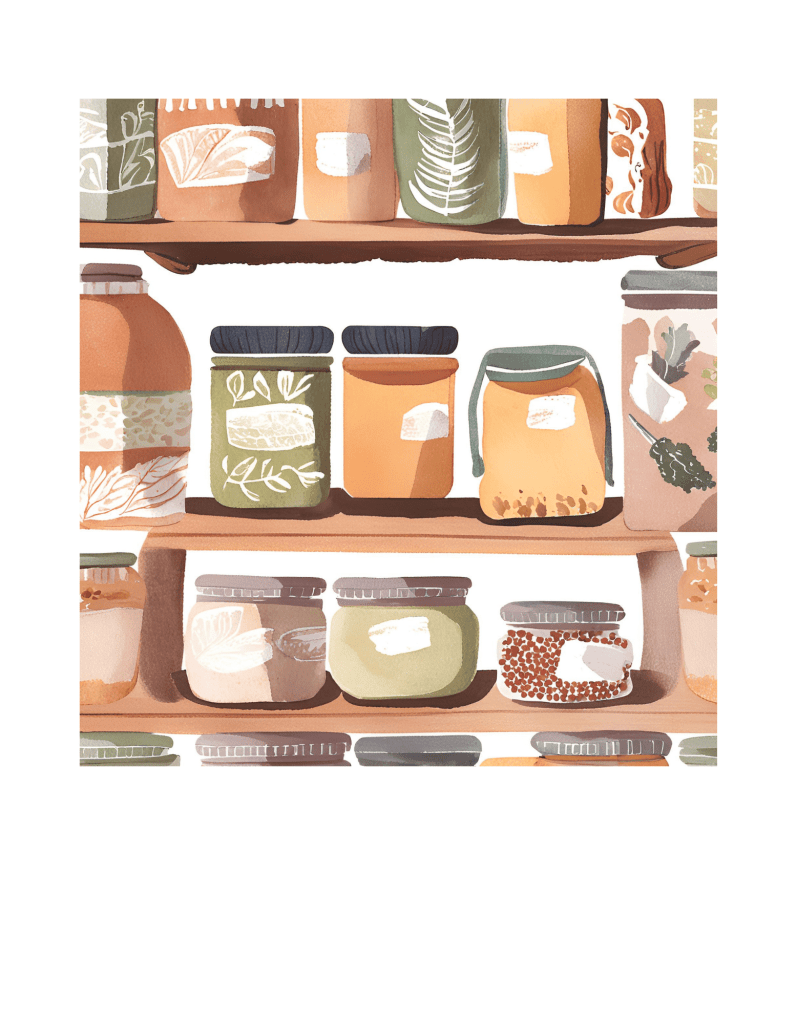
    🛒 Pantry Planning: My Quiet Rebellion

    I can’t control how many spoons I’ll have tomorrow.
    I can’t always cook a gourmet meal or deep-clean the house or check every box on my to-do list.

    But you know what I can do?
    I can plan.
    I can stockpile.
    I can quietly, stubbornly, prepare for the days I know will be hard — because they will come.

    Even if I can’t cook today, I can make sure next week’s meals are lined up.
    Even if I can’t carry groceries, I can still hunt down deals and plan freezer meals.
    Even if I can’t do it all, I can still do something.

    And that matters. I can be ready and save my family money on groceries if I shop coupons and deals. I love the hunt of finding the good deals (coke 12 packs under 3 dollars? Sign me up!)
    That counts.
    You count.


    🧠 The Science of “Just Being Ready”

    Here’s a wild little truth bomb for you:
    Studies show that having even a small emergency plan (whether that’s for food, money, or time) significantly reduces anxiety, depression, and feelings of helplessness.

    A 2017 study published in Disaster Medicine and Public Health Preparedness found that people who felt “prepared” — even just having a few extra essentials on hand — reported higher self-efficacy and lower distress during crises.

    Translation?
    Planning ahead can actually make you feel more in control, more capable, and less crushed by uncertainty.

    As someone who is often referred to as a little bundle of anxiety I can tell you, when shit gets real, and lets face it, if nothing else in life, you’re promised those ‘shit gets real’ moments, (my most recent I think was the school calling me telling me they lost my kid, AGAIN, and asked if I knew where she was! I was thankful my anxiety always makes me have like 20 back up plans lol) prepared people can stand up in times of crisis and fall apart much later after its all taken care of.

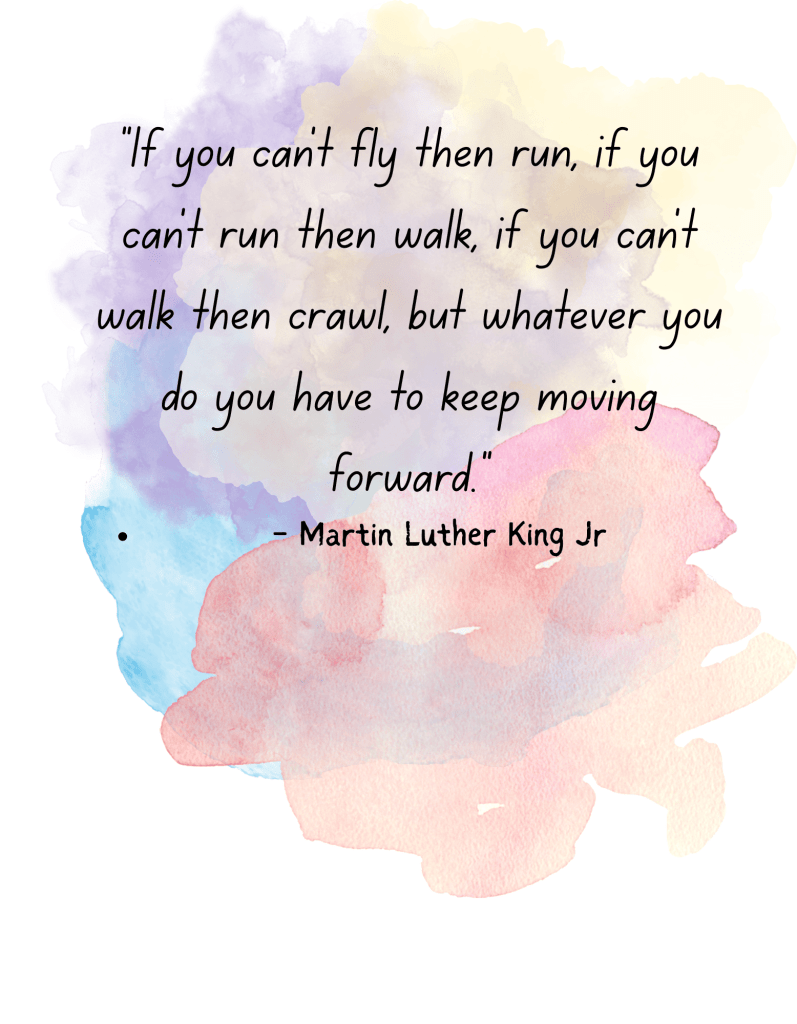
    Another study in The Journal of Anxiety Disorders found that taking small action steps (like stockpiling shelf-stable foods or creating a “bad day backup” list) built measurable resilience — even in people dealing with ongoing chronic illnesses. Sound familiar? It boils down to an expression I have heard and will try not to butcher from Dr Martin Luther King Jr. “If you can’t fly then run, if you can’t run then walk, if you can’t walk then crawl, but whatever you do you have to keep moving forward.”

    Even micro-actions matter.
    Even thinking ahead counts.


    🛠️ Solutions for the Hard Days (A Tiny Toolkit)

    Because let’s be real: Some days are still going to suck.
    But we can stack the deck a little bit in our favor.

    Here are a few things that help when it feels like you’re drowning:

    • “Shelf Stock” Meals: Build a few meals that live completely in your pantry — no fresh ingredients needed. (Cooked chicken + pasta + jar sauce = emergency lasagna.)
    • Backup Spoon Days: Have 3-5 emergency meals that you could make half-asleep with one hand. (Instant rice + microwaveable veggies + rotisserie chicken, anyone? They have individual rice cups, or you can nuke a pouch in 90 seconds and they have a number of flavors, and at our local store whatever rotisseries don’t sell the next day they strip and sell the meat per pound, its amazing to keep on hand, throw it into pasta or rice. I usually do that with sausage and peppers too, makes good dirty rice)
    • Permission Slips: Give yourself permission, in writing if you need to, to just survive some days. “Not today” is a full sentence.
    • Grabber Tools & Adaptations: They might feel frustrating, but they’re not failure — they’re gear. Gear up like the warrior you are.
    • “I’m Still Here” Reminders: Keep a list somewhere visible of the things you have accomplished — even the tiniest wins. Every day I write lists and lists just so I can check them off then never worry about them again.
      Some days? “I fed myself and stayed alive” deserves a damn standing ovation.

    💬 Final Word (From One Battle-Scarred Soul to Another)

    Maybe I can’t build the world I dreamed of today.
    Maybe my body won’t let me build anything at all.

    But I’m still here.
    I’m still planning.
    I’m still stubbornly, fiercely, stocking a pantry, preparing a home, building a future — even if some days, all I can build is a grocery list and a whispered prayer.

    And friend, if you’re reading this?
    You’re still building too.
    Even if no one else can see it.
    Even if it hurts like hell.
    Even if today looks small.

    You’re still fighting for yourself.
    And that’s enough.
    That’s always enough. Til next time gang. Take care of yourselves, and each other!