Listen up, you beautiful disasters! If you’re like me—juggling ADHD, bipolar disorder, fibromyagia, and a kid on the autism spectrum—you probably feel like you’re one meltdown away from joining the circus. Well, grab a seat and a drink (coffee, wine, whatever floats your boat), because I’m about to drop some truth bombs about mindfulness for parents who don’t have time to om their way to nirvana. As if life isnt stressful enough we have elections and questionable economics time. Seriously guys if I think about it too long I cry. So, the answers? I don’t have any, but we’re in it together, so lets get more mindful and attentive and lets be present.
The “Oh Shit” Breath When life’s going to hell in a handbasket, take five seconds to breathe like you mean it. It’s not meditation, it’s survival.
Actually Listen to Your Kid (Revolutionary, I Know) Put down your phone and pretend your kid’s the most interesting person in the world. Bonus: You might actually learn something.
Body Scan for the Chronically Pained From your toes to your “I need coffee” headache, check in with your body. It’s like playing “Where’s Waldo?” but with pain.
One Damn Thing at a Time ADHD brain wants to do all the things? Tough shit. Pick one task and stick to it like your sanity depends on it (because it does).
Mindful Eating (Or Inhaling, Let’s Be Real) Take a hot second to actually taste that cold pizza you’re scarfing down between crises. Your taste buds will thank you.
Savor the Silence (All 3 Seconds of It) Find a quiet moment and cling to it like it’s the last lifeboat on the Titanic. Even if it’s just hiding in the bathroom.
Gratitude: Not Just for Hippies When your brain’s being a jerk, list three things you’re grateful for. Even if it’s “I’m grateful I haven’t lost my mind… yet.”
Transition Without Tantrums (You, Not the Kids) Take a breath before switching gears. It’s like hitting the mental reset button, but without the IT guy.
Self-Compassion for the Self-Loathing On days when you feel like the world’s worst parent, remind yourself: “I haven’t sold the kids to the circus yet, so I’m winning.”
Mindful Moments for the Time-Strapped Use those in-between moments to check in with yourself. Waiting in line? Perfect time for a mental health check instead of doom-scrolling.
Look, I know mindfulness sounds like something for people who have their shit together. But trust me, it’s for us mess-makers too. These aren’t fancy techniques; they’re survival skills for parents on the brink. So the next time you’re about to lose it, try one of these. And remember, we’re all in this chaotic, beautiful clusterfuck together. Now go forth and half-ass your way to mindfulness, you amazing people and take care of yourselves, and each other
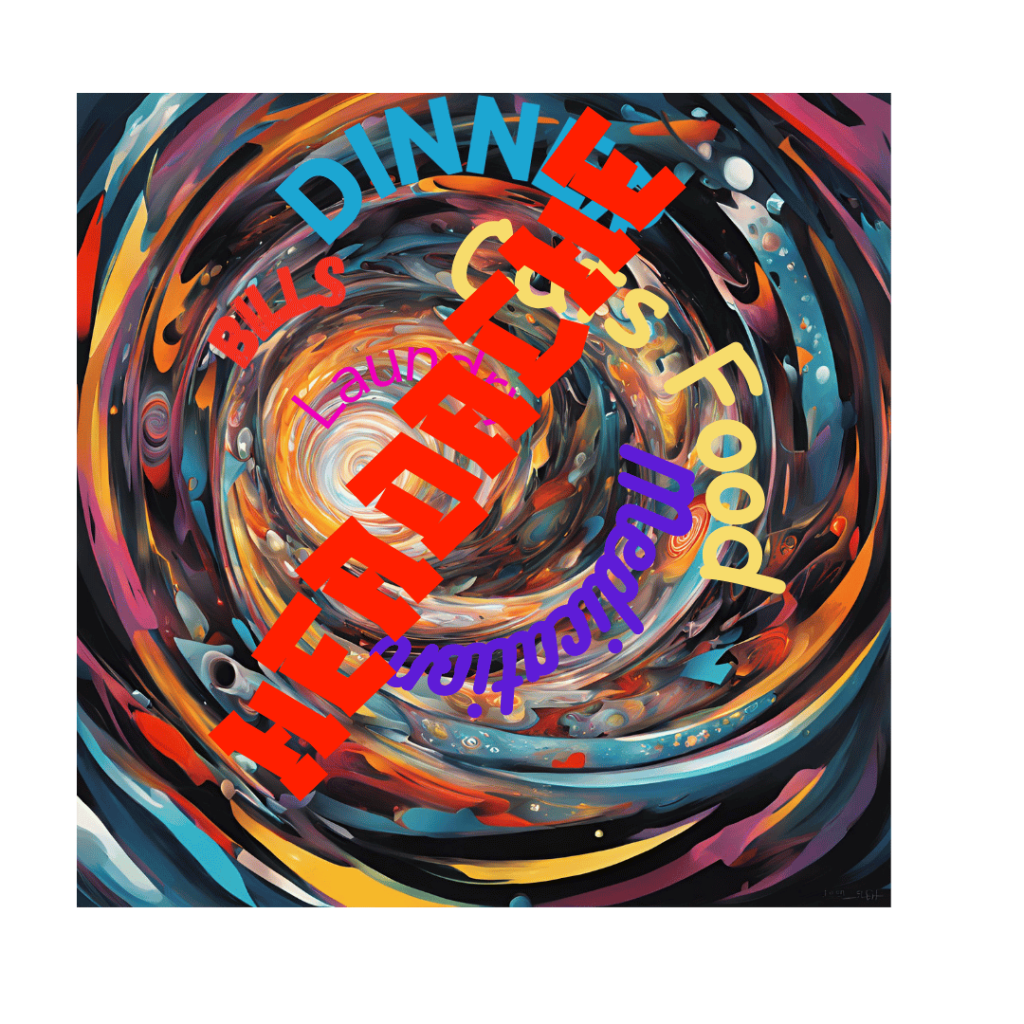
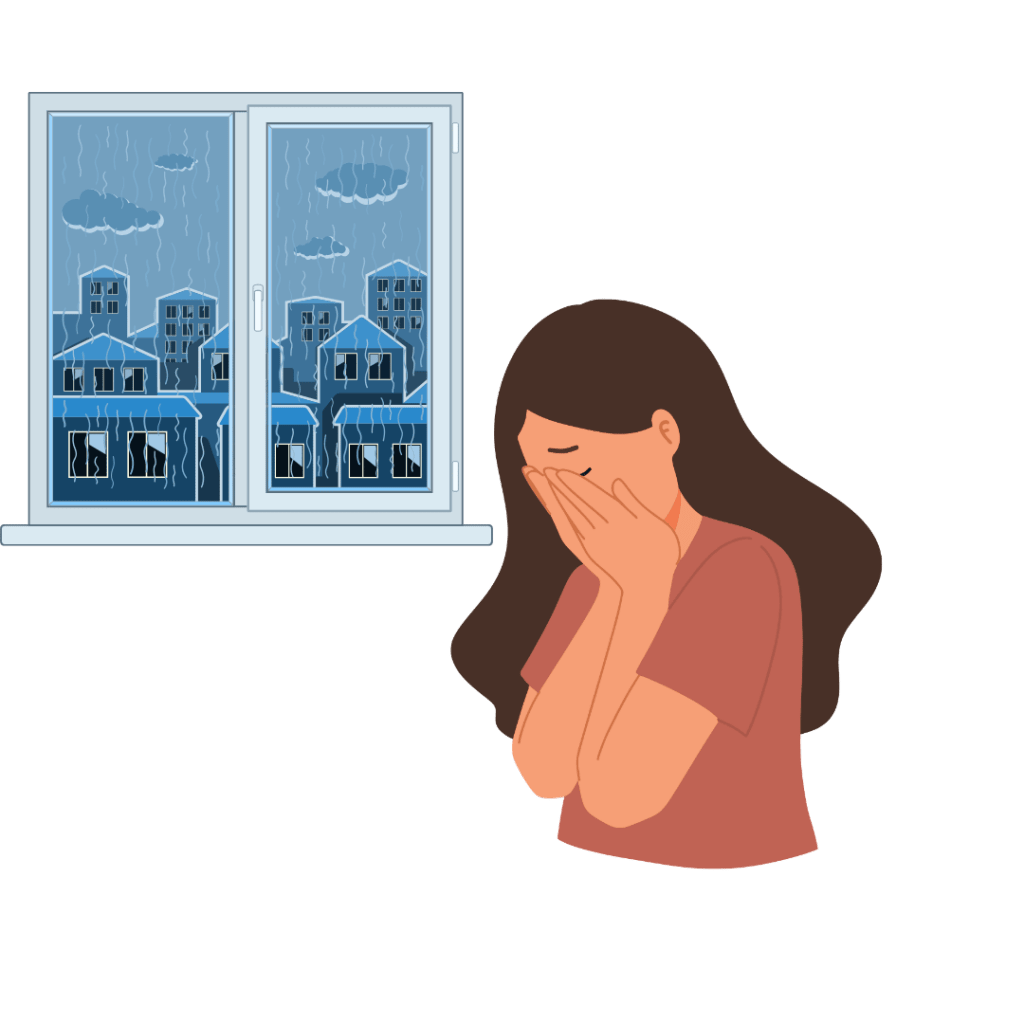
Well, fuck me sideways, it’s happening again. You know that moment when life decides to throw everything at you at once, like some cosmic game of dodgeball? Yeah, that’s where I’m at right now. It’s like my brain suddenly turned into a washing machine on spin cycle, thoughts tumbling over each other in a chaotic mess. Bills, deadlines, family drama, health issues – they’re all doing the conga line in my head, and I’m just standing here like a deer in headlights, completely frozen.
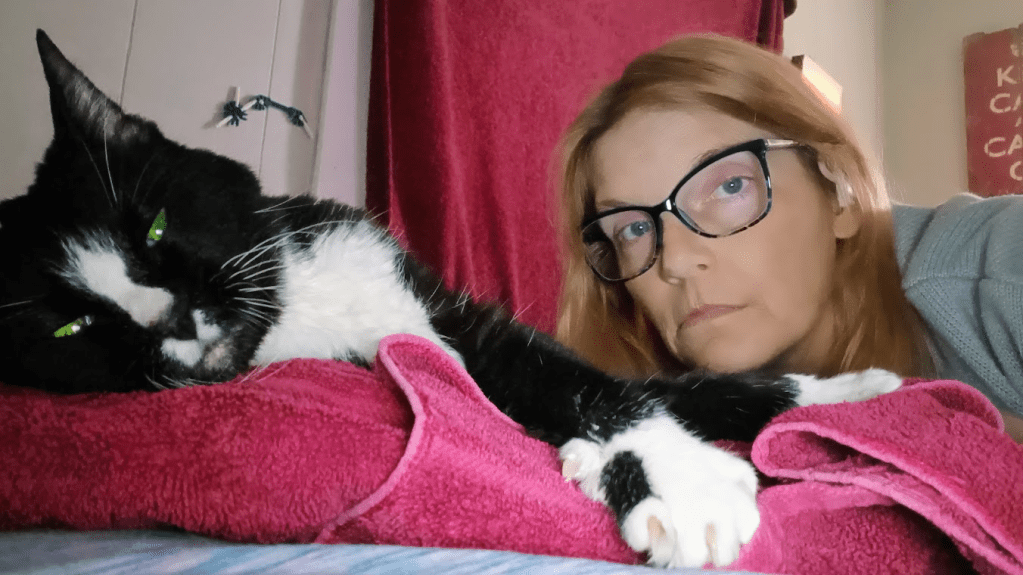
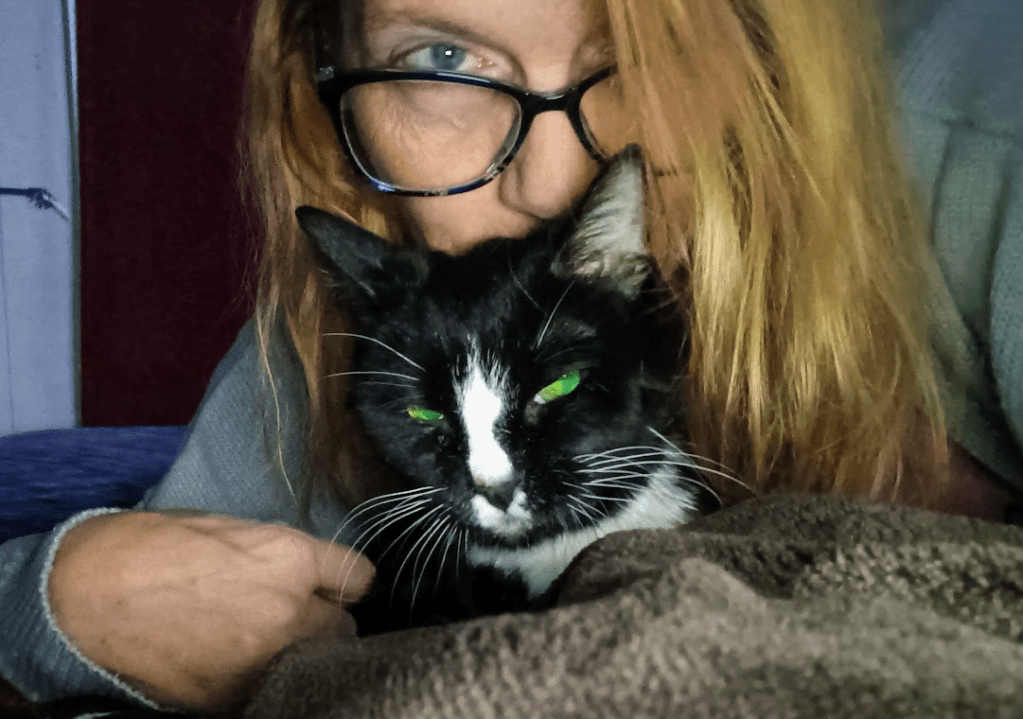
Probably the biggest thing of note, my cat, MY old lady cat Ding (or D or Dingers, depends on who was calling her) we had to have her put down last week. She’d been sick and for the last week she’d stopped eating, and every day I thought I’d wake up to find her passed away in her sleep, but I knew after she quit eating it was HER choice and she chose, she’d had cancer and had started only eating cat treats by the handful. For this reason, she was always ALWAYS by my right hand. She’d been sticking close by me the last few years, if I left her sight she’d come out and LOUDLY inform me that I needed to return post haste. I can’t tell you how many times since we had her put down that I’ve reached for her. I don’t think I’ll ever stop reaching.
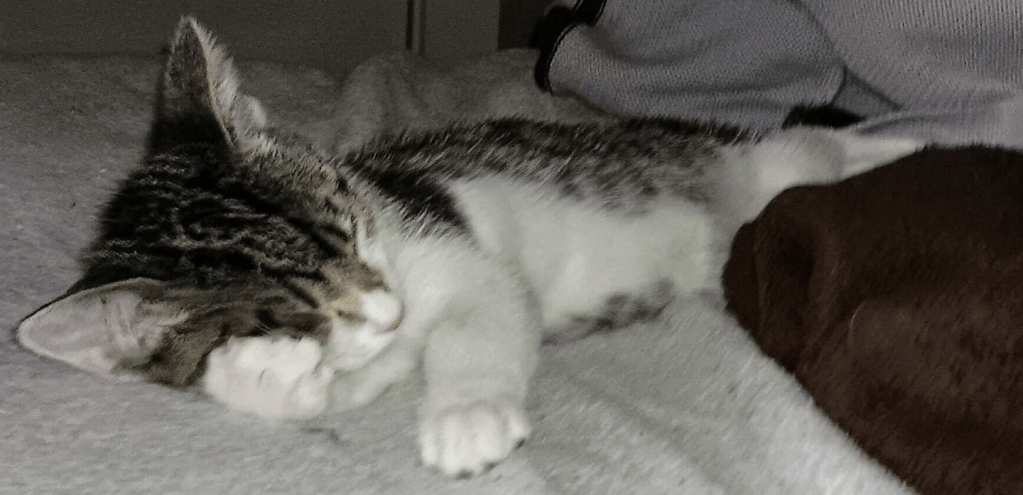
The chaos wasnt ALL terrible. Everyone who knows me knows my love of animals, and Correy is just as bad. One day a week monkey goes to school early and Correy was getting out of the car when he heard crying. I thought he was taking a long time as I’d seen him pull up and hadnt come inside yet. He was out of the car just listening. So I listened too and encouraged him to go find the source of the crying. He hopped across the street just on a courtesy glance and lo and behold. This brought a new member into our family then and there. He was maybe 6-8 weeks old and as I’m whisper yelling, WHAT IS IT? And he turned around with that little ball of fluff was in his hands and he looks nearly identical to a cat we used to have that I miss terribly. But I have taken control of him mostly because he can hide in my room, not that he hides, he is the cattiest cat we’ve had in a while very playful, but got sick last week, with what I think Ding had, so he’s been to the vet several times already,was all alone on the sidewalk just screaming for us to save him, and we did, his name is Fryday.
You’d think with all this shit going on, I’d be a whirlwind of activity, tackling problems left and right. But nope, my brain’s brilliant response is to just… stop. It’s like my mental gears have ground to a halt, leaving me staring into space like I’m trying to decode the mysteries of the universe in my bed room wall.
Nope, still havent found an ideal plan but I came up with a number of new recipe ideas!
I know it’s just my brain’s fucked up way of dealing with overload. When there’s too much input, it decides the best course of action is to do absolutely nothing. Thanks, brain. Real helpful. So here I am, caught in this ever-circling pit of despair, where thinking about any one problem feels like trying to catch a greased pig. All I can do is breathe and wait for my brain to reboot like some outdated Windows PC.
Seriously guys, I lose whole days to this, I just sit there thinking of all I have to do, then I’ll turn to look something up, forget what I’m looking up and start down a rabbit hole about the new Reba show and if its the same blonde woman as the sassy friend as was in the last show Reba had and its time for monkey to get off the bus. I’ve lost the day with nothing to show for it except for some anger and frustration at my own damn brain’s rebellion like a teenager with a bad attitude ‘I DON’T WANNA’. Oh today we have to call the vet and do two loads of laundry and dinner, a light easy day, until I can’t talk on the phone because the words I am looking for won’t come to me so I say ok, well I can do that later, I should start the laundry. Well ok, I’ll do that at the next commercial. Hey that dude in the commercial looked familiar, I’ll google it. Oh shit my shows back on, I’ll go at the next commercial’
TWO HOURS LATER
Oh shit I havent started dinner. I wanted to use up the left over chicken with home made lemon glazed fancy pants thing thats super complicated but googled while high. Well we can’t do the brine today so fuck it, time for pizza..
20 minutes later
Still in paralysis in front of the computer refreshing The kicker? I know this is temporary. I know that eventually, my brain will decide to come back online, and I’ll be able to start tackling this mountain of crap one pebble at a time. But in the moment? It feels like I’m stuck in mental quicksand with no way out. If you’re reading this and nodding along, congrats! You’re part of the “My Brain Likes to Fuck with Me” club. We meet every time life decides to go batshit crazy. Membership is free, but the emotional toll is pretty steep.
So here’s to all of us stuck in the freeze zone. May our brains eventually decide to cooperate, and may we find a way to laugh at the absurdity of it all. Because sometimes, when everything is going to hell in a handbasket, all you can do is take a deep breath, say “fuck it,” and wait for the storm to pass.
I have no coping strategies or advice, I wish I had the answers. I try and keep my brain busy. I’m learning Spanish. I’ll binge a show until my brain go fuzzy, or I’ll put both ear buds in and dance like no one is watching (because no one is lol)I’m writing when I can, slowly easing back into school routine. I’m going to work more on the site this week. I have two or three ideas that I’ve come up with my petting and spoiling D in her final days. I know life goes on. I’ve tried to not ask for help getting through it, I’ve tried to sit with my sad all contained but some days it ends spilling from my eyes so I’ve hid away, plus getting to know the new guy. But lets do this, I’m back and I’m going to try to promise to report here once a week even if its just ‘this sucks, can’t wait til this part is over’. Til next time gang, take care of yourselves, and each other.
Let’s face it, parenting is hard enough without throwing mental health issues, chronic pain, or neurodivergence into the mix. It’s like trying to juggle flaming chainsaws while riding a unicycle – on a tightrope. Over a pit of hungry alligators.
First off, let’s address the elephant in the room: isolation. When you’re dealing with bipolar disorder, fibromyalgia, ADHD, or raising a kid with autism, it can feel like you’re on a deserted island. A really shitty deserted island where the coconuts are actually grenades and the sand is made of Legos. But you’re not alone. There are tons of us out here, fumbling through life, trying not to fuck up too badly. Alot of us out here that feel like we are one mistake or misunderstanding away from being ostracized by everyone we love if we say anything thats even remotely negative, and stuff it down, way down to our toes but every day theres more and more… Oh is that just me? If you relate to any of this, all of this, you are among friends.
But maybe you’re old school and want to see actual human faces. Local support groups can be a godsend. Picture this: a room full of people who don’t bat an eye when you say you forgot to pack your kid’s lunch because a depressive episode hit you like a freight train. No judgment, just understanding nods and maybe someone offering to carpool next time. It’s fucking beautiful.
Here’s a fun fact for you: Studies show that people with chronic conditions who participate in support groups report lower levels of stress, anxiety, and depression. It’s like group therapy, but without the hefty price tag and with more swearing.
Now, I know what some of you are thinking: “But what if I’m too anxious to meet new people?” or “What if my fibro flares (as its known to do especially when we get nervous, so that starts its own self destructive doom cycle) and I can’t make it?” Listen, we’ve all been there. The beauty of our fucked-up little community is that we get it. Can’t make it to the meetup because your body decided today was a good day to feel like you’ve been hit by a truck? Send a message. Chances are, someone else is in the same boat and you can commiserate virtually.
Remember, building connections takes time. It’s not like those cheesy rom-coms where you meet your best friend in a quirky coffee shop and suddenly you’re inseparable. It’s more like dating – awkward at first, with a lot of trial and error. But when you find your people, it’s worth all the cringe-worthy small talk and anxiety-induced sweating. I started my online fibro journey 20 years ago and am proud to say I have friends from a few countries and sometimes that is super helpful perspective wise. I like to think of it like a marathon. Only we arent racing, its not a sprint. There are people who will pull ahead or fall behind, theres some that will keep pace with you for a time its all welcome, you learn from every encounter, just trust and be open to the blessings and gifts and messages buried in pain, good or bad, there are always lessons to be learned.
So, here’s your homework, you beautiful dears: Reach out. Join a group. Send a message. Hell, start your own support group if you can’t find one that fits. Because at the end of the day, we’re all in this together. We’re all just trying to keep our heads above water while making this whole world spin. And remember, on those days when everything feels like too much, when you’re convinced you’re the worst person in the world, there’s a whole community out here ready to remind you that you’re doing just fine. We’ve got your back, even if we’re all a bit of a hot mess ourselves. Just do your best and we’ll pull each other up, one rung of the ladder at a time. Til next time gang,take care of yourselves and look out for each other. And George, look out for George he’s a shady little fucker …
Hey guys today lets talk about: When Chronic Pain, Depression, and Anxiety Decide to Have a Fucking Party.” It’s like the worst reunion ever, and guess what? You’re the unwilling host.
Let’s start with the guest of honor: Chronic Pain. This persistent bastard doesn’t know when to leave the party. It’s like that drunk person who keeps telling the same story over and over, except instead of boring you, it’s literally torturing you. Studies show that about 50 million U.S. adults suffer from chronic pain in some form or fashion. That’s a lot of people dealing with this uninvited guest.
Its been said that fibro is like muscle cramps. I don’t even acknowledge that uninformed opinion.There are days that I can mow the yard (I’m the lesser emergent heart concerns in the home) And there are days that I’m in paralyzing pain, the kind of pain that has you locked into one pose for hours on end just because it hurts a tensy bit less and right now you’ll take any relief, what ever strength form or shape it arrives in. I understand how it could appear to others that I’m a normal person with normal persons aches and pains. I am 100% positive that is a good deal of my pain, but I don’t think I begin at the same point as others. Its not that I’m special or different other than being a bit more sensitive, its a condition I have and currently just have to live with as best I can. Thats all any of us can do, even on the days all we do is get up to pee and hydrate.
Enter Depression, the party pooper that turns everything into a black hole of misery. It’s not content with just making you feel like shit; it actually amplifies your pain. Research suggests that people with chronic pain are four times more likely to have depression or anxiety than those who are pain-free
It’s like Depression and Chronic Pain are in cahoots, tag-teaming your ass into oblivion. The cycle just repeats, you hurt so you can’t be active even though you have things you want to do. What happens when we want to do something badly? We tense up, normal human reaction, but that just hurts worse so you don’t get up and you get mad at yourself for not getting up to do ANYTHING, and when you start negative self talking thats when your system shuts down, you go on autopilot eating sleeping and breathing and SOMETIMES when the water isnt too hard you scrape yourself up for a shower. Even if you KNOW once you are out you will feel soft warm and clean.
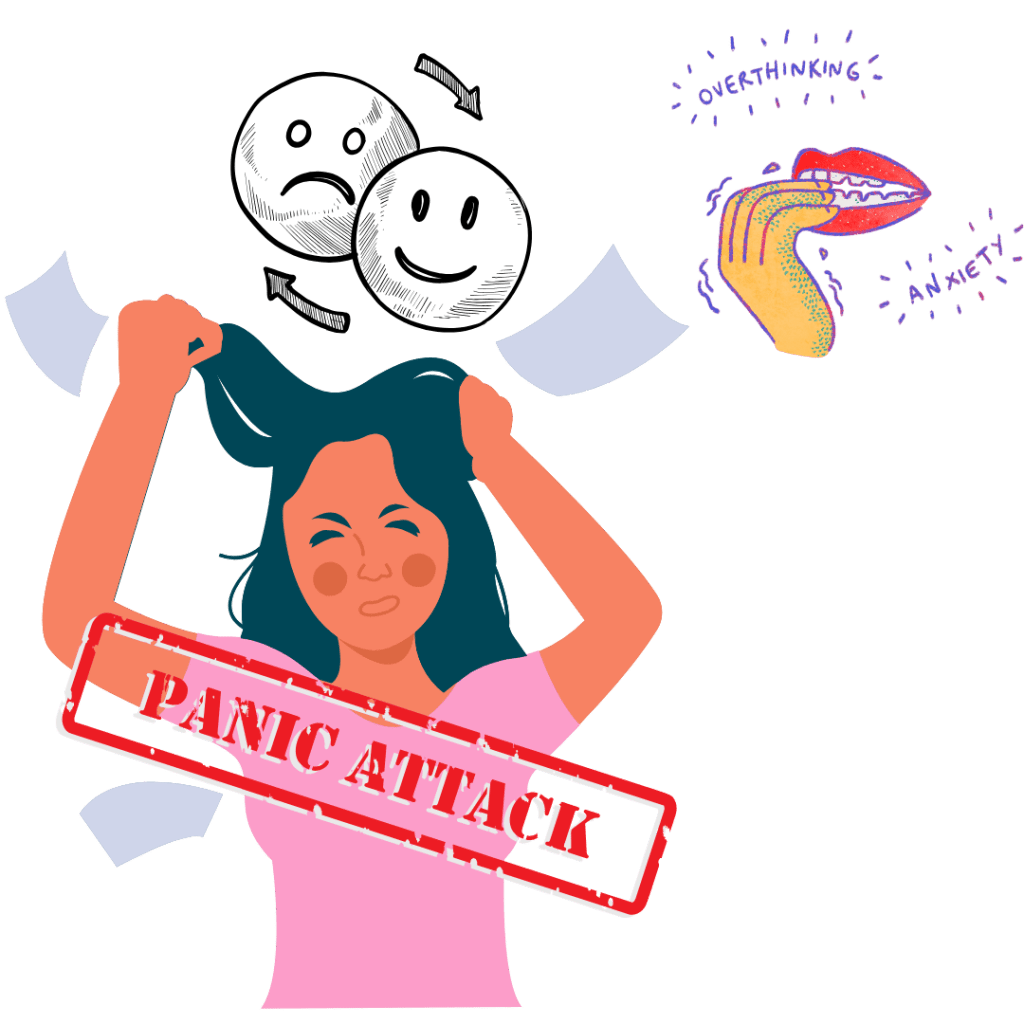
And just when you think it can’t get any worse, Anxiety crashes the party. This jittery mess of a guest is always convinced the worst is about to happen. It’s like having a paranoid squirrel on cocaine running around in your brain. Anxiety disorders affect about 20% of adults with chronic pain (I’d actually expected much more than that) turning your mind into a non-stop horror movie of “what-ifs” and worst-case scenarios. Usually these leave me feeling fearful of my future and everyone around me honestly. And I HATE IT! If I could change one thing, like after all of the other wishes for my family and friends I’d wish to NOT suffer from everything but if we are talking about the first thing I’d get rid of, its actual the Anxiety, the fearfulness that makes me hate myself and keeps me frozen, or at best on autopilot. I’d sell an organ or answer the trolls riddles three if it meant not actively hating every single thought in my head.
Now, here’s where it gets really fucked up. These three assholes feed off each other like some kind of dysfunctional symbiotic relationship. Chronic pain makes you depressed, depression amplifies your pain, anxiety makes you tense up which – you guessed it – causes more pain. It’s a vicious cycle that would make even the most sadistic carnival ride designer say, “Whoa, that’s a bit much.”
But wait, there’s more! This unholy trinity doesn’t just mess with your head and body; it fucks with your entire life. Work, relationships, sleep – nothing is safe. A study found that people with chronic pain and depression are more likely to have work-related disabilities and unemployment .
I.t’s like these three decided to team up and play a game of “How can we ruin this person’s life today?” I have had the majority of this written four or five days ago, a number of unrelated problems popped up that have me so unbelievably confused and stressed, I have sat here, for large chunks of time, I knew I couldnt do what I wanted, even though it wasnt anything that would prevent me from typing this, so I sat and stared into space. Like for real, the tv was on but I couldnt tell you what I was watching, just completely blank, so I’m pissed as shit at myself, which makes for a lot of negative self talk, so I’ve basically sitting, in my room, alone, with the tv on, sometimes pen in hand, half written notes and ideas scattered everywhere. It makes me so mad, then depressed, then the day would be gone so mad at myself, make up some super ambitious goals that I’m setting myself up for failure, that cycle repeats ALL DAY. For weeks on end. Endless loop.
So, what’s the solution? How do we kick these party crashers to the curb? Well, it’s not easy, but it’s not impossible either. Integrated treatment approaches that address both the physical and mental aspects have shown promise. Cognitive Behavioral Therapy, mindfulness practices, and certain medications can help manage this clusterfuck of symptoms. Speak up, be honest with your doc, 9 out of 10 times you are better off getting a referral. Its manageable guys, and I’m saying that as someone who is currently drowning in the sorrow sea right now lol. Just hang on better than Jack. (Some of you will get that but its not imperative to the weight of my story). I’m of the belief that you have to find your own combo and fine tune it, as I have been since the age of fifteen. Clearly I’ve not found the perfect mix but I’ll try anything and I remain hopeful. Thats why I feel such a need to fill this space with friends and others who can share and grow and learn.
In conclusion, living with chronic pain, depression, and anxiety is like hosting the world’s worst party where you’re both the host and the unwilling guest of honor. It’s a relentless, exhausting experience that millions of people deal with every day. But remember, you’re not alone in this shit show. Reach out, seek help, and don’t let these assholes run the party. It’s your life, and you’ve got the right to enjoy it, even if these uninvited guests refuse to leave. Til next time guys, it won’t be as long, I’m going to beat this. Take care of yourselves, and each other.
Hey there! Life can sometimes feel like a whirlwind, especially when you’re juggling the ups and downs of mental health and family life. As a bipolar mama dealing with anxiety and ADHD and chronic pain, I totally get how tough it can be to spot joy amidst the chaos. But trust me, it’s those little moments that can help us cultivate gratitude and find some peace. So, let’s chat about how to invite joy into your everyday life, even when things get a bit bumpy.
Embrace the Power of Small Moments Joy often sneaks in through the little things—a warm cup of coffee, a quick chat with a friend, or a giggle with your kid. So, hit pause for a sec and soak it all in. Take a deep breath, be present, and notice the little details around you. Practicing mindfulness can help you stay anchored in the moment and make it easier to see the beauty hiding in plain sight.
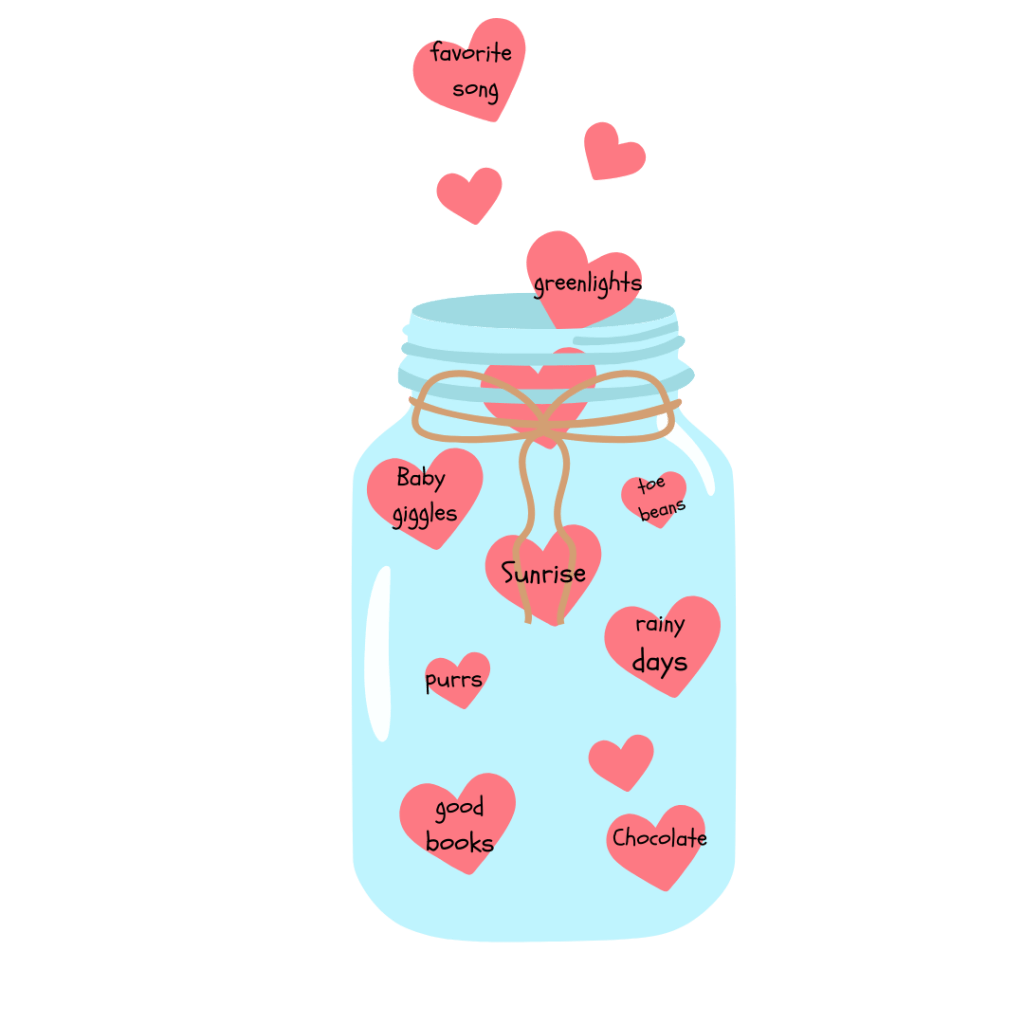
Create a Joy Jar Here’s a fun idea: grab a jar and some slips of paper. Whenever something brings you joy or you feel grateful, jot it down and toss it in the jar. Over time, you’ll have a treasure trove of positive reminders to dig into whenever you need a little pick-me-up. It’s a great way to shift your focus from challenges to the bright spots that pop up throughout your day.
Celebrate Your Achievements Big or small, every win counts! Set some manageable goals—like finally tackling that mountain of laundry or taking a stroll outside—and give yourself a high-five when you achieve them. Celebrating these little victories helps build momentum and reinforces the idea that joy can come from everyday accomplishments. Try and limit the unpleasant activities to one each day, we can all stomach a lot more if we break it off into bite size chunks.
Cultivate Gratitude Gratitude is like magic for your perspective. Try keeping a gratitude journal where you jot down three things you’re thankful for each day. This simple practice helps shift your focus from what’s missing in your life to what you already have, nurturing a more positive mindset. If three sounds daunting, start with one. There is air in your lungs. Tomorrow it can be the baby that smiled at you in the check out lane. If you can’t find one thing to be grateful for, then be someone else’s reason to give thanks, then there will be two of you.
Connect with Nature Nature is like a big hug for your soul. Even a short walk around the block or spending some time with your plants can lift your spirits. Pay attention to the sounds, colors, and textures around you—engaging with nature can really help ground you and reconnect you with yourself. Sunlight, and I am one of those people that hisses when light touches me, but 20 minutes of open air sunlight exposure every day will connect you, ground you to your surroundings and give you vitamins and minerals that light bulbs can’t replace.
Engage in Creative Activities Get those creative juices flowing! Whether it’s painting, writing, gardening, or crafting, find something that sparks joy for you. Allow yourself to create without any judgment; just enjoy the process and let it be a source of happiness and self-discovery. A fifteen minute block of time with nothing but a piece of paper and a pen and just write or draw, whatever you feel.
Reach Out for Connection Feeling isolated can be tough when you’re navigating mental health challenges. Reach out to friends, family, or support groups—sharing your experiences can lighten the load and remind you that you’re not alone in this journey. I’ve found a lot of help and information in message boards. I’ve considered setting up a small message board here, not with any centralized theme I just want somewhere anyone can come to not feel alone.
Practice Self-Compassion We all have tough days; it’s part of being human! So, be kind to yourself. Treat yourself with the same compassion you’d offer a friend going through a rough patch. Remember that every step toward joy matters—even if it feels small. You don’t have to have it all together, you don’t have to have anything together and its ok to not be ok.
Make Room for Play As busy mamas, we often forget how important play is! Carve out time for activities that bring you joy—whether it’s playing games with your autistic teen or trying out a new hobby. Play helps relieve stress and reminds us of the simple joys in life. If you can share the hobbies you enjoy with the ones you love it will give you both reasons to smile.
Find Meaning in Challenges It might be hard, but try to find meaning in your struggles. Reflect on what you’ve learned from those experiences and how they’ve shaped you. This perspective can help build resilience and deepen your appreciation for the joy that follows tough times. Its lessons that shape us good or bad and its because of where we’ve been that we know where we ARE.
Conclusion
Finding joy in everyday life isn’t about pretending challenges don’t exist; it’s about embracing those small moments that light up our days. As someone navigating bipolar disorder, anxiety, and ADHD, I know how real the struggle is—but by cultivating gratitude and seeking out joy, we can tackle our journeys with more resilience and hope. Remember: it’s perfectly okay to seek support and take time for yourself. You deserve joy, and it’s often hiding in the simplest moments! Take care of yourselves, and each other!
So I talked the other day about RSD, which is a bastard that I’m currently fighting with RIGHT NOW in my head. If you experience RSD, save this post. Save my email. In particular save some of these solutions to help you when your brain tries to make you hate yourself. Let’s dive into how to wrangle this RSD beast without completely losing our shit. These thoughts can hit like a freight train full of emotional baggage, making it a real bitch to keep your cool in social situations. But don’t worry, I’ve got some tricks up my sleeve that might just save your sanity.
Self-Compassion (AKA Don’t Be an Asshole to Yourself) Cut yourself some slack, for fuck’s sake. Everyone gets rejected sometimes – it doesn’t mean you’re a walking dumpster fire. Try talking to yourself like you would to your best friend after a bad breakup. “Hey, you may be a mess right now but you’re still awesome even if that person didn’t see it.” Constant struggle, often you will have to love yourself for trying enough to let go.
Reality Check (Or: Is Your Brain Bullshitting You?)
Before you spiral into the abyss, ask yourself if there’s actual evidence for your fears or if you’re just being a drama queen. Maybe, just maybe, your brain is playing tricks on you. “Okay, they’re 5 minutes late. Does that really mean they hate me, or am I just catastrophizing again?” The only flaw in this logic is when your brain doesn’t let the logical side of your brain kick in because it actually believes the bad shit. You are not who you were and your value doesnt diminish based on what you can and can’t do for someone else.
Mindfulness and Emotional Regulation (Zen and the Art of Not Losing Your Shit)
Try some mindfulness crap to stay grounded. Deep breathing or muscle relaxation can help when you feel like you’re about to go off the deep end. It’s like hitting the pause button on your brain’s chaos for a hot minute. Again, the logical side of you will see this. Listening and believing that it will pass might take some intentional steps like sitting in front of the mirror multiple times a day feeling stupid but in kind words, let the feelings out. Alone even. But say the words out loud, meditate on them if you need to, the best you can do is only so much, sometimes you will fuck everything up, sometimes you CAN’T fix things, thats part of the process, you have to own it to let it go.
Reframe That Shit
Try to see rejection as a learning experience. Maybe it’s the universe’s way of saying “Not this asshole, try again.” Look back at times when rejection led to something better – they exist, I promise. Remember when that job rejection led you to an even better opportunity? Yeah, like that. One door closes but another one you couldnt see is waiting for you. Or maybe you just learn what not to do, everything is a lesson if you frame it as such.
Phone a Friend (Or a Therapist, We Don’t Judge)
Talk to someone who gets it. Sometimes you need an outside perspective to remind you you’re not actually the worst person ever. Join a support group and find your tribe of fellow beautiful disasters. Misery loves company, right? It helps to know you’re not alone in this.
Level Up Your Coping Skills
Find healthy ways to distract yourself or solve problems. Maybe take up kickboxing to punch out your frustrations, or learn to bake so you can stress-eat in style. Channel that energy somewhere useful instead of letting it eat you alive. I often stack on the hobbies, sometimes I have to be writing and listening to late night monologues on you tube and have the news or a game on just to shut up that nagging inner voice that says I’m not good enough. Most days that works
Get Real with Your Expectations
News flash: not every interaction is gonna be rainbows and unicorns. It’s normal to face some rejection in life, even if it feels like getting punched in the gut. Lower that bar a bit, and you might just find yourself pleasantly surprised. Nothing is ever perfect even if it feels like it at the time and thats not even factoring in the other persons reactions maybe they are as awkward as you!
Focus on You, You Magnificent Mess Work on becoming the badass you want to be. Set some goals and crush them. Nothing builds confidence like proving yourself wrong. “Oh, I can’t do that? Watch me, bitch.” Start by taking account of what you have control over. Thats where you can start. Once you are cognitively aware of what is under your power to do, set a reminder daily to remind yourself, that will help a lot with the expectations and being grounded, but its something you have to commit to taking honest stock in yourself and situations impacting your life.
Curate Your Circle (AKA Ditch the Toxic Assholes)
Surround yourself with people who aren’t total jerks. Limit time with folks who make you feel like crap. Life’s too short for that bullshit. Find your people – the ones who get your brand of crazy and love you anyway. We all have to deal with people in the real world that just rub us the wrong way or are unpleasant. Limit your interactions and while you are not seeing them, think of things you have in common with them so that your next interaction stays controllable and tolerable on your end.
Consider Professional Help (Because Sometimes We All Need a Brain Tune-Up)
Therapy can be a game-changer. CBT might help you rewire that brain of yours to be less of an asshole to you. It’s like getting an oil change for your mind – sometimes you need a professional to keep things running smoothly. Its every few years instead of mileage and it never hurts to have a check in just to keep things running smoothly
Remember, rejection sucks donkey balls, but you’ve got this. You’re tougher than you think, you magnificent mess. These strategies won’t make rejection a walk in the park, but they might just help you navigate this emotional minefield without completely losing your marbles. And hey, if all else fails, there’s always wine and Netflix. No judgment here. Maybe a gummie for me since I don’t drink Til next time guys, take care of yourself, and each other
Time’s been flying, but not because of any fun reason Nah, I’ve been wrestling with my own brain, and let me tell you, it’s been about as much fun as trying to wrangle cats. Pissed off cats at that. .So, RSD. is characterized by an intense emotional reaction to perceived rejection or criticism. People with RSD may feel overwhelming sadness, anger, or anxiety in response to situations where they believe they have been rejected or judged. This can lead to avoidance of social situations or extreme sensitivity to feedback. It’s like your brain decided to crank the “giving a fuck” dial up to eleven and then broke it off. Every perceived rejection or criticism feels like a punch to the gut, leaving you gasping for air and questioning your entire existence. It’s the emotional equivalent of stepping on a Lego in the dark – unexpected, painful as hell, and makes you want to curl up in a ball and cry.
When I try to explain this shit to people, they look at me like I’ve grown a second head. They don’t understand how some times that inner critic is far too loud to ignore Its hard for someone without these thoughts to understand why we know its irrational and try our best to correct things before we speak. People without these thoughts can wonder about why we feel the way we feel but if that voice is not in you, you won’t get why we end up being so fucked up we don’t know up from down right from left. They don’t get how how this is such a debilitating, all encompassing feeling that makes the bad little intrusive thoughts that you normally think, feel, and let go, end up more like think, feel, think some more about why this feeling won’t go away, argue with the sane reasonable side of yourself, lose all faith in yourself and motivation to do anything because you can’t get past this one intrusive thought as it gets louder and louder and harder and harder to reason with or ignore, cry until there’s no tears left, find more tears, eat ice cream and accept that you are unlovable and no one wants you around.
Wow, that was quick with the big feelings right? It really does go like that. It really does make you examine every interaction and put it in the frame of a failure Lets look at how impactful this is and next time I will talk about some possible help.
Self-Blame and Doubt: I’m always on high alert for ways I can screw things up. It’s like I’m a disaster magnet, and no matter how hard I try to steer clear, I end up crashing headfirst into every emotional tree in sight. And yeah, I know it’s exhausting for everyone around me. Who wants to be a full-time firefighter for someone else’s emotional dumpster fires that seemingly never end?
Fear of Rejection: The minute someone’s two minutes late, my brain goes into overdrive. “They hate me, I’m worthless, I knew this would happen.” It’s like I’m constantly waiting for the other shoe to drop, just so I can say “I told you so” to myself while I’m crying into a pint of ice cream.
Catastrophizing: Every little hiccup feels like the end of the world. I’m the queen of “I’m sorry” – I’d probably apologize to a chair for bumping into it. I have in fact, and also a random shoe, a WALL, don’t know how I did that one.and probably five more crazy things, and thats only this month lol. People get tired of hearing it, but I can’t stop. It’s like my default setting is set to “Everything is my fault.” The sky isn’t falling Chicken Little!
Overgeneralization: Sometimes in my head, every relationship is a competition, and I’m always coming in dead last. It’s like I’m playing a game where the rules keep changing, and I’m the only one who doesn’t know how to play.
Perfectionism and Self-Criticism: I have mini freak-outs if I have to give anyone anything that’s not absolutely perfect. It’s like my brain only operates in extremes – either I’m the best, or I’m a complete failure. There’s no room for the messy middle ground where most of life actually happens.
Emotional Magnification: The delusions during these moments are what really fuck me up. If I text three people and no one responds immediately, my brain convinces me they’re all off somewhere plotting my social demise. Rational me knows this is bullshit, but try telling that to my anxiety.
Personalization: I’m a master at blaming myself for everything while simultaneously feeling like an arrogant ass for thinking I have that much impact on others. It’s a mind-bending paradox of self-importance and self-loathing.
But here’s the thing – I’m putting this out there because maybe, just maybe, someone else is feeling this way too. If even one person reads this and feels less alone, or understands why their thought pattern is more toxic than a radioactive waste dump, then it’s worth it.
Remember, you magnificent mess, you’re not alone in this. We’re all just trying to navigate this crazy existence, one emotional rollercoaster at a time. Til next time (which will be fairly quick since I’ve already written it) take care of yourselves, and each other.
OK guys, I’m struggling with some things and guys, little secret, I SUCK at advice to myself, I was given a lesson today to act with intention, so lets reach out, help make ONE PERSON smile while then I feel it was a complete day. I feel like I’m 20 different people in a one person body and they are all moving at different speeds and opposite directions. So let’s dive into the chaos fest that IS feeling like a worthless pile of crap while drowning in a sea of half-finished projects. If you’re riding the rollercoaster lets talk about how to about to embrace this mess like it’s our job. Yes I feel like we have dealt with these themes, but I can only write what I know, and unfortunately pain is what I know. Its my shadow and my security blanket at the same time. I’m having trouble seeing the light but I know its there somewhere.
Feelings We All Have Them: Acknowledge Them, But Don’t Let Them Define You Look, feeling unloved or worthless sucks donkey balls. But here’s the kicker: feelings are just feelings. They’re not facts, no matter how much your brain tries to convince you otherwise. So, next time your brain tells you you’re worthless, tell it to fuck right off. Sorry for liberally using the word fuck, but I’m serious, you have worth even on your worst days. It SUCKS that our brains root against us sometimes.
Self-Compassion: Because Being an Asshole to Yourself Isn’t Helping On days when getting out of bed feels like climbing Everest, cut yourself some slack. Instead of beating yourself up over unfinished projects, celebrate the fact that you managed to put on pants. Or even that you managed to locate clean ones lol Progress is progress, even if it’s at a snail’s pace.
Routines: Flexible Is Best Structure is great, but let’s be real – our conditions are about as predictable as a cat on catnip. Create a routine that bends like a rubber band, not snaps like a twig. And if your day goes to hell in a handbasket? There’s always tomorrow. I also find that you can define a task two ways, if you set yourself a start time and an end time, whether its finished or not, you tuck it away, but what if its a task you can’t just drop because its cooking or something? So I can see the pluses or minues each way. I find blocks of time work best FOR ME, but its super subjective so if you think the other way is better let me know how it works.
Project Management: One Tiny Step at a Time, You Overachiever Got a hundred unfinished projects? I hear ya! I have in my brain that are all excited and ready to go the instant I put one to the side lol. Instead of trying to tackle them all at once like some kind of superhero, break them down into baby steps, pretty sure I told you guys, baby steps are my jam and the only way I ever accomplish anything. Its literally been ‘ok, if you can make it 15 minutes…’ whatever you are facing, ask yourself, can it wait 15 minutes? It sucks and its hard but can you just keep moving forward for 15 more minutes? Can you hang on 5 more minutes, can you hold this pain, this need to do or not do something? S. Completed one tiny task? Fuck yeah, you’re killing it!
Reach Out: Because Misery Loves Company (In a Good Way) You’re not alone in this clusterfuck, so don’t act like you are. Reach out to your people – the ones who get it. Sometimes, just knowing someone else is in the same boat can make you feel less like you’re drowning.
Mindfulness: Because Your Brain Needs a Time-Out When your thoughts are spinning faster than a hamster on Red Bull, it’s time for some mindfulness. Take a few deep breaths, focus on the present, or try meditation. It’s like hitting the pause button on your brain’s chaos. It helps me even if its just a quick five minutes in the quiet before everyone gets up.
Embrace the Mess: Because Perfect is Boring AF Life with chronic conditions is messy, unpredictable, and sometimes downright shitty. But you know what? It’s also uniquely yours. Embrace the chaos, celebrate the small wins, and remember that your worth isn’t measured by your productivity or how many projects you finish. You keep being you, you keep showing up
Remember, you magnificent mess, you’re doing the best you can with the hand you’ve been dealt. And that hand might be full of jokers, but you’re still in the game. So be kind to yourself, embrace the messiness, and know that you’re worthy of love and respect, even on your worst days. Now go forth and conquer, you beautiful, chaotic souls. You’ve got this. Take care of yourselves, and each other.
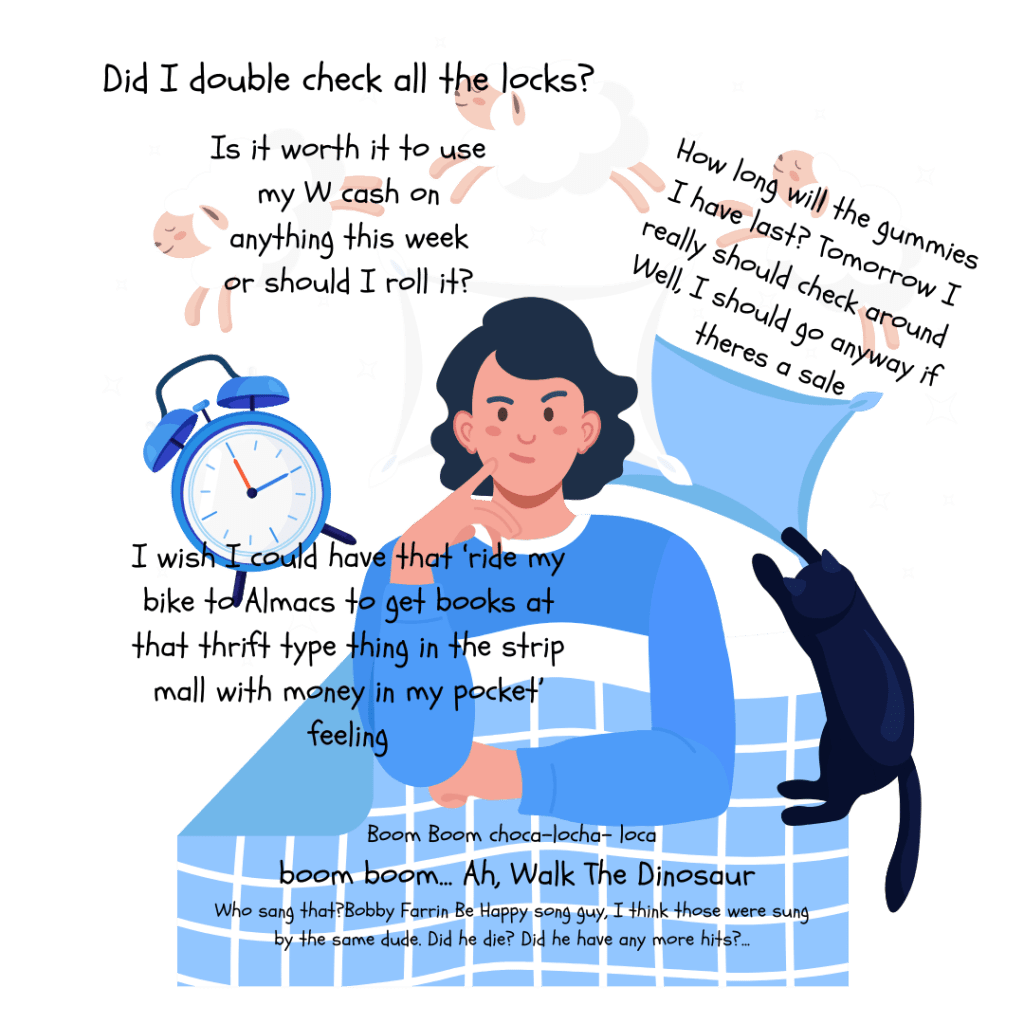
Hello out there friends! The past few weeks have been nuts with doctors appointments (I got a new diagnosis and med, go me! Insert sarcastic eye roll here) and the back to school chaos (my baby is getting SO big! She reads this sometimes so I love you beautiful!) So theres a video in the works currently, as you guys know I’m trying this out as I go so it takes me a bit to get everything synced up the way I want it, and I want to do a regular video soon! I have a double eye infection and am super self conscious right now, and in my mental state I know I wouldnt be able to handle the criticism or comments so those more personal ones will be coming your way after my eye doctor appointment next week. I think its next week. I am the worst. Its soon LOL. Until then, lets chat a bit about sleep, and why we should prioritze it.
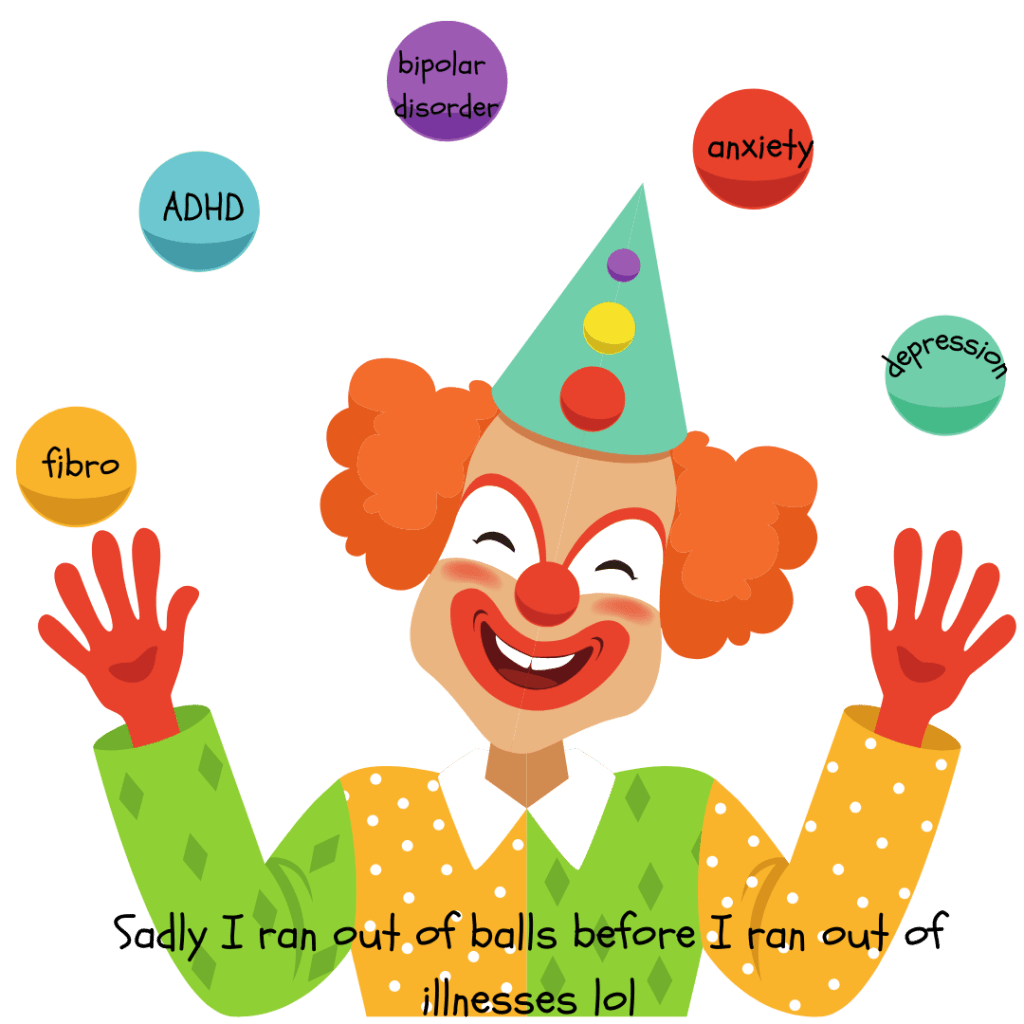
If you’re juggling more health conditions than a circus clown juggles balls, then getting proper sleep isn’t just important—it’s as crucial as oxygen, you hear me? Quality sleep isn’t some fancy-ass luxury; it’s a damn necessity for us walking pharmacies. (Is it just me? The way I’m popping pills every few hours I feel like I spend more time at Walgreens than some of the employees LOL actually at our Walgreens I likely have been lol their employee retention efforts are not working as they were intended)
Why Sleep Matters Even More for Us Sorry Suckers
When you’re dealing with a smorgasbord of conditions, sleep becomes more important than ever :
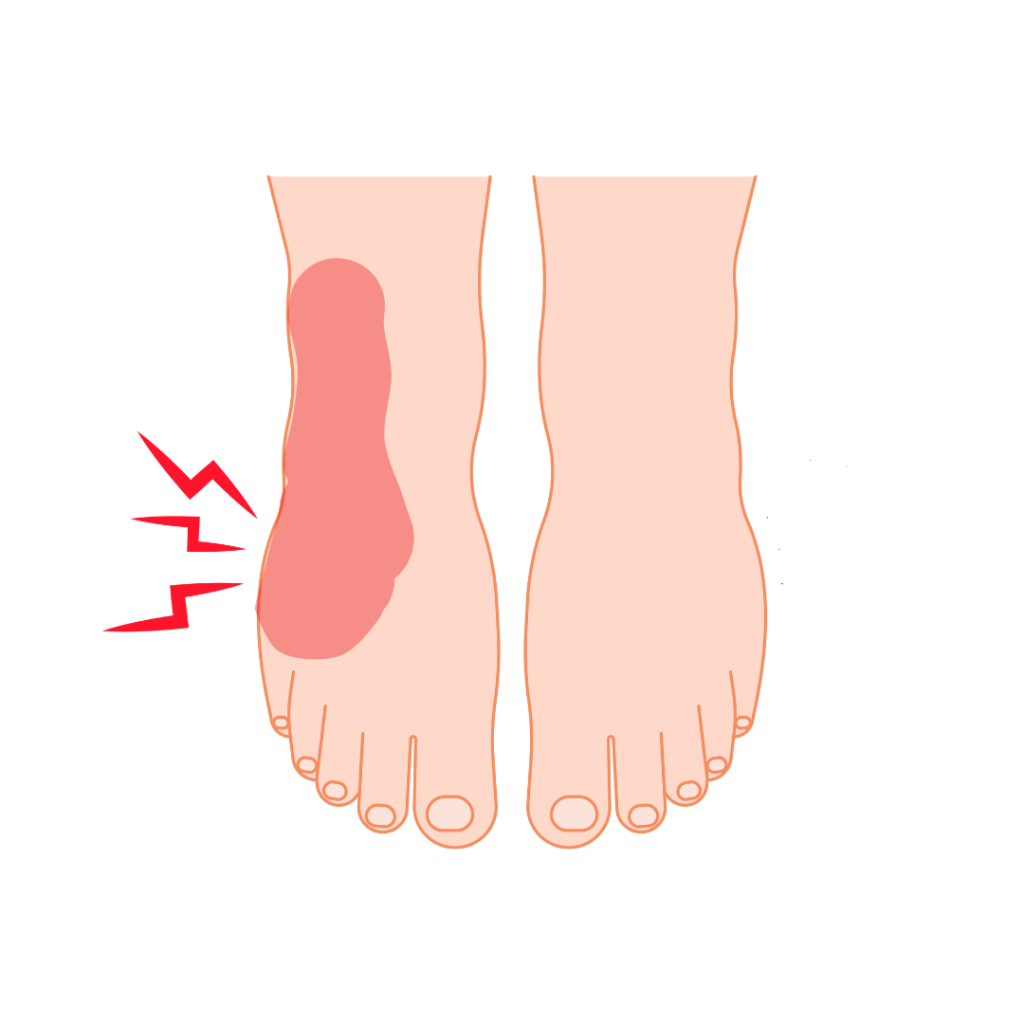
Pain Management: Good sleep can make you feel less like you’ve been hit by a truck. Hallelujah! (notice I said LESS)
Immune Function: Sleep boosts your immune system. Because let’s face it, you need all the help you can get, you delicate flower.
Mental Health: Proper sleep might just keep you from losing your shit completely. Anxiety and depression, meet your nemesis!
Cognitive Function: Sleep sharpens your mind. You know, so you can remember all those damn pills you have to take.
Inflammation Reduction: Quality sleep can help reduce inflammation. Because you’re not puffy enough already, right?
Tips for Achieving Better Sleep (You Know, If You’re Into That Sort of Thing)
Now that we’ve established why sleep is so fucking important, let’s talk about how to actually get some, you insomniac bastard:
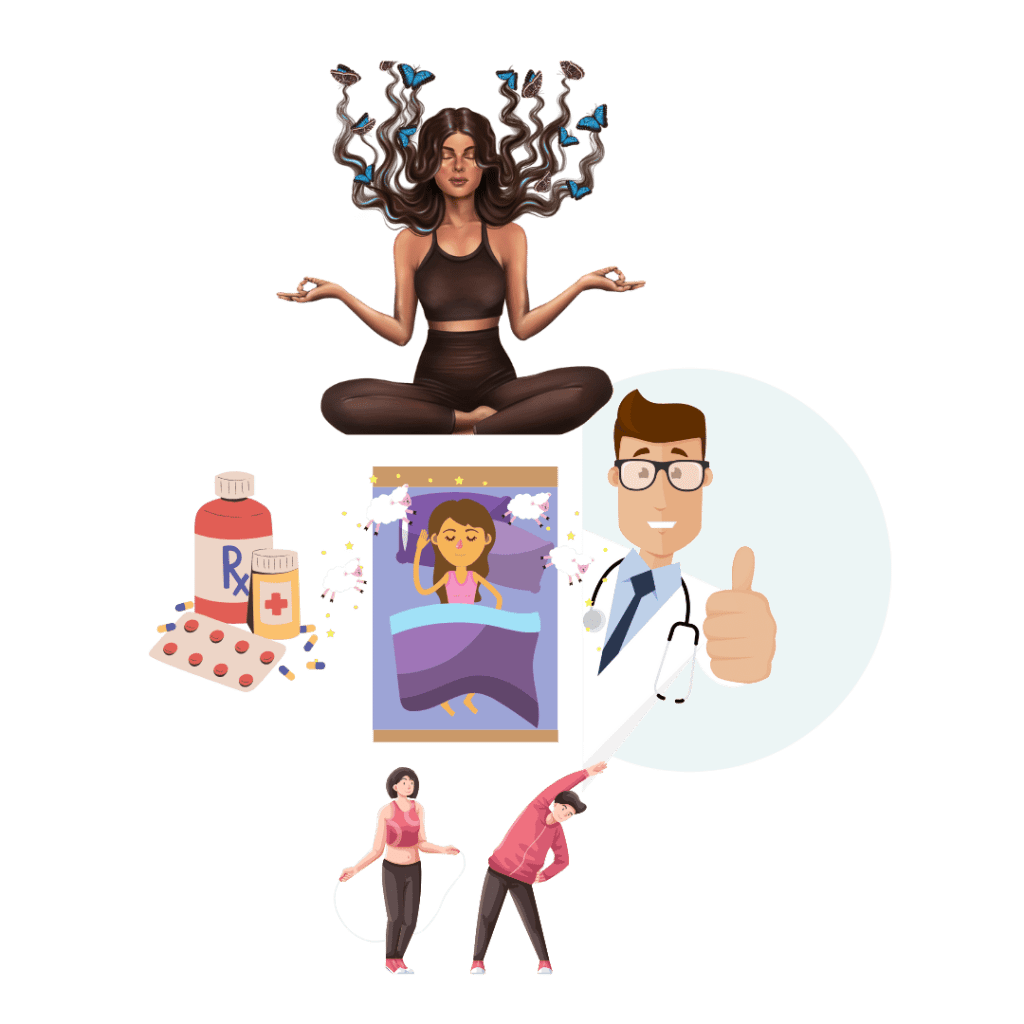
Create a Relaxing Bedtime Routine: Develop a pre-sleep ritual. Read a book, do some gentle stretching, or hell, talk to your plants. Whatever floats your boat. I try and shut small electronics off (phone and kindle) one hour before I intend to go to sleep. No doom scrolling before bed!
Stick to a Schedule: Try to go to bed and wake up at the same time every day. Yes, even on weekends, you party animal. People think I’m crazy, I’m up by no later than 5, weekends, vacations, whatever. Do I LIKE getting up that early? I didnt when it started, but once I adjusted and leaned into it and stopped trying to force myself to sleep when I wasnt tired enough to I’ve found I love my morning quiet time. Figure out your own circadian rhythm and learn to plan things around what your body tell you that you need. I find I need far less naps getting through life when I go to bed and get up earlier than everyone. Now I just nap if I know I have something I need to stay up late for lol.
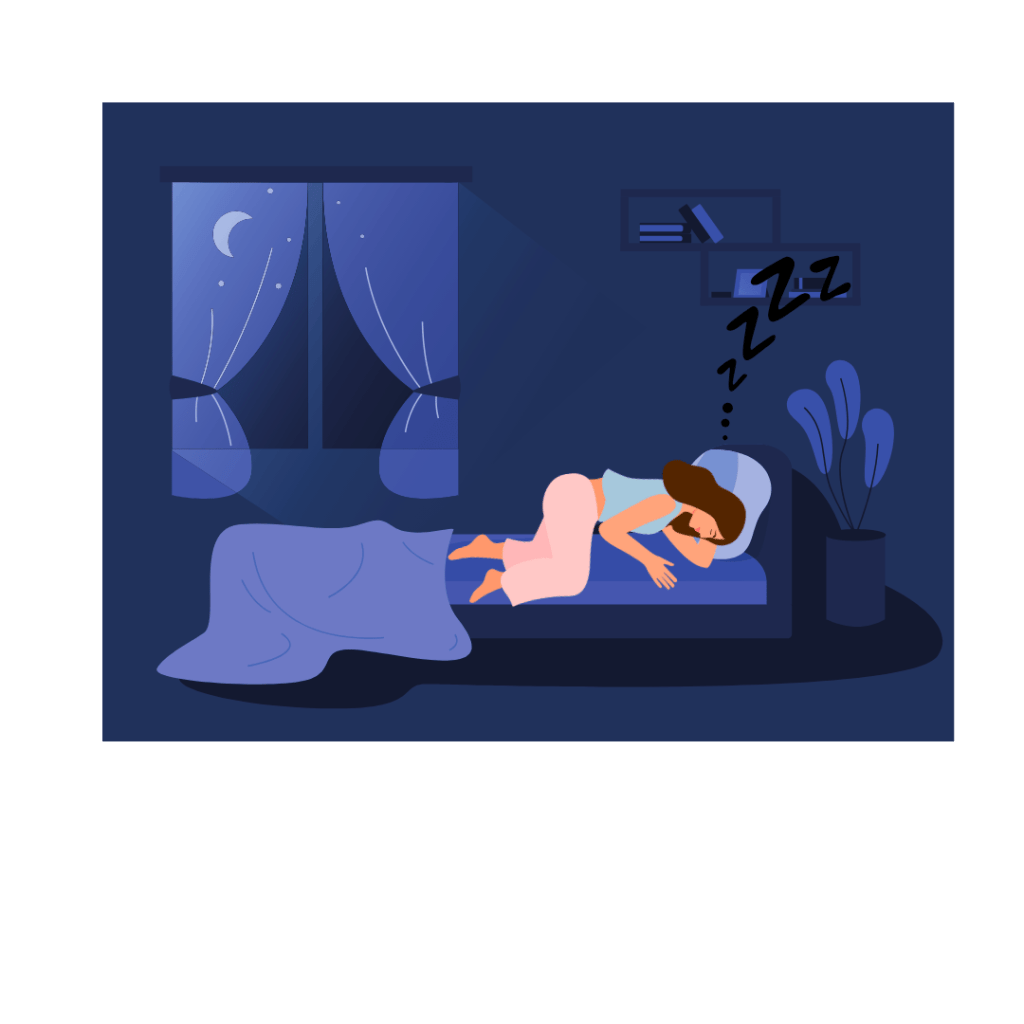
Optimize Your Sleep Environment: Keep your bedroom dark, quiet, and cool. Basically, turn it into a cave. A comfy cave.
Limit Screen Time: Put down the damn phone! Your Facebook friends can wait until morning.
Watch Your Diet: No midnight nachos for you, buddy. Your stomach will thank you later.
Exercise Regularly: Move your ass during the day so you can rest it at night. Just don’t go running marathons before bedtime, lol.
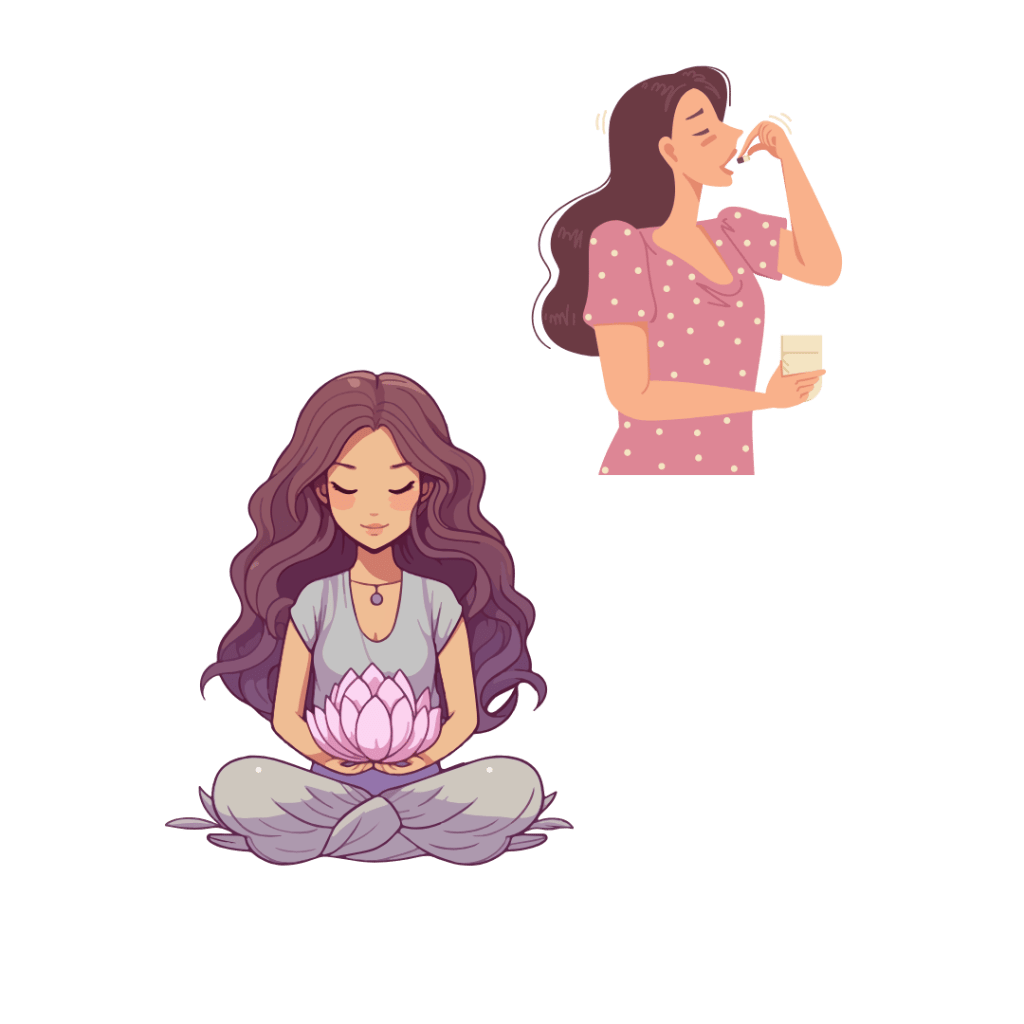
Manage Stress: Try some deep breathing or meditation. Even light stretching on the days when the pain level is high, just keep to keep moving. Or just scream into a pillow. We don’t judge.
Consider Sleep Aids: If all else fails, talk to your doc about sleep meds. But for the love of all that’s holy, make sure they play nice with your other meds. I always check with my doc to see, even if its over the counter meds.
Remember, Rome wasn’t built in a day, and neither is a good sleep routine. Be patient with yourself, you beautiful soul. Your body and mind will thank you for prioritizing sleep—or at least hate you a little less. Sweet dreams, my friends. Be kind to yourselves, and each other and here’s to better sleep and not wanting to murder everyone tomorrow!






















































 WannaBeNormal