


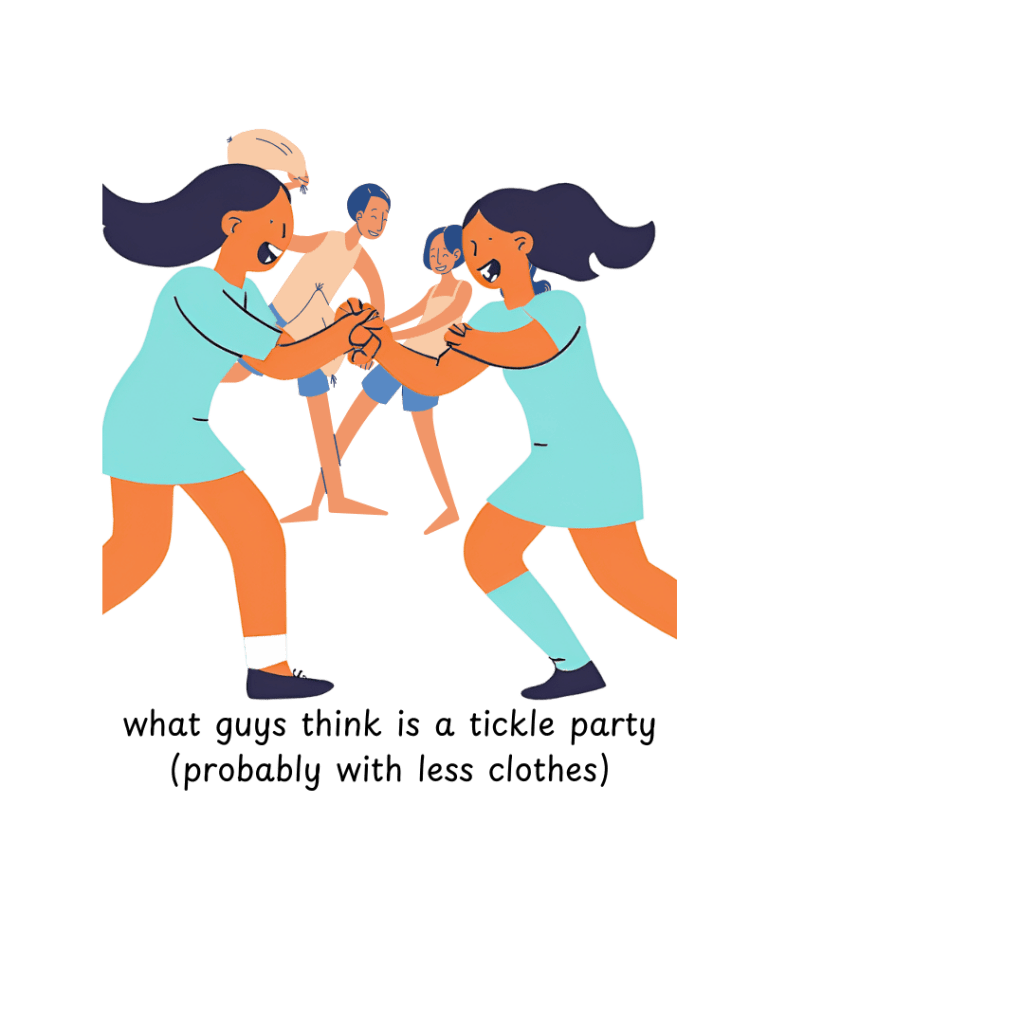
Hey there, laughter junkies! Ever wonder why that ridiculous meme or goofy joke makes you feel like you just hit the jackpot? If you’re dealing with bipolar disorder, autism, ADHD, or just need a good chuckle, you’re in for a treat. Let’s break down why humor and belly laughs aren’t just for TikTok dances—they’re scientifically proven mood boosters that can change your life. And yes, we’ll keep it as entertaining as a tickle fight at a pajama party!
1. Laugh Your Way to a Better Mood

Picture your brain as a social club with two main sections: the “Party Zone” and the “Stress Central.” When you laugh, you’re basically getting VIP access to the Party Zone.
Here’s the scoop:
The Science Bit: Laughter releases endorphins, those magical little chemicals that make you feel all warm and fuzzy inside.
Think of them as your brain’s version of confetti—it’s like a mini celebration of joy.
The Funny Twist: So, next time someone cracks a joke, just remember: your brain is throwing a tiny party in your honor. It’s like having a party planner who never runs out of snacks or energy!
2. Stress? More Like Jest!

Ever noticed how a good laugh can make your worries seem like a joke? That’s because laughter is a natural stress-buster.
The Science Bit: When you laugh, your body lowers cortisol levels, the stress hormone. It’s like having a built-in stress shield that deflects worries and boosts your overall sense of well-being.
The Funny Twist: If stress was a villain, laughter would be your superhero cape. Imagine your worries being sent flying by a tidal wave of giggles. Who knew saving the day could be this much fun?
3. Laughing is Like a Full-Body Workout

Believe it or not, laughing actually gives your body a mini workout.
The Science Bit: Laughing engages your diaphragm, abs, and even your heart. It’s like cardio without the sweat—unless you’re laughing so hard you snort!
The Funny Twist: So, forget the gym for a moment. Just watch a funny movie or read a joke book and let those giggles be your exercise routine. It’s the only workout where you can sit on the couch and still feel like a champ!
4. The Social Magic of Laughing

Humor isn’t just a solo act; it’s also about connecting with others. And for those with autism, ADHD, or similar conditions, this can be a game-changer.
The Science Bit: Shared laughter strengthens social bonds and improves communication. It’s like having an invisible bridge that connects you to others, making interactions smoother and more enjoyable.
The Funny Twist: Think of it as having universal “friendship glue” that sticks people together. One joke at a time, you’re building a network of chuckles and camaraderie. (Love builds the bridge but its paved with jokes anyway)
5. A Natural High That’s Always Available

One of the best things about laughter is that it’s free and always on tap.
The Science Bit: Laughter enhances overall emotional resilience. It’s like having an emotional Swiss Army knife that’s always ready to handle life’s ups and downs.
The Funny Twist: So, if life hands you lemons, just laugh and turn those lemons into lemonade—extra sweet with a side of giggles!
6. For Bipolar Disorder: Laughter as a Mood Stabilizer

Laughter can be particularly helpful for those managing bipolar disorder.
The Science Bit: During the highs and lows, laughter provides a grounding effect, helping to balance mood swings. It’s like having a funny friend who keeps you steady.
The Funny Twist: Imagine laughter as your mood’s personal GPS—guiding you smoothly from “Whoopee!” to “Phew, that was intense!” without losing your way.
In Conclusion
Laughter isn’t just a reaction; it’s a powerful tool for improving mental health and well-being. From reducing stress and boosting mood to enhancing social connections and offering a full-body workout, humor really is the best medicine. So go ahead, indulge in those silly jokes, funny videos, and laugh-out-loud moments. Your brain, body, and even your social life will thank you for it! Cat videos have saved my life on more than one occassion.
Remember: life might not always be a laugh riot, but finding the humor in it makes the ride a lot more enjoyable. So, grab your favorite comedy and let those laughs fly. After all, happiness is just a chuckle away!








 WannaBeNormal