Uncategorized

The Spoonie Survival Guide to December: Manage the Joy Without the Meltdown (Ok SOME meltdowns, but minimal)

Ah, December.
The month where everyone else seems to be powered by peppermint and holiday magic… and I’m over here running on fumes, stubbornness, and one functioning spoon. Maybe two if I slept weird and accidentally charged myself.

But here’s the thing: December doesn’t have to eat us alive.
We can enjoy the cute twinkle lights, the cozy vibes, the nostalgia — without sacrificing our last working nerve.

So here are my tried-and-true, spoonie-approved tips for making it through the season with your sanity (mostly) intact.


1. Lower the Bar. Then Lower It Again.

Holiday movies lied.
No one needs matching pajamas, a handmade wreath, and a three-course dinner.
Pick the bare minimum that still feels like joy — the rest can sit in the corner and think about what it’s done. Matching PJs? Nope, I get everyone a shirt and call it good.

2. Build Your “Nope List” Early

These are the things you’re not doing.
Not even considering.
Not even thinking about reconsidering.

Mine includes:

  • Wrapping gifts like a Pinterest mom
  • Baking anything that requires more than one bowl
  • Going to three events in one weekend (laughable)
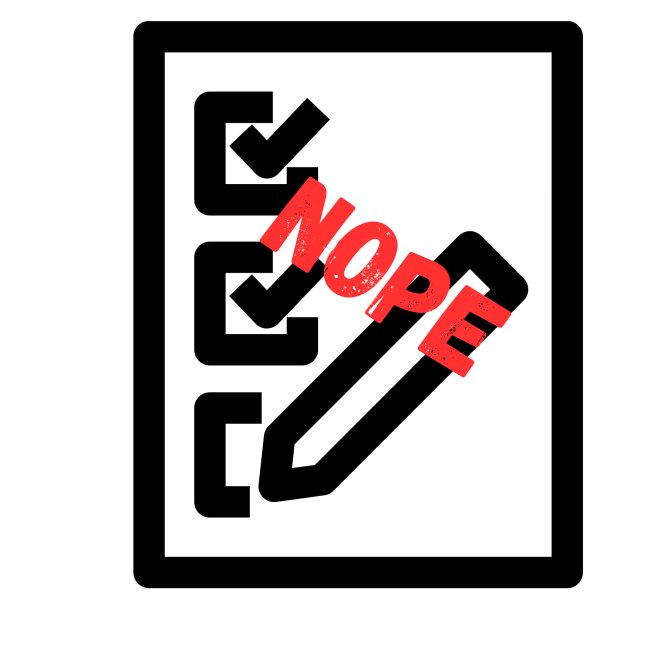
Write it down. Honor it like a boundary carved in stone. I will NOT be guilted into something I physically am unable to do.

3. Embrace the Lazy-Girl Gift Strategy

If it can be ordered, mailed, or printed without me putting on real pants?
It’s fair game.

Digital gifts, Etsy finds, consumables… honestly, the best gifts don’t come from a craft room meltdown. Pants arent really the enemy but shoes and a bra always seem to take more spoons than I have.

4. Schedule Recovery Time Like It’s a Medical Appointment

Events = exhaustion.
Fun = exhaustion.
Walking from the couch to the door to sign for a package = sometimes also exhaustion.

So plan buffer days around anything that drains you. No guilt.

Your energy is a budget — spend wisely. I try to not plan anything for the whole month of December because things come up.

5. Keep One “Emergency Joy” Thing Nearby

A candle.
A smashbook.
Your comfort show.
A snack that makes you feel alive.

Something tiny that sparks joy when your spoon count hits “Windows XP crashing” mode.

6. Delegate Like a CEO on a Deadline

Kids can help.
Partners can help.
DoorDash exists for a reason.

Being a spoonie in December means becoming a master delegator with zero apologies.

7. Create a Bare-Minimum Holiday Tradition

One thing.
Just one.

A movie you always watch.
A hot cocoa night.
A drive to see lights.

Consistency beats intensity every time. I’ve got little things I add each year, with trimming the tree (daughter does under my supervision.) We TRY and watch a movie with a holiday theme. Hot chocolate. Little things.

8. Let Go of the Ghost of December Past

Maybe old you did more.
Maybe old you hosted dinners or ran around like a festive tornado.

New you deserves grace — not comparison. What sucks is there is ten years between middle and last child. I could do WAY more when the older two were prime Christmas ages! Theres not even a comparison.

9. Pick the Memories Over the Motion

If something makes a good memory but doesn’t drain you?
That’s the sweet spot.

We’re not chasing “perfect.”
We’re chasing “present.” There’s a lot of moments you can be ‘present’ for once you take shortcuts on the things that matter less.

10. Celebrate Your Way — Even If Your Way Is the Couch

Rest doesn’t make you less festive.
Joy doesn’t require performance.
You’re allowed to celebrate at the speed your body allows. Do things in advance to use when your spoons are empty, cook in bulk when you have everything out.

And honestly?
That’s where the real peace of the season lives.
December is not a test you have to pass.
It’s a month — messy, beautiful, loud, overwhelming — that you get to shape in the way that works for you.

You deserve moments of joy that don’t cost you your health.
You deserve ease.
You deserve gentleness.

So here’s to a season that meets us where we are — not where the world tells us we “should” be.Til next time gang, take care of yourselves, and each other.

Uncategorized

Medication Management When You Have More Than One Diagnosis

Navigating medication when you live with multiple diagnoses—like ADHD, bipolar disorder, and fibromyalgia—feels less like healthcare and more like trying to solve a Rubik’s cube in the dark. Upside down. While juggling. There’s always a new prescription, a dosage change, or a side effect surprise. Add in the fact that I’m a mom, recently had hip surgery, and sometimes just plain forget things (hello, ADHD brain), and it’s a wonder I manage at all.


1. Keeping Track Is Basically a Full-Time Job

I’ve tried everything: pill organizers, phone alarms, sticky notes, calendar reminders. Some weeks, I’m a medication goddess. Other weeks, I realize at 3 p.m. that my morning meds are still sitting on the counter untouched. According to the CDC, about 50% of people with chronic illnesses don’t take their meds exactly as prescribed—so apparently I’m in good (if frustrated) company. I employ a triple check system, because I have a problem with short term memory, so I had a few times gotten confused and taken morning pills twice. Now I have an organizer, take them at designated time, and old school write it down on the really bad days.

And ADHD doesn’t help. Sometimes I forget to refill my prescription entirely, which means pharmacy texts have become my unofficial accountability partner.


2. Doctors Don’t Always See the Whole Picture

Every specialist has their own tunnel vision. My psychiatrist cares about mood stability, my rheumatologist about pain, and my primary care about blood pressure and labs. Rarely do they connect the dots between all of them. That’s on me.

I keep an updated list of every med, dose, and timing on my phone ON TOP OF the primary care doc who is supposed to monitor my meds. It’s not foolproof, but it’s saved me more than once when someone said, “Wait, you’re taking that too?” I sometimes wish my doctors had a group chat—but since that’s not happening, I play coordinator.


3. Side Effects and Interactions: The Uninvited Guests

Adding a new med always feels like a game of roulette. Will this one help? Will it mess up something else? Once, I started a pain medication that made my bipolar symptoms spiral. (Fun surprise. 0/10, do not recommend.) Recently I was talking to a new psych doc and SHE told me that I shouldnt take a med that I guess has an affect on people with CKD and my numbers put me right at the beginning of that. And yet neither the doc that prescribed the med nor any doc I have talked to ever said anything about it and I’ve been on it well over a year.

Fact check: studies show up to 30% of adults on multiple medications experience interactions or side effects significant enough to affect daily life. No wonder I sometimes feel like I’m trading one problem for another.


4. Forgiving Myself for the Fumbles


(I am SO excited football is back on, my Sundays have purpose now so excuse my metaphors lol)

Missed doses happen. Taking the night meds in the morning happens. Once I even double-dosed my muscle relaxer and took the best nap of my life (not ideal, but at least memorable).

I used to beat myself up for every mistake. Now I remind myself: this is hard, and I’m doing the best I can. Systems help, but expecting perfection is just setting myself up for failure. Its important to be dilligent and well informed and trying your best where meds are concerned but you will make mistakes, we all make mistakes so just be gentle with yourself.


5. Advocacy and Asking for Help

I’ve learned to speak up more at appointments, to say, “This isn’t working” without guilt. Being able to leave a message in the portal helps the minor hiccups I’ve had, but be honest with yourself and your doctor, because if you can’t take a med they might be able to give you another med that works just as good. I’ve asked my pharmacist about interactions that my doctors overlooked. And yes, sometimes I ask my teen to double-check if I actually swallowed my pills. Around here, med management is a team sport.


Final Thoughts

Managing meds with multiple diagnoses isn’t simple—it’s messy, frustrating, and often overwhelming. But with humor, alarms, sticky notes, family backup, and a good dose of self-compassion, I somehow keep moving forward. If you’re in the same boat, you’re not alone. We’re all just out here trying to make the chaos work. Til next time gang, take care of yourselves, and each other.
Uncategorized

Hyperfixation Cuisine: A Love Story

When food is your ride-or-die for two weeks… until it ghosts you.

I don’t fall in love often—but when I do, it’s usually with a snack. A drink. A cereal. A very specific sandwich from one very specific place that I will eat exclusively for 14 days straight like it holds the secrets of the universe and contains all the nutrients my body will ever need. During these passionate food affairs, I become a creature of pure obsession—calculating how many times per day I can reasonably consume my chosen item without judgment, researching the optimal preparation methods, and feeling genuinely excited about meal times in a way that probably isn’t normal for a grown adult. I’ll stock up like I’m preparing for the apocalypse, filling my cart with multiples of the same item while cashiers give me curious looks that I interpret as admiration for my decisive shopping skills. And then? I ghost. Cold turkey. No warning, no closure, no gradual tapering off—just me and my shame in aisle 5, pretending I never knew that Creamsicle shake, avoiding eye contact with the 47 cans of soup I can no longer stomach, and wondering why my brain treats food like a series of intense but doomed romantic relationships.

What Is Hyperfixation Cuisine?

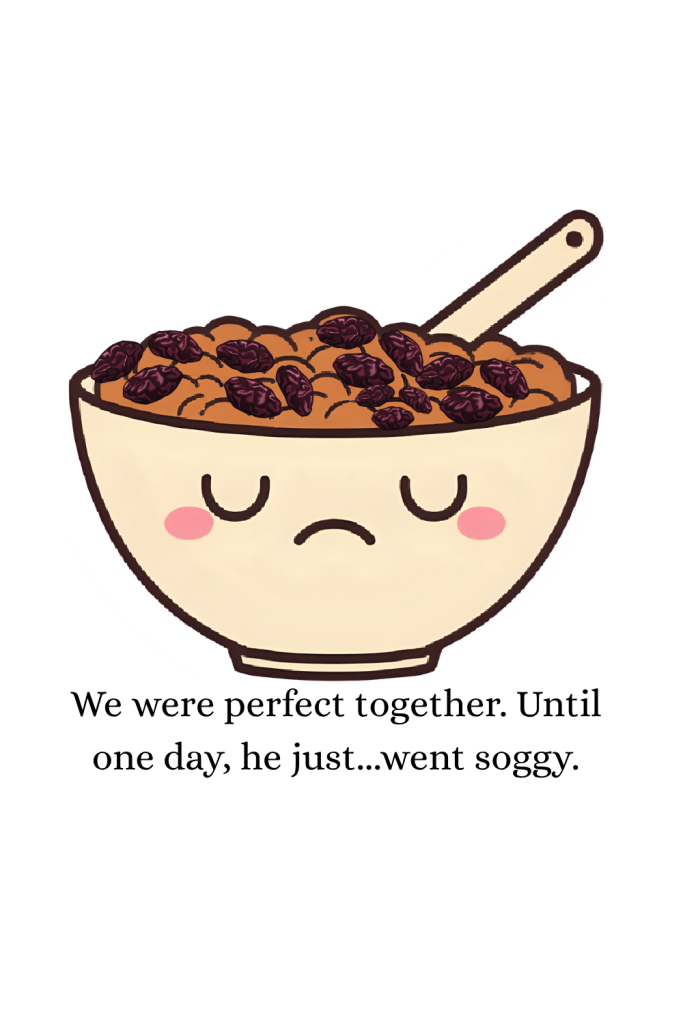
It’s the culinary equivalent of a summer fling. You’re obsessed. You plan your day around it. You talk about it to anyone who will listen (and a few who won’t). You buy in bulk. And then one morning, like a cursed love spell wearing off, it’s done. You’re left with a pantry full of raisin bran and the haunting echoes of a snack you no longer want to eat.

Neurodivergent folks—those of us with ADHD, autism, or both—know this dance well. It’s not a food phase; it’s a full-blown romantic arc.

And science backs us up!

Let’s sneak in some facts while we laugh about it:

Nutritionists would say variety is key. But also? Survival. Joy. Convenience. These are not small things. And if eating the same 3 things on rotation keeps your body going through a rough patch? That’s not failure—that’s strategy.

Plus, it always changes eventually. Usually when you least expect it. Often mid-bite.

Honestly? Laugh. Embrace it. Maybe write a heartfelt goodbye letter to your former food flame. (“Dear Bagel Bites, we had some good times. I’m sorry I abandoned you half-eaten in the freezer door.”)

You don’t have to force variety or shame yourself for what your brain finds comforting. Just make sure you stay fed, hydrated, and somewhat functional. And if one day you find yourself suddenly obsessed with cucumbers in vinegar, just know: you’re not alone.


What was your last food fling? Let me know so I don’t feel like the only one who once ate eleven bowls of raisin bran in one week.

And to all the forgotten snacks still lurking in my pantry…
I loved you once. I swear I did, lol. Til next time gang, take care of yourselves

Uncategorized

Weather or Not, Fibro Hurts: Barometric Whiplash and Summer Survival Tips

Fibro Doesn’t Care About the Season

You’d think pain would be more predictable. Cold = bad, right? Well yes… and no. Because in summer, when the air pressure plays trampoline, humidity tries to choke you out, and thunderstorms sneak up like mood-swing ninjas, your fibromyalgia goes, “Yay! A chance to be more dramatic!”

Your body doesn’t just hurt — it panics, it protests, and it often completely forgets how to function like a semi-sentient adult human.

Why Weather Screws Us Up (Even in Summer)

  1. Barometric Pressure is a Jerk.
    When pressure drops fast (hello, pre-storm), tissues expand. Nerves already oversensitive in fibro-land get even more irritable. It’s like your whole body got a weather alert and decided to throw a tantrum. The research is mixed—effects vary, and for some folks may be subtle. But that doesn’t make your flare-up any less real.
  2. Humidity and Heat Mess with Everything.
    • Heat dilates blood vessels → more fatigue, dizziness, swelling.
    • Humidity slows evaporation of sweat → overheating faster.
    • Add in pain? You’re basically a melted candle with opinions.
  3. Storms Make the Air Feel Heavy.
    Your head hurts, your joints ache, and standing up feels like moving through soup. The pressure swings during storms are sneaky saboteurs.
  4. Your Nervous System is Already Confused.
    Fibromyalgia is a central sensitization disorder. Your brain and nerves are like over-caffeinated chihuahuas — already jumpy, now add atmospheric chaos? It’s not great, Bob.

What Can You Actually Do About It?

💧1. Hydrate Like It’s Your Job.

Barometric shifts and heat can mess with circulation and fluid retention. Water helps regulate your internal temp and reduces dizziness and fatigue.

❄️2. Cooling Tools Are Your Friends.

  • Cooling towels
  • Ice packs on pulse points
  • Fans in every room
  • Spray bottle with peppermint water (YES, seriously)

🧘‍♀️3. Stretch and Move, Gently.

Movement keeps things from stiffening up worse, but go slow. A few light yoga poses, shoulder rolls, or just pacing your hallway counts. You’re not prepping for the Olympics — you’re surviving a weather system.

🛋️4. Pace Like a Pro.

Your energy is a budget. Don’t overspend it just because the sun’s out. Schedule breaks. Cancel plans. Use that “no” like SPF for your soul.

🌀5. Watch the Weather. Plan Ahead.

There are apps just for barometric pressure (like Migraine Buddy or WeatherX). When you see a dip coming, prep your nest: meds ready, chores done ahead, comfy clothes out.

You Are Not Broken — You Are Barometrically Betrayed

So no, it’s not “just in your head.” The weather does affect your fibro. You are not imagining it. And just because you don’t see storm clouds doesn’t mean your body isn’t screaming “WE’RE UNDER ATTACK!”

But you’re learning, adjusting, and finding ways to soften the crash. That’s strength — not weakness. Til next time guys, take care of yourselves, and each other.
Uncategorized

In My Broken Era…

Gather ’round fellow sufferers, for a tale of bodily betrayal that’ll make you laugh, cry, or maybe both – because let’s face it, sometimes that’s all we can do when our parts start throwing in the towel! Welcome to your 40s, folks – that magical decade when your body parts start sending out retirement notices faster than you can say “midlife crisis.” It’s like they all got together for a secret meeting (probably while I was napping – thanks, fibro!) and decided, “Hey, we’ve been busting our butts for decades. Time to clock out and let the young’uns take over.”
Now, I’m no stranger to the ol’ body part eviction notice. My colorful past has led to more parts being removed than I care to count. I’m basically a walking “Lost and Found” box at this point. But just when I thought I was done playing Operation with my own body, my hip decides to join the exodus.

There I am, minding my own business (okay, probably complaining about something else hurting, cuz fibro), when BAM! My hip sends in its resignation letter. It’s done. Finito. Sayonara. My hip’s basically like, “Listen, lady, I’ve put in my hours. I’ve carried your sorry ass around for 40+ years. It’s time for me to hang up my hat and enjoy some R&R. Maybe take up golfing or start a hip-hop career. Get it? Hip-hop?”

This trusty joint of mine has been putting in some serious overtime, and let me tell you, it’s been doing it without so much as a coffee break or a “Hip of the Month” plaque. For years, it’s been the unsung hero of my body’s workforce, carrying me through my fibro flare-ups, cat-chasing adventures, and those days when getting out of bed felt like scaling Mount Everest.But somewhere between the thousandth grocery bag lift and the millionth “I swear I’m not limping, I’m just walking with style” stride, my hip started getting a bit… well, hip-ster. It began demanding things like “rest” and “proper alignment” – the nerve! It’s like it suddenly remembered it had rights or something

When it started troubling me I faced the obstacles that are sadly all too familiar to my fellow warriors, I take this new concern to the doctor, it was initially just brushed off with ‘yes fibro is chronic pain’. Then two years after that, with me consistently saying it hurt DIFFERENT than the fibro, she ordered an x-ray since it was such a weird but steadily getting worse pain and the scan showed moderate osteoarthritis. Not curable and one of those ‘just gonna hurt’ pains. Fast forward three years, finaly got another x-ray that reclassified my OA status is severe and severe enough to put me on the hip replacement list. Color me terrified.

Not every pain we have is fibro related. I understand how easy it can be to dismiss our symptoms as ‘just fibro’ or ‘just stress.’ But we know our bodies, and sometimes what feels like one condition is actually something more. Don’t let anyone invalidate your experience. If you feel something isn’t right, advocate for yourself and push for the care you deserve. Our voices matter, and we deserve to be heard when it comes to our health.

So here I am, facing down a hip replacement way too young thanks to fibro, and thanks to the car hitting me when I was walking. Because apparently, I’m an overachiever even when it comes to falling apart. But hey, look on the bright side – at least I’ll have a shiny new bionic part to add to my collection. Maybe I’ll even get a punch card: “10 surgeries and the next one’s free!” I’m probably up to that by now LOL.

The Moment of Truth: Cysts and No Hope for Fixing It

So, what happened next? Oh, just a little something called “The Moment of Truth: Cysts and No Hope for Fixing It

So, what happened next? Oh, just a little something called “subchondral cysts otherwise known as bone cysts.” Because apparently, my body wasn’t just aging gracefully—it decided to throw in some uninvited guests to make things extra fun. The cysts basically sealed the deal. My hip wasn’t just aging out; it was actively failing on me. After an x-ray, my ortho looked at me and said, “Oh honey, this is severe. There’s no saving this one.”

That was it. No shots, (and I had been putting off getting shots for the pain actually, was finally strong enough in my belief that I could do it and I had no more options since I won’t take narcotics) no pills, no more easy fixes. It was time for major surgery—a hip replacement. And honestly? It felt like a bit of a gut punch, but also a relief. I mean, I’d been working with a hip that was basically clocking out without telling me, so now it was time to send it into official retirement.”

Retirement Offer: The Hip Replacement Option

This is where things got real. I thought I could push through, maybe try some shots or other treatments, but nope, that wasn’t going to be enough. The hip sent a strong message that no amount of cortisone was going to keep it in the game any longer. And after consulting with my ortho, we discovered that my old hip wasn’t just tired—it was severe. So, we started the paperwork. A hip replacement is on the horizon.

I look forward to the end of March, that will be near the official day that my hip clocks out for good, and a shiny new joint will step in to take its place.
So, What’s Next?

Aging might be inevitable, but a hip replacement can be a total game-changer. And while I’m not thrilled about the process (did I mention I almost passed out twice during the initial consult?), I’m ready to get that shiny new hip and hopefully say goodbye to some of this pain.

Here’s the thing: The body’s not like it used to be in your 20s and 30s when you could run full speed and wake up feeling like you just slept in a cloud. Nope, my body is now sending in its retirement applications early, and I’m here for it—with a little humor and a lot of prep work, of course.

In the upcoming posts, I’ll share more details about what the process actually looks like: from the pre-op checkups to the (probably highly entertaining) recovery phase. So, if you’re someone who’s looking down the barrel of your own hip replacement, or you just want to see how this unfolds (because who doesn’t love a good recovery journey?), stick around! Maybe my hip will send me a post card lol. Til next time gang, take care of yourselves. And each other.