Uncategorized

Things I Forgave Myself For This Week

Some weeks you crush goals.
Some weeks you just survive with your dignity slightly intact.
This week? I did a little of both, and Iโ€™m not dragging myself for the rest. I’m not. Ok, I am TRYING not to lol. I looked up all these things so we know, this happens to alot of us.

Hereโ€™s what Iโ€™m letting go of:

Eating crackers for dinner.
It was beige. It was crunchy. It was all I had in me. I know its not nutritional, but I put peanut butter on them, that counts right?

People with chronic pain or fatigue often struggle with meal prep. One study found that when we remove the guilt, weโ€™re more likely to eat again tomorrowโ€”and better. (Neff, 2003)

 Snapping at a stranger when I was overstimulated.
Was it my finest moment? No. But was it the end of the world? Also no.

Emotional dysregulation is common in both ADHD and bipolar. Reframe the moment to be more valuable than perfection. Modeling apology actually builds trust.ย (Siegel & Bryson, 2011)

Crying over a tv personality retiring.
But who will give me the news everyday at 6? I won’t be able to get the exact same news and information from the person they already filled the position with.

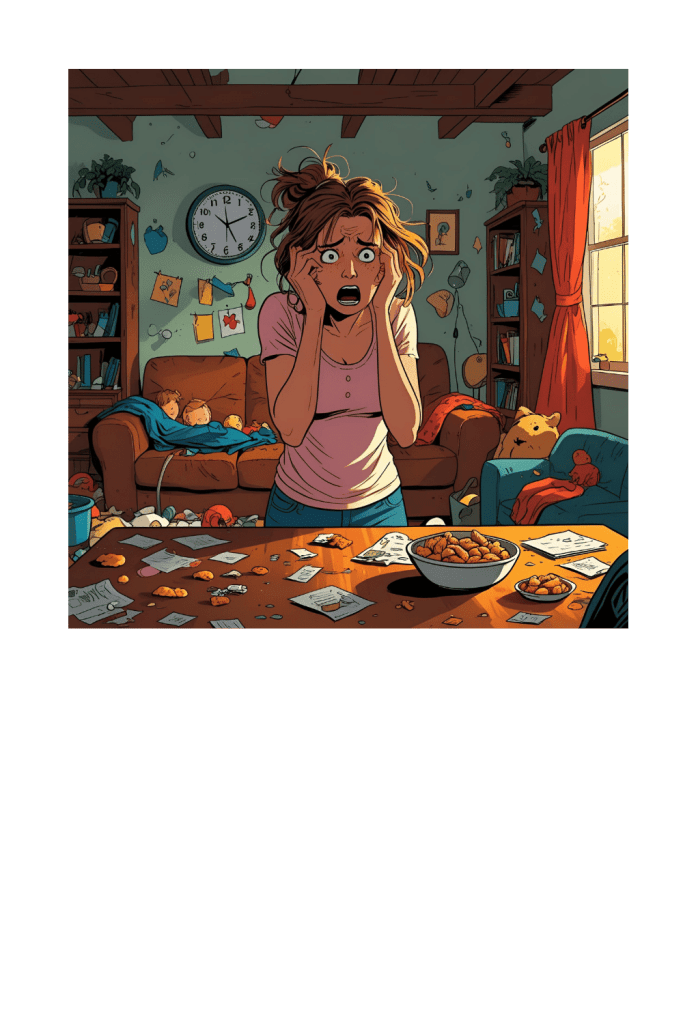
Not cleaning up the kitchen. Or the bathroom. Or basically anything.
The mess wasnโ€™t going anywhere. The mess NEVER goes anywhere, its relentless. Unfortunately, my energy very much goes away lol.

Fatigue from chronic illness isnโ€™t laziness. Research shows that pacing (doing less on purpose) leads toย moreย consistent function long-term.ย (Nielson et al., 2013)

Skipping my meds one day, even though I knew better.
I forgot. Thatโ€™s it. Thatโ€™s the reason.

People with ADHD and mood disorders often struggle with medication consistency. Shame spirals make it worse. Compassion-based routines improve long-term adherence.ย (Safren et al., 2005)

Needing space from literally everyone.
Even the people I like. Especially them. Even the cats.

Sensory overload and mental fatigue demand recovery time. Boundaries arenโ€™t selfishโ€”theyโ€™re how we stay functional.ย (Brown, 2019)

 Wishing I had a different body.
This one feels broken. I still have to live here. Down to the tip of my hair I want everything new. Or I’ll take recycled, I shop at thrift stores

Body grief is real in chronic illness. Acceptance doesnโ€™t mean joyโ€”it just means recognizing pain without adding shame to it.ย (Cash & Pruzinsky, 2002)

Wanting to give up.
But I didnโ€™t. I just wanted to. And that counts.

Suicidal ideation and burnout can flare in depression or mania recovery. Naming those moments gives you back control. Itโ€™s a signalโ€”not a verdict. I’m trying my best to make the most positive of that signal that I possibly can.ย (Linehan, 1993)

๐Ÿ’ฌ Final Thought:

If this list hits home, maybe you need to make one of your own.

Forgive the little stuff.
Forgive the big stuff.
Forgive the you thatโ€™s still trying, even if it doesnโ€™t look like much from the outside.

Youโ€™re not weak. Youโ€™re wicked strong for feeling this much and still showing up. Til next time gang. Take care of yourselves, and each other!

Uncategorized

โ€œWait, Why Did I Walk in Here Again?โ€ โ€” The Silent Rage of Forgetting Everything and Blaming Yourself for It

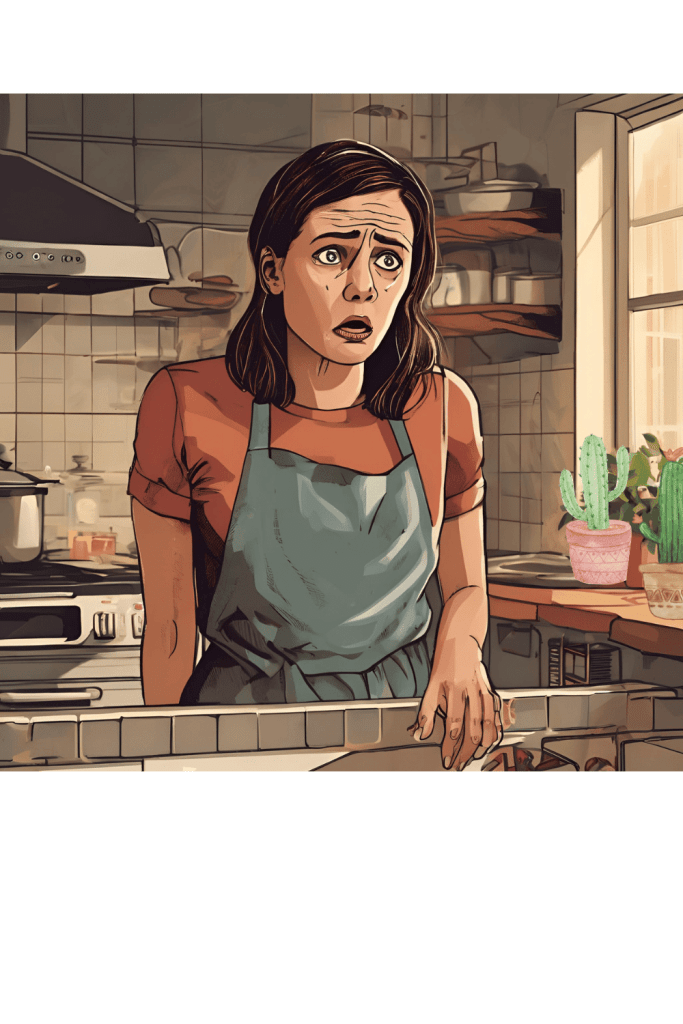
I walked into the kitchen and immediately forgot why. So I stood there. Justโ€ฆ stood there. Like maybe the answer would jump out and bite me in the ass. Sometimes it does. Other times I start spinning like a loading screen stuck at 3%, muttering to myself, โ€œNo. I came in here for a reason. We are not leaving until we figure it out.โ€

And then I see the dishes. Maybe thatโ€™s why I came in? Noโ€ฆ but might as well do them, right? But the water jug needs filling first. So I fill that. If I’m going to do the dishes I should grab my cup. So I go to grab my cup โ€” and by the time I get to my room, the real reason I went into the kitchen finally slaps me in the face. I spin around and race back in before I forget againโ€ฆ but itโ€™s too late. Whatever it was is gone. I sigh. I fill my water. I forget the dishes. And the next time I look up, itโ€™s lunchtime and I have nothing to show for my entire morning but frustration, a full water jug, and a brain that feels like itโ€™s made of mashed potatoes.

You already know Iโ€™ve written about executive dysfunction โ€” and this, my friends, is a prime example. Forgetting what you were doing in the middle of doing it? Classic brain chaos.

But the part that really gets me? The rage at myself afterward.

Itโ€™s not just forgetfulness. Itโ€™s that instant gut-punch of anger when I realize Iโ€™ve wasted another 30 minutes chasing my own tail around the kitchen like a confused Sims character. Itโ€™s looking up at the clock and realizing that despite all my effort, I have nothing to show for it. Again.

And I know โ€” I know โ€” this isnโ€™t a moral failure. Iโ€™ve read the books. Iโ€™ve written the posts. But logic doesnโ€™t stop that voice in my head from whisper-screaming:
โ€œWhy canโ€™t you just remember one simple thing?โ€


๐Ÿ“š Youโ€™re Not Broken. Youโ€™re Wired Differently.

Hereโ€™s the thing: this is common for people living with ADHD, bipolar disorder, and fibromyalgia โ€” especially when youโ€™ve got more than one working against you. Weโ€™re out here trying to be productive while our brains are basically running Windows 95 during a thunderstorm.

Let me throw you some validation, science-style:

  • A study in Psychiatry Research (2017) found that adults with ADHD often report intense frustration and self-directed anger after forgetful moments โ€” especially when theyโ€™re trying to keep up with everyday tasks.
  • Another study in Bipolar Disorders Journal (2020) confirmed that even between episodes, people with bipolar disorder experience ongoing memory lapses and cognitive fog, which can trigger shame and feelings of incompetence.
  • Oh, and letโ€™s not forget fibro fog, which isnโ€™t just a cute nickname โ€” itโ€™s real cognitive dysfunction tied to chronic pain and fatigue. Researchers at the University of Michigan linked fibromyalgia with slower information processing, memory issues, and impaired attention โ€” aka, the holy trifecta of โ€œwhy am I like this?โ€

๐Ÿง  Itโ€™s Not a Lack of Effort โ€” Itโ€™s a Lack of Mental Gas

We arenโ€™t failing because weโ€™re lazy or not trying hard enough. Weโ€™re just running on fumes while carrying twenty invisible backpacks full of mental weight.

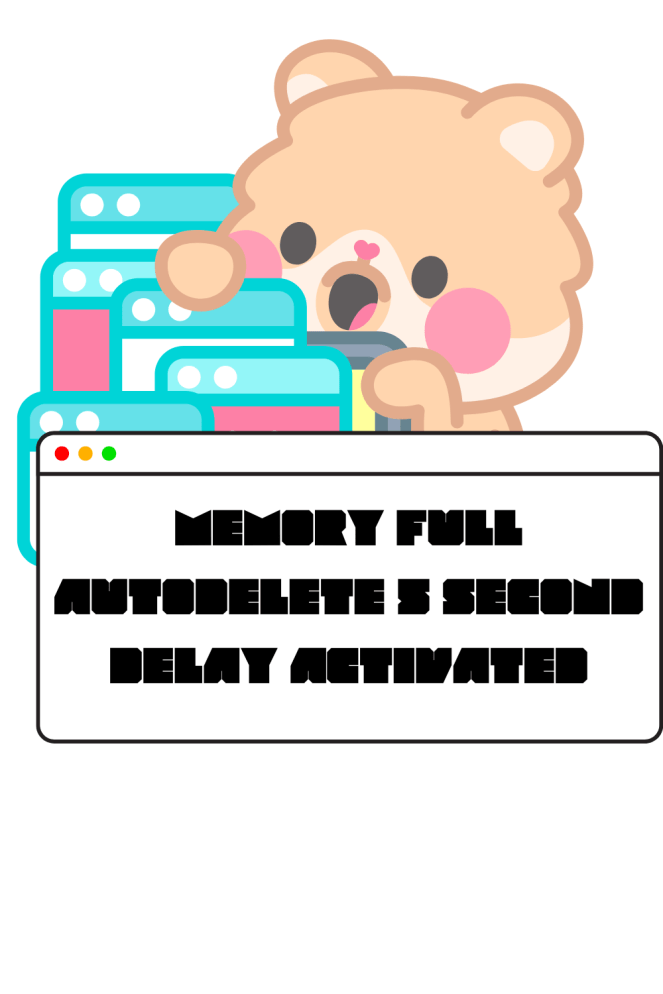
Sometimes we remember. Sometimes we donโ€™t. Sometimes we get furious with ourselves for not being able to hold all the tabs open, even though the mental browser has clearly crashed and is asking us to send an error report.

And the worst part? We carry that anger all day. It builds. It compounds. It turns into guilt, then into a shutdown. Thatโ€™s the cost no one sees โ€” and too many of us pay it in silence.


When the Tabs Crash โ€“ How to Forgive Yourself for Having a Human Brain

So what do you do when your brain throws a blue screen of death during your breakfast routine?

You donโ€™t white-knuckle it through the guilt spiral, thatโ€™s for damn sure. Hereโ€™s what Iโ€™ve learned (sometimes the hard way) that might actually help when your brain taps out mid-task:


๐Ÿ” 1. Reboot, Donโ€™t Rage

When you realize youโ€™ve just lost 20 minutes chasing nothing, pause. Literally. Sit down. Sip your coffee. Give your brain a hot minute to defragment.


๐Ÿ“ 2. Use External Memory โ€” Sticky Notes Are Your Friends, Not an Admission of Failure

Put a dry erase board in the kitchen. Use a Sharpie on your hand. Talk to yourself out loud like youโ€™re your own helpful assistant.


๐Ÿงโ€โ™€๏ธ 3. Anchor the Space

If you forget why you walked into the room, try narrating the space to yourself.


๐Ÿง  4. Remember: Brains Use Energy. Yours Just Uses More.

You wouldnโ€™t blame your phone for dying if youโ€™d been using GPS, streaming music, and checking Instagram at the same time, right? Youโ€™d say, โ€œYeah, that makes sense.โ€ Your brain is the same. ADHD, bipolar, fibro โ€” they all eat cognitive battery life like candy.


๐Ÿ’ฌ 5. Talk Back to the Inner Bully

When that voice says โ€œYouโ€™re useless,โ€ respond with your voice:


๐Ÿ’— Final Words: Youโ€™re Not Alone. And Youโ€™re Not the Only One Forgetting Why You Opened the Fridge.

If youโ€™ve ever felt like youโ€™re the only person yelling at yourself in the middle of the day for forgetting why you walked into a room โ€” youโ€™re absolutely, 100% not.

And if youโ€™ve been carrying that anger, thinking it means you’re weak or broken or lazy?

Let me tell you something:

Let the damn dishes wait. Youโ€™ve got enough on your plate. Til Next time guys, take care of yourselves, and each other.


Uncategorized

Healing Out Loud: What It Looks Like to Unlearn a Lifetime of Self-Gaslighting

For many of us who live with chronic illness, ADHD, bipolar disorder, trauma, or just the fallout of a childhood where vulnerability wasn’t safe, the idea of trusting our own thoughts and feelings isโ€ฆ complicated. We donโ€™t just second-guess ourselvesโ€”we override ourselves. We self-gaslight.

โ€œItโ€™s not that bad.โ€ โ€œIโ€™m just being dramatic.โ€ โ€œOther people have it worse.โ€ Sound familiar? Thatโ€™s not humility. Thatโ€™s internalized invalidation, and itโ€™s one of the cruelest things we do to ourselves.

What is Self-Gaslighting?

Self-gaslighting is when you question or dismiss your own reality, often as a learned response from years of being invalidated by others. According to therapist Stephanie Moulton Sarkis PhD, this pattern often forms in people who have experienced emotional abuse or childhood neglect.ยน Itโ€™s a survival mechanism that becomes self-sabotage.

And itโ€™s commonโ€”especially in neurodivergent and chronically ill communities. Studies have shown that women are especially likely to have their symptoms dismissed or misdiagnosed, leading to a long-term mistrust of their own internal cues. For example:

  • Up to 50% of women with ADHD are misdiagnosed with anxiety or depression first.ยฒ
  • 1 in 5 people with bipolar disorder go undiagnosed for more than a decade.ยณ
  • Chronic pain conditions like fibromyalgia are disproportionately underdiagnosed and stigmatized, especially in women.โด

โ€œI Hate Needing Helpโ€: The Roots of Self-Gaslighting and How I’m Unlearning the Lie

I hate needing help. Likeโ€ฆ viscerally. It makes me feel less than, and not in some abstract way โ€” in the deep, core-wounding kind of way. And it didnโ€™t come from one trauma or a single toxic person. It came from a thousand tiny, normalized moments that stacked up over time, whispering that needing help was weak. That I was weak.

I grew up steeped in traditional expectations most of us did at my age: men work hard and provide, women do everything else. Even if she worked outside the home, the mom still handled the doctor appointments, the homework folders, the mental load of everyoneโ€™s everything. I saw it play out every day. When the school called home, they didnโ€™t call my dad โ€” even though he worked at the same place as my mom. They called her. Because, of course they did.

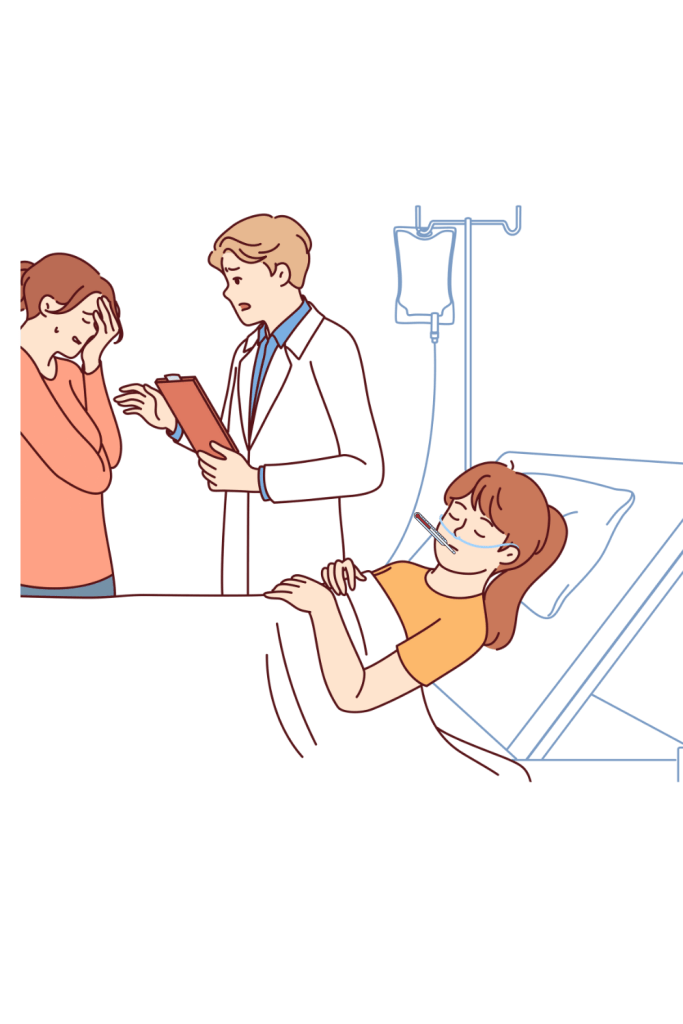
One of my earliest memories of being โ€œtoo muchโ€ started when I was seven and sick โ€” fever, sore throat, the works. I said I was hurting, but everyone figured I was just being dramatic. (To be fair, I am dramatic, but I was also SEVEN and clearly not faking it.) They took me to the doctor, got me antibiotics, and figured that was that. But I wasnโ€™t getting better.

Eventually โ€” after more crying, more pain, and more dismissal โ€” my Gram told my Mom to take me to a backup pediatrician because my doctor happened to be out of the office that day. That man took one look at me and told my mom, โ€œShe needs to go to the ER. Now. Her appendix is rupturing.โ€

He didnโ€™t mince words: โ€œSheโ€™s small. If the infection spreads, it could be too late.โ€

The surgery happened that night. It turned out my appendix had been leaking slowly โ€” poisoning my body while I was being told I was too sensitive, too loud, too whiny. And sure, they saved me (yay!)… but the version of the story that stuck in my head wasnโ€™t about how I survived. It was about how much of a burden I was.

To this day, my mom recalls how she had to carry my โ€œheavy assโ€ because I couldnโ€™t walk. Now, was I actually heavy? No. I was maybe 45 pounds of dead weight and fever. But it embedded this core belief in me: Iโ€™m dramatic. Iโ€™m too much. Iโ€™m inconvenient.

That belief stayed with me. Through childhood. Through my first marriage. Through flare-ups of chronic illness. Through postpartum depression. Through ADHD paralysis. Through years of pushing myself past the edge so no one would see me as โ€œlazy.โ€

When people doubted my pain โ€” or worse, when I doubted it myself โ€” I swallowed it. I thought maybe I was just being dramatic. Maybe I should be able to handle it all. After all, other people have it worse, right?

Thatโ€™s self-gaslighting. And itโ€™s insidious.

It’s the voice that says:

  • “Itโ€™s not that bad. Youโ€™re overreacting.”
  • “Youโ€™re not really in pain, youโ€™re just tired.โ€
  • “You could do this if you tried harder.”

Itโ€™s what kept me quiet when I needed help the most.

But therapy โ€” lots of therapy โ€” helped me finally unravel it. It took years, but I finally get it now:

  • You donโ€™t have to earn rest.
  • Youโ€™re not a burden for having needs.
  • Youโ€™re not weak for needing help.
  • Other people can have it worse AND your situation can still suck.
  • You are allowed to ask for support before you collapse.

And honestly? That doesnโ€™t make you selfish. That makes you human.

If youโ€™re unlearning this too, hereโ€™s what I want you to know:

You are not too much. You were never too much. Peopleโ€™s discomfort with your needs doesnโ€™t make those needs invalid. Being the โ€œstrong oneโ€ doesnโ€™t mean you canโ€™t fall apart. You get to rest. You get to be supported. You get to live a life that isnโ€™t about surviving on fumes and masking your pain to protect someone elseโ€™s comfort.

I spent decades trying to be perfect, to be easy, to be less. But screw that. Life is too short to shrink yourself into silence. Take up space. Let people help. Let them carry you sometimes.

Because you are worth it. Even on your worst day.
How to Begin Healing From Self-Gaslighting

Letโ€™s be realโ€”this is messy work. You donโ€™t fix it by reading a meme or journaling once. You fix it by practicing the opposite, over and over, until it becomes your new truth. Here are some small steps with a big impact:

  • Reality checking with safe people โ€” someone who validates your feelings can be a lighthouse when youโ€™re lost in doubt. It can be anyone but make sure its someone you can trust for their honesty but also know your heart and can be critical while still being gentle.
  • Name the gaslighting โ€” say it out loud: โ€œThat was a survival thought, not a truth.โ€ Say it like you are talking to someone you are trying to help.
  • Document your experiences โ€” journaling, voice notes, or even social media posts (if safe) can help anchor you in your own story. I journal, its incredibly freeing even just writing it down, seeing it, releasing it, but find which of the healing paths fits the best for you. Sometimes, its beneficial to have a community for support, even if its online, so googling support groups for whatever is the most emergent need in your life. I’m big on support
  • Therapy, when possible โ€” especially trauma-informed or neurodiversity-affirming practitioners. If the first one you talk to doesnt vibe, don’t give up, sometimes it takes one or two before you really feel like you have that connection.

Youโ€™re Not Broken. Youโ€™re Healing.

Youโ€™re not too much. Youโ€™re not making it up. Youโ€™re not weak because youโ€™re tired or need help. You are unlearning a system designed to keep you quiet and compliant. That is hard and brave and it countsโ€”even when itโ€™s invisible. Til next time gang, take care of yourselves and each other.


Sources:

  1. Sarkis, S. (2018). Gaslighting: Recognize Manipulative and Emotionally Abusive Peopleโ€”and Break Free.
  2. Quinn, P.O., & Madhoo, M. (2014). A Review of Attention-Deficit/Hyperactivity Disorder in Women and Girls. The Primary Care Companion for CNS Disorders.
  3. Hirschfeld, R.M.A. (2001). Bipolar disorder: The rate of nonrecognition. The Journal of Clinical Psychiatry.
  4. NIH & Mayo Clinic studies on gender bias in pain diagnosis and treatment.