



Ah, New Year’s Eve. That magical time when the clock strikes midnight, and we make a series of promises to ourselves. You know, those lofty promises we make to ourselves after one too many glasses of champagne on New Year’s Eve… (Well not for me I’d take a gummie, talk about LOFTY lmao, and some of THOSE promises are just insane lol)Promises that, let’s be honest, may or may not survive past January 3rd. Let’s get real for a second – are these resolutions actually helpful, or are we just setting ourselves up for a spectacular face-plant into the pool of disappointment? I approach New Year’s resolutions with the same enthusiasm I have for trying to put on real pants before noon: skeptical, exhausted, and overwhelmed. But hey, a girl can dream, right?
So, let’s dive in with a practical (and hopefully hilarious) look at New Year’s resolutions from my slightly chaotic, slightly messy perspective. Spoiler alert: This is all about striking a balance between healthy goals and embracing the reality of our squirrel-brained existence.
1. “I’m going to organize the entire house!”
You see it all the time—resolutions that are essentially a mental checklist of Pinterest boards gone wrong. “This year, I will Marie Kondo my entire house. I will have matching bins for everything, and the laundry will fold itself!” Sounds great in theory, right?
But as someone with ADHD, I can confidently say that my home often looks like a Lego set that exploded, then a hurricane hit, and then a random toddler decided to ‘help’ clean. I’ve got big dreams, but my focus flits from task to task like a squirrel on caffeine. A study in Psychiatry Research found that people with ADHD are more likely to underestimate the time it takes to complete tasks and feel overwhelmed by big goals. So, unless I plan on starting with a single drawer, then celebrating my small victory, I’ll be doing some serious mental gymnastics just to avoid crying over the sheer amount of clutter.

My personal experience: I once started cooking myself some lunch, simple enough but when I went in there and there were too many things on the counter so I try and put a few things away, damn it, everything is jumbled but not MY jumbled so of course I stop and ‘fix’ everything. So later after I found places for things I didnt know I had, I started to gather my ingredients, I don’t see the tomatoes. After running to all the spots I have my canned goods squirreled away, I can’t find them anywhere. I’m spending far too much time looking for them, I go sit down at the computer to try and see my receipt for that week because I just KNOW I bought them. When I prove myself right I’ll go back and RE check everywhere before I finally go ask hubby to see if he knows where they are. He comes out and finds them in seconds, where I JUST looked like some amateur magician, I mean around here people would say if I were any closer it would have bit me lol, However once I start to open it and its a bad hand day and I am too shakey so I take the can and can opener over to hubby’s desk only to realize he’s not there, hunting him down doesnt take too long the house is small but now I hear the shower running. Oh well I can wait, and I take the can and the opener to my desk and see I have a message to respond to.. Needless to say two hours later I end up ordering pizza because I forgot what I was doing and I’m starving. I’m hyper focused on things, some are super dumb to focus. Three hours later, I realized I forgot about the laundry, the dishes, and the food I need to live lol…oops.
2. “I’ll get my life together by being ‘healthier’.”
Ah, the classic resolution: get healthy. Maybe you’re aiming to drink more water, eat cleaner, or even start a workout routine. On paper, it’s the perfect plan. But for someone with fibromyalgia, bipolar disorder, ADHD, and a life full of sensory overload, “being healthy” can quickly feel like the equivalent of climbing Mount Everest in flip-flops.

Fibromyalgia makes me feel like a walking body ache, and some days I’m lucky to get out of bed, let alone hit the gym. I might be in the mood to work out (at 2 a.m. when the house is finally quiet), but then the next day I’ll be in a pain fog and realize that I can’t even lift my coffee cup without wincing.
The research: According to a study published in Frontiers in Psychology, self-compassion is a healthier approach to mental and physical wellness, especially for those with chronic conditions. Instead of stressing over being “perfectly healthy,” the goal should be about taking small, manageable steps and giving yourself grace when it doesn’t work out as planned.
My personal experience: I’ve set a goal to eat better, the NEXT DAY we went to an all you can eat buffet! Shortest diet I’ve ever done lol. I’ve yo-yoed my whole life I’d like to get myself right in the middle, a healthy weight, but I can’t get out of my head enough once I decide I want to lose weight, its a target goal and I will skip eating then get in the pattern of not eating, then start forgetting to eat, this is the progression of this damn cycle. Its a ride I’m trying to get off of.
3. “I will have a better morning routine.”
Let’s be real—mornings are chaos, especially when you have a neurodiverse kiddo in the house. I’ve tried every variation of a “better morning routine” that the internet offers. Wake up, drink water, stretch, make a smoothie, meditate… but when you have a child with autism who struggles with transitions, any routine can be in peril the second they decide that, today, the shirt you picked out is the worst one in the history of shirts. Also, you just got up at 4 a.m. to the sound of a small human announcing that they’ve had a bad dream and that all of your plans for personal growth are now irrelevant.

But guess what? A study from The Journal of Autism and Developmental Disorders shows that predictability and structure in the morning are helpful for neurodiverse children. So, maybe my dream of getting a Zen-like morning isn’t as hopeless as it feels. (That’s not to say I won’t collapse into a heap of tears when my kid insists on eating a frozen waffle for breakfast, even though there’s a hot meal sitting in front of them.)
My personal experience: This one I’ve done a bit better at. I get up and do my morning stuff, a little duolingo, maybe watch youtube videos. Track your circadian rhythm, a fitbit or something that tracks your sleep, and experiment. I have found that I get the most done and be the most productive when I wake up before everyone else. The problem is that by 5 I am DONE lol. I’m usually ready to chill and watch tv until 8 or 9 when I give up the fight lol but everyone is different and you don’t know what works and fits into your life best until you experiment.
4. “I will learn to love myself.”
Self-love. The golden nugget of every resolution list. The heartwarming message that we should all aspire to love ourselves unconditionally. Except for the part where bipolar disorder hijacks my self-worth on a random Tuesday, and the fibro fog leaves me questioning whether I’m even a real person or just a walking pile of laundry. This kind of resolution, though well-intentioned, can feel like a setup for failure when your brain chemistry or chronic pain says, “Nope, not today.”

But here’s the thing: self-love isn’t about achieving perfection. It’s about being kind to yourself, even when you’re exhausted, your house looks like a crime scene, and your child just spilled cereal on the dog. Research shows that self-compassion is tied to better mental health, better coping skills, and a reduction in anxiety and depression, especially for those with chronic conditions. So, maybe this year I’ll resolve to be less harsh on myself when I’m not able to check off everything on my to-do list.
My personal experience: I spent an hour yesterday trying to learn how to cook sausage and peppers like my mom used to make. I googled it and I’ve stuck to the exact recipe, three different exact recipes actually (I’m kind of known for not sticking to recipes because I am incredibly picky) and yesterdays attempt was so far beyond yuck it made me feel like I failed and then I was hungry and mad at myself and in an emotional state because of the mental energy required to not scream.
5. “I’ll be more present.”
This one is popular among all parents, but especially those of us who feel like we’re constantly in survival mode. Being present with my child (and in my life) sounds lovely, but it’s easier said than done when you’re hyper-focused on a million other things, like that email from school, that phone call you need to make, and oh, your brain is just running through a checklist of everything you didn’t get done today.
But there’s hope. A 2020 study in Frontiers in Psychology found that mindfulness—just focusing on one thing at a time—can have a positive effect on both children and parents, especially in neurodiverse families. So, maybe I won’t master mindfulness right away, but I can certainly try to be “present” while making sure my kid doesn’t eat the cat food.
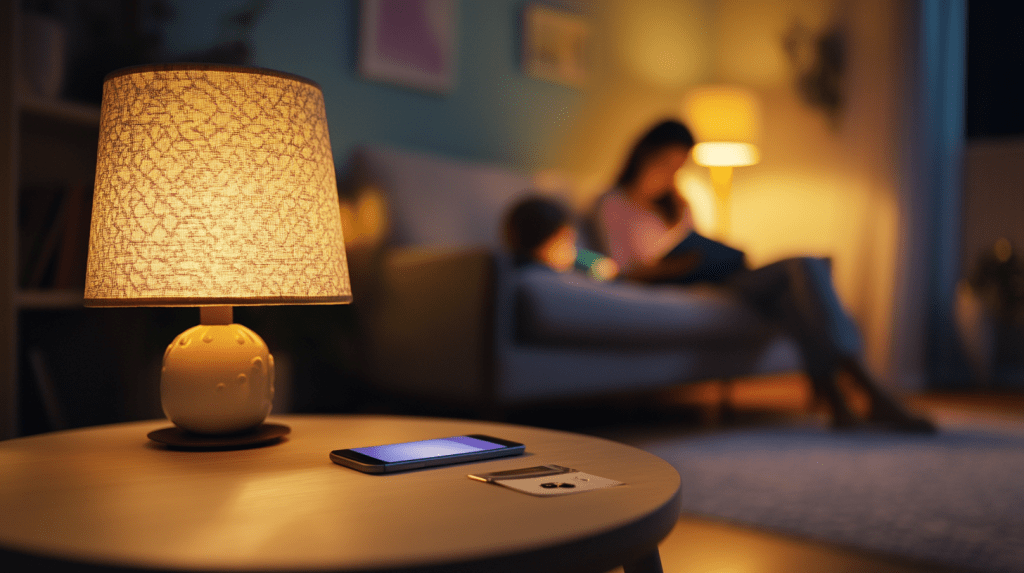
My personal experience: This was actually a goal from last year that I didnt really accomplish, I’m ready tonow I think. I spent 20 minutes watching football with my daughter with us chatting back and forth but I couldnt tell you what she even said because I was busy troubleshooting problems and planning next week’s dinners. Maybe tomorrow?
In Conclusion: The Real Resolution
So, here’s the deal: New Year’s resolutions can be tricky when you’re managing a swirl of mental and physical health conditions, plus trying to be the best version of yourself for your family. And yes, I can get overwhelmed by the pressure of trying to “fix” everything at once. But it’s important to remember that any resolution—no matter how big or small—is about progress, not perfection.

So, what’s a chronically fabulous person to do? Well, I’m a fan of what I like to call “micro-resolutions” or “goals with training wheels.” Instead of vowing to run a marathon (unless that’s your jam, in which case, do you! But I’ll tell you now, you ever see me running you should run fast because I don’t run unless something terrifying is chasing me), how about committing to stretching for five minutes a day? Or instead of promising to overhaul your entire diet, maybe just aim to add one extra veggie to your plate each week. The key is to make your goals flexible and forgiving. Life with chronic illness is unpredictable, and our resolutions should reflect that. It’s okay to have bad days, weeks, or even months. The important thing is to keep moving forward, even if it’s at a snail’s pace.
Instead of aiming for flawless execution of some arbitrary goal, I’m going to focus on one thing: being kind to myself. And if that means taking a nap in the middle of the day, or not organizing my whole house, so be it. The New Year’s resolution I’m setting this year is simple: give myself grace. And hey, if I can learn to drink more water and finally clean out my fridge? Bonus.

Your worth isn’t measured by how many resolutions you keep or how many goals you crush. It’s measured by the strength it takes to keep going, even when your body feels like it’s staging a mutiny. Here’s to a new year filled with gentle progress, self-compassion, and maybe a few less doctor’s appointments (a girl can dream, right?). Happy New Year, fellow chaotic warriors! May this year be filled with fewer expectations and more moments of peace…and maybe fewer meltdowns along the way. Til next time gang, take care of yourselves, and each other.
 WannaBeNormal