


PTSD isn’t one-size-fits-all, and it definitely isn’t one-story-fits-all. Some people develop it after combat. Others after a car crash, a hospital stay, a toxic relationship, or years of just surviving things that weren’t survivable.
The point is — the body doesn’t know why it’s scared. It only knows that something hurt it, and now it refuses to let its guard down again.
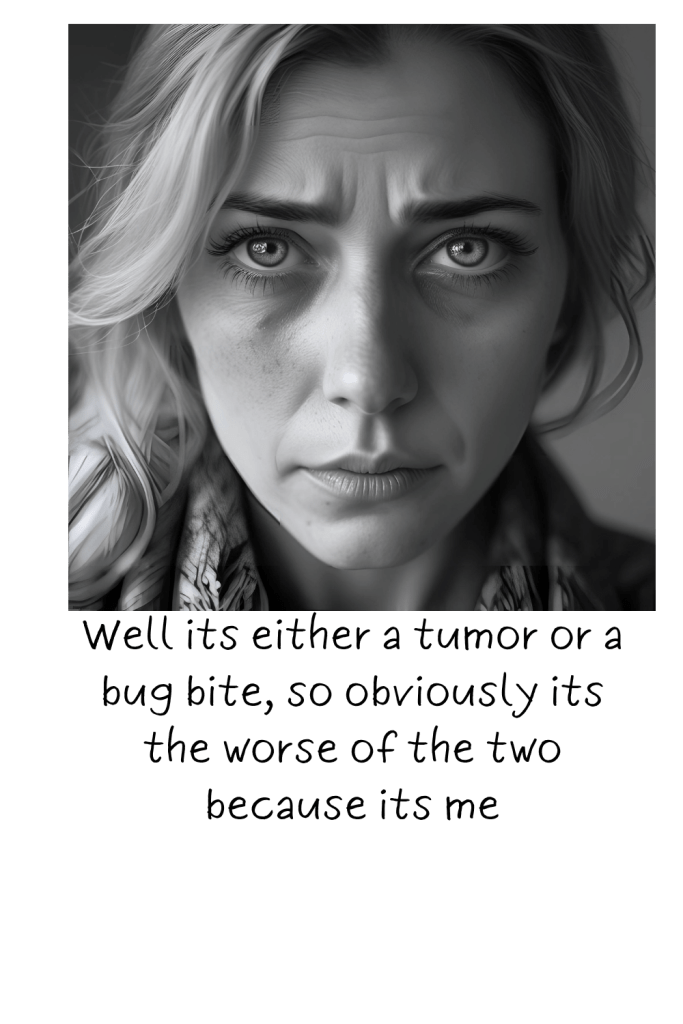
And for a lot of us? That means living in a constant state of alert — hypervigilance.
When the Body Becomes the Alarm System
Hypervigilance isn’t about being “paranoid” or “dramatic.” It’s what happens when your brain gets stuck in survival mode. People with PTSD often show increased activation of the amygdala and insula (the brain’s threat detectors), and reduced regulation from the prefrontal cortex (the part that manages logic and fear control). https://pmc.ncbi.nlm.nih.gov/articles/PMC9682920
This creates a brain more prone to automatic threat response and less able to override it.Over time, your body forgets what calm even feels like. It treats peace like a setup.
You start scanning for the next problem, the next crisis, the next disappointment — because deep down, your body doesn’t believe it’s safe unless it’s braced for impact.
What That Does to the Mind

Living that way rewires your thinking.
- You might second-guess every decision, waiting for the fallout. You’re never wrong if you argue both sides of the problem.
- You may feel detached or foggy — a kind of emotional autopilot. Fibrofog is bad enough but a bad brain day on top of it means no one is getting anything done today lol.
- Focus gets harder because your brain is too busy running background security checks on your environment. You spend so much time doing your background checks you miss all the good things.
- Even joy feels suspicious, like the quiet before a storm. Waiting for the other shoe to drop is a terrible way to go through life because you have no time to dwell on the good.
Over time, it’s exhausting. Not just “I need a nap” tired, but that bone-deep exhaustion that comes from being on guard 24/7.
What That Does to the Body
Hypervigilance isn’t just mental — it’s physical.
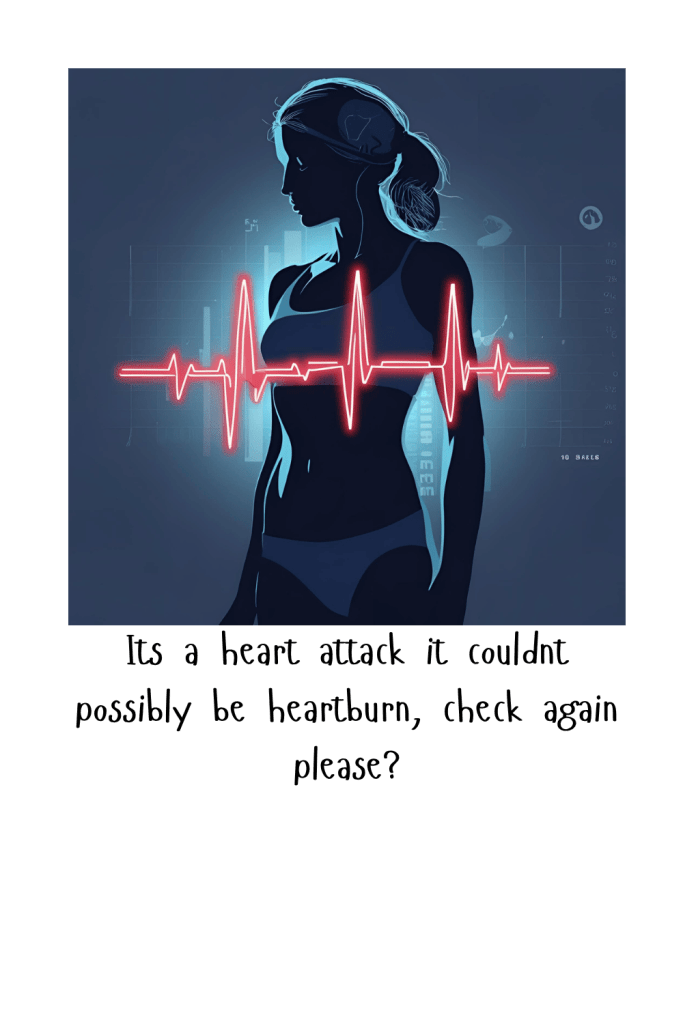
When your nervous system keeps sounding the alarm, your body floods with stress hormones like adrenaline and cortisol. That’s great if you’re outrunning a tiger, not so great if you’re just trying to grocery shop.

It can lead to:
- Muscle tension (especially in your neck, shoulders, and jaw)
- The body doesn’t heal well under constant fight-or-flight — it’s too busy defending.
- Headaches and chronic pain Studies show that people with hypervigilance scan their surroundings more, fixate more broadly on ambiguous scenes, and show enlarged pupil responses even when no actual threat is present https://pmc.ncbi.nlm.nih.gov/articles/PMC4211931
- Stomach issues or IBS
- Insomnia or restless sleep In PTSD, sleep architecture often gets altered: more light sleep, fragmented REM (dream) sleep, and difficulty getting into deep, restorative sleep https://pmc.ncbi.nlm.nih.gov/articles/PMC9682920
- Fatigue that doesn’t go away even after rest Also, individuals with PTSD have been shown to keep a higher resting heart rate even while sleeping — signifying that the body never fully “turns off.”
- Long-term hypervigilance is associated with physical health risks: elevated blood pressure, inflammation, and cardiovascular stress. https://pmc.ncbi.nlm.nih.gov/articles/PMC7263347
Your body ends up running a marathon it never trained for, with no finish line in sight.
Important Note
This is not about comparing kinds of trauma. PTSD is real whether it came from a battlefield, a hospital bed, a car crash, or a childhood that never felt safe. The source may differ — but the physiology of trauma is remarkably similar. If your nervous system is stuck in fight-or-flight, it deserves care, not comparison.
How to Calm the Body That Won’t Relax
You can’t logic your way out of hypervigilance — trust me, we’ve all tried. The goal isn’t to “calm down,” it’s to teach your body that safety is possible again.
Some small but powerful ways to start:

- Name it when it’s happening. “I’m safe right now, but my body doesn’t believe it.” It sounds simple, but naming it gives your brain a choice other than panic.
- Release one muscle group. Shoulders, jaw, stomach — anywhere you’re braced. I try and take a shower because my whole body locks up tight.
- Temperature reset. Cool water on your wrists or neck, or a cold drink, can nudge your nervous system out of fight-or-flight. I’ve started putting a cool cloth on my neck, if that helps some but I’m still plagued with thoughts I need a break from I’ve started sticking my feet in warm water
- Ground through your senses. Notice what you can see, hear, touch, or smell right now. It pulls your brain back to the present. Name all the things you can.
- Predictable rituals. Same mug every morning, same playlist before bed — consistency tells your body, “this is safe, this is familiar.”
- Gentle movement. Rocking, stretching, or walking helps process the adrenaline your body keeps making. (My movement of choice is rocking, often thats how hubby and monkey know when I am stressed a lot of time I dont realize I’m doing it. Sometimes I start to rock but whatever my pain is stops me)
Healing doesn’t happen in one “aha” moment — it happens in these small, repeated acts of safety. Over time, they teach your body it doesn’t have to live like the worst thing is always about to happen.
Final Thought

If you recognize yourself in this — you’re not weak, dramatic, or broken. You’re someone whose body learned to survive. And now you’re teaching it to live. Til next time gang, take care of yourselves, and each other!


 WannaBeNormal