Uncategorized

Watching the Drama: I Know It’s Not That Bad — Except My Brain Won’t Believe Me

There’s a terrible little superpower I’ve developed: I can watch myself overreact.

It’s the worst seat in the house — front row, center stage — where my brain is performing a full-throttle disaster musical and I’m sitting there with the program, thinking, “Yep. That’s… dramatic.” Meanwhile my chest is doing interpretive dance, my throat is tight, and my hands have decided to be useless for the foreseeable future.

I know the script. I know the facts. I know that my kid is safe, that no one is angry enough to leave forever, that the noise outside is probably just traffic, not the arrival of doom. I can literally name the thoughts as they happen: This is a sign. This is going to spiral. Everyone will leave. I am unfixable. And I know, in a rational, calm part of my brain, that the thought is an alarm that’s been stuck on repeat. I also know that knowing it — intellectually — doesn’t flip a switch and make my body stop treating it like an emergency.

That’s PTSD after medical trauma for you in a sentence: your mind is both the actor and the audience. The rest of your life keeps going. You keep getting up, you keep making tea, you keep paying bills. But some invisible part of you stays backstage, rewinding and replaying a scary scene, making sound effects, and refusing to let the house lights come up.

Why the “I know it’s not true” feeling is its own kind of hell

It’s isolating. Because the knowledge that your thoughts are lying should be freeing, right? In theory. But being the person who can say, “This is irrational,” while your body screams “RUN” is exhausting and weirdly lonely. You end up apologizing to people for things they weren’t even upset about, or you cancel plans because you feel unsafe even though everything else says you’re fine. You blame yourself for being dramatic. You try to be the reasonable adult and the reasonable adult keeps getting ignored.

And then there’s guilt. If friends or family do help, you watch them pay attention and you feel both relieved and awful — because you think you’re costing them time and energy. You start to believe that self-sufficiency is the only moral option and asking for help is taking more than you deserve. Spoiler: that’s not the truth. It’s an emotional trap set up by fear.

Tiny, practical things that actually help when your brain runs the show

I’m not going to give you platitudes. Here are things that have helped me — small, honest, and doable even on the worst days.
  • Label the play: When the alarm starts, say out loud (or mentally): “That’s my PTSD talking. That’s the survival brain.” Naming it doesn’t make it vanish but it takes away some of its power.
  • Two-minute grounding: Five things you see, four things you can touch, three sounds, two smells, one thing you can taste (or one thing you like about the moment). It’s boring, and that’s the point. It pulls you out of the theater.
  • Breathe like you mean it: 4-4-6 breathing (inhale 4, hold 4, exhale 6) calms the vagus nerve faster than a pep talk.
  • Write the loop down: If a memory keeps looping, grab a notebook and write it until you’re bored of it. Then scribble one practical line: “Right now: I am home. Right now: I can breathe.” The page can hold the drama when your brain insists on replaying it.
  • Micro-asks for people: Don’t make others guess. Say, “Can you sit with me for ten minutes?” or “Could you text me at 7 to check in?” People who care usually want the script — they just don’t want to mess it up.
  • Make a tiny safety plan: three things to do if it spikes (call X, 2-minute grounding, favorite playlist). Tape it to the fridge if you have to. Pre-deciding reduces panic.

What to say — when you want to ask for help but hate feeling needy

Try something simple and specific:

Or, if you need practical help:

Short. Specific. Low drama. It gives people an easy yes.

The honest truth I remind myself (even when my brain screams otherwise)

I can hold two truths at once:

  • My mind is telling a bigger story than the facts support.
  • Needing help right now doesn’t make me a burden — it makes me human.

There’s a difference between the loudness of a feeling and the size of reality. Your feelings are not the final arbiters of truth. They are signals. Sometimes they’re reliable, sometimes they’re not. You don’t have to act on every alarm. You can notice it, honor it, and then choose what you do next.

A small support for the messy days

If you’re reading this while your chest is tight and your brain is staging a meltdown, I see you. I know how lonely it becomes to watch yourself react and feel like you’ve failed at being calm. You haven’t failed. You’ve survived things that rewired your alarm system. That makes your reactions loud — not your worth small. Til next time gang, take care of yourselves, and each other.
Uncategorized

Notifications from My Chronic Illness Squad

Sometimes living with multiple diagnoses feels like I’m stuck moderating the world’s most chaotic group chat. None of my conditions text in complete sentences, everyone interrupts, and nobody ever seems to be on the same page. Honestly, if you peeked at the notifications going off in my brain, this is pretty much what you’d see…

Good Morning!

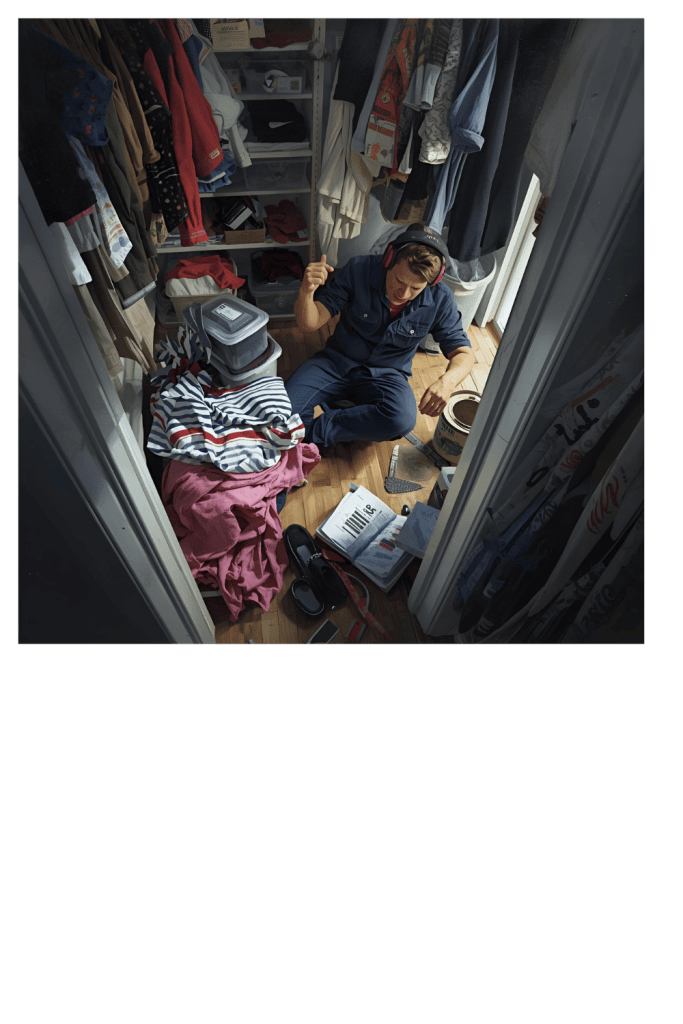
ADHD: “GUYS I just had the BEST idea! Let’s reorganize the closet at 2 a.m. while blasting music!”

Fibromyalgia: “Cool, but you’re going to need a heating pad, three naps, and a chiropractor after.”

Bipolar: “YES. Let’s do it! Let’s paint the closet rainbow colors and start a whole new side hustle around it!!”

Anxiety: “Wait. What if the paint is toxic? What if you mess it up? What if everyone laughs at you? Also, did you lock the door?”

Depression: “lol. what’s the point of even having a closet.”

PTSD: [randomly sends 17 fire emojis]

After Lunch:


ADHD: “Oops, forgot the drawers. Now I’m starting a craft project.”

Fibromyalgia: “Oh, awesome. Guess who’s going to need three days in bed because of hot glue injuries?”

Bipolar: “WE CAN SELL IT ON ETSY! MILLIONS!!”

Anxiety: “What if nobody buys it? What if they all leave one-star reviews? What if we end up bankrupt??”

Depression: “same.”

PTSD: [sends an old photo no one wanted to see]

Mid – Afternoon

ADHD: “Oops! Forgot the craft, but I DID deep clean the fridge!”


Fibromyalgia: “Congrats. I’ll just be over here, inflamed like a balloon.”

Motivation (rare cameo): “Guys… maybe we… clean the kitchen?”

ADHD: Ignore Motivation, he’s on vacation most days


Bipolar: “OMG let’s turn this into a cleaning business! Million-dollar idea!!”


Anxiety: “What if someone hires us and we miss a spot and they never forgive us?”


Depression: “We wouldn’t go anyway.”


PTSD: [sends a soft focus picture of nothing in particular]

2 A.M. Chaos 🌙

ADHD: “GUYS! Big idea! We should make a podcast!”

Fibromyalgia: “We can’t even make it through a shower without a recovery period.”


Bipolar: “No, no — THIS is the idea that’ll change everything!!”

Anxiety: “What if no one listens? What if EVERYONE listens?!”

Depression: “lol. either way, pointless.”

PTSD: [sends a GIF of an explosion]

And that’s just one day in the group chat. Tomorrow they’ll be arguing about whether to try a new hobby, cry about laundry, or plan an entire business venture at 3 a.m. Living with ADHD, bipolar disorder, fibromyalgia (and the rest of the crew) isn’t neat or predictable—it’s messy, noisy, and sometimes ridiculous. But at least if I can laugh at the chaos, I get to feel like the one running the chat instead of just stuck in it Till next time gang, take care of yourselves, and each other!

Uncategorized

Medication Management When You Have More Than One Diagnosis

Navigating medication when you live with multiple diagnoses—like ADHD, bipolar disorder, and fibromyalgia—feels less like healthcare and more like trying to solve a Rubik’s cube in the dark. Upside down. While juggling. There’s always a new prescription, a dosage change, or a side effect surprise. Add in the fact that I’m a mom, recently had hip surgery, and sometimes just plain forget things (hello, ADHD brain), and it’s a wonder I manage at all.


1. Keeping Track Is Basically a Full-Time Job

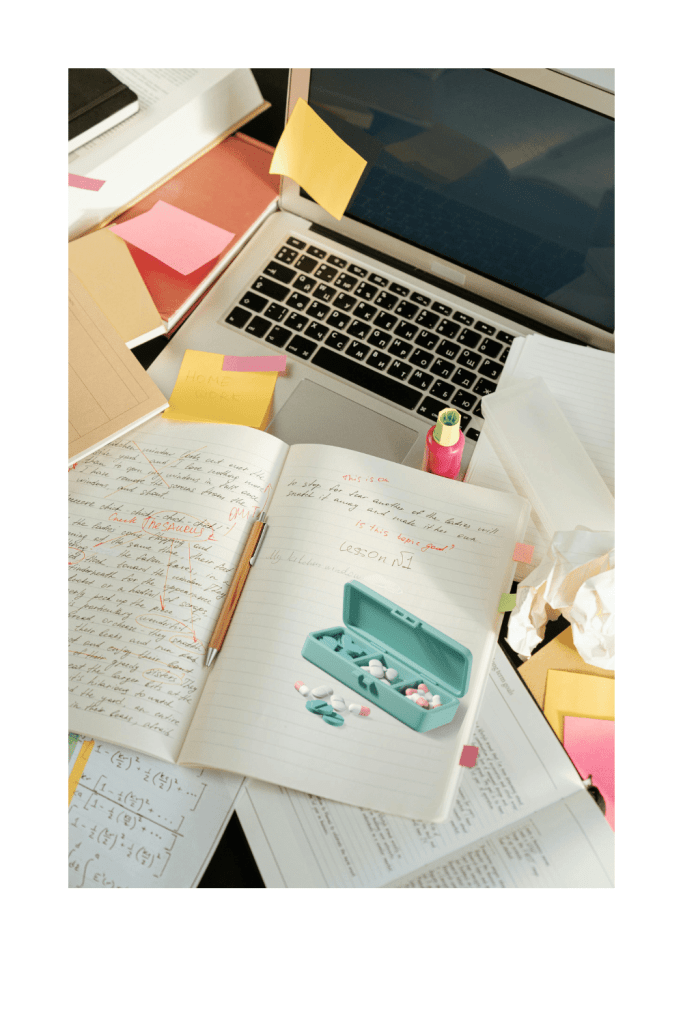
I’ve tried everything: pill organizers, phone alarms, sticky notes, calendar reminders. Some weeks, I’m a medication goddess. Other weeks, I realize at 3 p.m. that my morning meds are still sitting on the counter untouched. According to the CDC, about 50% of people with chronic illnesses don’t take their meds exactly as prescribed—so apparently I’m in good (if frustrated) company. I employ a triple check system, because I have a problem with short term memory, so I had a few times gotten confused and taken morning pills twice. Now I have an organizer, take them at designated time, and old school write it down on the really bad days.

And ADHD doesn’t help. Sometimes I forget to refill my prescription entirely, which means pharmacy texts have become my unofficial accountability partner.


2. Doctors Don’t Always See the Whole Picture

Every specialist has their own tunnel vision. My psychiatrist cares about mood stability, my rheumatologist about pain, and my primary care about blood pressure and labs. Rarely do they connect the dots between all of them. That’s on me.

I keep an updated list of every med, dose, and timing on my phone ON TOP OF the primary care doc who is supposed to monitor my meds. It’s not foolproof, but it’s saved me more than once when someone said, “Wait, you’re taking that too?” I sometimes wish my doctors had a group chat—but since that’s not happening, I play coordinator.


3. Side Effects and Interactions: The Uninvited Guests

Adding a new med always feels like a game of roulette. Will this one help? Will it mess up something else? Once, I started a pain medication that made my bipolar symptoms spiral. (Fun surprise. 0/10, do not recommend.) Recently I was talking to a new psych doc and SHE told me that I shouldnt take a med that I guess has an affect on people with CKD and my numbers put me right at the beginning of that. And yet neither the doc that prescribed the med nor any doc I have talked to ever said anything about it and I’ve been on it well over a year.

Fact check: studies show up to 30% of adults on multiple medications experience interactions or side effects significant enough to affect daily life. No wonder I sometimes feel like I’m trading one problem for another.


4. Forgiving Myself for the Fumbles


(I am SO excited football is back on, my Sundays have purpose now so excuse my metaphors lol)

Missed doses happen. Taking the night meds in the morning happens. Once I even double-dosed my muscle relaxer and took the best nap of my life (not ideal, but at least memorable).

I used to beat myself up for every mistake. Now I remind myself: this is hard, and I’m doing the best I can. Systems help, but expecting perfection is just setting myself up for failure. Its important to be dilligent and well informed and trying your best where meds are concerned but you will make mistakes, we all make mistakes so just be gentle with yourself.


5. Advocacy and Asking for Help

I’ve learned to speak up more at appointments, to say, “This isn’t working” without guilt. Being able to leave a message in the portal helps the minor hiccups I’ve had, but be honest with yourself and your doctor, because if you can’t take a med they might be able to give you another med that works just as good. I’ve asked my pharmacist about interactions that my doctors overlooked. And yes, sometimes I ask my teen to double-check if I actually swallowed my pills. Around here, med management is a team sport.


Final Thoughts

Managing meds with multiple diagnoses isn’t simple—it’s messy, frustrating, and often overwhelming. But with humor, alarms, sticky notes, family backup, and a good dose of self-compassion, I somehow keep moving forward. If you’re in the same boat, you’re not alone. We’re all just out here trying to make the chaos work. Til next time gang, take care of yourselves, and each other.

Uncategorized

Hyperfixation Cuisine: A Love Story

When food is your ride-or-die for two weeks… until it ghosts you.

I don’t fall in love often—but when I do, it’s usually with a snack. A drink. A cereal. A very specific sandwich from one very specific place that I will eat exclusively for 14 days straight like it holds the secrets of the universe and contains all the nutrients my body will ever need. During these passionate food affairs, I become a creature of pure obsession—calculating how many times per day I can reasonably consume my chosen item without judgment, researching the optimal preparation methods, and feeling genuinely excited about meal times in a way that probably isn’t normal for a grown adult. I’ll stock up like I’m preparing for the apocalypse, filling my cart with multiples of the same item while cashiers give me curious looks that I interpret as admiration for my decisive shopping skills. And then? I ghost. Cold turkey. No warning, no closure, no gradual tapering off—just me and my shame in aisle 5, pretending I never knew that Creamsicle shake, avoiding eye contact with the 47 cans of soup I can no longer stomach, and wondering why my brain treats food like a series of intense but doomed romantic relationships.

What Is Hyperfixation Cuisine?

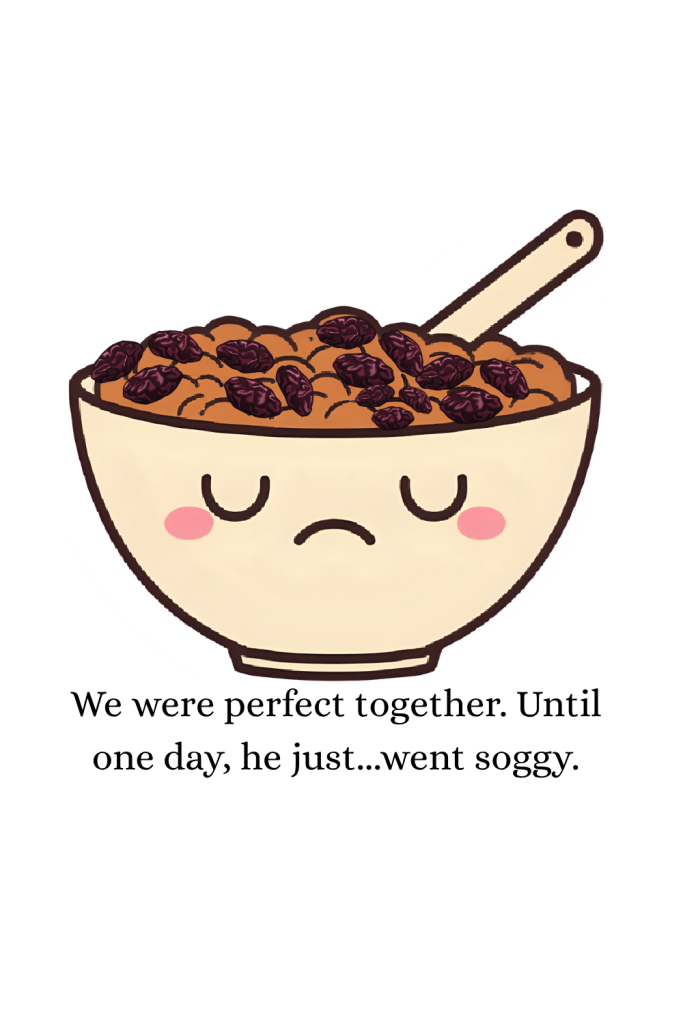
It’s the culinary equivalent of a summer fling. You’re obsessed. You plan your day around it. You talk about it to anyone who will listen (and a few who won’t). You buy in bulk. And then one morning, like a cursed love spell wearing off, it’s done. You’re left with a pantry full of raisin bran and the haunting echoes of a snack you no longer want to eat.

Neurodivergent folks—those of us with ADHD, autism, or both—know this dance well. It’s not a food phase; it’s a full-blown romantic arc.

And science backs us up!

Let’s sneak in some facts while we laugh about it:

Nutritionists would say variety is key. But also? Survival. Joy. Convenience. These are not small things. And if eating the same 3 things on rotation keeps your body going through a rough patch? That’s not failure—that’s strategy.

Plus, it always changes eventually. Usually when you least expect it. Often mid-bite.

Honestly? Laugh. Embrace it. Maybe write a heartfelt goodbye letter to your former food flame. (“Dear Bagel Bites, we had some good times. I’m sorry I abandoned you half-eaten in the freezer door.”)

You don’t have to force variety or shame yourself for what your brain finds comforting. Just make sure you stay fed, hydrated, and somewhat functional. And if one day you find yourself suddenly obsessed with cucumbers in vinegar, just know: you’re not alone.


What was your last food fling? Let me know so I don’t feel like the only one who once ate eleven bowls of raisin bran in one week.

And to all the forgotten snacks still lurking in my pantry…
I loved you once. I swear I did, lol. Til next time gang, take care of yourselves

Uncategorized

The Real Truth About Living With Multiple Medical Conditions (From Someone Who Gets It)

You’d think having one chronic health condition would be enough to earn you a loyalty card for the doctor’s office (every tenth copay is free?), but apparently, nature loves a “Buy One, Get One” deal just as much as supermarkets do.

In fact, as of 2023, over half (51.4%) of American adults are dealing with at least two chronic conditions simultaneously. Not to brag, but some of us are collecting diagnoses like they’re Pokemon cards. (Its me, I’m some of us.)

1. Your Pill Organizer Qualifies as a Carry-On

You know you’re living with multiple medical conditions when your pill organizer is bigger than your snack box… and requires its own spreadsheet for refills. You could host a bingo night called “Guess Which Pill is for What?” (Winner gets a nap.)

2. Doctor’s Appointments: The New Social Calendar

If social status were measured by how many specialists you know by their first name, you’d be downright popular. Dermatologist on Tuesday? Endocrinologist on Wednesday? Neurologist at the end of the month? You’ve got a calendar busier than a pop star’s tour schedule.

3. Symptoms: Pick ‘n’ Mix Edition

Fatigue, brain fog, joint pain, strange rashes—sometimes it’s hard to know whether a new symptom is a plot twist from an old diagnosis or just a friendly sequel from a new one. You ask your doctor, “Is this Normal™?” and they say, “Well, for you, maybe!”

4. Health Is a Team Sport Now

Turns out, it takes a village… to manage your prescriptions, go over lab results, and remind you again which foods will actually disagree with Condition #3 (but not #2).

5.You’re Not Alone in This Wild Ride

Here’s the kicker: 76.4% of US adults had at least one chronic condition in 2023—and over one in four young adults aged 18–34 now have two or more. If you sometimes feel like a medical outlier, you’re actually part of the majority (how’s that for a plot twist?).

6. Bonus Round: Confusing Your Fitbit

You tell your fitness tracker you have “bad days” and “good days.” Fitbit just quietly registers your nap as a “restorative yoga” session. (Thanks, buddy, I needed that win.)

Quick Facts to Drop at Parties for Street Cred:

Multiple chronic conditions (aka “multimorbidity”) are on the rise, especially among young adults—up from 21.8% to 27.1% in a decade. Most common tag team combos include high cholesterol, arthritis, hypertension, depression, and—everybody’s favorite—obesity.

Living with multiple medical conditions isn’t for the faint of heart…except, actually, sometimes it literally is when your next diagnosis is “mild tachycardia.” But you do it with humor, strength, and the world’s most impressive pill stash. And that, fellow warriors, is the real truth.

Author’s tip: If in doubt, just tell people you’re “collecting chronic conditions” like rare action figures. Laughter might not be the best medicine, but it’s definitely covered by emotional insurance.

Factual data for your reading pleasure: The CDC and other reputable sources confirm everything above, except maybe the part about winning a nap at diagnosis bingo. Til next time gang, take care of yourselves, and each other!

Uncategorized

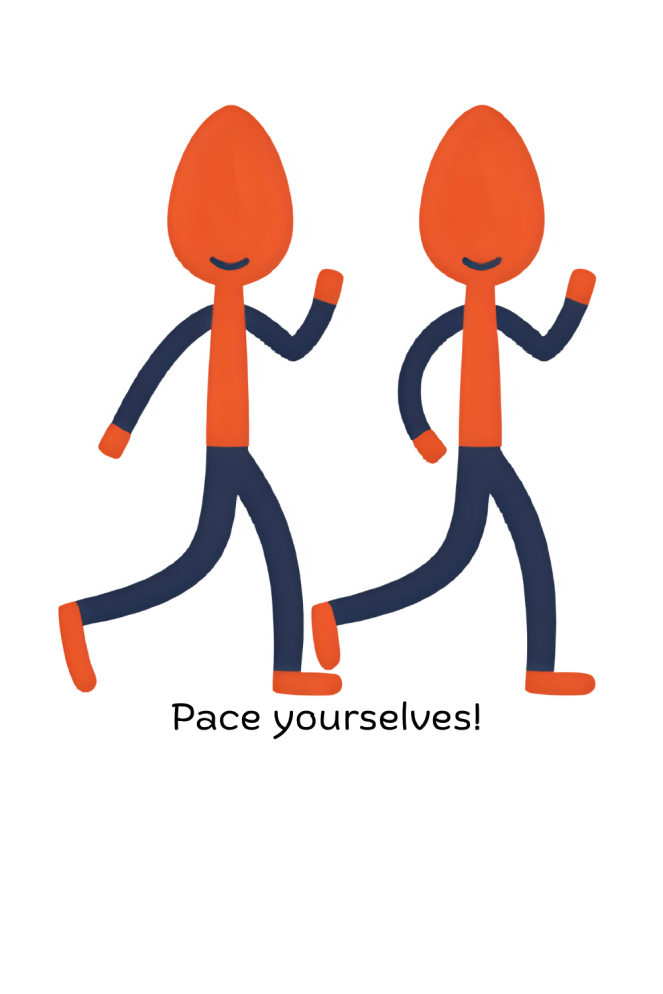
Beyond Basic Spoon Theory: Strategic Energy Management for Complex Parenting

When your energy comes with an expiration date, every choice becomes strategic.

We all know spoon theory. But let’s be real—most of the advice assumes you’re managing your energy for your own activities. What happens when you can’t just “rest when you need to” because someone else depends on you for dinner, rides, and emotional regulation? When your autistic teenager needs consistency but your fibromyalgia is flaring? When your ADHD brain forgot to save energy for the evening routine, but bedtime still has to happen?

I’m not trying to be a saint here—I’m trying to survive until bedtime without completely falling apart. And that requires a different kind of energy strategy than the basic spoon theory tutorials assume.


The Complex Reality: When Multiple Conditions Collide

These are my dancin spoons

Here’s what the basic spoon theory explanations miss:
When you’re managing fibromyalgia, ADHD, and bipolar disorder simultaneously, your spoons aren’t just limited—they’re unpredictable.

My ADHD brain might hyperfocus and blow through six spoons organizing one closet. A bipolar mood shift can drain spoons faster than a phone with a cracked screen drains battery. And fibromyalgia? It’s like having a fluctuating baseline that changes without warning.

Add parenting an autistic teenager to the mix, and you’re not just managing your own energy—you’re strategically allocating it so everyone gets what they need, including you still being a functioning human by 8 PM. (Well I never claim to be a functioning human any time after 5 lol)

This isn’t about being selfless. It’s about being smart enough to pace yourself so you don’t crash and burn, leaving everyone (including yourself) worse off.


The Science Behind Why We Run Out of Spoons

Research backs up what we’ve always known: fibromyalgia isn’t just “feeling tired.” Studies show people with fibromyalgia experience disrupted sleep, increased pain sensitivity, and central sensitization—basically, our nervous systems are stuck in overdrive.

Key Research Findings:

  • Fibromyalgia and Central Sensitization: The National Institute of Arthritis and Musculoskeletal Diseases confirms fibromyalgia affects how the brain processes pain signals, leading to widespread pain and fatigue.
  • Sleep Disruption: 75–90% of people with fibromyalgia experience sleep disorders, creating a vicious cycle where pain disrupts sleep and poor sleep worsens pain.
  • ADHD and Executive Function: ADHD impacts energy regulation through executive dysfunction, making pacing activities harder.

But here’s what medical literature doesn’t capture: what happens when you can’t just “listen to your body” and rest whenever you need because someone else is counting on you?


Energy Pacing: The Research-Backed Strategy That Actually Works

The good news? There’s solid research supporting strategies beyond “just rest more.” Activity pacing is designed for people who can’t just stop when they’re tired.

Key Research Findings:

  • Activity Pacing Works: A 2023 systematic review found pacing—regulating activity to avoid post-exertional crashes—is one of the most effective strategies for chronic fatigue conditions.
  • Better Than Boom-Bust: People who learn pacing techniques report significantly improved quality of life compared to those who push through until they crash.
  • The Energy Envelope: Research shows staying within your “energy envelope” prevents the crash-and-burn cycle that leaves you useless for days.

The key insight? It’s not about doing less—it’s about doing things more strategically so you can sustain your energy over time.


My Real-Life Strategic Energy System

The Morning Energy Assessment

Every morning, I do a quick reality check: How’s my pain? Did I sleep? Is my brain foggy? This gives me a realistic count of my available energy for the day. A good day might be 15 units. A flare day? Maybe 8. The key is honesty about what I actually have, not what I wish I had.

The Triage System: Essential vs. Optional

I ruthlessly categorize tasks:

Essential: Medication, meals, safety, school pickup
Important: Homework, emotional check-ins, sensory accommodations
Optional: Fancy meals, deep cleaning, being the “fun mom”

On low-energy days, I focus only on essentials. My teen knows that sometimes we operate in “basic functioning mode,” and that’s just life—not failure. I have learned I am terrible at categorizing though lol.

The 80% Rule

Research shows staying within your “energy envelope” prevents crashes. For me, this means spending no more than 80% of my energy by 3 PM. Kids still need dinner, and I still need to exist as a person after sundown.


Practical Energy-Saving Strategies That Actually Work

Here’s where theory meets reality. These aren’t pie-in-the-sky ideas—these are battle-tested strategies for functioning for others while managing complex needs.

Batch Processing: Work Smarter, Not Harder

High-energy tasks happen on good days. Maintenance mode on the rest. Strategic, not lazy.

Examples:

  • Book medical appointments together to reduce recovery time
  • Meal prep when you’re energized, not hangry
  • Handle school stuff in batches

Environmental Modifications: Make Your Space Work for You

Our home reduces energy demands on purpose. Essentials are easy to reach, grab bars help, and my teen knows the layout.

Modifications:

  • Keep essentials within easy reach
  • Set up “stations” for meds, homework, decompression
  • Use timers and alarms because our brains aren’t built for mental tabs

The 20-Minute Rule

If it takes longer than 20 minutes, it gets chunked smaller or delegated. This prevents ADHD hyperfocus from burning my whole day’s energy.


When Your Teen Needs to Understand Your Reality

One of the hardest parts? Explaining to my autistic teen why I can’t do something today that I could yesterday. Consistency helps, but clarity wins. She’s gotten better since she goes to school based therapy, I’ve really been proud of her empathy lately.

What works:

  • Concrete language: “I have 3 energy units left. Dinner needs 2.”
  • Offer alternatives: “I can’t drive you, but I can order it.”
  • Honesty: “Energy changes daily. Not your fault or mine.”
  • Involve them: “How can we make this work with what I’ve got left?”

The Guilt Factor: Why Strategic Rest Isn’t Selfish

It took me years to accept this: protecting my energy isn’t lazy—it’s responsible. Proactive rest keeps me showing up tomorrow.

Saying no to extras isn’t shirking responsibility—it’s saving energy for what truly matters. Operating in “basic functioning mode” is how I keep us afloat without sinking out of stubbornness.


Next Week: Building your support network and emergency energy protocols—because even superheroes need backup plans. Til next time gang, take care of yourselves, and each other.

Sources / Further Reading:

Uncategorized

Grounded Spirit, Chaotic Body: Spoonie Grounding Tricks That Actually Work

So your brain is playing musical chairs, your body feels like a poorly-updated weather app, and you’re trying not to scream into the void. Welcome to Tuesday.

Let’s talk grounding. No, not like punishment (though if my body had a curfew, it’d definitely be in trouble. Or WAIT, better yet what if I could ground myself? I have had a bit of an attitude lately lol). I mean the kind of grounding that keeps your head tethered to Earth when the world starts to spin—literally or metaphorically.

These tricks aren’t cures. They’re sanity-saving, meltdown-preventing hacks from a fibro-fueled, ADHD-spicy, anxiety-sparked brain that’s been there. A lot.

1. 5-4-3-2-1 Technique
Engage all your senses:

  • 5 things you can see
  • 4 things you can touch
  • 3 things you can hear
  • 2 things you can smell
  • 1 thing you can taste (coffee counts. So does chocolate.)

*This works great when your brain is running full-speed in five directions and not one of them is “calm.”

2. Cold Water, Meet Overheated Brain
Grab a frozen veggie bag, cold can of soda, or run cold water over your wrists.

It’s a little jolt to your system that says: Hey, still alive. Chill out (literally).

3. Root Down (With or Without a Tree)
Press your feet into the ground. Feel the floor. Imagine roots growing into the Earth.
Bonus if you’re outside and can touch actual grass—unless you’re allergic. Then, uh… maybe stick to carpet.

4. Texture Check
Have a fidget, squish, or tactile object you like the feel of? Use it.

I include a small sensory item with every tray I sell because I know how hard it is to find something that doesn’t scream “kid toy” but still gets the job done.

5. Pick a Word, Repeat It Like a Mantra
Mine is “magic” today. Because even in the chaos, there’s some weird alchemy that happens when you survive anyway. Choose yours.

Speaking of grounding (see what I did there?), I made a tray that says “Grounded Spirit” because some days I need that reminder sitting right next to me—especially when my brain wants to float away and my pain wants to knock me down.

But this post isn’t about the tray.

It’s about remembering that you deserve tools that help you stay rooted when everything feels like it’s spinning.

Try one, try them all. Add your own. Tape them to your fridge. And if you fall apart a little later? That doesn’t mean you failed. It means you’re trying.

And that’s more than enough today. Do you have any tips others could benefit from? I’m always looking for new ways to ground myself, email me at wannabenormal@gmail.com or contact me through the contact form. Til next time gang, take care of yourselves, and each other.
PS.
Because Apparently I’m Not the First Genius to Try Grounding

Look, I’d love to say I invented these grounding techniques while dramatically staring into the void, but some actual professionals with degrees and peer-reviewed studies beat me to it. If you want to nerd out—or just need proof to show your skeptical co-worker—here’s where the science lives:

SAMHSA (Substance Abuse and Mental Health Services Administration)
Trauma-informed care guidelines include grounding as a legit tool for managing anxiety and dissociation.
👉 samhsa.gov

Anxiety Canada: 5-4-3-2-1 Grounding
This popular CBT/DBT trick is clinically recognized for calming panic and reorienting during sensory overload.
👉 anxietycanada.com/articles/grounding-techniques

National Library of Medicine
Peer-reviewed proof that sensory-based grounding techniques actually help regulate stress and pain.
👉 ncbi.nlm.nih.gov

Uncategorized

Weather or Not, Fibro Hurts: Barometric Whiplash and Summer Survival Tips

Fibro Doesn’t Care About the Season

You’d think pain would be more predictable. Cold = bad, right? Well yes… and no. Because in summer, when the air pressure plays trampoline, humidity tries to choke you out, and thunderstorms sneak up like mood-swing ninjas, your fibromyalgia goes, “Yay! A chance to be more dramatic!”

Your body doesn’t just hurt — it panics, it protests, and it often completely forgets how to function like a semi-sentient adult human.

Why Weather Screws Us Up (Even in Summer)

  1. Barometric Pressure is a Jerk.
    When pressure drops fast (hello, pre-storm), tissues expand. Nerves already oversensitive in fibro-land get even more irritable. It’s like your whole body got a weather alert and decided to throw a tantrum. The research is mixed—effects vary, and for some folks may be subtle. But that doesn’t make your flare-up any less real.
  2. Humidity and Heat Mess with Everything.
    • Heat dilates blood vessels → more fatigue, dizziness, swelling.
    • Humidity slows evaporation of sweat → overheating faster.
    • Add in pain? You’re basically a melted candle with opinions.
  3. Storms Make the Air Feel Heavy.
    Your head hurts, your joints ache, and standing up feels like moving through soup. The pressure swings during storms are sneaky saboteurs.
  4. Your Nervous System is Already Confused.
    Fibromyalgia is a central sensitization disorder. Your brain and nerves are like over-caffeinated chihuahuas — already jumpy, now add atmospheric chaos? It’s not great, Bob.

What Can You Actually Do About It?

💧1. Hydrate Like It’s Your Job.

Barometric shifts and heat can mess with circulation and fluid retention. Water helps regulate your internal temp and reduces dizziness and fatigue.

❄️2. Cooling Tools Are Your Friends.

  • Cooling towels
  • Ice packs on pulse points
  • Fans in every room
  • Spray bottle with peppermint water (YES, seriously)

🧘‍♀️3. Stretch and Move, Gently.

Movement keeps things from stiffening up worse, but go slow. A few light yoga poses, shoulder rolls, or just pacing your hallway counts. You’re not prepping for the Olympics — you’re surviving a weather system.

🛋️4. Pace Like a Pro.

Your energy is a budget. Don’t overspend it just because the sun’s out. Schedule breaks. Cancel plans. Use that “no” like SPF for your soul.

🌀5. Watch the Weather. Plan Ahead.

There are apps just for barometric pressure (like Migraine Buddy or WeatherX). When you see a dip coming, prep your nest: meds ready, chores done ahead, comfy clothes out.

You Are Not Broken — You Are Barometrically Betrayed

So no, it’s not “just in your head.” The weather does affect your fibro. You are not imagining it. And just because you don’t see storm clouds doesn’t mean your body isn’t screaming “WE’RE UNDER ATTACK!”

But you’re learning, adjusting, and finding ways to soften the crash. That’s strength — not weakness. Til next time guys, take care of yourselves, and each other.

Uncategorized

🧵 The Art of Distracting Myself: Crafting Through Chronic Pain

Living with chronic conditions like fibromyalgia, ADHD, and bipolar disorder means navigating a daily landscape filled with unpredictability and discomfort. Some days, it’s the bone-deep ache that slows me down; other days, it’s the whirlwind of mental fog, impulsivity, or emotional crashes that make the hours feel heavier than they should.

Over time, I’ve discovered something powerful: crafting isn’t just something I enjoy—it’s something I need. Whether I’m swirling pigment into resin or layering textures in a tray mold, I’m not just passing time. I’m reclaiming it.


🎨 Crafting as a Therapeutic Distraction

When my pain flares or my brain decides it wants to spiral, I’ve learned to grab a tool—sometimes a glue gun, sometimes my 3D printer software—and create instead of collapse. Focusing on a tactile task redirects my mind and offers relief, even if temporary. And sometimes that temporary is exactly enough to get me through the day.

Today I mowed. Should I have? Likely not, I was weed eatering (I have no idea what to call it, using the weed eater sounds weird, like use it for what lol, I was using in for its intended purpose LOL) I was around the base of our biggest ‘problem’ tree, I tripped over a root and went tumbling (I was on an incline) but don’t worry, I didnt hurt my hip I landed face first LOL. I got up but knew I was on limited time before the pain made me get down and stay down for the day, so I immediately went in an showered so I could go make art which I did all afternoon. It really didnt feel like I had any pain then after I did some designs I stood up to get something and THERE IT IS! My pain let itself be known. In fact it started screaming at me, my entire body aches.

This isn’t just anecdotal. A study from the University of Colorado found that mental distractions actually inhibit pain at the earliest stages of processing. Basically, when you’re busy crafting or designing something fun or beautiful, your brain says “brb” to the pain (source).


🧠 The Neuroscience of Distracting Pain

Pain is weird. It’s not just in your body—it’s in your brain too. And your brain can be tricked (in the nicest way). Activities that take up cognitive load (like learning a new resin technique or tweaking text in Tinkercad) can literally reduce your brain’s ability to process pain.

There’s even evidence that creative distraction helps people who tend to catastrophize pain—that is, folks whose brains go “this is the worst pain ever and I will never survive this” before breakfast. (Relatable? Same.) (source)


🧺 Turning Pain Into Purpose

I don’t just make things to distract myself—I make things with meaning. Every “Bad Day Basket,” every resin trinket tray, every cheeky 3D-printed phrase like “feel your feelings” or “meds, magic & mindset”—they all come from lived experience.

Helping people has always been a passion of mine, I’ve made up baskets and boxes from coupon shopping, theres nothing like the feeling of doing something of consequence for someone else. Theres an episode of Friends where Phoebe wants to do something selfless, and ever time she does, Joey finds a way it benefited her, concluding that since when you do good for others, you feel happy and proud that you were able to do that, therefore nothing is entirely selfish. Like if you’ve ever vacuumed a new rug, you know the lined pattern you get after for a job well done? Its like that only times a whole bunch more.

These aren’t just products. They’re part of a bigger story—mine, and maybe yours too.


🌟 Creativity as Self-Care (Not Performance)

It’s not about perfection. This isn’t art school. This is about peace. About having something in your hands that makes you feel in control again. About setting your mind gently in another direction for a little while.

Let yourself play.
Let yourself suck at it.
Let yourself create something beautiful—or beautifully messy.


💬 Final Thoughts

Chronic illness will take what it can. Crafting is how I take a little bit back. It’s okay if it’s imperfect. It’s okay if it’s just for you. The act of creating is the win.

If you’re on your own journey through pain or mental health struggles, I hope you’ll try creating something too. And if you don’t know where to start… well, I’ve got some trays and kits with your name on them. Til next time gang, take care of yourselves, and each other!

Uncategorized

Flaky Doesn’t Mean Faithless: Chronic Illness and Friendship Guilt


🧠 The Truth About Being a ‘Flaky’ Friend

People with chronic illness or neurodivergence often carry a ton of guilt about canceling plans, going silent, or not showing up “like we used to.” We’ve internalized the idea that not being physically or emotionally available = not being a good friend.

But here’s the reality:
➡️ According to a 2019 survey by the NIH, over 60% of chronically ill individuals reported losing friendships due to symptoms like fatigue, pain, or mental health swings.
➡️ A 2022 study on social isolation in disability populations found that many people with invisible conditions felt “socially unreliable” — not because they didn’t care, but because their bodies were unpredictable.

I don’t make plans anymore. I can’t remember exact situations where I flaked due to hurting but I do remember the fun others had without me and who wants that?


💬 You’re Not Letting People Down — You’re Living with Limits

Chronic illness isn’t convenient. ADHD isn’t on a timer. Fibro flares don’t RSVP.
Being “flaky” is often just a side effect of surviving something the world wasn’t built to accommodate.

That doesn’t make you unreliable.
That makes you human.

I’ve certainly had others call and cancel for short notice, so intellectually I know I’m not the only one, but shit every time I can’t do something I feel like someone is shining a spotlight on me.


🧷 What Real Friendship Looks Like

True friendship isn’t measured by how often you show up, but how real you are when you do.
Some friends won’t get it—and that hurts. But the right people? The ones who stay? They see your effort, not your absence.

And let’s be honest, sometimes we don’t show up for others because we can’t even show up for ourselves. That’s not selfish. That’s self-preservation.


What You Can Do Instead of Guilt-Looping

  • Send a quick check-in text even if you can’t talk: “Hey, not up for chatting, but I’m thinking of you.”
  • Leave room for honest updates, not excuses: “I wish I had more spoons today. I hate canceling.”
  • Say thank you to the people who stay without making you feel bad.

To the select few who love me regardless and pick up where we left off no matter how much time passed, I appreciate and love you.


❤️ Final Thought

You’re not a bad friend. You’re just living in a body that asks a lot of you. If people mistake that for being faithless, they were never seeing you clearly to begin with.

Give yourself the grace you’d give anyone else struggling.

You don’t owe anyone more than what you’ve got to give. And what you do give—your honesty, your love, your truth—is enough. Til next time gang, take care of yourselves, and each other.