There’s no “welcome packet” when you join the chronic illness club. No orientation video, no handbook, not even a “sorry your body betrayed you” cupcake. But give it a year or two, and like clockwork, you’ll somehow accumulate the exact same stuff as every other chronically ill human alive.
It doesn’t matter what your diagnosis is — autoimmune, neurological, connective tissue chaos, or “we still don’t know but it’s definitely something.” You’ll still end up with this exact lineup. Consider it the unofficial starter pack for a life you didn’t sign up for.
1. The Heating Pad That’s Basically a Limb Now
Not a heating pad. The heating pad. The emotional-support heating device that never leaves your side. The one that smells a little… “well-loved.” The one that goes on vacation with you, because without it, you might as well just stay home and cry.
Bonus points if you own more than one: couch pad, bed pad, travel pad. If there’s an outlet nearby, there’s probably a heating pad plugged into it.
2. The Pill Organizer That Screams “Elder Millennial in Crisis”
Remember when you thought pill organizers were for your grandma? That’s adorable. Now you’ve got the jumbo one with four compartments per day and color-coded sections that could rival a NASA launch sequence.
You’ve upgraded at least twice. You’ve probably dropped it at least once and watched your entire week scatter across the floor like medical confetti.
3. The Hydration Graveyard
“You need to drink more water!” they said. So you bought every water bottle known to humankind. The motivational one with time stamps. The $40 one that promised to change your life. The one with a straw that always smells faintly weird.
And yet… you’re still dehydrated. But at least your shelf looks like an REI display.
4. Compression Socks That Deserve Their Own Fashion Line
When you first bought them, you swore they were temporary. Now you’ve got rainbow stripes, polka dots, and ones that match your pajamas.
Nothing like someone complimenting your “cute socks” while you’re over here preventing blood from pooling in your legs like a human Capri Sun.
5. Meds You’re 70% Sure You Still Need
Your medicine cabinet looks like a CVS threw up. Some prescriptions you take daily, some “just in case,” and others that you can’t remember why you still have but you’re too scared to stop taking.
At least once a week you’re googling, “can I take this one with food or nah?”
6. The Sacred Comfort Outfit
Elastic waistband. Zero zippers. Fabric so soft it might disintegrate soon but you’ll die before you part with it.
You own duplicates because when you find something that doesn’t make your body angry, you commit.
7. The Ice Pack Army
The freezer is 80% ice packs and 20% actual food. There are gel ones, flexible ones, and the infamous bag of peas that’s been there since the Obama administration.
Visitors open your freezer and immediately regret asking questions.
8. Pillows. So Many Pillows.
You’ve got regular pillows, wedge pillows, knee pillows, body pillows, and that expensive orthopedic one you swear doesn’t help but you’re too stubborn to admit it.
Your bed looks like a cloud exploded. Your couch looks like a pillow fort designed by an overachiever.
9. Your Personal Medical Archive
You could open a small clinic with your paperwork. Test results, specialist notes, insurance denials, and that one referral you might need someday.
Because if you don’t keep copies, you’ll end up explaining your entire medical history from scratch at every appointment anyway.
10. The Blanket Multiverse
Weighted blanket. Heated blanket. Soft blanket. “Don’t touch me” blanket. “Only this texture doesn’t make me rage” blanket.
You’ve reached a point where you can’t sit anywhere without instinctively grabbing one. It’s fine. It’s cozy. You’ve accepted it.
11. Snacks on Standby
Every bag, drawer, and vehicle has a snack stash. Protein bars, nuts, crackers, and that one emergency granola bar that’s probably older than your pet but still good in a pinch.
Low blood sugar waits for no one.
12. The Endless Notebook Collection
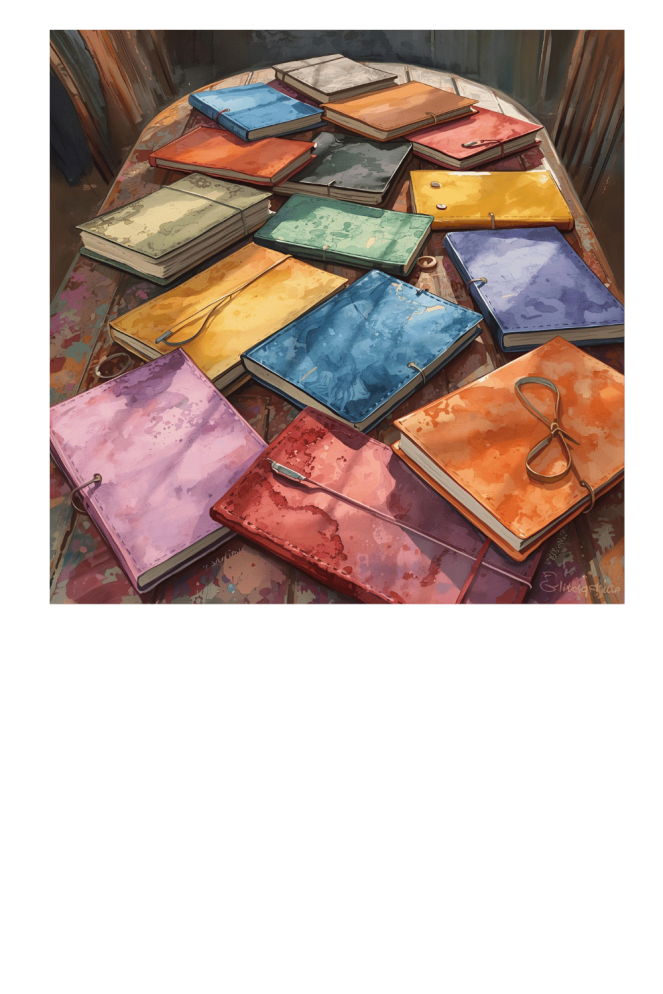
Symptom logs, med trackers, food diaries, mood charts, appointment notes. Every notebook started with good intentions and ended three pages in.
You’ve also tried every app known to mankind, but somehow keep coming back to paper and pen.
13. A Dark, Sparkly Sense of Humor
You can’t buy this one, but it’s essential. If you can’t laugh at your heating pad dependency and your pharmacy-sized pill case, you’ll lose your mind.
Because crying hurts your head, and honestly, we’re low on spoons for that today.
The Unspoken Truth
If you’re reading this while sitting on your heating pad, wrapped in a blanket, surrounded by snacks and water bottles you forgot to refill — congrats, you’re one of us now.
The chronic illness starter pack isn’t sold anywhere. You build it piece by piece, fueled by trial, error, and desperate 2 a.m. Amazon searches.
We didn’t choose this starter pack. But we’re making it work — one heating pad session, one sarcastic laugh, one survival day at a time. Til next time gang, take care of yourselves, and each other!



































 WannaBeNormal