Uncategorized

The Soundtrack of Sanity: How Music Saves Our Asses

let’s talk about how your Spotify playlist might just be the unsung hero in your battle against the chaos in your head. Buckle up, because we’re about to dive into the wild world of music therapy for our neurodivergent brains.

Life with ADHD, autism, or bipolar disorder is trying on its BEST behavior, but on particularly bad days it can be like is like being on a perpetual rollercoaster designed by a sadistic toddler. But before you dive headfirst into your Netflix queue (again), consider this: music isn’t just for your next embarrassing TikTok dance attempt. It’s scientifically proven to be your secret weapon in the war against your own brain. So, let’s crank up the volume and see why your playlist might be more effective than your therapist (don’t tell them I said that).

The Science Behind the Symphony (Or Why Your Brain is Basically a Rave)
First off, let’s talk brain chemistry, because nothing says “fun” like neurotransmitters, right? Turns out, listening to music triggers a dopamine release in your brain. Dopamine is like your brain’s personal cheerleader, minus the annoying pep. It’s the “fuck yeah!” chemical that makes everything seem less like a dumpster fire.
For us ADHD folks, music is like Ritalin without the side effects. Studies show that background tunes, especially with a steady beat, can help us focus and stop us from getting distracted by every shiny object in a five-mile radius. So, next time you’re struggling to read that mind-numbing report, slap on some Mozart or lo-fi beats. It’s like noise-canceling headphones for your ADHD.

And for our autistic pals, music is the universal translator we’ve been waiting for. It’s a way to express emotions without having to decipher the enigma that is human interaction. Research says music therapy can improve social skills, communication, and overall quality of life. It’s like having a cheat code for emotions.

Bipolar disorder, where your mood swings make a pendulum look stable. Music can be your emotional seatbelt on this wild ride. Studies show it can help regulate mood and reduce symptoms of depression and anxiety. When your brain is doing its best impression of a ping-pong ball between mania and depression, music can be the net that catches you. Think of it as your personal mood ring, but actually useful.
The Brain’s Playlist: How It All Works (Warning: Science Ahead)
So, what’s actually happening in your brain when you hit play? It’s like a rave in there. The limbic system (your brain’s drama queen) and the prefrontal cortex (the responsible adult) light up like a Christmas tree. This helps synchronize your neural networks, leading to improved mood and emotional resilience. In other words, music makes your brain cells hold hands and sing Kumbaya.

Why Your Music Taste Matters (Yes, Even Your Guilty Pleasures)
Of course, not all music is created equal. The impact on your mood can vary depending on what you’re into. So whether you’re headbanging to death metal or chilling to lo-fi beats, it’s all about what makes your neurons dance. The key is finding that sweet spot where the music enhances your mood without making you want to punch a wall.

Bottom Line: Hit Play for Better Days (Or At Least Slightly Less Terrible Ones)
So, the next time you’re feeling like your brain is a blender set to puree, don’t underestimate the power of a good playlist. Science says it’s not just about the sick beats; it’s about how music bitchslaps your brain into behaving. So go ahead—press play, let the music work its voodoo, and remember: sometimes the best therapy comes with a side of headphones and a killer soundtrack. Now, if you’ll excuse me, I need to go make a playlist for “Days When My Brain Decides to Be an Asshole.” It’s going to be fire. 🎵🧠🔥 Be kind to yourself and each other

Uncategorized

The ADHD Diet Dilemma: How to Eat Healthy When Your Brain’s on a Constant Sugar High

Ah, ADHD. That delightful sprinkle of chaos that makes you forget where you put your keys, lose track of time, and somehow turn a grocery store trip into an epic saga. But perhaps the most endearing (read: infuriating) aspect of ADHD is how it makes dietary decisions feel like navigating a minefield with a blindfold on. If you’ve ever felt like your stomach is a rebellious teenager and your meal plans are as stable as a Jenga tower on a trampoline, welcome to the club. Let’s dive into the most common dietary dilemmas we ADHD folks face and offer some helpful, solutions to keep our lives (and our bellies) in check.

1. The “I’m Too Distracted to Eat” Syndrome

You’ve got a fridge full of kale and quinoa, but by the time you remember to eat, it’s too late and you’re face-first in a bag of chips. The solution? Embrace preemptive snacking. Keep healthy snacks at arm’s reach. Put nuts in your desk drawer, fruits on your bedside table, and protein bars in your car.
Quick Fix: Stock up on single-serving snack packs. Alternatively, block off a Sunday a week (or month depending on your needs) and make your own single use packs. I’ve been getting into couponing again and you if you can plan ahead (like with a handy dandy planner I’m selling in my shop, just saying)
You can’t forget to eat them if they’re practically begging you to.
Bonus: They’re perfect for your snack-on-the-go lifestyle.

2. The “What’s Cooking? Oh Look, a New Cat Video” Problem

Planning and cooking meals can be as exciting as watching paint dry—unless that paint is a viral cat video. To combat this, try meal prepping like a boss. Channel your inner Food Network star and prepare meals in bulk. You’ll thank yourself later when you’ve got a week’s worth of meals ready to go.
Quick Fix: Find a meal prep buddy. If cooking isn’t your thing, delegate it to someone who loves it. Your job? Show up for the free food and the occasional, “I’m here to eat, not to cook.”

3. The “Healthy Food Is Too Complicated” Conundrum

We get it; kale is basically the poster child for ‘health food,’ but who has time to figure out what the heck a spiralizer is? Instead of getting bogged down by the latest food fads, stick to simple, nutritious foods. Go for things you can recognize as food without needing a Ph.D. to understand.
Quick Fix: Buy pre-chopped veggies and pre-cooked grains. Less fuss, fewer excuses. If you can’t mess up a pre-made salad, then it’s probably foolproof enough for you.

4. The “Too Many Choices, So I’ll Have Pizza” Dilemma

Decision fatigue is real. When faced with too many options, you might just end up ordering pizza because it’s the path of least resistance. Combat this by creating a weekly meal plan that you can stick to. Simplify your choices to a few go-to meals.
Quick Fix: Create a rotating meal schedule (and maybe invest in a planner… I might know where to find A good one 😉 ) . Think of it as a menu for your life. “Monday is stir-fry night; Tuesday is taco night.” Easy decisions, fewer meltdowns.

5. The “Grocery Store is an Overwhelming Gauntlet” Issue

Shopping for groceries can feel like you’re running an obstacle course designed by someone who hates you. To make it easier, stick to a shopping list and try to avoid the aisles that scream “Impulse Buy!”
Quick Fix: Use a grocery delivery service or curbside pick up. It’s like magic, but without the wand. Order online, and have everything you need delivered right to your doorstep. Just remember to actually check the box for “healthy options.”

6. The “Forget to Drink Water Until You’re a Raisin” Problem

ADHD minds are like sieve-like sponges—absorbing everything but retaining nothing. You may forget to drink water until you’re dehydrated. Set up water reminders on your phone or use an app specifically designed to nag you about hydration.
Quick Fix: Get a water bottle with built-in reminders or a cute design that makes you actually want to drink from it. If it’s adorable, it’s harder to ignore.

So there you have it—an ADHD-friendly guide to managing your diet without losing your sanity. Remember, the key is to keep things simple and set yourself up for success. If you can’t make eating healthy a habit, at least make it easy enough that even your easily distracted brain can handle it. Make a game of it in your head, fixate on researching food and calories, turn your stubborn fixation into a strength, research the hell out of it and come up with a meal plan thats flexible yet still nutritious and doable. Now go forth, snack responsibly, and may your grocery trips be ever short and your meals ever delicious! Take care of yourself, and each other!

Uncategorized

Fibromyalgia Flare-Ups: Because Who Needs a Predictable Schedule?

Ah, fibromyalgia flare-ups—the unpredictable, uninvited guests that crash our daily plans with the grace of a bull in a china shop. One minute, you’re checking off items on your to-do list, and the next, you’re grappling with a tidal wave of pain, fatigue, and brain fog. If you’re living with fibromyalgia, you know all too well how these flare-ups can wreak havoc on your daily routines. But fear not! There are ways to manage the chaos with a mix of practical strategies and a touch of humor.

Understanding Fibromyalgia Flare-Ups (Or: Why Your Body Hates You)

Fibromyalgia is like that annoying friend who shows up uninvited and brings a bunch of rowdy guests – pain, fatigue, and brain fog. A flare-up is when these uninvited guests decide to throw a rager in your body. Triggers? Oh honey, it could be anything from stress to the weather changing its mind faster than a toddler in a candy store.

Key Insights:

  1. Flare-Ups Aren’t Always Predictable: Research published in the Journal of Clinical Rheumatology highlights that fibromyalgia symptoms can vary significantly in intensity and duration, making it challenging to plan activities around them. Will today be a “I can conquer the world” day or a “I can’t even conquer putting on pants” day? Spin the wheel and find out!
  2. Stress Plays a Major Role: According to the Fibromyalgia Syndrome: A Comprehensive Approach study, stress is a significant trigger for flare-ups. Managing stress through relaxation techniques can help mitigate the severity of symptoms. Turns out, stress is like fuel for your fibro fire. So try to relax… which is totally easy when you’re in pain, right?
  3. Weather Sensitivity: The Arthritis & Rheumatology journal notes that some fibromyalgia patients are sensitive to weather changes, which can exacerbate pain. However, the exact relationship between weather and flare-ups remains an area of ongoing research. Some fibro warriors are walking, talking weather predictors. Who needs a meteorologist when your joints can tell you it’s about to rain?

Tips for Surviving the Fibro Fiesta

  1. Embrace the Chaos: Plan A, Plan B, Plan “Fuck It, I’m Staying in Bed.”
  2. Journal Like a Teen with a Crush: Document every twinge, ache, and “why me?” moment. It’s like detective work, but less fun and more painful. Keeping a symptom journal is also advisable because what if its not fibro? The more info you have when trouble hits, the more you can tell the doc maybe its a tweak in meds, maybe its something else entirely.
  3. Self-Care is Not Selfish: Prioritize yourself. Take that nap, do that gentle yoga, or just stare at the wall contemplating the meaning of life. It’s all valid.
    The American College of Rheumatology suggests incorporating mindfulness and stress-reduction techniques into your routine.
  4. Set Realistic Goals: Like “get dressed today” or “remember why I walked into this room.”
    Break tasks into smaller, manageable chunks. This way, you can achieve your goals without overexerting yourself. Celebrate small victories, and don’t be too hard on yourself if you don’t accomplish everything on your list.
  5. Pain Management Roulette: Hot baths, massages, meds – try them all and see what sticks. It’s like a spa day, but with more wincing.
    The National Fibromyalgia Association emphasizes that a combination of treatments often works best.

  6. Find Your Tribe: Connect with other fibro warriors. Misery loves company, especially when that company gets why you’re canceling plans for the fifth time this week.

    Join a support group or online community where you can share experiences and gain advice from those who get it.
  7. Stay Informed: Keep up with fibro research. It’s like following celebrity gossip, but the celebrity is your own body. This knowledge can empower you to make informed decisions about your health and treatment plan.
  8. Communicate: Let people know when you’re having a bad day. Most people are understanding, and if they’re not, well, that’s what voodoo dolls are for. Let your family, friends, and colleagues know when you’re having a tough day. Most people are more understanding than you might expect.

A tale of grocery store glory gone wrong…

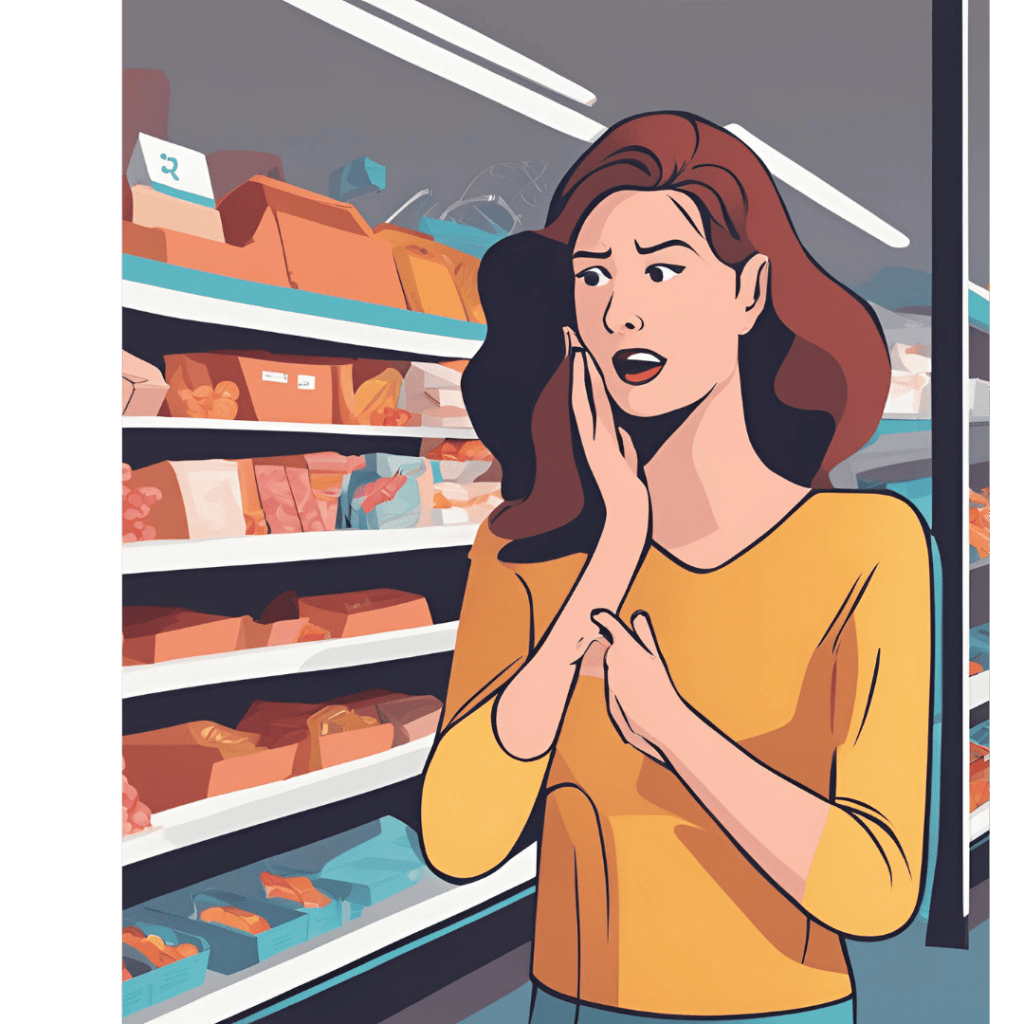
There I was, feeling like a damn superhero, armed with a shopping list and the misguided optimism of someone who’s forgotten they have fibromyalgia.I’m cruising through the aisles, tossing items into my cart like I’m on some twisted version of Supermarket Sweep. I’m on fire, baby! I’ve got a week’s worth of meals planned, and I’m actually remembering to buy vegetables that aren’t just potato chips. Look at me adulting like a boss!

But then, because the universe has a sick sense of humor, my right hip decides it’s the perfect moment to stage a revolt. It was as if my nerve on that side was a live wire that was getting repeatedly squeezed like a cartoon character. Out of fucking nowhere, it feels like a rabid badger has set up shop in my joint and is throwing a rave. One second I’m contemplating the merits of Frosted Flakes versus Froot Loops, and the next I’m clinging to my shopping cart like Rose clung to that door in Titanic.

Every step is like walking on Legos while being stabbed by a thousand tiny ninjas. The fluorescent lights are suddenly brighter than the sun, turning the store into a hellish disco of pain. My carefully crafted plan of “shop and go home to Netflix” is rapidly morphing into “try not to pass out in the cereal aisle.”

As I’m limping towards the checkout, looking like a drunk flamingo pushing a cart, I can’t help but laugh at the absurdity. Here I am, in the middle of Kroger, putting on a show that’s part wounded animal, part determined shopper. But hey, if you can’t laugh at your body’s betrayal in the frozen food section, when can you laugh?

So there you have it, folks. Another day in the life of a fibro warrior, where even a simple shopping trip can turn into an epic battle against your own rebellious body. Now, if you’ll excuse me, I need to go home and ice my hip while eating the comfort snacks I panic-bought during my pain-induced haze. Because nothing says “self-care” quite like ice cream and ibuprofen, am I right? Til next time gang, take care of yourselves, and each other.

Uncategorized

Welcome to “Bipolar Disorder: The Emotional Rollercoaster You Never Bought a Ticket For”

Alright gang we’re about to dive into the wild world of Bipolar Disorder – it’s like a mood ring on steroids, but way less fun and a lot more “What the fuck is happening to me? Let’s get one thing straight: Bipolar Disorder isn’t just feeling a bit up and down. Oh no, that would be too simple. It’s more like your emotions decided to throw a rave in your brain, and everyone’s invited – from the life of the party (mania) to that one friend who always cries in the bathroom (depression).

Imagine a color spectrum, but instead of pretty rainbow colors, it’s various intensities of “Holy shit, what am I feeling?” On one end, we’ve got: Mania: The ultimate “hold my beer” moment. You’re invincible, you’re a genius, and sleep is for the weak.
Example: Sarah decides to redecorate her entire house at 3 AM while simultaneously learning Mandarin and starting an online business. Because why the fuck not? Side note: I wanted to give a random example here with some off the wall stuff, but my moment of clarity and getting myself help was during a mania episode, I was up alone at 3 am, both (only two at the time) kids were curled up in my bed but I couldnt shut my brain off so I decided that would be the best time to SCRUB THE KITCHEN FLOOR WITH A TOOTH BRUSH. I didn’t remember the thought process, only that I can see clear as day in my mind the look up at the clock. The look down at the red toothbrush. The feeling like ‘I don’t think this is what normal people do AT ALL’. It was the catalyst to so much in my life, but thats not relevant here.

Hypomania: Mania’s slightly less unhinged cousin. You’re productive, creative, and feeling great! Until you’re not. Example: Mark starts a new business venture and is convinced he’ll be the next Elon Musk. Spoiler alert: He won’t be.

On the other end, we’ve got:
Depression: When your bed becomes your best friend and showering feels like climbing Mount Everest. Example: Emily can’t remember the last time she changed her underwear, and at this point, she’s too afraid to check.
But wait, there’s more! Because Bipolar Disorder loves to keep us on our toes, it throws in a fun little twist called:

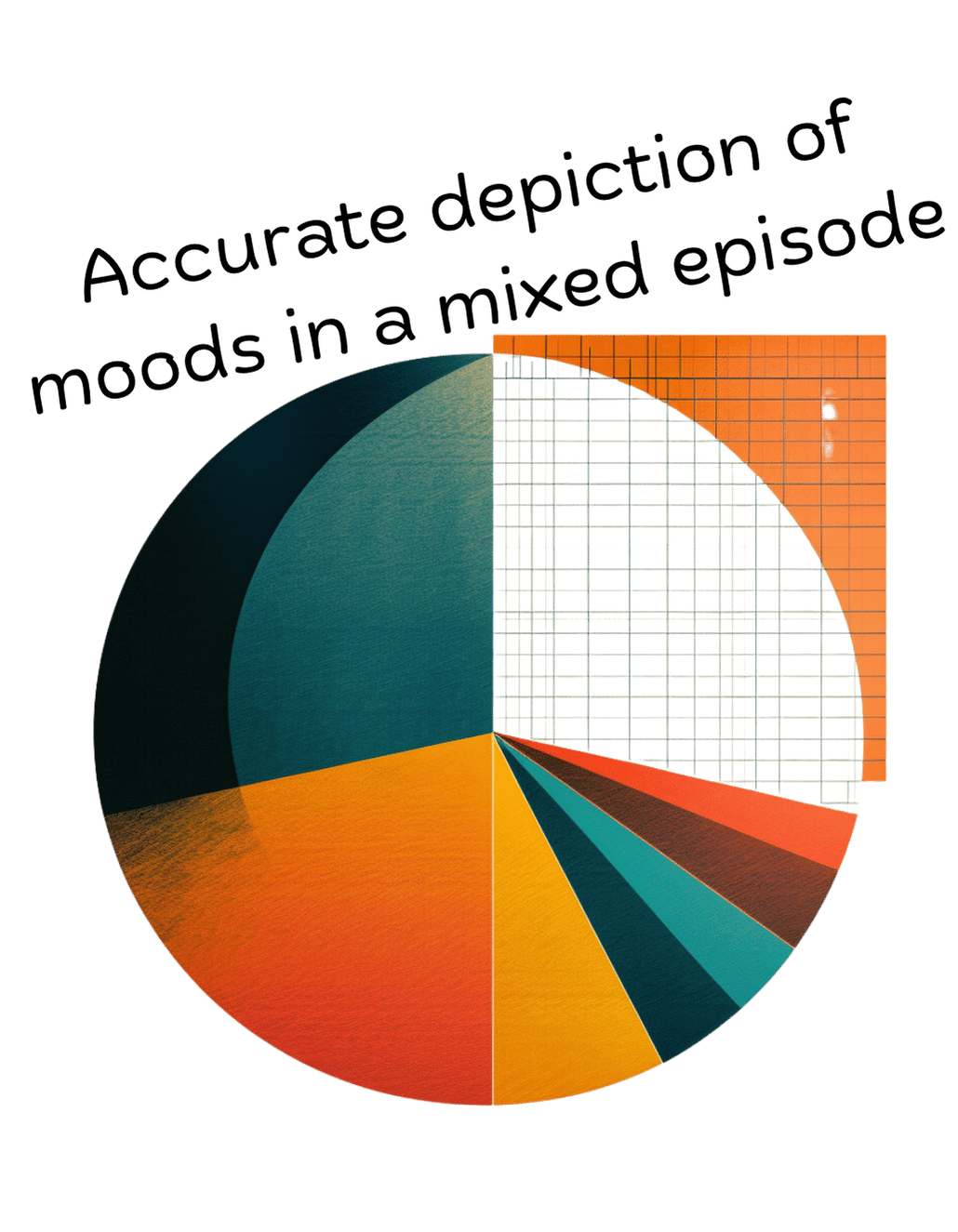
Mixed Episodes: When Your Brain Can’t Decide Which Flavor of Crazy to Be
Imagine having all the energy of George on espresso but with the mood of a wet cat. That’s a mixed episode for you. It’s like your brain is playing ping pong with your emotions, and you’re the ball.You might feel:

  • Like you could run a marathon, but also like you want to cry while doing it.
  • Full of brilliant ideas, but too exhausted to even write them down.
  • Ready to take on the world, but also like the world is out to get you.

It’s a special kind of hell where you’re simultaneously too much and not enough.

Coping with this Shitshow
So, how do we deal with this emotional dumpster fire? Here are some ideas that might help (no promises, though):

  1. Meds: Because sometimes your brain needs a chemical babysitter.
  2. Therapy: For when you need to vent to someone who’s legally obligated to listen.
  3. Support Network: Find your tribe of fellow chaos enthusiasts who get it.

Remember gang, Bipolar Disorder is different for everyone. It’s like a fingerprint, but instead of being useful for identification, it just makes your life interesting in ways you never asked for. It’s like being on an emotional rollercoaster designed by Salvador Dali. It’s complex, it’s challenging, and it’s uniquely yours.

Now go forth, you spectacular screw-ups, and embrace your personal brand of beautiful chaos. Because in the end, we’re all just trying to navigate this wild ride called life – some of us just have more frequent and intense side quests. Take care of yourself, and each other.

Uncategorized

Hello? Is Anyone Out There?

I know politics feels about as appealing as a root canal performed by a drunk squirrel, but hear me out. When it comes to mental health, the shit our elected officials decide can actually make or break someone’s ability to get help without selling a kidney. (This is George’s cousin Tony, and he’d not DRUNK, but he’s not sober, so he’s willing to give you a small discount)

Now, I’m not here to tell you which team to root for in this political circus. God knows they’re all clowns in different makeup. But here’s the kicker: your vote? It’s like a middle finger to the system that’s been treating mental health like that weird cousin no one talks about at family reunions.

Tonight I want to discuss Mental Health, more specifically Mental Health Deserts. No, I’m not talking about some fancy new dessert trend. I’m talking about places where getting mental health help is about as easy as finding a unicorn riding a bicycle. (In fairness we should have taken that pic before Tony shared his hooch and dared her to ride it. She’s MUCH better sober, on a unicycle)

Picture this: You’re struggling with thoughts darker than your coffee, and the nearest therapist is further away than your ex’s emotional availability. Welcome to the mental health desert, where the only thing more scarce than water is a fucking psychiatrist. Now, I know what you’re thinking. “Just go see a therapist!” Yeah, sure, let me just hop in my private jet and fly to the nearest big city. Oh wait, I can’t, because I’m too busy trying to afford ramen noodles this week.

But here’s the kicker: even if you could find a therapist, good luck affording it. It’s like they think we’re all secretly millionaires hiding our wealth in our pillow fort of depression.
So what’s a mentally fucked up person to do in these barren wastelands of sanity? Well, strap in, because I’ve got some ideas that might just keep you from losing your shit entirely:

  1. Hotlines and Crisis Text Lines: For when you need someone to talk you off the ledge at 3 AM. They’re like the Uber of mental health – always there, even if you’re in your pajamas.
  2. Teletherapy: Because sometimes the best therapy happens when you’re not wearing pants. Plus, your therapist can’t judge your messy room if they can’t see it.
  3. Online Support Groups: Find your tribe of fellow hot messes. Misery loves company, especially when that company understands your specific brand of crazy.
  4. Community Health Centers: They might not have fancy leather couches, but they do have people who give a shit about your mental health. And sometimes, that’s enough.

Look, I know it’s not perfect. It’s like putting a band-aid on a bullet wound. But it’s something. And sometimes, something is the difference between making it through another day and… well, not.
We need to make some noise about this shit. Call your representatives, scream it from the rooftops, interpretive dance about it in the town square – whatever it takes. Because no one should have to face their demons alone just because they live in the middle of fucking nowhere.

This election season, while you’re drowning in campaign promises that sound about as reliable as my ADHD medication schedule, take a hot second to think about the poor bastards struggling to get help for their brain gremlins. Your vote could be the difference between someone getting the support they need and being told to “just cheer up” for the millionth time.
So, drag your cynical ass to the polls and vote like mental health depends on it. Because, spoiler alert: it fucking does. Your voice matters, even if it feels like screaming into the void. Who knows? You might just accidentally make the world suck a little less.

Remember, you fabulous fucked up fighters, you’re not alone in this battle. Even if it feels like you’re screaming into the void, know that there are people out there who give a damn. And if all else fails, well, there’s always sarcasm and memes. They’re not FDA-approved treatments, but they’re better than nothing. Stay alive, you magnificent messes. The world needs your brand of crazy. . Now go forth and vote, you magnificent messes. If all else fails, at least you’ll get an “I Voted” sticker to slap over that existential dread.
In the near future I’m going to create a form letter that you can easily adapt for your own Senators, Congress people and representatives. It will make it a little easier to get our voices heard. Now go take care of yourself, and each other!

Uncategorized

Mi Vida Loca (My Crazy Life)

Why My ‘Organized Chaos’ Is Actually a Master Plan (And No, I Don’t Know Where the Plan Is)
Listen up, you neurotypicals and neat freaks. You might look at my desk and think a tornado had a love child with a paper factory, but let me tell you, there’s a method to this madness. Welcome to my world, where ‘organized chaos’ isn’t just a fancy way of saying “I’m a mess” – it’s a damn lifestyle.

The Art of Controlled Chaos
To the untrained eye, my workspace looks like a dumpster fire had a baby with a thrift store explosion. But let me assure you, there’s a system here. It’s like a game of 3D chess, except I’m playing against myself, and I’ve lost the rulebook.

  1. The Pile-Em-Up Principle

In my world, piles aren’t just messy heaps; they’re fucking archaeological digs waiting to happen. Each pile is a time capsule of procrastination and good intentions. The pile on the left? That’s shit I meant to file last year. The middle pile? That’s where dreams go to die. And the pile on the right? That’s where I put things that have mysteriously appeared from the ADHD void and will eventually be sorted by sheer dumb luck or divine intervention.

  1. The Lost-and-Found Game

Finding anything in my ‘organized chaos’ is like playing a twisted version of Where’s Waldo, except Waldo is that one crucial document I need for a meeting in five minutes. The rules are simple: if it’s important, it’s lost. The thrill is in the panic-induced search, unearthing long-lost treasures like that one sock I’ve been missing since Obama was president.

  1. The Mysterious Filing System

I don’t have a filing cabinet; I have a “file-ninja” system. Documents should appear where you least expect them – like in the fridge, under the cat, or in last year’s Halloween costume. It’s designed to keep you on your toes and ensure that you never, ever know where anything is. It’s the ultimate test of memory and how long you can go without having a meltdown.

  1. The Calendar Conundrum

My calendar is a masterpiece of chaos theory. It’s a tapestry of sticky notes, cryptic symbols, and reminders that might as well be written in ancient Sumerian. I have a color-coding system that makes perfect sense… when I’m high on caffeine at 3 AM.

  1. The Perpetual ‘To-Do’ List

My ‘To-Do’ list is longer than the credits of a Marvel movie and just as never-ending. It’s less a list and more a chronicle of good intentions and abandoned dreams. Some items have been on there so long they’ve developed sentience and are plotting a rebellion.

The Illusion of Control
Despite the seeming disorder, there’s a comforting illusion that I’ve got my shit together. Each misplaced item and chaotic pile is part of a grander scheme that only I can truly understand – mostly because I made it up as I went along.

Conclusion: Embracing the Clusterfuck
So there you have it: my ‘organized chaos’ is actually a master plan, a dazzling display of ADHD ingenuity. It might look like a disaster zone to the casual observer, but it’s a carefully curated mess that ensures I’m always engaged in the thrilling game of “Where The Fuck Did I Put That Thing?”

Next time someone looks at your desk and asks, “Isn’t that a bit messy?” just smile and say, “Oh, you mean my master plan? It’s a fucking work of art!” After all, in the world of ADHD, the real masterpiece is finding joy in the journey of organized chaos – and occasionally finding that one thing you’ve been looking for for three months.

Now, if you’ll excuse me, I need to go reorganize my piles. Or maybe take a nap. Whichever I get distracted by first. (Its nap, its always nap). Take care of yourself gang, and each other.

Uncategorized

Super power, or super weakness?

Let’s dive into the wild world of hyperfocus and hyperfixation – the ADHD brain’s way of saying “Go big or go home” when it comes to attention. Hyperfocus: The ADHD Superpower (With a Side of “Oops, I Forgot to Eat”)Picture this: you’re so deep into a task that the apocalypse could start, and you’d be like, “Just five more minutes!” That’s hyperfocus, baby. It’s like your brain suddenly decides to cosplay as a laser beam, zoning in on one thing with the intensity of a thousand suns. Great for productivity, not so great for remembering trivial things like, oh I don’t know, sleeping or going to the bathroom.

Hyperfixation: When Your Brain Decides to Become a Walking Wikipedia on Random Topics
Ever found yourself suddenly obsessed with 18th-century French poetry or the mating habits of sea slugs? Congratulations, you’ve been hit by the hyperfixation train! It’s like your brain picked a topic out of a hat and decided, “This. This is what we’re going to think about 24/7 for the next week… or until we find something shinier.”

How These Differ from “Normal” Focus (Whatever That Is)

  1. Intensity: While normies might be satisfied with a casual interest, we go from 0 to “I’m writing a dissertation on this” in 2.5 seconds flat.
  2. Duration: Regular focus is like a sprint. Our focus? It’s an ultra-marathon… through quicksand… while being chased by bees.
  3. Flexibility: Normal people can switch tasks like changing TV channels. Us? We’re more like old TVs stuck on one channel until someone physically comes to change it.
  4. Awareness: Regular focus allows for multitasking. Hyperfocus? The house could be on fire, and we’d be like, “Just let me finish this paragraph.”

In conclusion, hyperfocus and hyperfixation are like the ADHD brain’s way of compensating for all those times it couldn’t focus on boring stuff. It’s our superpower, our kryptonite, and our entertainment all rolled into one. So next time you find yourself three hours deep into researching the history of spoons at 2 AM, just remember: you’re not procrastinating, you’re embracing your neurodivergent superpowers! Take care of yourself, and each other!

Uncategorized

The Power of Structure

Alright, you beautiful chaos machines, let’s talk about the magical world of structure – because nothing says “I’ve got my shit together” quite like a color-coded schedule and a to-do list longer than your last therapy session. The Power of Structure: How It Benefits Us Neurodivergent Disasters
Living with a brain that’s wired differently is like trying to navigate a maze blindfolded while riding a unicycle. But fear not, my fellow hot messes, because structure is here to save our collective asses. Let’s dive into why slapping some order onto our chaotic lives might just be the secret sauce we’ve been missing.

  • Predictability: Because Surprises Are Overrated
    For those of us who treat unexpected changes like a cat treats a bath, having a structured routine is like a warm, cozy blanket for our anxiety-riddled souls. Knowing what’s coming next means fewer chances for our brains to play the “What If?” game at 3 AM.
  • Time Management: Or, “How to Adult Without Losing Your Mind”
    Let’s face it, time management for us is like herding cats – theoretically possible, but usually a disaster. A structured schedule helps us pretend we’re responsible adults who don’t lose track of time scrolling through memes for three hours.
  • Focus: Squirrel! …Wait, What Was I Saying?
    Maintaining focus when your brain treats every thought like a new, shiny toy is a challenge. Structure gives us guardrails to keep our minds on track, or at least in the general vicinity of where they should be

  • Emotional Regulation: Because Feelings Are Hard
    For those of us who experience emotions like we’re on an endless roller coaster, having a structured routine that includes “Don’t Have a Meltdown” time can be a lifesaver. It’s like giving your emotions a nice, predictable map to follow.
  • .Independence: Fake It Till You Make It
    Structure helps us pretend we’re functioning members of society who can adult with the best of them. It’s like training wheels for life, but with less scraped knees and more “Holy shit, I actually remembered to pay my bills!”

Implementing Structure Without Losing Your Mind:
Now, before you run off to color-code your entire life, remember that structure doesn’t mean turning into a robot. It’s about finding a balance that works for your unique brand of chaos. Start small – maybe try setting a consistent wake-up time (and by consistent, I mean within a two-hour window). Schedule regular meals, because apparently, we’re supposed to eat more than just coffee and anxiety.
Remember, flexibility is key. Your structured routine should be more like yoga pants than a straitjacket – stretchy enough to accommodate life’s curveballs and the occasional “fuck it” day.

Final Thoughts
Structure might not cure our neurodivergence (and let’s be honest, would we want it to?), but it can make navigating this neurotypical world a bit less like trying to fit a square peg into a round hole while blindfolded and on fire. So embrace the power of structure, you beautiful disasters. Create a routine that works for you, even if that routine includes scheduled time for staring blankly at the wall. Because hey, at least you’re staring at the wall at the designated time, right?
Now go forth and structure the hell out of your life. And remember, if all else fails, there’s always coffee and sarcasm to get you through the day. Hope you beautiful people are all happy and had an awesome weekend, take care of yourself and each other!

Uncategorized

Quiet Mindfulness for the Chronically Unquiet Mind

 If you are anything like me, you are tired of your brain performing a never-ending karaoke of that one lyric you know from the song that topped the charts before you were born on constant repeat (I swear I hit shuffle, the button must be stuck!) Sick of your mind treating bedtime like it’s an all-night rave? Well, folks, step right up to the Insomniac’s Club, where fibromyalgia, ADHD, and bipolar mixed episodes collide in a spectacular display of sleeplessness!

But wait, there’s more! Call now, and we’ll throw in a complimentary course on “Quiet Mindfulness for the Chronically Unquiet Mind”! Yes, you heard that right! For the low, low price of your sanity, you too can learn how to navigate the treacherous waters of pain, restlessness, and mood swings while desperately trying to catch some Z’s.


Order in the next 10 minutes, and we’ll even include our patented “Emotional Roller Coaster Survival Kit”! Don’t delay – supplies are limited, but unfortunately, your symptoms aren’t!


(Disclaimer: Side effects may include sarcasm, eye-rolling, and the sudden urge to laugh hysterically at 4 AM. Quiet mindfulness not guaranteed. Actual sleep sold separately.)

  • Start Small: Begin with 5-10 minutes of deep breathing. It’s like dipping your toe in the mindfulness pool before cannonballing into the deep end of enlightenment.
  • Guided Meditation: Find a meditation guide who sounds less like a soothing forest nymph and more like a drill sergeant for your attention span.
  • Breath Awareness: Count your breaths. Lose count. Start over. Repeat until you either achieve nirvana or fall asleep trying. Or pass out. There are multiple options.
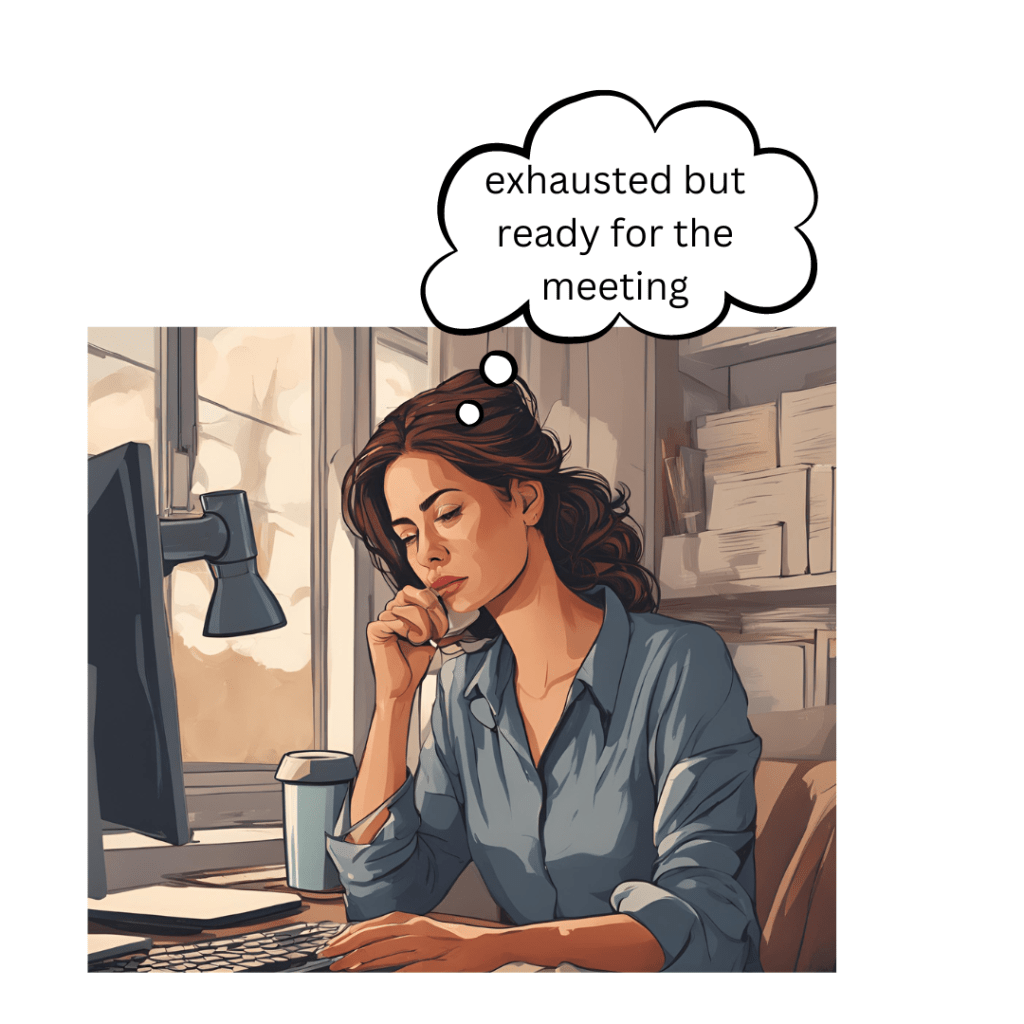
  • Create a Routine: Make mindfulness as routine as your morning coffee. Maybe you’ll remember to do it as often as you forget where you put your keys.
  • Grounding Techniques: When your mind’s doing the Macarena, focus on physical sensations. Like how your butt’s falling asleep from sitting still for so long.
  • Mindful Movement: Try yoga or tai chi. Because nothing says “inner peace” like pretzel-twisting yourself while trying not to fall over.
  • Set Realistic Goals: Celebrate small wins. Did you meditate for a whole minute without planning your grocery list? Gold star for you!

  • Use Technology: Download mindfulness apps. Now you have one more thing to distract you from actually being mindful. Irony, thy name is ADHD.
  • Seek Professional Help: Find a therapist who specializes in herding cats… I mean, focusing ADHD and bipolar minds.
  • Practice Self-Compassion: Be kind to yourself when you inevitably get distracted by a squirrel outside your window. Or was that just me?

Remember, finding quiet mindfulness with ADHD and bipolar is like trying to nail Jell-O to a tree – messy, frustrating, but potentially hilarious. Keep at it, you beautiful chaos machines. Who knows? You might just stumble into enlightenment while looking for your lost shoe. If you find it though, send up a bat signal or something, trail of breadcrumbs so the rest of us can find our way too. Til next time gang, take care of yourself, and each other!

Uncategorized

Balancing Creativity and Risk

Living with ADHD brings its own set of challenges, from struggling with focus and organization to navigating daily tasks. However, one often overlooked aspect of ADHD is impulsivity—a trait that goes beyond mere spontaneity and can significantly impact decision-making, finances, and relationships. When paired with bipolar disorder and its manic phases, impulsivity takes on an even more complex dimension, swinging between moments of exhilarating creativity and potentially risky behavior. The bounce between the extremes can be exhausting.

ADHD impulsivity is like having a toddler at the wheel of your decision-making process. “Ooh, shiny!” becomes your life motto as you navigate a world full of temptations and distractions. Your bank account? A magical place where money disappears faster than your ability to remember why you walked into a room. Relationships? A thrilling game of “How Many Foot-in-Mouth Moments Can I Have Today?” If you are me, the answer is usually ALL OF THEM. Add bipolar mania to the mix, and suddenly you’re not just impulsive – you’re impulsive with a side of “I can conquer the world in my underwear!”

When bipolar mania crashes the ADHD party, it’s like your brain decided to upgrade from espresso to rocket fuel. Suddenly, every half-baked idea seems like pure genius. “Start a llama farm in the Arctic? Brilliant!” (This sent me on a side quest to see if there were llamas in the Arctic, from what I’m reading, the answer is yes?) Your creativity skyrockets, and for a brief, glorious moment, you’re convinced you’re the love child of Einstein and Picasso.The problem? That fine line between “creative genius” and “holy shit, what was I thinking?” becomes blurrier than your vision after a tequila binge.

In everyday life, impulsivity can lead to financial troubles as individuals with ADHD may overspend on fleeting desires or fail to budget effectively. Relationships can suffer due to impulsive outbursts or decisions that strain trust and communication. Professionally, impulsivity may result in missed deadlines or unfinished projects as focus shifts rapidly from one idea to another. During manic episodes, the intersection of impulsivity and creativity becomes pronounced. Mania is characterized by heightened energy, racing thoughts, and inflated self-esteem—traits that, when combined with ADHD impulsivity, can fuel bursts of creativity and productivity. During these times, individuals may feel invincible, generating innovative ideas and pursuing ambitious projects with fervor and enthusiasm.

Mania can lead to moments of brilliance in artistic endeavors (really! just by sheer volume of things running through my head. its a numbers game, one of them is the magic, we just gotta find it), entrepreneurial ventures, or academic pursuits. The ability to think outside the box and take risks can result in breakthrough innovations and unconventional solutions. Many creative geniuses throughout history are believed to have had traits associated with ADHD and bipolar disorder, harnessing their unique neurodivergent perspectives to reshape art, science, and culture.

However, the flip side of this creative dynamism is the potential for risky behavior. Impulsivity during manic episodes can lead to reckless spending, engaging in unsafe activities, or making decisions with far-reaching consequences. The euphoria and grandiosity of mania may obscure the risks involved, leading individuals to disregard caution and endanger their well-being or the stability of their relationships.

Managing impulsivity in the context of ADHD and bipolar disorder requires a multifaceted approach.

Navigating the Chaos: Tips for the Creatively Unhinged:

  1. Embrace the Madness (But Maybe Wear a Helmet): Your brain’s unique wiring is a superpower and a curse. Use it to create, innovate, and occasionally freak out the normies.
  2. Find Your Kryptonite Crew: Surround yourself with people who’ll admire your genius but also gently remind you that, no, you can’t actually fly.
  3. Therapy: Because Sometimes You Need a Professional to Tell You You’re Not Actually Losing It
  4. Medication Roulette: Work with your doc to find the right cocktail of meds. It’s like playing pharmacological Jenga, but with your sanity! This is one of my most hated things, I do not enjoy this one, because medication wears off, our bodies have minute chemical differences so what works for you might not work for others and vice versa. Sometimes the side effects cancel out the benefits.
  5. Impulse Control Hacks: Implement a 24-hour rule for big decisions. If it still seems like a good idea after a day, maybe it’s not just the mania talking.

Remember, fellow chaotic creatives, you’re not broken – you’re just operating on a different frequency. A frequency that sometimes leads to groundbreaking ideas and other times to wondering why you thought skydiving without a parachute was a solid plan.

So embrace your wild, impulsive, manic-creative self. Just maybe keep the receipts for those 3 AM purchases, yeah? ‘Oh Look! George!’

Disclaimer: This blog post is not a substitute for actual medical advice. Please consult a professional before making any life-altering decisions, especially if they involve llamas or Arctic real estate. Til next time gang, take care of yourself, and each other!
‘No George, we absolutely do NOT need an Alpaca, I don’t care how good of a deal you can get.’

DAMN IT. Meet Lenny, he’s fancy.