Uncategorized

🧵 The Art of Distracting Myself: Crafting Through Chronic Pain

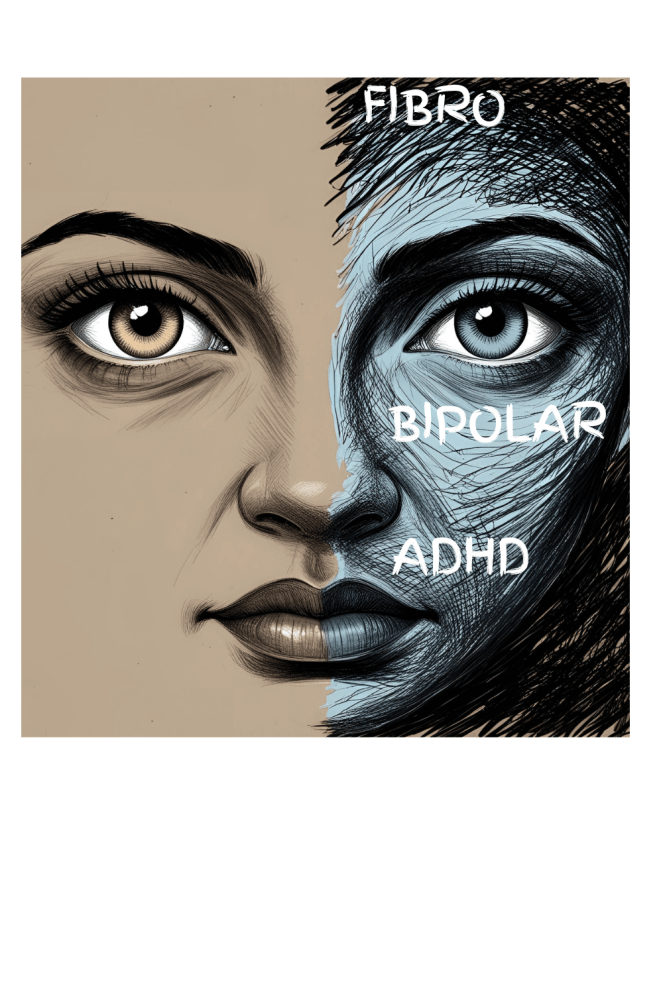
Living with chronic conditions like fibromyalgia, ADHD, and bipolar disorder means navigating a daily landscape filled with unpredictability and discomfort. Some days, it’s the bone-deep ache that slows me down; other days, it’s the whirlwind of mental fog, impulsivity, or emotional crashes that make the hours feel heavier than they should.

Over time, I’ve discovered something powerful: crafting isn’t just something I enjoy—it’s something I need. Whether I’m swirling pigment into resin or layering textures in a tray mold, I’m not just passing time. I’m reclaiming it.


🎨 Crafting as a Therapeutic Distraction

When my pain flares or my brain decides it wants to spiral, I’ve learned to grab a tool—sometimes a glue gun, sometimes my 3D printer software—and create instead of collapse. Focusing on a tactile task redirects my mind and offers relief, even if temporary. And sometimes that temporary is exactly enough to get me through the day.
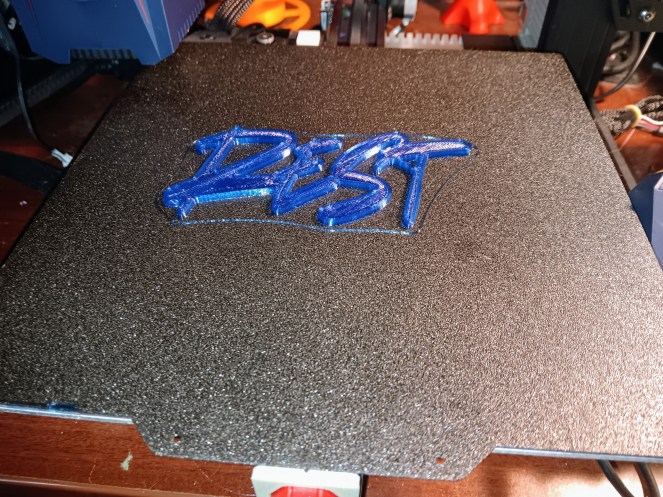
Today I mowed. Should I have? Likely not, I was weed eatering (I have no idea what to call it, using the weed eater sounds weird, like use it for what lol, I was using in for its intended purpose LOL) I was around the base of our biggest ‘problem’ tree, I tripped over a root and went tumbling (I was on an incline) but don’t worry, I didnt hurt my hip I landed face first LOL. I got up but knew I was on limited time before the pain made me get down and stay down for the day, so I immediately went in an showered so I could go make art which I did all afternoon. It really didnt feel like I had any pain then after I did some designs I stood up to get something and THERE IT IS! My pain let itself be known. In fact it started screaming at me, my entire body aches.

This isn’t just anecdotal. A study from the University of Colorado found that mental distractions actually inhibit pain at the earliest stages of processing. Basically, when you’re busy crafting or designing something fun or beautiful, your brain says “brb” to the pain (source).


🧠 The Neuroscience of Distracting Pain

Pain is weird. It’s not just in your body—it’s in your brain too. And your brain can be tricked (in the nicest way). Activities that take up cognitive load (like learning a new resin technique or tweaking text in Tinkercad) can literally reduce your brain’s ability to process pain.

There’s even evidence that creative distraction helps people who tend to catastrophize pain—that is, folks whose brains go “this is the worst pain ever and I will never survive this” before breakfast. (Relatable? Same.) (source)


🧺 Turning Pain Into Purpose
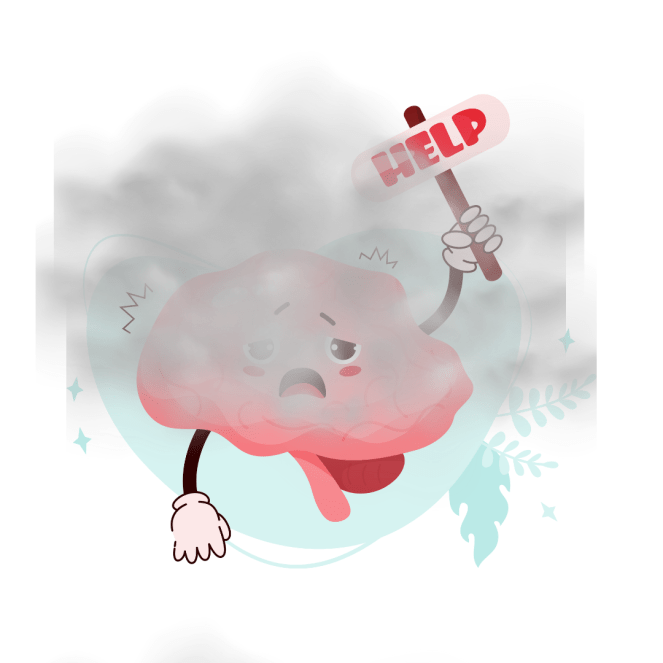
I don’t just make things to distract myself—I make things with meaning. Every “Bad Day Basket,” every resin trinket tray, every cheeky 3D-printed phrase like “feel your feelings” or “meds, magic & mindset”—they all come from lived experience.

Helping people has always been a passion of mine, I’ve made up baskets and boxes from coupon shopping, theres nothing like the feeling of doing something of consequence for someone else. Theres an episode of Friends where Phoebe wants to do something selfless, and ever time she does, Joey finds a way it benefited her, concluding that since when you do good for others, you feel happy and proud that you were able to do that, therefore nothing is entirely selfish. Like if you’ve ever vacuumed a new rug, you know the lined pattern you get after for a job well done? Its like that only times a whole bunch more.

These aren’t just products. They’re part of a bigger story—mine, and maybe yours too.


🌟 Creativity as Self-Care (Not Performance)
It’s not about perfection. This isn’t art school. This is about peace. About having something in your hands that makes you feel in control again. About setting your mind gently in another direction for a little while.

Let yourself play.
Let yourself suck at it.
Let yourself create something beautiful—or beautifully messy.


💬 Final Thoughts
Chronic illness will take what it can. Crafting is how I take a little bit back. It’s okay if it’s imperfect. It’s okay if it’s just for you. The act of creating is the win.

If you’re on your own journey through pain or mental health struggles, I hope you’ll try creating something too. And if you don’t know where to start… well, I’ve got some trays and kits with your name on them. Til next time gang, take care of yourselves, and each other!

Uncategorized

The ADHD Energy Crash: Why It Happens and How to Navigate It

If you live with ADHD, you’re likely familiar with the phenomenon of feeling mentally and physically drained by mid-afternoon. This isn’t just about being tired; it’s a distinct experience tied to the unique ways ADHD affects energy regulation.

🔍 Understanding the ADHD Energy Crash

ADHD is characterized by challenges in executive functioning, which means tasks that require planning, focus, and organization demand more cognitive effort. This heightened effort can lead to quicker depletion of mental energy. Additionally, individuals with ADHD often struggle with interoception—the ability to recognize internal bodily cues—making it harder to notice signs of fatigue until they’re overwhelming.

✅ Practical Strategies to Combat the Crash

Here are several evidence-based strategies to help manage and mitigate the afternoon energy slump:

  1. Incorporate Regular Physical Activity: Engaging in physical exercise can boost energy levels and improve focus. Even short walks or light stretching during breaks can make a significant difference. If you have a fitbit, the get up once an hour and do 250 steps setting, turn it on and stick to it.
  2. Prioritize a Protein-Rich Breakfast: Starting your day with a meal high in protein can stabilize blood sugar levels and provide sustained energy, reducing the likelihood of an early crash. Breakfast isnt a great meal on the go but if nothing else have a protein shake.
  3. Utilize Power Naps Wisely: Short naps, ideally between 10–20 minutes, taken in the early afternoon, can rejuvenate your mind without affecting nighttime sleep. This is a rule of thumb but not one I follow. I found my best nap is between 30 minutes to an hour, it gives me the perfect alertness when I get up. Experiment on your own and listen to your body.
  4. Practice Energy Pacing: Monitor your energy levels throughout the day and plan tasks accordingly. Scheduling demanding activities during peak energy times and allowing for rest during low-energy periods can enhance productivity. I tell people after dinner don’t ask me shit because once the last dish is done I am off the clock lol
  5. Engage in Body Doubling: Working alongside someone else, either in person or virtually, can increase accountability and focus, making tasks feel less daunting. This is seriously magic I don’t get why it works but it does.
  6. Stay Hydrated and Eat Balanced Meals: Dehydration and poor nutrition can exacerbate fatigue. Ensure you’re drinking enough water and consuming meals that balance carbohydrates, proteins, and healthy fats. Water water water. I hate it but it affects more than you’d think.
  7. Maintain Consistent Sleep Patterns: Establishing a regular sleep schedule helps regulate your body’s internal clock, leading to improved energy levels during the day. I’m up at 3. It was upsetting as I tried to change and mold it to conform with the usual hours, when I accepted that my body wanted to set its own schedule and started planning my days around that I was a great deal happier.
  8. Limit Caffeine Intake: While caffeine can provide a temporary boost, excessive consumption may lead to energy crashes later in the day. Moderation is key. HAHAHA! I can hear everyone who knows me heads whipping around. I’m a coca-cola girl, and maybe you arent overly sensitive to caffeine but thats where I’d make adjustments first.
  9. Create a Stimulating Work Environment: Incorporate elements that keep you engaged, such as background music or varying your workspace, to maintain interest and energy. They sell fidget mats that have all these things but your better off getting a fidget spinner, those are portable.
  10. Seek Professional Support: If energy crashes are significantly impacting your daily life, consider consulting a healthcare professional for personalized strategies and potential treatment options. Theres no shame in asking for help.

By understanding the underlying factors contributing to the ADHD energy crash and implementing these strategies, you can better manage your energy levels and maintain productivity throughout the day. Remember, it’s about finding what works best for you and being compassionate with yourself in the process. Til next time gang, take care of yourselves and each other.

Uncategorized

A Grown-Up Juice Box and Other Things I Wish Existed Today

Survival & Sanity Edition

Some days, I just need something to fix everything instantly.
A nap. A hug. A reset button. A very large grilled cheese that appears by yelling “Grilled cheese!”

Since none of that magically appeared (yet), here’s my list of things I wish existed today. Feel free to add yours in the comments, because I know I’m not the only one on the edge.


🌈 Today’s Top 10 Things That Should Exist But Don’t:

  1. A grown-up juice box with electrolytes, magnesium, and a splash of wine. Or beer. Or a shot of Jack lol it depends on the day.
  2. A “No One Is Allowed to Ask Me Anything Today” hat—everyone must obey it. Also on a related note, a personal bubble. Let those suckers keep their distance .
  3. A teleporting weighted blanket that hugs you and then disappears before you get too hot. Does anyone’s body temp go wonky with sleep deprivation or high anxiety? No just me? Sweet! It actually makes me have a physical ‘flush’
  4. An adult-sized baby swing that rocks you while playing lo-fi beats and whispering “you’re doing great.” Maybe music instead of the whispering, that actually sounds a little creepy lol but I’m down for the swings! Hubby even has hooks indoors to hang hammocks sometimes the swinging or rocking repetitive motion helps.
  5. A “pause the world” button. Just for an hour. Or a week. It was kind of like that when I was in the coma, don’t recommend that route.
  6. A clone who does your grocery shopping and argues with the insurance company for you. Use what you’ve got though, we do pick up whenever possible even if we plan on going inside, its easier to manage the list, keeps things a little more organized.
  7. A universal “I’m spiraling, treat me gently” badge that everyone understands. Or don’t understand, just respect others feelings, that shouldnt even have to be a wish, but its not exactly great out there.
  8. An emotional support burrito that is also a functioning therapist. Or tacos! Emotional support tacos with some frozen margs lol.
  9. A magic snack drawer that restocks with your comfort food daily (and knows your allergies). Cool ranch on lock!
  10. A panic shutoff switch. Like a car alarm button, but for your brain. A pause? Maybe just not a multi party pile up on the everything all at once highway lol
  11. A fidget suit. I would straight up rock that thing at every opportunity. Imagine: a soft, cozy hoodie with textured sleeves, loops to tug on, snap buttons, zipper pulls, maybe even little hidden squeeze pouches and stretchy straps to tug when you’re crawling out of your own skin, I can tell you how often the panic will come over me at night and the only thing that helps is hopping out of bed and MOVING. Oh and POCKETS.
  12. Weighted curtains for your brain, you pull them closed and suddenly outside voices get quiet, to-do lists stop screaming, and it’s like a sensory hug for your overstimulated self.
    Bonus: blocks gaslighting and unsolicited advice.
  13. A Spoon Dispenser lol you swipe a card or breathe into it, and if it senses you’ve been emotionally juggling chainsaws, it gives you five extra spoons for the day. So many days I’d give my last penny for a spoon lol
  14. Memory foam couch that holds you like a mom, it knows when you’re about to cry and reclines automatically. One arm dispenses hot tea, the other tucks a weighted blanket around you.
    Available in “Smells Like Cookies” and “Washes Your Hair Energy.”
    Limited edition comes with caffeine mist and validation.

Whether it’s imaginary inventions or real-deal coping tools, the truth is we’re all just trying to patch together peace in a loud, messy world. Some days we thrive. Some days we spiral in our soft pants and pray the coffee kicks in before the anxiety does. Either way, you’re not alone in this. You never were.

So take your meds, drink some water, and rest when you need to. Find something small to laugh about if you can. And remember: survival is still survival, even when it’s messy.

Take care of yourselves—and each other.

Uncategorized

Survival & Sanity: Reserve-Based Meal Plan – Weeks 7&8

🐔 Two Weeks of Chicken Dinners (With Bacon, Because Why Not)

Let’s be real — Lately, life’s been a whirlwind. Between healing, hustling, and handling a hundred little things that crop up every week, I’ve been feeling the crunch. Projects pile up, messages go unanswered, and if I don’t write stuff down, it vanishes into the fog of “what was I supposed to do today again?”

But even on the most chaotic days, we still have to eat. They still have to eat. So when I’m trying to keep the wheels on, these two-week reserve-based meal plans are my safety net. They let me cook in chunks, plan for the crash days, and feel like I’ve got something handled — even if that “something” is just dinner.

This round, I leaned into chicken (because it’s versatile and usually affordable), and I’m making bacon pull double-duty too. That’s right — bacon-wrapped chicken one night, bacon fried rice another, and some dreamy flatbreads that taste way fancier than they are. We’ve even got a baked potato bar thrown in for a choose-your-own-comfort-food kind of night.

I don’t know about you, but I’ve needed meals lately that come with a side of grace. Meals that don’t guilt-trip me if I need to swap things around or punt dinner to leftovers. Meals that say, “Hey, you’re doing your best. Sit down. Eat. Breathe.”

So that’s what this plan is about. Survival, yes — but also sanity. Feeding yourself and your people without feeding the burnout.

🍽️ 2-Week Meal Plan (Starting Monday, May 26)

Week One
🟢 Monday, May 26: Leftovers/Reserves
🟢 Tuesday, May 27: Loaded Baked Potatoes
🟢 Wednesday, May 28: Leftovers/Reserves
🟢 Thursday, May 29: Garlic Butter Chicken Thighs
🟢 Friday, May 30: Leftovers/Reserves
🟢 Saturday, May 31: Takeout or Breakfast for Dinner
🟢 Sunday, June 1: Bacon Wrapped Chicken

Week Two
🟢 Monday, June 2: BBQ Chicken & Pesto Flatbreads
🟢 Tuesday, June 3: Leftovers
🟢 Wednesday, June 4: Bacon Fried Rice
🟢 Thursday, June 5: Leftovers/Reserves
🟢 Friday, June 6: Chicken Bacon Tomato Pasta
🟢 Saturday, June 7: Leftovers/Reserves
🟢 Sunday, June 8: Herb Roasted Chicken Thighs

Uncategorized

Flaky Doesn’t Mean Faithless: Chronic Illness and Friendship Guilt


🧠 The Truth About Being a ‘Flaky’ Friend

People with chronic illness or neurodivergence often carry a ton of guilt about canceling plans, going silent, or not showing up “like we used to.” We’ve internalized the idea that not being physically or emotionally available = not being a good friend.

But here’s the reality:
➡️ According to a 2019 survey by the NIH, over 60% of chronically ill individuals reported losing friendships due to symptoms like fatigue, pain, or mental health swings.
➡️ A 2022 study on social isolation in disability populations found that many people with invisible conditions felt “socially unreliable” — not because they didn’t care, but because their bodies were unpredictable.

I don’t make plans anymore. I can’t remember exact situations where I flaked due to hurting but I do remember the fun others had without me and who wants that?


💬 You’re Not Letting People Down — You’re Living with Limits

Chronic illness isn’t convenient. ADHD isn’t on a timer. Fibro flares don’t RSVP.
Being “flaky” is often just a side effect of surviving something the world wasn’t built to accommodate.

That doesn’t make you unreliable.
That makes you human.

I’ve certainly had others call and cancel for short notice, so intellectually I know I’m not the only one, but shit every time I can’t do something I feel like someone is shining a spotlight on me.


🧷 What Real Friendship Looks Like

True friendship isn’t measured by how often you show up, but how real you are when you do.
Some friends won’t get it—and that hurts. But the right people? The ones who stay? They see your effort, not your absence.

And let’s be honest, sometimes we don’t show up for others because we can’t even show up for ourselves. That’s not selfish. That’s self-preservation.


What You Can Do Instead of Guilt-Looping

  • Send a quick check-in text even if you can’t talk: “Hey, not up for chatting, but I’m thinking of you.”
  • Leave room for honest updates, not excuses: “I wish I had more spoons today. I hate canceling.”
  • Say thank you to the people who stay without making you feel bad.

To the select few who love me regardless and pick up where we left off no matter how much time passed, I appreciate and love you.


❤️ Final Thought

You’re not a bad friend. You’re just living in a body that asks a lot of you. If people mistake that for being faithless, they were never seeing you clearly to begin with.

Give yourself the grace you’d give anyone else struggling.

You don’t owe anyone more than what you’ve got to give. And what you do give—your honesty, your love, your truth—is enough. Til next time gang, take care of yourselves, and each other.

Uncategorized

Healing Out Loud: What It Looks Like to Unlearn a Lifetime of Self-Gaslighting

For many of us who live with chronic illness, ADHD, bipolar disorder, trauma, or just the fallout of a childhood where vulnerability wasn’t safe, the idea of trusting our own thoughts and feelings is… complicated. We don’t just second-guess ourselves—we override ourselves. We self-gaslight.

“It’s not that bad.” “I’m just being dramatic.” “Other people have it worse.” Sound familiar? That’s not humility. That’s internalized invalidation, and it’s one of the cruelest things we do to ourselves.

What is Self-Gaslighting?

Self-gaslighting is when you question or dismiss your own reality, often as a learned response from years of being invalidated by others. According to therapist Stephanie Moulton Sarkis PhD, this pattern often forms in people who have experienced emotional abuse or childhood neglect.¹ It’s a survival mechanism that becomes self-sabotage.

And it’s common—especially in neurodivergent and chronically ill communities. Studies have shown that women are especially likely to have their symptoms dismissed or misdiagnosed, leading to a long-term mistrust of their own internal cues. For example:

  • Up to 50% of women with ADHD are misdiagnosed with anxiety or depression first.²
  • 1 in 5 people with bipolar disorder go undiagnosed for more than a decade.³
  • Chronic pain conditions like fibromyalgia are disproportionately underdiagnosed and stigmatized, especially in women.⁴

“I Hate Needing Help”: The Roots of Self-Gaslighting and How I’m Unlearning the Lie

I hate needing help. Like… viscerally. It makes me feel less than, and not in some abstract way — in the deep, core-wounding kind of way. And it didn’t come from one trauma or a single toxic person. It came from a thousand tiny, normalized moments that stacked up over time, whispering that needing help was weak. That I was weak.

I grew up steeped in traditional expectations most of us did at my age: men work hard and provide, women do everything else. Even if she worked outside the home, the mom still handled the doctor appointments, the homework folders, the mental load of everyone’s everything. I saw it play out every day. When the school called home, they didn’t call my dad — even though he worked at the same place as my mom. They called her. Because, of course they did.

One of my earliest memories of being “too much” started when I was seven and sick — fever, sore throat, the works. I said I was hurting, but everyone figured I was just being dramatic. (To be fair, I am dramatic, but I was also SEVEN and clearly not faking it.) They took me to the doctor, got me antibiotics, and figured that was that. But I wasn’t getting better.

Eventually — after more crying, more pain, and more dismissal — my Gram told my Mom to take me to a backup pediatrician because my doctor happened to be out of the office that day. That man took one look at me and told my mom, “She needs to go to the ER. Now. Her appendix is rupturing.”

He didn’t mince words: “She’s small. If the infection spreads, it could be too late.”

The surgery happened that night. It turned out my appendix had been leaking slowly — poisoning my body while I was being told I was too sensitive, too loud, too whiny. And sure, they saved me (yay!)… but the version of the story that stuck in my head wasn’t about how I survived. It was about how much of a burden I was.

To this day, my mom recalls how she had to carry my “heavy ass” because I couldn’t walk. Now, was I actually heavy? No. I was maybe 45 pounds of dead weight and fever. But it embedded this core belief in me: I’m dramatic. I’m too much. I’m inconvenient.

That belief stayed with me. Through childhood. Through my first marriage. Through flare-ups of chronic illness. Through postpartum depression. Through ADHD paralysis. Through years of pushing myself past the edge so no one would see me as “lazy.”

When people doubted my pain — or worse, when I doubted it myself — I swallowed it. I thought maybe I was just being dramatic. Maybe I should be able to handle it all. After all, other people have it worse, right?

That’s self-gaslighting. And it’s insidious.

It’s the voice that says:

  • “It’s not that bad. You’re overreacting.”
  • “You’re not really in pain, you’re just tired.”
  • “You could do this if you tried harder.”

It’s what kept me quiet when I needed help the most.

But therapy — lots of therapy — helped me finally unravel it. It took years, but I finally get it now:

  • You don’t have to earn rest.
  • You’re not a burden for having needs.
  • You’re not weak for needing help.
  • Other people can have it worse AND your situation can still suck.
  • You are allowed to ask for support before you collapse.

And honestly? That doesn’t make you selfish. That makes you human.

If you’re unlearning this too, here’s what I want you to know:

You are not too much. You were never too much. People’s discomfort with your needs doesn’t make those needs invalid. Being the “strong one” doesn’t mean you can’t fall apart. You get to rest. You get to be supported. You get to live a life that isn’t about surviving on fumes and masking your pain to protect someone else’s comfort.

I spent decades trying to be perfect, to be easy, to be less. But screw that. Life is too short to shrink yourself into silence. Take up space. Let people help. Let them carry you sometimes.

Because you are worth it. Even on your worst day.
How to Begin Healing From Self-Gaslighting

Let’s be real—this is messy work. You don’t fix it by reading a meme or journaling once. You fix it by practicing the opposite, over and over, until it becomes your new truth. Here are some small steps with a big impact:

  • Reality checking with safe people — someone who validates your feelings can be a lighthouse when you’re lost in doubt. It can be anyone but make sure its someone you can trust for their honesty but also know your heart and can be critical while still being gentle.
  • Name the gaslighting — say it out loud: “That was a survival thought, not a truth.” Say it like you are talking to someone you are trying to help.
  • Document your experiences — journaling, voice notes, or even social media posts (if safe) can help anchor you in your own story. I journal, its incredibly freeing even just writing it down, seeing it, releasing it, but find which of the healing paths fits the best for you. Sometimes, its beneficial to have a community for support, even if its online, so googling support groups for whatever is the most emergent need in your life. I’m big on support
  • Therapy, when possible — especially trauma-informed or neurodiversity-affirming practitioners. If the first one you talk to doesnt vibe, don’t give up, sometimes it takes one or two before you really feel like you have that connection.

You’re Not Broken. You’re Healing.

You’re not too much. You’re not making it up. You’re not weak because you’re tired or need help. You are unlearning a system designed to keep you quiet and compliant. That is hard and brave and it counts—even when it’s invisible. Til next time gang, take care of yourselves and each other.


Sources:

  1. Sarkis, S. (2018). Gaslighting: Recognize Manipulative and Emotionally Abusive People—and Break Free.
  2. Quinn, P.O., & Madhoo, M. (2014). A Review of Attention-Deficit/Hyperactivity Disorder in Women and Girls. The Primary Care Companion for CNS Disorders.
  3. Hirschfeld, R.M.A. (2001). Bipolar disorder: The rate of nonrecognition. The Journal of Clinical Psychiatry.
  4. NIH & Mayo Clinic studies on gender bias in pain diagnosis and treatment.
Uncategorized

Parenting Through the Fog: ADHD, Fibromyalgia, and Showing Up Anyway

Some mornings, the win is just getting pants on. Other mornings, it’s breakfast made, meds taken, laundry halfway done before noon, and a gold star for basic humaning. But when you live with both Bipolar and fibromyalgia, (with a little ADHD thrown in for good measure) parenting becomes less of a schedule and more of a survival sport.

And the thing no one tells you? Showing up imperfectly still counts.

The Day-to-Day: A Symphony of Chaos and Grit

On paper, it probably looks like we’re flaky. Late to the appointment, forgot the school form (again), still haven’t finished the laundry from last Tuesday. In reality, it’s brain fog, chronic pain, executive dysfunction, and a nervous system that acts like it’s sprinting from a bear… while we’re just trying to make dinner.

It’s the kind of exhaustion you can’t nap your way out of.

Some days you’re the mom who makes Halloween costumes from scratch. Other days you’re the mom who considers goldfish crackers and applesauce a win. You are both and neither — and you are enough.

💡 My Daily Routine (On a Good-ish Day):

I am up at 4. No reason for it, just can’t sleep any later ever since my heart when I was in the hospital, first thing they did was draw blood so I think I started getting up early to psych myself up for it lol/
I do my Duolingo (gotta get to exercising the brain) I ‘watch the news’, I listen to all the late night monologues and any interviews I wanted to catch, or just some music in my headphones when the news isnt interesting.
This is the quiet start to the day..
5:30 First attempt waking hubby
6 First attempt waking up monkey
Usually I watch the news or do my steps in between going room to room rousing people.
6:30 daughters not up start getting irritated.
7:40 I feed and medicate the furry children
8 I start on either post or making something.
10 I have to eat to take my meds
12 the cats get fed and medicated again
12-3 Always cleaning. Folding clothes, vacuuming and dishes usually round out my day.
4 I typically start either project or chat with daughter about her day, dinner
5:30 all my chores are done by now, or as I say to them ‘if it aint done it aint gettin done til tomorrow’
I watch tv til 8 and put myself into bed, usually falling asleep, when I don’t I get up and take a gummie, because I NEED sleep and no matter what time I go to bed I am up at 4, so might as well get some sleep you know?

This might be the hardest for me. Or it WAS, I’m finally letting go.

Spoonie-friendly routines. Simplify where you can. Wash days spaced out. Clothes that don’t need ironing. Outsource or automate what you can.
I have an every other day routine because I am honest with myself and I know I need a day to recover after a productive day LOL

Movement, but gentle. Stretching or chair yoga instead of pretending we’re still in our 20s with full cartilage and a pain-free morning.
Walking, so much walking lol

Let someone help. Even if it’s just asking your kid to throw their trash away. Micro-help still counts.
Stop feeling guilt, other people have hands and feet too!

Digital checklists or ADHD-friendly planners (visual, colorful, forgiving of missed days).
I might know somewhere to get them… LOL Seriously I love mine and feeling halfway organized.

The Numbers Behind the Fog

  • ADHD is underdiagnosed in women by huge margins. One study found girls are 50–75% less likely to be diagnosed than boys, often because they’re more “daydreamy” than disruptive.
  • Fibromyalgia affects 80–90% women, and often takes 5+ years to diagnose. Why? Because women’s pain is historically minimized or chalked up to anxiety.
  • Executive dysfunction isn’t laziness — it’s a brain-based difficulty in initiating, organizing, and following through on tasks. ADHD and fibro both contribute as does the Bipolar.
  • Bipolar disorder is frequently misdiagnosed in women, often as depression or borderline personality disorder. Studies show up to 69% of women with bipolar are initially misdiagnosed, and the average delay before an accurate diagnosis is 6 to 8 years.

So yeah… it’s not in your head. But even if it were, that would still be real.


You’re Not a Failure, You’re a Force

If all you did today was exist in your body and care about your kids, you’ve already done the hard part.

The parenting books didn’t cover flare days or mental fog. But we are writing the new manual: one honest, messy, beautiful chapter at a time.

You’re not alone, you’re not broken — and you don’t have to do this perfectly to be doing it well. Til next time guys, take care of yourselves, and each other


🔍 Sources to Back It All Up


  1. ADHD underdiagnosed in girls/women
  2. Fibromyalgia affects mostly women & takes years to diagnose
  3. Bipolar misdiagnosis in women
  4. Executive dysfunction is real (not laziness!)
Uncategorized

🩰 The Bipolar-Fibro Tango: When Mood Swings and Muscle Screams Collide

Welcome welcome one and all come on in. Its me —your neighborhood chronically exhausted gremlin with a nervous system that’s basically running Windows 95. If you’ve ever looked at your list of diagnoses and thought, “Cool, now I can collect the whole set,” then friend, pull up a chair and a heating pad. Today we’re talking about the beautiful disaster that is living with both fibromyalgia and bipolar disorder—aka “Mood Swings & Musculoskeletal Mayhem.”

I live it. I hate it. I laugh at it. Let’s go.

🎭 Act I: “What Fresh Hell Is This?”

So, first off: what the hell is fibromyalgia?

It’s that charming condition where your body interprets gentle breeze as blowtorch, basic fatigue as brain-dead exhaustion, and sleep as an optional luxury item from a catalog you can’t afford.

And bipolar disorder? Oh, that’s just where your brain slaps the gas and brake pedals randomly while you’re driving through Lifeville. Sometimes you feel like a goddess who could run a Fortune 500 company on three hours of sleep and a Red Bull. Other times, putting on socks feels like solving a Rubik’s cube blindfolded.

So what happens when you have both?

Well, according to a 2020 study in the Journal of Affective Disorders, roughly 32% of fibromyalgia patients also meet the criteria for bipolar disorder, compared to only 4.4% in the general population.

I would say I’m honored to be part of that elite club, but no one’s handing out free tote bags, just prescriptions and pity.


🧠 Act II: Pain Perception Is a Lying Liar

One of the cruelest things about this combo platter is how bipolar mood states can hijack your pain perception.

During manic or hypomanic episodes, people sometimes experience reduced sensitivity to pain, which sounds amazing until you realize it’s just your brain temporarily gaslighting you while it prepares to body slam you into a depressive episode later. A study published in Pain Practice found that manic states may suppress pain sensitivity, while depressive states amplify it. Seriously guys, this is real. Not saying its the same for everyone, but I had my hip REPLACED, and since I got home from the hospital I started like 5 new hobbies and don’t sit down more than 5 minutes a stretch lol. When asked if I hurt, I would answer yes, when I stop and put any thought to it I’m usually in the 5-7 range but when I distract myself I can go hours before I hurt so bad it will literally take my breath.

So some days, I’m cleaning the kitchen like a superhero with zero regard for my spine. Other days, I need a break halfway through brushing my teeth because my jaw hurts like I chewed concrete in my sleep. (Spoiler: I didn’t. Probably.)


⚖️ Act III: Treatment Is a Dumpster Fire of Trial and Error

If you’re wondering what it’s like to treat both bipolar and fibromyalgia, imagine playing Jenga on a trampoline.

You want something for the pain? Great! Depressed because ouch, it hurts. Well, chemical imbalance of the brain can be fixed right? Except—oops—some antidepressants often used for fibro (like SNRIs and SSRIs) can trigger manic episodes if you’re bipolar and not carefully mood-stabilized first.
https://pmc.ncbi.nlm.nih.gov/articles/PMC3181950/A 2011 article in Dialogues in Clinical Neuroscience warned that antidepressant monotherapy in bipolar patients can significantly increase the risk of manic switches.

So, you try another med. That one numbs the pain but gives you brain fog so thick you forget where your fridge is. Or it stabilizes your mood but turns you into an emotionless zombie who eats beige food and says, “I’m fine” in a monotone voice while dying inside.

It’s fine. I’m fine. Everything’s… fine.


🧃 Act IV: The Emotional Toll of Being the Human Equivalent of a Glitchy App

Let’s not forget the emotional side. Chronic pain and bipolar disorder don’t just tag-team your physical body; they start squatting in your brain and charging rent. There’s grief for the person you used to be, guilt about being “too much” or “not enough,” and shame for not being able to manifest healing with gratitude journaling and kale smoothies.

Here’s the sciencey truth: a study in Arthritis Care & Research found that patients with fibromyalgia are 3.4 times more likely to have suicidal ideation, and bipolar disorder increases that risk even further.
🔗 Source

So no, you’re not just “being dramatic.” Your pain is real, your mood shifts are real, and your struggle is so valid it could be a thesis.

🎤 Curtain Call: Embrace the Chaos (or at Least Laugh at It)

Look, I didn’t sign up for this. No one hands you a diagnosis of bipolar disorder and fibromyalgia and says, “Congrats, you’ve unlocked hard mode—now go parent your autistic teen and try to cook something that isn’t beige.”

But I’m here. You’re here. We’re doing it—badly, weirdly, and with frequent snack breaks.

This dance between bipolar disorder and fibromyalgia is exhausting, confusing, and often unfair. But it’s not the end of the story. There’s still joy. There’s still meaning. And there’s still a damn good reason to keep showing up (even if it’s just for memes and microwave mashed potatoes).

So if you’re out there thinking, “Why is my body like this?”—just know you’re not alone. You’re part of a weird, wonderful, warrior community. We’re the ones limping into therapy with caffeine in one hand, a heating pad in the other, and a sarcastic one-liner ready to go.

And that, my friend, is something to be proud of. Til Next time gang take care of yourselves, and each other.

Sources for the Nerds Like Me(or your doctor who thinks you’re exaggerating): (full disclosure the sciencey stuff I googled and chat GPT’d the source links because its been a long time since I’ve had to cite things and I wanted to make sure I did it right.)

  1. Di Salvo et al. (2020). Journal of Affective Disorders, “High prevalence of bipolar disorder in fibromyalgia patients” – PubMed
  2. Dvir et al. (2011). Dialogues in Clinical Neuroscience, “Bipolar disorder: new strategies for treatment” – PMC
  3. Lautenschlager, J. et al. (2005). Arthritis Care & Research, “Suicidal ideation and risk in fibromyalgia” – Wiley Online
  4. Pain Practice, 2011. “Mood and pain: Depression, mania, and the modulation of physical suffering” – PubMed
Uncategorized

Survival & Sanity: Reserve-Based Meal Plan – Weeks 5&6

Life’s still life-ing, so this week’s meals are coming in hot (on the days I can handle it) and chillin’ in the freezer when I can’t. This round of our reserve-based meal plan keeps things doable — we’re talking one-pan bakes, skillet tosses, and recipes that don’t expect you to be a professional chef or have unlimited spoons. I cook every other day (ish), and fill the gaps with reserve meals like eggs, toast, frozen dinners, and soup. Because some days are just not it, and that’s okay.

Starting Monday, we’ve got seven solid “cook day” meals that cover two weeks — hearty, comforting, budget-friendly, and picky-eater resistant. If you’re new here, this isn’t about meal prepping ten containers of the same thing. It’s about creating a plan that works when your energy is spotty and the schedule is chaos. Let’s survive and eat good food while we’re at it. Scroll down for this week’s cook day menu, plus a grocery list and printable recipe cards to make your life easier.

Grab your grocery list (printable coming right up), and let’s get this plan in motion.


🗓️ Reserve-Based Meal Plan: Weeks Five & Six

Starting Monday, May 12th


🍽️ Week Five

Monday – Cook Day
Chicken Apple Sausage & Potato Bake
Sweet + savory with minimal brain power: chicken apple sausage, sliced apples, onions, and potatoes roasted together with olive oil and thyme. A sheet pan miracle.

Tuesday – Reserve/Leftovers
Whatever’s left from Monday or hit the freezer stash.

Wednesday – Cook Day
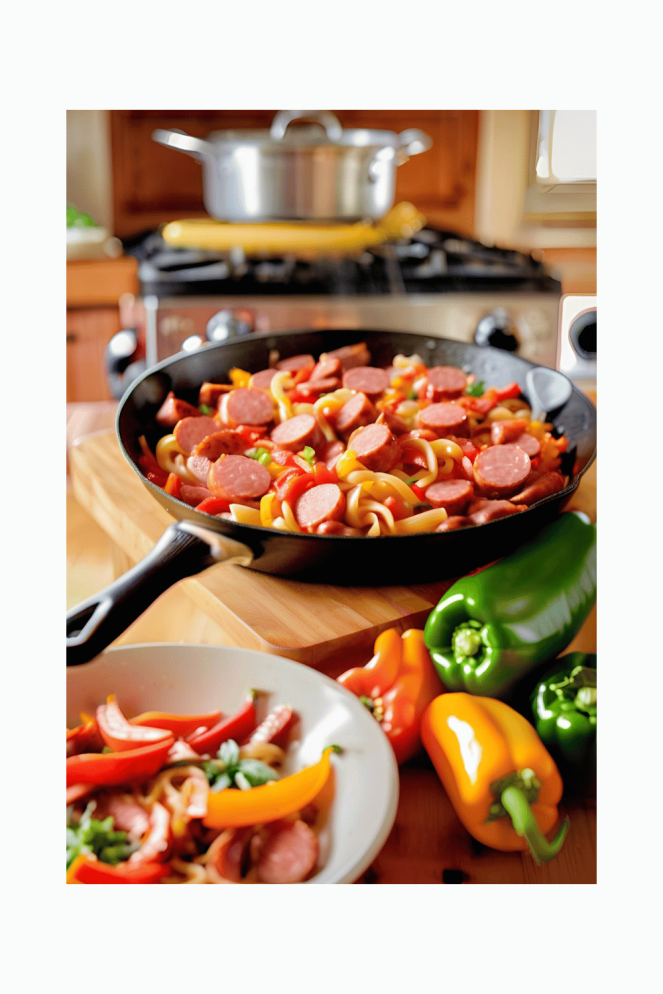
Kielbasa & Peppers Stir-Fry Over Rice
Fast, colorful, and full of flavor: kielbasa, bell peppers, and onions tossed in soy sauce with rice. Add garlic and a splash of broth or vinegar if you’re fancy.

Thursday – Reserve/Leftovers
You know the drill. Leftovers, breakfast for dinner, or peace-out night.

Friday – Cook Day
Bacon-Wrapped BBQ Chicken Thighs
Chicken thighs wrapped in bacon, slathered in BBQ sauce, and roasted until crispy. Garlic powder and paprika seal the deal.

Saturday – Reserve/Leftovers
Don’t cook. You earned it.

Sunday – Cook Day
Kielbasa Skillet
Cheesy Melty gooey goodness.. A one-pan spicy pasta situation with andouille sausage, tomatoes, garlic, and penne. Fast, bold, and satisfying.


🍽️ Week Six

Monday – Cook Day
Chicken Fried Rice
Leftover rice, scrambled egg, diced chicken, and whatever frozen veg you’ve got. Soy sauce, sesame oil, and boom—better than takeout.

Tuesday – Reserve/Leftovers
Microwave something. Sit down while it cooks.

Wednesday – Cook Day
Potato Chicken Sausage and Pepper Bake
Use that leftover rice and whatever’s hanging around. Add diced chicken, eggs, peas/carrots, and soy sauce. Done in 10 minutes if you don’t overthink it.

Thursday – Reserve/Leftovers
Leftover fried rice tastes even better. Just saying.

Friday – Cook Day
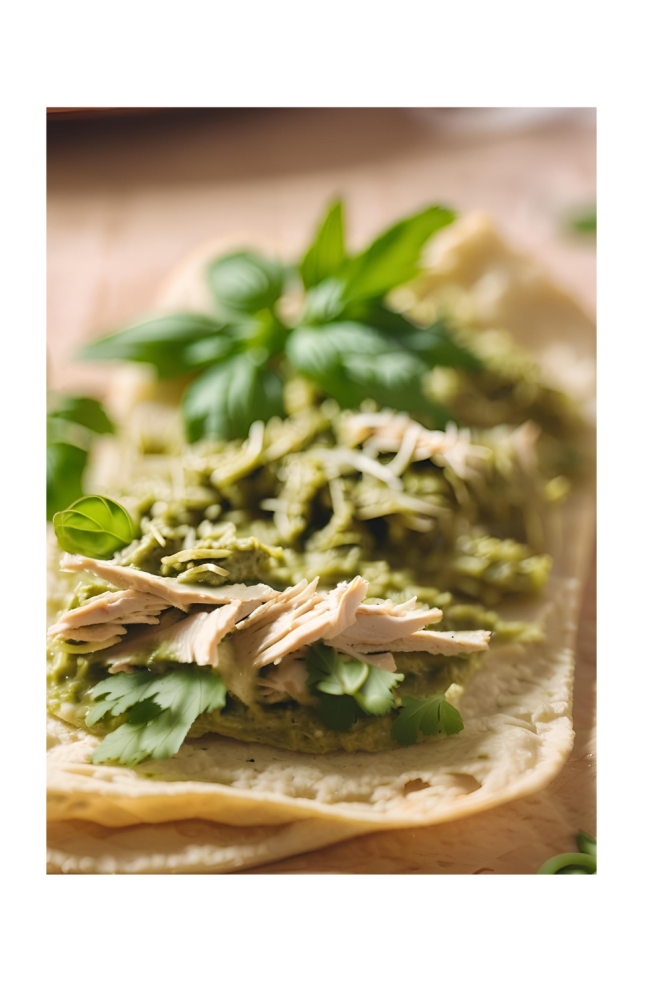
Pesto Chicken Flat Bread
Tender, seasoned chicken with pesto, melty mozzarella, and juicy tomatoes, all atop your choice of flatbread or naan. Ready in just 20 minutes, suitable for ‘I forgot to tell you the concert is tonight at 5:30’ vibes.

Saturday – Reserve/Leftovers
Pick your favorite rerun from the week.

Sunday – Cook Day
Pasta Bake
Comfort food meets mom hack. Pasta with red sauce, sneaky chopped veggies, mozzarella, and maybe some Italian sausage if you’re fancy.

🍗 Meat & Protein

  • Chicken thighs (for 2 meals — est. 6–8 thighs total)
  • Chicken apple sausage (1 package)
  • Kielbasa (1 package)
  • Andouille sausage (1 package)
  • Bacon (1 package)
  • Eggs (for fried rice)

🥕 Produce

  • Potatoes (4–6 medium)
  • Apples (2)
  • Yellow or white onions (3–4)
  • Bell peppers (3–4, mixed colors)
  • Garlic (1 bulb or pre-minced)
  • Zucchini (1–2) optional for sheet pan
  • Carrots (for roasting or side)
  • Green veggie of choice (for Maple Mustard Chicken side)

🍚 Grains & Pantry

  • Jasmine or white rice
  • Egg noodles or other pasta for sausage & peppers
  • Penne pasta (for Andouille skillet)
  • Soy sauce
  • Olive oil
  • Sesame oil (optional for fried rice)
  • Dijon mustard (skip if you’re omitting for your swap)
  • Maple syrup
  • BBQ sauce (your favorite)
  • Italian seasoning
  • Smoked paprika
  • Paprika
  • Garlic powder
  • Broth (chicken or veggie, carton or bouillon)

🧂 Other

Canned diced tomatoes (1–2 cans)

Frozen peas & carrots mix (optional for fried rice)
Til next time guys, take care of yourselves, and each other!
Uncategorized

Mood Swings & the Myth of the Difficult Woman

(Or How I’m Not Crazy, Just Heavy On The Neurological Spice)

Let’s be real — the phrase “moody woman” gets tossed around more than a toddler’s sippy cup. It’s shorthand for “she had a valid emotional response, but it made me uncomfortable.” If I had a dollar for every time someone chalked up my reaction to hormones, I’d have enough to pay for all the meds that actually manage those moods.

Why “Mood Swings” Are More Than Just a Stereotype

  • Mood disorders like bipolar disorderPMDD, and even ADHD-related emotional dysregulation affect hormone levels, executive function, and emotional processing.
  • A study published in the Journal of Affective Disorders found that emotional intensity and mood variability are frequently misinterpreted in women — especially when compared to men exhibiting the same symptoms.
  • Women are also more likely to be misdiagnosed with borderline personality disorder when they actually have bipolar II (source: Psychiatric Times, 2020).

Fact: I was diagnosed with Bipolar Disorder when I was 15, do you know how many legitimate concerns I’ve had brushed off because of that, or even Fibro, by doctors or medical professionals who should KNOW BETTER??? Not a little thats for sure, too many, yes I have neuro issues that doesnt mean I can’t have issues elsewhere, two things can be true.

The Cultural Bias Against Emotion

Reminder: anger, sadness, irritability — those aren’t “bad moods.” Those are data. Something’s happening in your environment, your body, or your brain chemistry.

We raise girls to be emotionally attuned, then weaponize that sensitivity against them as adults.

Being “too much” is just another way to shame someone for expressing a normal human emotion with intensity.

My English teachers would often tell me they loved my passion when I’d be sitting there crying because I remembered my Dad was dead after managing to feel normal for five minutes, then feeling guilty and mad at myself for feeling normal and not missing my Dad. I didn’t know how to express that sadness so I let her think the poems had moved me deeply. Then I felt guilty for not correcting her, it felt like she was giving me too much undeserved credit. It was cyclical.

Hormones Are Real, But They’re Not the Whole Story

  • Estrogen and serotonin are linked, and hormone changes do affect mood, but they don’t create mental illness out of thin air. They might exacerbate underlying issues, especially in people already dealing with bipolar disorder, ADHD, or CPTSD.
  • There’s a term for the way women’s pain and emotion are dismissed: “hysteria bias.” (Yes, it’s as fun as it sounds.)
  • Fact: One study in The Lancet Psychiatry (2019) confirmed women with bipolar disorder have a more depressive-dominant form, while men tend toward more manic episodes — yet men are still diagnosed earlier and taken more seriously.

Like I don’t want to call anyone out but ah, my hip has been messed up for YEARS, and multiple x-rays have showed it, yet my last doctor would go ‘ Well, with your fibro its hard to say….’ Um no it wasnt hard at all the next doctor didnt even have the x-ray dry before telling me how jacked up it was. Let me tell you, only YOU are going to prioritize your health, even if you have the best doc in the world who legitimately cares for you, you are still one of but many they think about, so if you are not looking out for and advocating for you then who is?

 You’re Not Difficult — You’re Operating With Faulty Wiring and a Broken Support Manual

  • Stop apologizing for being “too sensitive” or “too much.” The world just hasn’t adapted to emotionally fluent people.
  • You aren’t broken. You’re just working with a neurochemical system that isn’t always on your side.
  • The myth of the difficult woman is a tool used to keep women quiet, compliant, and apologizing for their own damn nervous systems.

So the next time someone says you’re being moody, thank them. Because “moody” is just code for “having the guts to feel things deeply while still managing to feed a family, run a house, battle a diagnosis, and survive late-stage capitalism.”
Call me moody again and I’ll invoice you for the unpaid therapy session you just triggered. Emotional depth isn’t a flaw — it’s a full-time job with no PTO.

Til Next Time Gang, take care of yourselves, and each other