


Welcome welcome one and all come on in. Its me —your neighborhood chronically exhausted gremlin with a nervous system that’s basically running Windows 95. If you’ve ever looked at your list of diagnoses and thought, “Cool, now I can collect the whole set,” then friend, pull up a chair and a heating pad. Today we’re talking about the beautiful disaster that is living with both fibromyalgia and bipolar disorder—aka “Mood Swings & Musculoskeletal Mayhem.”
I live it. I hate it. I laugh at it. Let’s go.
🎭 Act I: “What Fresh Hell Is This?”
So, first off: what the hell is fibromyalgia?

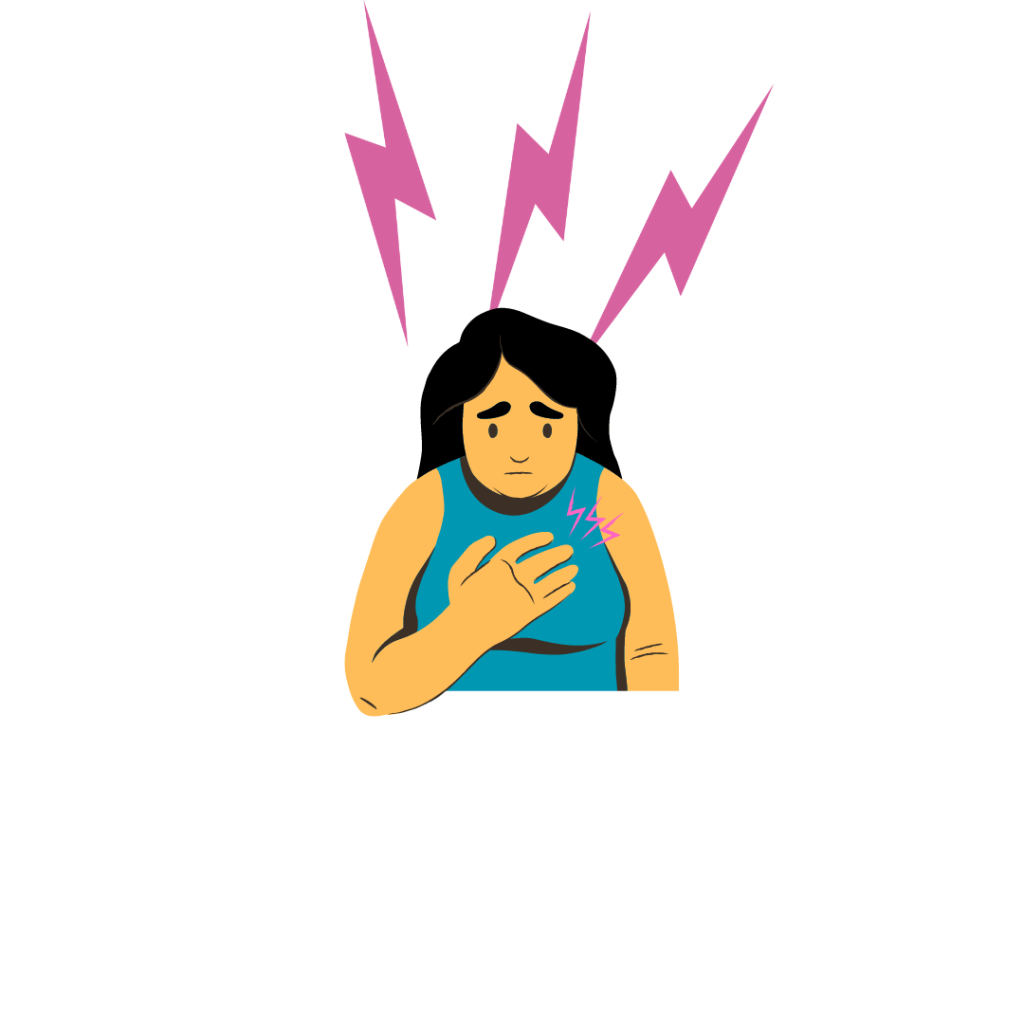
It’s that charming condition where your body interprets gentle breeze as blowtorch, basic fatigue as brain-dead exhaustion, and sleep as an optional luxury item from a catalog you can’t afford.
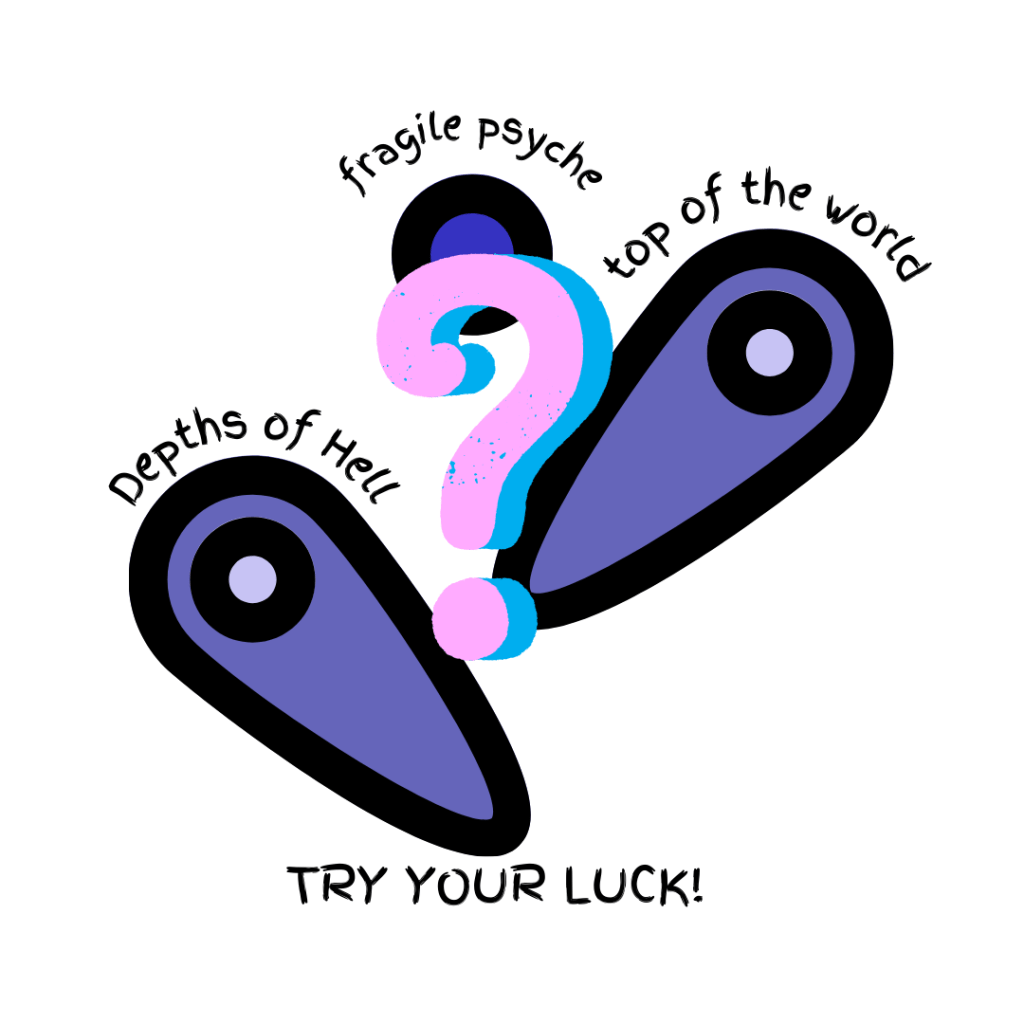
And bipolar disorder? Oh, that’s just where your brain slaps the gas and brake pedals randomly while you’re driving through Lifeville. Sometimes you feel like a goddess who could run a Fortune 500 company on three hours of sleep and a Red Bull. Other times, putting on socks feels like solving a Rubik’s cube blindfolded.
So what happens when you have both?
Well, according to a 2020 study in the Journal of Affective Disorders, roughly 32% of fibromyalgia patients also meet the criteria for bipolar disorder, compared to only 4.4% in the general population.
I would say I’m honored to be part of that elite club, but no one’s handing out free tote bags, just prescriptions and pity.
🧠 Act II: Pain Perception Is a Lying Liar
One of the cruelest things about this combo platter is how bipolar mood states can hijack your pain perception.

During manic or hypomanic episodes, people sometimes experience reduced sensitivity to pain, which sounds amazing until you realize it’s just your brain temporarily gaslighting you while it prepares to body slam you into a depressive episode later. A study published in Pain Practice found that manic states may suppress pain sensitivity, while depressive states amplify it. Seriously guys, this is real. Not saying its the same for everyone, but I had my hip REPLACED, and since I got home from the hospital I started like 5 new hobbies and don’t sit down more than 5 minutes a stretch lol. When asked if I hurt, I would answer yes, when I stop and put any thought to it I’m usually in the 5-7 range but when I distract myself I can go hours before I hurt so bad it will literally take my breath.
So some days, I’m cleaning the kitchen like a superhero with zero regard for my spine. Other days, I need a break halfway through brushing my teeth because my jaw hurts like I chewed concrete in my sleep. (Spoiler: I didn’t. Probably.)
⚖️ Act III: Treatment Is a Dumpster Fire of Trial and Error

If you’re wondering what it’s like to treat both bipolar and fibromyalgia, imagine playing Jenga on a trampoline.
You want something for the pain? Great! Depressed because ouch, it hurts. Well, chemical imbalance of the brain can be fixed right? Except—oops—some antidepressants often used for fibro (like SNRIs and SSRIs) can trigger manic episodes if you’re bipolar and not carefully mood-stabilized first.
https://pmc.ncbi.nlm.nih.gov/articles/PMC3181950/A 2011 article in Dialogues in Clinical Neuroscience warned that antidepressant monotherapy in bipolar patients can significantly increase the risk of manic switches.
So, you try another med. That one numbs the pain but gives you brain fog so thick you forget where your fridge is. Or it stabilizes your mood but turns you into an emotionless zombie who eats beige food and says, “I’m fine” in a monotone voice while dying inside.
It’s fine. I’m fine. Everything’s… fine.
🧃 Act IV: The Emotional Toll of Being the Human Equivalent of a Glitchy App
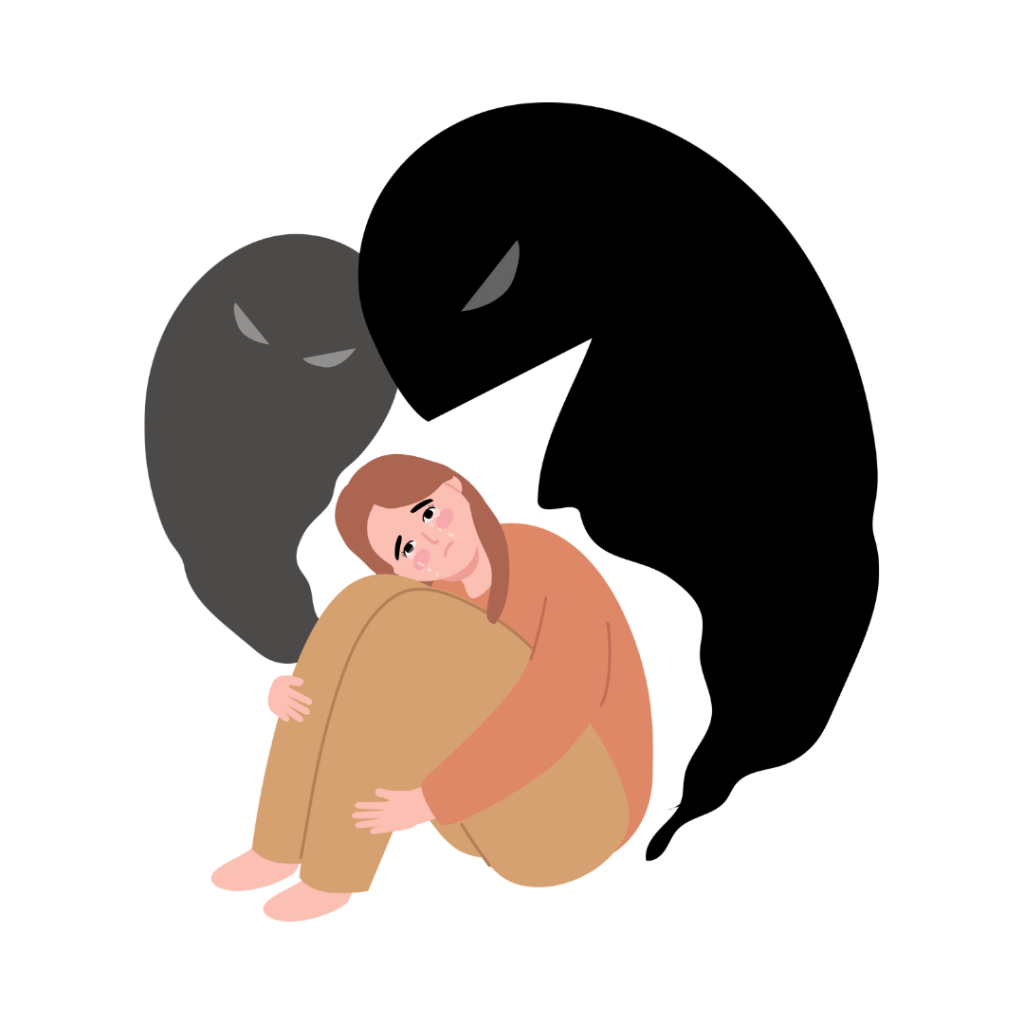
Let’s not forget the emotional side. Chronic pain and bipolar disorder don’t just tag-team your physical body; they start squatting in your brain and charging rent. There’s grief for the person you used to be, guilt about being “too much” or “not enough,” and shame for not being able to manifest healing with gratitude journaling and kale smoothies.
Here’s the sciencey truth: a study in Arthritis Care & Research found that patients with fibromyalgia are 3.4 times more likely to have suicidal ideation, and bipolar disorder increases that risk even further.
🔗 Source
So no, you’re not just “being dramatic.” Your pain is real, your mood shifts are real, and your struggle is so valid it could be a thesis.
🎤 Curtain Call: Embrace the Chaos (or at Least Laugh at It)
Look, I didn’t sign up for this. No one hands you a diagnosis of bipolar disorder and fibromyalgia and says, “Congrats, you’ve unlocked hard mode—now go parent your autistic teen and try to cook something that isn’t beige.”
But I’m here. You’re here. We’re doing it—badly, weirdly, and with frequent snack breaks.
This dance between bipolar disorder and fibromyalgia is exhausting, confusing, and often unfair. But it’s not the end of the story. There’s still joy. There’s still meaning. And there’s still a damn good reason to keep showing up (even if it’s just for memes and microwave mashed potatoes).
So if you’re out there thinking, “Why is my body like this?”—just know you’re not alone. You’re part of a weird, wonderful, warrior community. We’re the ones limping into therapy with caffeine in one hand, a heating pad in the other, and a sarcastic one-liner ready to go.

And that, my friend, is something to be proud of. Til Next time gang take care of yourselves, and each other.
Sources for the Nerds Like Me(or your doctor who thinks you’re exaggerating): (full disclosure the sciencey stuff I googled and chat GPT’d the source links because its been a long time since I’ve had to cite things and I wanted to make sure I did it right.)
- Di Salvo et al. (2020). Journal of Affective Disorders, “High prevalence of bipolar disorder in fibromyalgia patients” – PubMed
- Dvir et al. (2011). Dialogues in Clinical Neuroscience, “Bipolar disorder: new strategies for treatment” – PMC
- Lautenschlager, J. et al. (2005). Arthritis Care & Research, “Suicidal ideation and risk in fibromyalgia” – Wiley Online
- Pain Practice, 2011. “Mood and pain: Depression, mania, and the modulation of physical suffering” – PubMed






























 WannaBeNormal