Uncategorized

How I’m Using Art to Cope with the Anxiety of Surgery

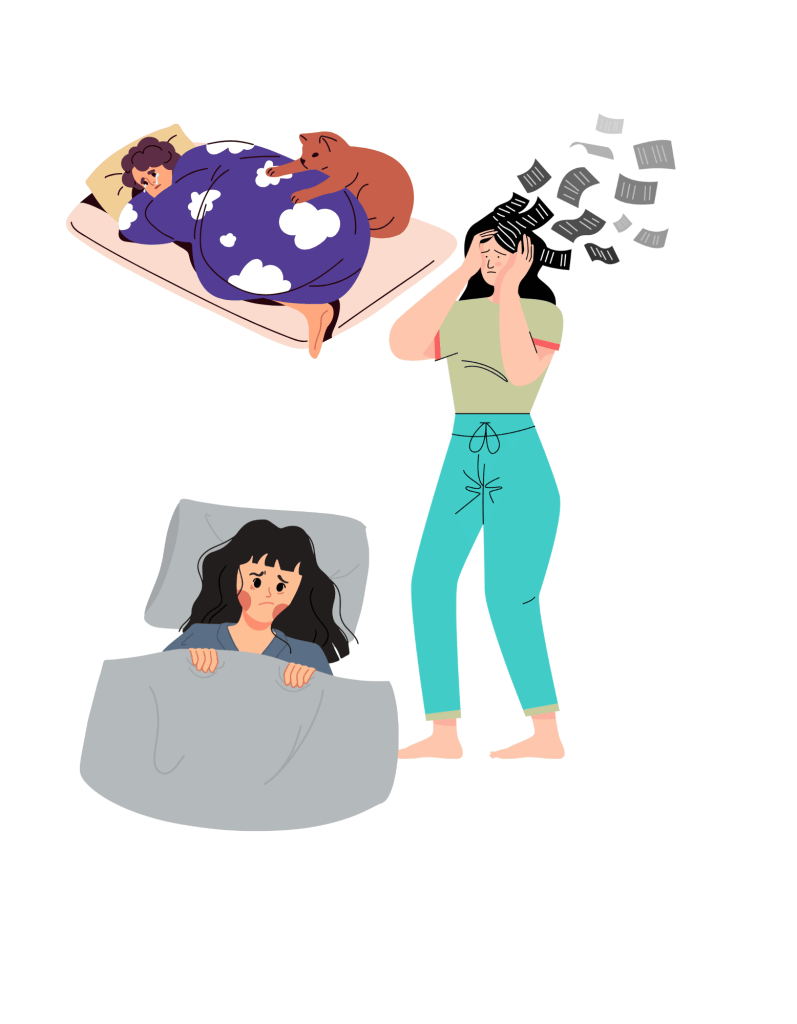
So gang, I am very close to my surgery let me tell you, the anxiety has been overwhelming. Between the constant worry about how I’m going to manage after the surgery and the fear of the unknown, I’ve been on edge. And I’ve realized—I’m scared. Really scared.

I think I’ve spent most of my life learning how to cope with anxiety, whether it’s from a health condition or just the daily emotional rollercoaster of managing multiple diagnoses. But this surgery? This is different. It feels like it’s more than just my body I’m worried about—it’s my whole life, my routine, my identity. And when that kind of anxiety takes over, it feels like I can’t think straight.

I’m sure many of you reading this can relate: sometimes, when everything becomes too much, the panic creeps in. And that’s where distraction comes in. For me, lately, it’s been art.

I’ve spent the past week coloring, sketching—literally hundreds of pictures. I’m sure some people would call it “mania,” and, honestly, maybe they’re right. My brain feels like it’s on overdrive, and I can’t seem to stop. But I know that, right now, I need this. I need something to focus on to keep myself from spiraling into full-blown anxiety.


Why Distraction Can Help

Distraction isn’t just a coping mechanism—it’s been a lifeline for me. I know that sounds strange, but it’s true. When you’re dealing with overwhelming thoughts and feelings, whether it’s from anxiety or just pure fear, sometimes the best thing you can do is focus on something that takes your mind off the panic. For me, that’s sketching.
And it’s not just about “getting away” from the anxiety. When I immerse myself in coloring or drawing, my brain gets a break from the constant worrying. I’m able to focus on something else, something creative. It brings a sense of order and control back into a chaotic mind. It calms me down, even if just for a little while.

I’m not saying that distraction is a cure-all. But research does show that activities like drawing, coloring, or other creative outlets can help reduce stress. When we focus on an activity, like sketching lines or picking colors, our minds can get a break from the chaos. We tap into a different part of our brain, one that’s focused on the task at hand and not on the anxiety.

It’s like hitting the pause button for a moment.


How Art Helps Me Manage Anxiety

I don’t want to sugarcoat it: I’m still scared about the surgery. I’m still battling those racing thoughts. But art has been helping me hold it together. And I wanted to share with you how it’s working for me—maybe it’ll help you, too.
  1. Mindfulness Through Repetition
    One of the reasons art works for me is because of the repetition. It’s not just about making something pretty—it’s about finding a rhythm. When I’m coloring or sketching, I get lost in the lines, the colors, the patterns. It’s almost meditative. The more repetitive the action, the easier it is to forget about the spiraling thoughts and focus on something grounding. It gives me a mental “reset” button.
  2. A Safe Space for My Mind
    When the anxiety gets too much, my mind wants to go into full-blown panic mode. But when I sit down to color or sketch, it’s like I’m creating a safe space for my brain. I’m not just making art—I’m creating a moment of peace in my otherwise chaotic head.
  3. A Way to Express What Words Can’t
    Sometimes, words aren’t enough. I can’t always explain what I’m feeling, but I can express it through art. Maybe it’s the colors I choose or the way I draw certain shapes—it’s a release, even if it’s just for me. It feels like I’m channeling my emotions into something productive rather than letting them overwhelm me.

Distraction: Not a Solution, But a Temporary Lifeline

I want to be clear—distraction isn’t the same as dealing with the root of the problem. It’s not a long-term fix for my anxiety. I know I’ll need to face those fears head-on eventually. But right now, I need something to hold on to, something to give me a break from the relentless worry.
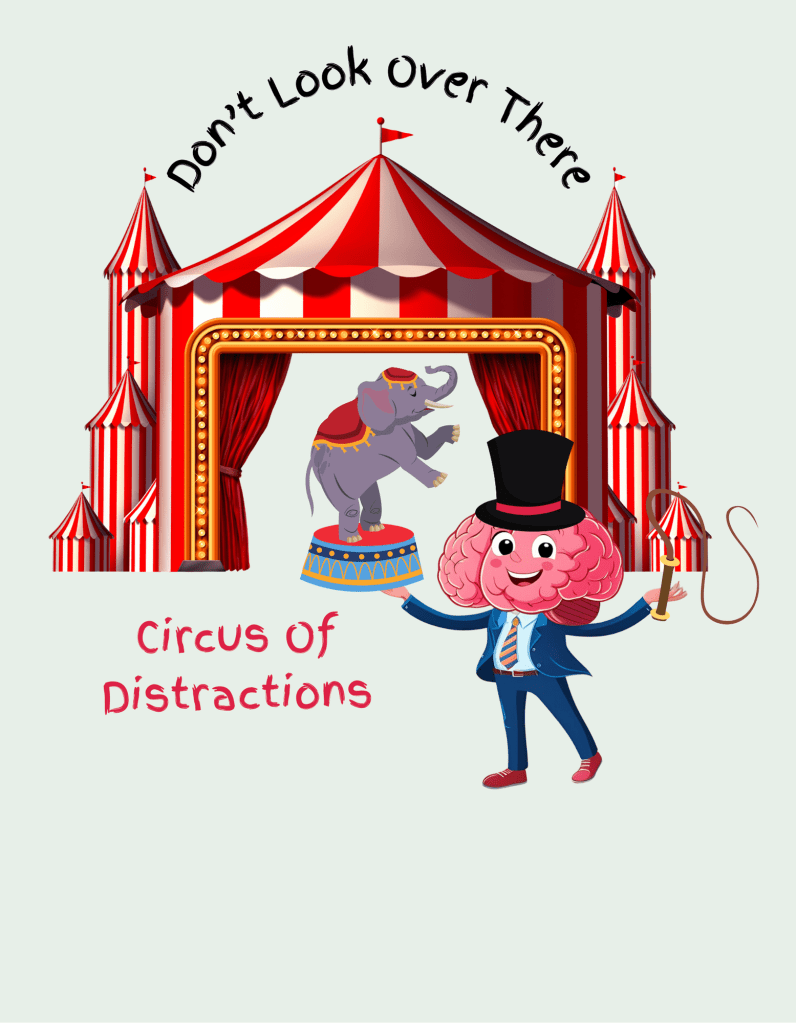
And for me, art is that something. It’s not perfect, but it’s helping. So as usual I start wondering WHY it seems to help, in hopes that I can learn where its helping and replicate it, and expand on it if possible. Here’s some facts from some recent studies related to creativity as a stress relief outlet.

Fact: Studies have shown that distraction can be an effective way to manage anxiety, especially in the short-term. Engaging in focused activities like coloring, sketching, or other forms of art can temporarily redirect attention away from anxiety-provoking thoughts, providing relief.

Fact: Engaging in creative activities like drawing, coloring, or painting has been shown to trigger the body’s relaxation response, lowering cortisol levels (the stress hormone) and promoting calmness. Sometimes writing helps but then sometimes that empty page is more added stress, so when I am as all over the place as I am right now I think writing would add to my stress

Fact: Repetitive, meditative activities such as coloring or drawing patterns can act as a form of mindfulness. Mindfulness has been shown to reduce anxiety by allowing individuals to stay present in the moment and shift focus away from intrusive thoughts.

Fact: Art provides a powerful way to express emotions that might be difficult to articulate in words. Creating something visual can give individuals a sense of release and help process complex feelings, such as anxiety or fear.

Fact: Creative activities like sketching, drawing, or painting can be particularly helpful for individuals with ADHD, as they provide an outlet for energy and focus, potentially reducing impulsivity and hyperactivity.


What Can Help You?

Maybe art isn’t your thing. Maybe you don’t have time to sit down and color. But find something that works for you. Whether it’s journaling, knitting, cooking, or even just going for a walk, distraction can be a useful tool. When anxiety is screaming in your face, sometimes the best thing you can do is take a step back and refocus. Give yourself permission to take a break, even if it’s just for a moment.

I know that none of this will take away my fear about the surgery, but I’m learning to use the tools I have at my disposal to help me get through this in one piece. And if this post helps even one of you feel less alone in your own struggles, then it’s all worth it.

If you’re facing a tough time, I encourage you to try something creative—or even just something that lets you breathe for a moment. It doesn’t have to be perfect. It just has to help. Til next time gang, take care of yourselves, and each other!

Uncategorized

Anxiety’s Toll – When Worry Grabs You By The….

So you are here. If you are here, logic dictates you share similar issues as mine, and while I’ve got a ton to say about all of the things I struggle with daily, and make no mistake, I struggle, but if I had to pick ONE thing that creeps in the longest strongest and loudest to my everyday, its hands down (then up cuz ew?) ANXIETY!
And folks I know the WHY of why I struggle with every minute of every hour of everyday, I think there’s never a second of my life that isnt in some way shape or form exhibiting one of these things. Sometimes we don’t know how to solve the problem that we already have the answer for tucked up in the corner of our brains, out of the way just like memories of our favorite trip on the boat when we were kids, or our very first phone numbers. And THAT my friends, reminds me of the time that my mother changed our phone number and didnt tell me, OR THE SCHOOL what that number was, initially refusing to do so. Ah, fun times. Most of us just don’t suck at giving life the answers and a compassionate ear. But we’ve not been given us the tools one needs to complete a task successfully or one ounce of ability to convey what we learned. We do learn lessons even in failure and defeat. anyway that was unrelated but you’d be surprised at all the systems impacted by our anxiety, both justified and not (I am queen of worrying about shit I can’t do anything about) or at least I was surprised, so let me lay out what I learned:

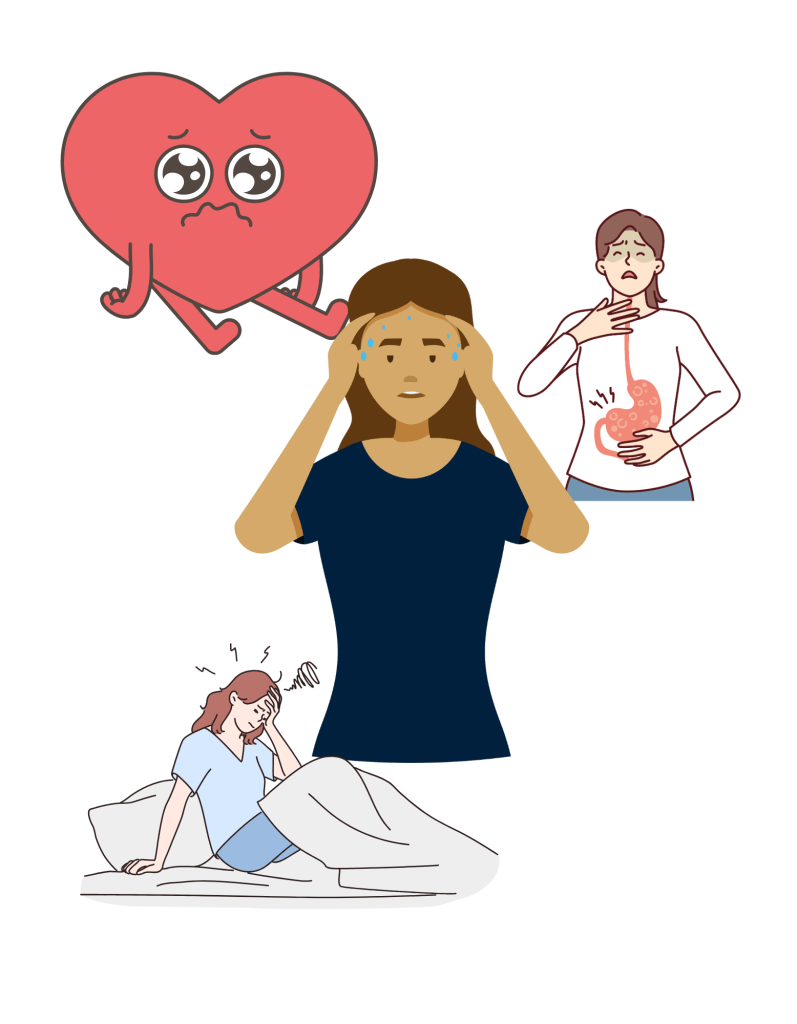
Let’s face it, folks – when anxiety decides to set up shop in your brain long-term, it’s not just messing with your mind. This unwelcome guest can wreak havoc on your whole body. Here’s the lowdown on what chronic anxiety can do to you:

Physical Toll:

Your immune system takes a nosedive, leaving you open to every bug out there. Chronic anxiety can weaken your immune system, making it less effective at defending your body against infections and illnesses. This leaves you more vulnerable to catching colds, viruses, and other health issues, so even though anxiety itself doesnt exhibit symptoms, your immune system always in flight mode isnt doing you any favors, wearing you down physically.

Your ticker might start acting up (hello, heart problems!) – like you know, it stopping or something, I might know a little about that lol Anxiety triggers the “fight or flight” response, increasing heart rate and blood pressure, which can strain the heart and blood vessels, contributing to heart disease over time.

Muscle tension, especially in the neck, shoulders, and back, can lead to chronic pain, headaches, and jaw clenching or teeth grinding. Even if you don’t mean to, words thoughts or actions have a polarizing effect on your body and without adequate self care those affects could become permanent

Say goodbye to peaceful digestion (stomach issues, anyone?) I mean, IBS is ugly to talk about but we all suffer from it from time to time, but anxiety makes it a permanent addition to your alphabet of issues

Constant tension headaches become your new normal – Migraines CAN be caused by tension, or maybe you are tense BECAUSE you have a migraine. They can be caused by something else and made WORSE by a migraine but its never a question vice versa because migraines are never ever a good time..

Mental Mayhem:

  • Depression might join the party (as if anxiety wasn’t enough) I love it when I get depressed BECAUSE I’m anxious, then somewhere I flip the script and get anxious about always being depressed.
  • Your memory starts playing hide and seek – I’ve also been told menopause can cause you to forget things, and also menopause can make you for- wait, what was my point? Yes, a joke? but memory loss is one of the worst things and I get so anxious about my memory because I know I KNOW I’ll forget stuff then I wind up trying so hard to not forget something that I forget something else, it’s a self fulfilling prophecy, never ends.
  • Concentrating becomes as hard as nailing jelly to a wall. Concentrate? LOL I can’t keep something on my brain long enough to concentrate on it lol
  • Sleep? What’s that? Insomnia becomes your midnight companion. This has affected me in the past but I’ll tell you I honestly fall asleep at the drop of a hat these days. I’m in a legal weed state, draw your own conclusions

Bottom line: Chronic anxiety isn’t just about feeling worried all the time. It’s a whole-body experience that can seriously mess with your health if left unchecked. So if you’re battling this beast, don’t tough it out alone – reaching out for help is the smartest move you can make. We truly are all ‘in it’ together and it would be great if we could work with each other and not against each other. Always remember, kindness is free and highly contagious. Not going to promise because if I’m up to it we’ll be putting the tree up but next week we’ll dig in to what can be done about anxiety (without throwing copious amounts of drugs at it. Til next time gang, take care of yourselves and each other.

Uncategorized

The Science of Laughing: Why Your Inner Comedian is Your Best Ally

Hey there, laughter junkies! Ever wonder why that ridiculous meme or goofy joke makes you feel like you just hit the jackpot? If you’re dealing with bipolar disorder, autism, ADHD, or just need a good chuckle, you’re in for a treat. Let’s break down why humor and belly laughs aren’t just for TikTok dances—they’re scientifically proven mood boosters that can change your life. And yes, we’ll keep it as entertaining as a tickle fight at a pajama party!

1. Laugh Your Way to a Better Mood

Picture your brain as a social club with two main sections: the “Party Zone” and the “Stress Central.” When you laugh, you’re basically getting VIP access to the Party Zone.
Here’s the scoop:
The Science Bit: Laughter releases endorphins, those magical little chemicals that make you feel all warm and fuzzy inside.
Think of them as your brain’s version of confetti—it’s like a mini celebration of joy.
The Funny Twist: So, next time someone cracks a joke, just remember: your brain is throwing a tiny party in your honor. It’s like having a party planner who never runs out of snacks or energy!

2. Stress? More Like Jest!

Ever noticed how a good laugh can make your worries seem like a joke? That’s because laughter is a natural stress-buster.
The Science Bit:  When you laugh, your body lowers cortisol levels, the stress hormone. It’s like having a built-in stress shield that deflects worries and boosts your overall sense of well-being.
The Funny Twist: If stress was a villain, laughter would be your superhero cape. Imagine your worries being sent flying by a tidal wave of giggles. Who knew saving the day could be this much fun?

3. Laughing is Like a Full-Body Workout

Believe it or not, laughing actually gives your body a mini workout.
The Science Bit: Laughing engages your diaphragm, abs, and even your heart. It’s like cardio without the sweat—unless you’re laughing so hard you snort!
The Funny Twist: So, forget the gym for a moment. Just watch a funny movie or read a joke book and let those giggles be your exercise routine. It’s the only workout where you can sit on the couch and still feel like a champ!

4. The Social Magic of Laughing

Humor isn’t just a solo act; it’s also about connecting with others. And for those with autism, ADHD, or similar conditions, this can be a game-changer.
The Science Bit: Shared laughter strengthens social bonds and improves communication. It’s like having an invisible bridge that connects you to others, making interactions smoother and more enjoyable.
The Funny Twist: Think of it as having universal “friendship glue” that sticks people together. One joke at a time, you’re building a network of chuckles and camaraderie. (Love builds the bridge but its paved with jokes anyway)

5. A Natural High That’s Always Available

One of the best things about laughter is that it’s free and always on tap.
The Science Bit: Laughter enhances overall emotional resilience. It’s like having an emotional Swiss Army knife that’s always ready to handle life’s ups and downs.
The Funny Twist: So, if life hands you lemons, just laugh and turn those lemons into lemonade—extra sweet with a side of giggles!

6. For Bipolar Disorder: Laughter as a Mood Stabilizer

Laughter can be particularly helpful for those managing bipolar disorder.
The Science Bit: During the highs and lows, laughter provides a grounding effect, helping to balance mood swings. It’s like having a funny friend who keeps you steady.
The Funny Twist: Imagine laughter as your mood’s personal GPS—guiding you smoothly from “Whoopee!” to “Phew, that was intense!” without losing your way.

In Conclusion

Laughter isn’t just a reaction; it’s a powerful tool for improving mental health and well-being. From reducing stress and boosting mood to enhancing social connections and offering a full-body workout, humor really is the best medicine. So go ahead, indulge in those silly jokes, funny videos, and laugh-out-loud moments. Your brain, body, and even your social life will thank you for it! Cat videos have saved my life on more than one occassion.
Remember: life might not always be a laugh riot, but finding the humor in it makes the ride a lot more enjoyable. So, grab your favorite comedy and let those laughs fly. After all, happiness is just a chuckle away!

Uncategorized

The Soundtrack of Sanity: How Music Saves Our Asses

let’s talk about how your Spotify playlist might just be the unsung hero in your battle against the chaos in your head. Buckle up, because we’re about to dive into the wild world of music therapy for our neurodivergent brains.

Life with ADHD, autism, or bipolar disorder is trying on its BEST behavior, but on particularly bad days it can be like is like being on a perpetual rollercoaster designed by a sadistic toddler. But before you dive headfirst into your Netflix queue (again), consider this: music isn’t just for your next embarrassing TikTok dance attempt. It’s scientifically proven to be your secret weapon in the war against your own brain. So, let’s crank up the volume and see why your playlist might be more effective than your therapist (don’t tell them I said that).

The Science Behind the Symphony (Or Why Your Brain is Basically a Rave)
First off, let’s talk brain chemistry, because nothing says “fun” like neurotransmitters, right? Turns out, listening to music triggers a dopamine release in your brain. Dopamine is like your brain’s personal cheerleader, minus the annoying pep. It’s the “fuck yeah!” chemical that makes everything seem less like a dumpster fire.

For us ADHD folks, music is like Ritalin without the side effects. Studies show that background tunes, especially with a steady beat, can help us focus and stop us from getting distracted by every shiny object in a five-mile radius. So, next time you’re struggling to read that mind-numbing report, slap on some Mozart or lo-fi beats. It’s like noise-canceling headphones for your ADHD.

And for our autistic pals, music is the universal translator we’ve been waiting for. It’s a way to express emotions without having to decipher the enigma that is human interaction. Research says music therapy can improve social skills, communication, and overall quality of life. It’s like having a cheat code for emotions.

Bipolar disorder, where your mood swings make a pendulum look stable. Music can be your emotional seatbelt on this wild ride. Studies show it can help regulate mood and reduce symptoms of depression and anxiety. When your brain is doing its best impression of a ping-pong ball between mania and depression, music can be the net that catches you. Think of it as your personal mood ring, but actually useful.

The Brain’s Playlist: How It All Works (Warning: Science Ahead)
So, what’s actually happening in your brain when you hit play? It’s like a rave in there. The limbic system (your brain’s drama queen) and the prefrontal cortex (the responsible adult) light up like a Christmas tree. This helps synchronize your neural networks, leading to improved mood and emotional resilience. In other words, music makes your brain cells hold hands and sing Kumbaya.

Why Your Music Taste Matters (Yes, Even Your Guilty Pleasures)
Of course, not all music is created equal. The impact on your mood can vary depending on what you’re into. So whether you’re headbanging to death metal or chilling to lo-fi beats, it’s all about what makes your neurons dance. The key is finding that sweet spot where the music enhances your mood without making you want to punch a wall.

Bottom Line: Hit Play for Better Days (Or At Least Slightly Less Terrible Ones)
So, the next time you’re feeling like your brain is a blender set to puree, don’t underestimate the power of a good playlist. Science says it’s not just about the sick beats; it’s about how music bitchslaps your brain into behaving. So go ahead—press play, let the music work its voodoo, and remember: sometimes the best therapy comes with a side of headphones and a killer soundtrack. Now, if you’ll excuse me, I need to go make a playlist for “Days When My Brain Decides to Be an Asshole.” It’s going to be fire. 🎵🧠🔥 Be kind to yourself and each other

Uncategorized

Balancing Creativity and Risk

Living with ADHD brings its own set of challenges, from struggling with focus and organization to navigating daily tasks. However, one often overlooked aspect of ADHD is impulsivity—a trait that goes beyond mere spontaneity and can significantly impact decision-making, finances, and relationships. When paired with bipolar disorder and its manic phases, impulsivity takes on an even more complex dimension, swinging between moments of exhilarating creativity and potentially risky behavior. The bounce between the extremes can be exhausting.

ADHD impulsivity is like having a toddler at the wheel of your decision-making process. “Ooh, shiny!” becomes your life motto as you navigate a world full of temptations and distractions. Your bank account? A magical place where money disappears faster than your ability to remember why you walked into a room. Relationships? A thrilling game of “How Many Foot-in-Mouth Moments Can I Have Today?” If you are me, the answer is usually ALL OF THEM. Add bipolar mania to the mix, and suddenly you’re not just impulsive – you’re impulsive with a side of “I can conquer the world in my underwear!”

When bipolar mania crashes the ADHD party, it’s like your brain decided to upgrade from espresso to rocket fuel. Suddenly, every half-baked idea seems like pure genius. “Start a llama farm in the Arctic? Brilliant!” (This sent me on a side quest to see if there were llamas in the Arctic, from what I’m reading, the answer is yes?) Your creativity skyrockets, and for a brief, glorious moment, you’re convinced you’re the love child of Einstein and Picasso.The problem? That fine line between “creative genius” and “holy shit, what was I thinking?” becomes blurrier than your vision after a tequila binge.

In everyday life, impulsivity can lead to financial troubles as individuals with ADHD may overspend on fleeting desires or fail to budget effectively. Relationships can suffer due to impulsive outbursts or decisions that strain trust and communication. Professionally, impulsivity may result in missed deadlines or unfinished projects as focus shifts rapidly from one idea to another. During manic episodes, the intersection of impulsivity and creativity becomes pronounced. Mania is characterized by heightened energy, racing thoughts, and inflated self-esteem—traits that, when combined with ADHD impulsivity, can fuel bursts of creativity and productivity. During these times, individuals may feel invincible, generating innovative ideas and pursuing ambitious projects with fervor and enthusiasm.

Mania can lead to moments of brilliance in artistic endeavors (really! just by sheer volume of things running through my head. its a numbers game, one of them is the magic, we just gotta find it), entrepreneurial ventures, or academic pursuits. The ability to think outside the box and take risks can result in breakthrough innovations and unconventional solutions. Many creative geniuses throughout history are believed to have had traits associated with ADHD and bipolar disorder, harnessing their unique neurodivergent perspectives to reshape art, science, and culture.

However, the flip side of this creative dynamism is the potential for risky behavior. Impulsivity during manic episodes can lead to reckless spending, engaging in unsafe activities, or making decisions with far-reaching consequences. The euphoria and grandiosity of mania may obscure the risks involved, leading individuals to disregard caution and endanger their well-being or the stability of their relationships.

Managing impulsivity in the context of ADHD and bipolar disorder requires a multifaceted approach.

Navigating the Chaos: Tips for the Creatively Unhinged:

  1. Embrace the Madness (But Maybe Wear a Helmet): Your brain’s unique wiring is a superpower and a curse. Use it to create, innovate, and occasionally freak out the normies.
  2. Find Your Kryptonite Crew: Surround yourself with people who’ll admire your genius but also gently remind you that, no, you can’t actually fly.
  3. Therapy: Because Sometimes You Need a Professional to Tell You You’re Not Actually Losing It
  4. Medication Roulette: Work with your doc to find the right cocktail of meds. It’s like playing pharmacological Jenga, but with your sanity! This is one of my most hated things, I do not enjoy this one, because medication wears off, our bodies have minute chemical differences so what works for you might not work for others and vice versa. Sometimes the side effects cancel out the benefits.
  5. Impulse Control Hacks: Implement a 24-hour rule for big decisions. If it still seems like a good idea after a day, maybe it’s not just the mania talking.

Remember, fellow chaotic creatives, you’re not broken – you’re just operating on a different frequency. A frequency that sometimes leads to groundbreaking ideas and other times to wondering why you thought skydiving without a parachute was a solid plan.

So embrace your wild, impulsive, manic-creative self. Just maybe keep the receipts for those 3 AM purchases, yeah? ‘Oh Look! George!’

Disclaimer: This blog post is not a substitute for actual medical advice. Please consult a professional before making any life-altering decisions, especially if they involve llamas or Arctic real estate. Til next time gang, take care of yourself, and each other!
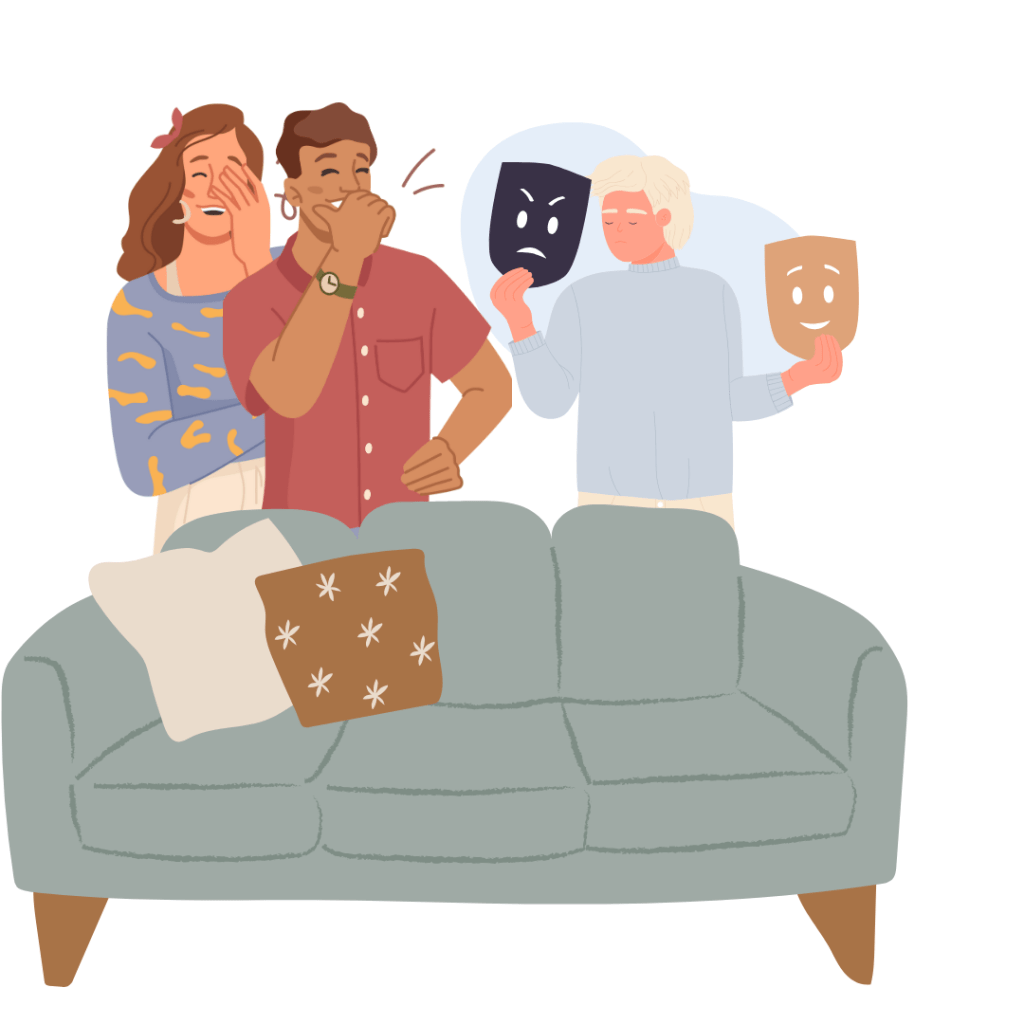
‘No George, we absolutely do NOT need an Alpaca, I don’t care how good of a deal you can get.’

DAMN IT. Meet Lenny, he’s fancy.