Uncategorized

🧩 11 Things I’ve Accepted I’ll Never Have Together (And That’s Okay)

There comes a point in every adult’s life where you stop chasing perfection and just start chasing peace.
Mine came somewhere between my third “lost laundry sock” breakdown and realizing that meal planning for the week doesn’t make my brain any less chaotic.

So here are 10 things I’ve fully accepted I’ll never have together — and honestly, I’m fine with it.


1. My Sleep Schedule

Some nights I’m out cold by 9. Other nights, I’m rearranging my thoughts (and furniture) at 2 a.m. Balance? Never met her. My problems are in those wee hours of the morning but my issues are waking up no later than 4, even if I dont fall asleep til 3. Its maddening.


2. Laundry

There’s clean, there’s dirty, and there’s “on that chair I swear I’ll fold tomorrow.”
Spoiler: tomorrow’s been rescheduled indefinitely.


3. My Phone Storage

I can delete exactly 400 screenshots and still have “not enough space.” I think the memes multiply when I’m not looking.


4. Matching Socks

At this point, I’m calling it fashion. If my socks are both clean, that’s a win.


5. My Inbox

Some people zero out their email every night. I zero out emotionally about my email every night.


6. That One Junk Drawer

It’s basically a time capsule for expired batteries and mystery cords from 2008.


7. My Brain’s Tabs

They’re all open. None of them are loading. I’ve accepted it’s just part of my operating system.


8. My To-Do List

For every item I cross off, three new ones appear like hydra heads. Productivity is a myth perpetuated by people with working serotonin.


9. My Diet

Sometimes it’s vegetables and lean protein.
Sometimes it’s cold pizza and vibes.
It’s called balance, baby.


10. The Idea of “Having It Together”

Turns out, nobody does. Some just accessorize their chaos better.
So here’s to letting go, laughing at the mess, and knowing that imperfect is still enough.

11. My Posting Schedule

I love sharing my thoughts and connecting with my community — but some days, the mental energy just isn’t there.
And that’s okay.
Skipping a post doesn’t mean I’m lazy or unreliable; it means I’m human. listicles are just easier to do when your brain wont shut up enough to do any research or even just have the mental capacity for boring depressive stuff. I’m trying to keep it up beat and hold it all together. Sometimes “taking care of business” looks like closing the laptop, eating something carb-loaded, and giving my brain a breather.


💭 Final Thought:

You don’t have to fix everything to be doing okay.
Sometimes the healthiest thing you can do is stop fighting the tide and just float for a bit.Til next time gang, take care of yourselves, and each other.

Uncategorized

Taylor Swift Gets Us All: Even the Spoonie Ones

From survival mode to regret, heartbreak to invisibly raging chaos, Taylor somehow finds the words for it all. These lyrics aren’t just clever turns of phrase — they’re mirrors for anyone struggling to be seen, understood, or simply to make it through another day. So the next time your body, brain, or emotions feel like they’re on fire, remember: Taylor’s got a line for that, and so do you. It’s not about whose pain is “worse” or more legitimate — it’s about being seen, validated, and reminded that even in the middle of your messiest moments, you’re still here, still trying, and still worthy of recognition.

“Balancin’ on breaking branches.” — Exile
Tell me you live with chronic illness, ADHD, or bipolar disorder without telling me. That line is the daily tightrope walk — trying to look stable while everything underneath you is creaking. You’re functioning, technically… but one more unexpected email, flare-up, or emotional storm and snap. It’s the exhausted kind of resilience that looks impressive from the outside but feels like survival from the inside.

“I’d go back in time and change it but I can’t.” — Back to December, Speak Now
Sometimes life leaves you with regrets that can’t be undone. Chronic illness, mental health episodes, or relationship missteps can haunt you, and all you can do is keep going forward while carrying those lessons with you.


“They told me all my cages were mental.” — This Is Me Trying, Folklore
Living with invisible illness or neurodivergence can make people question your experience. Taylor nails the frustration of having your struggles minimized or dismissed, even when you’re doing your absolute best to keep it together.

“Love slipped beyond your reaches.” — Champagne Problems, Folklore
For anyone navigating relationships while dealing with chronic pain, mental illness, or emotional turmoil, this lyric speaks to those moments when your best efforts simply aren’t enough — and you feel powerless watching connection slip away.

“Did you ever hear about the girl who got frozen?” — Right Where You Left Me, Folklore
That’s literally trauma in a sentence. Perfect for describing being stuck in survival mode long after the danger has passed.

“When I was drownin’, that’s when I could finally breathe.” — Clean, 1989
Leave it to Taylor to turn a mental breakdown into poetry. That line perfectly sums up what it feels like when you finally stop pretending you’re fine — when the exhaustion, pain, or chaos finally knocks you flat, and somehow, that’s when you start healing. It’s not weakness; it’s the breath you take after holding it for way too long.


“You made a rebel of a careless man’s careful daughter.” — Mine
Generational trauma wrapped in a love song. It’s breaking the patterns you were born into, learning love without fear, and realizing being “the careful daughter” was never the same as being safe.

“Why’d I have to break what I love so much.” — Afterglow
For anyone who’s accidentally hurt someone they care about — a child, partner, or even themselves. Chronic illness, emotional overwhelm, or mental health challenges can make us stumble in ways we never intended, and this lyric captures that ache of regret perfectly.

“The room is on fire, invisible smoke.” — The Archer
This is what living with chronic illness, PTSD, or anxiety can feel like. Everything in you is alight — panic, pain, exhaustion — but the world sees nothing. Your body aches, your brain races, your emotions combust… and everyone else is just like, “You seem fine.” It’s invisible chaos, and that’s the cruelest part: no one can help fight a fire they can’t see.

“I guess sometimes we all get some kind of haunted.” — Midnight Rain
The emotional equivalent of a PTSD flashback, chronic pain flare-up, or neurodivergent meltdown. It’s the moment when your past — trauma, illness, or just life — creeps up on you uninvited. It’s not about reliving the past; it’s about acknowledging that it still lingers.

“I miss who I used to be.” — Would’ve, Could’ve, Should’ve
When life steals pieces of you. Chronic illness, mental health struggles, or trauma can leave you staring at the mirror wondering if you’ll ever recognize yourself again. Taylor nails the quiet heartbreak of missing the “you” that existed before pain, betrayal, or illness started rewriting your story.

“How much sad did you think I had in me?” — So Long, London
Nails the emotional extremes of bipolar or just being completely maxed out emotionally. That mix of exhaustion, overwhelm, and “I’m still standing, barely” is instantly relatable to anyone with intense mood swings or chronic emotional strain.

“I can go anywhere I want — just not home.” — Exile
The heartbreak of estrangement in one line. You build a life, you heal, but that door you once knew as “home” doesn’t open anymore. It’s grief with no funeral, just echoes.


    From survival mode to heartbreak, estrangement to invisible chaos, Taylor somehow finds the words for it all. Each lyric shows us we’re not alone in our experiences, that even invisible struggles — chronic illness, mental health battles, neurodivergence, estrangement — are valid and worthy of recognition. So the next time your body, brain, or emotions feel like they’re on fire, remember: Taylor’s got a line for that, and so do you. It’s not a contest about whose pain is “worse.” It’s about being seen, being validated, and acknowledging that even in the middle of your messiest moments, you’re still here, still trying, and still worthy of recognition.

    Til next time, gang: take care of yourselves, and of each other.

    Uncategorized

    The Body That Never Stands Down: Living With PTSD and Constant Hypervigilance

    PTSD isn’t one-size-fits-all, and it definitely isn’t one-story-fits-all. Some people develop it after combat. Others after a car crash, a hospital stay, a toxic relationship, or years of just surviving things that weren’t survivable.
    The point is — the body doesn’t know why it’s scared. It only knows that something hurt it, and now it refuses to let its guard down again.

    And for a lot of us? That means living in a constant state of alert — hypervigilance.

    When the Body Becomes the Alarm System

    Hypervigilance isn’t about being “paranoid” or “dramatic.” It’s what happens when your brain gets stuck in survival mode. People with PTSD often show increased activation of the amygdala and insula (the brain’s threat detectors), and reduced regulation from the prefrontal cortex (the part that manages logic and fear control). https://pmc.ncbi.nlm.nih.gov/articles/PMC9682920

    This creates a brain more prone to automatic threat response and less able to override it.Over time, your body forgets what calm even feels like. It treats peace like a setup.

    You start scanning for the next problem, the next crisis, the next disappointment — because deep down, your body doesn’t believe it’s safe unless it’s braced for impact.

    What That Does to the Mind

    Living that way rewires your thinking.

    • You might second-guess every decision, waiting for the fallout. You’re never wrong if you argue both sides of the problem.
    • You may feel detached or foggy — a kind of emotional autopilot. Fibrofog is bad enough but a bad brain day on top of it means no one is getting anything done today lol.
    • Focus gets harder because your brain is too busy running background security checks on your environment. You spend so much time doing your background checks you miss all the good things.
    • Even joy feels suspicious, like the quiet before a storm. Waiting for the other shoe to drop is a terrible way to go through life because you have no time to dwell on the good.

    Over time, it’s exhausting. Not just “I need a nap” tired, but that bone-deep exhaustion that comes from being on guard 24/7.

    What That Does to the Body

    Hypervigilance isn’t just mental — it’s physical.
    When your nervous system keeps sounding the alarm, your body floods with stress hormones like adrenaline and cortisol. That’s great if you’re outrunning a tiger, not so great if you’re just trying to grocery shop.

    It can lead to:

    • Muscle tension (especially in your neck, shoulders, and jaw)
    • The body doesn’t heal well under constant fight-or-flight — it’s too busy defending.
    • Headaches and chronic pain Studies show that people with hypervigilance scan their surroundings more, fixate more broadly on ambiguous scenes, and show enlarged pupil responses even when no actual threat is present https://pmc.ncbi.nlm.nih.gov/articles/PMC4211931
    • Stomach issues or IBS
    • Insomnia or restless sleep In PTSD, sleep architecture often gets altered: more light sleep, fragmented REM (dream) sleep, and difficulty getting into deep, restorative sleep https://pmc.ncbi.nlm.nih.gov/articles/PMC9682920
    • Fatigue that doesn’t go away even after rest Also, individuals with PTSD have been shown to keep a higher resting heart rate even while sleeping — signifying that the body never fully “turns off.”
    • Long-term hypervigilance is associated with physical health risks: elevated blood pressure, inflammation, and cardiovascular stress. https://pmc.ncbi.nlm.nih.gov/articles/PMC7263347

    Your body ends up running a marathon it never trained for, with no finish line in sight.

    Important Note

    This is not about comparing kinds of trauma. PTSD is real whether it came from a battlefield, a hospital bed, a car crash, or a childhood that never felt safe. The source may differ — but the physiology of trauma is remarkably similar. If your nervous system is stuck in fight-or-flight, it deserves care, not comparison.

    How to Calm the Body That Won’t Relax

    You can’t logic your way out of hypervigilance — trust me, we’ve all tried. The goal isn’t to “calm down,” it’s to teach your body that safety is possible again.

    Some small but powerful ways to start:

    • Name it when it’s happening. “I’m safe right now, but my body doesn’t believe it.” It sounds simple, but naming it gives your brain a choice other than panic.
    • Release one muscle group. Shoulders, jaw, stomach — anywhere you’re braced. I try and take a shower because my whole body locks up tight.
    • Temperature reset. Cool water on your wrists or neck, or a cold drink, can nudge your nervous system out of fight-or-flight. I’ve started putting a cool cloth on my neck, if that helps some but I’m still plagued with thoughts I need a break from I’ve started sticking my feet in warm water
    • Ground through your senses. Notice what you can see, hear, touch, or smell right now. It pulls your brain back to the present. Name all the things you can.
    • Predictable rituals. Same mug every morning, same playlist before bed — consistency tells your body, “this is safe, this is familiar.”
    • Gentle movement. Rocking, stretching, or walking helps process the adrenaline your body keeps making. (My movement of choice is rocking, often thats how hubby and monkey know when I am stressed a lot of time I dont realize I’m doing it. Sometimes I start to rock but whatever my pain is stops me)

    Healing doesn’t happen in one “aha” moment — it happens in these small, repeated acts of safety. Over time, they teach your body it doesn’t have to live like the worst thing is always about to happen.


    Final Thought

    If you recognize yourself in this — you’re not weak, dramatic, or broken. You’re someone whose body learned to survive. And now you’re teaching it to live. Til next time gang, take care of yourselves, and each other!

    Uncategorized

    7 Conversations I’ve Had With Myself This Week

    Look, I talk to myself. A lot. And not in the cute “oh, I’m just thinking out loud” way that neurotypical people do. I’m talking full-blown conversations, complete with tone changes, arguments, and occasionally losing said arguments to myself. If you have ADHD, chronic illness, or just a generally chaotic brain, you know exactly what I’m talking about.

    Here are seven actual conversations I’ve had with myself this week. I’m not proud of most of them, but I’m also not surprised by any of them.

    1. The Medication Negotiation

    Me at 8 AM: “Okay, time to take your pills.”

    Also me: “But do I really NEED them today? I feel fine.”

    Me: “You feel fine BECAUSE of the pills, you absolute potato.”

    Also me: “But what if I’ve been healed by positive thinking and I don’t need them anymore?”

    Me: “We’ve been through this. Take the damn pills.”

    Also me: “Fine, but I’m not happy about it.”

    [Takes pills]

    Me, two hours later when brain fog hits: “Why didn’t I take my pills on time?”

    Also me: “…We literally just had this conversation.”

    2. The Food Decision Paralysis

    Me, standing in kitchen: “I should eat something.”

    Also me: “Agreed. What do we want?”

    Me: “I don’t know, what sounds good?”

    Also me: “Nothing sounds good.”

    Me: “Okay, what do we HAVE?”

    Also me: “Everything and nothing.”

    Me: “That’s not helpful.”

    Also me: “Neither is staring into the fridge like it’s going to solve our problems.”

    Me: “What if we just eat cereal again?”

    Also me: “We had cereal for dinner last night.”

    Me: “Your point?”

    [Grabs bowl]

    3. The Task Initiation Battle

    Me: “I need to start that thing.”

    Also me: “Which thing?”

    Me: “You know, THE thing. The important thing.”

    Also me: “Oh right. When are we doing that?”

    Me: “Now. We’re doing it now.”

    Also me: “But first, let me just check my phone real quick.”

    Me: “NO. We’re not doing this.”

    Also me: “Just one quick scroll.”

    Me: “It’s never one quick scroll and you know it.”

    Also me: “But what if someone texted us?”

    Me: “They didn’t.”

    Also me: “But what if they did and it’s urgent?”

    Me: “FINE. Five minutes.”

    [Three hours later]

    Me: “We never started the thing, did we?”

    Also me: “…In our defense, we learned a lot about seahorse reproduction.”

    4. The Sleep Schedule Delusion

    Me at 9 PM: “We should go to bed.”

    Also me: “But I’m not tired.”

    Me: “We’re never tired at bedtime. That’s literally our thing.”

    Also me: “What if tonight is different?”

    Me: “It’s not. Go to bed.”

    Also me: “But what if I just scroll for a bit and THEN go to bed?”

    Me: “That has literally never worked.”

    Also me: “There’s a first time for everything.”

    [At 2 AM]

    Me: “I hate us.”

    Also me: “Same.”

    5. The Executive Function Check-In

    Me: “Have we showered today?”

    Also me: “…Define ‘today.'”

    Me: “The current 24-hour period.”

    Also me: “Then no.”

    Me: “What about yesterday?”

    Also me: “I plead the fifth.”

    Me: “We need to shower.”

    Also me: “That sounds like a lot of steps.”

    Me: “It’s literally just standing in water.”

    Also me: “Yeah, but first we have to DECIDE to shower, then remember to shower, then actually GET IN the shower, then remember what order the shower things go in…”

    Me: “Okay I see your point.”

    Also me: “Plus we’d have to find a clean towel.”

    Me: “Never mind. We’ll shower tomorrow.”

    Also me: “Bold of you to assume tomorrow will be any different.”

    6. The Pain Scale Debate

    Me: “Ow.”

    Also me: “What’s the pain level?”

    Me: “I don’t know, like a 6?”

    Also me: “Is it though? Remember that time we thought 7 was bad and then we had that 9?”

    Me: “Good point. Maybe it’s a 5.”

    Also me: “But if it’s a 5, should we take pain meds?”

    Me: “I don’t know, what if it gets worse and we already used up our meds?”

    Also me: “But what if we DON’T take meds and it gets worse anyway?”

    Me: “What if we just suffer through it and prove we’re tough?”

    Also me: “That sounds like internalized ableism.”

    Me: “You’re right. Okay, taking meds.”

    Also me: “Wait, did we already take meds today?”

    Me: “…I don’t remember.”

    Also me: “Cool, cool. This is fine. Everything is fine.”

    7. The Bedtime Existential Crisis

    Me at 1 AM: “Why are we like this?”

    Also me: “Like what?”

    Me: “You know… LIKE THIS. The chaos. The forgetting. The talking to ourselves at 1 AM.”

    Also me: “It’s not our fault our brain is wired differently.”

    Me: “I know, but sometimes I wish we were just… normal.”

    Also me: “Normal people are boring.”

    Me: “Normal people remember to pay bills on time.”

    Also me: “Okay, fair point.”

    Me: “Normal people don’t have to negotiate with themselves about basic tasks.”

    Also me: “But would we really want to be normal if it meant losing our creativity? Our hyperfocus superpowers? Our ability to make connections nobody else sees?”

    Me: “…Are you just trying to make us feel better?”

    Also me: “Is it working?”

    Me: “A little.”

    Also me: “Then yes, that’s exactly what I’m doing.”

    Me: “We should probably go to sleep.”

    Also me: “Agreed. Right after we Google one quick thing.”

    Me: “We both know that’s a lie.”

    Also me: “And yet here we are.”


    The Conclusion I Didn’t Ask For

    The truth is, talking to myself has become such a normal part of my life that I forget other people don’t do this. Or at least, they don’t do it out loud. Or with multiple distinct personalities arguing about whether cereal counts as dinner.

    But here’s the thing: these internal (and sometimes external) conversations are how my brain processes things. It’s how I work through decisions, remember tasks, and occasionally talk myself into doing basic human functions like showering and eating vegetables.

    Is it weird? Absolutely. Is it exhausting? You have no idea. Would I change it if I could?

    Ask me again after I’ve had some sleep. And by sleep, I mean after I finish this one last Google search about whether other people have full conversations with themselves or if I should be concerned. Til next time gang, take care of yourself, and each other.

    [Spoiler alert: I Googled it. It’s apparently normal. We’re fine. Probably.]

    Uncategorized

    The Social Hangover: Why One Family Gathering = Three Business Days of Recovery

    I did a thing.

    I put on jeans. Yes, actual denim. Not “leggings that whisper about being pants if you squint hard enough.” Real jeans. Then, because apparently I like to cosplay as a functioning human, I added makeup. First time in two years. Even did my hair. Honestly, I could’ve stopped there and deserved a medal.

    But no, I had a mission: drive three hours each way to see my sister, hand-deliver the painstakingly perfected gifts I’d been working on for weeks, and socialize with more humans than my hermit soul has encountered in… possibly a decade for my sister and grand niece.

    Let me tell you, the event itself? Lovely. The invite? Appreciated. The people? Wonderful. The food? Chef’s kiss. My energy afterward? Dead. Buried. Ghosted.

    Here’s the unglamorous math nobody tells you:

    • Prep time: two weeks of stressing, shopping, and crafting gifts.
    • Cosmetic upgrades: one hour to transform into “someone who looks like she has her life together.”
    • Event length: six hours in the car, plus a full day of interaction.
    • Recovery time: estimated three to five business days, maybe longer. Please hold.

    Today, I’m the human equivalent of a phone stuck on 2% battery with a broken charger. Hollow, sluggish, vaguely resentful at the concept of standing upright. And yet… this is the price of admission when you leave your cave.

    So if you’re also lying in bed after “a fun day,” wondering why your body feels like you ran a marathon while juggling flaming swords, let me reassure you: you didn’t imagine it. Social hangovers are real. Spoon debt is brutal. Jeans are a weapon of mass destruction.

    Recovery Day Survival Tips (a.k.a. How to Human Again After Too Much Humaning)

    • Hydrate like it’s your new religion. You just sweated out three weeks’ worth of electrolytes socializing.
    • Eat something that doesn’t come in a crinkly wrapper. (No shame if it does, but bonus points for real nutrients.)
    • Lay flat. On the bed, the couch, or the floor — whatever’s closest when you collapse.
    • Noise-cancel the world. Earplugs, headphones, or just a dramatic blanket burrito.
    • Cancel productivity. Laundry and dishes can wait. Your nervous system cannot.
    • Gentle motion only. Stretching, slow walks, or the ceremonial shuffle to the fridge.
    • Remember: jeans are optional for the rest of your life.


    Tomorrow I’ll probably be fine(ish). But today? Today is about recovery, snacks, and swearing off denim forever. Til next time gang, take care of yourselves, and each other.

    Uncategorized

    7 Unexpected Ways to Make Life a Little Easier When You’re Overwhelmed

    Life is messy, exhausting, and sometimes downright unfair—but there are clever little hacks that can help you catch your breath, keep your sanity, and even sneak in some joy. None of these tips will magically erase your stress (I wish), but they will make the load lighter.


    1. Automate the Little Things

    Decision fatigue is real—our brains get worn down by endless small choices. Automating the basics can free up precious energy.

    • Schedule grocery delivery or subscriptions for your must-haves.
    • Set bills to auto-pay.
    • Use reminders for meds, appointments, or chores.

    It may feel tiny, but the mental relief adds up.


    2. Reserve-Based Meal Planning

    Instead of starting from scratch every day, build meals off “reserves” you’ve already cooked. Think big-batch taco meat, roast chicken, or skillet sausage that can be reimagined into multiple meals. Less chopping, less cooking, more living. I do this biweekly and feature a menu plan and shopping list every other Sunday, but its not rocket science so if you don’t stick 100% to it no big deal, I just keep the featured ingredients on hand and offer a multitude of uses for it. As stated above, decision fatigue is real and its so helpful to have that choice already made.


    3. Build a “Bad Day Box”

    Keep a stash of small comforts for the days when everything feels impossible. Fill it with:

    • A favorite snack or tea
    • Cozy socks or a heating pad
    • A playlist that makes you laugh or sing along

    It doesn’t solve the hard stuff, but it gives you a lifeline when you’re sinking. If you want one already made I might know someone….


    4. Quick Mental Resets

    A five-minute pause can do more than you think. Whether it’s a short guided meditation, deep breathing, or blasting your favorite song, those tiny resets can shift your brain out of panic mode and back toward calm. Make it something easy that you have access to, it can be comedy or a podcast that makes you laugh, anything that shifts the focus of your thoughts is the idea.


    5. Make Your Space Work for You

    Clutter equals stress. Even little changes—like keeping meds, remotes, or supplies in a caddy by your chair—cut down on the low-grade chaos. Lighting, airflow, and comfort matter more than we admit.


    6. Outsource Where You Can

    If you can swing it, pay for help. Order takeout, hire a cleaner, or swap chores with a friend. Energy is a resource, and saving yours is not laziness—it’s smart strategy.


    7. Celebrate Tiny Wins

    You got out of bed? That counts. Finished a task? Write it down and cross it off just for the satisfaction. Momentum grows when you notice the little victories instead of waiting for the big ones.


    Life isn’t perfect, and neither are we—but small hacks like these add up. They create breathing room, lighten the load, and make survival a little more manageable. Try one or two this week. You deserve the ease. Til next time gang, take care of yourselves, and each other!

    Uncategorized

    Watching the Drama: I Know It’s Not That Bad — Except My Brain Won’t Believe Me

    There’s a terrible little superpower I’ve developed: I can watch myself overreact.

    It’s the worst seat in the house — front row, center stage — where my brain is performing a full-throttle disaster musical and I’m sitting there with the program, thinking, “Yep. That’s… dramatic.” Meanwhile my chest is doing interpretive dance, my throat is tight, and my hands have decided to be useless for the foreseeable future.

    I know the script. I know the facts. I know that my kid is safe, that no one is angry enough to leave forever, that the noise outside is probably just traffic, not the arrival of doom. I can literally name the thoughts as they happen: This is a sign. This is going to spiral. Everyone will leave. I am unfixable. And I know, in a rational, calm part of my brain, that the thought is an alarm that’s been stuck on repeat. I also know that knowing it — intellectually — doesn’t flip a switch and make my body stop treating it like an emergency.

    That’s PTSD after medical trauma for you in a sentence: your mind is both the actor and the audience. The rest of your life keeps going. You keep getting up, you keep making tea, you keep paying bills. But some invisible part of you stays backstage, rewinding and replaying a scary scene, making sound effects, and refusing to let the house lights come up.

    Why the “I know it’s not true” feeling is its own kind of hell

    It’s isolating. Because the knowledge that your thoughts are lying should be freeing, right? In theory. But being the person who can say, “This is irrational,” while your body screams “RUN” is exhausting and weirdly lonely. You end up apologizing to people for things they weren’t even upset about, or you cancel plans because you feel unsafe even though everything else says you’re fine. You blame yourself for being dramatic. You try to be the reasonable adult and the reasonable adult keeps getting ignored.

    And then there’s guilt. If friends or family do help, you watch them pay attention and you feel both relieved and awful — because you think you’re costing them time and energy. You start to believe that self-sufficiency is the only moral option and asking for help is taking more than you deserve. Spoiler: that’s not the truth. It’s an emotional trap set up by fear.

    Tiny, practical things that actually help when your brain runs the show

    I’m not going to give you platitudes. Here are things that have helped me — small, honest, and doable even on the worst days.

    • Label the play: When the alarm starts, say out loud (or mentally): “That’s my PTSD talking. That’s the survival brain.” Naming it doesn’t make it vanish but it takes away some of its power.
    • Two-minute grounding: Five things you see, four things you can touch, three sounds, two smells, one thing you can taste (or one thing you like about the moment). It’s boring, and that’s the point. It pulls you out of the theater.
    • Breathe like you mean it: 4-4-6 breathing (inhale 4, hold 4, exhale 6) calms the vagus nerve faster than a pep talk.
    • Write the loop down: If a memory keeps looping, grab a notebook and write it until you’re bored of it. Then scribble one practical line: “Right now: I am home. Right now: I can breathe.” The page can hold the drama when your brain insists on replaying it.
    • Micro-asks for people: Don’t make others guess. Say, “Can you sit with me for ten minutes?” or “Could you text me at 7 to check in?” People who care usually want the script — they just don’t want to mess it up.
    • Make a tiny safety plan: three things to do if it spikes (call X, 2-minute grounding, favorite playlist). Tape it to the fridge if you have to. Pre-deciding reduces panic.

    What to say — when you want to ask for help but hate feeling needy

    Try something simple and specific:

    Or, if you need practical help:

    Short. Specific. Low drama. It gives people an easy yes.

    The honest truth I remind myself (even when my brain screams otherwise)

    I can hold two truths at once:

    • My mind is telling a bigger story than the facts support.
    • Needing help right now doesn’t make me a burden — it makes me human.

    There’s a difference between the loudness of a feeling and the size of reality. Your feelings are not the final arbiters of truth. They are signals. Sometimes they’re reliable, sometimes they’re not. You don’t have to act on every alarm. You can notice it, honor it, and then choose what you do next.

    A small support for the messy days

    If you’re reading this while your chest is tight and your brain is staging a meltdown, I see you. I know how lonely it becomes to watch yourself react and feel like you’ve failed at being calm. You haven’t failed. You’ve survived things that rewired your alarm system. That makes your reactions loud — not your worth small. Til next time gang, take care of yourselves, and each other.

    Uncategorized

    Hyperfixation Cuisine: A Love Story

    When food is your ride-or-die for two weeks… until it ghosts you.

    I don’t fall in love often—but when I do, it’s usually with a snack. A drink. A cereal. A very specific sandwich from one very specific place that I will eat exclusively for 14 days straight like it holds the secrets of the universe and contains all the nutrients my body will ever need. During these passionate food affairs, I become a creature of pure obsession—calculating how many times per day I can reasonably consume my chosen item without judgment, researching the optimal preparation methods, and feeling genuinely excited about meal times in a way that probably isn’t normal for a grown adult. I’ll stock up like I’m preparing for the apocalypse, filling my cart with multiples of the same item while cashiers give me curious looks that I interpret as admiration for my decisive shopping skills. And then? I ghost. Cold turkey. No warning, no closure, no gradual tapering off—just me and my shame in aisle 5, pretending I never knew that Creamsicle shake, avoiding eye contact with the 47 cans of soup I can no longer stomach, and wondering why my brain treats food like a series of intense but doomed romantic relationships.

    What Is Hyperfixation Cuisine?

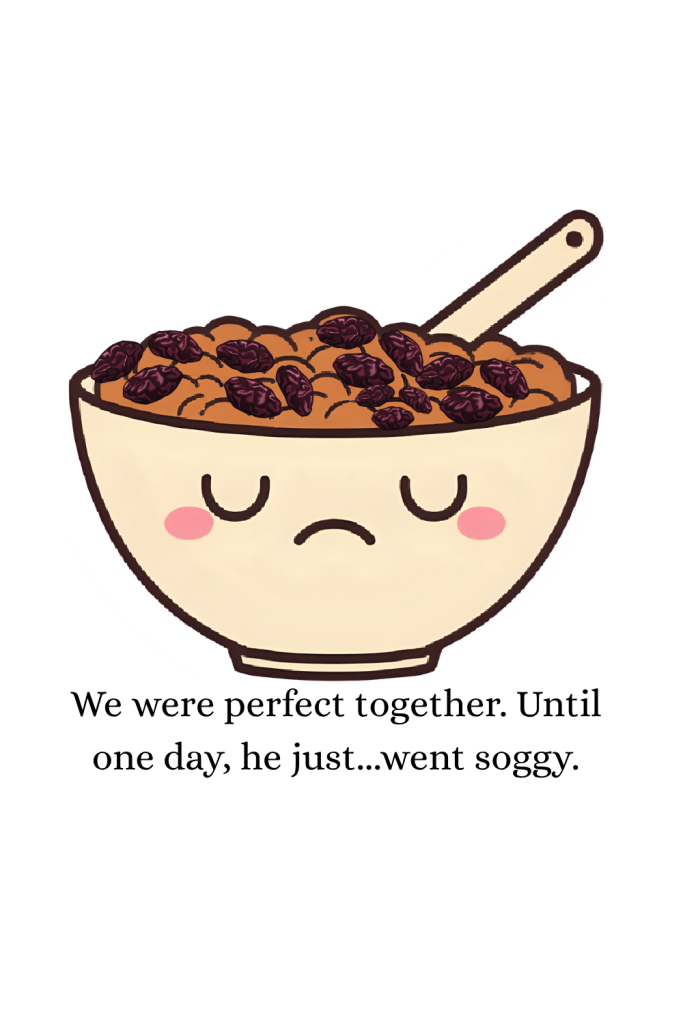
    It’s the culinary equivalent of a summer fling. You’re obsessed. You plan your day around it. You talk about it to anyone who will listen (and a few who won’t). You buy in bulk. And then one morning, like a cursed love spell wearing off, it’s done. You’re left with a pantry full of raisin bran and the haunting echoes of a snack you no longer want to eat.

    Neurodivergent folks—those of us with ADHD, autism, or both—know this dance well. It’s not a food phase; it’s a full-blown romantic arc.

    And science backs us up!

    Let’s sneak in some facts while we laugh about it:

    Nutritionists would say variety is key. But also? Survival. Joy. Convenience. These are not small things. And if eating the same 3 things on rotation keeps your body going through a rough patch? That’s not failure—that’s strategy.

    Plus, it always changes eventually. Usually when you least expect it. Often mid-bite.

    Honestly? Laugh. Embrace it. Maybe write a heartfelt goodbye letter to your former food flame. (“Dear Bagel Bites, we had some good times. I’m sorry I abandoned you half-eaten in the freezer door.”)

    You don’t have to force variety or shame yourself for what your brain finds comforting. Just make sure you stay fed, hydrated, and somewhat functional. And if one day you find yourself suddenly obsessed with cucumbers in vinegar, just know: you’re not alone.


    What was your last food fling? Let me know so I don’t feel like the only one who once ate eleven bowls of raisin bran in one week.

    And to all the forgotten snacks still lurking in my pantry…
    I loved you once. I swear I did, lol. Til next time gang, take care of yourselves

    Uncategorized

    The PTSD Plot Twist: How Nearly Dying Made Living Feel Impossible

    The unexpected psychological aftermath of medical trauma that nobody warns you about.

    You’d think that surviving something as dramatic as your heart stopping would make you grateful for every breath, right? That’s what everyone assumes. That’s what I assumed. But here’s the plot twist nobody talks about: sometimes surviving the unsurvivable doesn’t make you appreciate life more—it makes living feel impossibly dangerous.

    Welcome to the mind-bending world of medical trauma PTSD, where your brain decides that since you almost died once, you’re probably about to die again. Any minute now. Maybe even right now while you’re reading this.

    The Science Behind the Psychological Sucker Punch

    Here’s what the research says about cardiac arrest survivors that no one mentioned in the hospital discharge paperwork: the prevalence of PTSD among us is high. Like, surprisingly high. Studies vary, but they all agree it’s not just a few people who “can’t handle it.”

    Even worse? PTSD in cardiac arrest survivors is linked to a significantly higher risk of another heart event or death within a year. So, while your brain is tormenting you with the idea that you’re going to die… that very torment might actually make you more likely to die.

    It’s psychological Russian roulette, designed by a trauma specialist with a PhD in irony.

    When I first woke up, I was full of gratitude. My brain was too busy relearning how to walk and do basic things to spiral about what almost happened. But once the dust settled? That’s when the fear moved in.

    The Hypervigilance Trap: When Your Body Becomes the Threat

    Hypervigilance means constantly scanning your surroundings for danger. But when the danger came from inside your own body, where exactly are you supposed to feel safe?

    Every chest flutter is a heart attack. Every dizzy spell is a stroke. And don’t even get me started on tracking your own breathing. Your body becomes a 24/7 threat detection system, and you’re the one being surveilled.

    I drink water like it’s a competition. I got a fitness tracker. I monitor every symptom: is that back pain from fibro, chronic kidney disease, or something more sinister? Often, I’ve just pulled a muscle from existing too hard—but my brain doesn’t buy that.

    The Symptoms No One Prepares You For

    We all know PTSD comes with flashbacks, nightmares, and anxiety. But medical PTSD has some bonus round features:

    • Medical Setting Panic: The sound of a heart monitor beep? Instant terror.
    • Body Betrayal Complex: Your once-trusty body now feels like a traitor.
    • Gratitude Guilt: You’re supposed to feel thankful, but mostly you feel terrified. Then you feel guilty about not feeling thankful. It’s like emotional inception.
    • Hypervigilant Exhaustion: Your body never relaxes, so your muscles never heal. Which means you always hurt. Which means your mood crashes. And the cycle repeats.

    When I close my eyes, I don’t see calm or rest. I see regret. Unfinished business. Conversations I didn’t have. My muscles are always clenched. If I’m always hurting, I’m always depressed—and if I’m depressed, I’m even more tense. Rinse and repeat.

    When Existing Conditions Complicate the Picture

    If you already had health issues, medical trauma PTSD is like throwing a grenade into a house of cards. For me, fibromyalgia, ADHD, and bipolar disorder were already hard enough. Add PTSD?

    • ADHD + Hypervigilance = Brain ping-pong with a side of dread.
    • Bipolar + Trauma = Racing thoughts that might be mania or might be panic. Who knows?
    • Fibro + PTSD = Every ache becomes a “what if.”

    The Irony of Fighting Fear While Pretending You Aren’t

    The most exhausting part? You know it sounds ridiculous. You know your stats. You know not every chest tightness is a heart attack. But logic doesn’t matter. PTSD doesn’t speak statistics.

    So you’re fighting fear with one hand while pretending to be okay with the other. Panic attack on the inside, small talk on the outside.

    The Treatment Nobody Mentions

    Here’s a shred of hope: studies show mindfulness-based therapy can actually help cardiac arrest survivors manage PTSD. It’s not one-size-fits-all, but it’s a start.

    The problem is, most doctors don’t screen for PTSD after a medical event. They’re focused on your physical recovery. The emotional wreckage? Not on the chart.

    Living in the Plot Twist

    Some days, I can go hours without mentally scanning every inch of my body. Other days, it’s like I have ESPN for doom.

    The real twist? Surviving doesn’t always make you feel grateful. It can make you feel fragile. And maybe that’s okay.

    Maybe we don’t need to bounce back stronger. Maybe we just need to keep going, scared or not. That’s resilience too.

    The Ongoing Experiment

    Every day, I try to live without panicking about living. Some days I fail. Some days I don’t. But I’m still here. Still experimenting. Still trying. Til next time gang, you’re not alone, take care of yourselves, and each other!

    If you’re navigating this too, you’re not broken. You’re not being dramatic. You’re surviving something nobody talks about.


    Sources:

    1. Columbia University Department of Psychiatry – Mindfulness-based Therapy for Cardiac Arrest Survivors
    2. PubMed – PTSD in Cardiac Arrest Survivors
    3. American Heart Association – Psychological Impact of Cardiac Arrest
    4. Cleveland Clinic – PTSD Symptoms and Treatment
    5. Mayo Clinic – PTSD Causes and Risk Factors
    6. Bay Area CBT Center – Understanding Hypervigilance
    7. Balanced Awakening – Hypervigilance and Trauma
    Uncategorized

    The Real Truth About Living With Multiple Medical Conditions (From Someone Who Gets It)

    You’d think having one chronic health condition would be enough to earn you a loyalty card for the doctor’s office (every tenth copay is free?), but apparently, nature loves a “Buy One, Get One” deal just as much as supermarkets do.

    In fact, as of 2023, over half (51.4%) of American adults are dealing with at least two chronic conditions simultaneously. Not to brag, but some of us are collecting diagnoses like they’re Pokemon cards. (Its me, I’m some of us.)

    1. Your Pill Organizer Qualifies as a Carry-On

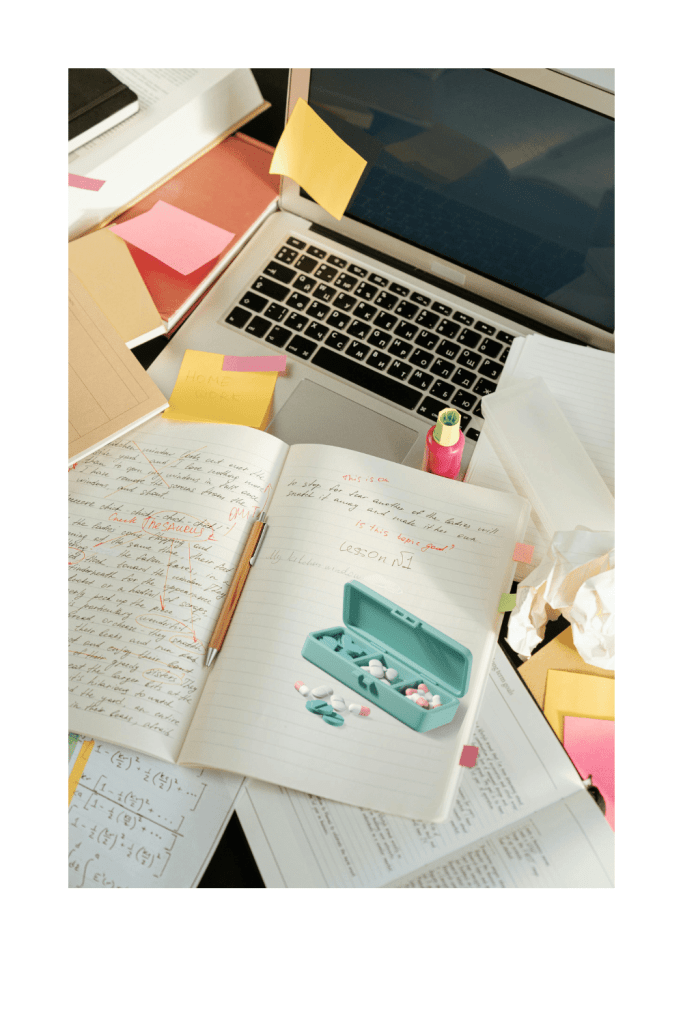
    You know you’re living with multiple medical conditions when your pill organizer is bigger than your snack box… and requires its own spreadsheet for refills. You could host a bingo night called “Guess Which Pill is for What?” (Winner gets a nap.)

    2. Doctor’s Appointments: The New Social Calendar

    If social status were measured by how many specialists you know by their first name, you’d be downright popular. Dermatologist on Tuesday? Endocrinologist on Wednesday? Neurologist at the end of the month? You’ve got a calendar busier than a pop star’s tour schedule.

    3. Symptoms: Pick ‘n’ Mix Edition

    Fatigue, brain fog, joint pain, strange rashes—sometimes it’s hard to know whether a new symptom is a plot twist from an old diagnosis or just a friendly sequel from a new one. You ask your doctor, “Is this Normal™?” and they say, “Well, for you, maybe!”

    4. Health Is a Team Sport Now

    Turns out, it takes a village… to manage your prescriptions, go over lab results, and remind you again which foods will actually disagree with Condition #3 (but not #2).

    5.You’re Not Alone in This Wild Ride

    Here’s the kicker: 76.4% of US adults had at least one chronic condition in 2023—and over one in four young adults aged 18–34 now have two or more. If you sometimes feel like a medical outlier, you’re actually part of the majority (how’s that for a plot twist?).

    6. Bonus Round: Confusing Your Fitbit

    You tell your fitness tracker you have “bad days” and “good days.” Fitbit just quietly registers your nap as a “restorative yoga” session. (Thanks, buddy, I needed that win.)

    Quick Facts to Drop at Parties for Street Cred:

    Multiple chronic conditions (aka “multimorbidity”) are on the rise, especially among young adults—up from 21.8% to 27.1% in a decade. Most common tag team combos include high cholesterol, arthritis, hypertension, depression, and—everybody’s favorite—obesity.

    Living with multiple medical conditions isn’t for the faint of heart…except, actually, sometimes it literally is when your next diagnosis is “mild tachycardia.” But you do it with humor, strength, and the world’s most impressive pill stash. And that, fellow warriors, is the real truth.

    Author’s tip: If in doubt, just tell people you’re “collecting chronic conditions” like rare action figures. Laughter might not be the best medicine, but it’s definitely covered by emotional insurance.

    Factual data for your reading pleasure: The CDC and other reputable sources confirm everything above, except maybe the part about winning a nap at diagnosis bingo. Til next time gang, take care of yourselves, and each other!