Uncategorized

My December Brain Thinks It’s Being Chased by a Tiger

A spoonie’s guide to understanding why this month feels like a boss battle

December arrives every year like it’s auditioning for a “Most Dramatic Month” award. Lights! Deadlines! Events! Family! Weather that makes my joints feel like they were installed backwards! I swear this month shows up wearing a sequined gown and holding a megaphone screaming, “SURPRISE, IT’S ME! LET’S CHAOS.”

And listen… I’m doing my best.
But my brain?
My brain is over in the corner rubbing two neurons together trying to make a spark like a Boy Scout with wet matches.

And that’s the thing: December is uniquely designed to absolutely obliterate neurodivergent and chronically ill people.

Let me explain — with actual science.
(But don’t worry, it’s me. I’ll keep it spicy.)


1. December is basically sensory overload in a trench coat.

Think about it: blinking lights, crowds, loud music, bells, scents, glitter everywhere like it escaped a containment lab… it’s a full assault on the senses.

For ADHD and autistic brains, the sensory load of ONE Target trip in December is equivalent to running a psychological marathon while someone throws cinnamon pinecones at your face.

When you see people calmly strolling through a decorated mall, please understand they are operating at a level of sensory privilege I can only dream of.


2. Our executive function gets hit with a holiday piñata stick.

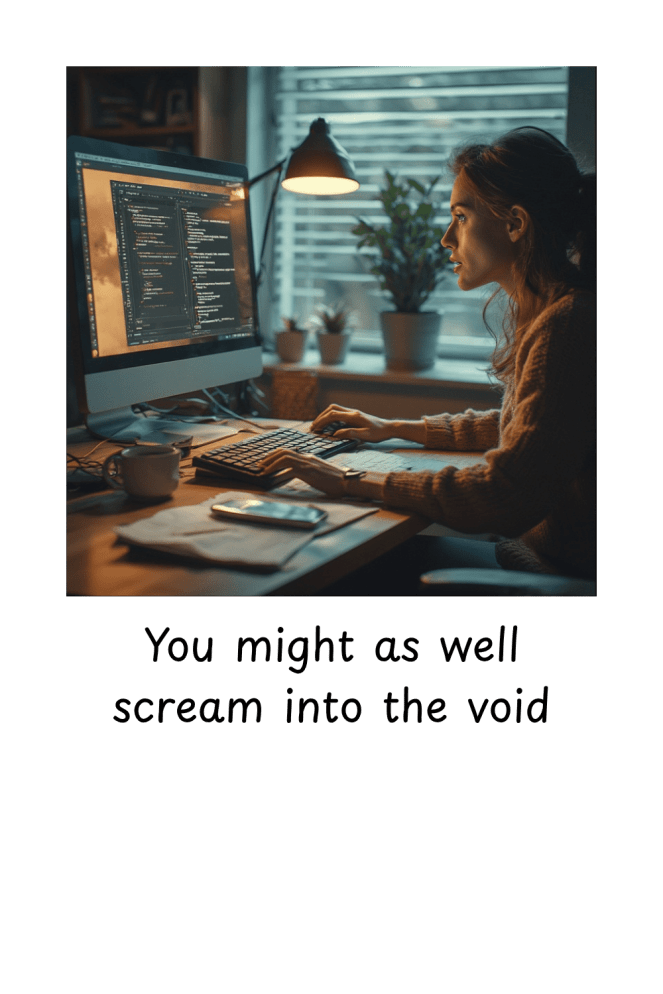
Executive function — the part of the brain responsible for planning, organizing, remembering, transitioning, and not screaming into the void — already runs on 2% battery for a lot of us.

Then December rolls in and demands:

  • Coordination
  • Decision-making
  • Gift lists
  • Cooking
  • Routines changing
  • Socializing
  • Budgeting
  • TIME MANAGEMENT (okay calm down, this is a safe space)

It’s too much.
Neuroscience basically says: if your brain already struggles with dopamine, working memory, or task sequencing, December is like trying to juggle flaming swords with oven mitts on.


3. Chronic illness + cold weather = my body filing hostile complaints with HR.

Fibromyalgia loves the cold the way cats love knocking stuff off counters: it finds an opportunity and goes for it.

Scientific fun fact: colder temperatures can increase muscle tension and pain sensitivity, and reduced sunlight messes with serotonin levels, which can intensify fatigue and mood dips.

Scientific non-fun fact: my body reacts to December like someone unplugged it mid-update.


4. The holidays trigger “performance mode” whether we want it or not.

If you grew up in chaos, survived medical trauma, or just exist as a human with trauma baggage (hi, welcome, there are snacks), your nervous system may automatically shift into high-alert this time of year.

The brain hates unpredictability.
December is 90% unpredictability.

So your amygdala goes, “Heyyyy remember when things went bad before? Let’s be ready. Just in case.”

Which is cute.
Except it’s not.
Because suddenly everything feels urgent.


5. And then there’s the emotional landmines.

Family stuff. Estrangement. Loss. Loneliness. Pressure to be joyful on command.
This season brings things to the surface like the ghosts of holidays past showed up for a group project.

So if you’re exhausted?
Forgetful?
Behind on everything?
Crying at commercials about soup?
Shoving wrapping paper under the bed and pretending it’s not your problem?

Yeah. Same.
You’re not broken — you’re overloaded.


So what do we DO about it?

(You know… besides giving up and becoming a winter hermit.)

1. Drop the “holiday expectations” bar until it’s at ankle height.

You’re allowed to celebrate at your energy level, not Hallmark’s.

2. Use “do it the lazy way” as your December mantra.

If there’s an easier version of something? Do that.
Frozen food? Yes.
Gift bags instead of wrapping? Absolutely.
Paper plates? You’re doing amazing.

3. Build in tiny pockets of sensory calm.

Dark room + blanket + phone on silent = a spiritual experience.

4. If your brain is spiraling, label it.

“My nervous system is overwhelmed. This isn’t a failure; it’s a signal.”
Boom. Power move.

5. Accept that December brain is a special, limited-edition seasonal disorder.

It’s not you.
It’s the month.


And here’s the part I want you to hear the loudest:

You do not owe December a performance.
You don’t owe tradition your body.
You don’t owe the holiday season a curated, Pinterest-perfect experience.
You owe your life — your REAL life — kindness, rest, and honesty.

If you make it through the month fed, semi-warm, and not buried under gift wrap, congratulations: you won December.

Even if your brain thinks it’s running from a tiger. Til next time gang, take care of yourselves, and each other!

Uncategorized

10 Times I Should’ve Trusted My Gut

Let’s talk about intuition.
That little voice in your head that says, “Maybe don’t send that text,” or “You don’t actually need to reorganize your pantry at 2 a.m.” For people with Bipolar sometimes that voice gives conflicting advice

Mine’s been screaming for years, but I usually answer with, “Shh, I’m busy ignoring you while doing exactly what you told me not to.”

So, here’s a list of ten times I absolutely should’ve listened to my gut — and how my new pendulum board helps me keep my chaos at least moderately guided now.


1. When I Thought “One More Load of Laundry” Was Harmless

My back disagreed. My spoons evaporated. Should’ve trusted the gut that said, “Sit down, you maniac” and not got back up repeatedly.


2. When I Answered That Text From My Ex

Intuition: “Don’t.”
Me: “Maybe he’s changed!”
Spoiler: He had not.


3. When I Said “Sure, I Can Handle That Project”

What I meant was: “I will spiral into a stress coma and regret everything.” Not sure if thats any illness talking I think we all over promise sometimes, even to ourselves lol.


4. When I Ignored the Weird Rattle in My Car


Turns out the “ghost” was a very real, very expensive muffler issue. Of all the times my gut cost me, this was an EXTRA pricey one lol.
Gut: 1. Me: $600.

5. When I Thought I Could Skip My Meds “Just for a Day”

LOL. Never again. My brain chemistry is not DIY-friendly. Most of them arent shy about telling me I forgot them either. Not just for a day, not even just for an afternoon lol.


6. When I Tried To Explain My Chronic Illness to a Facebook Comment Section

Intuition said log off.
Ego said educate.
Result: chaos and regret.


Lately, I’ve been using this pendulum board I made — not as some mystical fortune-teller thing, but as a quick way to ground myself. Watching it swing back and forth slows my thoughts down enough to actually hear what my gut’s saying.

7. When I Said “It’s Just a Little Pain”

…and three days later I’m Googling “can you die from ignoring your body?”


8. When I Thought “I’ll Sleep When I’m Dead” Was a Vibe

SO MANY people say this! Turns out it’s… not great health advice.


9. When I Ordered the Giant Craft Supply Haul “For Business Purposes”

I mean, it was technically business-related. Just… maybe not this month’s business. Maybe I wanted to not be rude, gotta get something for everybody!

10. When I Ignored My Gut About Taking a Break


(aka any time I have been up out of my chair for over 5 minutes)

Every time I push through instead of pausing, my body yells louder next time.
Now I ask my pendulum, and if it swings toward “Sit down,” I listen.
(Okay, fine, I try to listen.)


🌙 Moral of the Story: Trust Yourself, Babe.

Intuition isn’t mystical nonsense—it’s your nervous system whispering what it already knows.
The pendulum just helps quiet the noise long enough for you to actually hear it.

If you want a gentle nudge toward trusting yourself again (or just something gorgeous and witchy for your nightstand), my new 3D-printed Pendulum Board Kit is going to be perfect for you.
It includes:

  • A black + purple board engraved with intuitive answers
  • A matching pendulum
  • A mini guide for using it (with question prompts!) I can make custom ones with special colors.
    Coming to you in the next few days, keep an eye out for it

✨ Perfect for the overthinker who’s spiritually curious but still skeptical (hi, it’s me). Til next time gang, take care of yourselves, and eachother!

Uncategorized

5 Ridiculously Small Things That Actually Make Life Easier

Life is overwhelming enough without adding big, complicated “fixes” to the mix. That’s why sometimes the smallest shifts—things you can do in a minute or less—end up making the biggest difference. None of these will change your entire world, but they will help smooth the edges of a rough day.


1. Drink Water Out of a Fancy Cup

Hydration is one of those “simple but annoying” tasks. But pour that same water into a glass you love—a stemless wine glass, a mason jar with a straw, or even a mug that makes you smile—and suddenly it feels less like a chore and more like a treat. Little brain tricks for the win.


2. Keep a Blanket in Arm’s Reach

There’s something grounding about having a blanket nearby. Whether it’s the middle of the day or late at night, grabbing it is an instant way to give yourself comfort without any effort. Bonus: it doubles as a nap invitation if you need it.


3. Use the “Two-Minute Rule”

Procrastination thrives on tasks that feel bigger than they are. The two-minute rule says: if it takes less than two minutes, do it now. Throw away that receipt, reply to the text, wipe the counter. You’ll be surprised how much mental clutter disappears when you knock out those quick wins. I’ve noticed this alot cleaning, it feels good to see the problem disappear.


4. Make a “Done List”

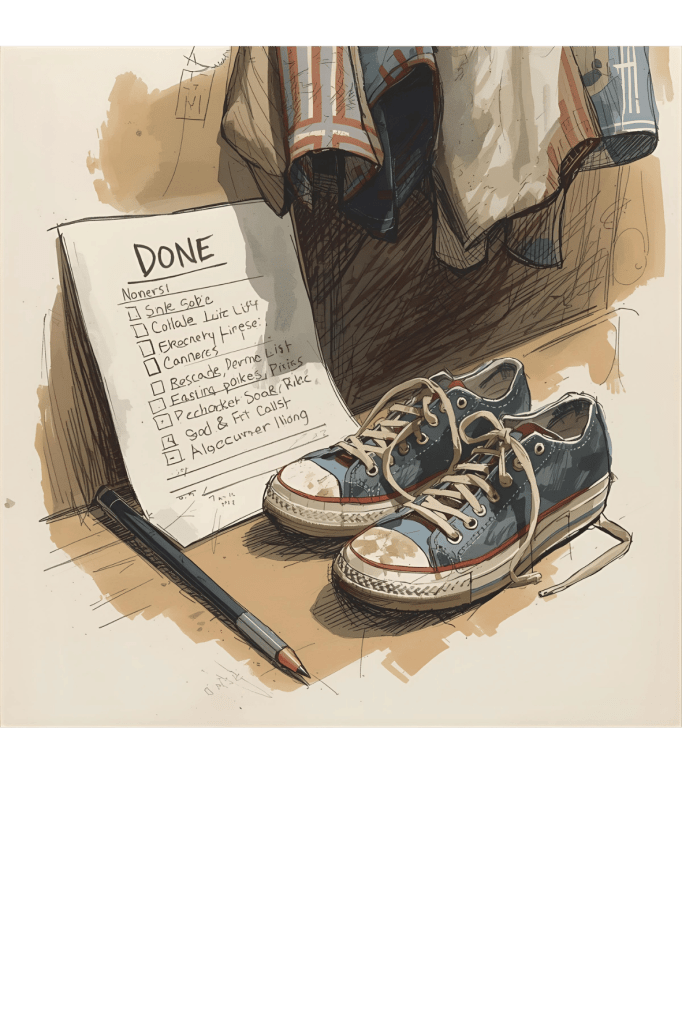
To-do lists can be overwhelming, especially when they never seem to shrink. A “done list” flips the script—you jot down everything you’ve already managed, even the small stuff. It shifts your focus from “never enough” to “look what I actually did.” And honestly? That’s the energy boost most of us need. I don’t do this enough, often I’m like, what did I even do all day? show yourself all the hard work you put into your day.


5. Change Your Socks

It sounds silly, but fresh socks are an underrated reset button. They’re small, clean, and cozy, and they send your body the message that something has shifted. On a day when everything feels stagnant, that tiny reset can make you feel just a little more human. Mind the seam placement, that was always a concern with my oldest, she’d refuse to go if she felt the seam in the wrong place.


Closing

Will these tips solve all of life’s chaos? Absolutely not. But they’re proof that you don’t always need massive changes to feel a little better. Sometimes the easiest way forward is simply stacking up these micro-comforts until the day feels lighter. Til next time gang, take car of yourselves, and each other.

Uncategorized

7 Unexpected Ways to Make Life a Little Easier When You’re Overwhelmed

Life is messy, exhausting, and sometimes downright unfair—but there are clever little hacks that can help you catch your breath, keep your sanity, and even sneak in some joy. None of these tips will magically erase your stress (I wish), but they will make the load lighter.


1. Automate the Little Things

Decision fatigue is real—our brains get worn down by endless small choices. Automating the basics can free up precious energy.

  • Schedule grocery delivery or subscriptions for your must-haves.
  • Set bills to auto-pay.
  • Use reminders for meds, appointments, or chores.

It may feel tiny, but the mental relief adds up.


2. Reserve-Based Meal Planning

Instead of starting from scratch every day, build meals off “reserves” you’ve already cooked. Think big-batch taco meat, roast chicken, or skillet sausage that can be reimagined into multiple meals. Less chopping, less cooking, more living. I do this biweekly and feature a menu plan and shopping list every other Sunday, but its not rocket science so if you don’t stick 100% to it no big deal, I just keep the featured ingredients on hand and offer a multitude of uses for it. As stated above, decision fatigue is real and its so helpful to have that choice already made.


3. Build a “Bad Day Box”

Keep a stash of small comforts for the days when everything feels impossible. Fill it with:

  • A favorite snack or tea
  • Cozy socks or a heating pad
  • A playlist that makes you laugh or sing along

It doesn’t solve the hard stuff, but it gives you a lifeline when you’re sinking. If you want one already made I might know someone….


4. Quick Mental Resets

A five-minute pause can do more than you think. Whether it’s a short guided meditation, deep breathing, or blasting your favorite song, those tiny resets can shift your brain out of panic mode and back toward calm. Make it something easy that you have access to, it can be comedy or a podcast that makes you laugh, anything that shifts the focus of your thoughts is the idea.


5. Make Your Space Work for You

Clutter equals stress. Even little changes—like keeping meds, remotes, or supplies in a caddy by your chair—cut down on the low-grade chaos. Lighting, airflow, and comfort matter more than we admit.


6. Outsource Where You Can

If you can swing it, pay for help. Order takeout, hire a cleaner, or swap chores with a friend. Energy is a resource, and saving yours is not laziness—it’s smart strategy.


7. Celebrate Tiny Wins

You got out of bed? That counts. Finished a task? Write it down and cross it off just for the satisfaction. Momentum grows when you notice the little victories instead of waiting for the big ones.


Life isn’t perfect, and neither are we—but small hacks like these add up. They create breathing room, lighten the load, and make survival a little more manageable. Try one or two this week. You deserve the ease. Til next time gang, take care of yourselves, and each other!

Uncategorized

Watching the Drama: I Know It’s Not That Bad — Except My Brain Won’t Believe Me

There’s a terrible little superpower I’ve developed: I can watch myself overreact.

It’s the worst seat in the house — front row, center stage — where my brain is performing a full-throttle disaster musical and I’m sitting there with the program, thinking, “Yep. That’s… dramatic.” Meanwhile my chest is doing interpretive dance, my throat is tight, and my hands have decided to be useless for the foreseeable future.

I know the script. I know the facts. I know that my kid is safe, that no one is angry enough to leave forever, that the noise outside is probably just traffic, not the arrival of doom. I can literally name the thoughts as they happen: This is a sign. This is going to spiral. Everyone will leave. I am unfixable. And I know, in a rational, calm part of my brain, that the thought is an alarm that’s been stuck on repeat. I also know that knowing it — intellectually — doesn’t flip a switch and make my body stop treating it like an emergency.

That’s PTSD after medical trauma for you in a sentence: your mind is both the actor and the audience. The rest of your life keeps going. You keep getting up, you keep making tea, you keep paying bills. But some invisible part of you stays backstage, rewinding and replaying a scary scene, making sound effects, and refusing to let the house lights come up.

Why the “I know it’s not true” feeling is its own kind of hell

It’s isolating. Because the knowledge that your thoughts are lying should be freeing, right? In theory. But being the person who can say, “This is irrational,” while your body screams “RUN” is exhausting and weirdly lonely. You end up apologizing to people for things they weren’t even upset about, or you cancel plans because you feel unsafe even though everything else says you’re fine. You blame yourself for being dramatic. You try to be the reasonable adult and the reasonable adult keeps getting ignored.

And then there’s guilt. If friends or family do help, you watch them pay attention and you feel both relieved and awful — because you think you’re costing them time and energy. You start to believe that self-sufficiency is the only moral option and asking for help is taking more than you deserve. Spoiler: that’s not the truth. It’s an emotional trap set up by fear.

Tiny, practical things that actually help when your brain runs the show

I’m not going to give you platitudes. Here are things that have helped me — small, honest, and doable even on the worst days.

  • Label the play: When the alarm starts, say out loud (or mentally): “That’s my PTSD talking. That’s the survival brain.” Naming it doesn’t make it vanish but it takes away some of its power.
  • Two-minute grounding: Five things you see, four things you can touch, three sounds, two smells, one thing you can taste (or one thing you like about the moment). It’s boring, and that’s the point. It pulls you out of the theater.
  • Breathe like you mean it: 4-4-6 breathing (inhale 4, hold 4, exhale 6) calms the vagus nerve faster than a pep talk.
  • Write the loop down: If a memory keeps looping, grab a notebook and write it until you’re bored of it. Then scribble one practical line: “Right now: I am home. Right now: I can breathe.” The page can hold the drama when your brain insists on replaying it.
  • Micro-asks for people: Don’t make others guess. Say, “Can you sit with me for ten minutes?” or “Could you text me at 7 to check in?” People who care usually want the script — they just don’t want to mess it up.
  • Make a tiny safety plan: three things to do if it spikes (call X, 2-minute grounding, favorite playlist). Tape it to the fridge if you have to. Pre-deciding reduces panic.

What to say — when you want to ask for help but hate feeling needy

Try something simple and specific:

Or, if you need practical help:

Short. Specific. Low drama. It gives people an easy yes.

The honest truth I remind myself (even when my brain screams otherwise)

I can hold two truths at once:

  • My mind is telling a bigger story than the facts support.
  • Needing help right now doesn’t make me a burden — it makes me human.

There’s a difference between the loudness of a feeling and the size of reality. Your feelings are not the final arbiters of truth. They are signals. Sometimes they’re reliable, sometimes they’re not. You don’t have to act on every alarm. You can notice it, honor it, and then choose what you do next.

A small support for the messy days

If you’re reading this while your chest is tight and your brain is staging a meltdown, I see you. I know how lonely it becomes to watch yourself react and feel like you’ve failed at being calm. You haven’t failed. You’ve survived things that rewired your alarm system. That makes your reactions loud — not your worth small. Til next time gang, take care of yourselves, and each other.

Uncategorized

Reframing for Real Life: How to Shift Your Thoughts Without Gaslighting Yourself

AKA Why My Brain is Not the Boss of Me

Let’s be honest: brains can be drama queens. They catastrophize. They tell half-truths. They rerun that one embarrassing moment from seventh grade like it’s a Netflix Original. And when you live with chronic illness, ADHD, bipolar disorder, or you’re just a human being trying to function, those mental reruns can get extra spicy.

Enter: reframing. It’s a simple but powerful cognitive strategy that helps you shift how you view a situation or thought—without pretending everything is fine when it’s clearly not. This isn’t about toxic positivity. This is about mental judo.


What Is Reframing (And Why Should I Care?)

Reframing is the mental equivalent of turning the pillow over to the cool side. It’s rooted in Cognitive Behavioral Therapy (CBT) and helps you challenge automatic negative thoughts by looking at things from a different (and often more helpful) perspective.

It’s not about lying to yourself. It’s about finding a version of the truth that doesn’t punch you in the gut.


How Reframing Works (Spoiler: Science Says It Does)

Research shows that reframing, also called “cognitive reappraisal,” can significantly reduce symptoms of anxiety, depression, and stress. Two studies worth name-dropping at your next emotionally intelligent brunch:

  1. Gross & John (2003) found that people who use reappraisal are more emotionally balanced and less likely to explode or implode emotionally.
  2. Jamieson et al. (2012) showed that people who reframed their stress (as the body preparing to rise to a challenge) performed better and felt less overwhelmed.
    • Citation: Jamieson, J. P., Nock, M. K., & Mendes, W. B. (2012). Mind over matter. Journal of Experimental Psychology: General, 141(3), 417–422.
      https://doi.org/10.1037/a0025719

How to Reframe Without Losing Your Edge

  1. Catch the Thought
    Example: “I’m lazy. I didn’t get anything done today.”
  2. Reality Check
    Ask: Is this a feeling or a fact? Would I say this to a friend?
  3. Flip It Gently
    Reframe: “My energy was low, and I did what I could. Resting isn’t lazy.”
  4. Add Sass or Compassion (Optional but Recommended)
    Try: “Okay, Brain. Thanks for your input. Now please go sit in the back with Anxiety and Guilt.”

Everyday Reframes That Save My Sanity

Unhelpful ThoughtReframed Thought
“I’m falling behind.”“I’m moving at my own pace, and that’s valid.”
“I should be doing more.”“I’m doing what I can, and that counts.”
“Everyone else has it together.”“They’re probably also crying in their car.”
“I’ll never get it right.”“Progress isn’t linear, and effort matters.”

Closing Thoughts (AKA Why You Deserve a Brain That Isn’t Mean)

You don’t need to have perfect mental health to practice reframing. You just need to notice when your thoughts are dragging you under and say, “Actually, no thanks.”

Reframing isn’t pretending life is great. It’s realizing you don’t have to believe every thought your brain throws at you. Especially the mean ones. Especially the hopeless ones.

You are allowed to talk back.

And you deserve to hear yourself say something kinder. Til next time guys. Take care of yourselves, and each other

Uncategorized

5 Weirdly Effective Ways to Feel Better Fast (Backed by Science, Not Just TikTok)

Ever feel like your brain’s stuck in dial-up mode while the rest of the world’s running on fiber optic? Been there, ordered the T-shirt, wore it for three days straight. When you’re fried, frazzled, or just feeling emotionally soggy, you don’t always have the bandwidth for a full mental health makeover. The good news? Science has your back—and it doesn’t require a prescription or a bank loan. Here are five surprisingly effective, science-backed ways to feel better fast—without leaving your couch (probably).


1. Deep Breathing: A Free Spa Day for Your Nervous System

Let’s be real: when someone tells you to “just breathe,” it’s usually right before you snap like a glow stick. But hear me out—breathwork is basically a nervous system cheat code.

🔬 Science says: Deep, controlled breathing activates your parasympathetic nervous system (aka the “rest and digest” mode), reducing cortisol and lowering heart rate. One study in Frontiers in Psychology (Zaccaro et al., 2018) found that slow breathing significantly improves mood and lowers anxiety.

🌀 Try this: Inhale for 4 counts, hold for 4, exhale for 4 (aka box breathing). Bonus points if you close your eyes and pretend you’re somewhere tropical and not just hiding from your responsibilities.

I don’t like to recommend anything I don’t do, so rest assured I do this, though I switch up the rhythms, and I would recommend you do the same because so long as you’re breathing, it works doesnt matter how pretty it is.


2. Laughter Therapy: Better Than an Espresso Shot

Who knew memes could double as mental health tools? Turns out, watching something funny isn’t just procrastination—it’s therapy with a punchline.

🔬 Science says: Laughter triggers the release of endorphins and lowers stress hormones. A study in The Journal of Neuroscience (Dunbar et al., 2012) shows that laughter increases pain tolerance and boosts social bonding.

📺 Try this: Watch a short stand-up set, blooper reel, or the 7,000th rerun of your favorite sitcom. Whatever tickles your funny bone.

👉 Real-life moment: You know what I’ve heard? I laugh too much. I’m too loud. I shouldn’t make everything a joke. You know what? I’m beyond caring. You know that whole near death thing? It showed me life was FAR TOO SHORT to waste time on the vast amount of unpleasantness one generally has to put up with. If you can’t laugh did you even enjoy it? I listen to last nights late night monologues or stand up while I’m doing my duolingo in the mornings (take care of your brain folks, no joke, you’ll miss it when it starts to go LMAO) and on mornings that I can’t I find the rest of the day I can be kind of an asshole. I mean, I’m always sorry, but I’m going to be honest with you guys about it LOL


3. Gardening or Nature Exposure: Green = Good Vibes

No yard? No problem. Even a houseplant counts as emotional support foliage. Nature doesn’t judge your outfit or ask how many hours of sleep you got.

🔬 Science says: Time in nature reduces stress and improves mood. The Japanese practice of shinrin-yoku (forest bathing) has been studied extensively; one study in Environmental Health and Preventive Medicine (Park et al., 2010) showed it significantly lowers cortisol.

🌱 Try this: Step outside and touch a tree (yes, really), water your plants, or sit near a window. Even watching nature videos has calming effects.

I am plant killer number one around here. I wouldnt be surprised if my mug shot is hanging in the break room for plants like shoplifters mugshots are at Walmart LOL. That being said, the WORST thing the hip replacement has stolen is my weekly or biweekly mowing the yard. I love it, we have an electric mower so I get a good one hour out of it, bopping alone to some music, its just mindless outdoor sun time. Then stick it on the charger and hit it the next day. I have a hard time sitting in the sun even when I know its good for me and outside I wouldnt last long before getting bored.


4. Listening to Classical Music: Your Brain’s Chill Pill

Before you roll your eyes, no, it doesn’t have to be Mozart. But slower, instrumental music can work some serious emotional sorcery.

🔬 Science says: A study in PLOS ONE (Thoma et al., 2013) found that listening to classical music after a stressor reduced cortisol levels more effectively than silence or other genres.

🎵 Try this: Play something instrumental (piano, strings, lo-fi beats) for 5-10 minutes. Even better? Lie down and do nothing while it plays. Yes, doing nothing is productive sometimes.

I love all music. Classical is not a fave but I will put on some really low volume piano pieces when I need it. Generally its just pop from the 80s though. But try Chopin first lol who knows, it could be your new favorite.


5. Social Connection: Text That One Person (Yes, Them)

When you’re down, your brain might tell you to retreat like a wounded raccoon. But reaching out—even just a little—can flip the script fast.

🔬 Science says: Human connection boosts oxytocin, lowers anxiety, and increases resilience. A study from American Journal of Psychiatry (Ozbay et al., 2007) highlights social support as one of the most powerful buffers against stress.

📱 Try this: Send a funny meme to a friend, voice note someone who “gets it,” or even comment on someone’s post meaningfully.

👉 Its so hard guys. The phone is like there…. And like, sometimes, sometimes it even *gulping loudly*…. RINGS!!! TERRIFYING! I know guys, see, I get it, but how about a text? A text connects you like a ‘sup’ nod between bros, but without the whole sense of the ‘sup’ reply. I bake that shit right into my texts too, I say ‘hey, let me know how you are when you get a minute’. No rush. I’m chill man. Or even ‘just sayin hey and wanted you to know I’m thinking of you’ totally not giving them ANY obligation, because like why would I bum anyone I love out like that?


Closing: Feeling better doesn’t always need to be a full-blown self-care summit. Sometimes, it’s in the little things: a breath, a laugh, a leaf, a lyric, a message. Try one. Try them all. You deserve moments of ease—even when life’s handing out chaos like Halloween candy. Til next time gang. Take care of yourselves, and each other!


Uncategorized

How I’m Using Art to Cope with the Anxiety of Surgery

So gang, I am very close to my surgery let me tell you, the anxiety has been overwhelming. Between the constant worry about how I’m going to manage after the surgery and the fear of the unknown, I’ve been on edge. And I’ve realized—I’m scared. Really scared.

I think I’ve spent most of my life learning how to cope with anxiety, whether it’s from a health condition or just the daily emotional rollercoaster of managing multiple diagnoses. But this surgery? This is different. It feels like it’s more than just my body I’m worried about—it’s my whole life, my routine, my identity. And when that kind of anxiety takes over, it feels like I can’t think straight.

I’m sure many of you reading this can relate: sometimes, when everything becomes too much, the panic creeps in. And that’s where distraction comes in. For me, lately, it’s been art.

I’ve spent the past week coloring, sketching—literally hundreds of pictures. I’m sure some people would call it “mania,” and, honestly, maybe they’re right. My brain feels like it’s on overdrive, and I can’t seem to stop. But I know that, right now, I need this. I need something to focus on to keep myself from spiraling into full-blown anxiety.


Why Distraction Can Help

Distraction isn’t just a coping mechanism—it’s been a lifeline for me. I know that sounds strange, but it’s true. When you’re dealing with overwhelming thoughts and feelings, whether it’s from anxiety or just pure fear, sometimes the best thing you can do is focus on something that takes your mind off the panic. For me, that’s sketching.

And it’s not just about “getting away” from the anxiety. When I immerse myself in coloring or drawing, my brain gets a break from the constant worrying. I’m able to focus on something else, something creative. It brings a sense of order and control back into a chaotic mind. It calms me down, even if just for a little while.

I’m not saying that distraction is a cure-all. But research does show that activities like drawing, coloring, or other creative outlets can help reduce stress. When we focus on an activity, like sketching lines or picking colors, our minds can get a break from the chaos. We tap into a different part of our brain, one that’s focused on the task at hand and not on the anxiety.

It’s like hitting the pause button for a moment.


How Art Helps Me Manage Anxiety

I don’t want to sugarcoat it: I’m still scared about the surgery. I’m still battling those racing thoughts. But art has been helping me hold it together. And I wanted to share with you how it’s working for me—maybe it’ll help you, too.

  1. Mindfulness Through Repetition
    One of the reasons art works for me is because of the repetition. It’s not just about making something pretty—it’s about finding a rhythm. When I’m coloring or sketching, I get lost in the lines, the colors, the patterns. It’s almost meditative. The more repetitive the action, the easier it is to forget about the spiraling thoughts and focus on something grounding. It gives me a mental “reset” button.
  2. A Safe Space for My Mind
    When the anxiety gets too much, my mind wants to go into full-blown panic mode. But when I sit down to color or sketch, it’s like I’m creating a safe space for my brain. I’m not just making art—I’m creating a moment of peace in my otherwise chaotic head.
  3. A Way to Express What Words Can’t
    Sometimes, words aren’t enough. I can’t always explain what I’m feeling, but I can express it through art. Maybe it’s the colors I choose or the way I draw certain shapes—it’s a release, even if it’s just for me. It feels like I’m channeling my emotions into something productive rather than letting them overwhelm me.

Distraction: Not a Solution, But a Temporary Lifeline

I want to be clear—distraction isn’t the same as dealing with the root of the problem. It’s not a long-term fix for my anxiety. I know I’ll need to face those fears head-on eventually. But right now, I need something to hold on to, something to give me a break from the relentless worry.

And for me, art is that something. It’s not perfect, but it’s helping. So as usual I start wondering WHY it seems to help, in hopes that I can learn where its helping and replicate it, and expand on it if possible. Here’s some facts from some recent studies related to creativity as a stress relief outlet.

Fact: Studies have shown that distraction can be an effective way to manage anxiety, especially in the short-term. Engaging in focused activities like coloring, sketching, or other forms of art can temporarily redirect attention away from anxiety-provoking thoughts, providing relief.

Fact: Engaging in creative activities like drawing, coloring, or painting has been shown to trigger the body’s relaxation response, lowering cortisol levels (the stress hormone) and promoting calmness. Sometimes writing helps but then sometimes that empty page is more added stress, so when I am as all over the place as I am right now I think writing would add to my stress

Fact: Repetitive, meditative activities such as coloring or drawing patterns can act as a form of mindfulness. Mindfulness has been shown to reduce anxiety by allowing individuals to stay present in the moment and shift focus away from intrusive thoughts.

Fact: Art provides a powerful way to express emotions that might be difficult to articulate in words. Creating something visual can give individuals a sense of release and help process complex feelings, such as anxiety or fear.

Fact: Creative activities like sketching, drawing, or painting can be particularly helpful for individuals with ADHD, as they provide an outlet for energy and focus, potentially reducing impulsivity and hyperactivity.


What Can Help You?

Maybe art isn’t your thing. Maybe you don’t have time to sit down and color. But find something that works for you. Whether it’s journaling, knitting, cooking, or even just going for a walk, distraction can be a useful tool. When anxiety is screaming in your face, sometimes the best thing you can do is take a step back and refocus. Give yourself permission to take a break, even if it’s just for a moment.

I know that none of this will take away my fear about the surgery, but I’m learning to use the tools I have at my disposal to help me get through this in one piece. And if this post helps even one of you feel less alone in your own struggles, then it’s all worth it.

If you’re facing a tough time, I encourage you to try something creative—or even just something that lets you breathe for a moment. It doesn’t have to be perfect. It just has to help. Til next time gang, take care of yourselves, and each other!

Uncategorized

Finding Joy in Everyday Life: Cultivating Small Moments of Joy and Gratitude

Hey there! Life can sometimes feel like a whirlwind, especially when you’re juggling the ups and downs of mental health and family life. As a bipolar mama dealing with anxiety and ADHD and chronic pain, I totally get how tough it can be to spot joy amidst the chaos. But trust me, it’s those little moments that can help us cultivate gratitude and find some peace. So, let’s chat about how to invite joy into your everyday life, even when things get a bit bumpy.

Embrace the Power of Small Moments
Joy often sneaks in through the little things—a warm cup of coffee, a quick chat with a friend, or a giggle with your kid. So, hit pause for a sec and soak it all in. Take a deep breath, be present, and notice the little details around you. Practicing mindfulness can help you stay anchored in the moment and make it easier to see the beauty hiding in plain sight.

Create a Joy Jar
Here’s a fun idea: grab a jar and some slips of paper. Whenever something brings you joy or you feel grateful, jot it down and toss it in the jar. Over time, you’ll have a treasure trove of positive reminders to dig into whenever you need a little pick-me-up. It’s a great way to shift your focus from challenges to the bright spots that pop up throughout your day.

Celebrate Your Achievements
Big or small, every win counts! Set some manageable goals—like finally tackling that mountain of laundry or taking a stroll outside—and give yourself a high-five when you achieve them. Celebrating these little victories helps build momentum and reinforces the idea that joy can come from everyday accomplishments. Try and limit the unpleasant activities to one each day, we can all stomach a lot more if we break it off into bite size chunks.

Cultivate Gratitude
Gratitude is like magic for your perspective. Try keeping a gratitude journal where you jot down three things you’re thankful for each day. This simple practice helps shift your focus from what’s missing in your life to what you already have, nurturing a more positive mindset. If three sounds daunting, start with one. There is air in your lungs. Tomorrow it can be the baby that smiled at you in the check out lane. If you can’t find one thing to be grateful for, then be someone else’s reason to give thanks, then there will be two of you.

Connect with Nature
Nature is like a big hug for your soul. Even a short walk around the block or spending some time with your plants can lift your spirits. Pay attention to the sounds, colors, and textures around you—engaging with nature can really help ground you and reconnect you with yourself. Sunlight, and I am one of those people that hisses when light touches me, but 20 minutes of open air sunlight exposure every day will connect you, ground you to your surroundings and give you vitamins and minerals that light bulbs can’t replace.

Engage in Creative Activities
Get those creative juices flowing! Whether it’s painting, writing, gardening, or crafting, find something that sparks joy for you. Allow yourself to create without any judgment; just enjoy the process and let it be a source of happiness and self-discovery. A fifteen minute block of time with nothing but a piece of paper and a pen and just write or draw, whatever you feel.

Reach Out for Connection
Feeling isolated can be tough when you’re navigating mental health challenges. Reach out to friends, family, or support groups—sharing your experiences can lighten the load and remind you that you’re not alone in this journey. I’ve found a lot of help and information in message boards. I’ve considered setting up a small message board here, not with any centralized theme I just want somewhere anyone can come to not feel alone.

Practice Self-Compassion
We all have tough days; it’s part of being human! So, be kind to yourself. Treat yourself with the same compassion you’d offer a friend going through a rough patch. Remember that every step toward joy matters—even if it feels small. You don’t have to have it all together, you don’t have to have anything together and its ok to not be ok.

Make Room for Play
As busy mamas, we often forget how important play is! Carve out time for activities that bring you joy—whether it’s playing games with your autistic teen or trying out a new hobby. Play helps relieve stress and reminds us of the simple joys in life. If you can share the hobbies you enjoy with the ones you love it will give you both reasons to smile.

Find Meaning in Challenges
It might be hard, but try to find meaning in your struggles. Reflect on what you’ve learned from those experiences and how they’ve shaped you. This perspective can help build resilience and deepen your appreciation for the joy that follows tough times. Its lessons that shape us good or bad and its because of where we’ve been that we know where we ARE.

Conclusion

Finding joy in everyday life isn’t about pretending challenges don’t exist; it’s about embracing those small moments that light up our days. As someone navigating bipolar disorder, anxiety, and ADHD, I know how real the struggle is—but by cultivating gratitude and seeking out joy, we can tackle our journeys with more resilience and hope. Remember: it’s perfectly okay to seek support and take time for yourself. You deserve joy, and it’s often hiding in the simplest moments! Take care of yourselves, and each other!

Uncategorized

Quiet Mindfulness for the Chronically Unquiet Mind

 If you are anything like me, you are tired of your brain performing a never-ending karaoke of that one lyric you know from the song that topped the charts before you were born on constant repeat (I swear I hit shuffle, the button must be stuck!) Sick of your mind treating bedtime like it’s an all-night rave? Well, folks, step right up to the Insomniac’s Club, where fibromyalgia, ADHD, and bipolar mixed episodes collide in a spectacular display of sleeplessness!
But wait, there’s more! Call now, and we’ll throw in a complimentary course on “Quiet Mindfulness for the Chronically Unquiet Mind”! Yes, you heard that right! For the low, low price of your sanity, you too can learn how to navigate the treacherous waters of pain, restlessness, and mood swings while desperately trying to catch some Z’s.


Order in the next 10 minutes, and we’ll even include our patented “Emotional Roller Coaster Survival Kit”! Don’t delay – supplies are limited, but unfortunately, your symptoms aren’t!


(Disclaimer: Side effects may include sarcasm, eye-rolling, and the sudden urge to laugh hysterically at 4 AM. Quiet mindfulness not guaranteed. Actual sleep sold separately.)

  • Start Small: Begin with 5-10 minutes of deep breathing. It’s like dipping your toe in the mindfulness pool before cannonballing into the deep end of enlightenment.
  • Guided Meditation: Find a meditation guide who sounds less like a soothing forest nymph and more like a drill sergeant for your attention span.
  • Breath Awareness: Count your breaths. Lose count. Start over. Repeat until you either achieve nirvana or fall asleep trying. Or pass out. There are multiple options.

  • Create a Routine: Make mindfulness as routine as your morning coffee. Maybe you’ll remember to do it as often as you forget where you put your keys.
  • Grounding Techniques: When your mind’s doing the Macarena, focus on physical sensations. Like how your butt’s falling asleep from sitting still for so long.
  • Mindful Movement: Try yoga or tai chi. Because nothing says “inner peace” like pretzel-twisting yourself while trying not to fall over.
  • Set Realistic Goals: Celebrate small wins. Did you meditate for a whole minute without planning your grocery list? Gold star for you!

  • Use Technology: Download mindfulness apps. Now you have one more thing to distract you from actually being mindful. Irony, thy name is ADHD.
  • Seek Professional Help: Find a therapist who specializes in herding cats… I mean, focusing ADHD and bipolar minds.
  • Practice Self-Compassion: Be kind to yourself when you inevitably get distracted by a squirrel outside your window. Or was that just me?

Remember, finding quiet mindfulness with ADHD and bipolar is like trying to nail Jell-O to a tree – messy, frustrating, but potentially hilarious. Keep at it, you beautiful chaos machines. Who knows? You might just stumble into enlightenment while looking for your lost shoe. If you find it though, send up a bat signal or something, trail of breadcrumbs so the rest of us can find our way too. Til next time gang, take care of yourself, and each other!