Uncategorized

How I’m Using Art to Cope with the Anxiety of Surgery

So gang, I am very close to my surgery let me tell you, the anxiety has been overwhelming. Between the constant worry about how I’m going to manage after the surgery and the fear of the unknown, I’ve been on edge. And I’ve realized—I’m scared. Really scared.

I think I’ve spent most of my life learning how to cope with anxiety, whether it’s from a health condition or just the daily emotional rollercoaster of managing multiple diagnoses. But this surgery? This is different. It feels like it’s more than just my body I’m worried about—it’s my whole life, my routine, my identity. And when that kind of anxiety takes over, it feels like I can’t think straight.

I’m sure many of you reading this can relate: sometimes, when everything becomes too much, the panic creeps in. And that’s where distraction comes in. For me, lately, it’s been art.

I’ve spent the past week coloring, sketching—literally hundreds of pictures. I’m sure some people would call it “mania,” and, honestly, maybe they’re right. My brain feels like it’s on overdrive, and I can’t seem to stop. But I know that, right now, I need this. I need something to focus on to keep myself from spiraling into full-blown anxiety.


Why Distraction Can Help

Distraction isn’t just a coping mechanism—it’s been a lifeline for me. I know that sounds strange, but it’s true. When you’re dealing with overwhelming thoughts and feelings, whether it’s from anxiety or just pure fear, sometimes the best thing you can do is focus on something that takes your mind off the panic. For me, that’s sketching.
And it’s not just about “getting away” from the anxiety. When I immerse myself in coloring or drawing, my brain gets a break from the constant worrying. I’m able to focus on something else, something creative. It brings a sense of order and control back into a chaotic mind. It calms me down, even if just for a little while.

I’m not saying that distraction is a cure-all. But research does show that activities like drawing, coloring, or other creative outlets can help reduce stress. When we focus on an activity, like sketching lines or picking colors, our minds can get a break from the chaos. We tap into a different part of our brain, one that’s focused on the task at hand and not on the anxiety.

It’s like hitting the pause button for a moment.


How Art Helps Me Manage Anxiety

I don’t want to sugarcoat it: I’m still scared about the surgery. I’m still battling those racing thoughts. But art has been helping me hold it together. And I wanted to share with you how it’s working for me—maybe it’ll help you, too.

  1. Mindfulness Through Repetition
    One of the reasons art works for me is because of the repetition. It’s not just about making something pretty—it’s about finding a rhythm. When I’m coloring or sketching, I get lost in the lines, the colors, the patterns. It’s almost meditative. The more repetitive the action, the easier it is to forget about the spiraling thoughts and focus on something grounding. It gives me a mental “reset” button.
  2. A Safe Space for My Mind
    When the anxiety gets too much, my mind wants to go into full-blown panic mode. But when I sit down to color or sketch, it’s like I’m creating a safe space for my brain. I’m not just making art—I’m creating a moment of peace in my otherwise chaotic head.
  3. A Way to Express What Words Can’t
    Sometimes, words aren’t enough. I can’t always explain what I’m feeling, but I can express it through art. Maybe it’s the colors I choose or the way I draw certain shapes—it’s a release, even if it’s just for me. It feels like I’m channeling my emotions into something productive rather than letting them overwhelm me.

Distraction: Not a Solution, But a Temporary Lifeline

I want to be clear—distraction isn’t the same as dealing with the root of the problem. It’s not a long-term fix for my anxiety. I know I’ll need to face those fears head-on eventually. But right now, I need something to hold on to, something to give me a break from the relentless worry.
And for me, art is that something. It’s not perfect, but it’s helping. So as usual I start wondering WHY it seems to help, in hopes that I can learn where its helping and replicate it, and expand on it if possible. Here’s some facts from some recent studies related to creativity as a stress relief outlet.

Fact: Studies have shown that distraction can be an effective way to manage anxiety, especially in the short-term. Engaging in focused activities like coloring, sketching, or other forms of art can temporarily redirect attention away from anxiety-provoking thoughts, providing relief.

Fact: Engaging in creative activities like drawing, coloring, or painting has been shown to trigger the body’s relaxation response, lowering cortisol levels (the stress hormone) and promoting calmness. Sometimes writing helps but then sometimes that empty page is more added stress, so when I am as all over the place as I am right now I think writing would add to my stress

Fact: Repetitive, meditative activities such as coloring or drawing patterns can act as a form of mindfulness. Mindfulness has been shown to reduce anxiety by allowing individuals to stay present in the moment and shift focus away from intrusive thoughts.

Fact: Art provides a powerful way to express emotions that might be difficult to articulate in words. Creating something visual can give individuals a sense of release and help process complex feelings, such as anxiety or fear.

Fact: Creative activities like sketching, drawing, or painting can be particularly helpful for individuals with ADHD, as they provide an outlet for energy and focus, potentially reducing impulsivity and hyperactivity.


What Can Help You?

Maybe art isn’t your thing. Maybe you don’t have time to sit down and color. But find something that works for you. Whether it’s journaling, knitting, cooking, or even just going for a walk, distraction can be a useful tool. When anxiety is screaming in your face, sometimes the best thing you can do is take a step back and refocus. Give yourself permission to take a break, even if it’s just for a moment.

I know that none of this will take away my fear about the surgery, but I’m learning to use the tools I have at my disposal to help me get through this in one piece. And if this post helps even one of you feel less alone in your own struggles, then it’s all worth it.

If you’re facing a tough time, I encourage you to try something creative—or even just something that lets you breathe for a moment. It doesn’t have to be perfect. It just has to help. Til next time gang, take care of yourselves, and each other!


Uncategorized

Finding Joy in Everyday Life: Cultivating Small Moments of Joy and Gratitude

Hey there! Life can sometimes feel like a whirlwind, especially when you’re juggling the ups and downs of mental health and family life. As a bipolar mama dealing with anxiety and ADHD and chronic pain, I totally get how tough it can be to spot joy amidst the chaos. But trust me, it’s those little moments that can help us cultivate gratitude and find some peace. So, let’s chat about how to invite joy into your everyday life, even when things get a bit bumpy.

Embrace the Power of Small Moments
Joy often sneaks in through the little things—a warm cup of coffee, a quick chat with a friend, or a giggle with your kid. So, hit pause for a sec and soak it all in. Take a deep breath, be present, and notice the little details around you. Practicing mindfulness can help you stay anchored in the moment and make it easier to see the beauty hiding in plain sight.

Create a Joy Jar
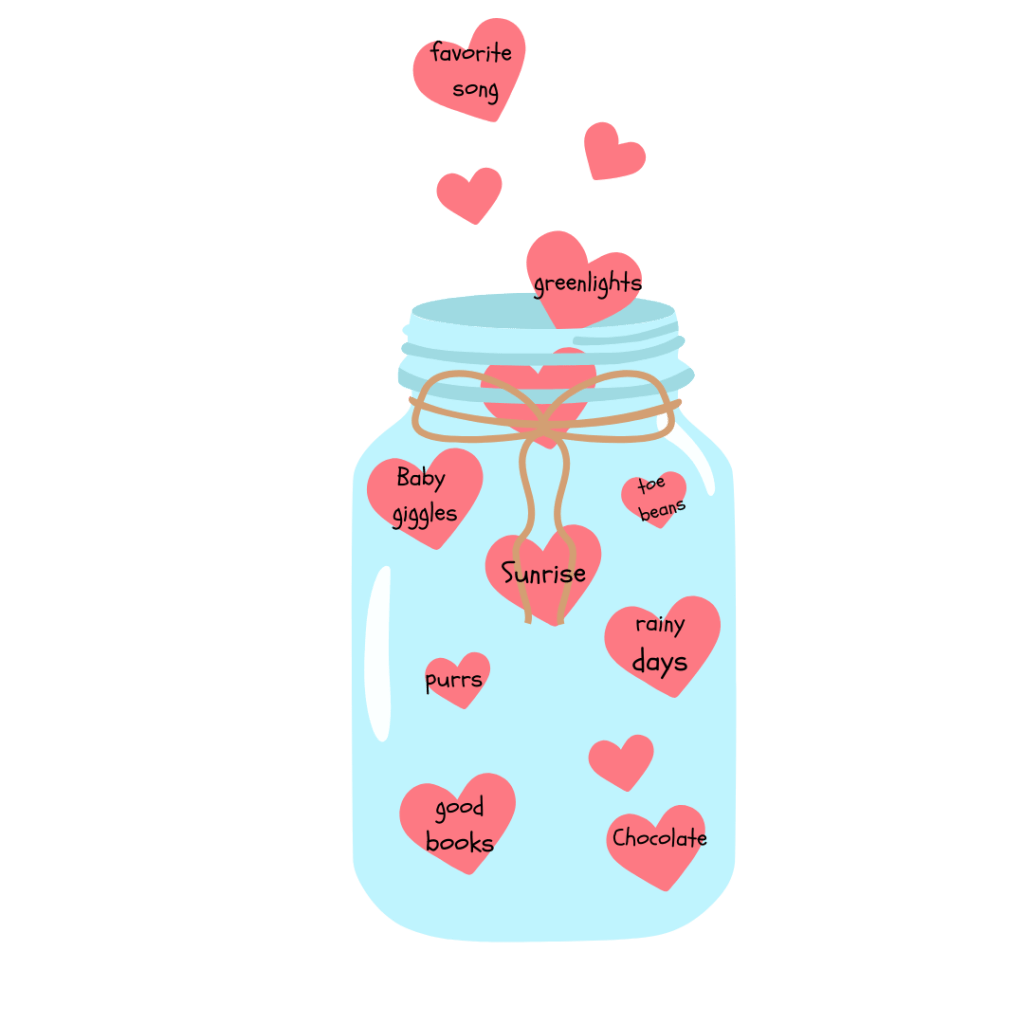
Here’s a fun idea: grab a jar and some slips of paper. Whenever something brings you joy or you feel grateful, jot it down and toss it in the jar. Over time, you’ll have a treasure trove of positive reminders to dig into whenever you need a little pick-me-up. It’s a great way to shift your focus from challenges to the bright spots that pop up throughout your day.

Celebrate Your Achievements
Big or small, every win counts! Set some manageable goals—like finally tackling that mountain of laundry or taking a stroll outside—and give yourself a high-five when you achieve them. Celebrating these little victories helps build momentum and reinforces the idea that joy can come from everyday accomplishments. Try and limit the unpleasant activities to one each day, we can all stomach a lot more if we break it off into bite size chunks.

Cultivate Gratitude
Gratitude is like magic for your perspective. Try keeping a gratitude journal where you jot down three things you’re thankful for each day. This simple practice helps shift your focus from what’s missing in your life to what you already have, nurturing a more positive mindset. If three sounds daunting, start with one. There is air in your lungs. Tomorrow it can be the baby that smiled at you in the check out lane. If you can’t find one thing to be grateful for, then be someone else’s reason to give thanks, then there will be two of you.

Connect with Nature
Nature is like a big hug for your soul. Even a short walk around the block or spending some time with your plants can lift your spirits. Pay attention to the sounds, colors, and textures around you—engaging with nature can really help ground you and reconnect you with yourself. Sunlight, and I am one of those people that hisses when light touches me, but 20 minutes of open air sunlight exposure every day will connect you, ground you to your surroundings and give you vitamins and minerals that light bulbs can’t replace.

Engage in Creative Activities
Get those creative juices flowing! Whether it’s painting, writing, gardening, or crafting, find something that sparks joy for you. Allow yourself to create without any judgment; just enjoy the process and let it be a source of happiness and self-discovery. A fifteen minute block of time with nothing but a piece of paper and a pen and just write or draw, whatever you feel.

Reach Out for Connection
Feeling isolated can be tough when you’re navigating mental health challenges. Reach out to friends, family, or support groups—sharing your experiences can lighten the load and remind you that you’re not alone in this journey. I’ve found a lot of help and information in message boards. I’ve considered setting up a small message board here, not with any centralized theme I just want somewhere anyone can come to not feel alone.

Practice Self-Compassion
We all have tough days; it’s part of being human! So, be kind to yourself. Treat yourself with the same compassion you’d offer a friend going through a rough patch. Remember that every step toward joy matters—even if it feels small. You don’t have to have it all together, you don’t have to have anything together and its ok to not be ok.

Make Room for Play
As busy mamas, we often forget how important play is! Carve out time for activities that bring you joy—whether it’s playing games with your autistic teen or trying out a new hobby. Play helps relieve stress and reminds us of the simple joys in life. If you can share the hobbies you enjoy with the ones you love it will give you both reasons to smile.

Find Meaning in Challenges
It might be hard, but try to find meaning in your struggles. Reflect on what you’ve learned from those experiences and how they’ve shaped you. This perspective can help build resilience and deepen your appreciation for the joy that follows tough times. Its lessons that shape us good or bad and its because of where we’ve been that we know where we ARE.

Conclusion

Finding joy in everyday life isn’t about pretending challenges don’t exist; it’s about embracing those small moments that light up our days. As someone navigating bipolar disorder, anxiety, and ADHD, I know how real the struggle is—but by cultivating gratitude and seeking out joy, we can tackle our journeys with more resilience and hope. Remember: it’s perfectly okay to seek support and take time for yourself. You deserve joy, and it’s often hiding in the simplest moments! Take care of yourselves, and each other!
Uncategorized

Quiet Mindfulness for the Chronically Unquiet Mind

 If you are anything like me, you are tired of your brain performing a never-ending karaoke of that one lyric you know from the song that topped the charts before you were born on constant repeat (I swear I hit shuffle, the button must be stuck!) Sick of your mind treating bedtime like it’s an all-night rave? Well, folks, step right up to the Insomniac’s Club, where fibromyalgia, ADHD, and bipolar mixed episodes collide in a spectacular display of sleeplessness!

But wait, there’s more! Call now, and we’ll throw in a complimentary course on “Quiet Mindfulness for the Chronically Unquiet Mind”! Yes, you heard that right! For the low, low price of your sanity, you too can learn how to navigate the treacherous waters of pain, restlessness, and mood swings while desperately trying to catch some Z’s.


Order in the next 10 minutes, and we’ll even include our patented “Emotional Roller Coaster Survival Kit”! Don’t delay – supplies are limited, but unfortunately, your symptoms aren’t!


(Disclaimer: Side effects may include sarcasm, eye-rolling, and the sudden urge to laugh hysterically at 4 AM. Quiet mindfulness not guaranteed. Actual sleep sold separately.)

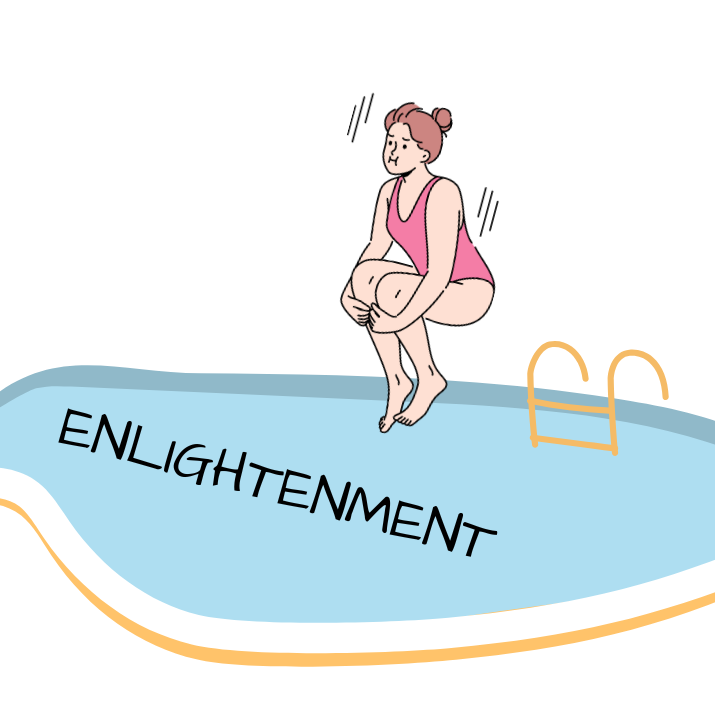
  • Start Small: Begin with 5-10 minutes of deep breathing. It’s like dipping your toe in the mindfulness pool before cannonballing into the deep end of enlightenment.
  • Guided Meditation: Find a meditation guide who sounds less like a soothing forest nymph and more like a drill sergeant for your attention span.
  • Breath Awareness: Count your breaths. Lose count. Start over. Repeat until you either achieve nirvana or fall asleep trying. Or pass out. There are multiple options.

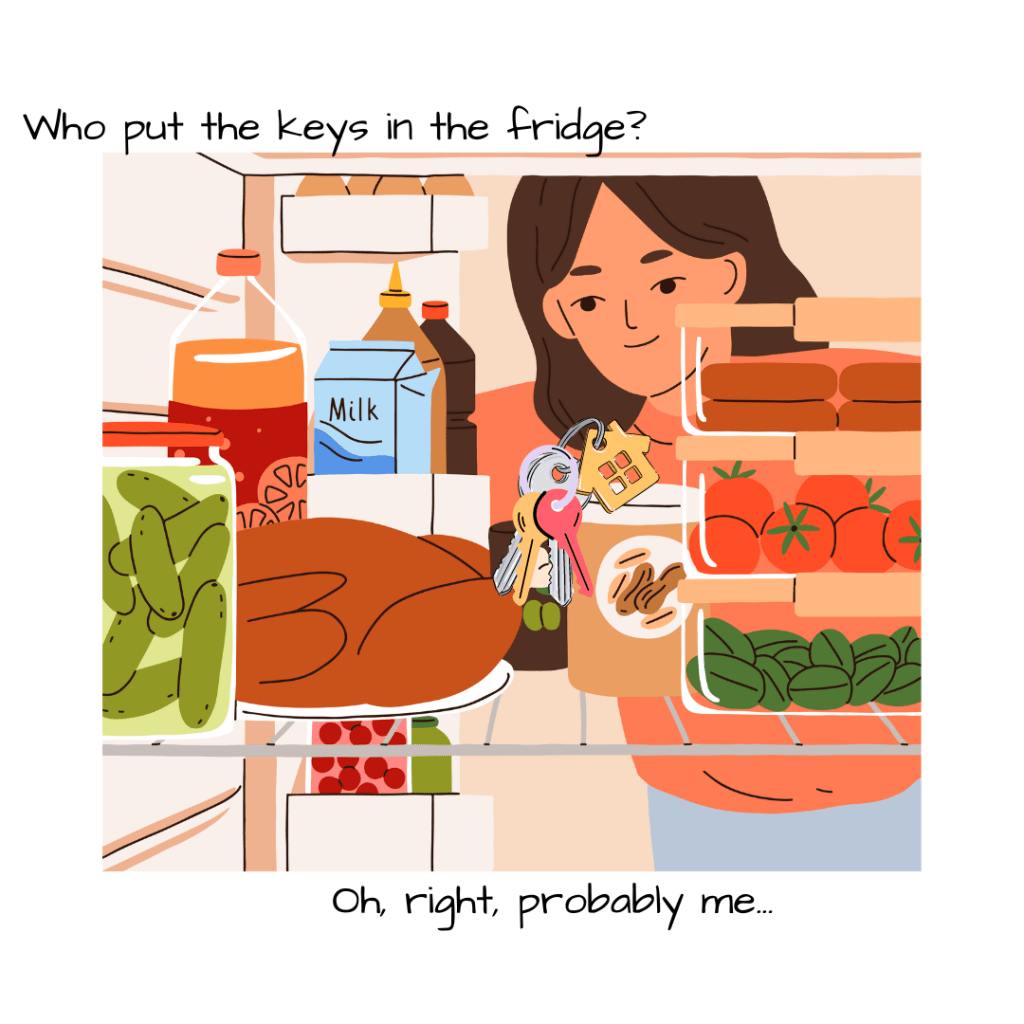
  • Create a Routine: Make mindfulness as routine as your morning coffee. Maybe you’ll remember to do it as often as you forget where you put your keys.
  • Grounding Techniques: When your mind’s doing the Macarena, focus on physical sensations. Like how your butt’s falling asleep from sitting still for so long.
  • Mindful Movement: Try yoga or tai chi. Because nothing says “inner peace” like pretzel-twisting yourself while trying not to fall over.
  • Set Realistic Goals: Celebrate small wins. Did you meditate for a whole minute without planning your grocery list? Gold star for you!

  • Use Technology: Download mindfulness apps. Now you have one more thing to distract you from actually being mindful. Irony, thy name is ADHD.
  • Seek Professional Help: Find a therapist who specializes in herding cats… I mean, focusing ADHD and bipolar minds.
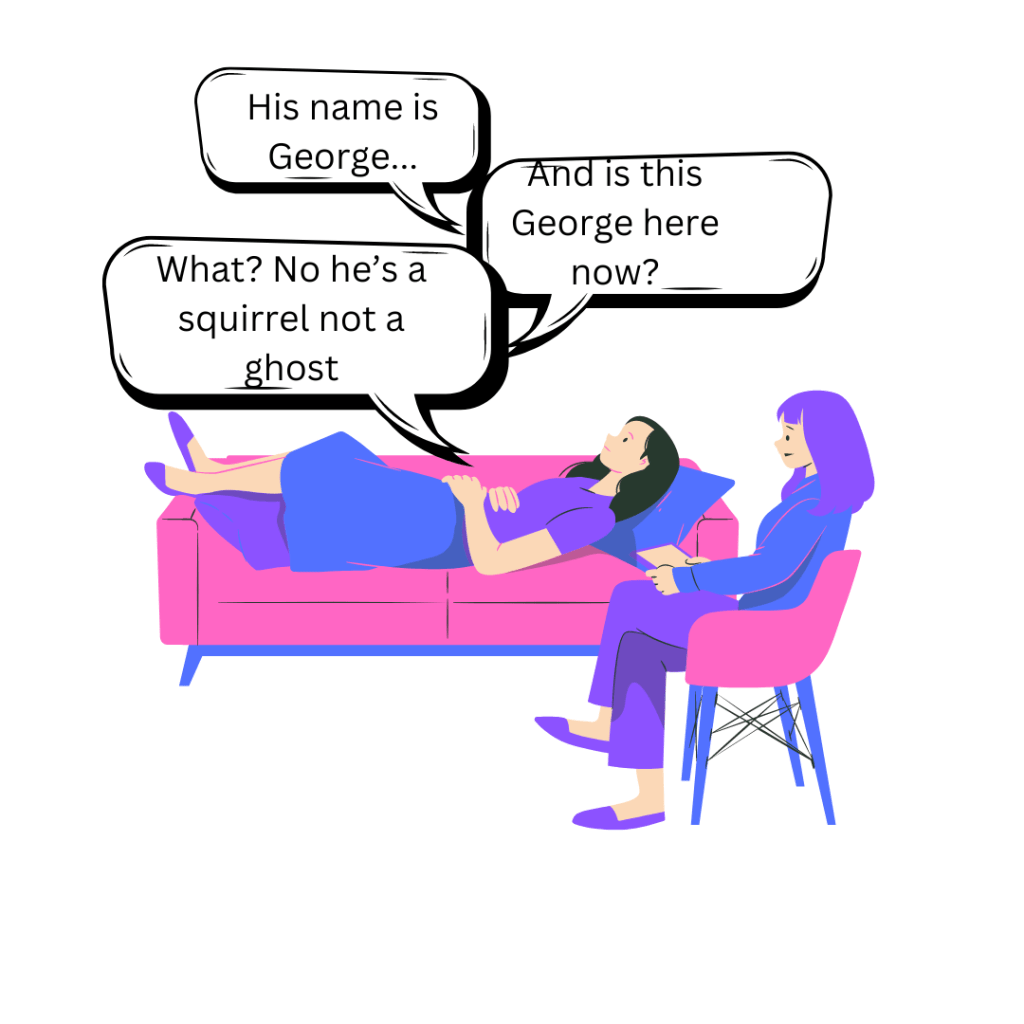
  • Practice Self-Compassion: Be kind to yourself when you inevitably get distracted by a squirrel outside your window. Or was that just me?

Remember, finding quiet mindfulness with ADHD and bipolar is like trying to nail Jell-O to a tree – messy, frustrating, but potentially hilarious. Keep at it, you beautiful chaos machines. Who knows? You might just stumble into enlightenment while looking for your lost shoe. If you find it though, send up a bat signal or something, trail of breadcrumbs so the rest of us can find our way too. Til next time gang, take care of yourself, and each other!

Uncategorized

Emotional Yo-yo AKA Don’t like my attitude? Give it 3 minutes, it’ll change

I had a topic picked for today, for days really, but it’s deeply personal and today I’ve already cried over three commercials and once cuz I was pissed off, so I’m going to wait on that one, I feel too vulnerable. So instead, why don’t we talk about one of the middle symptoms in my ven diagram of my illnesses (its also a common comorbidity of autism, so I am getting it from all sides folks) its called Emotional Dysregulation.

What IS emotional dysregulation? Emotional dysregulation is like having your emotions go on a rollercoaster ride without your consent. You know, it’s when you struggle to keep those feelings in check and end up reacting in ways that might seem a bit over-the-top to others. It’s like your emotions are playing tug-of-war with you, making everyday situations feel like a big deal. And it’s not just about feeling all the feels, but also struggling with how to respond appropriately. Think of it as your emotional volume knob stuck on high, making it tough to keep things chill when you need to. And hey, it’s often buddies with executive dysfunction, so they like to hang out together, but we’ll dive into that one another time.

In Bipolar Mania, this is going to be like someone put a rocket booster in your brain and lit the fuse. One minute you’re feeling energetic and euphoric, making grandiose plans to start 17 new business ventures. The next, you’re sobbing uncontrollably because a Geico commercial reminded you of that goldfish you killed in 3rd grade. Your moods careen so violently, loved ones get whiplash just watching. It’s a real hoot when the mania convinces you that you’re a world-renowned painter, so you “decorate” the living room walls with your…unique…art. Its ok guys, mine just makes me think I write anything worth reading LOL.

In ADHD you are going to recognize this as more like having a nuclear meltdown at the sight of a mildly inconvenient traffic jam. You go from 0 to rage monster in 3.5 seconds over something as minor as the remote being lost. Then just as quickly, you’re cackling at internet memes, having completely forgotten what set you off. Your emotional outbursts are so disproportionate and fleeting, it’s like watching a moody toddler control the weather. Things that are of vital importance RIGHT NOW suddenly don’t seem like a big deal especially after thinking of all the work involved. Its not that I’m lazy its just there are days when I think all the thoughts and there are days where I will work myself to exhaustion and bleeding to avoid thinking ANY thoughts. Its a delight really lol.

Fibromyalgia brings a special kind of emotional chaos. You wake up feeling somewhat human, but by noon, the brain fog has you zoning out mid-sentence while describing your weekend. Nobody I’m talking to can possibly be more pissed at me zoning out than me, so often times I will catch myself and not say anything, because when I do then the person I’m talking to just gets annoyed at me whereas my way I only annoy myself. Though it does mean I miss whole convos, so eventually it comes out that I totally spaced it so I guess either way I’m pissing people off. By 2pm, you’re snapping at loved ones over the slightest noise because everything is exacerbating your body’s pain signals. But then a good cry sesh has you feeling marginally better, so you impulsively buy yourself 10 shirts because they are a good deal in bulk. An emotional rollercoaster where the only consistent thing is inconsistency.

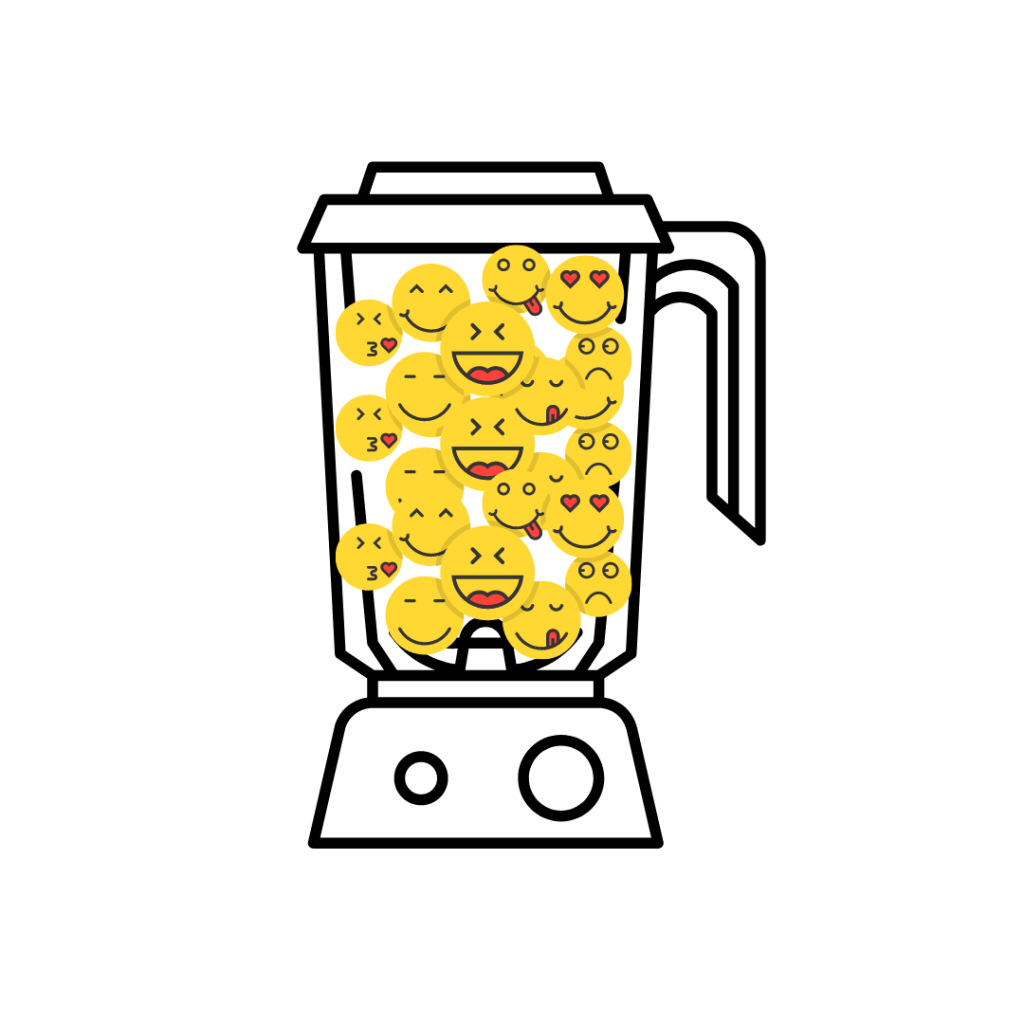
Now take all three of those delightful experiences and put them in a blender – that’s the big mood gumbo you get with comorbid bipolar, ADHD and fibromyalgia. One second you’re manically rearranging the furniture and rapidly rambling business plans. The next you’re lashing out at your spouse for daring to breathe too loudly near your full-body ache-fest. Throw in some weepy fibro fog where you forget what you’re upset about, and baby, you’ve got a stew going!

And lets not forget I’m navigating around a moody autistic teenager thats dealing with her own emotional dysregulation. In her that can present as intense outbursts or all out shutdowns, difficulty calming down, they already struggle to self soothe, this just highlights and exacerbates it. They might struggle to express emotions appropriately, its often a big deal and takes a while to settle. Sensory overload is also a problem, if overwhelmed everything is amplified by ten. Stimming is a big indicator, and for most kids that sounds or repetitive movements and also a rigidity and difficulty with flexibility can be considered emotional dyregulation.

For the blissfully unacquainted, just imagine a rollercoaster designed by a schizophrenic rocket scientist who’s ingested every mind-altering substance known to humanity. Ups, downs, loop-de-loops and sudden screeching emotional halts that make no sense. That’s the bipolar/ADHD/fibromyalgia brain on a good day! But don’t worry, we’re sure the burning desire to both achieve world domination and take a 5-year nap will balance itself out…any minute now. Until next time gang, take care of yourself and each other. (Oh I forgot to say, when I was taking my trash out I saw a real life George. He says ‘hey’ lol)