
Uncategorized

Why Cold Wrecks My Body (and What Actually Helps)

Cold doesn’t just make things uncomfortable.
It changes how my body functions.

When temperatures drop, my muscles tighten automatically, my joints stiffen faster, my pain threshold lowers, and my nervous system shifts into protection mode. Even before I move, my body is already bracing — like it’s expecting something bad to happen.

What helps:
I warm my body before I ask anything of it. Heat isn’t a treat, it’s a prerequisite. Heating pads, hot showers, warm drinks — anything that tells my nervous system it’s safe enough to stand down.
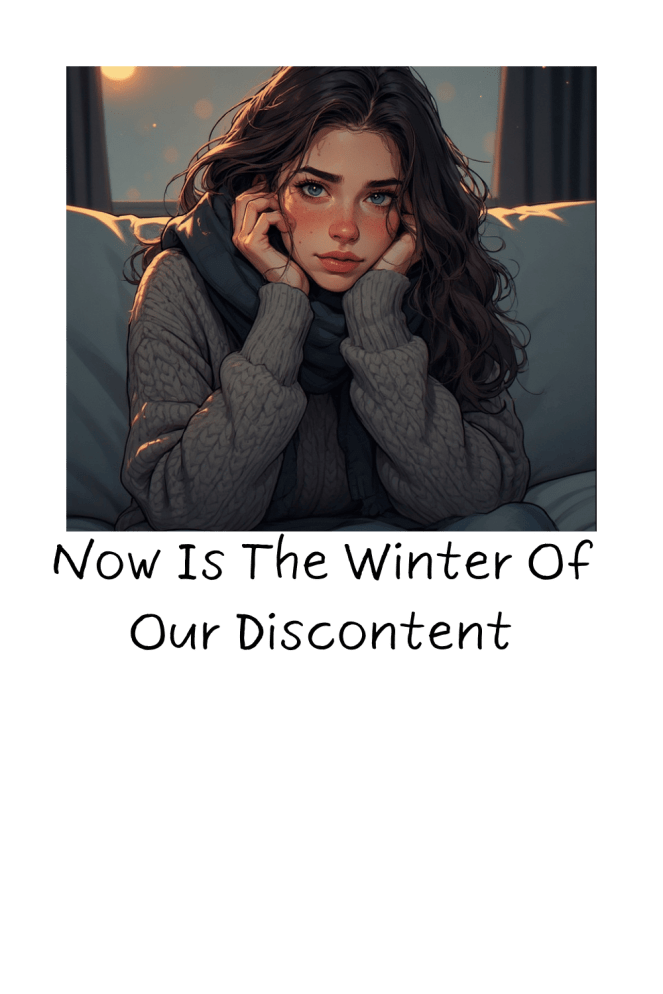

Cold also makes my muscles stay clenched — especially my shoulders, neck, hips, and lower back. That constant tension creates soreness that doesn’t feel earned and doesn’t go away with rest alone.

What helps:
Targeted warmth and gentle movement. Not “bundling up,” but keeping the parts that guard the most actively warm. Slow stretching or light movement early prevents stiffness instead of fighting it later.


In winter, everything costs more energy. Getting dressed hurts more. Moving hurts more. Thinking hurts more. By noon, I’m exhausted and I haven’t even done anything impressive.

What helps:
I move earlier and smaller. A little motion before the stiffness sets in keeps my body from locking up. This isn’t exercise — it’s lubrication. Waiting until later usually means paying interest.


Cold doesn’t just affect my body — it stresses my nervous system. That means higher pain, lower tolerance, and less emotional bandwidth, even if nothing “bad” is happening.

What helps:
I treat cold days like high-stress days. Fewer plans. Fewer decisions. More quiet. Less pressure to perform. If my nervous system is already taxed, I don’t pile more on top of it.


Winter also messes with expectations. I want to function the same way I do in warmer months, and my body refuses. That gap between expectation and reality is where frustration lives.

What helps:
I lower the bar before I hit it. Winter isn’t the season for pushing limits — it’s the season for pacing. Needing more support when the environment is harsher isn’t regression. It’s adaptation.


Cold doesn’t mean I’m failing.
It means my body is responding to stress the way it was built to.

Winter raises the difficulty level — and I’m allowed to adjust how I play the game. Til next time guys, take care of yourselves, and each other.

Uncategorized

Why Stress Steals Memory

(Explained Like I’m Four Because Its My Current Mental Capacity)

Imagine your brain is a house.

Inside that house are different rooms. One room is for thinking — remembering things, planning, finishing sentences, and holding onto a thought long enough to actually say it out loud. Another room is for danger. That room has alarms, flashing lights, and a big red button labeled OH NO.

Most of the time, the thinking room is in charge.

Then stress shows up.

Stress doesn’t knock. It barges in yelling things like “PROBLEM,” “URGENT,” or “SOMETHING BAD IS HAPPENING.” Your brain doesn’t stop to check whether the threat is real or just an email, a memory, or the general vibes of winter. It just flips the switch.

The danger room takes over.

When that happens, your brain makes a very practical decision: remembering things is no longer the priority. Surviving is.

So it starts redirecting energy away from memory, focus, and word-finding. Not because those things aren’t important — but because they aren’t useful if you’re about to be eaten by a bear. (Your brain is old-fashioned like that.)

This is why, under stress, you might forget what you were saying mid-sentence, lose track of why you walked into a room, or feel like your thoughts evaporate the moment you reach for them. Your brain isn’t failing. It’s triaging.

There’s also a chemical reason this happens.

When you’re stressed, your body releases cortisol. Cortisol’s job is to help you respond to danger. It speeds things up, tightens muscles, sharpens attention toward threats, like bear attacks, and keeps you alert. But it also tells the memory-forming parts of your brain to quiet down.

In simple terms: cortisol says, “We don’t need to remember things right now. We need to stay alive.”

So memory takes a back seat.

This is especially noticeable when stress isn’t a one-time event, but something ongoing. Chronic stress — from pain, trauma, long-term anxiety, caregiving, or just living in a body that never fully relaxes — can keep your nervous system stuck in high-alert mode. Over time, your brain starts acting like danger is the default setting.

That’s why memory problems can show up even when you’re not actively upset. Conversations feel harder to track. Words go missing. Thoughts disappear halfway through forming. The system never fully stands down.

And this part matters: this isn’t laziness, lack of intelligence, or a personal failing.

It’s not that your brain forgot how to work. It’s that it learned how to protect you — and protection came first.

Memory didn’t disappear. It just got temporarily demoted.

That’s also why external supports help so much. Writing things down, setting reminders, repeating information out loud — these tools reduce the load on a system that’s already busy. Sometimes just writing something is enough for it to stick, even if you never look at it again. Your brain trusts that it doesn’t have to carry everything alone.

The takeaway is simple, even if the experience isn’t.

If your memory struggles when you’re stressed, it doesn’t mean you’re broken. It means your brain is doing exactly what it was designed to do — keeping you safe, even when the threat isn’t obvious.

And sometimes, safety comes at the cost of remembering where you put the thought you were just holding. Til next time gang, take care of yourselves, and each other!