
Uncategorized

Why Telling Someone with Anxiety to ‘Just Relax’ Doesn’t Help—and What Actually Works

In today’s fast-paced world, we’re constantly flooded with news from every direction—social media, TV, podcasts, and more. It can feel impossible to escape the nonstop flow of information, and for many, this leads to increased anxiety. As someone navigating a neurodivergent mind, I often struggle with how to handle this overwhelming surge of news. I always have. I remember my first existential crisis thought. I asked my Mom what happens when you die and while I don’t remember her reply the feeling of ice down my spine is burned into my soul. I was eight.

When anxiety levels rise due to the relentless news cycle, well-meaning friends and family often offer the same advice: “Just relax” or “Take a break from the news.” While this may sound simple and straightforward, it can feel dismissive to those of us who experience anxiety or ADHD. The implication is that we can simply switch off our feelings and concerns with a flick of a switch. I get the impulse to say it, it comes to mind for us too. Do you think I am not SCREAMING at myself on the inside to just relax? Did you think thats not a thought that has occurred to me in multiple scenarios in my life, NOTHING coming from my rational adult mind is saying lay on the floor in the fetal position and remember every single thing that could go wrong in life, and then here we are.

For many neurotypical individuals, taking a break from the news or engaging in self-care activities can be effective strategies for managing stress. They might find that stepping away from their screens allows them to recharge and regain perspective. This approach can help them feel more grounded and less affected by external chaos. I’ve seen the methods everyone has suggested work, a lot worked well with people I knew to have heightened anxiety, I have SEEN the benefits.

However, for those of us who are neurodivergent, the situation is often more complex. The advice to “just relax” can feel like a foreign language when our brains are wired differently. Anxiety can manifest as racing thoughts or an inability to focus on anything other than the distressing information we consume. This makes it challenging to simply “turn it off.”

For many neurodivergent individuals, there’s a compulsion to stay informed about current events—often driven by anxiety about missing crucial information. This need can lead to excessive news consumption, where checking updates becomes a ritual rather than a choice. Ironically, this behavior can exacerbate feelings of distress rather than alleviate them. Like I GET that the room is on fire, I can feel the heat of it, and you are RIGHT that the room will be on fire whether I’m looking at it or not, HOWEVER if I’m not looking at it how do I know if a spark will land on me. (That metaphor works on multiple levels, my high brain is giving itself a high five lol)

Hyperfixation is another common experience for those with ADHD or anxiety. When something captures our attention—like a troubling news story—we may find ourselves fixated on it for hours or even days. This rumination can lead us down a rabbit hole of worry and fear, making it difficult to engage in other activities or enjoy moments of peace. It follows you whether you want it to or not any the second you relax that control just a little in your mind the bad thoughts have the clearance they need to invade.

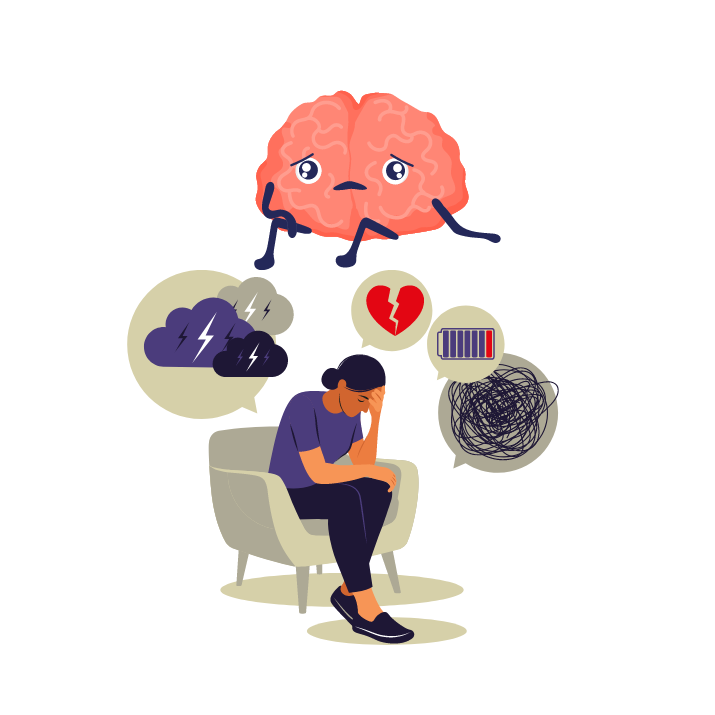
The sensory overload created by constant notifications and alerts can further complicate our ability to cope with anxiety. The barrage of sounds and visuals can feel overwhelming, leading to heightened stress levels and an increased sense of panic. It’s as if our brains are on high alert all the time, making relaxation nearly impossible.

Interestingly, the advice to avoid news altogether can create its own set of challenges. For some neurodivergent individuals (myself included) , avoiding distressing information doesn’t eliminate anxiety; instead, it may lead to increased worry about what we might be missing out on or how we might be unprepared for future events. If I don’t know whats coming at me how can I prepare for the inevitable pop up derailments that follow me around like a rain cloud.

The phrase “just relax” often comes from a place of care but can feel frustrating and invalidating for those dealing with anxiety or ADHD. It minimizes the complexity of our experiences and implies that we lack control over our emotions when, in reality, we’re navigating a much more intricate landscape. On top of that it makes me want to look at them and say ‘REALLY? OMG YOU’RE RIGHT THATS THE ANSWER! Thank you SO much now I am cured’

Ultimately, it’s essential for friends, family members, and healthcare providers to recognize that everyone experiences anxiety differently. Acknowledging these differences can foster better communication and support systems that allow neurodivergent individuals to express their needs without feeling judged or misunderstood.

Strategies to Help:

  1. Mindful Media Consumption: Set specific times during the day when you check the news instead of allowing it to infiltrate every moment.
  2. Curate Your Information Sources: Choose reliable sources that provide balanced reporting without sensationalism.
  3. Practice Grounding Techniques: Techniques like the 5-4-3-2-1 method (identifying five things you see, four things you hear, etc.) can help anchor you in the present.
  4. Engage in Absorbing Activities: Pursue hobbies that require focus—like painting or reading—to provide a healthy distraction from distressing thoughts.
  5. Seek Support: Talk openly with understanding friends or mental health professionals who respect your experiences and offer guidance tailored to your needs.

There’s little we can do for much of life beside hang on for the ride but distraction can work wonders. I throw myself into finding the best deals. My mind hasnt quieted enough to help me read which is my favorite down time activity, thoughts are too loud for the book words to penetrate the frustrating shell over my brain. Hang in there guys, lets build a community of people who listen and support rather than rush to judge. I’m always happy to hear what helps for you guys, lets share strategies! Til next time gang. Take care of yourselves, and each other.

Uncategorized

Navigating the Chaos of RSD: A Beautiful Disaster’s Guide

So I talked the other day about RSD, which is a bastard that I’m currently fighting with RIGHT NOW in my head. If you experience RSD, save this post. Save my email. In particular save some of these solutions to help you when your brain tries to make you hate yourself.
Let’s dive into how to wrangle this RSD beast without completely losing our shit. These thoughts can hit like a freight train full of emotional baggage, making it a real bitch to keep your cool in social situations. But don’t worry, I’ve got some tricks up my sleeve that might just save your sanity.


Self-Compassion (AKA Don’t Be an Asshole to Yourself)
Cut yourself some slack, for fuck’s sake. Everyone gets rejected sometimes – it doesn’t mean you’re a walking dumpster fire. Try talking to yourself like you would to your best friend after a bad breakup. “Hey, you may be a mess right now but you’re still awesome even if that person didn’t see it.” Constant struggle, often you will have to love yourself for trying enough to let go.


Reality Check (Or: Is Your Brain Bullshitting You?)

Before you spiral into the abyss, ask yourself if there’s actual evidence for your fears or if you’re just being a drama queen. Maybe, just maybe, your brain is playing tricks on you. “Okay, they’re 5 minutes late. Does that really mean they hate me, or am I just catastrophizing again?” The only flaw in this logic is when your brain doesn’t let the logical side of your brain kick in because it actually believes the bad shit. You are not who you were and your value doesnt diminish based on what you can and can’t do for someone else.


Mindfulness and Emotional Regulation (Zen and the Art of Not Losing Your Shit)

Try some mindfulness crap to stay grounded. Deep breathing or muscle relaxation can help when you feel like you’re about to go off the deep end. It’s like hitting the pause button on your brain’s chaos for a hot minute. Again, the logical side of you will see this. Listening and believing that it will pass might take some intentional steps like sitting in front of the mirror multiple times a day feeling stupid but in kind words, let the feelings out. Alone even. But say the words out loud, meditate on them if you need to, the best you can do is only so much, sometimes you will fuck everything up, sometimes you CAN’T fix things, thats part of the process, you have to own it to let it go.


Reframe That Shit

Try to see rejection as a learning experience. Maybe it’s the universe’s way of saying “Not this asshole, try again.” Look back at times when rejection led to something better – they exist, I promise. Remember when that job rejection led you to an even better opportunity? Yeah, like that. One door closes but another one you couldnt see is waiting for you. Or maybe you just learn what not to do, everything is a lesson if you frame it as such.


Phone a Friend (Or a Therapist, We Don’t Judge)

Talk to someone who gets it. Sometimes you need an outside perspective to remind you you’re not actually the worst person ever. Join a support group and find your tribe of fellow beautiful disasters. Misery loves company, right? It helps to know you’re not alone in this.


Level Up Your Coping Skills

Find healthy ways to distract yourself or solve problems. Maybe take up kickboxing to punch out your frustrations, or learn to bake so you can stress-eat in style. Channel that energy somewhere useful instead of letting it eat you alive. I often stack on the hobbies, sometimes I have to be writing and listening to late night monologues on you tube and have the news or a game on just to shut up that nagging inner voice that says I’m not good enough. Most days that works


Get Real with Your Expectations

News flash: not every interaction is gonna be rainbows and unicorns. It’s normal to face some rejection in life, even if it feels like getting punched in the gut. Lower that bar a bit, and you might just find yourself pleasantly surprised. Nothing is ever perfect even if it feels like it at the time and thats not even factoring in the other persons reactions maybe they are as awkward as you!


Focus on You, You Magnificent Mess
Work on becoming the badass you want to be. Set some goals and crush them. Nothing builds confidence like proving yourself wrong. “Oh, I can’t do that? Watch me, bitch.” Start by taking account of what you have control over. Thats where you can start. Once you are cognitively aware of what is under your power to do, set a reminder daily to remind yourself, that will help a lot with the expectations and being grounded, but its something you have to commit to taking honest stock in yourself and situations impacting your life.


Curate Your Circle (AKA Ditch the Toxic Assholes)


Surround yourself with people who aren’t total jerks. Limit time with folks who make you feel like crap. Life’s too short for that bullshit. Find your people – the ones who get your brand of crazy and love you anyway. We all have to deal with people in the real world that just rub us the wrong way or are unpleasant. Limit your interactions and while you are not seeing them, think of things you have in common with them so that your next interaction stays controllable and tolerable on your end.


Consider Professional Help (Because Sometimes We All Need a Brain Tune-Up)


Therapy can be a game-changer. CBT might help you rewire that brain of yours to be less of an asshole to you. It’s like getting an oil change for your mind – sometimes you need a professional to keep things running smoothly. Its every few years instead of mileage and it never hurts to have a check in just to keep things running smoothly


Remember, rejection sucks donkey balls, but you’ve got this. You’re tougher than you think, you magnificent mess. These strategies won’t make rejection a walk in the park, but they might just help you navigate this emotional minefield without completely losing your marbles. And hey, if all else fails, there’s always wine and Netflix. No judgment here. Maybe a gummie for me since I don’t drink Til next time guys, take care of yourself, and each other

Uncategorized

Mi Vida Loca (My Crazy Life)

Why My ‘Organized Chaos’ Is Actually a Master Plan (And No, I Don’t Know Where the Plan Is)
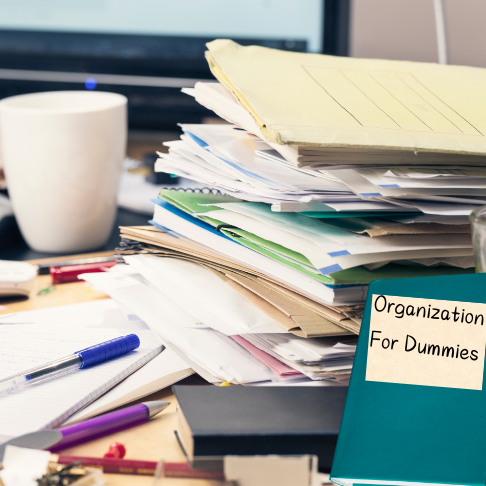
Listen up, you neurotypicals and neat freaks. You might look at my desk and think a tornado had a love child with a paper factory, but let me tell you, there’s a method to this madness. Welcome to my world, where ‘organized chaos’ isn’t just a fancy way of saying “I’m a mess” – it’s a damn lifestyle.

The Art of Controlled Chaos
To the untrained eye, my workspace looks like a dumpster fire had a baby with a thrift store explosion. But let me assure you, there’s a system here. It’s like a game of 3D chess, except I’m playing against myself, and I’ve lost the rulebook.

  1. The Pile-Em-Up Principle

In my world, piles aren’t just messy heaps; they’re fucking archaeological digs waiting to happen. Each pile is a time capsule of procrastination and good intentions. The pile on the left? That’s shit I meant to file last year. The middle pile? That’s where dreams go to die. And the pile on the right? That’s where I put things that have mysteriously appeared from the ADHD void and will eventually be sorted by sheer dumb luck or divine intervention.

  1. The Lost-and-Found Game

Finding anything in my ‘organized chaos’ is like playing a twisted version of Where’s Waldo, except Waldo is that one crucial document I need for a meeting in five minutes. The rules are simple: if it’s important, it’s lost. The thrill is in the panic-induced search, unearthing long-lost treasures like that one sock I’ve been missing since Obama was president.

  1. The Mysterious Filing System

I don’t have a filing cabinet; I have a “file-ninja” system. Documents should appear where you least expect them – like in the fridge, under the cat, or in last year’s Halloween costume. It’s designed to keep you on your toes and ensure that you never, ever know where anything is. It’s the ultimate test of memory and how long you can go without having a meltdown.

  1. The Calendar Conundrum

My calendar is a masterpiece of chaos theory. It’s a tapestry of sticky notes, cryptic symbols, and reminders that might as well be written in ancient Sumerian. I have a color-coding system that makes perfect sense… when I’m high on caffeine at 3 AM.

  1. The Perpetual ‘To-Do’ List

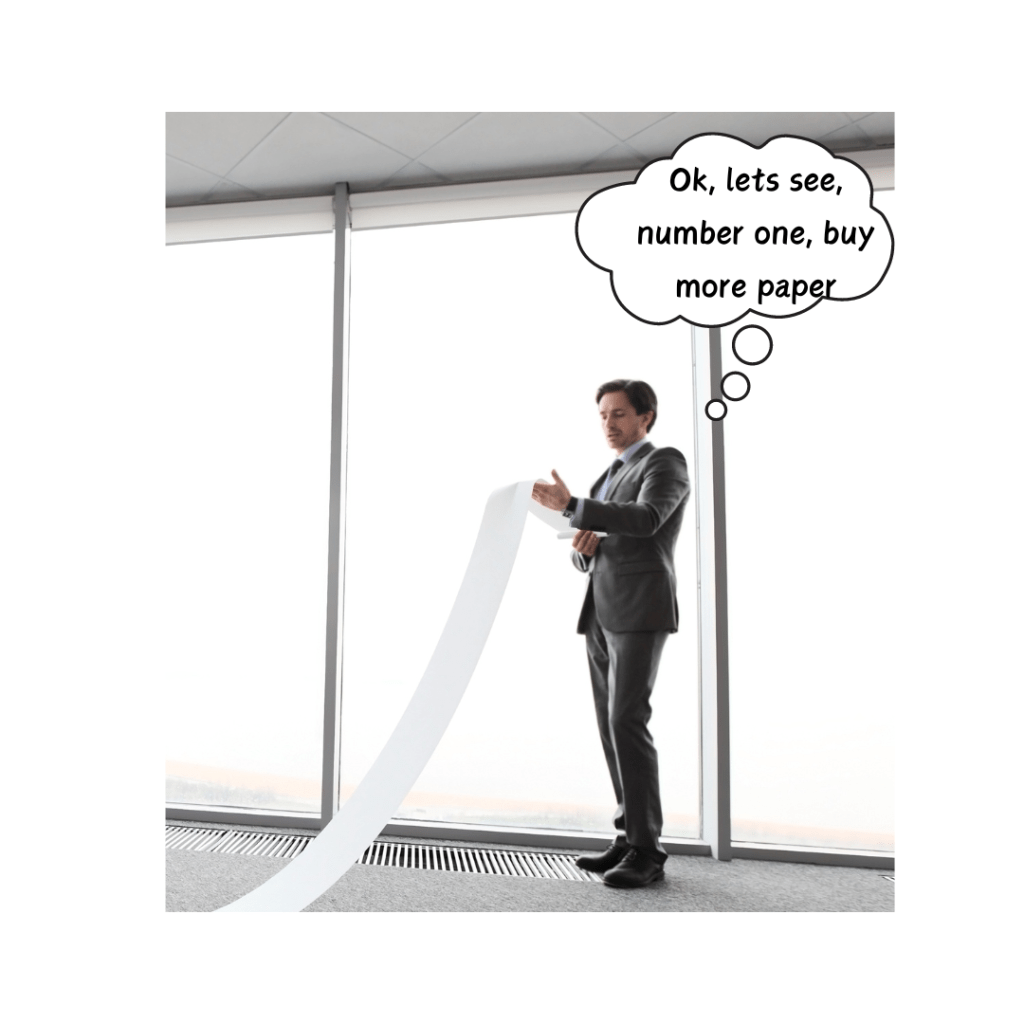
My ‘To-Do’ list is longer than the credits of a Marvel movie and just as never-ending. It’s less a list and more a chronicle of good intentions and abandoned dreams. Some items have been on there so long they’ve developed sentience and are plotting a rebellion.

The Illusion of Control
Despite the seeming disorder, there’s a comforting illusion that I’ve got my shit together. Each misplaced item and chaotic pile is part of a grander scheme that only I can truly understand – mostly because I made it up as I went along.

Conclusion: Embracing the Clusterfuck
So there you have it: my ‘organized chaos’ is actually a master plan, a dazzling display of ADHD ingenuity. It might look like a disaster zone to the casual observer, but it’s a carefully curated mess that ensures I’m always engaged in the thrilling game of “Where The Fuck Did I Put That Thing?”

Next time someone looks at your desk and asks, “Isn’t that a bit messy?” just smile and say, “Oh, you mean my master plan? It’s a fucking work of art!” After all, in the world of ADHD, the real masterpiece is finding joy in the journey of organized chaos – and occasionally finding that one thing you’ve been looking for for three months.

Now, if you’ll excuse me, I need to go reorganize my piles. Or maybe take a nap. Whichever I get distracted by first. (Its nap, its always nap). Take care of yourself gang, and each other.

Uncategorized

Roller Coaster of Rejection: Navigating RSD with ADHD

Alright, you beautiful disasters, strap in for a wild ride through the shit show that is Rejection Sensitive Dysphoria (RSD) with ADHD. RSD refers to an intense emotional response or pain triggered by feelings of perceived rejection, criticism, or failure. It is commonly associated with conditions like ADHD and is characterized by an extreme sensitivity to perceived interpersonal rejection or negative feedback. This emotional response can be disproportionate to the situation and may manifest as feelings of deep hurt, sadness, anger, or even physical discomfort in response to what others might consider minor or routine interactions. It’s like emotional Russian roulette, but instead of a bullet, it’s loaded with crippling self-doubt and the overwhelming urge to crawl into a hole and die. I think to a degree we all fall somewhere in the grey area on RSD, none of us are exactly overjoyed with criticism, but for people with RSD, that critique doesn’t just glance off the ego like a missed catch, it bowls us over like a cannon ball to the gut.

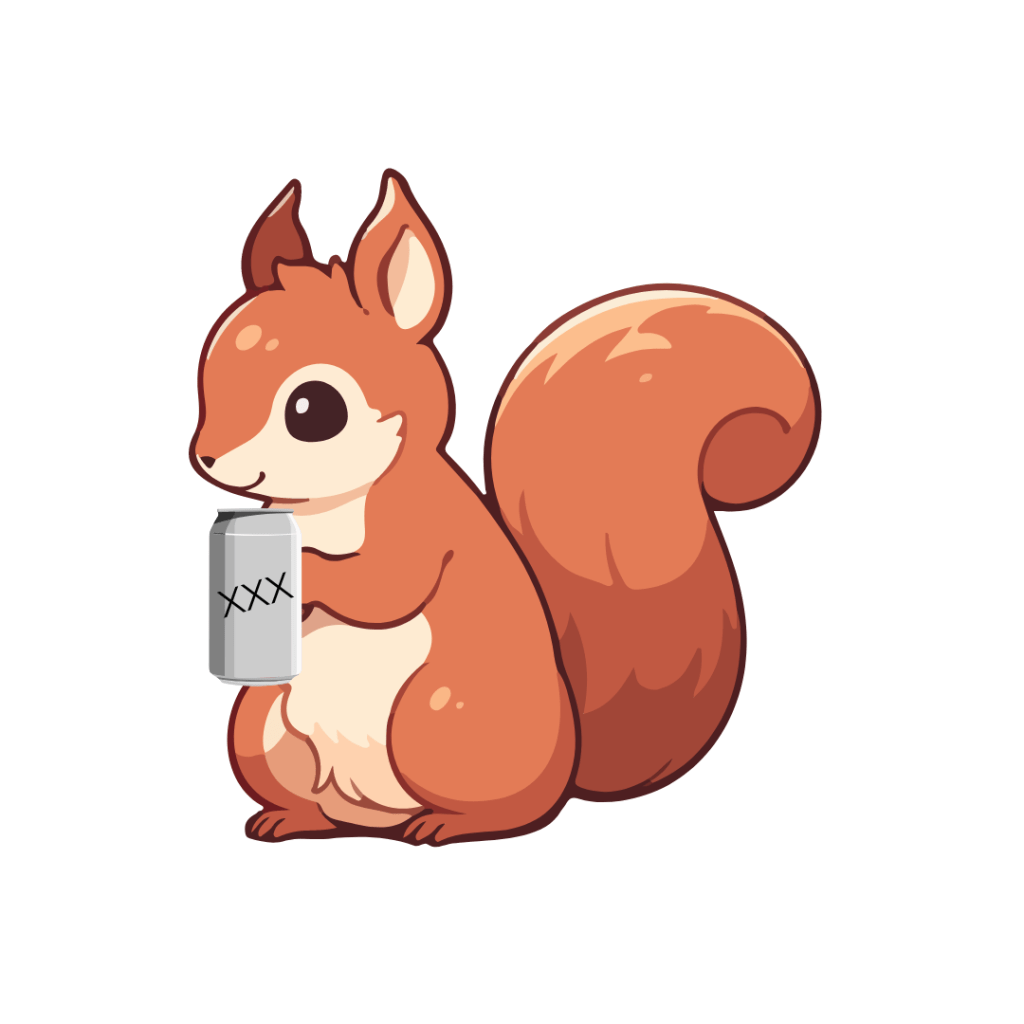
Picture this: You’re strutting through life, feeling like hot shit, when BAM! Someone doesn’t immediately want to be your best friend, and suddenly you’re spiraling faster than a drunk squirrel on a merry-go-round. Welcome to the fucked-up world of RSD, where every minor setback feels like the universe is personally telling you to go fuck yourself. (This is George’s girlfriend Gracie. She likes to get a little bit tipsy)

RSD, or as I lovingly call it, the “Why Does Everyone Hate Me?” syndrome, is like having a superpower you never asked for and definitely don’t want. It’s not just feeling a bit bummed when things don’t go your way. Oh no, it’s a full-on emotional tsunami that leaves you wondering if you should just say “fuck it” and become a hermit in the woods.

The experts (bless their hearts for trying to understand our chaos) reckon RSD is our brain’s way of saying, “Hey, let’s make this bitch suffer!” It’s often found partying hard with its BFF, ADHD, like two drunk frat boys wreaking havoc on your emotional stability. Why? Because apparently, our brains are wired to be drama queens. So next time you’re ugly crying because your cat looked at you funny, remember – it’s not you, it’s your fucked-up neural pathways!

Living with RSD is like trying to navigate a minefield while drunk and blindfolded. You never know when some innocent comment will trigger a meltdown that makes soap opera stars look emotionally stable. But don’t worry, there are coping strategies! Take a deep breath (or chug a glass of wine, no judgment here), remind yourself that not everyone is plotting your demise, and maybe invest in a punching bag for those moments when you need to physically beat the shit out of your feelings.
In conclusion, Rejection Sensitive Dysphoria is the uninvited asshole at your emotional party – it shows up unannounced, drinks all your booze, and leaves you questioning your life choices. But hey, it’s a reminder that our brains are wonderfully fucked up, even if they sometimes make us feel like we’re starring in our own personal tragicomedy.So, the next time RSD comes knocking, tell it to fuck right off, grab some popcorn (or tequila), and enjoy the shitshow. Remember, you’re not alone on this batshit crazy roller coaster of rejection. We’re all in this together, you magnificent train wrecks!And that’s a fucking wrap! Til next time gang, take care of yourself, and each other! (BTW George asked if you’d keep an eye out for Gracie, he lost track of her after she put the lamp shade on her head and started singing Milkshake!)

Uncategorized

R.S.D….elightful!

For years, rejection has been a constant presence and the fear of it hindered many important moments in my life, if only I’d known how common of a thing it was, maybe I could have talked with someone who would have understood, made myself feel a little less isolated. So tonight I wanted to talk a little bit about something I wish I knew then, maybe if someone else is aware of it they could be like OMG ME TOO! And feel at least a little less alone.

For many with ADHD, even minor incidents of perceived rejection can trigger an overwhelming flood of negative emotions that feel utterly unbearable. This phenomenon, known as rejection sensitive dysphoria or RSD, causes what should be a mild feeling of disappointment or sadness to escalate rapidly into intense emotional agony.

The dysphoria from RSD is described as a “wounded” feeling, where the emotional pain and hurt from the rejection consumes every thought. It’s not just being sad or upset – it’s a visceral, physical sensation of being acutely injured by the rejection. Small critiques or casual teasing that would roll off most people’s backs can send the ADHD brain spiraling into self-loathing, anxiety, depression and even anger or lashing out.

This emotional dysregulation and inability to keep emotions within a normal range is thought to be hard-wired into the ADHD brain. The regions that regulate emotional responses and pain perception may be wired differently, causing the brain to treat perceived rejection as incredibly painful, personal attacks rather than minor slights. What feels like a subtle social cue to others is processed as deep, searing rejection.

ADHD brains are also more sensitive to dopamine levels, the neurotransmitter linked to motivation and reward. So rejection feels more punishing, with the sting of failure and negative reinforcement hitting harder. This hypersensitivity fuels the RSD response, where any critique or rejection is blown out of proportion into something viscerally agonizing.

While everyone dislikes rejection, the RSD reaction goes far beyond the typical human experience. It’s a level of emotional turmoil described as “unbearable” and “devastating” by those who suffer from it. Managing these intense emotions is one of the most disruptive and impairing aspects of living with ADHD.
Til next time gang, you know what to do.

Uncategorized

Some words about being an autism parent…

Hi! Sick of me yet? You will be, I’m A LOT.
So I thought I’d write a few words about being the parent of an autistic child. It is not an easy thing to summarize, and no two kids with autism or without are the same, so this might not be your experience but for those out there who are experiencing ANY aspect of this, I empathize!

I’m a mom and was a daycare worker for years, and yet when my youngest came along I was incredibly ill prepared for her special brand of antics. We didn’t really worry much when our little one missed some verbal milestones, every kid is different and we knew she COULD vocalize, it was almost like she wanted to study words and letters, how they felt coming out of her mouth, I swear she vocalized every combo of sounds you can think of just none in the combos that meant actual tangible things. So when she hit age 2 she had enough of a deficit in the language skills area that we were sent to a specialist. Honestly, getting her diagnosis was a turning point, we could put a name to it, develop strategies to deal with it, like the devil you know argument. So to the google I went to learn everything there was to know about how to give her the very best chances in life.


If I were to give advice, it would be absorb all the info you can from the experts, same as you would with anything you had no experience with, but in those experts, know who speaks your language and can answer your questions honestly in ways you can understand, because in the end, you’re all working towards the same goal. For me that was through a program called Parents As Teachers. I met the greatest people, I really did, and I loved them like family. We got her immediately into other therapy programs, started her in preschool soon as they’d take her, and had home based therapy for at least the first year maybe two. Those pivotal years right before regular school starts where they get more one on one time. We all learned some basic sign language, and for some reason that worked. I’ve always been confused about why it worked, because she’s learning the words but not saying the words with her mouth just with her hands. By the time she was school age she had the expected vocabulary and had grown exceedingly easier to understand, though we did rely on a small group of people who ‘spoke Z’. The way she words things to this day still confuses me, like if she’d like something she’ll say ‘there are Gatorades in the living room’ when what she actually means is ‘hey, I saw the Gatorades out there, MAY I HAVE ONE?’ Lol, I have countless quotes of the way she words things that I was smart enough to stick on facebook any time one gave me a healthy chuckle. One of the more recent examples of this was this year, in her doctors office they gave her a wellness checklist of some sort, but they just gave it to her, no explanation and expected her to fill it out and give it right back, meaning we didn’t see it. That’s fine, I don’t need to input anything she can speak for herself, however, I feel like they are treating her for her age rather than her mental age which is a few years slower. I knew it didn’t go well when they doc came in and put the rolley chair so they were between us and her, and said ‘so why do you hurt yourself?’ Speaking of self harm, where she thought the question was more of a ‘do you trip fall and hit yourself on things’ and she was just telling them she was clumsy. She also is a very literal child, for as indirect as she words things sometimes, and she lives in a house with two of the most sarcastic parents you’ll ever meet. It was hard, but what options did we have? I feel like through her we all learned different ways of learning things so we could teach her better.
She wasn’t fully potty trained at five but she was speaking more and phasing the sign language out in favor of speaking. She had a wonderful, amazing, committed teacher who had her for all of her preschool years (shout out to Ms Tracy, you are an angel and we love you).


As she got older, it was the meltdowns that got us pulling our hair out. I can’t tell you how many times she’d hyper fixate on something (usually a food) and she’d only have that one thing…. Until she was just dead to it. So many times, you buy as many chicken nuggets as your freezer can hold because that’s all she will eat, then one day she wakes up and says ‘no I HATE chicken nuggets’ then it was a corndog kick. We tried to explain to her she could have both we could rotate things, she wasn’t having it. So quick to use words like hate and just switching things off like a switch. She did it with movies, she’d have one playing on a loop since she was like 4 and could figure out the remotes. THAT was a kicker. We had to put a LOCKING gate on our kitchen entryway because we kept waking up to her helping herself to the fridge. She was SO smart in someways, I would watch as she worked something out in her head, so her not knowing how to say things confused me, because I’ve always been the opposite, I have the words but not the figuring out skills. It was very conflicting. School was a blessing as she started to fall into line a bit and get a bit more structured, but it came with its own struggles, she was ‘misplaced’ more than once, as recently as THIS YEAR by the school and also because she doesn’t pay attention. To be clear I do not fault the school for the issue this year but there were no check and balances or we wouldn’t have this problem still.


She still has meltdowns, they have thankfully become less frequent which good considering she’s bigger than me now. The biggest concern there was she would frequently shut off in the middle of a melt down and there was no reasoning with her she’d just lash out. A lot of times it was about keeping her from hurting herself. Like LITERALLY hitting and scratching herself. Other times it was about other people. We got a call from the school once because she threw a shoe at her teacher. Once it was called to the school with them telling us they could have called the cops on her for assault, and I think she was 8, they were just telling us they had that option and we were lucky they didn’t choose to use it. We decided early on that her being difficult with US was preferable to her being difficult at school. Most teachers spoke of her like she was a different kid at parent teacher conferences, but that’s common for a lot of kids I know.

When she was diagnosed, like in the meeting, the doctor tried to illustrate a point and he handed my kid a pencil and said ‘this is an airplane’. My kid looked to us like ‘is this guy an idiot? that’s a pencil’ The doctor then tells us ‘see? she has no imagination’ then moved along as if he hadn’t just totally gas lit my kid. I often think about that doctor and wonder why he still had a job because he could not have been more wrong in regards to imagination. She was raised mostly as a single child because my ex did not believe law applied to him and disregarded visitation schedules, so she got bored and invented kids to play with. She had the same imaginary friends for years, and in 5th grade she wrote a little bio about herself and had her teacher believing we had other younger kids, a dog, just a whole narrative of inaccurate info. She started talking about them, and people kept telling us she’ll grow out of it, unfortunately I think that approach failed us because while having conversations with yourself is pretty common, the fact that she did it around people and to all her made up friends around REAL kids who could have been her friends left her being seen as the ‘weird kid’ so the other kids would ignore her, so she relied harder on the imaginary ones who never made fun or disagreed with her, vicious cycle. Between people telling us this was normal and she’d grow out of it PLUS the pandemic we didn’t have the opportunity to get her tested for Schizophrenia and related diagnosis until last year. As expected, they don’t think she believes the voices to be real, and hubby and I are wondering if she lied to the doctor and on the test (which she filled out faster than anyone had the doctor said) because she is very good at coming up with an answer you want to hear. So much so that if you ask her a yes or no question, then ask her to explain why she answered that way, she will often times say the exact opposite. She doesn’t want to explain, she has more urgent matters that involve bouncing around (her stimming) and talking to her imaginary friends and she wants to get back to it. I’ve had more and more difficulty with meaningful conversations. That said, if we’re talking about one of her hyper focus things she’s surprisingly insightful because she will research things relentlessly, so long as its something she likes. Which changes at the drop of a hat. An invisible hat lol.

I love my kiddo and I know she’s different, but we encourage anything that she wants to do that involves other kids because its less time alone with only her imaginary friends. She’s a good kid and a fun kid and I want others to see that. I want others to see the similarities and appreciate the differences rather than thinking she’s weird or any kind of ridicule but we can’t save her from all of it, kids are mean. They did put her on some meds after I refused for years trying to give her brain time to develop. I also had to be convinced that I wasn’t just trying to give her meds to make my life easier. I didn’t want to drug her into zombie compliance. In the end its an individual decision but she’s in therapy and closely monitored. I’d love to hear from other Autism parents, brainstorm some tips to make the imaginary friends become less of an obstacle, maybe fade into the background once she gets to high school. There’s so SO much more I’d love to and will share with you at a later time but I wanted to bring Autism awareness and neurodivergence into the conversation. Until next time, stay kind to yourselves and each other.