The holidays are noisy. Not just with music and parties and people — but with proof. Proof that everyone else seems to be gathering, hosting, laughing, overflowing.
And then there’s your house. Quiet. Still. Too still.
You can be grateful and lonely at the same time. Those aren’t opposites — they’re roommates who don’t speak to each other.
You can know you’re lucky, blessed, resourced, safe… and still feel like something essential is missing. Like the volume of the world has been turned up everywhere else and muted where you are.
That disconnect messes with your head.
Because the messaging is relentless:
Be thankful.
Cherish this season.
Soak it all in.
But what if there isn’t much to soak in? What if you’re not ungrateful — you’re just alone?
There’s a particular kind of loneliness that shows up during the holidays. Not the dramatic kind. The quiet, creeping kind that makes you feel unworthy of love, like if you were easier, better, less broken, someone would be here.
And that’s the lie.
The truth is: Holidays magnify absence. They don’t create it.
Estrangement, distance, grief, illness, burnout — all the things you’ve been surviving all year don’t suddenly take December off. They just get wrapped in twinkle lights and judged harder.
If your house is quiet this season, it doesn’t mean you failed. It doesn’t mean you’re unlovable. It doesn’t mean you did something wrong.
It just means this season is asking something different of you.
Maybe survival instead of celebration. Gentleness instead of gratitude lists. Presence instead of performance.
You don’t have to force joy to prove you’re okay. You don’t have to fake cheer to earn rest. And you don’t have to minimize your pain just because someone else has it worse.
If the holidays are loud everywhere except your house — your quiet is still allowed. Your sadness still counts. And you are still worthy of love, even when no one shows up with cookies and matching pajamas.
Sometimes getting through is enough. Sometimes staying soft in a loud world is the bravest thing you’ll do all season. Til next time gang, take care of yourselves, and each other!
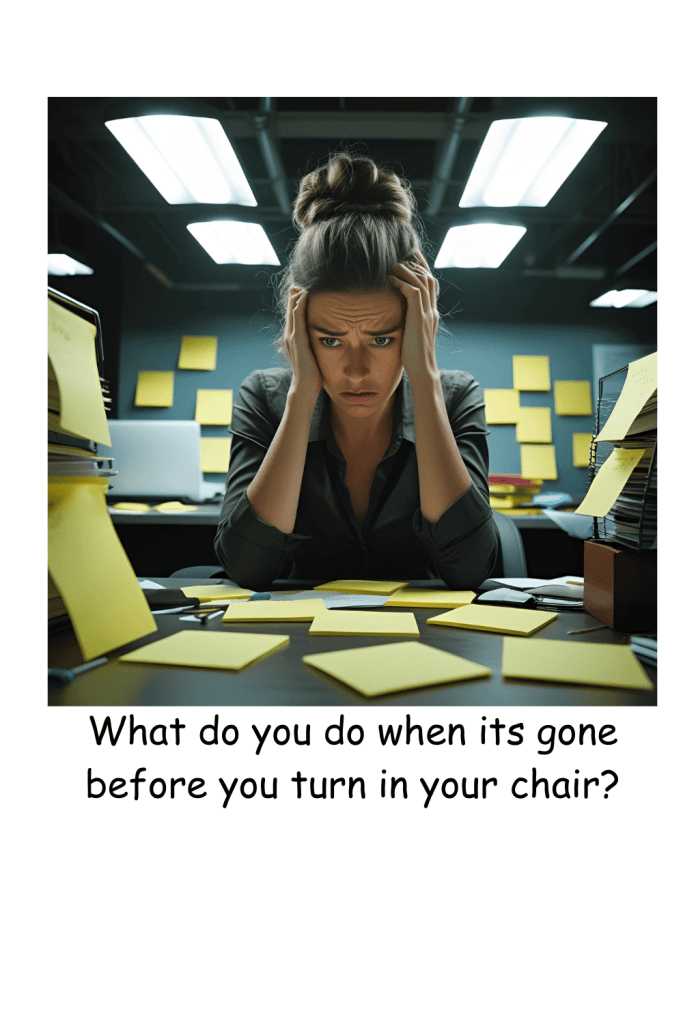
Let’s be honest: if forgetting what you were saying mid-thought was an Olympic sport, I’d have gold medals in every category. Freestyle Rambling. Synchronized Brain Fog. And my personal favorite: Disappearing Train of Thought With a Triple Mental Backflip.
People say “don’t be so hard on yourself,” and I’m like—buddy, I’m not. I’m just trying to remember what I came into this room for. And repeatedly. I’m not being ‘so hard’ on myself, I’d say I’m at least the appropriate level of hardness if not under lol
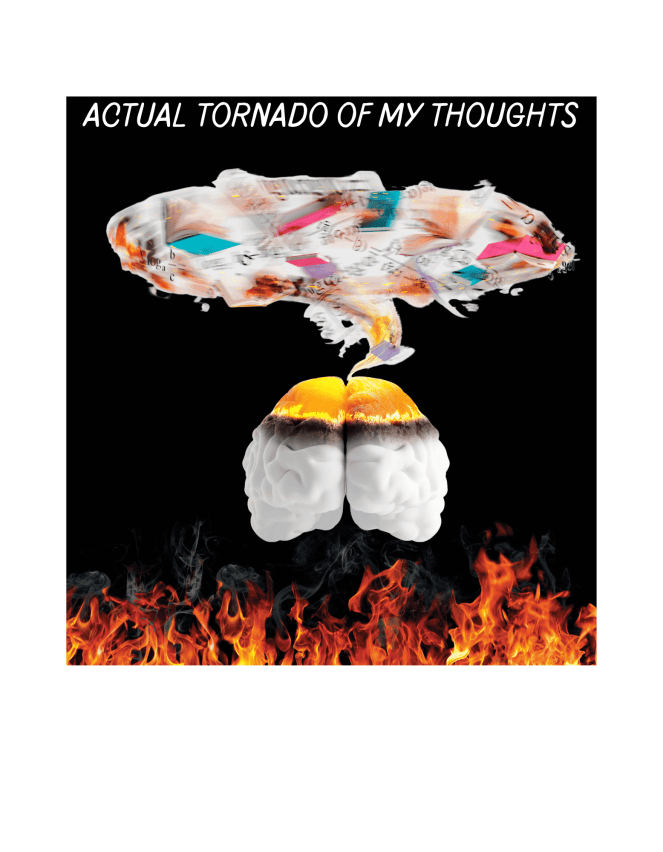
Somewhere between ADHD, fibromyalgia fog, bipolar whiplash, and a few hundred browser tabs in my brain, my inner monologue starts to sound like a dial-up modem trying to load a YouTube video. In 2003. On satellite internet. In a thunderstorm. A mile and a half down a country dirt road where theres NOTHING for miles
🧠 Exhibit A: “What Was I Saying?”
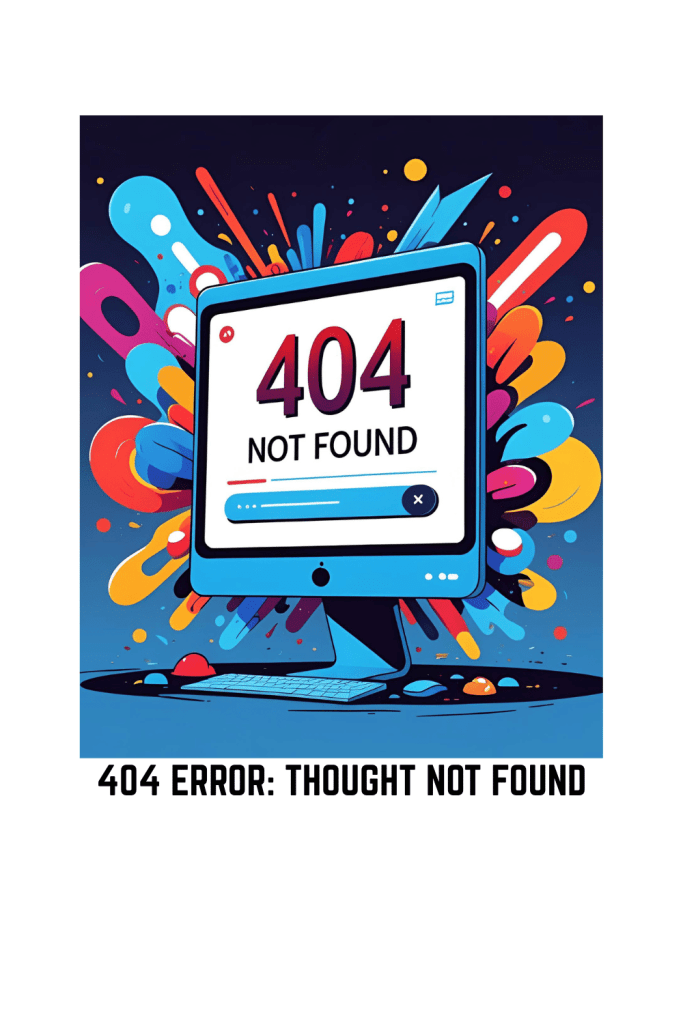
It’s not even a joke anymore. I’ll be mid-conversation, completely coherent, and suddenly—boom. Blank screen. I can literally see the words running off a cliff like cartoon lemmings.
“Wait—what was I saying?”
No really. What was I saying? I know its annoying to you, do you know how annoying it is and how much I absolutely hate the part of my brain thats supposed to remember things? Me and my brain are in an absolute love/hate relationship and we are definitely in our Hate each other era.
🤯 Fibro Fog: Not Just a Myth, Unfortunately
If you’ve never tried to function while your entire nervous system is on delay like it’s waiting for subtitles, congratulations—you’re not me. Fibro fog isn’t just forgetfulness. It’s walking into a room and standing there like you’re the main character in a slow-motion scene… except no one yelled “Action,” and you definitely missed your cue.
My body hurts, my thoughts hurt, my hair hurts, and occasionally my elbow forgets how to be an elbow. But hey, at least I still remember none of my passwords!
🎢 Bipolar Bonus: Now With Extra Whiplash!
Imagine being hyperfocused on color-coding your sock drawer one minute, then sobbing because your spoon fell on the floor the next. Now toss in some guilt about not replying to texts from 2017, and you’ve got the Bipolar Expansion Pack.
Highs that make you reorganize your pantry at 2 a.m., lows that make brushing your hair feel like a heroic feat. All while your memory plays musical chairs.
💁♀️ So What’s the Point?
The point is: if you’re out here trying your best with a glitchy brain, a misfiring mood system, and a body that acts like it was coded in beta—you’re not alone. You’re in deeply relatable, exhausted, beautifully chaotic company.
Some days I cry over spilled plans. Some days I laugh at my own internal commentary. And most days, I absolutely forget what I was saying.
But I’m still here. Still making stuff. Still showing up. Even if it’s ten minutes late and I forgot to put on pants. Til next time guys, take care of yourselves, and each other.
Look, I’ve learned a lot on this magical, chaotic, sometimes-on-fire journey called mental health. Some of it has been helpful. Some of it has been… character-building. And some of it? Honestly? I’d like to return. No receipt. No questions asked.
So here they are: the Extremely Official, Totally Relatable truths I’ve collected while navigating ADHD, bipolar disorder, fibromyalgia, and the delightful rollercoaster of chronic illness and healing. May they make you laugh, cry-laugh, or at least feel seen.
1. Hyperfocus Is Basically Time Travel, but for Grown-Ups with Deadlines
You sit down to answer one email and suddenly it’s 3:47 AM, you’ve organized your entire digital photo archive by vibe, and your actual to-do list is untouched. Ask me how I ended up rearranging pintrest pins instead of posting this post I’d already writtenlol.
2. Fibro Fog Is Just Nature’s Way of Saying ‘You Didn’t Need That Thought Anyway’
What was I saying? Seriously though — memory glitches, word loss, and that feeling of trying to think through molasses? Welcome to chronic illness. The word loss alone is going to end up hospitalizing me lol I swear nothing aggravates me as much as forgetting a work I can SEE in my head!
3. Manic Cleaning Sprees Are Not the Same as Stability
Sure, the baseboards are spotless, but also I haven’t eaten in 14 hours and I’m crying because I accidentally broke a plastic fork. Balanced, right?
4. My Thermostat Is Broken and So Am I
One minute I’m freezing, the next I’m sweating like I ran a marathon in a snowsuit. Is it ADHD? Bipolar? Perimenopause? Chronic illness roulette? Who knows. All I know is that my house is 70 degrees and I am 100% not okay.
5. “Self-Care” Can Feel Like a Full-Time Job I’m Bad At
Some days self-care is a bubble bath and deep breathing. Other days it’s canceling everything, laying facedown, and rage-scrolling memes until I feel slightly less like a soggy tissue.
6. Rest Guilt Is Real
If I lie down, I feel guilty. If I don’t lie down, my body throws a full tantrum. Either way, I lose — and my couch wins.
7. “You Seem Fine” Is the Greatest Lie Ever Told
I’ve smiled through panic attacks. I’ve small-talked while dissociating. I’ve joked my way through days that felt like molasses dipped in dread. Trust me — looking fine is a survival tactic, not a wellness update.
8. Executive Dysfunction Is Not Laziness. I’d LOVE to Do the Thing. I Just… Can’t.
Making a phone call, doing the dishes, starting a task — sometimes it feels like standing at the bottom of a mountain with no ropes, no snacks, and brain fog rolling in fast.
9. Chronic Illness and Mental Health Issues Rarely RSVP — They Just Show Up and Rearrange the Furniture
Plans? Canceled. Energy? Randomized. And trying to explain why today’s “bad” looks totally different than yesterday’s? Exhausting.
10. Humor Isn’t a Coping Mechanism. It’s a Survival Skill.
If you can’t laugh at this mess, you’ll drown in it. So yes, I make sarcastic jokes, weird art, and trays that say things like “mentally chill” or “still here, still weird.” Because some days, that little spark of laughter is what gets me through — and maybe it’ll help someone else, too.
🎁 P.S. Wanna Carry This Energy Home?
If you made it this far, you’re clearly my people. I make handmade trays, keychains, and small gifts designed for overwhelmed brains, messy moods, and healing hearts. https://www.etsy.com/shop/JoknowsCreations Come browse the chaos collection — snark included at no extra cost. Til next time gang, take care of yourselves, and each other.
There’s something almost intoxicating about hypomania. Your brain buzzes, ideas come faster than you can write them down, and suddenly everything feels possible. You’re cleaning the garage, starting a new project, texting friends back after weeks of silence, and maybe even feeling like you’ve finally “figured it out.”
But here’s the part people don’t talk about enough: what happens after.
When the sparkle fades and your energy crashes back to earth, you’re left sorting through the emotional and physical wreckage. It’s not just exhaustion—it’s this weird cocktail of regret, confusion, and grief. You might feel raw, embarrassed, or even guilty for things you said or started and couldn’t finish. That aftermath can be brutal.
Hypomania is part of bipolar II disorder—it’s marked by elevated mood, a surge in productivity, and bursts of creativity or restlessness. But while it can feel euphoric at the time, the come-down can leave you reeling, questioning your choices, and trying to clean up the mess your over-caffeinated brain tornadoed through.
The Cycle of Risk and Regret (a.k.a. Oops, I Did It Again — But Not in a Fun Britney Way)
Here’s the thing no one glamorizes about hypomania: the aftermath of impulsive choices that seemed like brilliant ideas at the time. One minute you’re ordering $200 worth of “self-improvement” stuff at 2 a.m., signing up for a new certification course, and texting your ex like you’re starring in your own comeback tour — and the next, you’re wondering what the hell just happened.
And science backs it up. According to research published on PubMed, people in hypomanic states often engage in high-risk behaviors — overspending, substance use, reckless decisions — the kind of things that feel like you’re chasing possibility, but too often watching it all boomerang back with the grace of a collapsing Jenga tower.
What follows? That slow, sinking feeling. Guilt. Shame. Maybe even avoidance. You look at the credit card bill, or a strained relationship, and suddenly the vibrant energy of hypomania gets replaced with the emotional hangover no one warned you about.
You’re not the only one who’s been caught in this loop. You’re not a bad person. You’re a person with a disorder that messes with impulse and inhibition. It doesn’t excuse the consequences, but it does explain the pattern — and understanding the pattern is how we start breaking it. I was so stuck here myself but perhaps worse is the gaslighting I do over EVERY. SINGLE. DECISION. afterwards because I sincerely have lost all faith in my own judgment. Like every little thing, ‘is it a good idea or are you just manic’ plays in my head on a loop.
The Crash Landing No One Talks About
If hypomania feels like flying a little too close to the sun, then the crash that follows is more than just a rough landing — it’s a total freefall. One minute, you’re bursting with ideas and energy, barely sleeping, maybe even reorganizing the garage at 2 a.m. like you’re possessed by the spirit of Marie Kondo on espresso. And then… it’s like the lights shut off. The energy vanishes. You’re not just tired — you’re hollowed out. The sadness is deep, the fatigue bone-heavy, and everything starts to feel like too much and not enough, all at once.
It’s not just a “mood swing.” It’s a full-body, full-mind shutdown that makes even brushing your teeth feel like a high-stakes negotiation. And the cruelest part? The contrast. You remember how you felt just days ago, and now you can’t fathom getting off the couch. That whiplash is its own kind of heartbreak. Like it physically makes me ache sometimes.
When Life Throws a Brick Through the Window
Here’s the thing: if you’re already dancing on the edge of a depressive episode, real-life chaos doesn’t just nudge you — it can send you tumbling. Research backs this up: negative life events (you know, the kinds that seem to show up all at once like uninvited guests) have been shown to intensify depressive symptoms in folks with bipolar disorder [PMC, Cleveland Clinic]. And if you’re someone already wired with a predisposition
to depression? That impact hits even harder. It’s why managing stress isn’t just a suggestion — it’s survival. I will legit cry over such trivial stuff, then hate myself cuz I KNOW its dumb to cry about it so I cry more cuz I’m mad at myself for not being able to look at a situation thats got nothing to do with me or so so trivial Learning how to soften life’s blows, build resilience, and stack the odds in your favor might not make the hard stuff disappear, but it can definitely make it hurt less when it lands.
Moving Forward: Strategies for Coping (AKA, Surviving the Crash Without Losing Your Damn Mind)
Look, managing life after hypomania is like waking up in a house you swore you just deep cleaned, only to find emotional dishes stacked in every room. But there are ways to climb out of the mess — even if you’re doing it one spoon at a time.
🔹 Self-Compassion This is not a personal failure, a moral shortcoming, or some character flaw you need to apologize for. It’s a medical condition — full stop. Remind yourself (repeatedly, if needed) that what you’re feeling isn’t your fault. You’re not broken, you’re human. In a world that crops all the edges to paint a rosier picture be the straight angle in black and white.
🔹 Structured Support When your brain feels like a Pinterest board of chaos, routines can become lifelines. Simple, repeatable actions — morning check-ins, meal planning, a therapy appointment every other Tuesday — can help stabilize the rollercoaster. And yes, professional help is allowed and encouraged (therapy = tools, not weakness). Every morning my routine has been the same for years, Duolingo while I listen to stand up comedy with the news in the background, if any of those is missing my day starts out lacking which leads to a bad day
🔹 Community Connection Even if you’re more “socially exhausted introvert” than “group hug enthusiast,” connecting with people who get it can make a huge difference. Whether it’s an online forum, a group chat, or that one friend who won’t judge your 2 a.m. existential texts — don’t go it alone. Thats what I’m trying to do here, build a community, hopefully to work right on up to a forum we can all support each other. Thats my goal anyway the minute I can sell enough in my store to pay to host the forum it will be done!
Understanding the highs and lows — especially the rough emotional terrain that can follow hypomania — isn’t just helpful, it’s empowering. When you mix solid science with self-awareness and some well-worn coping tools, you start to feel just a little more in control. Not perfect, not invincible — but stronger. And that counts. Til next time gang, take care of yourselves, and each other. P.S. If this hit a little close to home and you’re looking for something to help you process the messy in-between parts — I made a workbook just for this. It’s not magic, but it’s honest, helpful, and created by someone who’s been there. Check it out
Let me just say this plainly: if I could get everything done that I want to get done, I’d be running the world, not Googling “how to un-shame clean your kitchen” for the fifth time this week. But thanks to my brain, I’m lucky if I remember why I walked into a room before I forget what day it is. Again.
ADHD Isn’t About Laziness. Period.
We’ve all heard it: “You just need to try harder,” or “If it mattered to you, you’d do it.”
But research—you know, those pesky facts—says otherwise. ADHD is a neurodevelopmental disorder that impairs the brain’s executive functioning system. That’s the part of your brain in charge of motivation, planning, prioritizing, and following through. Imagine if the project manager in your head was replaced by a hyperactive squirrel on espresso (GEORGE! George is fine by the way, he has a whole family now, hardly ever has time to say hello). That’s what we’re dealing with.
According to clinical psychologist Dr. Russell Barkley, one of the top researchers on ADHD, people with ADHD have impairments in “executive function” that make self-regulation incredibly difficult. It’s not about willpower; it’s about the wiring. Our dopamine systems are under-responsive to reward cues, which means motivation isn’t just low—it’s missing the GPS coordinates’. I’m not one to give myself excuses, because I don’t like it when others use them and I hate being a hypocrite, but its still true that we are wired differently going in a direction we dont know and are constantly getting redirected. I often liken it to a pinball in a machine.
Unreliable Doesn’t Mean Uncaring
One of the most brutal side effects of ADHD isn’t the mess or the missed appointments. It’s the shame that comes from being “that friend” or “that mom” who can’t follow through the way they want to. You know, the one with a big heart and the flakiest calendar. Do you know how much I’d do for others
People think you’re careless, selfish, or just plain rude. What they don’t see is the internal warfare: the notes, reminders, alarms, sticky tabs, pep talks, self-hatred, guilt spirals, and emotional crashes. You don’t skip coffee with a friend because you don’t care. You skip because your brain misfired three times trying to remember to get dressed and now you’re late and frozen in a shame spiral. Again.
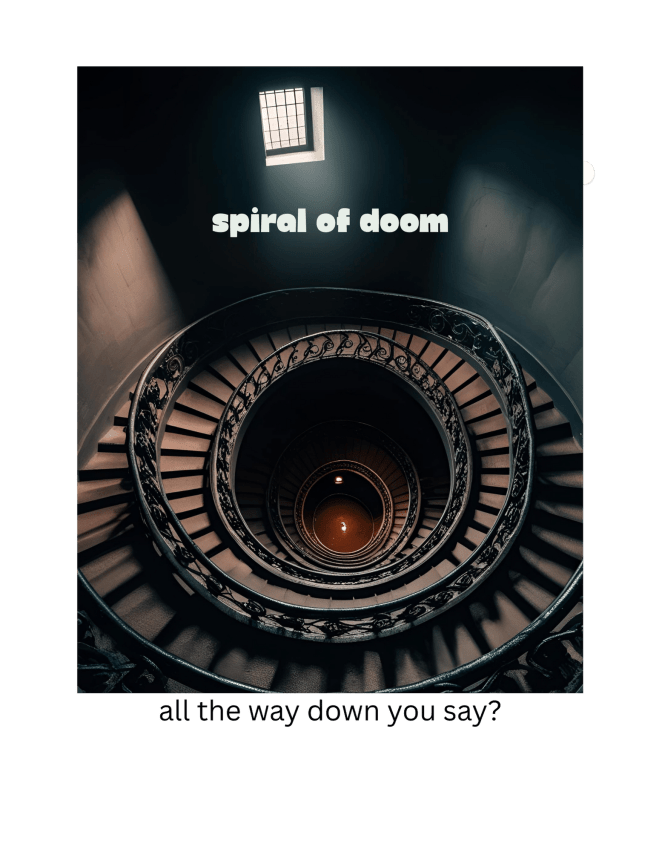
Rejection Sensitivity and the Spiral of Doom
Ever heard of Rejection Sensitive Dysphoria (RSD)? It’s a common experience for people with ADHD and it means that even a hint of disappointment or criticism can hit like a sucker punch to the gut. So now you’re not just late, you’re convinced your friend hates you, you’re the worst human ever, and hey—why not just never make plans again?
This is where ADHD becomes more than a memory issue. It becomes a self-worth issue. You start doubting your ability to be dependable, to show up, to be enough. And when the world keeps reflecting that back at you, the damage compounds.
So What Helps?
Compassion (especially from yourself): You’re not lazy. Your brain has different settings. Start there.
External supports: Use them all. Alarms, timers, whiteboards, apps, body doubles. Build scaffolding around your brain. I write everything down. I have shit everywhere that I do not remember why I wrote it or sometimes come across the thing I wrote it down for. When I started breaking up every chore into little baby chores I was a lot more real with myself. Like setting the meals as I do. Less chance of me deviating and going into decision paralysis. Though I did mess up this week but it can’t be helped, I forgot and planned a meal on my birthday AND we had a prolonged power outage causing us to throw away a lot of things.
Micro-goals: Instead of “clean the house,” try “clear the table.” Progress feels good, if it feels good your brain will do more of it. I do one side of the sink then give myself a free break to write or just veg out for half an hour or whatever. YOU make the rules, there ARE rules though and when you give yourself little dopamine snacks through the day it will make you more even keel.
Community: ADHDers need each other. Not for advice—though that helps—but for validation. To always compare yourself against what YOU perceive to be a perfect normal person (though I PROMISE you everyone you meet has stuff bringing them down, some just have the advantage of a prettier package, inside its still the same shit) is pointless.
Here’s the Truth
You can be inconsistent and still be valuable. You can forget the thing and still be deeply caring. You can be unreliable sometimes and still be a good mom, friend, partner, person.
I don’t write this post as a PSA. I write it as someone who has been eaten alive by guilt more times than I can count. I want the world to stop equating productivity with worth. But until it does, I hope this helps someone—even just one person—feel a little less broken. Because I promise, you’re not. Til next time guys. Take care of yourselves and each other















 WannaBeNormal