Uncategorized

Neurospicy Squared: Parenting a Teen With Extra Seasoning When You’re Also the Family’s Walking Firecracker

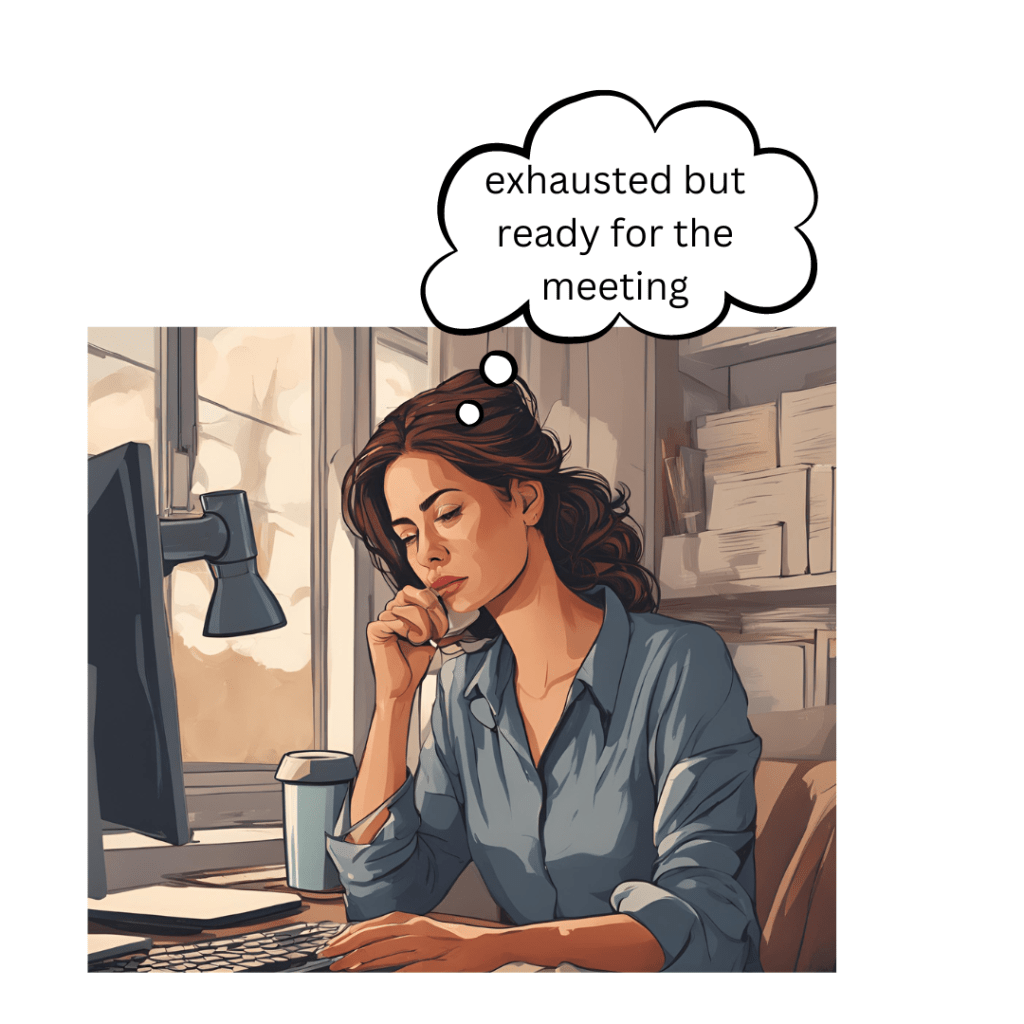
Let me paint you a picture: One neurodivergent parent with executive dysfunction, sensory issues, a flair for hyperfocus (at the worst times), and a caffeine addiction… raising a neurodivergent teen who also has executive dysfunction, sensory issues, and a flair for hyperfocus (also at the worst times). Poor non neurodivirgent Dad lol. (Lucky he’s a little spicy in his own way so he gets it)

What we’ve got here, folks, is not a traditional household.
It’s a feedback loop with matching eye rolls and snack wrappers. With attitude.
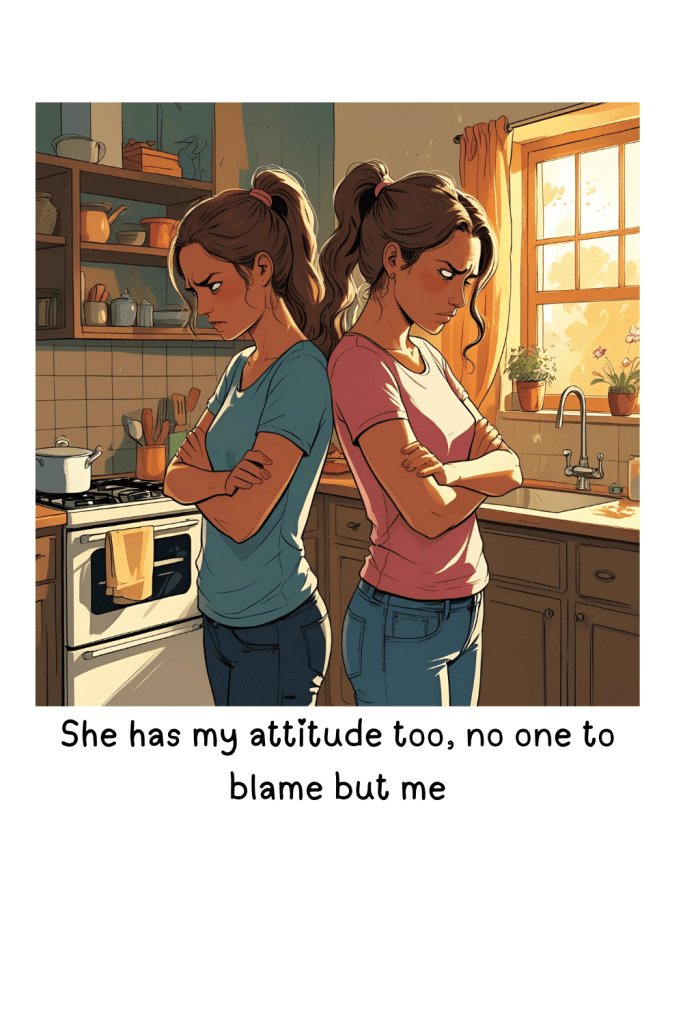

“I’m Not Yelling, I’m Just Expressing Loudly With My Whole Body”

I used to think parenting would be about teaching my child how to be a functioning adult. Now I realize it’s about co-regulating while we both spiral in different directions over things like why the peanut butter is wrong. Not gone. Just wrong.

We’ve had conversations like:

  • “I can’t handle this right now.”
  • “Same.”
  • “So what do you want to do about it?”
  • “I don’t know”
  • “Cool me either. Want to avoid it together?”

When You’re the Grown-Up and Still Don’t Have the Manual

Let’s be real: parenting any teen is a mix of love, worry, and mystery smells.

Sometimes I’m the wise mentor. Sometimes I’m the raccoon in the laundry room making emotionally impulsive decisions because my hair hurts and I need a snack.

We forget things together.
We hyperfixate on the same random topic (shoutout to that two-week deep dive into plane crash documentaries, but our fallback is cat videos lol).
We both get overstimulated in stores and end up leaving without whatever we went in for.

But at least we do it as a team.


What Actually Helps Us (Spoiler: Not Just Schedules)

People say neurodivergent kids need structure. Sure.
But have you ever tried creating that structure while your brain is doing circus tricks and crying at the same time?

So we’ve learned to build little systems that don’t require too many spoons:

  • Timers with fun alarms. (Because “Gentle bells” don’t work on either of us. We need “aggressive robot beep.”)
  • Codewords for meltdowns. (We’ve used “just “NOPE.” but I think we’re good at picking up on each others tells by now no words needed)
  • Parallel processing. (We do our own things side by side while exchanging exactly 4.5 words. Always. We watch Wheel together, we’re not watching it together so much as competing between each other but the sentiment is there)
  • And when all else fails: snacks, memes, and leaving the room before anyone says something regrettable.

The Pick Your Battles™ Scale

Let me introduce you to my secret weapon: the Pick Your Battles™ Scale. It’s how I decide whether to engage or let it go with my spicy teen (and honestly, with myself).

SituationRatingTranslation
They wore pajama pants to the store.1/10Not a fight worth my last nerve, so long as all the bits are covered I’m not stressin.
They forgot their homework again.4/10Gently nudge, don’t die on this hill.
They said I ruined their life because I made pasta instead of rice.2/10Sounds like a feelings day. Feed them, don’t fight them.
They screamed into a pillow instead of at me.0/10That’s emotional maturity, baby. Celebrate it. Hubby gets mad if she walks away mumbling under her breath. I’m like really thats NORMAL teen behavior, I’ve done it, so long as the words are to herself I see no harm in letting her cuss me out. Its when she screams at me thats the problem.
They were mean to the cat.10/10Pause the world. This one needs addressing.

This little internal rubric helps me reserve energy for what actually matters. (Spoiler: it’s not always the socks on the floor.)


The Secret Sauce: Radical Compassion + Shared Eye Rolls

My kid gets it. I get it.
We’re both doing our best with the wonky wiring we’ve got.

Some days that means deep talks about emotions and neurobiology.
Other days that means forgetting it’s trash day for the third week in a row and bonding over mutual shame while taking it out in pajamas at 3 p.m.

There’s beauty in the chaos.
There’s humor in the mess.
There’s love in the way we see each other clearly, even when the world doesn’t.


So If You’re Out There, Fellow Neurospicy Parent…

You’re not failing.
You’re not alone.
You’re just raising a tiny mirror who also loses their phone in their own hand and argues like a well-informed gremlin.

And that? That’s something worth celebrating.

Preferably with matching fidgets and a mutually agreed-upon “silent hour.” Til next time gang. Take care of yourselves, and each other.

Uncategorized

Savings and Sanity

Alright, you bargain-hunting badasses, let’s dive into the wild world of couponing with ADHD and bipolar mania. It’s like extreme sports for your wallet, but with more paper cuts and less adrenaline!


The Hyperfocusing Phenomenon: When Coupons Are Your Crack

Picture this: You’re drowning in a sea of Sunday papers, eyes darting like a caffeinated squirrel, hunting for that mythical 50% off coupon. Suddenly, time goes all wibbly-wobbly, and you emerge hours later, covered in newsprint and victory. Welcome to hyper focus hell, population: your impulsive ass! Strategic planning your every shopping trip to try and master your finances can be fun and advantageous, but it starts at minute one, giving us that sweet savings dopamine that washes over us when we find an amazing deal. And then we realize, we’ve been staring at the computer looking at these numbers for three hours. Three hours to save $2.00 doesn’t seem cost effective. Managing our time blindness here needs to be a priority. Set alarms and get up when they ring!


For us ADHD and bipolar folks, couponing isn’t just a hobby—it’s a full-contact Olympic sport. That dopamine hit when you score a killer deal? It’s better than sex, drugs, and rock ‘n’ roll combined. Who needs a cape when you’ve got a binder full of BOGO coupons, am I right?

The Blessings: Saving Money Like a Boss
Let’s talk perks, you penny-pinching prodigies. Saving money feels fucking fantastic. You’re stacking coupons like a Jenga master on steroids, comparing prices like you’re cracking the Da Vinci code. Every cent saved is a middle finger to capitalism, and honey, that’s a beautiful thing.
Plus, you’re basically getting a Ph.D. in Bargain Economics. Warren Buffett, eat your heart out—we’re the real financial geniuses here. And outsmarting those retail giants? It’s like being Sherlock Holmes, if Sherlock was obsessed with clearance aisles instead of crime scenes.

The Curses: When Couponing Becomes Your Cruel Mistress
But hold onto your discount pants, because there’s a dark side to this bargain bonanza. Ever found yourself knee-deep in expired coupons at 3 AM, wondering where your life went wrong? Welcome to the hyperfocus hangover, baby. Your to-do list is gathering more dust than your grandma’s china, your relationships are more neglected than that gym membership you bought in January, and your bedroom looks like a paper mill exploded. And let’s not even start on the bipolar spending sprees. It’s all fun and games until your closet looks like you robbed a discount store blindfolded.

The Final Verdict: It’s Complicated AF
So, is couponing a blessing or a curse for us neurodivergent deal hunters? It’s both, darling. It’s about finding that sweet spot between saving money and keeping your sanity. Set boundaries tighter than your budget, use alarms (because your time-blindness isn’t doing you any favors), and remember: self-care is the ultimate BOGO deal.
Couponing isn’t just about hoarding deals—it’s about harnessing your hyperfocus for good. So clip on, you beautiful disaster, and may the savings be ever in your favor!
Stay sassy, stay savvy, and for the love of all that’s discounted, try not to buy another 50-pack of toilet paper just because it’s on sale. Your bathroom can’t take it anymore. Take care of yourselves and each other!

Uncategorized

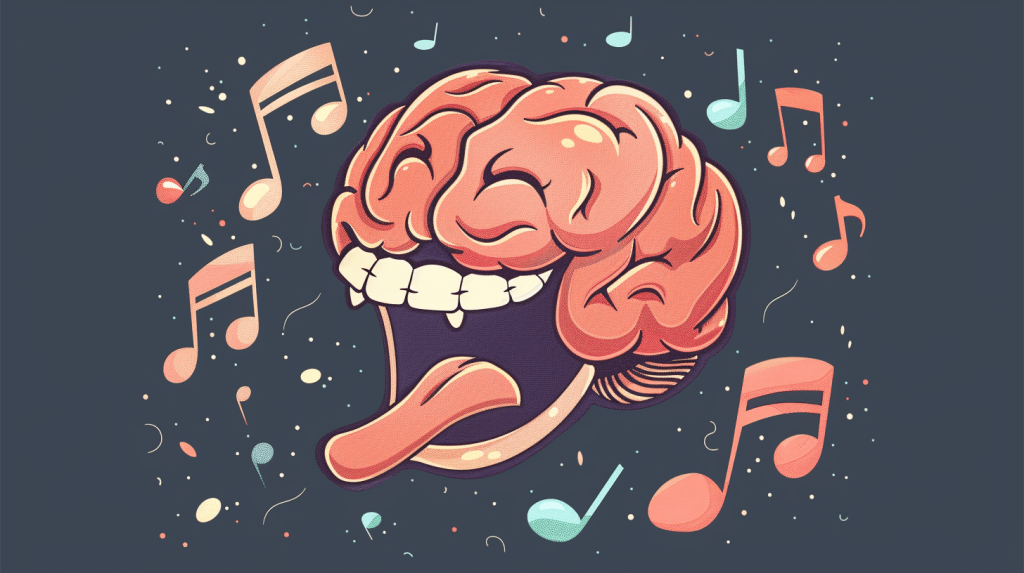
The Soundtrack of Sanity: How Music Saves Our Asses

let’s talk about how your Spotify playlist might just be the unsung hero in your battle against the chaos in your head. Buckle up, because we’re about to dive into the wild world of music therapy for our neurodivergent brains.

Life with ADHD, autism, or bipolar disorder is trying on its BEST behavior, but on particularly bad days it can be like is like being on a perpetual rollercoaster designed by a sadistic toddler. But before you dive headfirst into your Netflix queue (again), consider this: music isn’t just for your next embarrassing TikTok dance attempt. It’s scientifically proven to be your secret weapon in the war against your own brain. So, let’s crank up the volume and see why your playlist might be more effective than your therapist (don’t tell them I said that).

The Science Behind the Symphony (Or Why Your Brain is Basically a Rave)
First off, let’s talk brain chemistry, because nothing says “fun” like neurotransmitters, right? Turns out, listening to music triggers a dopamine release in your brain. Dopamine is like your brain’s personal cheerleader, minus the annoying pep. It’s the “fuck yeah!” chemical that makes everything seem less like a dumpster fire.

For us ADHD folks, music is like Ritalin without the side effects. Studies show that background tunes, especially with a steady beat, can help us focus and stop us from getting distracted by every shiny object in a five-mile radius. So, next time you’re struggling to read that mind-numbing report, slap on some Mozart or lo-fi beats. It’s like noise-canceling headphones for your ADHD.

And for our autistic pals, music is the universal translator we’ve been waiting for. It’s a way to express emotions without having to decipher the enigma that is human interaction. Research says music therapy can improve social skills, communication, and overall quality of life. It’s like having a cheat code for emotions.

Bipolar disorder, where your mood swings make a pendulum look stable. Music can be your emotional seatbelt on this wild ride. Studies show it can help regulate mood and reduce symptoms of depression and anxiety. When your brain is doing its best impression of a ping-pong ball between mania and depression, music can be the net that catches you. Think of it as your personal mood ring, but actually useful.

The Brain’s Playlist: How It All Works (Warning: Science Ahead)
So, what’s actually happening in your brain when you hit play? It’s like a rave in there. The limbic system (your brain’s drama queen) and the prefrontal cortex (the responsible adult) light up like a Christmas tree. This helps synchronize your neural networks, leading to improved mood and emotional resilience. In other words, music makes your brain cells hold hands and sing Kumbaya.

Why Your Music Taste Matters (Yes, Even Your Guilty Pleasures)
Of course, not all music is created equal. The impact on your mood can vary depending on what you’re into. So whether you’re headbanging to death metal or chilling to lo-fi beats, it’s all about what makes your neurons dance. The key is finding that sweet spot where the music enhances your mood without making you want to punch a wall.

Bottom Line: Hit Play for Better Days (Or At Least Slightly Less Terrible Ones)
So, the next time you’re feeling like your brain is a blender set to puree, don’t underestimate the power of a good playlist. Science says it’s not just about the sick beats; it’s about how music bitchslaps your brain into behaving. So go ahead—press play, let the music work its voodoo, and remember: sometimes the best therapy comes with a side of headphones and a killer soundtrack. Now, if you’ll excuse me, I need to go make a playlist for “Days When My Brain Decides to Be an Asshole.” It’s going to be fire. 🎵🧠🔥 Be kind to yourself and each other

Uncategorized

Super power, or super weakness?

Let’s dive into the wild world of hyperfocus and hyperfixation – the ADHD brain’s way of saying “Go big or go home” when it comes to attention. Hyperfocus: The ADHD Superpower (With a Side of “Oops, I Forgot to Eat”)Picture this: you’re so deep into a task that the apocalypse could start, and you’d be like, “Just five more minutes!” That’s hyperfocus, baby. It’s like your brain suddenly decides to cosplay as a laser beam, zoning in on one thing with the intensity of a thousand suns. Great for productivity, not so great for remembering trivial things like, oh I don’t know, sleeping or going to the bathroom.

Hyperfixation: When Your Brain Decides to Become a Walking Wikipedia on Random Topics
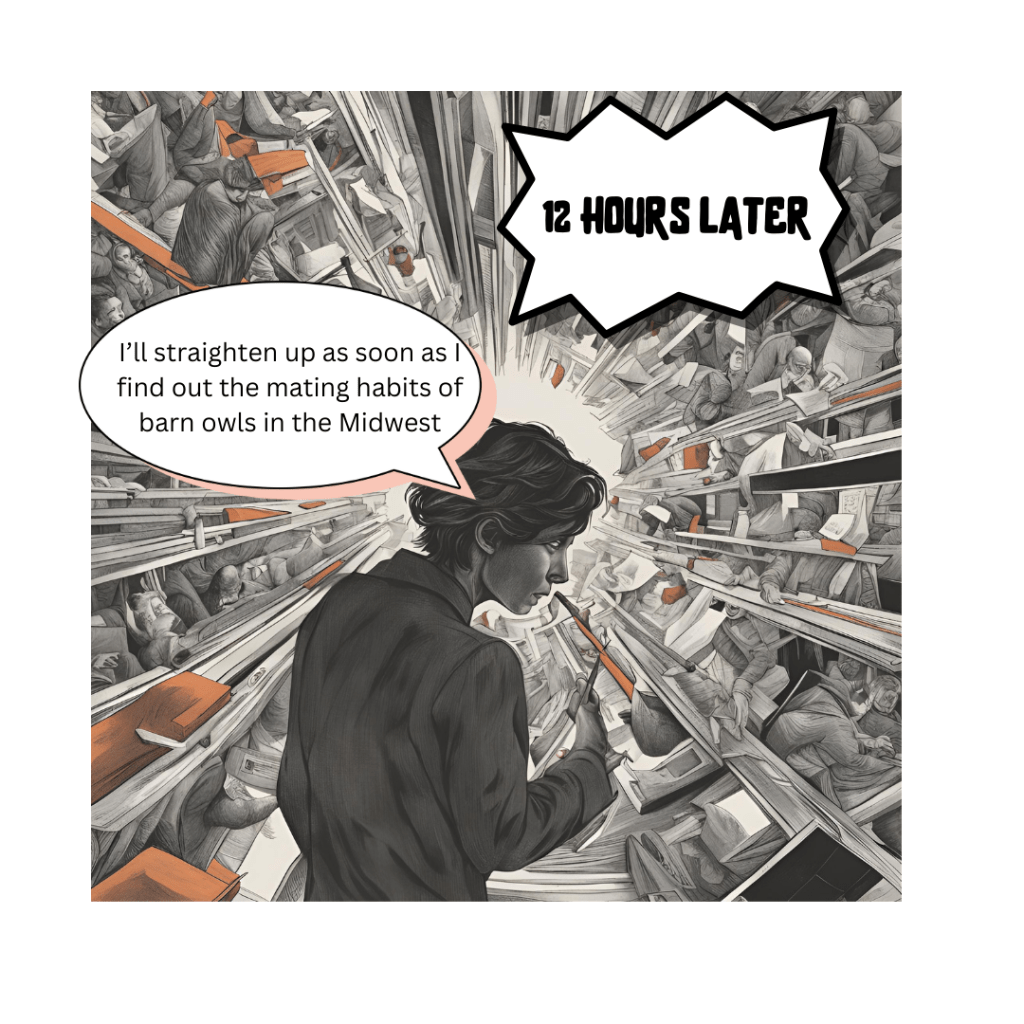
Ever found yourself suddenly obsessed with 18th-century French poetry or the mating habits of sea slugs? Congratulations, you’ve been hit by the hyperfixation train! It’s like your brain picked a topic out of a hat and decided, “This. This is what we’re going to think about 24/7 for the next week… or until we find something shinier.”

How These Differ from “Normal” Focus (Whatever That Is)

  1. Intensity: While normies might be satisfied with a casual interest, we go from 0 to “I’m writing a dissertation on this” in 2.5 seconds flat.
  2. Duration: Regular focus is like a sprint. Our focus? It’s an ultra-marathon… through quicksand… while being chased by bees.
  3. Flexibility: Normal people can switch tasks like changing TV channels. Us? We’re more like old TVs stuck on one channel until someone physically comes to change it.
  4. Awareness: Regular focus allows for multitasking. Hyperfocus? The house could be on fire, and we’d be like, “Just let me finish this paragraph.”

In conclusion, hyperfocus and hyperfixation are like the ADHD brain’s way of compensating for all those times it couldn’t focus on boring stuff. It’s our superpower, our kryptonite, and our entertainment all rolled into one. So next time you find yourself three hours deep into researching the history of spoons at 2 AM, just remember: you’re not procrastinating, you’re embracing your neurodivergent superpowers! Take care of yourself, and each other!

Uncategorized

Is it blindness if we choose not to see it?

Tonight lets talk about something SUPER fun for people who are NORMAL procrastinators, or people who are just chronically punctual, this shit makes my eye twitch. I want to be on time, but I am ALWAYS either embarrassingly early or unforgivably late, I just can’t find a way to strike a happy medium. I was surprised to learn of the other ways time blindness presents itself in my life, its not just about not being on time. So lets dive into the wild world of time blindness. You know, that delightful phenomenon where your brain treats the concept of time like a cruel joke? Yeah, for those of us with autism or ADHD, keeping track of the chronological flow of existence is about as easy as herding cats on meth.

Let’s start with our autistic homies. For them, time blindness can manifest in a few gloriously confusing ways:
First up, we’ve got the struggle to grasp the very concept of past, present, and future. It’s like the abstract notion of time is an ancient language only understood by neurotypical scholars. “What do you mean, this moment won’t last forever? Blasphemy!”

Then there’s the complete obliviousness to how much damn time has passed. You could be happily stimming away, lost in your own little world, only to emerge hours later wondering where the hell the day went. Time? What’s that? A construct created by the neurotypical elite to oppress us?

And let’s not forget the sacred routines. Stray from the schedule even a smidgen, and it’s like the world is ending. Spontaneity? Never heard of her. Rigidity and predictability are our jam, thank you very much.

But wait, there’s more! Our ADHD brethren also get to experience the joys of time blindness in their own unique ways:

Impulsivity and time management? What a delightful oxymoron! Thinking ahead and considering consequences is for the weak. We prefer to live life on the edge, making split-second decisions without a care for that pesky thing called “time.”

Procrastination is our middle name. Why do today what you can put off until tomorrow, next week, or maybe even next year? Prioritizing tasks and meeting deadlines is so overrated when you could be hyperfocusing on reorganizing your sock drawer instead.

Speaking of hyperfocus, that’s another fun ADHD party trick. One minute you’re trying to be a productive member of society, the next you’re utterly consumed by whatever random interest has captured your brain’s fleeting attention. Time? What’s that again?

At the end of the day, both autism and ADHD involve executive function challenges that make time management about as easy as walking a tightrope while juggling chainsaws. But hey, at least we’re keeping things interesting, right?So embrace the time blindness, folks. Lean into the chaos and confusion. After all, who needs to follow the neurotypical construct of time when you can march to the beat of your own delightfully disordered drum? Til next time gang, take care of yourself, and each other!

Uncategorized

ADHD Paralysis: When Even Your To-Do List Needs a Nap

I know this happens with several different conditions, so I wanted to address it but it seems most prevalent with ADHD, so tonight we are diving into ADHD paralysis.

So who’s been here you know those moments when you’re supposed to be doing something important, but your brain decides to take an impromptu siesta instead? Yeah, that’s the wild world of ADHD paralysis in all its glory. It’s like your brain is a computer running too many damn programs at once, and suddenly, everything just crashes into a flaming pile of fuck-it-all.

Picture this nonsense: You’ve got a mountain of work to tackle, deadlines looming like hungry wolves at the door. But instead of diving in like a reasonable human being, you find yourself staring blankly at the screen, lost in a vortex of distraction and self-loathing. That’s ADHD paralysis in its full, unfiltered glory. It’s that frustrating feeling of being simultaneously overwhelmed and underwhelmed by the simplest of tasks, like your brain is playing a cruel joke on you.

For another example: You need to clean your damn room. Sounds easy enough, right? Wrong, you sweet summer child. For the ADHD brain, cleaning isn’t just a chore; it’s a Herculean feat requiring divine intervention and a partridge in a pear tree. You start with the best intentions, but then suddenly find yourself engrossed in a forgotten childhood photo album, three hours deep into a nostalgia spiral, and your room still looks like a tornado hit it after a night of binge drinking.

But fear not, my fellow hot messes, for there are ways to combat this sneaky paralysis and emerge victorious (or at least semi-functional). First off, embrace the power of breaking tasks into bite-sized chunks. Instead of staring down the behemoth of “clean the entire fucking apartment,” start with something manageable like “put away the dishes” or “tackle Mount Laundry, you filthy animal.”

Next up, leverage the magic of timers and alarms. Set yourself a time limit for each task, preferably with a snazzy countdown soundtrack to keep things interesting. It’s amazing how much more motivated you can become when you’re racing against the clock (even if you’re just racing against your own tendency to get distracted by shiny objects and squirrels, no offense George!).

Now, here’s a tip: Don’t be afraid to call in reinforcements, you stubborn as. Whether it’s a supportive friend, understanding family member, or a professional who specializes in wrangling ADHD brains, there’s no shame in asking for help. In fact, sometimes a fresh perspective or a gentle (or not-so-gentle) nudge in the right direction is all it takes to break free from the paralysis and get back on track. Let your loved ones know when you’re stuck in that funk, and let them be your lifeline to sanity and productivity.

And for all you wonderful, well-meaning loved ones! If you want to help someone with ADHD without turning into a helicopter parent or a nagging pain in the ass, here’s the lowdown: First, educate yourself about ADHD and its symptoms so you actually know what the hell you’re dealing with. Then, practice patience and understanding – remember, they’re not trying to piss you off on purpose. Help them set up organizational strategies like calendars and checklists, but don’t micromanage every damn thing. Encourage self-care and breaks when they’re overwhelmed, and most importantly, be their cheerleader. Positive reinforcement can work wonders. And for the love of all things holy, listen without judgment. Create a safe space for them to express their frustrations and emotions. Your support can make a world of difference without smothering their progress.

So there you have it, folks: a crash course in ADHD paralysis, served with a side of humor and a dollop of hope (and a whole lot of swears). Remember, you’re not alone in this wacky adventure called life with ADHD. With a bit of patience, perseverance, and maybe a strategically placed sticky note or two, you can conquer the paralysis and emerge triumphant. Now, if you’ll excuse me, I’ve got a room to clean… or at least attempt to clean before getting distracted by the latest internet rabbit hole (or a mischievous but well meaning squirrel!) Til next time gang, take care of yourself and each other!