(Explained Like I’m Four Because Its My Current Mental Capacity)
Imagine your brain is a house.
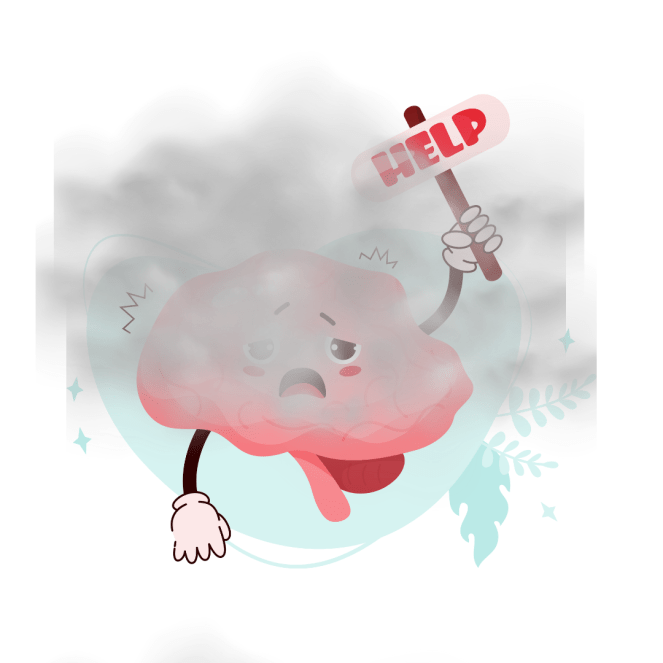
Inside that house are different rooms. One room is for thinking — remembering things, planning, finishing sentences, and holding onto a thought long enough to actually say it out loud. Another room is for danger. That room has alarms, flashing lights, and a big red button labeled OH NO.
Most of the time, the thinking room is in charge.
Then stress shows up.
Stress doesn’t knock. It barges in yelling things like “PROBLEM,” “URGENT,” or “SOMETHING BAD IS HAPPENING.” Your brain doesn’t stop to check whether the threat is real or just an email, a memory, or the general vibes of winter. It just flips the switch.
The danger room takes over.
When that happens, your brain makes a very practical decision: remembering things is no longer the priority. Surviving is.
So it starts redirecting energy away from memory, focus, and word-finding. Not because those things aren’t important — but because they aren’t useful if you’re about to be eaten by a bear. (Your brain is old-fashioned like that.)
This is why, under stress, you might forget what you were saying mid-sentence, lose track of why you walked into a room, or feel like your thoughts evaporate the moment you reach for them. Your brain isn’t failing. It’s triaging.
There’s also a chemical reason this happens.
When you’re stressed, your body releases cortisol. Cortisol’s job is to help you respond to danger. It speeds things up, tightens muscles, sharpens attention toward threats, like bear attacks, and keeps you alert. But it also tells the memory-forming parts of your brain to quiet down.
In simple terms: cortisol says, “We don’t need to remember things right now. We need to stay alive.”
So memory takes a back seat.
This is especially noticeable when stress isn’t a one-time event, but something ongoing. Chronic stress — from pain, trauma, long-term anxiety, caregiving, or just living in a body that never fully relaxes — can keep your nervous system stuck in high-alert mode. Over time, your brain starts acting like danger is the default setting.
That’s why memory problems can show up even when you’re not actively upset. Conversations feel harder to track. Words go missing. Thoughts disappear halfway through forming. The system never fully stands down.
And this part matters: this isn’t laziness, lack of intelligence, or a personal failing.
It’s not that your brain forgot how to work. It’s that it learned how to protect you — and protection came first.
Memory didn’t disappear. It just got temporarily demoted.
That’s also why external supports help so much. Writing things down, setting reminders, repeating information out loud — these tools reduce the load on a system that’s already busy. Sometimes just writing something is enough for it to stick, even if you never look at it again. Your brain trusts that it doesn’t have to carry everything alone.
The takeaway is simple, even if the experience isn’t.
If your memory struggles when you’re stressed, it doesn’t mean you’re broken. It means your brain is doing exactly what it was designed to do — keeping you safe, even when the threat isn’t obvious.
And sometimes, safety comes at the cost of remembering where you put the thought you were just holding. Til next time gang, take care of yourselves, and each other!
There are days — and let’s be honest, whole eras — where the simplest task feels like trying to run a marathon in molasses. You walk into a room and forget why. You stare at a sink full of dishes like it’s trying to fight you. Your to-do list is screaming, your brain is buffering, and somehow the only thing you do manage to do is… nothing.
You’re not lazy. You’re not broken. You’re overwhelmed — and your brain has hit the freeze setting.
This isn’t just relatable, it’s biological.
🧬 Why Your Brain Freezes When You’re Overwhelmed
When your brain perceives stress — whether that’s from sensory overload, emotional exhaustion, chronic illness, or straight-up having too many tabs open in your life — it doesn’t care if it’s “just” a sink full of dishes. It reacts like there’s danger.
And that reaction? It comes from your amygdala, the little almond-shaped area in your brain responsible for detecting threats. When it thinks something’s Too Much™, it sends a signal that hijacks your logical brain (the prefrontal cortex) and triggers a fight, flight, or freeze response.
🧠 The prefrontal cortex — the part that helps you plan, prioritize, and remember what you walked into the kitchen for — literally goes offline when overwhelm spikes.
🔄 That’s why you can ping between “I should do something” and “Why am I scrolling Instagram again?” without ever actually starting the thing.
According to a 2016 article in the Harvard Business Review, when we experience cognitive overload, we lose access to “working memory,” which is the part of our brain that helps us juggle tasks. And a study in the Journal of Neuroscience showed that chronic stress impairs decision-making and reduces the brain’s ability to adapt — making it even harder to snap out of the fog once you’re in it.
Basically: the more overwhelmed you are, the harder it is to stop being overwhelmed. Coolcoolcool.
🔓 Getting Unstuck: How to Unfreeze When You’re Overwhelmed
First, let’s make one thing clear: you don’t need a complete life overhaul to start moving again. We’re not doing a Marie Kondo purge, a 10-step plan, or a productivity bootcamp. We’re just finding tiny ways to signal to your brain, “Hey, we’re safe. We can take a step now.” I think I’ve talked about these before but they bear repeating.
Here are some strategies that actually help:
1. Name It to Tame It
Saying out loud, “I feel frozen right now,” isn’t weakness — it’s neuroscience. Recognizing your emotional state lights up the prefrontal cortex and starts to re-engage that logical part of your brain. Bonus tip: Try writing it down, even if it’s just “overwhelmed AF” on a sticky note.
2. Do One Teeny, Tiny Thing
Literally one thing. Not “do the dishes.” Just “stand next to the sink.” Or “put one plate in the dishwasher.” That’s it. Dopamine doesn’t care how small — it still gives you a little hit for doing something. And that can be just enough to take another step.
3. Try a “Body Double” Moment
This is magic for ADHD brains but helpful for anyone: having someone around (even virtually!) can snap your brain out of a freeze. It’s not about accountability — it’s about regulation. Text a friend, turn on a co-working YouTube, or call your sister and do five minutes of Something While Complaining.
4. Change the Channel (Sensory Reset)
Sometimes your brain needs a hard reboot. That can be as simple as:
Splashing cold water on your face
Stepping outside and feeling the air
Listening to music with no lyrics (lofi is a fave here)
Switching to a different space (yes, flopping on a new surface counts)
5. The “Timer Trick”
Set a timer for 5–10 minutes and say, “I’ll just do this one thing until the timer goes off.” You can stop when it dings — really! — but often, starting is the hardest part. The timer gives your brain a finish line.
🌱 One Last Thing: You’re Allowed to Rest
Freezing isn’t failure. It’s your brain doing its best to protect you — and that means you don’t need to bully it into productivity. Sometimes the most radical act is letting yourself rest without shame.
You are not lazy. You are not broken. You’re surviving in a system that wasn’t designed for brains like yours — but you’re still here. That’s power. Til next time gang, take care of yourselves, and each other!
Our memories are not just static recordings of events; they are deeply intertwined with our emotions, perceptions, and personal histories. This intricate relationship often leads to a fascinating phenomenon: two people can experience the same event and yet remember it in vastly different ways. This divergence is rooted in the complex interplay of psychology, neuroscience, and personal interpretation. People think of memory like a computer, and you can pull up exactly what happened, exactly how you felt as you felt it, but it’s not, and our brains are weird, which is why the Mandela Effect is a well-known phenomenon where a large group of people remember an event or detail differently from how it actually occurred. This collective misremembering often leads people to believe in alternative memories that contradict factual evidence.
Psychologists and researchers attribute the Mandela Effect to a variety of factors, including false memories influenced by social reinforcement, misinformation, suggestion, and the brain’s reconstructive nature when recalling memories. It’s a fascinating example of how collective memory can be influenced and distorted over time.
I can personally attest to memories being unreliable. I have the most vivid memory; it was a recurring dream that I still have sometimes. My Dad, who died when I was 15, would get up EARLY for work. I have always been an early riser, but I had the bedroom off the kitchen, and I would sometimes hear him in the morning as he got ready for work and chat with him – nothing life-altering, just mundane stuff. I remember hearing him boil water for tea, get the milk out to put in it, hear the spoon clink the mug as he stirred it, then he’d slide it across the counter, silent as he drained his cup. Then I’d hear him push his stool back under the counter and put his mug in the sink, and I’d hear his chain of keys slide across the counter. Then, downstairs, I’d hear the door shut, the truck start, all of it. Still, sometimes I hear it in my dreams and wake up excited to talk to him, 30 years later. One problem: no one else remembers this. In fact, I’ve been told I have remembered nearly every part of it wrong. Apparently, we had a coffee maker, and Dad didn’t drink tea but drank coffee black. So, there is a significant discrepancy in my memory, and I’m clearly mistaken, but to me, it is incredibly real. But it’s not – I’m remembering something that is very loosely based in reality (I did have a bedroom off the kitchen and I DO FOR SURE remember going out in the morning and talking to him; he did for sure have a long chain his keys were on, etc).
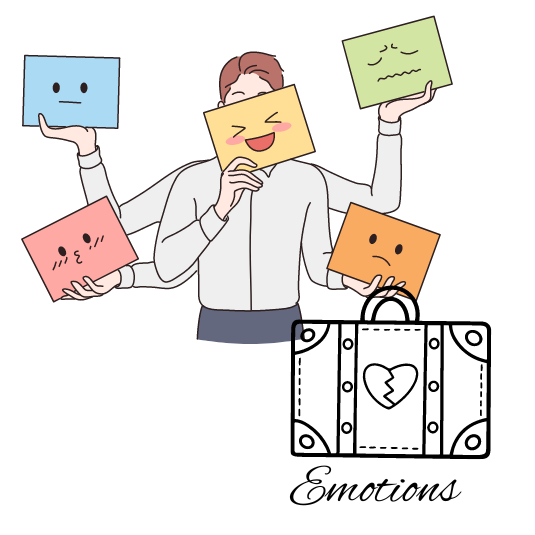
You know how sometimes you and your friend remember the same event totally differently? Well, there’s a pretty cool reason for that. Our emotions act like filters for our memories, shaping our experiences. When we’re in a great mood, even ordinary things seem awesome because our happy emotions influence our perception. Conversely, feeling anxious or distracted can make us miss out on the good things around us. For example, at a party, a great time will result in fond memories, while feeling out of place may lead to recalling mostly awkward moments or forgetting most of it. It’s not about one person’s memory being right and the other’s wrong; it’s about how our emotions at the time affect the way we process and store memories. Our brains essentially create personalized highlight reels based on our emotions in the moment.
Now, throw in your personal baggage (we’ve all got it, don’t pretend). Our upbringing, cultural background, past traumas, and even current circumstances all contribute to our cognitive frameworks. Maybe you grew up in a house where yelling meant “I love you,” while your friend’s family communicated exclusively through passive-aggressive Post-it notes. Fast forward to adulthood, and suddenly you’re wondering why they’re freaking out over what you consider a “spirited debate” about pineapple on pizza.
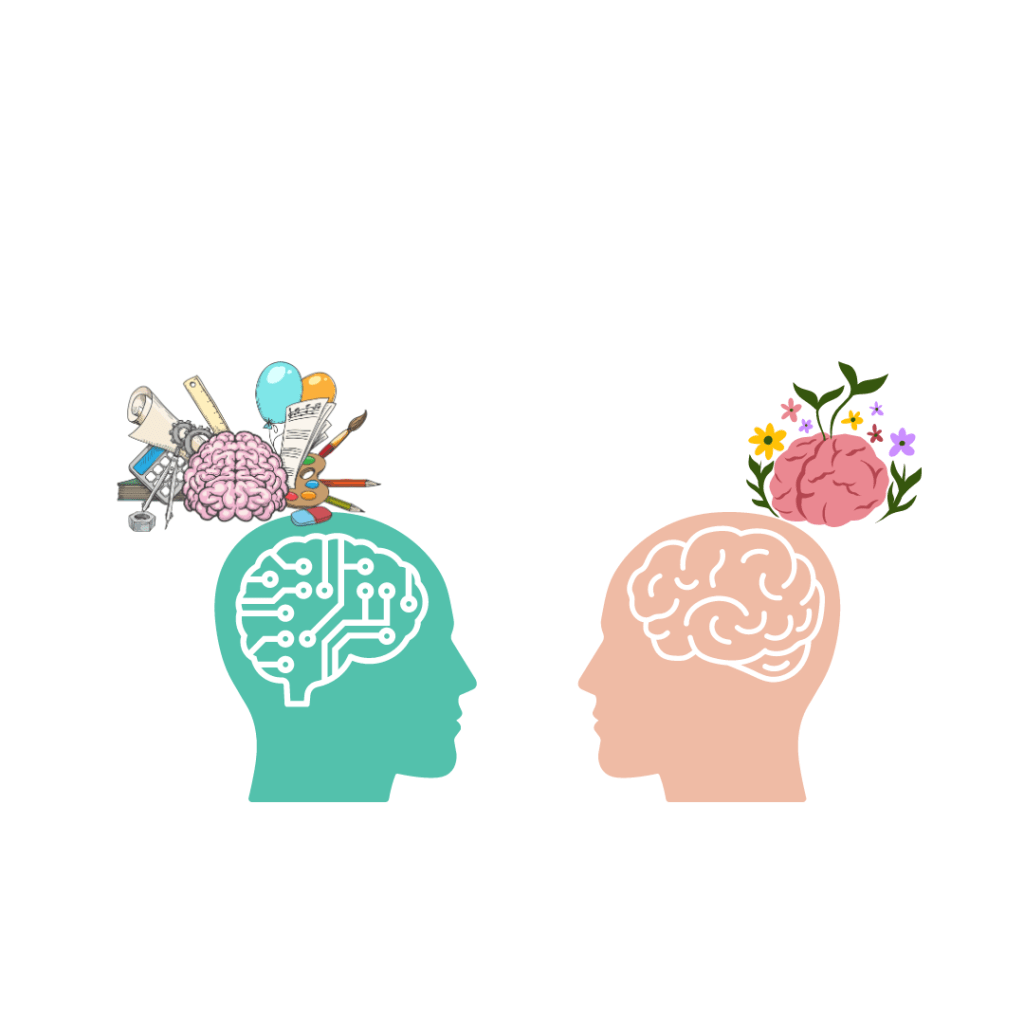
Our brains are as unique as snowflakes, if snowflakes were really into overthinking and occasional existential crises. Neuroscientists have discovered that individuals can have varying levels of activation in brain regions responsible for memory formation and emotional processing. This variability can influence the vividness, detail, and emotional tone of memories, contributing further to differences in recollection between individuals who experience the same event. Some of us have memory centers that work overtime, while others… well, let’s just say they’re more “big picture” thinkers.
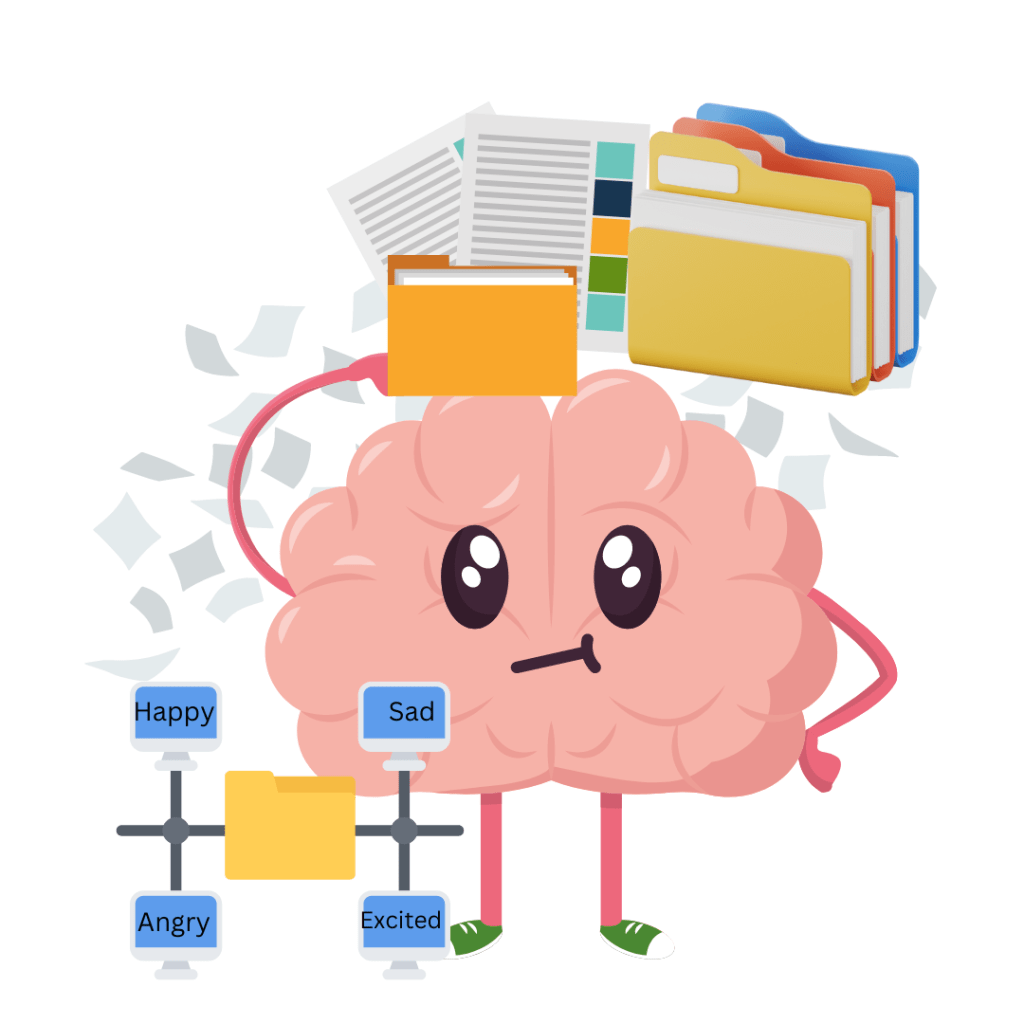
And here’s the kicker: every time you remember something, your brain basically plays a game of telephone with itself. Memories are not snapshots but rather dynamic constructs that are reconstructed each time we recall them. During this process, our brains may fill in gaps, emphasize certain details, or alter the emotional tone based on our current mindset and understanding. This phenomenon, known as memory reconsolidation, means that memories can evolve over time, becoming increasingly shaped by subsequent experiences and interpretations. By the time you’re recounting that hilarious story for the hundredth time, it’s probably evolved more than a Pokémon.
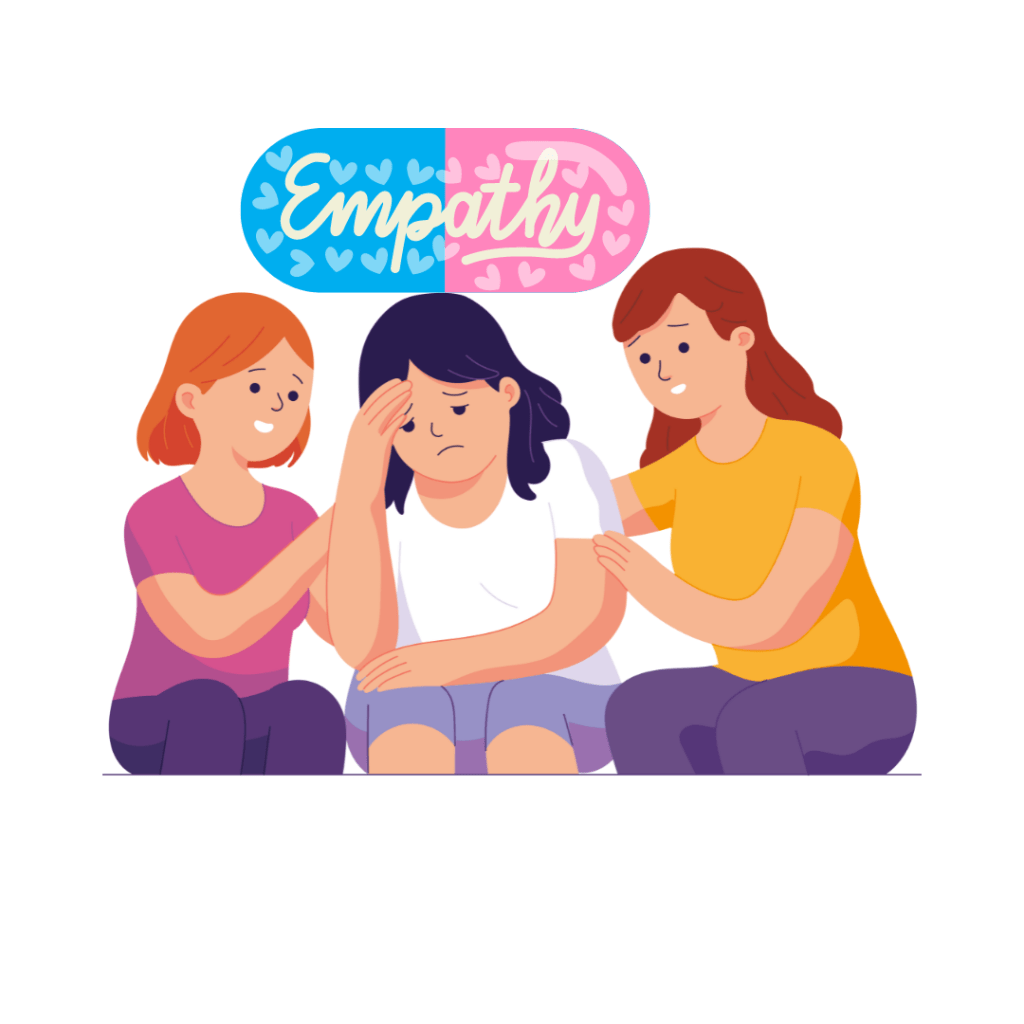
So, what’s the takeaway from this neurological circus? First, cut yourself some slack. Your memories are about as reliable as a weather forecast, but that’s okay. Second, maybe ease up on insisting your version of events is the gospel truth. Recognizing that someone’s memory of an event may differ from our own does not invalidate their experience; rather, it underscores the richness and subjectivity of human perception. Empathy, therefore, becomes essential in bridging these differences, allowing us to appreciate diverse perspectives and deepen our connections with others. And finally, next time your friend swears that karaoke night was a smashing success while you’re still trying to forget your off-key rendition of “Total Eclipse of the Heart,” remember: you’re both right, in your own beautifully flawed, human way.
Why do I have this sudden urge to bombard you with a bunch of random facts? Fibromyalgia, bipolar disorder, ADHD—yeah, these guys can really mess with your memory, and not in a fun way. Understanding how these troublemakers affect memory can give us some hilarious insights into the chaos they cause in our daily lives.
In the end, our differing memories aren’t just fodder for heated debates; they’re a reminder of how wonderfully weird and complex we all are. So embrace the chaos, laugh at the inconsistencies, and maybe, just maybe, listen to your friend’s version of events with an open mind. Who knows? Their rose-colored recollection might just brighten up your day. Maybe they have a spare pair of pretty glasses to share, maybe looking at the memory from their perspective would open your mind. And remember, if all else fails, there’s always security camera footage. Just kidding. Maybe. Take care of yourself, and each other (and happy Heavenly Birthday Daddy, love and miss you always)












 WannaBeNormal