Uncategorized

Brain Fog vs. Cognitive Fatigue: Understanding the Science Behind “I Can’t Think Today”

Some days, my brain feels like it’s buffering. I’ll stand in the kitchen with zero clue why I’m there, reread the same sentence five times, or forget my own train of thought mid-sentence. And then there are the days when my brain feels tired. Not fuzzy—just done. Like someone unplugged the power source and said, “Nope. We’re closed.”

People often lump brain fog and cognitive fatigue together, but they’re not the same beast. Brain fog is that hazy, disconnected, “can’t access the file” feeling. It’s common in chronic illness, ADHD, and even post-viral recovery because it’s tied to inflammation and disrupted neurotransmitter signaling—especially in areas like the prefrontal cortex, which handles planning and focus. (See research: Defining brain fog across medical conditions.) ScienceDirect+1

Cognitive fatigue, on the other hand, is your brain’s version of muscle fatigue. It happens when your mental resources are overused or depleted—like when you’ve been masking all day, juggling a thousand tasks, or fighting through sensory overload. Studies show that prolonged cognitive load triggers measurable changes in brain activity consistent with fatigue. BioMed Central+1

Cloudy with a chance of fog

The cruel joke? Many of us with chronic pain, ADHD, or trauma live in a state where both are happening at once. Inflammation clouds the signals (fog) while constant effort to function burns through what little energy reserves remain (fatigue). Add medication effects, sleep disruption, or stress hormones—and your poor nervous system is basically trying to run Windows 98 on low battery.

The next time you say “I can’t think today,” remember—it’s not laziness or lack of willpower. It’s biology doing its best under impossible conditions. Be kind to your brain. It’s been through a lot, and honestly, it deserves a nap and maybe a snack. Til next time gang, take care of yourselves, and each other.

Uncategorized

💊 When Your Body Stages a Coup: Surviving Withdrawal from Your Legally Prescribed Meds

So picture this: you’re minding your business, taking your meds like a responsible adult, when suddenly—boom.
Pharmacy delay. Doctor out of town. Prior authorization “pending.” Ah the setback of psych meds.
And your nervous system? It’s like, “Cool cool cool… let’s panic about everything now.”

Let’s be clear right out of the gate:
This isn’t addiction.
This is what happens when your body gets used to something your doctor prescribed, and then it disappears faster than your motivation on a Monday.

For people managing chronic pain, ADHD, bipolar disorder, fibromyalgia, anxiety—basically anything that makes life feel like juggling flaming swords—missing meds can wreck your whole week. Sometimes your whole month. It used to be pain meds were controlled, well I got off all them and then I find out one of my meds for my mental state is controlled too.

So here’s the practical, not-patronizing guide to surviving it.


🧠 1. Know What’s Happening — It’s Not “Just in Your Head”

Your body doesn’t care that you’re being responsible. It just knows chemistry changed.
Withdrawal from meds like antidepressants, or mood stabilizers can cause:

  • Flu-like symptoms (the fever, chills, and “oh God, why” kind)
  • Dizziness or brain zaps
  • Stomach chaos (you know what I mean)
  • Anxiety that feels like being trapped in your own skin
  • Crying at car insurance commercials

You’re not crazy, dramatic, or weak. You’re literally detoxing from a medication your body depended on.


🩺 2. Call the Pharmacy and Doctor — Every. Single. Day.

Yes, it’s annoying. Yes, they hate it. Do it anyway.
Sometimes the squeaky wheel really does get the refill.

Ask for:

  • A partial fill (even a few days’ worth helps)
  • Generic or alternative options
  • If your doctor can bridge it with samples or a similar med

If you can’t get through to your doctor, ask to speak to the nurse or pharmacist directly—they can often light a fire under the process faster than anyone else.


🧘‍♀️ 3. Temporary Coping Tools (That Actually Help)

You can’t cure withdrawal, but you can soften the edges.
Try:

  • Hydration like it’s your job. Electrolytes help your body flush junk out faster.
  • Protein and complex carbs. Blood sugar swings make symptoms worse.
  • Body temp tricks: cool showers for feverish restlessness, warm baths for muscle tension.
  • Magnesium and vitamin B supplements (if cleared by your doc).
  • Ginger tea or mints for nausea.
  • Noise + comfort TV. Distract your brain from itself. (“SVU’ or ‘Chicago’ shows is a favorite here.)

And yes, sleep whenever you can. Withdrawal can feel like a bad breakup between your brain and your body, and you’ll need rest to survive the drama.


🚨 4. Know When It’s Too Much

If your symptoms go beyond “ugh” and start looking like “dangerous,” it’s time to get help.
Go to urgent care or call your doctor if you experience:

  • Suicidal thoughts
  • Chest pain
  • Severe confusion or disorientation
  • Tremors, seizures, or blood pressure spikes

No guilt, no hesitation. This isn’t weakness—it’s biology in meltdown mode.


💬 5. You’re Not a “Druggie.” You’re a Human Being.

Let’s kill that stigma right now.
There’s a difference between dependency and addiction—one means your body adapted to a med, the other means there’s misuse or compulsion.

If you’re following your prescription and life implodes when you miss it, that’s not moral failure. That’s chemistry. And it deserves compassion, not judgment.


🌿 Bonus: What to Do Once You’re Back on Track

  • Ask about tapering. Even a few days’ gap can make restarting rough.
  • Set up refill reminders. Calendar, app, sticky note, carrier pigeon—whatever works.
  • Request overlap fills (some pharmacies will fill a few days early if you ask).
  • Stock an emergency buffer once you can, even if it’s just a few days’ worth.

And most importantly: forgive yourself for the mess that isn’t your fault.
Medication management in modern healthcare is like playing whack-a-mole blindfolded. You’re doing great just by surviving it. Dependency is’nt addiction. Til next time gang, take care of yourselves, and each other!


Uncategorized

Survival and Sanity Week 21 & 22

Two Weeks of Sanity-Saving Dinners: The Reserve-Based Meal Plan That Keeps Me Sane (and Fed)”


If you’ve ever stared into your fridge at 6:47 p.m., wondering if coffee counts as dinner… hi, hello, welcome. Pull up a chair.

I’ve been there. Actually, I live there — in that fun little corner of “I want to eat real food, but executive dysfunction, fatigue, and a body that hates me say otherwise.” That’s why I started reserve-based meal planning. It’s not fancy. It’s not Instagram-perfect. But you know what? It works.

Here’s the deal: I only cook three times a week — Tuesday, Thursday, and Sunday — and I build in enough “reserve meals” to handle the days in between without me having to think, chop, or remember what day it is.

This new 2-week plan is heavy on chicken and kielbasa, with some ground beef tossed in because my teen would eat ramen for every meal (and often does) if I let her. Everything is simple, budget-friendly, and spoonie-approved.


How It Works

  • Cook Days: Tuesday, Thursday, Sunday. Big batches, double recipes, whatever it takes.
  • Reserve Days: Meals that are already made or almost zero-effort to throw together.
  • Zero-Guilt Days: When you order pizza instead. It happens. Own it.

This Week’s Plan

  • Week 1 Cook Days:
    • Garlic Butter Kielbasa & Veggie Skewers (no pineapple, because no thank you but by all means, its an optional add on)
    • Chicken Alfredo Pasta Bake (lighter sauce, extra cheesy flavor)
    • Taco Night (make extra meat for another meal)
  • Week 2 Cook Days:
    • One-Pan Honey Garlic Chicken & Veggies
    • Kielbasa & Potato Skillet
    • Ground Beef Chili Mac (leftovers = instant win)
    • Simple Reserve Options (Single-Dish / Minimal Prep)
    • Chicken strips / nuggets (frozen) – microwave or oven
    • Grilled or pre-cooked sausages / kielbasa slices – heat in skillet or microwave
    • Mac & cheese – boxed or microwaveable
    • Quesadillas – just tortillas + shredded cheese, optional leftover meat
    • Pasta with jarred sauce – just boil noodles and pour sauce
    • Frozen veggies – steamable in bag
    • Instant rice / microwaveable rice packets – pair with protein
    • Frozen pizzas or flatbreads – heat & eat
    • Eggs – fried, scrambled, or boiled for super-quick meals
    • Snack plates – cheese, crackers, fruit, raw veggies

Everything — recipes, grocery list, and instructions — is laid out below so you can print, save, or just pull it up on your phone while you stand in the middle of the grocery aisle wondering if you already have paprika at home. (You don’t. Buy more.) Til next time gang, take care of yourselves, and each other!

Uncategorized

The ADHD Energy Crash: Why It Happens and How to Navigate It

If you live with ADHD, you’re likely familiar with the phenomenon of feeling mentally and physically drained by mid-afternoon. This isn’t just about being tired; it’s a distinct experience tied to the unique ways ADHD affects energy regulation.

🔍 Understanding the ADHD Energy Crash

ADHD is characterized by challenges in executive functioning, which means tasks that require planning, focus, and organization demand more cognitive effort. This heightened effort can lead to quicker depletion of mental energy. Additionally, individuals with ADHD often struggle with interoception—the ability to recognize internal bodily cues—making it harder to notice signs of fatigue until they’re overwhelming.

✅ Practical Strategies to Combat the Crash

Here are several evidence-based strategies to help manage and mitigate the afternoon energy slump:

  1. Incorporate Regular Physical Activity: Engaging in physical exercise can boost energy levels and improve focus. Even short walks or light stretching during breaks can make a significant difference. If you have a fitbit, the get up once an hour and do 250 steps setting, turn it on and stick to it.
  2. Prioritize a Protein-Rich Breakfast: Starting your day with a meal high in protein can stabilize blood sugar levels and provide sustained energy, reducing the likelihood of an early crash. Breakfast isnt a great meal on the go but if nothing else have a protein shake.
  3. Utilize Power Naps Wisely: Short naps, ideally between 10–20 minutes, taken in the early afternoon, can rejuvenate your mind without affecting nighttime sleep. This is a rule of thumb but not one I follow. I found my best nap is between 30 minutes to an hour, it gives me the perfect alertness when I get up. Experiment on your own and listen to your body.
  4. Practice Energy Pacing: Monitor your energy levels throughout the day and plan tasks accordingly. Scheduling demanding activities during peak energy times and allowing for rest during low-energy periods can enhance productivity. I tell people after dinner don’t ask me shit because once the last dish is done I am off the clock lol
  5. Engage in Body Doubling: Working alongside someone else, either in person or virtually, can increase accountability and focus, making tasks feel less daunting. This is seriously magic I don’t get why it works but it does.
  6. Stay Hydrated and Eat Balanced Meals: Dehydration and poor nutrition can exacerbate fatigue. Ensure you’re drinking enough water and consuming meals that balance carbohydrates, proteins, and healthy fats. Water water water. I hate it but it affects more than you’d think.
  7. Maintain Consistent Sleep Patterns: Establishing a regular sleep schedule helps regulate your body’s internal clock, leading to improved energy levels during the day. I’m up at 3. It was upsetting as I tried to change and mold it to conform with the usual hours, when I accepted that my body wanted to set its own schedule and started planning my days around that I was a great deal happier.
  8. Limit Caffeine Intake: While caffeine can provide a temporary boost, excessive consumption may lead to energy crashes later in the day. Moderation is key. HAHAHA! I can hear everyone who knows me heads whipping around. I’m a coca-cola girl, and maybe you arent overly sensitive to caffeine but thats where I’d make adjustments first.
  9. Create a Stimulating Work Environment: Incorporate elements that keep you engaged, such as background music or varying your workspace, to maintain interest and energy. They sell fidget mats that have all these things but your better off getting a fidget spinner, those are portable.
  10. Seek Professional Support: If energy crashes are significantly impacting your daily life, consider consulting a healthcare professional for personalized strategies and potential treatment options. Theres no shame in asking for help.

By understanding the underlying factors contributing to the ADHD energy crash and implementing these strategies, you can better manage your energy levels and maintain productivity throughout the day. Remember, it’s about finding what works best for you and being compassionate with yourself in the process. Til next time gang, take care of yourselves and each other.

Uncategorized

The Unsung Hero of Surgery Recovery: Hydration (Yes, Really!)”

When you’re preparing for surgery, the last thing on your mind is probably whether or not you’re drinking enough water. You’re probably thinking about your recovery plan, pain management, or even the growing pile of tasks to tackle before you go under the knife. But here’s the truth: hydration is undeniably one of the most important—and often overlooked—parts of your healing journey. And no, it’s not just a ploy from the water bottle companies (although, they’re not mad about it).

Let’s talk about why staying hydrated during surgery recovery is vital for your body, your mind, and your sanity—and why you might need a gentle nudge to actually drink the water.

Why Hydration Is Crucial: The Science Bit (I Promise It’s Short)

First, let’s get the dry facts out of the way. The body is made up of about 60% water, and every single cell, tissue, and organ in your body relies on water to function properly. When you’re recovering from surgery, hydration helps:

  • Boost Healing: Water helps to carry oxygen and nutrients to your cells, and since your body is focused on healing, it needs all the help it can get. When you’re dehydrated, your healing process could slow down. So if you want to be up and moving sooner rather than later, water’s your best friend.
  • Regulate Temperature: Post-surgery fever or chills? Keeping hydrated can help regulate your body temperature, which is especially important when your body is dealing with the aftermath of a big medical procedure.
  • Fight Fatigue: Surgery can leave you feeling tired, but being dehydrated only adds to that fatigue. If you feel like you need an extra boost, water can be your secret weapon.
  • Now that the science is out of the way, let’s get real for a minute. Staying hydrated during recovery isn’t always easy. For some, the thought of drinking plain water feels as exciting as watching paint dry. You might find yourself staring at that glass of water like it’s an ancient artifact or worse, like it’s a reminder of that one health trend you keep swearing you’ll stick to (but…don’t).


    I have a mixed record when it comes to following trends. I’m on year 6 or 7 tracking my health with my fitbit (I think this is the 5th one I’ve had), so its safe to say I’ve stuck with that and I’d say I’m in the 80-90ish percentile with meeting my step goal daily. Of course getting up and moving is part of it, however a lot of the strength building efforts I don’t follow at all, and my diet is TERRIBLE. I try but have the taste buds of a picky toddler lol.

So How Do You Actually Drink More Water Without Feeling Like a Chore?

Let’s be honest, trying to drink 8 glasses of water a day can feel like a punishment, especially when you’re juggling surgery prep, recovery, and everything else that’s going on in your life. Here are some tricks to make hydration feel a little more doable and a little less like a never-ending task:

  1. Make It Flavorful: Add some flair to your water! Try infusing it with lemon, cucumber, mint, or berries. Suddenly, it’s not just water—it’s a spa experience! (Well, almost.)
  2. Use a Fun Water Bottle: If you’ve got a cute, reusable water bottle with a built-in straw, you’re already ahead of the game. It’s amazing how much more likely you are to drink water when it’s in something you love. Plus, those bottles that say “Drink More!” on the side? It’s basically a mini cheerleader reminding you to hydrate.

I think the bottle you choose plays a role in your enjoyment as well. What good is ice cold water from a warm plastic bottle? I prefer my water cold so I got an insulated bottle.

  1. Set Reminders: Set a timer on your phone every hour to remind you to take a sip. It’s like having a personal assistant, but one that only cares about you staying hydrated. You could even get an app for hydration tracking if you’re the type who loves checking things off.
  2. Use a Hydration Tracking App: There are apps designed to track your hydration. These apps send you reminders and give you points for every glass you drink, which adds a little game to the task. Because who doesn’t love a little reward for staying healthy?
  3. Make It Part of Your Routine: Maybe drinking water could be your thing right after meals, or first thing when you wake up. It’s all about consistency. The more you make it a habit, the less likely you are to forget.

I really do drink extra water, because while I try and be healthy, I also drink coke. I let myself have 3 (it used to be 6 so I really did make it healthier) so to allow myself to feel ok about the coke I go hard at the water to push the soda through my system. Its an imperfect system I know, but my life is checks and counter checks in my head.

The Bottom Line: Drink More Water, Feel Better

Here’s the takeaway: your body is working hard to heal after surgery, and the best way to support that healing process is by giving it the one thing it can’t do without—water. It may sound basic, but staying hydrated will help you feel better, recover faster, and keep you functioning through the post-surgery haze.

So, next time you find yourself staring at that glass of water, remember—it’s not just a glass of water. It’s your partner in crime, your secret weapon for recovery. Don’t let it sit there untouched. Drink it. Your body—and your brain—will thank you.

And hey, if you’re still having trouble getting your daily water intake, just think of it this way: you’re one sip closer to being able to walk without crutches and dance like nobody’s watching. (Okay, maybe we’ll save the dancing for later, but you get the idea.) Til next time gang, take care of yourselves, and each other.

Uncategorized

The ADHD Diet Dilemma: How to Eat Healthy When Your Brain’s on a Constant Sugar High

Ah, ADHD. That delightful sprinkle of chaos that makes you forget where you put your keys, lose track of time, and somehow turn a grocery store trip into an epic saga. But perhaps the most endearing (read: infuriating) aspect of ADHD is how it makes dietary decisions feel like navigating a minefield with a blindfold on. If you’ve ever felt like your stomach is a rebellious teenager and your meal plans are as stable as a Jenga tower on a trampoline, welcome to the club. Let’s dive into the most common dietary dilemmas we ADHD folks face and offer some helpful, solutions to keep our lives (and our bellies) in check.

1. The “I’m Too Distracted to Eat” Syndrome

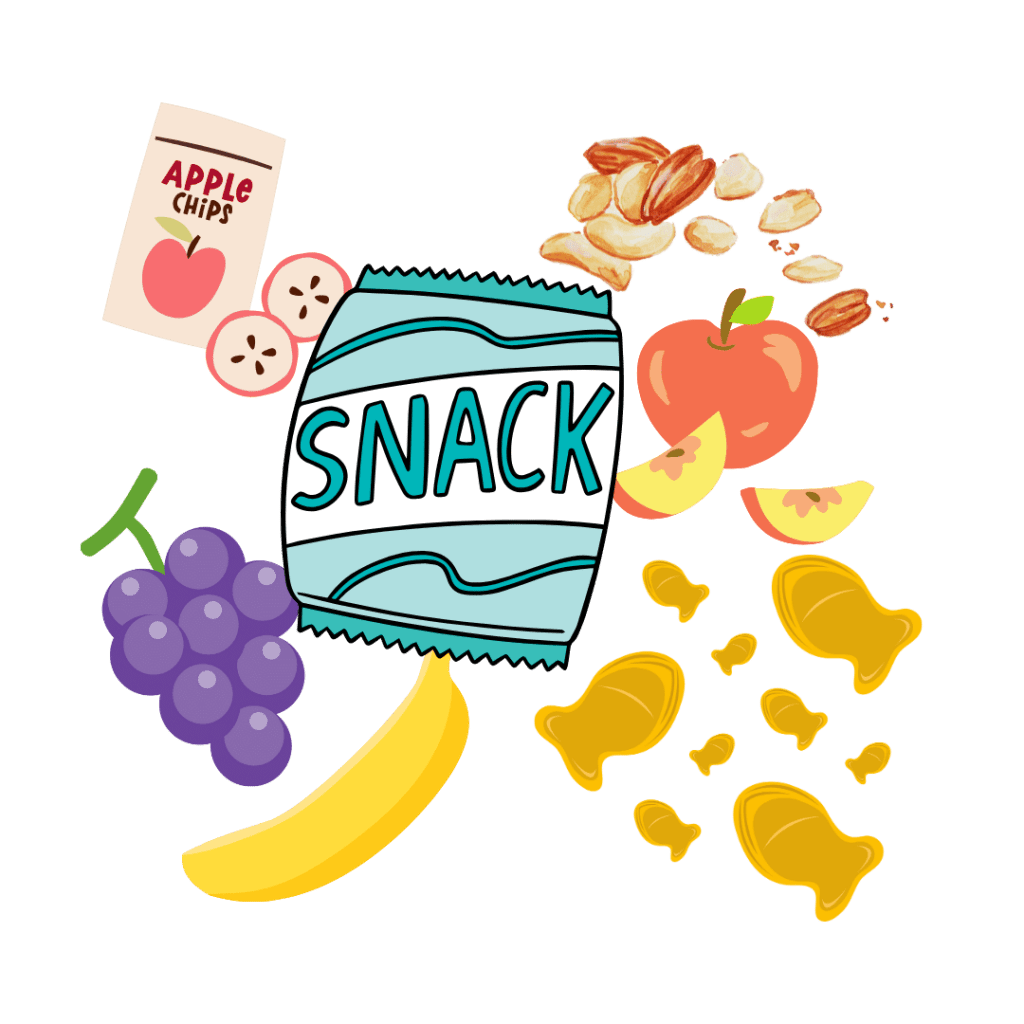
You’ve got a fridge full of kale and quinoa, but by the time you remember to eat, it’s too late and you’re face-first in a bag of chips. The solution? Embrace preemptive snacking. Keep healthy snacks at arm’s reach. Put nuts in your desk drawer, fruits on your bedside table, and protein bars in your car.
Quick Fix: Stock up on single-serving snack packs. Alternatively, block off a Sunday a week (or month depending on your needs) and make your own single use packs. I’ve been getting into couponing again and you if you can plan ahead (like with a handy dandy planner I’m selling in my shop, just saying)
You can’t forget to eat them if they’re practically begging you to.
Bonus: They’re perfect for your snack-on-the-go lifestyle.

2. The “What’s Cooking? Oh Look, a New Cat Video” Problem

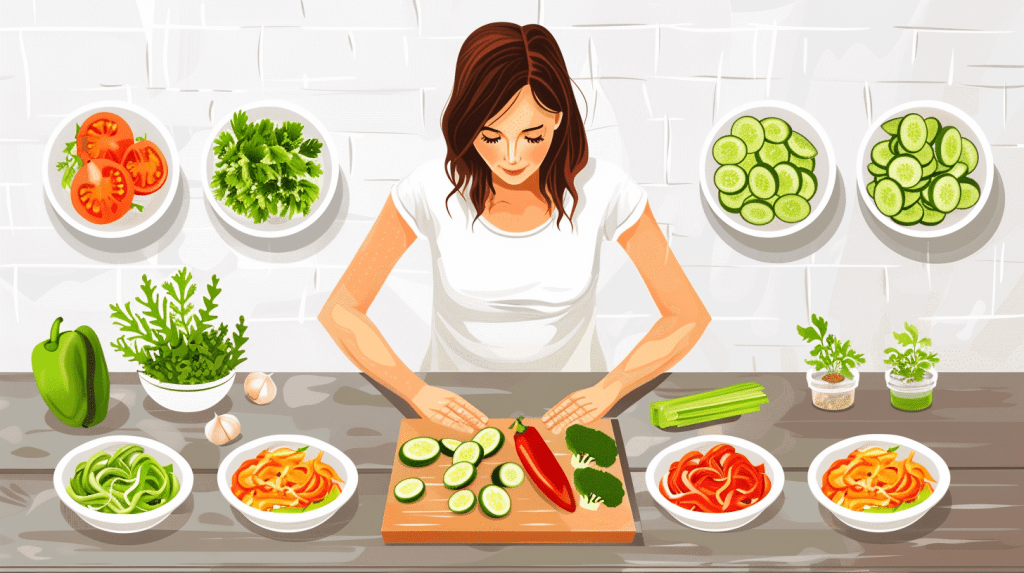
Planning and cooking meals can be as exciting as watching paint dry—unless that paint is a viral cat video. To combat this, try meal prepping like a boss. Channel your inner Food Network star and prepare meals in bulk. You’ll thank yourself later when you’ve got a week’s worth of meals ready to go.
Quick Fix: Find a meal prep buddy. If cooking isn’t your thing, delegate it to someone who loves it. Your job? Show up for the free food and the occasional, “I’m here to eat, not to cook.”

3. The “Healthy Food Is Too Complicated” Conundrum

We get it; kale is basically the poster child for ‘health food,’ but who has time to figure out what the heck a spiralizer is? Instead of getting bogged down by the latest food fads, stick to simple, nutritious foods. Go for things you can recognize as food without needing a Ph.D. to understand.
Quick Fix: Buy pre-chopped veggies and pre-cooked grains. Less fuss, fewer excuses. If you can’t mess up a pre-made salad, then it’s probably foolproof enough for you.

4. The “Too Many Choices, So I’ll Have Pizza” Dilemma

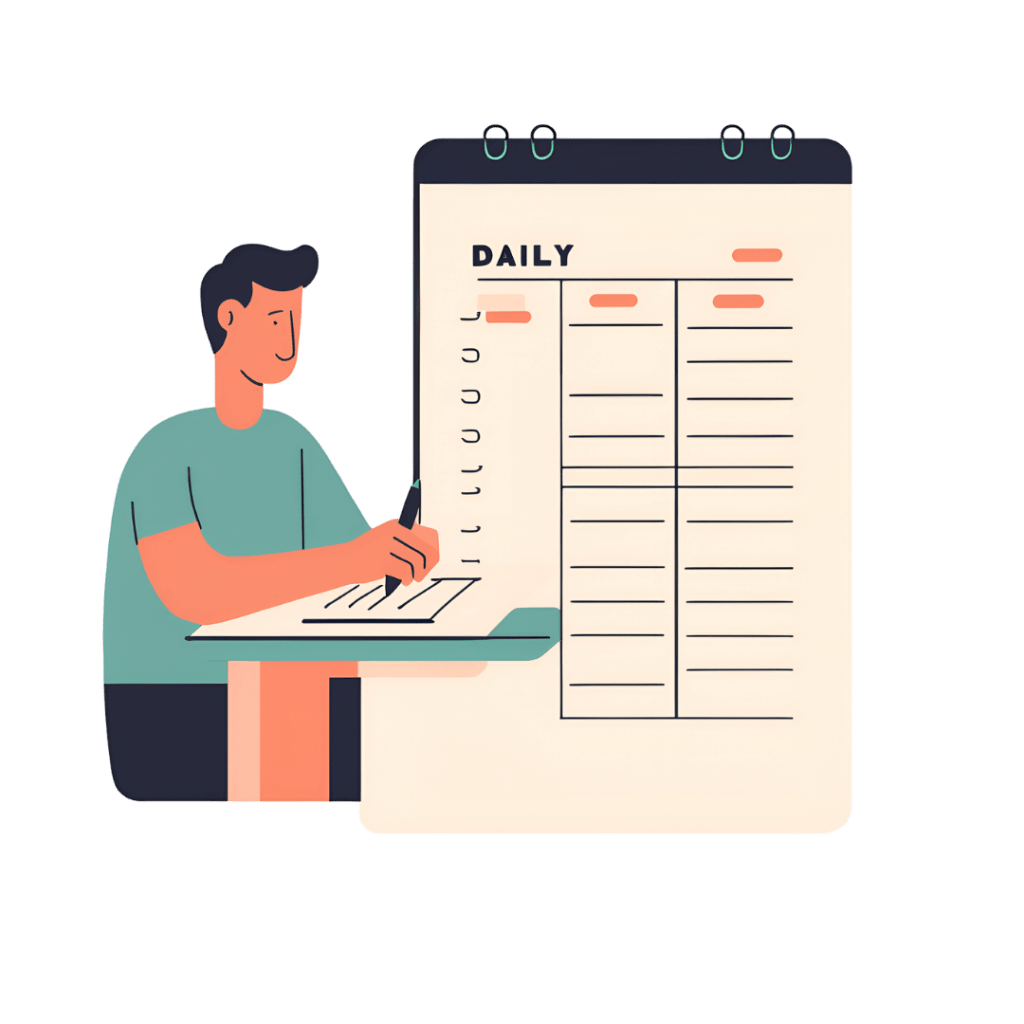
Decision fatigue is real. When faced with too many options, you might just end up ordering pizza because it’s the path of least resistance. Combat this by creating a weekly meal plan that you can stick to. Simplify your choices to a few go-to meals.
Quick Fix: Create a rotating meal schedule (and maybe invest in a planner… I might know where to find A good one 😉 ) . Think of it as a menu for your life. “Monday is stir-fry night; Tuesday is taco night.” Easy decisions, fewer meltdowns.

5. The “Grocery Store is an Overwhelming Gauntlet” Issue

Shopping for groceries can feel like you’re running an obstacle course designed by someone who hates you. To make it easier, stick to a shopping list and try to avoid the aisles that scream “Impulse Buy!”
Quick Fix: Use a grocery delivery service or curbside pick up. It’s like magic, but without the wand. Order online, and have everything you need delivered right to your doorstep. Just remember to actually check the box for “healthy options.”

6. The “Forget to Drink Water Until You’re a Raisin” Problem

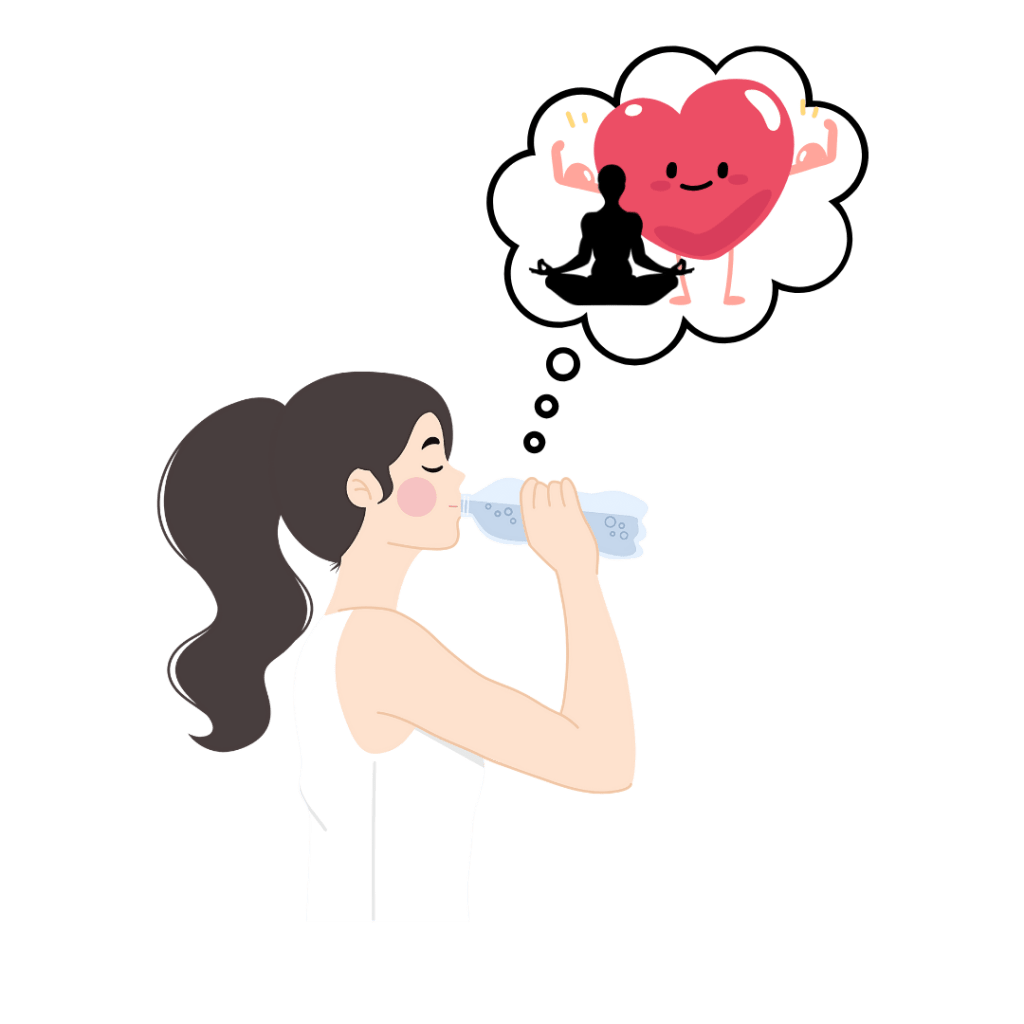
ADHD minds are like sieve-like sponges—absorbing everything but retaining nothing. You may forget to drink water until you’re dehydrated. Set up water reminders on your phone or use an app specifically designed to nag you about hydration.
Quick Fix: Get a water bottle with built-in reminders or a cute design that makes you actually want to drink from it. If it’s adorable, it’s harder to ignore.

So there you have it—an ADHD-friendly guide to managing your diet without losing your sanity. Remember, the key is to keep things simple and set yourself up for success. If you can’t make eating healthy a habit, at least make it easy enough that even your easily distracted brain can handle it. Make a game of it in your head, fixate on researching food and calories, turn your stubborn fixation into a strength, research the hell out of it and come up with a meal plan thats flexible yet still nutritious and doable. Now go forth, snack responsibly, and may your grocery trips be ever short and your meals ever delicious! Take care of yourself, and each other!