I walked into the kitchen and immediately forgot why. So I stood there. Just… stood there. Like maybe the answer would jump out and bite me in the ass. Sometimes it does. Other times I start spinning like a loading screen stuck at 3%, muttering to myself, “No. I came in here for a reason. We are not leaving until we figure it out.”
And then I see the dishes. Maybe that’s why I came in? No… but might as well do them, right? But the water jug needs filling first. So I fill that. If I’m going to do the dishes I should grab my cup. So I go to grab my cup — and by the time I get to my room, the real reason I went into the kitchen finally slaps me in the face. I spin around and race back in before I forget again… but it’s too late. Whatever it was is gone. I sigh. I fill my water. I forget the dishes. And the next time I look up, it’s lunchtime and I have nothing to show for my entire morning but frustration, a full water jug, and a brain that feels like it’s made of mashed potatoes.
You already know I’ve written about executive dysfunction — and this, my friends, is a prime example. Forgetting what you were doing in the middle of doing it? Classic brain chaos.
But the part that really gets me? The rage at myself afterward.
It’s not just forgetfulness. It’s that instant gut-punch of anger when I realize I’ve wasted another 30 minutes chasing my own tail around the kitchen like a confused Sims character. It’s looking up at the clock and realizing that despite all my effort, I have nothing to show for it. Again.
And I know — I know — this isn’t a moral failure. I’ve read the books. I’ve written the posts. But logic doesn’t stop that voice in my head from whisper-screaming:
“Why can’t you just remember one simple thing?”
📚 You’re Not Broken. You’re Wired Differently.
Here’s the thing: this is common for people living with ADHD, bipolar disorder, and fibromyalgia — especially when you’ve got more than one working against you. We’re out here trying to be productive while our brains are basically running Windows 95 during a thunderstorm.
Let me throw you some validation, science-style:
- A study in Psychiatry Research (2017) found that adults with ADHD often report intense frustration and self-directed anger after forgetful moments — especially when they’re trying to keep up with everyday tasks.
- Another study in Bipolar Disorders Journal (2020) confirmed that even between episodes, people with bipolar disorder experience ongoing memory lapses and cognitive fog, which can trigger shame and feelings of incompetence.
- Oh, and let’s not forget fibro fog, which isn’t just a cute nickname — it’s real cognitive dysfunction tied to chronic pain and fatigue. Researchers at the University of Michigan linked fibromyalgia with slower information processing, memory issues, and impaired attention — aka, the holy trifecta of “why am I like this?”
🧠 It’s Not a Lack of Effort — It’s a Lack of Mental Gas
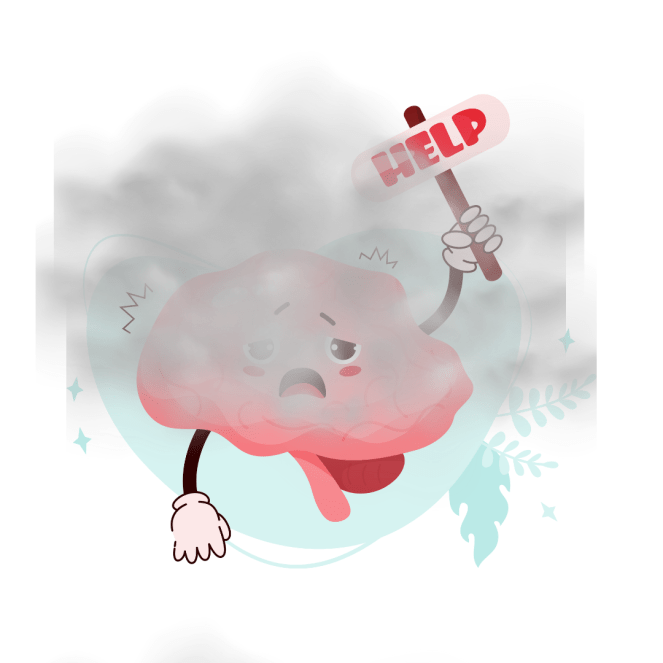
We aren’t failing because we’re lazy or not trying hard enough. We’re just running on fumes while carrying twenty invisible backpacks full of mental weight.
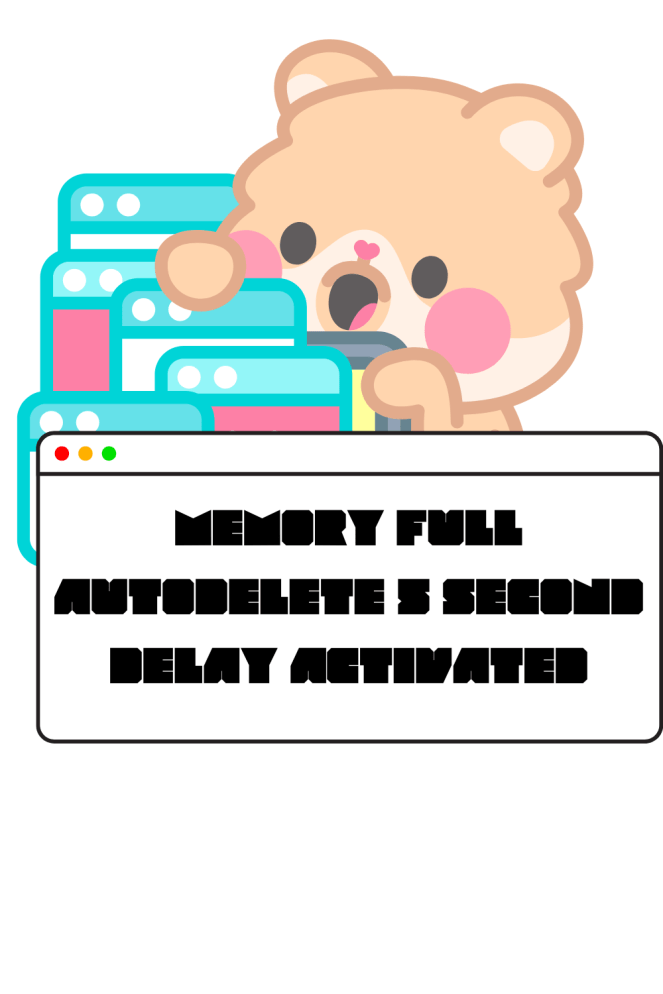
Sometimes we remember. Sometimes we don’t. Sometimes we get furious with ourselves for not being able to hold all the tabs open, even though the mental browser has clearly crashed and is asking us to send an error report.
And the worst part? We carry that anger all day. It builds. It compounds. It turns into guilt, then into a shutdown. That’s the cost no one sees — and too many of us pay it in silence.
When the Tabs Crash – How to Forgive Yourself for Having a Human Brain
So what do you do when your brain throws a blue screen of death during your breakfast routine?
You don’t white-knuckle it through the guilt spiral, that’s for damn sure. Here’s what I’ve learned (sometimes the hard way) that might actually help when your brain taps out mid-task:
🔁 1. Reboot, Don’t Rage
When you realize you’ve just lost 20 minutes chasing nothing, pause. Literally. Sit down. Sip your coffee. Give your brain a hot minute to defragment.
Say something to yourself like: “That was frustrating. But it’s not a character flaw. It’s a symptom.”
📝 2. Use External Memory — Sticky Notes Are Your Friends, Not an Admission of Failure
Put a dry erase board in the kitchen. Use a Sharpie on your hand. Talk to yourself out loud like you’re your own helpful assistant.
It’s not “cheating.” It’s adaptive. Athletes wear gear. We write shit down.
🧍♀️ 3. Anchor the Space
If you forget why you walked into the room, try narrating the space to yourself.
“I’m in the kitchen. Here’s the sink. I see the water jug. I hear the fridge.”
Sometimes giving your brain cues can help reset the context and recall the task.
🧠 4. Remember: Brains Use Energy. Yours Just Uses More.
You wouldn’t blame your phone for dying if you’d been using GPS, streaming music, and checking Instagram at the same time, right? You’d say, “Yeah, that makes sense.” Your brain is the same. ADHD, bipolar, fibro — they all eat cognitive battery life like candy.
💬 5. Talk Back to the Inner Bully
When that voice says “You’re useless,” respond with your voice:
“Nah. I’m just tired. My brain is tired. I’m still worthy. I’m still showing up.”
Even if you only showed up to stare into the fridge and forget what cheese was for a second — you still showed up.
💗 Final Words: You’re Not Alone. And You’re Not the Only One Forgetting Why You Opened the Fridge.
If you’ve ever felt like you’re the only person yelling at yourself in the middle of the day for forgetting why you walked into a room — you’re absolutely, 100% not.
And if you’ve been carrying that anger, thinking it means you’re weak or broken or lazy?
Let me tell you something:
You are doing Olympic-level thinking while carrying diagnoses and still remembering your kid’s snack preferences. You are doing fine. Better than fine.
Let the damn dishes wait. You’ve got enough on your plate. Til Next time guys, take care of yourselves, and each other.































 WannaBeNormal