Uncategorized

Hot Weather, No Problem: 2 Weeks of Summer Dinners That Wonโ€™t Heat Up Your House

Your August-friendly, spoonie-tested meal plan with recipes, reserves, and a grocery list that wonโ€™t make you sweat (literally or figuratively).

Because itโ€™s August. The sun is trying to kill us. I don’t know about you all, but I’m over this heat! Bring me sweater weather! And the idea of turning on the oven is borderline offensive while mother nature is giving us this 100+ degree nonsense.. But we still need to eat, right? So hereโ€™s a two-week dinner plan designed to save your spoons, your sanity, and your electric bill. I went a whole summer once with only using the crockpot. Lots of research went into it but it did help not having to run the oven, and limited running of the stove top. Youโ€™ll see strategic โ€œreserveโ€ nights for leftovers or backup meals, plus flexible recipes using what youโ€™ve already got.


๐Ÿฝ๏ธ Week 17 and 18 Menu (Crisis-Friendly and Summer-Approved)

Sunday:
๐ŸŽ‰ Out to Eat โ€“ Itโ€™s My Daughterโ€™s Birthday!
(If youโ€™re not celebrating someoneโ€™s life, I still give you full permission to skip cooking.)

Monday (Reserve Night):
Snack plate, leftovers, or a no-cook rescue meal

Tuesday:
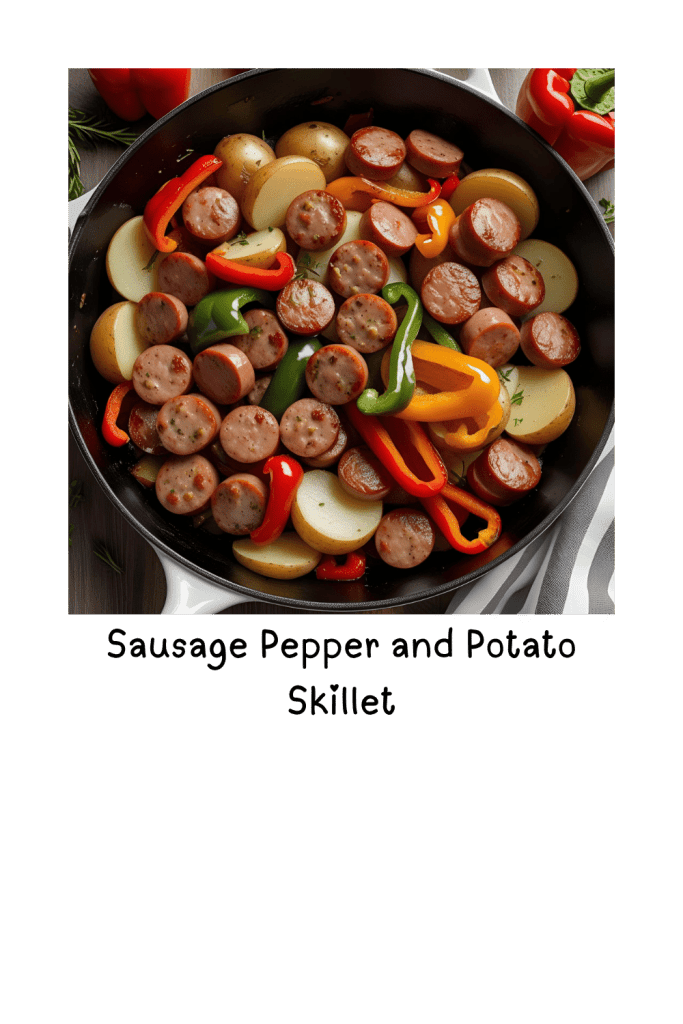
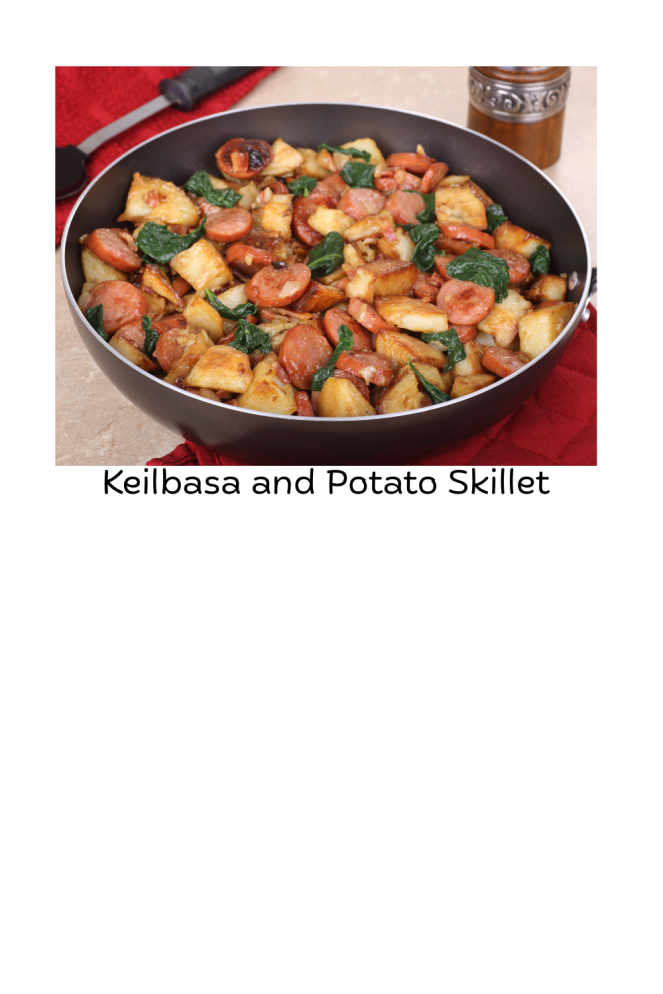
๐ŸŒญ Sausage, Peppers & Potatoes Skillet
โ†’ Just toss sausage slices, bell peppers, and diced potatoes into a skillet. Season with olive oil, garlic powder, salt, and pepper. Cook until golden and tender.

Wednesday (Reserve Night):
Use whatโ€™s left or pretend cheese and crackers is a full meal. (It is, hence lunchables exist.)

Thursday:
๐Ÿ Pasta with Meat Sauce
โ†’ Brown ground beef or sausage, stir in tomato sauce, garlic, onion, Italian seasoning. Serve over cooked pasta. Easy, satisfying, barely a sweat.

Friday (Reserve Night):
Whatever’s easiest. Pizza, wrap, cereal… judgment-free zone.

Saturday:
๐Ÿง„ Garlic Butter Chicken Bites with Rice + Green Beans
โ†’ Chicken breast cut into chunks, seared in garlic butter with herbs. Serve with rice (instant is fine!) and green beans, frozen or fresh.


๐Ÿฝ๏ธ Week 18 Menu (Low Heat, High Reward)

Sunday:
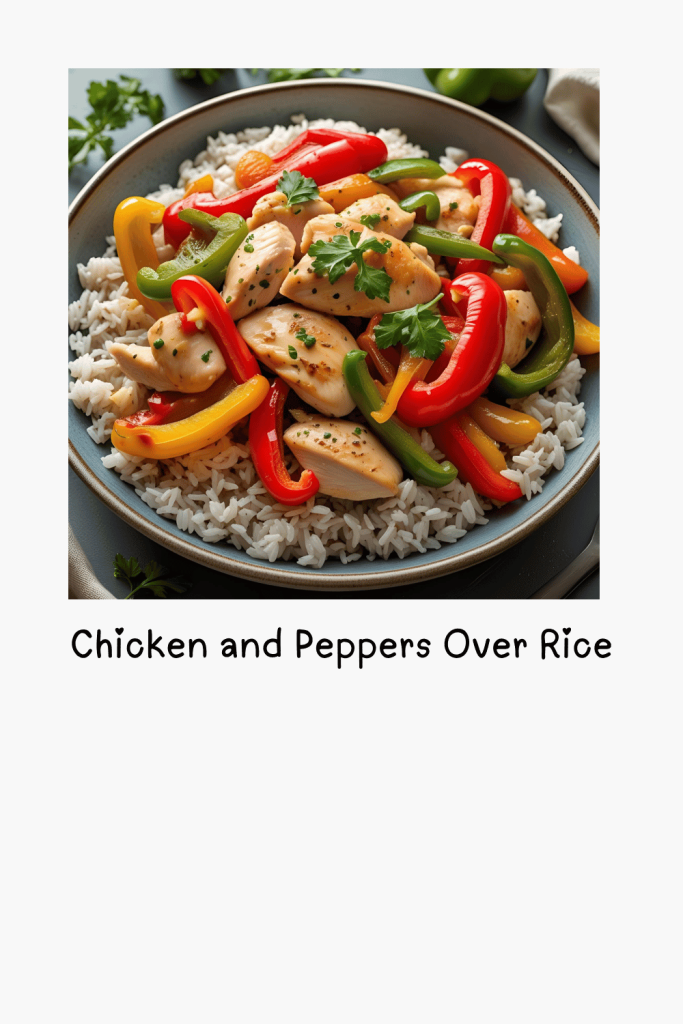
๐Ÿฅ˜ Crockpot Chicken & Peppers over Rice
โ†’ Chicken thighs or breasts + sliced peppers + garlic + a little broth and salsa in the crockpot for 4โ€“6 hrs. Serve over rice.

Monday (Reserve Night):
Dinner roulette: whatever shows up when you open the fridge.

Tuesday:
๐Ÿฅ” Loaded Potato Bowls (Dairy-Free)
โ†’ Roast or skillet-fry diced potatoes. Top with leftover chicken or sausage, green beans, onions, drizzle of olive oil + garlic salt.

Wednesday (Reserve Night):
No stress. Pull out leftovers or do DIY sandwich night.

Thursday:
๐Ÿ… One-Pot Garlic Herb Pasta
โ†’ Pasta, diced tomato, garlic, and herbs cooked in one pot with water or broth until creamy and tender. Olive oil instead of butter or cream. Done.

Friday (Reserve Night):
No cooking. Everyone fends for themselves. That’s self-care.

Saturday:
๐Ÿฒ Stovetop Chicken & Rice with Garlic Broth
โ†’ Chicken sautรฉed with garlic and onion, simmered in broth with rice until fluffy and flavorful. Comfort food without the oven.

๐Ÿง  Spoonie Tips for Sanity:

Reserves = You win at meal planning even when you donโ€™t cook.

Cook extra rice or pasta and use it again later.

Crockpot liners are your BFF.

Thats all I’ve got for you today folks, just over here trying not to melt lol. Til next time, take care of yourselves, and each other.

Uncategorized

The PTSD Plot Twist: How Nearly Dying Made Living Feel Impossible

The unexpected psychological aftermath of medical trauma that nobody warns you about.

You’d think that surviving something as dramatic as your heart stopping would make you grateful for every breath, right? That’s what everyone assumes. Thatโ€™s what I assumed. But here’s the plot twist nobody talks about: sometimes surviving the unsurvivable doesn’t make you appreciate life moreโ€”it makes living feel impossibly dangerous.

Welcome to the mind-bending world of medical trauma PTSD, where your brain decides that since you almost died once, you’re probably about to die again. Any minute now. Maybe even right now while you’re reading this.

The Science Behind the Psychological Sucker Punch

Hereโ€™s what the research says about cardiac arrest survivors that no one mentioned in the hospital discharge paperwork: the prevalence of PTSD among us is high. Like, surprisingly high. Studies vary, but they all agree itโ€™s not just a few people who “canโ€™t handle it.”

Even worse? PTSD in cardiac arrest survivors is linked to a significantly higher risk of another heart event or death within a year. So, while your brain is tormenting you with the idea that you’re going to die… that very torment might actually make you more likely to die.

It’s psychological Russian roulette, designed by a trauma specialist with a PhD in irony.

When I first woke up, I was full of gratitude. My brain was too busy relearning how to walk and do basic things to spiral about what almost happened. But once the dust settled? Thatโ€™s when the fear moved in.

The Hypervigilance Trap: When Your Body Becomes the Threat

Hypervigilance means constantly scanning your surroundings for danger. But when the danger came from inside your own body, where exactly are you supposed to feel safe?

Every chest flutter is a heart attack. Every dizzy spell is a stroke. And donโ€™t even get me started on tracking your own breathing. Your body becomes a 24/7 threat detection system, and youโ€™re the one being surveilled.

I drink water like itโ€™s a competition. I got a fitness tracker. I monitor every symptom: is that back pain from fibro, chronic kidney disease, or something more sinister? Often, Iโ€™ve just pulled a muscle from existing too hardโ€”but my brain doesnโ€™t buy that.

The Symptoms No One Prepares You For

We all know PTSD comes with flashbacks, nightmares, and anxiety. But medical PTSD has some bonus round features:

  • Medical Setting Panic: The sound of a heart monitor beep? Instant terror.
  • Body Betrayal Complex: Your once-trusty body now feels like a traitor.
  • Gratitude Guilt: Youโ€™re supposed to feel thankful, but mostly you feel terrified. Then you feel guilty about not feeling thankful. It’s like emotional inception.
  • Hypervigilant Exhaustion: Your body never relaxes, so your muscles never heal. Which means you always hurt. Which means your mood crashes. And the cycle repeats.

When I close my eyes, I don’t see calm or rest. I see regret. Unfinished business. Conversations I didnโ€™t have. My muscles are always clenched. If Iโ€™m always hurting, Iโ€™m always depressedโ€”and if Iโ€™m depressed, Iโ€™m even more tense. Rinse and repeat.

When Existing Conditions Complicate the Picture

If you already had health issues, medical trauma PTSD is like throwing a grenade into a house of cards. For me, fibromyalgia, ADHD, and bipolar disorder were already hard enough. Add PTSD?

  • ADHD + Hypervigilance = Brain ping-pong with a side of dread.
  • Bipolar + Trauma = Racing thoughts that might be mania or might be panic. Who knows?
  • Fibro + PTSD = Every ache becomes a “what if.”

The Irony of Fighting Fear While Pretending You Arenโ€™t

The most exhausting part? You know it sounds ridiculous. You know your stats. You know not every chest tightness is a heart attack. But logic doesnโ€™t matter. PTSD doesnโ€™t speak statistics.

So youโ€™re fighting fear with one hand while pretending to be okay with the other. Panic attack on the inside, small talk on the outside.

The Treatment Nobody Mentions

Hereโ€™s a shred of hope: studies show mindfulness-based therapy can actually help cardiac arrest survivors manage PTSD. Itโ€™s not one-size-fits-all, but itโ€™s a start.

The problem is, most doctors donโ€™t screen for PTSD after a medical event. Theyโ€™re focused on your physical recovery. The emotional wreckage? Not on the chart.

Living in the Plot Twist

Some days, I can go hours without mentally scanning every inch of my body. Other days, itโ€™s like I have ESPN for doom.

The real twist? Surviving doesnโ€™t always make you feel grateful. It can make you feel fragile. And maybe that’s okay.

Maybe we donโ€™t need to bounce back stronger. Maybe we just need to keep going, scared or not. Thatโ€™s resilience too.

The Ongoing Experiment

Every day, I try to live without panicking about living. Some days I fail. Some days I donโ€™t. But Iโ€™m still here. Still experimenting. Still trying. Til next time gang, you’re not alone, take care of yourselves, and each other!

If you’re navigating this too, you’re not broken. You’re not being dramatic. You’re surviving something nobody talks about.


Sources:

  1. Columbia University Department of Psychiatry โ€“ Mindfulness-based Therapy for Cardiac Arrest Survivors
  2. PubMed โ€“ PTSD in Cardiac Arrest Survivors
  3. American Heart Association โ€“ Psychological Impact of Cardiac Arrest
  4. Cleveland Clinic โ€“ PTSD Symptoms and Treatment
  5. Mayo Clinic โ€“ PTSD Causes and Risk Factors
  6. Bay Area CBT Center โ€“ Understanding Hypervigilance
  7. Balanced Awakening โ€“ Hypervigilance and Trauma
Uncategorized

What Rest Feels Like When Youโ€™re Used to Being in Crisis

Rest is weird.

Letโ€™s just start there. Because when your baseline is fight-or-flight, freeze-or-fawn, dissociate-or-die-tryingโ€ฆ “rest” doesnโ€™t always feel peaceful. Sometimes it feels like guilt. Or like you’re forgetting something. Like you’re doing life wrong.

If you’ve lived in survival mode for months or yearsโ€”or foreverโ€”itโ€™s not just that you donโ€™t rest. Itโ€™s that youโ€™ve forgotten what real rest is supposed to feel like.

1. Rest Feels Like Uncertainty at First

The first few minutes of trying to rest when youโ€™re used to chaos? Horrible. It’s like the world got too quiet and suddenly your brain is staging a protest:

  • โ€œShouldnโ€™t you be doing something right now?โ€
  • โ€œIs the other shoe about to drop?โ€
  • โ€œAre you being lazy or just conveniently forgetful?โ€

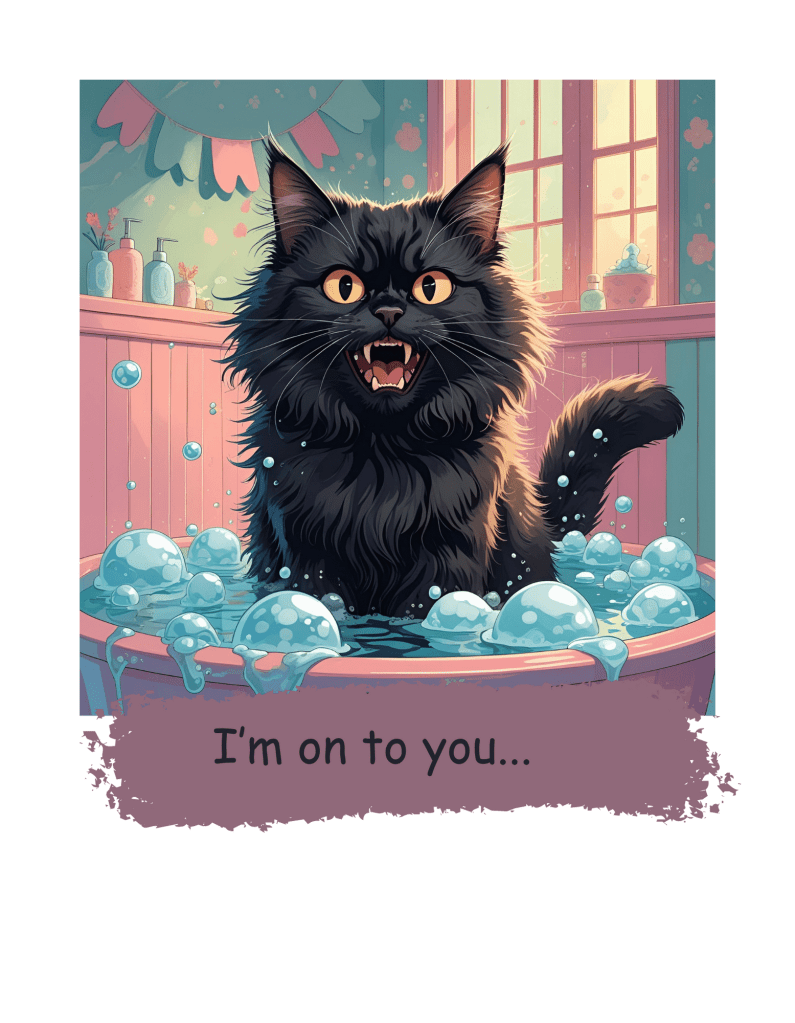
I have terrible self talk and my therapist always has me ‘reframe’ things. Turns out, your nervous system isnโ€™t sure what to do when it isnโ€™t in go-go-go mode. It gets twitchy. Suspicious. Like a cat in a bathtub.

2. Rest Can Look Lazy When Itโ€™s Actually Life-Saving

Rest isnโ€™t always bubble baths and soft jazz. Sometimes rest looks like staring at the ceiling, numb and unmoving, because thatโ€™s all your body can manage. And that counts. Especially when youโ€™re healing.

Some people take naps. Sometimes I can but I keep naps under an hour if exhaustion hits.
Othersโ€ฆ collapse. I’ve done that. I’ve driven cross country 21 hours and legitimately passed out cold. I was apparently parked in front my aunt’s neighbors tennant’s garage and they banged on the window, clearly seeing me sleeping on the couch and not hearing them. LOL They thought I was dead,

Same nervous system need, just wearing different outfits.

3. Rest Doesnโ€™t Mean Everything Is Fixed

Hereโ€™s the kicker: you can be exhausted and doing nothing. Thatโ€™s not failure. Thatโ€™s biology catching up.

Rest doesnโ€™t mean youโ€™re healed, fixed, or suddenly energetic. Though it helps when the goal is reached. Sometimes itโ€™s just the space between breakdowns. And thatโ€™s okay. Thatโ€™s real. Thatโ€™s progress, even if it doesnโ€™t sparkle.

4. Rest Can Feel Like Withdrawal

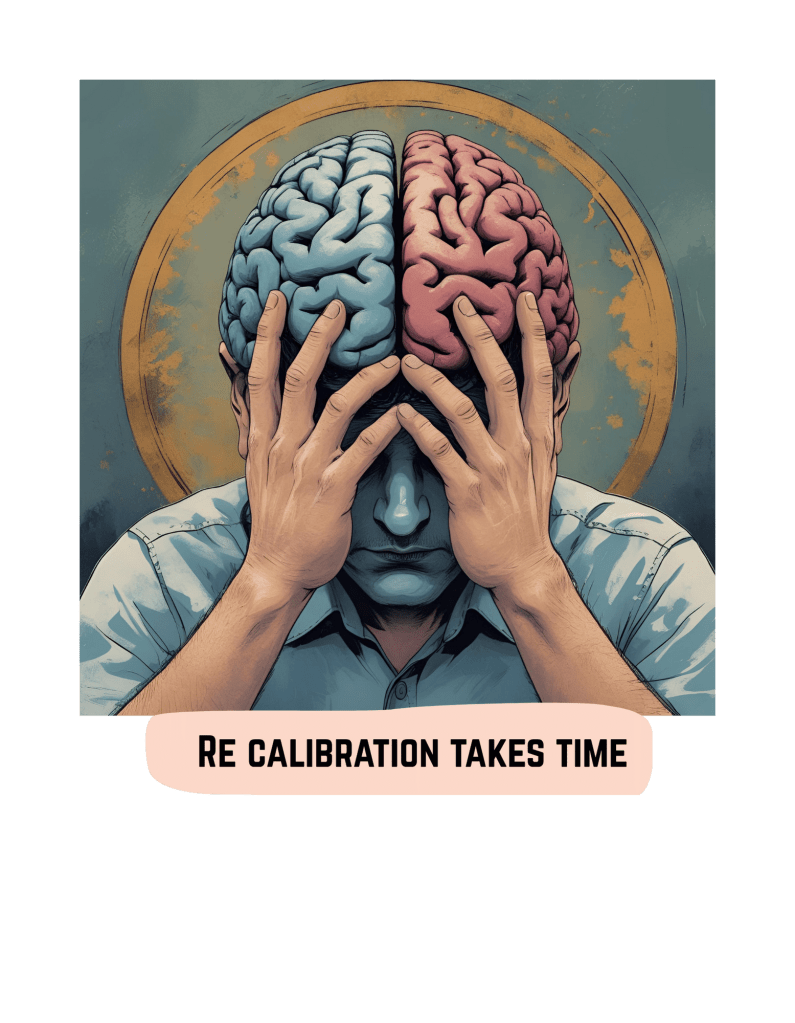
When adrenaline has been your main fuel source, rest can feel like crashing after a sugar binge. You may feel down, irritable, even achey. Youโ€™re not broken. Your brainโ€™s just recalibrating. Imagine detoxing from chaos. Thatโ€™s what this is. Detoxing from adrenaline.

5. You Might Feel Worthless While Restingโ€”But You’re Not

This one cuts deep: โ€œIf Iโ€™m not producing, Iโ€™m not valuable.โ€ Sound familiar?

Thatโ€™s a trauma belief, not a truth. My eyes were opened with this little nugget, my therapist was the one who started it, and I did believe no one cared about me unless I did things for them, even though I love people without calculating what they can do for me, my brain was hard-wired to tell me I was worthless and I STILL have more days I believe the bad over the good about myself. Curious to see how many of you guys have felt that way too.

We live in a society that measures worth by productivity, but healing means learning your value exists even when youโ€™re still. Even when youโ€™re not doing. You donโ€™t have to earn your rest. You deserve it because you’re human and thats hard enough.


So How Do You Learn to Feel Rest?

Gently. And over time.

Here are a few ways to start:

  • Name it. Tell yourself, โ€œI am resting right now,โ€ even if it feels like loafing.
  • Track your thoughts. Notice when guilt or shame show up. Are they old scripts? Keep a journal by your bed and write whats bothering you down before you lay down so you know you can work on it tomorrow.
  • Set tiny rest rituals. One song. One stretch. One sit on the porch. Practice. One little thing, whatever it is, that gets your mind to stop spinning and rest.
  • Celebrate doing less. Rest is not a reward. It’s a requirement. Its hard NOT to reward ourselves with rest, thats why we have to re-frame our thoughts how we talk to ourselves.

Final Thought: If Youโ€™ve Been in Crisis, You Deserve to Feel Safe in Stillness

Thatโ€™s the hard partโ€”retraining your body and brain to trust quiet moments. But you can. One awkward attempt at a time. Youโ€™re not failing when rest feels weird. Youโ€™re rewiring. Thatโ€™s brave work.

And if no oneโ€™s told you lately: youโ€™re doing a damn good job surviving. Now, letโ€™s practice what it means to actually live. It feels like all I’ve done my adult life is to go from surviving one thing to surviving the next, I’m going to try and make more time to look around and enjoy the in between. I’ll keep you posted. If anyone has any tips to help with rest be kind and share it with the class. Til next time gang, take care of yourselves, and each other!

Uncategorized

Things I Forgave Myself For This Week

Some weeks you crush goals.
Some weeks you just survive with your dignity slightly intact.
This week? I did a little of both, and Iโ€™m not dragging myself for the rest. I’m not. Ok, I am TRYING not to lol. I looked up all these things so we know, this happens to alot of us.

Hereโ€™s what Iโ€™m letting go of:

Eating crackers for dinner.
It was beige. It was crunchy. It was all I had in me. I know its not nutritional, but I put peanut butter on them, that counts right?

People with chronic pain or fatigue often struggle with meal prep. One study found that when we remove the guilt, weโ€™re more likely to eat again tomorrowโ€”and better. (Neff, 2003)

 Snapping at a stranger when I was overstimulated.
Was it my finest moment? No. But was it the end of the world? Also no.

Emotional dysregulation is common in both ADHD and bipolar. Reframe the moment to be more valuable than perfection. Modeling apology actually builds trust.ย (Siegel & Bryson, 2011)

Crying over a tv personality retiring.
But who will give me the news everyday at 6? I won’t be able to get the exact same news and information from the person they already filled the position with.

Not cleaning up the kitchen. Or the bathroom. Or basically anything.
The mess wasnโ€™t going anywhere. The mess NEVER goes anywhere, its relentless. Unfortunately, my energy very much goes away lol.

Fatigue from chronic illness isnโ€™t laziness. Research shows that pacing (doing less on purpose) leads toย moreย consistent function long-term.ย (Nielson et al., 2013)

Skipping my meds one day, even though I knew better.
I forgot. Thatโ€™s it. Thatโ€™s the reason.

People with ADHD and mood disorders often struggle with medication consistency. Shame spirals make it worse. Compassion-based routines improve long-term adherence.ย (Safren et al., 2005)

Needing space from literally everyone.
Even the people I like. Especially them. Even the cats.

Sensory overload and mental fatigue demand recovery time. Boundaries arenโ€™t selfishโ€”theyโ€™re how we stay functional.ย (Brown, 2019)

 Wishing I had a different body.
This one feels broken. I still have to live here. Down to the tip of my hair I want everything new. Or I’ll take recycled, I shop at thrift stores

Body grief is real in chronic illness. Acceptance doesnโ€™t mean joyโ€”it just means recognizing pain without adding shame to it.ย (Cash & Pruzinsky, 2002)

Wanting to give up.
But I didnโ€™t. I just wanted to. And that counts.

Suicidal ideation and burnout can flare in depression or mania recovery. Naming those moments gives you back control. Itโ€™s a signalโ€”not a verdict. I’m trying my best to make the most positive of that signal that I possibly can.ย (Linehan, 1993)

๐Ÿ’ฌ Final Thought:

If this list hits home, maybe you need to make one of your own.

Forgive the little stuff.
Forgive the big stuff.
Forgive the you thatโ€™s still trying, even if it doesnโ€™t look like much from the outside.

Youโ€™re not weak. Youโ€™re wicked strong for feeling this much and still showing up. Til next time gang. Take care of yourselves, and each other!

Uncategorized

What I Wish People Knew About Parenting With a Body That Doesnโ€™t Cooperate

(AKA: This body is glitchy, but the kids still need lunch.)

Most days, Iโ€™m parenting from a horizontal position โ€” on the couch, in the bed, or emotionally face-down in a bowl of cereal. And no, itโ€™s not because Iโ€™m lazy. Itโ€™s because my body and brain donโ€™t always play nice. Parenting with chronic illness (and some extra mental health sprinkles) isnโ€™t just a different experience โ€” itโ€™s an entirely different reality.

But unless youโ€™re in it, itโ€™s hard to truly understand. So letโ€™s talk about it.


First of all, letโ€™s acknowledge the facts.

  • Parenting is exhausting for anyone, but for people with chronic illnesses like fibromyalgia, arthritis, lupus, or conditions like bipolar disorder and ADHD, itโ€™s a next-level endurance test.
  • A 2019 study published in Health Psychology Open found that parents with chronic pain often experience higher levels of stress, fatigue, and feelings of guilt, especially when they canโ€™t physically engage the way they want to.
  • Many of us deal with โ€œinvisible disabilitiesโ€, which means the world still expects us to perform like weโ€™re running at 100%… when weโ€™re often at 37% and glitching.

Hereโ€™s what chronic parenting really looks like:

  • Iโ€™ve prepped lunch while sitting on a stool, with my heating pad strapped to my back and a migraine drilling behind my eyes.
  • Iโ€™ve cheered from the car at events because walking across a field was out of the question that day.
  • Iโ€™ve been too tired to parent, but parented anyway because these tiny humans donโ€™t come with a pause button.

My kids not only did school things, they did extra curricular things that I’d try and cheer them on for, and maybe the hardest part of that was to remember even in my discomfort my kids are forming memories and I really feel like the most important thing is showing up. The kids see your effort (or they will at some point) and I think its also a good lesson to teach them if its important, you find a way.


๐Ÿงฐ The skill set no one talks about

Sure, I canโ€™t chase my kid around the park like some parents, but Iโ€™ve got other skills that are just as powerful:

  • Empathy: I notice when my kid is struggling, even when they donโ€™t say it. Thatโ€™s the emotional fluency that comes from living in survival mode.
  • Creative problem solving: If youโ€™ve ever turned a laundry basket into a mobile toy bin so you donโ€™t have to get up? You qualify. Incidentally get a grabber. I didnt have one until I had to be creative after my hip replacement, the grabber is a life saver for so simple it was honestly life changing lol.
  • Prioritizing rest over perfection: Iโ€™ve learned that being present matters more than doing it all. Show up even if it means napping.
  • Teaching independence: Out of necessity, my kids know how to microwave their snacks and fold their laundry. Thatโ€™s not failure โ€” itโ€™s life skills.

    I’ve learned even in not being able to do things I’m teaching them to try, when faced with a choice of giving up or maybe altering something just enough to make it the right fit for you.

๐Ÿ˜ž The guilt is real. So is the resilience.

It hurts when I have to say no because my joints are angry or my brain is on fire. I hate the days when I feel like a spectator instead of a participant. And sometimes I worry about the memories my kids will hold โ€” will they remember the things I couldnโ€™t do?

But then they crawl into bed with me and asking ‘snuggle me in?’ and I realize they donโ€™t see my limits the way I do. They see love, even on the hard days. Or the youngest one does, I don’t speak for the older two. There were days I didnt show up for them and I regret it. That being said, life only goes in one direction. You’ve got to keep walking with it adjusting as you go.


๐Ÿ’ฌ What I want you to know

If youโ€™re not parenting through chronic illness, hereโ€™s what helps:

  • Donโ€™t offer unsolicited advice unless youโ€™re also offering childcare or dinner.
  • Donโ€™t assume weโ€™re fine because we look okay for five minutes.
  • Ask how weโ€™re really doing, and mean it.
  • Celebrate the small wins with us โ€” like getting everyone dressed and vaguely fed before noon.

๐Ÿ’› And if you are one of usโ€ฆ

Parenting with a glitchy body, a misfiring brain, or both? Youโ€™re not alone. You’re not broken. And your kids donโ€™t need perfect โ€” they need you.

Even if todayโ€™s victory is frozen waffles and letting the screen time run wild while you rest? That counts.

Youโ€™re doing enough. More than enough.


Want to connect with more parents who get it?
๐Ÿ‘‰ https://www.pinterest.com/wannabenormal/
or visit my etsy shop https://www.etsy.com/shop/JoknowsCreations
๐Ÿ“Œ Share this post to remind another spoonie mama sheโ€™s not alone.
Til next time gang. Take care of yourselves, and each other!!!

Uncategorized

Lessons from a Neurospicy Household

(Or: Things Iโ€™ve Learned the Hard Way and Now Pass Off as Wisdom)

1๏ธโƒฃ If you open the dishwasher to โ€œjust add one thing,โ€ congratulations. You now live here.
Ownership transfers upon entry. If you can’t fill it, go check your room. I know you dont eat in there as a general rule but go look and see if the random missing spoon is hanging out with the stray socks in their hideout.

2๏ธโƒฃ โ€œWeโ€™ll deal with it laterโ€ is a valid strategy until further notice.
No one said when later is. Legally, youโ€™re covered. Until 5 pm when all the things you were going to do catch up and your teenager is asking why something isnt done to their exacting standards.

3๏ธโƒฃ Matching socks are a social construct.
As are bedtimes, sanity, and tidy junk drawers. For socks, maybe track some other missing stuff (like the spoon from before), I swear theres a Narnia or hiding dimension.

4๏ธโƒฃ No one has ever truly recovered from stepping on a rogue Lego.
We carry these wounds in silence. And orthopedic inserts. My kitty in the sky Bonkers used to sleep on them, a full bucket without the lid, weirdo. Miss you little dude but thanks for sending me Fryday who amuses me endlessly, but I still miss you!

5๏ธโƒฃ If you set something down โ€˜just for a second,โ€™ itโ€™s gone forever.
Gone to the shadow realm. Gone where keys and pens go to die. See narnia, also with socks and spoons. And the tupperware lids vs tupperware ratio is always uneven so I blame them too.

6๏ธโƒฃ Your brain will retain the lyrics to a 1997 boy band hit but not why you walked into the room.
Priorities. We donโ€™t make the rules. Its tearing up my heart that you don’t ‘remember the time’ you walked into a room and left with exactly what you walked in there for but honestly ‘bye bye bye’ to that dream because honestly we’re ‘never gonna get it no never gonna get it’

7๏ธโƒฃ Snacks are sacred.
Do not touch anotherโ€™s designated snack without first drafting a formal agreement and receiving notarized consent. I think it sucks so much worse when you crave a texture and have no food with that texture available. Like I hate it when I bring home fresh baked goods because I can only eat one every few days or I forget its there. I MIGHT get one. Vultures.

8๏ธโƒฃ If the ADHD person in your house starts cleaning, DO NOT INTERRUPT.
Youโ€™re witnessing a natural phenomenon rarer than a solar eclipse. Often whats good is pulling up a rag and joining them, not that you need to do any of the cleaning, they’ll do it but they will do it alot faster if you join them.

9๏ธโƒฃ We donโ€™t do โ€˜normalโ€™ here.
We tried. It was exhausting. Weird is cheaper and fits better. I have discussed this at length, I know the name is deceiving because I love being weird and don’t want any part of me normal lol. There was a time I did strive to an impossibly high level too. That me burned herself out a decade ago.

๐Ÿ”Ÿ The motto remains: Lower the bar, keep the vibe.
Survival with style. Thatโ€™s the goal. Often its just survival.


Closing Thought:

Some houses run on routine, others run on vibes and caffeine.
Guess which one we are. Til next time gang, take care of yourselves, and each other!

Uncategorized

Survival and Sanity Reserve-Based Meal Plan: Weeks [Insert Numbers Because I Lost Track LOL]

(its 15&16 I did go back and look)]

Chronic Illness Friendly โ€ข ADHD Approved โ€ข Neurospicy Tested

Welcome back to another two weeks of me pretending Iโ€™ve got it together. I do not in fact, have ANYTHING together and this week has taxed my brain so much I am ready to not have to make the dinner decisions for a few more weeks. Does this work for you guys? I have found I am spending less on groceries. (Thanks for the tips about my low spoon days btw!) This is how I keep myself from crying into a crumpled DoorDash receipt: six planned dinners that donโ€™t require Michelin star skills, plus reserve meals to fill in the gaps when Iโ€™m too tired, too sore, or too done with everyoneโ€™s nonsense to cook.


Hereโ€™s what Iโ€™ve got for you:
A 2-week plan.
Six home-cooked meals.
Eight โ€œreserveโ€ meals pulled from pantry, freezer, or leftovers.
A printable grocery list.
Recipes that donโ€™t require you to pretend youโ€™re a Food Network star.

Because some days youโ€™re Julia Child. Some days youโ€™re just a tired gremlin trying to survive until bedtime.


The Lineup: What Weโ€™re Cooking

Cook Days (3-4x per week)

These are meals youโ€™ll actually make with fresh-ish ingredients and some degree of effort.

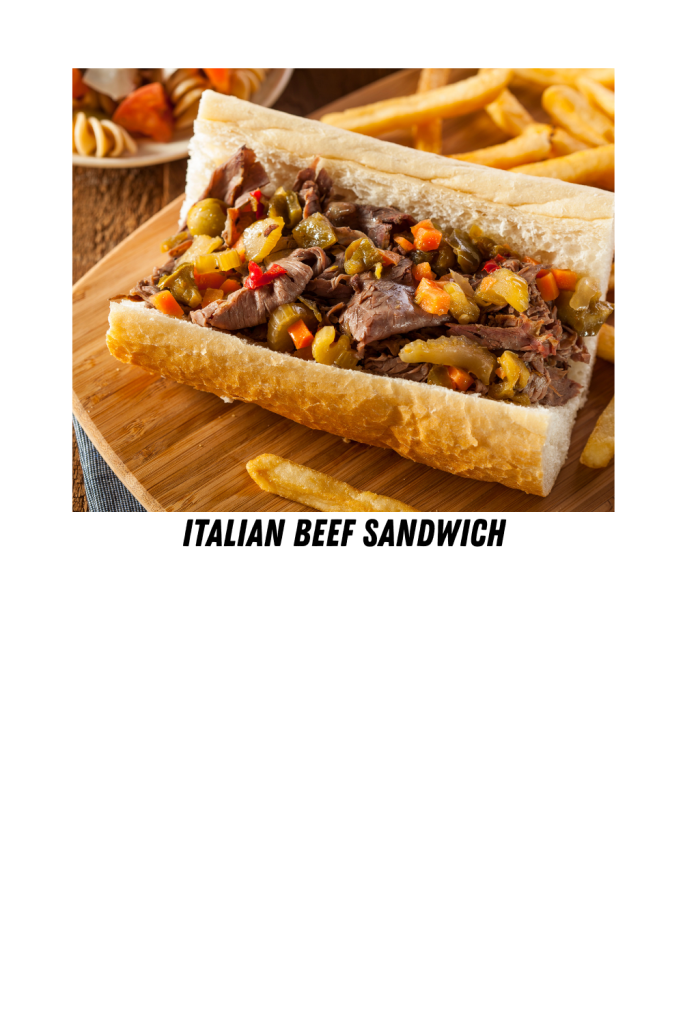
1๏ธโƒฃ Slow Cooker Italian Beef Sandwiches

Juicy chuck roast, spicy giardiniera, hoagie rolls. Perfect for people who forgot to plan dinner but did remember how to dump things into a crockpot.

2๏ธโƒฃ Honey Garlic Chicken Thighs (Stovetop)

Savory-sweet chicken served with rice and frozen stir-fry veggies. Quick. Easy. Tastes like you tried.

3๏ธโƒฃ Garlic Butter Chicken Bites (Skillet)

Pan-fried happiness in butter and garlic, paired with green beans and potatoes (microwave or skillet โ€” you do you).

4๏ธโƒฃ Smothered Chicken & Rice Bake

One pan. Chicken thighs. Rice. Cream-of-something soup. Zero regrets.

5๏ธโƒฃ Kielbasa & Potato Skillet

Hearty, fast, requires almost no brain cells. Bonus points if you add onions.

6๏ธโƒฃ Baked Pasta

Cheesy, saucy, optionally beefy. Feeds a crowd or just you for three days.


Reserve Days (4-5x per week)

These are your โ€œI cannot evenโ€ days. Pantry, freezer, leftovers, and minimal thought required.
BBQ Chicken Sandwiches (reserve buns, chips, pickles)

Chicken Fried Rice (leftover rice, frozen veggies, quick stir-fry)

Leftovers (Italian Beef, Kielbasa, Pasta)

Frozen pizza

Pantry pasta + jar sauce

Breakfast-for-dinner (pancakes, eggs, cereal, whoโ€™s judging?)kles)

Chicken Fried Rice (leftover rice, frozen veggies, quick stir-fry)

Leftovers (Italian Beef, Kielbasa, Pasta)

Frozen pizza

Pantry pasta + jar sauce

  • BBQ Chicken Sandwiches (reserve buns, pulled chicken)
  • Chicken Fried Rice (rice + strips + frozen veg)
  • Leftover Italian Beef
  • Kielbasa & Potatoes leftovers
  • Frozen pizza
  • Pantry pasta + jar sauce
  • Freezer sandwiches
  • Breakfast for dinner (eggs, toast, sausage)

๐ŸŽฏ Why This Works (For Me, Maybe You Too)

Youโ€™re not overspending on groceries youโ€™re too tired to cook.

Youโ€™re only cooking 3-4x a week.

Youโ€™ve got backup meals in reserve.

Youโ€™re not reinventing the wheel every night.

You get to stop asking, โ€œWhatโ€™s for dinner?โ€
Thats all I got today guys, til next time, take care of yourselves, and each other!

Uncategorized

Beyond Basic Spoon Theory: Strategic Energy Management for Complex Parenting

When your energy comes with an expiration date, every choice becomes strategic.

We all know spoon theory. But letโ€™s be realโ€”most of the advice assumes youโ€™re managing your energy for your own activities. What happens when you canโ€™t just โ€œrest when you need toโ€ because someone else depends on you for dinner, rides, and emotional regulation? When your autistic teenager needs consistency but your fibromyalgia is flaring? When your ADHD brain forgot to save energy for the evening routine, but bedtime still has to happen?

Iโ€™m not trying to be a saint hereโ€”Iโ€™m trying to survive until bedtime without completely falling apart. And that requires a different kind of energy strategy than the basic spoon theory tutorials assume.


The Complex Reality: When Multiple Conditions Collide

These are my dancin spoons

Hereโ€™s what the basic spoon theory explanations miss:
When youโ€™re managing fibromyalgia, ADHD, and bipolar disorder simultaneously, your spoons arenโ€™t just limitedโ€”theyโ€™re unpredictable.

My ADHD brain might hyperfocus and blow through six spoons organizing one closet. A bipolar mood shift can drain spoons faster than a phone with a cracked screen drains battery. And fibromyalgia? Itโ€™s like having a fluctuating baseline that changes without warning.

Add parenting an autistic teenager to the mix, and youโ€™re not just managing your own energyโ€”youโ€™reย strategically allocating itย so everyone gets what they need, including you still being a functioning human by 8 PM. (Well I never claim to be a functioning human any time after 5 lol)

This isnโ€™t about being selfless. Itโ€™s about being smart enough to pace yourself so you donโ€™t crash and burn, leaving everyone (including yourself) worse off.


The Science Behind Why We Run Out of Spoons

Research backs up what weโ€™ve always known: fibromyalgia isnโ€™t just โ€œfeeling tired.โ€ Studies show people with fibromyalgia experience disrupted sleep, increased pain sensitivity, and central sensitizationโ€”basically, our nervous systems are stuck in overdrive.

Key Research Findings:

  • Fibromyalgia and Central Sensitization:ย The National Institute of Arthritis and Musculoskeletal Diseases confirms fibromyalgia affects how the brain processes pain signals, leading to widespread pain and fatigue.
  • Sleep Disruption:ย 75โ€“90% of people with fibromyalgia experience sleep disorders, creating a vicious cycle where pain disrupts sleep and poor sleep worsens pain.
  • ADHD and Executive Function:ย ADHD impacts energy regulation through executive dysfunction, making pacing activities harder.

But hereโ€™s what medical literature doesnโ€™t capture: what happens when you canโ€™t just โ€œlisten to your bodyโ€ and rest whenever you need because someone else is counting on you?


Energy Pacing: The Research-Backed Strategy That Actually Works

The good news? Thereโ€™s solid research supporting strategies beyond โ€œjust rest more.โ€ Activity pacing is designed for people who canโ€™t just stop when theyโ€™re tired.

Key Research Findings:

  • Activity Pacing Works:ย A 2023 systematic review found pacingโ€”regulating activity to avoid post-exertional crashesโ€”is one of the most effective strategies for chronic fatigue conditions.
  • Better Than Boom-Bust:ย People who learn pacing techniques report significantly improved quality of life compared to those who push through until they crash.
  • The Energy Envelope:ย Research shows staying within your โ€œenergy envelopeโ€ prevents the crash-and-burn cycle that leaves you useless for days.

The key insight? Itโ€™s not about doing lessโ€”itโ€™s about doing things more strategically so you can sustain your energy over time.


My Real-Life Strategic Energy System

The Morning Energy Assessment

Every morning, I do a quick reality check: Howโ€™s my pain? Did I sleep? Is my brain foggy? This gives me a realistic count of my available energy for the day. A good day might be 15 units. A flare day? Maybe 8. The key is honesty about what I actually have, not what I wish I had.

The Triage System: Essential vs. Optional

I ruthlessly categorize tasks:

Essential: Medication, meals, safety, school pickup
Important: Homework, emotional check-ins, sensory accommodations
Optional: Fancy meals, deep cleaning, being the โ€œfun momโ€

On low-energy days, I focus only on essentials. My teen knows that sometimes we operate in โ€œbasic functioning mode,โ€ and thatโ€™s just lifeโ€”not failure. I have learned I am terrible at categorizing though lol.

The 80% Rule

Research shows staying within your โ€œenergy envelopeโ€ prevents crashes. For me, this means spending no more than 80% of my energy by 3 PM. Kids still need dinner, and I still need to exist as a person after sundown.


Practical Energy-Saving Strategies That Actually Work

Hereโ€™s where theory meets reality. These arenโ€™t pie-in-the-sky ideasโ€”these are battle-tested strategies for functioning for others while managing complex needs.

Batch Processing: Work Smarter, Not Harder

High-energy tasks happen on good days. Maintenance mode on the rest. Strategic, not lazy.

Examples:

  • Book medical appointments together to reduce recovery time
  • Meal prep when youโ€™re energized, not hangry
  • Handle school stuff in batches

Environmental Modifications: Make Your Space Work for You

Our home reduces energy demands on purpose. Essentials are easy to reach, grab bars help, and my teen knows the layout.

Modifications:

  • Keep essentials within easy reach
  • Set up โ€œstationsโ€ for meds, homework, decompression
  • Use timers and alarms because our brains arenโ€™t built for mental tabs

The 20-Minute Rule

If it takes longer than 20 minutes, it gets chunked smaller or delegated. This prevents ADHD hyperfocus from burning my whole dayโ€™s energy.


When Your Teen Needs to Understand Your Reality

One of the hardest parts?ย Explaining to my autistic teen why I canโ€™t do something today that I could yesterday.ย Consistency helps, but clarity wins. She’s gotten better since she goes to school based therapy, I’ve really been proud of her empathy lately.

What works:

  • Concrete language:ย โ€œI have 3 energy units left. Dinner needs 2.โ€
  • Offer alternatives:ย โ€œI canโ€™t drive you, but I can order it.โ€
  • Honesty:ย โ€œEnergy changes daily. Not your fault or mine.โ€
  • Involve them:ย โ€œHow can we make this work with what Iโ€™ve got left?โ€

The Guilt Factor: Why Strategic Rest Isnโ€™t Selfish

It took me years to accept this: protecting my energy isnโ€™t lazyโ€”itโ€™s responsible. Proactive rest keeps me showing up tomorrow.

Saying no to extras isnโ€™t shirking responsibilityโ€”itโ€™s saving energy for what truly matters. Operating in โ€œbasic functioning modeโ€ is how I keep us afloat without sinking out of stubbornness.


Next Week:ย Building your support network and emergency energy protocolsโ€”because even superheroes need backup plans. Til next time gang, take care of yourselves, and each other.

Sources / Further Reading:

Uncategorized

Neurospicy Household Rules

(Only mildly exaggerated, but it wouldnt matter because we’re spicy and no one tells US what to do!))

1. Snacks Count as a Coping Skill.

If it has carbs, itโ€™s basically therapy. Cheese is classified as its own group lol.

2. โ€œI Forgotโ€ Is a Valid Reason.

So is โ€œmy brain glitched.โ€ No need to lie about aliens (unless itโ€™s funny). Maybe a George interrupted your thoughts IYKYK

3. Parallel Play Is Quality Time.

Existing near each other silently? Peak bonding. We congratulate each other when we imaginary win Wheel of Fortune.

4. Meltdowns Are Temporary; Love Is Not.

Cry it out, stim it out, leave the room dramatically โ€” weโ€™re still good. Some times we need to give each other a 15 minute buffer of alone time after disrupting or unsettling encounters.

5. Mutual Respect > Clean Counters.

Nobody ever died from crumbs, but words? They linger. I cannot emphasize this sarcastically because I really want you to think about what you say and as much as you can be, be intentional.

6. Matching Socks Are Optional. Headphones Are Not.

Protect your peace. Protect others from your playlists. Wear what you want some long as your covering the important parts lol.

7. No Important Conversations After 8pm.

Unless itโ€™s about snacks, cat memes, or space facts. Write it down, type it out, I can promise you if you tell me something at night I have ZERO recall the next day.

8. Time Is Fake, But Deadlines Are Real.

We use timers, calendars, sticky notes, and sheer panic. As I’ve said in the past, try using time blocks rather than completed activities.

9. Sensory Needs Come First.

Dim the lights, turn down the noise, and yes, we will leave the store. I have no problem just getting up and going outside if the air starts to overwhelm and choke you.

10. We Are Allowed to Be Weird Here.

Repeat as needed: Normal is a setting on the dryer. Because normal is overrated, and honestly, it looks even more exhausting. Lol, til next time gang, take care of yourselves, and each other!

Uncategorized

Neurospicy Squared: Parenting a Teen With Extra Seasoning When Youโ€™re Also the Familyโ€™s Walking Firecracker

Let me paint you a picture: One neurodivergent parent with executive dysfunction, sensory issues, a flair for hyperfocus (at the worst times), and a caffeine addictionโ€ฆ raising a neurodivergent teen who also has executive dysfunction, sensory issues, and a flair for hyperfocus (also at the worst times). Poor non neurodivirgent Dad lol. (Lucky he’s a little spicy in his own way so he gets it)

What weโ€™ve got here, folks, is not a traditional household.
Itโ€™s a feedback loop with matching eye rolls and snack wrappers. With attitude.


โ€œIโ€™m Not Yelling, Iโ€™m Just Expressing Loudly With My Whole Bodyโ€

I used to think parenting would be about teaching my child how to be a functioning adult. Now I realize it’s about co-regulating while we both spiral in different directions over things like why the peanut butter is wrong. Not gone. Just wrong.

We’ve had conversations like:

  • โ€œI canโ€™t handle this right now.โ€
  • โ€œSame.โ€
  • โ€œSo what do you want to do about it?โ€
  • โ€œI don’t knowโ€
  • โ€œCool me either. Want to avoid it together?โ€

When Youโ€™re the Grown-Up and Still Donโ€™t Have the Manual

Letโ€™s be real: parenting any teen is a mix of love, worry, and mystery smells.

Sometimes Iโ€™m the wise mentor. Sometimes Iโ€™m the raccoon in the laundry room making emotionally impulsive decisions because my hair hurts and I need a snack.

We forget things together.
We hyperfixate on the same random topic (shoutout to that two-week deep dive into plane crash documentaries, but our fallback is cat videos lol).
We both get overstimulated in stores and end up leaving without whatever we went in for.

But at least we do it as a team.


What Actually Helps Us (Spoiler: Not Just Schedules)

People say neurodivergent kids need structure. Sure.
But have you ever tried creating that structure while your brain is doing circus tricks and crying at the same time?

So weโ€™ve learned to build little systems that donโ€™t require too many spoons:

  • Timers with fun alarms. (Because โ€œGentle bellsโ€ don’t work on either of us. We need โ€œaggressive robot beep.โ€)
  • Codewords for meltdowns. (Weโ€™ve used โ€œjust โ€œNOPE.โ€ but I think we’re good at picking up on each others tells by now no words needed)
  • Parallel processing. (We do our own things side by side while exchanging exactly 4.5 words. Always. We watch Wheel together, we’re not watching it together so much as competing between each other but the sentiment is there)
  • And when all else fails: snacks, memes, and leaving the room before anyone says something regrettable.

The Pick Your Battlesโ„ข Scale

Let me introduce you to my secret weapon: the Pick Your Battlesโ„ข Scale. Itโ€™s how I decide whether to engage or let it go with my spicy teen (and honestly, with myself).

SituationRatingTranslation
They wore pajama pants to the store.1/10Not a fight worth my last nerve, so long as all the bits are covered I’m not stressin.
They forgot their homework again.4/10Gently nudge, donโ€™t die on this hill.
They said I ruined their life because I made pasta instead of rice.2/10Sounds like a feelings day. Feed them, donโ€™t fight them.
They screamed into a pillow instead of at me.0/10Thatโ€™s emotional maturity, baby. Celebrate it. Hubby gets mad if she walks away mumbling under her breath. I’m like really thats NORMAL teen behavior, I’ve done it, so long as the words are to herself I see no harm in letting her cuss me out. Its when she screams at me thats the problem.
They were mean to the cat.10/10Pause the world. This one needs addressing.

This little internal rubric helps me reserve energy for what actually matters. (Spoiler: itโ€™s not always the socks on the floor.)


The Secret Sauce: Radical Compassion + Shared Eye Rolls

My kid gets it. I get it.
We’re both doing our best with the wonky wiring weโ€™ve got.

Some days that means deep talks about emotions and neurobiology.
Other days that means forgetting it’s trash day for the third week in a row and bonding over mutual shame while taking it out in pajamas at 3 p.m.

Thereโ€™s beauty in the chaos.
Thereโ€™s humor in the mess.
Thereโ€™s love in the way we see each other clearly, even when the world doesnโ€™t.


So If Youโ€™re Out There, Fellow Neurospicy Parentโ€ฆ

Youโ€™re not failing.
Youโ€™re not alone.
Youโ€™re just raising a tiny mirror who also loses their phone in their own hand and argues like a well-informed gremlin.

And that? Thatโ€™s something worth celebrating.

Preferably with matching fidgets and a mutually agreed-upon โ€œsilent hour.โ€ Til next time gang. Take care of yourselves, and each other.