
Uncategorized

Off with her head… or all the rest of the parts that hurt…

We’ve all been there, some social event that you drag yourself out of bed for, any big gathering that you’ve saved up your spoons for because you know how things get. You’ve managed to smile for most of the people and start to ache, thinking only of the inevitable crash that comes after having fun with others. You’ve clocked the exits, you’re making your rounds saying goodbye to everyone. Hand shakes, gentle hugs for the chosen few, when someone sees you trying to make your quiet farewell. A loud someone. A judgemental someone. A someone you’ve artfully managed to dodge for the entire event, and there they are blocking the door. You can hear it already, their complete dismissal of the monster that consumes your entire being most days. How much you wish you could just transfer the monster to this persons back for five minutes, maybe you’d get a little empathy. Of course not. Today is the day they get through to you that you’re not feeling what you think you’re feeling, you’re feeling what THEY think you are feeling, and with a lot less first hand knowledge. Rolling your eyes and thanking them won’t work, but you are not in the mood to debate it, some people will just never believe what they can’t see, touch, or feel themselves.
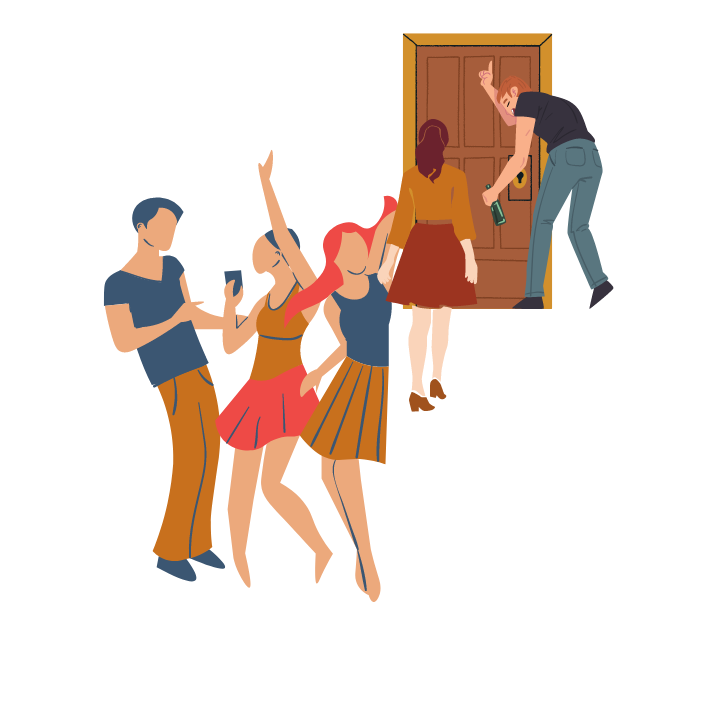
You are not going to change hearts and minds here. Your best bet is to leave before anyone’s feelings are hurt (including your own, some people are mean). BUTTTTTT, you see where this is going, so you square your shoulders and smile, hoping to minimize the interaction and get out of there before drawing a crowd and having to say goodbye to everybody all over again. Bracing for it, you are not at all surprised to hear, ‘You know, I read that fibromyalgia is 100% mental, have you ever thought about the possibility you’re just too sensitive? It’s all in your head, I bet’
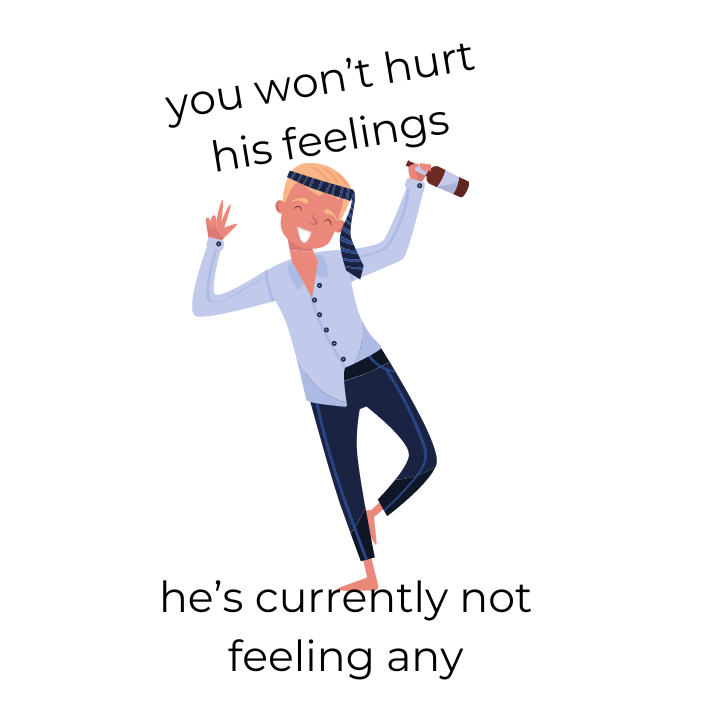

Oh boy. He went there. Now if you’re like me and you are not completely depleted from peopleing at this point, this is when you laugh. Not the good funny ha-ha laugh, but the ‘listen here f*cktw@t’ chuckle of you loading up the heat to roast this fool. Get out your marshmallows and gather round…

Guys fibro is hard, and fibro fog makes thinking of quick witty comebacks a near impossibility, but if you are prepared, locked and loaded with the snark this comment deserves this can be the highlight of the evening not just for you but for all in the vicinity, especially those who don’t enjoy this tool’s company. I GOT YOU! Look no further, these comebacks are sure to have him feeling the heat of that burn until the next party (where I promise at least this dumbass won’t be providing color commentary on your health.)

‘Oh wow of course! All I need to do is flip the switch in my brain labeled pain sensitivity to the off position, why didnt I think of that!’ – Ironically thats what some of our meds actually do, but this person wasn’t trying to be helpful and you don’t owe him a science lesson.
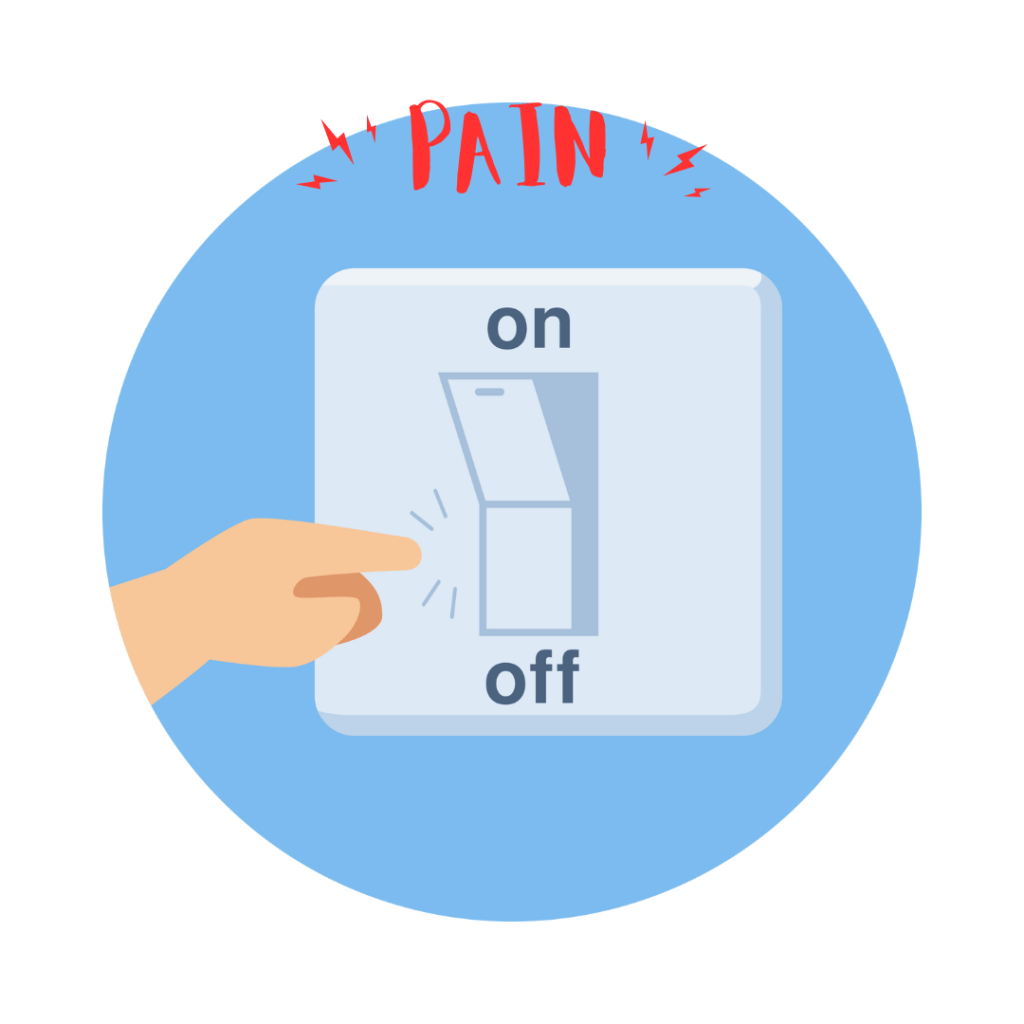
‘Wow, why didn’t I think of that? Let me just tell these nerves to stop being so dramatic’ – That one works best with an eye roll and then a fast subject change, as if you have no time for his shit.

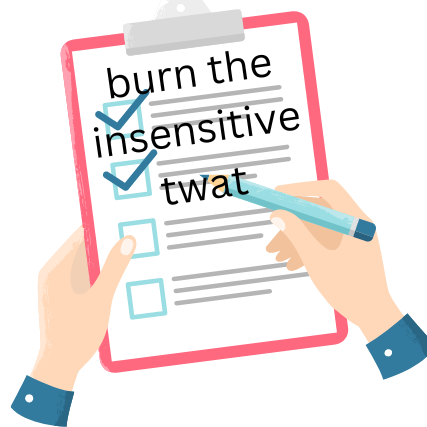
‘Great idea! I’ll just add ‘ignore chronic pain’ to my to-do list. I’ll put it right under solve world hunger and teach you how to find the g-spot’ – That one is savage and might need to be adjusted in accordance with their sexual orientation
‘Oh silly me, I forgot to unsubscribe to the feeling pain newsletter, and I forgot my imaginary pain repellent! Can I borrow yours?’ – You can add ‘never mind, I’ll find my own, I forgot you keep yours up your ass with your head’ it depends on who is around and how much you dislike this person.
The last one is best delivered with full eye roll and exaggerated ‘I’m over this’ hair toss – ‘Ah, the elusive solution: simply pretend it doesn’t exist. Thanks for the groundbreaking advice. Remind me to cancel my doctors appointment and just think happy thoughts, why did I forget I was going to get to see Dr. Obvious, first name Captain’ and swish on out of there.

None of these are ideal, but neither are the ignorant people with uneducated opinions. You won’t change anyone’s heart or mind because its exactly as two dimensional as any other illness that has never touched that persons life, so you might as well get a decent laugh out of it, maybe provide a witness with a funny story to tell. Until next time gang, take care of yourselves, and each other!


Uncategorized

Hydration and the Fibro population…

We all learn in school about how much we need water; after all, we’re practically human-sized water balloons walking around! But while Kevin Costner might have embraced the aquatic life in WaterWorld, us fibro warriors know that our relationship with H2O is a bit more… shall we say, complex.


So, here’s the deal with staying hydrated when you’ve got fibromyalgia. It’s like, you know when you forget to water your plants for a while and they start wilting? Yeah, your body’s kind of like those neglected plants.

First off, your muscles need hydration to keep doing their thing without cramping up or feeling like they’ve been through a blender. Plus, staying hydrated helps keep your joints lubed up and less creaky. Nobody wants to feel like the Tin Man from The Wizard of Oz, right?

Then there’s the whole temperature control situation. Fibro already messes with your thermostat, so why not throw dehydration into the mix? Staying hydrated helps keep your internal temperature in check, so you’re not sweating like crazy one minute and freezing the next.

Oh, and let’s not forget about the brain fog. You know when you’re parched, and suddenly you can’t remember where you put your keys? Yeah, that’s not fun. Hydration helps keep your brain sharp, or at least as sharp as it can be when fibro’s already playing tricks on it.

And hey, if you’re on meds for fibro, they might dry you out faster than a desert wind. So, drinking water is like giving your body a big ol’ thank you for putting up with all that medication nonsense.

Long story short, drink your water, folks. Honestly, nothing I can say will make it taste better but your body NEEDS it. I learned that the hard way in the hospital. Theres a reason why they bring you so much water and ice while you are in there. Your body will thank you, and hey, maybe you’ll even feel a little less like a wilted plant in need of some TLC. Take care of yourselves gang, and each other!

Uncategorized

Its not all sunshine and happy pills…

I have a lot of other things I want to talk about but Fibromyalgia is so weird and varied from one person to the next and since the diagnosis tends to come after ruling out all the other causes for the symptoms being experienced and we’ve been talking about the symptoms, lets take a look at some common practices and life style changes recommended to us to help reduce the severity of the symptoms we are experiencing.

Not everyone experiences everything all at once or at all ever, fibro patients are a lot like fibro itself, all over the place. So I picked the solutions I have heard in MY past the most, but we are all different and some of this worked until it didnt, some never worked, and maybe some won’t work on ME because of my comorbidities but might make you feel tiptop. I can only write about the ones I’m familiar with and these are the holistic treatment of the symptoms, not the actual illness. You might need meds, or treatment other than what I’m going to outline. This isnt a rule book, its not a guidebook, its not even a book, I’d say at most its a ‘bo-‘ lol but if any of these are practical, talk to your doc about them, talk to family and friends, talk to other chronic pain sufferers, do your due diligence I guess I am saying.

Now, for those seeking an adventure beyond pill popping, behold the wonders of holistic treatments! Brace yourselves for a journey through the mystical realms of self-care:

Behold the ancient art of “EXERCISE“! Marvel as you engage in low-impact activities like walking, swimming, or biking, all while pretending to enjoy it. Stretching and yoga are also on the menu, promising flexibility and less stiffness, if you can bend that far without groaning. This can be gentle movements on the bad days that you already feel like you’ve gone 10 rounds with the undefeated world champ, or more intense heart rate elevating exercises for the days you don’t feel sore and achey and just kind of miss it lol.


Enter the realm of “healthy diet“! Feast upon the bounty of fruits, vegetables, and whole grains, and bid adieu to caffeine and trigger foods… or risk awakening the mighty fibromyalgia beast from its slumber. Now I know that can seem daunting, especially to those with current or former eating disorders, this is one you need to work super close with a doctor or nutritionist on. If nothing else, try to slowly ease the foods that are known triggers from the equation. Give it a month or two at least after any changes and reassess. And don’t beat yourself up over a small screw up, no reason to trash it all or start over, you stumbled, just right yourself and continue on, its not an all or its not worth it scenario, each change is helpful and will have cumulative effects.

Prepare for battle against the nefarious stress! Arm yourself with mindfulness meditation, deep breathing, and other relaxation techniques, and perhaps you’ll emerge victorious against the stress monsters lurking within.

Embark on the quest for quality sleep! Equip yourself with the finest sleep hygiene practices, banish caffeine and screens from your bedside, and venture forth into the land of dreams, where fatigue dares not tread.

Pacing Activities: Learning to balance activity and rest is essential for managing fibromyalgia symptoms. Pacing oneself and avoiding overexertion can help prevent flare-ups and conserve energy for activities that matter most.

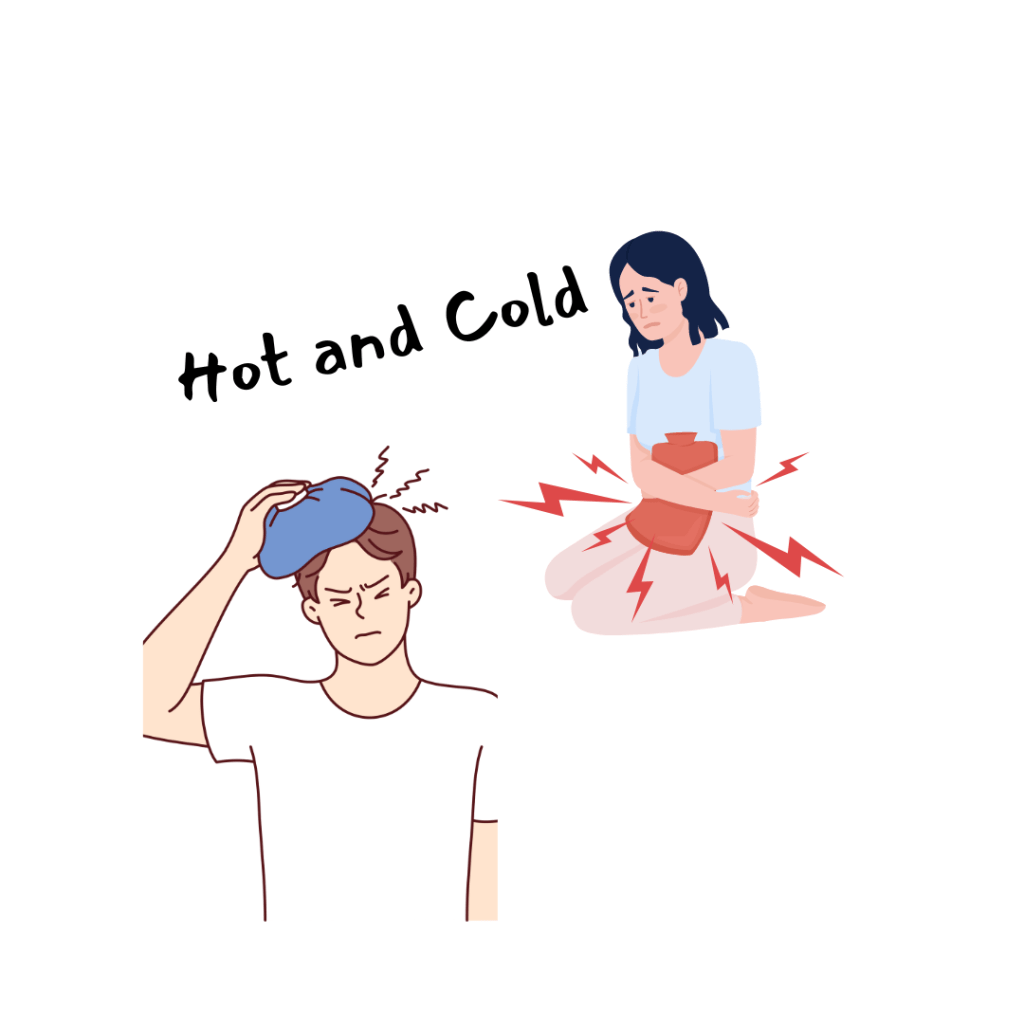
Heat and Cold Therapy: Applying heat packs or taking warm baths can help alleviate muscle pain and stiffness, while cold packs can help reduce inflammation and numb painful areas.

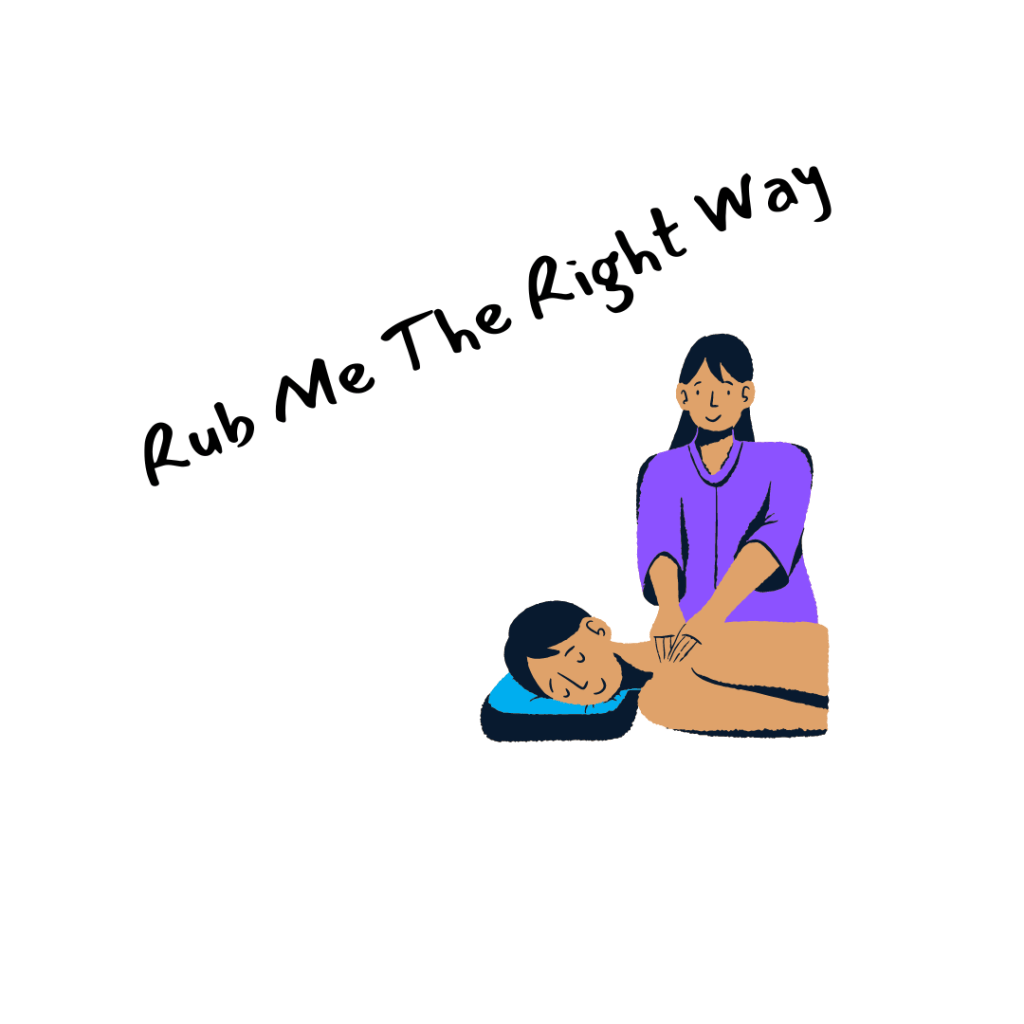
Massage Therapy: Massage therapy can help reduce muscle tension, improve circulation, and promote relaxation, which may provide relief from fibromyalgia symptoms.

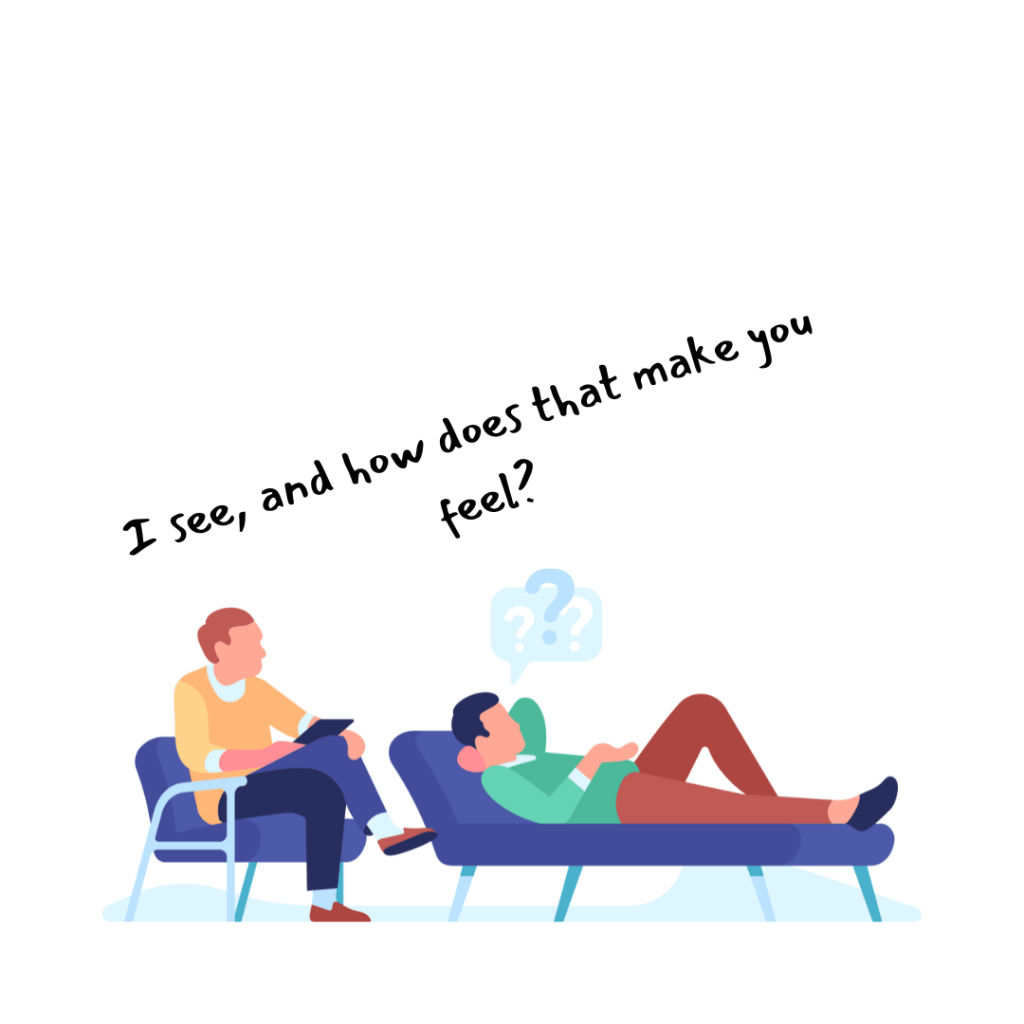
Supportive Therapies: Engaging in supportive therapies such as cognitive behavioral therapy (CBT) or counseling can help individuals cope with the emotional challenges of living with fibromyalgia and develop effective strategies for managing symptoms.

It’s important for us to work closely with healthcare providers to develop a personalized treatment plan that addresses our specific needs and preferences. Integrating holistic approaches with conventional medical treatments can often lead to better symptom management and overall quality of life.

As you can see, even if you are resistant to taking meds, there are options available, we can’t make it go away but we can beat it into submission with a few of these tips in our arsenal. Are there any tricks you’ve found to be helpful? We love it if you’d share with the class lol
Til next time guys, take care of yourselves, and each other!
Uncategorized

Fibro never comes to the party alone…

I thought it was time we talked about the elephant in the room, or more accurately the elephant on our chests. I’ve been long time friends with depression and anxiety starting way back before I knew Fibro existed. My Bipolar already had me familiar with both but it intensified in recent years as the pain from fibro and other life events try to confuse and confound me, the endless cycle with one thing triggering the other until I reach the point where I just sit paralyzed with so much to do but no idea where to get started, so I just don’t. Which of course makes it worse. *sigh*

Ah, the delightful dance of depression and anxiety with fibromyalgia symptoms, like a twisted tango of torment! Imagine this: You wake up feeling like you’ve been hit by a truck, which, by the way, you suspect would be less painful. Your body is screaming, “Hello, pain!” and your brain is like, “Ah, another fabulous day in Fibro-land.”

So, you drag yourself out of bed, shuffle to the kitchen, and attempt to make breakfast. But wait, what was I doing again? Ah, yes, eggs. Suddenly, your brain decides it’s on vacation and leaves you with a fog thicker than pea soup. You burn the eggs, set off the smoke alarm, and now you’re both in pain and feeling like a culinary failure.

Meanwhile, anxiety’s tapping its foot impatiently in the corner, like, “Come on, can we panic now?” It sees your pain and raises you a healthy dose of worry about the day ahead. “What if I can’t handle work today? What if people notice I’m not okay? What if…what if…what if?” It’s like having a hyperactive squirrel in your brain, constantly running on its little anxiety wheel.

And depression? Oh, depression’s the life of the party! It’s like that one friend who shows up uninvited, crashes on your couch, and refuses to leave. “Why bother getting out of bed? Everything sucks anyway,” it whispers in your ear, while you try to muster the energy to brush your teeth.

But here’s the kicker: depression and anxiety aren’t just content with their own shenanigans; they love to stir the pot of fibromyalgia symptoms. The more you hurt, the more anxious you get about the pain never ending. The more anxious you get, the more your muscles tense up, the more depressed you feel about never being able to escape this merry-go-round of misery.

So, there you have it, the delightful trifecta of fibromyalgia symptoms, depression, and anxiety, all wrapped up in a package of pain and panic. It’s like a rollercoaster ride through Dante’s Inferno, with extra fog and fewer laughs. Ah, the joys of chronic illness!

We will talk more in depth about what to do with these feelings, trying to stop yourself from being anxious and depressed, easier said than done yes, but its going to be the best way to cut off this cycle. I want to hear strategies people! Even little ones, what helps when your so anxious you feel like your insides are itching and clawing their way out? Share with the class if you have any tips or trick to share. Sleep is important too gang, so I’m going to crash, goodnight all, stay kind to yourselves and each other!

Uncategorized

Tender Point Tango…

Ah, fibromyalgia, the notorious party crasher of the nervous system. If you think of your body as a bustling metropolis, with nerves running around like frantic commuters during rush hour and sprinkle in some miscommunication among these nerves, and ta-da, you’ve got yourself a fibromyalgia flare-up – an event no one signed up for.

Living with fibromyalgia is a bit like playing a twisted game of “Guess That Pain.” You wake up each day, take stock of your aches and pains, and try to play detective to figure out which ailment is causing today’s particular brand of discomfort. Will it be a symphony of soreness or a relentless drumbeat of dull aches? The suspense is killing me…oh wait, no, it’s just the pain.

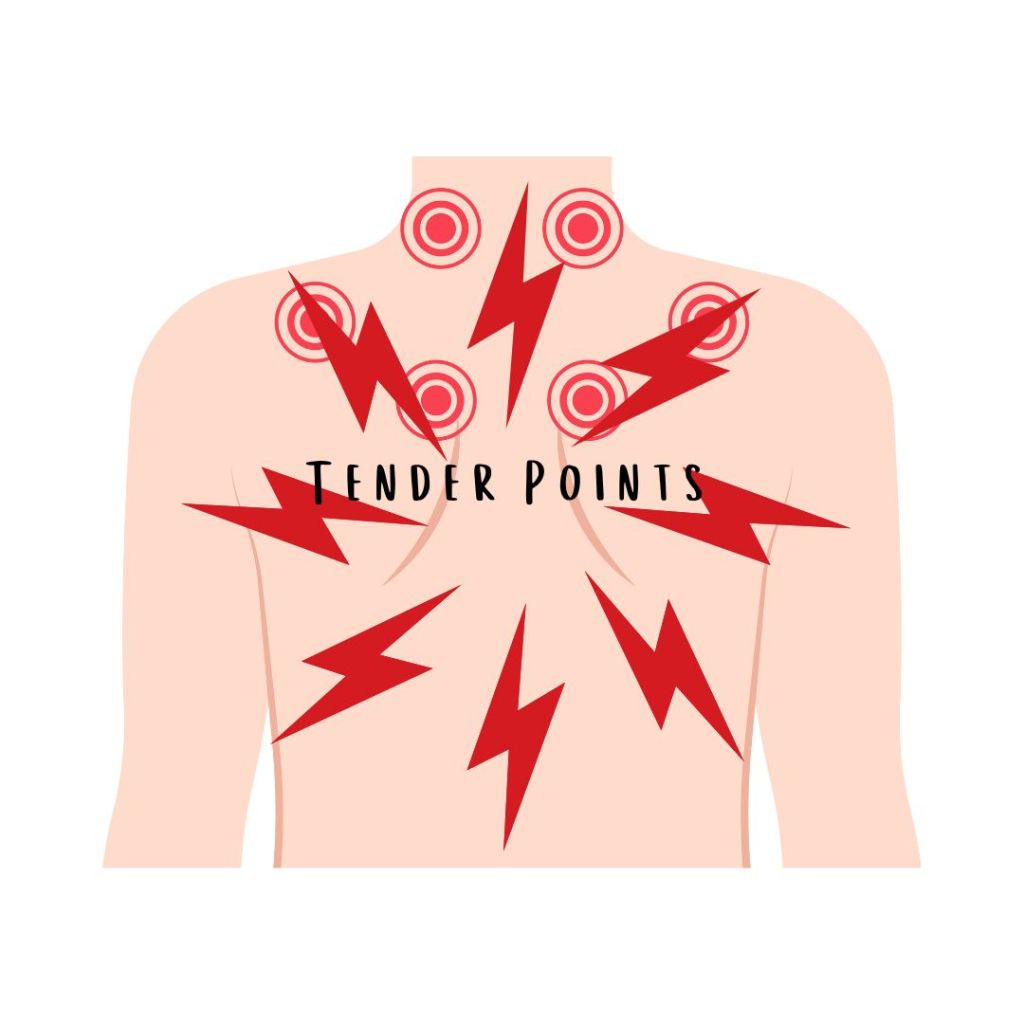
But there’s a secret component: the tender points. They’re like hidden treasure spots on a map of your body, except instead of gold, you find pure unadulterated pain. Seriously digging on these x’s are not going to find anything remotely rewarding. Prodding them is like poking a bear—you know it’s a terrible idea, yet you can’t resist the temptation to see if it’s still there, waiting to pounce.

Tender points in fibromyalgia are like little pressure-sensitive landmines scattered throughout the body’s landscape. Picture them as tiny protest sites where your nerves have decided to stage a full-blown rebellion against anything remotely resembling comfort.

These tender points aren’t just your run-of-the-mill sore spots and they arent there for decoration; they’re hyper-reactive areas where even the gentlest touch can trigger a symphony of pain signals that reverberate throughout your entire nervous system. While anyone can experience tenderness in various parts of their body, those with fibromyalgia have a specific set of tender points identified by the American College of Rheumatology.

Traditionally, there are 18 designated tender points, symmetrically distributed across the body, ranging from the base of the skull to the inner knee. Pressing on these points feels less like a gentle poke and more like poking a hornet’s nest—you’re bound to get stung.

The role these tender points play in fibromyalgia is twofold. First and foremost, they serve as diagnostic landmarks, helping healthcare professionals differentiate between fibromyalgia and other conditions that may mimic its symptoms. If you wince in agony at the mere mention of pressing on these tender points, congratulations, you’ve just earned yourself a potential fibromyalgia diagnosis.

But beyond their diagnostic significance, tender points are also notorious troublemakers in the world of fibromyalgia management. They’re like stubborn guests at a party who refuse to leave, no matter how many hints you drop. You may try to ignore them, but they’ll make their presence known with a vengeance, sabotaging your attempts at relaxation and hijacking your sleep.

Moreover, these tender points often team up with their cohorts—muscle stiffness, fatigue, and sleep disturbances—to form a formidable alliance against your well-being. They thrive on chaos, exacerbating each other’s effects and leaving you feeling like you’ve been hit by a proverbial pain train.

But fear not, brave fibromyalgia warrior, for knowledge is power. By understanding the role of tender points in your condition, you can arm yourself with strategies to manage their mischief. From gentle stretching and low-impact exercise to stress management techniques and medications, there’s a plethora of tools at your disposal to tame the tender point beast and reclaim control of your life. So the next time those tender points come knocking, show them who’s boss with a steely gaze and a well-aimed dose of self-care.

So here’s to the fibro warriors, bravely battling your own body through each day armed with a healthy dose of humor and a stubborn refusal to let pain steal their joy. After all, if life gives you fibromyalgia, you might as well make jokes about it. Until next time guys, take care of yourselves, and each other.

Uncategorized

We’re only a third of the way through the month…

Hi All! In honor of it being Fibro Awareness month, I felt like laying some facts about fibromyalgia and gaslighting. More common than you think and even the smart ones fall for our brains tricks.

First off, fibromyalgia is like the ninja of chronic illnesses—it’s stealthy, it’s everywhere, and it hits you when you out of the blue. One day you’re fine, and the next, you feel like you’ve been hit by a truck made of exhaustion and pain.

Oh, and let’s talk about the diagnosis game. Picture yourself as a contestant on a really crappy game show where the prize is knowing why your body hates you. Your doctor throws every test in the book at you, from blood work to MRIs, all while you’re sitting there thinking, “Can we speed this up? My body feels like it’s been through a wood chipper.” Every new med comes with a side effect that you have to chase with another pill, its a cycle.

And here’s a fun fact: fibromyalgia isn’t just about pain. Nope, it’s a whole package deal. You get fatigue that makes you feel like you’ve run a marathon on zero sleep, brain fog descends to wreak havoc, and sleep problems that make you envy a cat’s ability to nap anywhere, anytime.

But wait, there’s more! Fibromyalgia loves company. It’s best buds with conditions like irritable bowel syndrome (IBS), migraines, and depression, because why deal with one pain in the butt when you can have a whole party of them?

Picture this: you’re dealing with this condition called fibromyalgia, where you’re in pain all over, tired as hell, and your brain feels like it’s stuck in a fog. But here’s the kicker: there’s no fancy test that says, “Yep, you’ve got fibromyalgia!” So, you’re left playing a guessing game with your doctor, ruling out everything else under the sun.

Now, imagine dealing with all that uncertainty. You start wondering, “Am I just making this up? Is my body punking me?” Do you know how many times in a day I try and tell myself that I don’t hurt? It’s like gaslighting yourself—convincing yourself that maybe the pain is all in your head because there’s no lab result to back it up.

And let’s not forget the joy of visiting the doctor’s office. You pour your heart out about how much you hurt, how tired you are, and how your brain feels like it’s on vacation. You bring witnesses, you show how you’ve logged all the symptoms. But instead of a pat on the back, you get a shrug and a “Well, your tests look fine.” or ‘Well that’s a common symptom of Fibro’

So, yeah, it’s a real treat trying to convince yourself and others that what you’re going through is legit when there’s no shiny test result to prove it. Its why they call it an invisible illness. But fibromyalgia is as real as it gets, even if the medical world hasn’t quite caught up yet.
Thats it for tonight guys, take care of yourself and each other

Uncategorized

Fibromyalgia, Bipolar, and me…

Hi Guys!
I’m actually writing this out before hand because my endless streams of consciousness get confusing and I wanted to give you all some facts with your funny today (or MY funny, I’m not going to presume to know how you feel about things). As I’ve talked about in detail, I suffer from both Bipolar and Fibro among some other alphabet disorders and such. Part of the challenge when you suffer from multiple illnesses is difficulty TREATING the illness has a whole because you are so busy trying to battle symptoms
Ah, the overlap symptoms, where Fibromyalgia and Bipolar Disorder play their favorite game of “Fibro, flare, bipolar or unidentifiable illness?” Let’s dive into this delightful pool of confusion, shall we?

  • Fatigue Fiesta: Is it the fibro fog or the bipolar brain drain? Who knows! One day you’re bouncing off the walls with energy, the next you’re contemplating the physics of whether it’s possible to sleep while standing up. I’m talented enough to get both in the same day. I know, don’t be jealous lol Why choose between chronic fatigue and mood-induced exhaustion when you can have both, right? When you are dealing with this fatigue, it touches so many other parts of your life, and being tired all the time ruins your quality of life.
  • Pain Parade: Is it fibro spreading its discomfort like peanut butter on toast, or just your bipolar mood swings throwing a tantrum in the form of physical agony? Who needs targeted discomfort when you’ve got a buffet of sensations to keep you guessing? Every new ache becomes a game of medical Clue: “Was it Colonel Fibro in the living room with the pain stick, or Professor Bipolar in the kitchen with the mood swing?” It’s like living in a mystery novel, except the plot twists are your own nerve endings.
  • Gaslighting: Oh, don’t even get me started. Before you can say “It’s all in your head,” we’ve already played that mind game with ourselves a hundred times over. And when someone finally agrees with the doubts we’ve been wrestling with, it’s like a twisted validation that only makes things worse.
  • Take my cardiac arrest saga, for example. My heart decided to play hopscotch with its rhythm, and each fluttery beat had me convinced it was just another fibro flare-up. So, I shrugged it off, attributing it to the usual suspects. Turns out, it was a serious problem hiding in plain sight, but hey, who needs hindsight when you’ve got a PhD in self-gaslighting, right?
  • So, here’s to the dangers of doubting your own symptoms and the perils of playing doctor with Dr. Google. Because when it comes to your health, it’s better to be safe than sorry – even if it means admitting that sometimes, you don’t have all the answers.
  • Sleepless Slumber Party: Can’t sleep? Welcome to the club! With both fibro and bipolar on the guest list, your nights are a delightful mix of tossing, turning, and contemplating the meaning of life at 3 AM. Is it the fibro’s fault for making your bed feel like a bed of nails, or is it the bipolar’s insistence on turning your brain into a 24/7 circus of thoughts? Sleep is overrated anyway, right? That’s why sticking to a routine is essential. I sleep ok finally, but I had to change a lot, I’m in bed by 9pm 90% of the time because I changed my routine to what fit me best. For the life of me I CANNOT sleep past 4 am so I have to adjust my bedtime accordingly. As I said, listen to the natural rhythm of your body as much as you can
  • Mood Swing Shindig: Ah, the pièce de résistance of symptom overlap! One minute you’re as giddy as a kid in a candy store, the next you’re contemplating whether it’s socially acceptable to cry into your cereal. Is it the fibro fog clouding your emotions, or is it the bipolar rollercoaster taking you on a wild ride through the valleys of despair and the peaks of mania? Who needs emotional stability when you can have a mood swing buffet? Being in a mixed episode for a prolonged period of time, I can’t hold on to the ride and bouncing between the highs and lows is leaving me bruised and bewildered
  • So, dear patient, welcome to the wonderful world where fibro and bipolar team up to keep you guessing and your doctors scratching their heads. Who needs clarity when you can have a medical mystery novel written by the masters of chaos themselves? Enjoy the ride!

Be kind to yourselves, and each other!
Uncategorized

A bit about sarcasm and the role of sardonic wit in our self care tool kit…

I was planning on a different topic for today but guys, I HURT. I was very dumb. Went to the little one’s track meet and applied sunscreen in the car. We’d been there about two hours when I started getting UNCOMFORTABLY hot on my legs. About an hour after that, I tell hubby I think I am burning and we get to the shade but damage was done and I’m so red, and SWOLLEN! I even took Ibu (not cool with the CKD but sporadic use should be ok.) So I needed to research laughing, to remind myself of its existence and that it wont hurt like this forever lol.
So, in the wild ride of managing fibromyalgia and bipolar disorder, self-care isn’t just a luxury—it’s a necessity. However,as with most of the challenges we face as chronic illness patients, our solution isnt going to look like everyone’s solution. We have to take each self care tip and tweak it, bend it like we’re working clay, shape it into a mold that fits our goals and our realistic expectations This is where the unexpected hero, sarcasm, comes into play.

Research has shown that humor, including sarcasm which is a personal favorite of mine, can be a powerful coping mechanism for individuals navigating the complexities of chronic conditions like fibromyalgia and bipolar disorder. Studies indicate that humor can provide numerous psychological and physiological benefits, from reducing stress and anxiety to boosting mood and resilience. It’s not just about sharing a laugh; it’s about finding moments of levity amidst the pain and chaos, reclaiming a sense of control in a situation that often feels overwhelming. Laughing has a very unique way of replenishing my spoons. I’ll be just DONE and something so absurd or silly happens and I find myself getting the energy to handle my shit.

For many of us, sarcasm isn’t just a form of humor—it’s a language of survival. It’s the witty retort we offer when faced with yet another flare-up or mood swing. It’s the ironic commentary we make to cope with the absurdity of our circumstances. Like truly ‘if I don’t laugh, I’ll cry’ moments. Sarcasm becomes a tool for self-expression, a way to assert our identity and reclaim power in moments when it feels like our bodies and minds are betraying us. Making someone laugh is a balm for me, maybe I CAN’T laugh, when I make someone else laugh I can’t help but to join in no matter how much I hurt.

Personally, I’ve found that incorporating sarcasm into my self-care routine has been both liberating and empowering. When the pain flares up and the depressive fog descends, sarcasm becomes my armor, shielding me from the weight of my symptoms. My friends and family think I’m having a good day, when in reality I feel like I’m coming out of my skin. Its only acceptable to hide from the world and cry under your desk in the fetal position for a limited amount of time. It’s not about denying the reality of my conditions; it’s about refusing to let them define me entirely.

You know, one of the coolest things about sarcasm is how it can turn the most ordinary moments into chances to crack up and bond. Like, picture this: you’re swapping sarcastic memes with other spoonies, or you’re joking about the utter ridiculousness of dealing with medical red tape. It’s like this secret language we share, right? It brings us together, helps us feel less alone in the chaos of chronic illness. It’s like saying, “Hey, I get it, and I’m right there with you.

Of course, sarcasm isn’t a cure all, and there are times when a good laugh won’t magically erase the pain or stabilize my mood. But by integrating sarcasm into my self-care toolkit, I’ve learned to embrace the messy, imperfect journey of living with chronic illness. It’s about finding joy amidst the pain, reclaiming my power in a world that often feels beyond my control. So, here’s to the healing power of sarcasm—may we always find reasons to laugh, even when the odds are stacked against us.
Til next time gang, be kind to yourself and each other