There comes a point in every adult’s life where you stop chasing perfection and just start chasing peace. Mine came somewhere between my third “lost laundry sock” breakdown and realizing that meal planning for the week doesn’t make my brain any less chaotic.
So here are 10 things I’ve fully accepted I’ll never have together — and honestly, I’m fine with it.
1. My Sleep Schedule
Some nights I’m out cold by 9. Other nights, I’m rearranging my thoughts (and furniture) at 2 a.m. Balance? Never met her. My problems are in those wee hours of the morning but my issues are waking up no later than 4, even if I dont fall asleep til 3. Its maddening.
2. Laundry
There’s clean, there’s dirty, and there’s “on that chair I swear I’ll fold tomorrow.” Spoiler: tomorrow’s been rescheduled indefinitely.
3. My Phone Storage
I can delete exactly 400 screenshots and still have “not enough space.” I think the memes multiply when I’m not looking.
4. Matching Socks
At this point, I’m calling it fashion. If my socks are both clean, that’s a win.
5. My Inbox
Some people zero out their email every night. I zero out emotionally about my email every night.
6. That One Junk Drawer
It’s basically a time capsule for expired batteries and mystery cords from 2008.
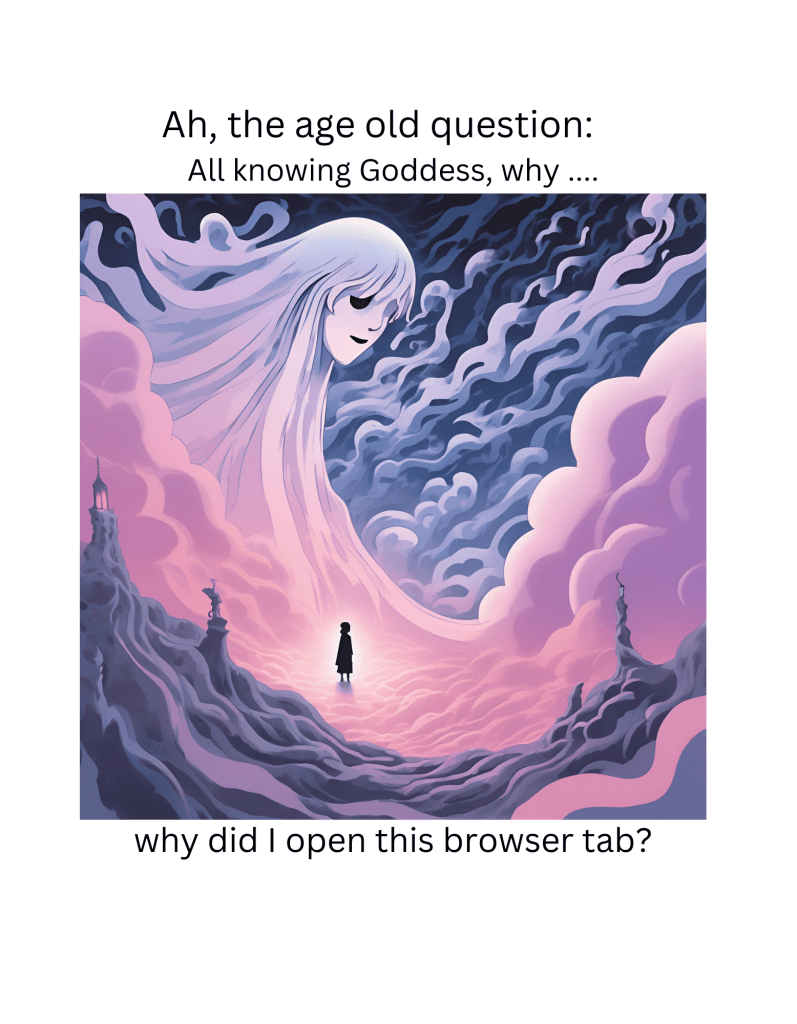
7. My Brain’s Tabs
They’re all open. None of them are loading. I’ve accepted it’s just part of my operating system.
8. My To-Do List
For every item I cross off, three new ones appear like hydra heads. Productivity is a myth perpetuated by people with working serotonin.
9. My Diet
Sometimes it’s vegetables and lean protein. Sometimes it’s cold pizza and vibes. It’s called balance, baby.
10. The Idea of “Having It Together”
Turns out, nobody does. Some just accessorize their chaos better. So here’s to letting go, laughing at the mess, and knowing that imperfect is still enough.
11. My Posting Schedule
I love sharing my thoughts and connecting with my community — but some days, the mental energy just isn’t there. And that’s okay. Skipping a post doesn’t mean I’m lazy or unreliable; it means I’m human. listicles are just easier to do when your brain wont shut up enough to do any research or even just have the mental capacity for boring depressive stuff. I’m trying to keep it up beat and hold it all together. Sometimes “taking care of business” looks like closing the laptop, eating something carb-loaded, and giving my brain a breather.
💭 Final Thought:
You don’t have to fix everything to be doing okay. Sometimes the healthiest thing you can do is stop fighting the tide and just float for a bit.Til next time gang, take care of yourselves, and each other.
Navigating medication when you live with multiple diagnoses—like ADHD, bipolar disorder, and fibromyalgia—feels less like healthcare and more like trying to solve a Rubik’s cube in the dark. Upside down. While juggling. There’s always a new prescription, a dosage change, or a side effect surprise. Add in the fact that I’m a mom, recently had hip surgery, and sometimes just plain forget things (hello, ADHD brain), and it’s a wonder I manage at all.
1. Keeping Track Is Basically a Full-Time Job
I’ve tried everything: pill organizers, phone alarms, sticky notes, calendar reminders. Some weeks, I’m a medication goddess. Other weeks, I realize at 3 p.m. that my morning meds are still sitting on the counter untouched. According to the CDC, about 50% of people with chronic illnesses don’t take their meds exactly as prescribed—so apparently I’m in good (if frustrated) company. I employ a triple check system, because I have a problem with short term memory, so I had a few times gotten confused and taken morning pills twice. Now I have an organizer, take them at designated time, and old school write it down on the really bad days.
And ADHD doesn’t help. Sometimes I forget to refill my prescription entirely, which means pharmacy texts have become my unofficial accountability partner.
2. Doctors Don’t Always See the Whole Picture
Every specialist has their own tunnel vision. My psychiatrist cares about mood stability, my rheumatologist about pain, and my primary care about blood pressure and labs. Rarely do they connect the dots between all of them. That’s on me.
I keep an updated list of every med, dose, and timing on my phone ON TOP OF the primary care doc who is supposed to monitor my meds. It’s not foolproof, but it’s saved me more than once when someone said, “Wait, you’re taking that too?” I sometimes wish my doctors had a group chat—but since that’s not happening, I play coordinator.
3. Side Effects and Interactions: The Uninvited Guests
Adding a new med always feels like a game of roulette. Will this one help? Will it mess up something else? Once, I started a pain medication that made my bipolar symptoms spiral. (Fun surprise. 0/10, do not recommend.) Recently I was talking to a new psych doc and SHE told me that I shouldnt take a med that I guess has an affect on people with CKD and my numbers put me right at the beginning of that. And yet neither the doc that prescribed the med nor any doc I have talked to ever said anything about it and I’ve been on it well over a year.
Fact check: studies show up to 30% of adults on multiple medications experience interactions or side effects significant enough to affect daily life. No wonder I sometimes feel like I’m trading one problem for another.
4. Forgiving Myself for the Fumbles
(I am SO excited football is back on, my Sundays have purpose now so excuse my metaphors lol)
Missed doses happen. Taking the night meds in the morning happens. Once I even double-dosed my muscle relaxer and took the best nap of my life (not ideal, but at least memorable).
I used to beat myself up for every mistake. Now I remind myself: this is hard, and I’m doing the best I can. Systems help, but expecting perfection is just setting myself up for failure. Its important to be dilligent and well informed and trying your best where meds are concerned but you will make mistakes, we all make mistakes so just be gentle with yourself.
5. Advocacy and Asking for Help
I’ve learned to speak up more at appointments, to say, “This isn’t working” without guilt. Being able to leave a message in the portal helps the minor hiccups I’ve had, but be honest with yourself and your doctor, because if you can’t take a med they might be able to give you another med that works just as good. I’ve asked my pharmacist about interactions that my doctors overlooked. And yes, sometimes I ask my teen to double-check if I actually swallowed my pills. Around here, med management is a team sport.
Final Thoughts
Managing meds with multiple diagnoses isn’t simple—it’s messy, frustrating, and often overwhelming. But with humor, alarms, sticky notes, family backup, and a good dose of self-compassion, I somehow keep moving forward. If you’re in the same boat, you’re not alone. We’re all just out here trying to make the chaos work. Til next time gang, take care of yourselves, and each other.
Can I tell you guys something just between us? I hate my brain. Like so much sometimes. When its not sending out signals that make me move all awkward and weird, its trying to convince me all coincidences or times when I may not get the clearest signals that everyone hates me and they all want me to drop dead. theres no middle ground. Convincing my mind and heart that I’m not as sad and lonely as they often believe feels like a daily negotiation. I remind myself that emotions can be deceptive, twisting reality into a shadowy landscape that weaves through the tapestry of my dreams, where I feel isolated and overwhelmed. In those moments, when I recognize the feelings creeping in, I consciously shift my focus to the small joys around me—the warmth of sunlight streaming through the window, the comforting purr of my cat (our old man cat has the cutest purr, I swear if I need surgery just give me him and I’m out like a light.), or the laughter of friends, even if it’s just through a screen. I practice gratitude, acknowledging the connections I do have, however distant they may seem. By challenging the narratives of sadness and loneliness with evidence of love and support in my life, I slowly but surely create a more balanced perspective. It’s a journey of self-compassion, where I learn to embrace my feelings without letting them define me, reminding myself that even in solitude, I am never truly alone. In my research, I learned that of chronic pain patients, 30%-50% also have anxiety. I won’t pretend to understand the science of it but the studies link chronic pain and anxiety and some show some heightened activity in the central nervous system, you know, where it all goes down lol. Chronic pain also has been shown to lead to altered brain chemistry. Of course that has a negative impact our ability to get shit done when 75% of our brain is trying to calm the anxiety that comes and knock us on our ass leaving us unable to handle MORE shit… its the endless cycle I’ve discussed but I know if your reading this you are already quite familiar. Here are some, not all but some of the tricks I use to try and get a handle on all the negative self talk.
Practice self-compassion: Treat yourself with the same kindness you’d offer a friend. Acknowledge that living with chronic illness is challenging, and it’s okay to have difficult days. When the spoons are in abundance sit down with a friend or loved one and talk about what you do when your anxiety gnaws at you, often times just verbalizing our worries helps us come up with solutions.
Challenge negative self-talk: When you hear those “not good enough” thoughts, question their validity. Replace them with more balanced, realistic statements about your worth and abilities. Be honest, we all have strengths and weaknesses, always play to your strengths, and commit to working on the areas that arent so solid and strong.
Seek support from understanding individuals: Surround yourself with people who validate your experiences. Consider joining support groups for those with chronic illnesses to connect with others who truly get it. My journey started in an online support group, and I don’t know if I’d have made it through everything that has tested me without that support.
Engage in mindfulness techniques: Use meditation, deep breathing, or journaling to stay grounded in the present moment. This can help manage anxiety and negative thought patterns. I use journalling for meds and diet and all that fun stuff so I can spot pattern disruptors.
Prioritize self-care activities: Make time for activities that bring you joy and relaxation, even if they’re small. This could be reading, taking a bath, or listening to music – whatever helps you unwind and recharge
Remember, your worth isn’t determined by others’ opinions or your illness. Focus on what you can control and celebrate your resilience in facing daily challenges. Til next time gang, you’re not alone, reach out, take care of yourselves, and each other
Hey there! Life can sometimes feel like a whirlwind, especially when you’re juggling the ups and downs of mental health and family life. As a bipolar mama dealing with anxiety and ADHD and chronic pain, I totally get how tough it can be to spot joy amidst the chaos. But trust me, it’s those little moments that can help us cultivate gratitude and find some peace. So, let’s chat about how to invite joy into your everyday life, even when things get a bit bumpy.
Embrace the Power of Small Moments Joy often sneaks in through the little things—a warm cup of coffee, a quick chat with a friend, or a giggle with your kid. So, hit pause for a sec and soak it all in. Take a deep breath, be present, and notice the little details around you. Practicing mindfulness can help you stay anchored in the moment and make it easier to see the beauty hiding in plain sight.
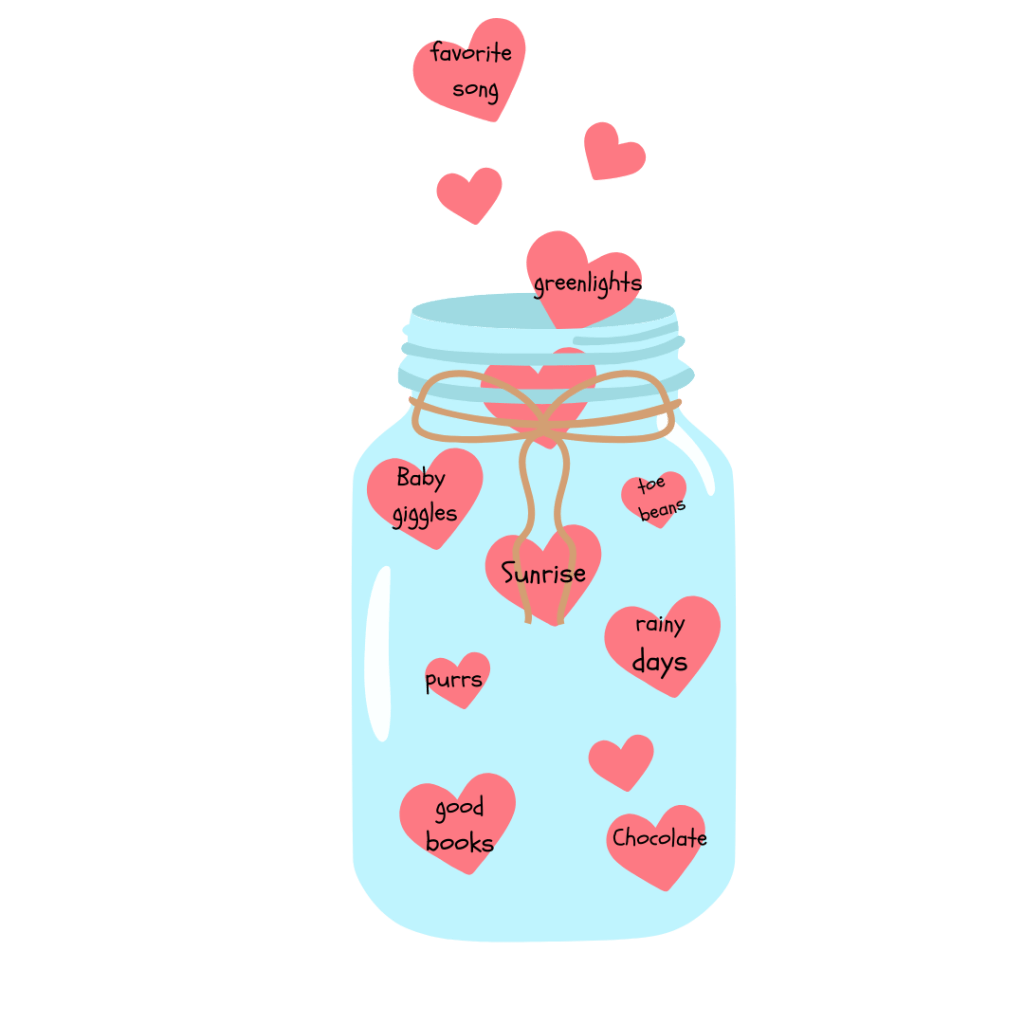
Create a Joy Jar Here’s a fun idea: grab a jar and some slips of paper. Whenever something brings you joy or you feel grateful, jot it down and toss it in the jar. Over time, you’ll have a treasure trove of positive reminders to dig into whenever you need a little pick-me-up. It’s a great way to shift your focus from challenges to the bright spots that pop up throughout your day.
Celebrate Your Achievements Big or small, every win counts! Set some manageable goals—like finally tackling that mountain of laundry or taking a stroll outside—and give yourself a high-five when you achieve them. Celebrating these little victories helps build momentum and reinforces the idea that joy can come from everyday accomplishments. Try and limit the unpleasant activities to one each day, we can all stomach a lot more if we break it off into bite size chunks.
Cultivate Gratitude Gratitude is like magic for your perspective. Try keeping a gratitude journal where you jot down three things you’re thankful for each day. This simple practice helps shift your focus from what’s missing in your life to what you already have, nurturing a more positive mindset. If three sounds daunting, start with one. There is air in your lungs. Tomorrow it can be the baby that smiled at you in the check out lane. If you can’t find one thing to be grateful for, then be someone else’s reason to give thanks, then there will be two of you.
Connect with Nature Nature is like a big hug for your soul. Even a short walk around the block or spending some time with your plants can lift your spirits. Pay attention to the sounds, colors, and textures around you—engaging with nature can really help ground you and reconnect you with yourself. Sunlight, and I am one of those people that hisses when light touches me, but 20 minutes of open air sunlight exposure every day will connect you, ground you to your surroundings and give you vitamins and minerals that light bulbs can’t replace.
Engage in Creative Activities Get those creative juices flowing! Whether it’s painting, writing, gardening, or crafting, find something that sparks joy for you. Allow yourself to create without any judgment; just enjoy the process and let it be a source of happiness and self-discovery. A fifteen minute block of time with nothing but a piece of paper and a pen and just write or draw, whatever you feel.
Reach Out for Connection Feeling isolated can be tough when you’re navigating mental health challenges. Reach out to friends, family, or support groups—sharing your experiences can lighten the load and remind you that you’re not alone in this journey. I’ve found a lot of help and information in message boards. I’ve considered setting up a small message board here, not with any centralized theme I just want somewhere anyone can come to not feel alone.
Practice Self-Compassion We all have tough days; it’s part of being human! So, be kind to yourself. Treat yourself with the same compassion you’d offer a friend going through a rough patch. Remember that every step toward joy matters—even if it feels small. You don’t have to have it all together, you don’t have to have anything together and its ok to not be ok.
Make Room for Play As busy mamas, we often forget how important play is! Carve out time for activities that bring you joy—whether it’s playing games with your autistic teen or trying out a new hobby. Play helps relieve stress and reminds us of the simple joys in life. If you can share the hobbies you enjoy with the ones you love it will give you both reasons to smile.
Find Meaning in Challenges It might be hard, but try to find meaning in your struggles. Reflect on what you’ve learned from those experiences and how they’ve shaped you. This perspective can help build resilience and deepen your appreciation for the joy that follows tough times. Its lessons that shape us good or bad and its because of where we’ve been that we know where we ARE.
Conclusion
Finding joy in everyday life isn’t about pretending challenges don’t exist; it’s about embracing those small moments that light up our days. As someone navigating bipolar disorder, anxiety, and ADHD, I know how real the struggle is—but by cultivating gratitude and seeking out joy, we can tackle our journeys with more resilience and hope. Remember: it’s perfectly okay to seek support and take time for yourself. You deserve joy, and it’s often hiding in the simplest moments! Take care of yourselves, and each other!
So I talked the other day about RSD, which is a bastard that I’m currently fighting with RIGHT NOW in my head. If you experience RSD, save this post. Save my email. In particular save some of these solutions to help you when your brain tries to make you hate yourself. Let’s dive into how to wrangle this RSD beast without completely losing our shit. These thoughts can hit like a freight train full of emotional baggage, making it a real bitch to keep your cool in social situations. But don’t worry, I’ve got some tricks up my sleeve that might just save your sanity.
Self-Compassion (AKA Don’t Be an Asshole to Yourself) Cut yourself some slack, for fuck’s sake. Everyone gets rejected sometimes – it doesn’t mean you’re a walking dumpster fire. Try talking to yourself like you would to your best friend after a bad breakup. “Hey, you may be a mess right now but you’re still awesome even if that person didn’t see it.” Constant struggle, often you will have to love yourself for trying enough to let go.
Reality Check (Or: Is Your Brain Bullshitting You?)
Before you spiral into the abyss, ask yourself if there’s actual evidence for your fears or if you’re just being a drama queen. Maybe, just maybe, your brain is playing tricks on you. “Okay, they’re 5 minutes late. Does that really mean they hate me, or am I just catastrophizing again?” The only flaw in this logic is when your brain doesn’t let the logical side of your brain kick in because it actually believes the bad shit. You are not who you were and your value doesnt diminish based on what you can and can’t do for someone else.
Mindfulness and Emotional Regulation (Zen and the Art of Not Losing Your Shit)
Try some mindfulness crap to stay grounded. Deep breathing or muscle relaxation can help when you feel like you’re about to go off the deep end. It’s like hitting the pause button on your brain’s chaos for a hot minute. Again, the logical side of you will see this. Listening and believing that it will pass might take some intentional steps like sitting in front of the mirror multiple times a day feeling stupid but in kind words, let the feelings out. Alone even. But say the words out loud, meditate on them if you need to, the best you can do is only so much, sometimes you will fuck everything up, sometimes you CAN’T fix things, thats part of the process, you have to own it to let it go.
Reframe That Shit
Try to see rejection as a learning experience. Maybe it’s the universe’s way of saying “Not this asshole, try again.” Look back at times when rejection led to something better – they exist, I promise. Remember when that job rejection led you to an even better opportunity? Yeah, like that. One door closes but another one you couldnt see is waiting for you. Or maybe you just learn what not to do, everything is a lesson if you frame it as such.
Phone a Friend (Or a Therapist, We Don’t Judge)
Talk to someone who gets it. Sometimes you need an outside perspective to remind you you’re not actually the worst person ever. Join a support group and find your tribe of fellow beautiful disasters. Misery loves company, right? It helps to know you’re not alone in this.
Level Up Your Coping Skills
Find healthy ways to distract yourself or solve problems. Maybe take up kickboxing to punch out your frustrations, or learn to bake so you can stress-eat in style. Channel that energy somewhere useful instead of letting it eat you alive. I often stack on the hobbies, sometimes I have to be writing and listening to late night monologues on you tube and have the news or a game on just to shut up that nagging inner voice that says I’m not good enough. Most days that works
Get Real with Your Expectations
News flash: not every interaction is gonna be rainbows and unicorns. It’s normal to face some rejection in life, even if it feels like getting punched in the gut. Lower that bar a bit, and you might just find yourself pleasantly surprised. Nothing is ever perfect even if it feels like it at the time and thats not even factoring in the other persons reactions maybe they are as awkward as you!
Focus on You, You Magnificent Mess Work on becoming the badass you want to be. Set some goals and crush them. Nothing builds confidence like proving yourself wrong. “Oh, I can’t do that? Watch me, bitch.” Start by taking account of what you have control over. Thats where you can start. Once you are cognitively aware of what is under your power to do, set a reminder daily to remind yourself, that will help a lot with the expectations and being grounded, but its something you have to commit to taking honest stock in yourself and situations impacting your life.
Curate Your Circle (AKA Ditch the Toxic Assholes)
Surround yourself with people who aren’t total jerks. Limit time with folks who make you feel like crap. Life’s too short for that bullshit. Find your people – the ones who get your brand of crazy and love you anyway. We all have to deal with people in the real world that just rub us the wrong way or are unpleasant. Limit your interactions and while you are not seeing them, think of things you have in common with them so that your next interaction stays controllable and tolerable on your end.
Consider Professional Help (Because Sometimes We All Need a Brain Tune-Up)
Therapy can be a game-changer. CBT might help you rewire that brain of yours to be less of an asshole to you. It’s like getting an oil change for your mind – sometimes you need a professional to keep things running smoothly. Its every few years instead of mileage and it never hurts to have a check in just to keep things running smoothly
Remember, rejection sucks donkey balls, but you’ve got this. You’re tougher than you think, you magnificent mess. These strategies won’t make rejection a walk in the park, but they might just help you navigate this emotional minefield without completely losing your marbles. And hey, if all else fails, there’s always wine and Netflix. No judgment here. Maybe a gummie for me since I don’t drink Til next time guys, take care of yourself, and each other
Time’s been flying, but not because of any fun reason Nah, I’ve been wrestling with my own brain, and let me tell you, it’s been about as much fun as trying to wrangle cats. Pissed off cats at that. .So, RSD. is characterized by an intense emotional reaction to perceived rejection or criticism. People with RSD may feel overwhelming sadness, anger, or anxiety in response to situations where they believe they have been rejected or judged. This can lead to avoidance of social situations or extreme sensitivity to feedback. It’s like your brain decided to crank the “giving a fuck” dial up to eleven and then broke it off. Every perceived rejection or criticism feels like a punch to the gut, leaving you gasping for air and questioning your entire existence. It’s the emotional equivalent of stepping on a Lego in the dark – unexpected, painful as hell, and makes you want to curl up in a ball and cry.
When I try to explain this shit to people, they look at me like I’ve grown a second head. They don’t understand how some times that inner critic is far too loud to ignore Its hard for someone without these thoughts to understand why we know its irrational and try our best to correct things before we speak. People without these thoughts can wonder about why we feel the way we feel but if that voice is not in you, you won’t get why we end up being so fucked up we don’t know up from down right from left. They don’t get how how this is such a debilitating, all encompassing feeling that makes the bad little intrusive thoughts that you normally think, feel, and let go, end up more like think, feel, think some more about why this feeling won’t go away, argue with the sane reasonable side of yourself, lose all faith in yourself and motivation to do anything because you can’t get past this one intrusive thought as it gets louder and louder and harder and harder to reason with or ignore, cry until there’s no tears left, find more tears, eat ice cream and accept that you are unlovable and no one wants you around.
Wow, that was quick with the big feelings right? It really does go like that. It really does make you examine every interaction and put it in the frame of a failure Lets look at how impactful this is and next time I will talk about some possible help.
Self-Blame and Doubt: I’m always on high alert for ways I can screw things up. It’s like I’m a disaster magnet, and no matter how hard I try to steer clear, I end up crashing headfirst into every emotional tree in sight. And yeah, I know it’s exhausting for everyone around me. Who wants to be a full-time firefighter for someone else’s emotional dumpster fires that seemingly never end?
Fear of Rejection: The minute someone’s two minutes late, my brain goes into overdrive. “They hate me, I’m worthless, I knew this would happen.” It’s like I’m constantly waiting for the other shoe to drop, just so I can say “I told you so” to myself while I’m crying into a pint of ice cream.
Catastrophizing: Every little hiccup feels like the end of the world. I’m the queen of “I’m sorry” – I’d probably apologize to a chair for bumping into it. I have in fact, and also a random shoe, a WALL, don’t know how I did that one.and probably five more crazy things, and thats only this month lol. People get tired of hearing it, but I can’t stop. It’s like my default setting is set to “Everything is my fault.” The sky isn’t falling Chicken Little!
Overgeneralization: Sometimes in my head, every relationship is a competition, and I’m always coming in dead last. It’s like I’m playing a game where the rules keep changing, and I’m the only one who doesn’t know how to play.
Perfectionism and Self-Criticism: I have mini freak-outs if I have to give anyone anything that’s not absolutely perfect. It’s like my brain only operates in extremes – either I’m the best, or I’m a complete failure. There’s no room for the messy middle ground where most of life actually happens.
Emotional Magnification: The delusions during these moments are what really fuck me up. If I text three people and no one responds immediately, my brain convinces me they’re all off somewhere plotting my social demise. Rational me knows this is bullshit, but try telling that to my anxiety.
Personalization: I’m a master at blaming myself for everything while simultaneously feeling like an arrogant ass for thinking I have that much impact on others. It’s a mind-bending paradox of self-importance and self-loathing.
But here’s the thing – I’m putting this out there because maybe, just maybe, someone else is feeling this way too. If even one person reads this and feels less alone, or understands why their thought pattern is more toxic than a radioactive waste dump, then it’s worth it.
Remember, you magnificent mess, you’re not alone in this. We’re all just trying to navigate this crazy existence, one emotional rollercoaster at a time. Til next time (which will be fairly quick since I’ve already written it) take care of yourselves, and each other.
OK guys, I’m struggling with some things and guys, little secret, I SUCK at advice to myself, I was given a lesson today to act with intention, so lets reach out, help make ONE PERSON smile while then I feel it was a complete day. I feel like I’m 20 different people in a one person body and they are all moving at different speeds and opposite directions. So let’s dive into the chaos fest that IS feeling like a worthless pile of crap while drowning in a sea of half-finished projects. If you’re riding the rollercoaster lets talk about how to about to embrace this mess like it’s our job. Yes I feel like we have dealt with these themes, but I can only write what I know, and unfortunately pain is what I know. Its my shadow and my security blanket at the same time. I’m having trouble seeing the light but I know its there somewhere.
Feelings We All Have Them: Acknowledge Them, But Don’t Let Them Define You Look, feeling unloved or worthless sucks donkey balls. But here’s the kicker: feelings are just feelings. They’re not facts, no matter how much your brain tries to convince you otherwise. So, next time your brain tells you you’re worthless, tell it to fuck right off. Sorry for liberally using the word fuck, but I’m serious, you have worth even on your worst days. It SUCKS that our brains root against us sometimes.
Self-Compassion: Because Being an Asshole to Yourself Isn’t Helping On days when getting out of bed feels like climbing Everest, cut yourself some slack. Instead of beating yourself up over unfinished projects, celebrate the fact that you managed to put on pants. Or even that you managed to locate clean ones lol Progress is progress, even if it’s at a snail’s pace.
Routines: Flexible Is Best Structure is great, but let’s be real – our conditions are about as predictable as a cat on catnip. Create a routine that bends like a rubber band, not snaps like a twig. And if your day goes to hell in a handbasket? There’s always tomorrow. I also find that you can define a task two ways, if you set yourself a start time and an end time, whether its finished or not, you tuck it away, but what if its a task you can’t just drop because its cooking or something? So I can see the pluses or minues each way. I find blocks of time work best FOR ME, but its super subjective so if you think the other way is better let me know how it works.
Project Management: One Tiny Step at a Time, You Overachiever Got a hundred unfinished projects? I hear ya! I have in my brain that are all excited and ready to go the instant I put one to the side lol. Instead of trying to tackle them all at once like some kind of superhero, break them down into baby steps, pretty sure I told you guys, baby steps are my jam and the only way I ever accomplish anything. Its literally been ‘ok, if you can make it 15 minutes…’ whatever you are facing, ask yourself, can it wait 15 minutes? It sucks and its hard but can you just keep moving forward for 15 more minutes? Can you hang on 5 more minutes, can you hold this pain, this need to do or not do something? S. Completed one tiny task? Fuck yeah, you’re killing it!
Reach Out: Because Misery Loves Company (In a Good Way) You’re not alone in this clusterfuck, so don’t act like you are. Reach out to your people – the ones who get it. Sometimes, just knowing someone else is in the same boat can make you feel less like you’re drowning.
Mindfulness: Because Your Brain Needs a Time-Out When your thoughts are spinning faster than a hamster on Red Bull, it’s time for some mindfulness. Take a few deep breaths, focus on the present, or try meditation. It’s like hitting the pause button on your brain’s chaos. It helps me even if its just a quick five minutes in the quiet before everyone gets up.
Embrace the Mess: Because Perfect is Boring AF Life with chronic conditions is messy, unpredictable, and sometimes downright shitty. But you know what? It’s also uniquely yours. Embrace the chaos, celebrate the small wins, and remember that your worth isn’t measured by your productivity or how many projects you finish. You keep being you, you keep showing up
Remember, you magnificent mess, you’re doing the best you can with the hand you’ve been dealt. And that hand might be full of jokers, but you’re still in the game. So be kind to yourself, embrace the messiness, and know that you’re worthy of love and respect, even on your worst days. Now go forth and conquer, you beautiful, chaotic souls. You’ve got this. Take care of yourselves, and each other.










































 WannaBeNormal