Uncategorized

Small Joys That Keep Me (Barely) Functioning During the Holidays

Look, every year someone says, “The holidays are magical!” and every year I look around like… For who?
Because for me, the season is a chaotic blend of twinkle lights, fatigue, sentimental panic, and 47 attempts at making the house smell like cinnamon instead of “I have cats.”

But I’ll give the holidays this much: for all the overwhelm, they also come with these tiny, perfect moments of joy that make me feel a little more alive, a little more grounded, and a little less like I’m being held together solely by caffeine and willpower.

So here are 10 small joys that genuinely keep me going this time of year — and yes, some of them sparkle.


1. The First Cup of Hot Coffee That Actually Stays Hot

A Christmas miracle. I guard it like it’s the last cookie at a family gathering and someone’s aggressive aunt is eyeing it.
When that steam hits my face, I swear my soul reboots and loads the “functional adult” software… well, the demo version.


2. Lights Everywhere

String lights make everything feel magical. Even the laundry basket. Even me at 2 a.m. wandering around like a caffeinated raccoon.
And honestly? The sparkle and soft colors genuinely lift my mood. Everything looks a little softer, a little gentler, like my house is wrapped in a sweet, glowy filter that kindly ignores the chaos.


3. A Candle That Smells Like “I Tried”

Anything labeled “Winter Forest,” “Holiday Hearth,” or “Doing My Best, Okay?” works.
One sniff and suddenly I’m imagining myself as a cozy cottage witch who has her life together… please do NOT break the spell by looking at the sink.


4. When One Gift Arrives Early and Makes You Feel ‘Ahead’

Do I use this false sense of competence to procrastinate everything else? Absolutely.
But for those few days, that single wrapped present on the counter is my trophy for “Attempted Adulthood.” I bask in it like a lizard under a heat lamp. The probably I encounter is I DO buy early…. but then either completely forget I did and rebuy the same item OR I find deals I can’t pass up because I don’t remember I have already done that dance lol.


5. That One Holiday Playlist That Lives Rent-Free in Your Brain

Mariah Carey has officially defrosted, and the world trembles.
Meanwhile, I’m badly harmonizing to “Last Christmas” like I’m auditioning for a musical no one invited me to. Still—serotonin is serotonin. George Michael melts my heart and always will. Wham for life lol.


6. A Cozy Blanket That Doubles as Emotional Armor

This blanket sees all. It absorbs tears, crumbs, and existential crises without judgment.
I wear it around like a cloak of comfort, a soft little shield against the overstimulation of December. Protection against any threat to my happiness and holiday warmth. I’m in my cocoon.


7. A Clean-ish Corner of the House

NOT the whole house — let’s stay realistic.
Just a single corner where I can take photos and pretend everything is under control. My personal “illusion of competence” corner. Everyone should have one. Family pics are problematic. Who cares if the blank wall make it looks like a hostage video, they are fine I promise LOL.


8. Snacks You Don’t Have to Share

Especially the good holiday snacks. These are mine, and I will defend them with dragon-level energy.
Peppermint bark? Hidden. Cinnamon rolls? Protected by divine right. Gingerbread cookies? You didn’t even see them.


9. A Hobby That Makes You Feel Like a Person

Whatever sparks joy — baking, knitting, reorganizing the spice cabinet alphabetically at 3 a.m., doomscrolling.
For me, having a little project or creative moment reminds me I’m an actual human being, not just a walking to-do list with feelings.


10. Cute Little Decorations That Make the Season Bright

Tiny things that glow or shimmer give me the same serotonin burst as finding money in an old coat pocket.
(And yes, this is where I casually mention I made some minimalist 3D printed ornaments that absolutely sparkle when the tree lights hit them — because even in chaos, a little shimmer helps.)


So yeah, the holidays are a lot. A lot a lot. But in between the exhaustion, the sensory overload, and the “why did I say yes to this?” moments, there are these small yet wildly comforting bits of magic that make the season feel survivable — sometimes even beautiful.

And if you’re someone who’s also living off tiny joys, caffeine, and chaos? Til next time gang, take care of yourselves, and each other.

(P.S. If you want to peek at the ornaments I mentioned, they’re right here — but no pressure. They just happen to look ridiculously pretty on a tree.)

https://www.etsy.com/listing/4410045095/minimalist-christmas-ornament

Uncategorized

The Science of Laughing: Why Your Inner Comedian is Your Best Ally

Hey there, laughter junkies! Ever wonder why that ridiculous meme or goofy joke makes you feel like you just hit the jackpot? If you’re dealing with bipolar disorder, autism, ADHD, or just need a good chuckle, you’re in for a treat. Let’s break down why humor and belly laughs aren’t just for TikTok dances—they’re scientifically proven mood boosters that can change your life. And yes, we’ll keep it as entertaining as a tickle fight at a pajama party!

1. Laugh Your Way to a Better Mood

Picture your brain as a social club with two main sections: the “Party Zone” and the “Stress Central.” When you laugh, you’re basically getting VIP access to the Party Zone.
Here’s the scoop:
The Science Bit: Laughter releases endorphins, those magical little chemicals that make you feel all warm and fuzzy inside.
Think of them as your brain’s version of confetti—it’s like a mini celebration of joy.
The Funny Twist: So, next time someone cracks a joke, just remember: your brain is throwing a tiny party in your honor. It’s like having a party planner who never runs out of snacks or energy!

2. Stress? More Like Jest!

Ever noticed how a good laugh can make your worries seem like a joke? That’s because laughter is a natural stress-buster.
The Science Bit:  When you laugh, your body lowers cortisol levels, the stress hormone. It’s like having a built-in stress shield that deflects worries and boosts your overall sense of well-being.
The Funny Twist: If stress was a villain, laughter would be your superhero cape. Imagine your worries being sent flying by a tidal wave of giggles. Who knew saving the day could be this much fun?

3. Laughing is Like a Full-Body Workout

Believe it or not, laughing actually gives your body a mini workout.
The Science Bit: Laughing engages your diaphragm, abs, and even your heart. It’s like cardio without the sweat—unless you’re laughing so hard you snort!
The Funny Twist: So, forget the gym for a moment. Just watch a funny movie or read a joke book and let those giggles be your exercise routine. It’s the only workout where you can sit on the couch and still feel like a champ!

4. The Social Magic of Laughing

Humor isn’t just a solo act; it’s also about connecting with others. And for those with autism, ADHD, or similar conditions, this can be a game-changer.
The Science Bit: Shared laughter strengthens social bonds and improves communication. It’s like having an invisible bridge that connects you to others, making interactions smoother and more enjoyable.
The Funny Twist: Think of it as having universal “friendship glue” that sticks people together. One joke at a time, you’re building a network of chuckles and camaraderie. (Love builds the bridge but its paved with jokes anyway)

5. A Natural High That’s Always Available

One of the best things about laughter is that it’s free and always on tap.
The Science Bit: Laughter enhances overall emotional resilience. It’s like having an emotional Swiss Army knife that’s always ready to handle life’s ups and downs.
The Funny Twist: So, if life hands you lemons, just laugh and turn those lemons into lemonade—extra sweet with a side of giggles!

6. For Bipolar Disorder: Laughter as a Mood Stabilizer

Laughter can be particularly helpful for those managing bipolar disorder.
The Science Bit: During the highs and lows, laughter provides a grounding effect, helping to balance mood swings. It’s like having a funny friend who keeps you steady.
The Funny Twist: Imagine laughter as your mood’s personal GPS—guiding you smoothly from “Whoopee!” to “Phew, that was intense!” without losing your way.

In Conclusion

Laughter isn’t just a reaction; it’s a powerful tool for improving mental health and well-being. From reducing stress and boosting mood to enhancing social connections and offering a full-body workout, humor really is the best medicine. So go ahead, indulge in those silly jokes, funny videos, and laugh-out-loud moments. Your brain, body, and even your social life will thank you for it! Cat videos have saved my life on more than one occassion.
Remember: life might not always be a laugh riot, but finding the humor in it makes the ride a lot more enjoyable. So, grab your favorite comedy and let those laughs fly. After all, happiness is just a chuckle away!

Uncategorized

The Soundtrack of Sanity: How Music Saves Our Asses

let’s talk about how your Spotify playlist might just be the unsung hero in your battle against the chaos in your head. Buckle up, because we’re about to dive into the wild world of music therapy for our neurodivergent brains.

Life with ADHD, autism, or bipolar disorder is trying on its BEST behavior, but on particularly bad days it can be like is like being on a perpetual rollercoaster designed by a sadistic toddler. But before you dive headfirst into your Netflix queue (again), consider this: music isn’t just for your next embarrassing TikTok dance attempt. It’s scientifically proven to be your secret weapon in the war against your own brain. So, let’s crank up the volume and see why your playlist might be more effective than your therapist (don’t tell them I said that).

The Science Behind the Symphony (Or Why Your Brain is Basically a Rave)
First off, let’s talk brain chemistry, because nothing says “fun” like neurotransmitters, right? Turns out, listening to music triggers a dopamine release in your brain. Dopamine is like your brain’s personal cheerleader, minus the annoying pep. It’s the “fuck yeah!” chemical that makes everything seem less like a dumpster fire.

For us ADHD folks, music is like Ritalin without the side effects. Studies show that background tunes, especially with a steady beat, can help us focus and stop us from getting distracted by every shiny object in a five-mile radius. So, next time you’re struggling to read that mind-numbing report, slap on some Mozart or lo-fi beats. It’s like noise-canceling headphones for your ADHD.

And for our autistic pals, music is the universal translator we’ve been waiting for. It’s a way to express emotions without having to decipher the enigma that is human interaction. Research says music therapy can improve social skills, communication, and overall quality of life. It’s like having a cheat code for emotions.

Bipolar disorder, where your mood swings make a pendulum look stable. Music can be your emotional seatbelt on this wild ride. Studies show it can help regulate mood and reduce symptoms of depression and anxiety. When your brain is doing its best impression of a ping-pong ball between mania and depression, music can be the net that catches you. Think of it as your personal mood ring, but actually useful.

The Brain’s Playlist: How It All Works (Warning: Science Ahead)
So, what’s actually happening in your brain when you hit play? It’s like a rave in there. The limbic system (your brain’s drama queen) and the prefrontal cortex (the responsible adult) light up like a Christmas tree. This helps synchronize your neural networks, leading to improved mood and emotional resilience. In other words, music makes your brain cells hold hands and sing Kumbaya.

Why Your Music Taste Matters (Yes, Even Your Guilty Pleasures)
Of course, not all music is created equal. The impact on your mood can vary depending on what you’re into. So whether you’re headbanging to death metal or chilling to lo-fi beats, it’s all about what makes your neurons dance. The key is finding that sweet spot where the music enhances your mood without making you want to punch a wall.

Bottom Line: Hit Play for Better Days (Or At Least Slightly Less Terrible Ones)
So, the next time you’re feeling like your brain is a blender set to puree, don’t underestimate the power of a good playlist. Science says it’s not just about the sick beats; it’s about how music bitchslaps your brain into behaving. So go ahead—press play, let the music work its voodoo, and remember: sometimes the best therapy comes with a side of headphones and a killer soundtrack. Now, if you’ll excuse me, I need to go make a playlist for “Days When My Brain Decides to Be an Asshole.” It’s going to be fire. 🎵🧠🔥 Be kind to yourself and each other

Uncategorized

The ADHD Diet Dilemma: How to Eat Healthy When Your Brain’s on a Constant Sugar High

Ah, ADHD. That delightful sprinkle of chaos that makes you forget where you put your keys, lose track of time, and somehow turn a grocery store trip into an epic saga. But perhaps the most endearing (read: infuriating) aspect of ADHD is how it makes dietary decisions feel like navigating a minefield with a blindfold on. If you’ve ever felt like your stomach is a rebellious teenager and your meal plans are as stable as a Jenga tower on a trampoline, welcome to the club. Let’s dive into the most common dietary dilemmas we ADHD folks face and offer some helpful, solutions to keep our lives (and our bellies) in check.

1. The “I’m Too Distracted to Eat” Syndrome

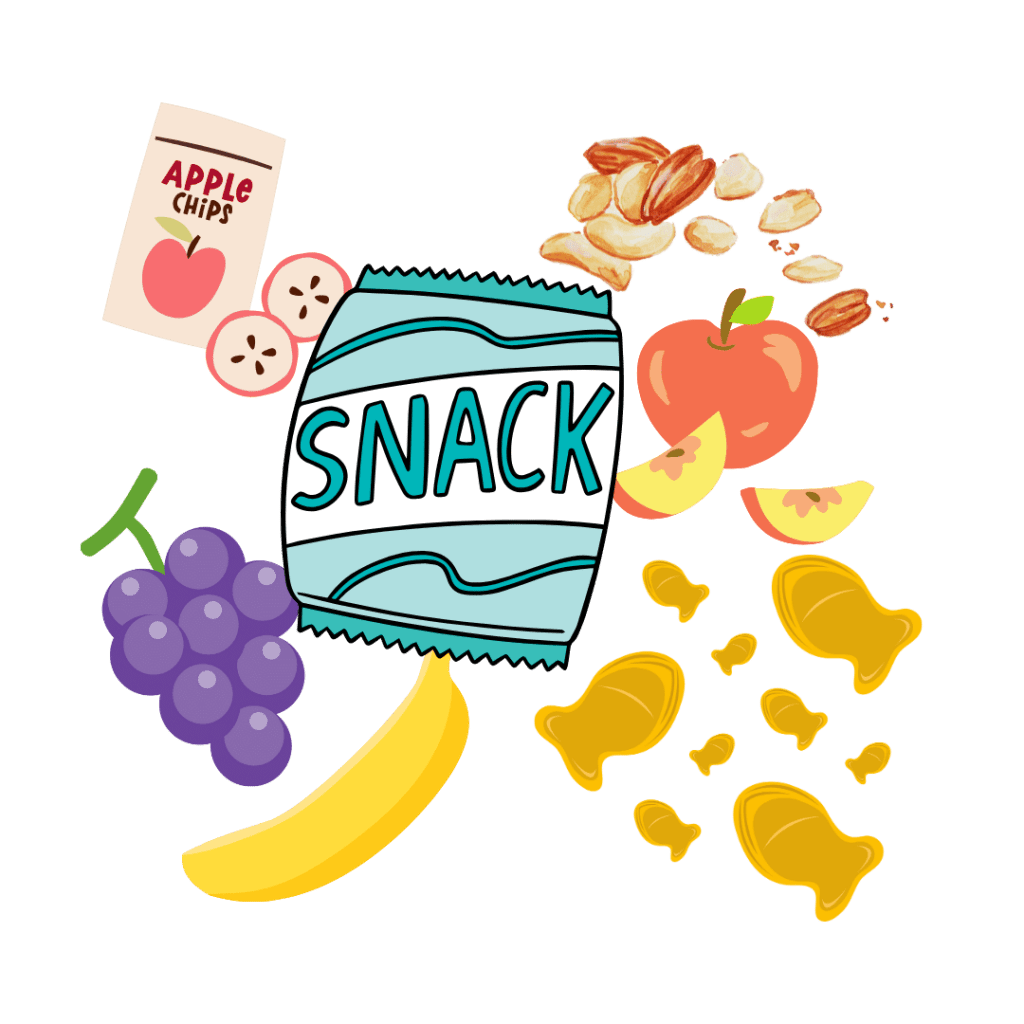
You’ve got a fridge full of kale and quinoa, but by the time you remember to eat, it’s too late and you’re face-first in a bag of chips. The solution? Embrace preemptive snacking. Keep healthy snacks at arm’s reach. Put nuts in your desk drawer, fruits on your bedside table, and protein bars in your car.
Quick Fix: Stock up on single-serving snack packs. Alternatively, block off a Sunday a week (or month depending on your needs) and make your own single use packs. I’ve been getting into couponing again and you if you can plan ahead (like with a handy dandy planner I’m selling in my shop, just saying)
You can’t forget to eat them if they’re practically begging you to.
Bonus: They’re perfect for your snack-on-the-go lifestyle.

2. The “What’s Cooking? Oh Look, a New Cat Video” Problem

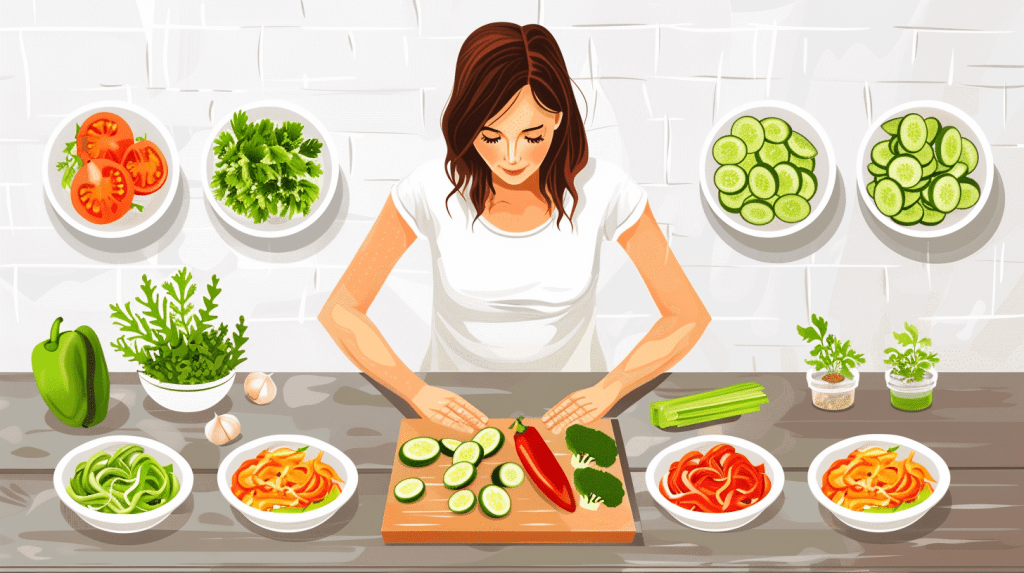
Planning and cooking meals can be as exciting as watching paint dry—unless that paint is a viral cat video. To combat this, try meal prepping like a boss. Channel your inner Food Network star and prepare meals in bulk. You’ll thank yourself later when you’ve got a week’s worth of meals ready to go.
Quick Fix: Find a meal prep buddy. If cooking isn’t your thing, delegate it to someone who loves it. Your job? Show up for the free food and the occasional, “I’m here to eat, not to cook.”

3. The “Healthy Food Is Too Complicated” Conundrum

We get it; kale is basically the poster child for ‘health food,’ but who has time to figure out what the heck a spiralizer is? Instead of getting bogged down by the latest food fads, stick to simple, nutritious foods. Go for things you can recognize as food without needing a Ph.D. to understand.
Quick Fix: Buy pre-chopped veggies and pre-cooked grains. Less fuss, fewer excuses. If you can’t mess up a pre-made salad, then it’s probably foolproof enough for you.

4. The “Too Many Choices, So I’ll Have Pizza” Dilemma

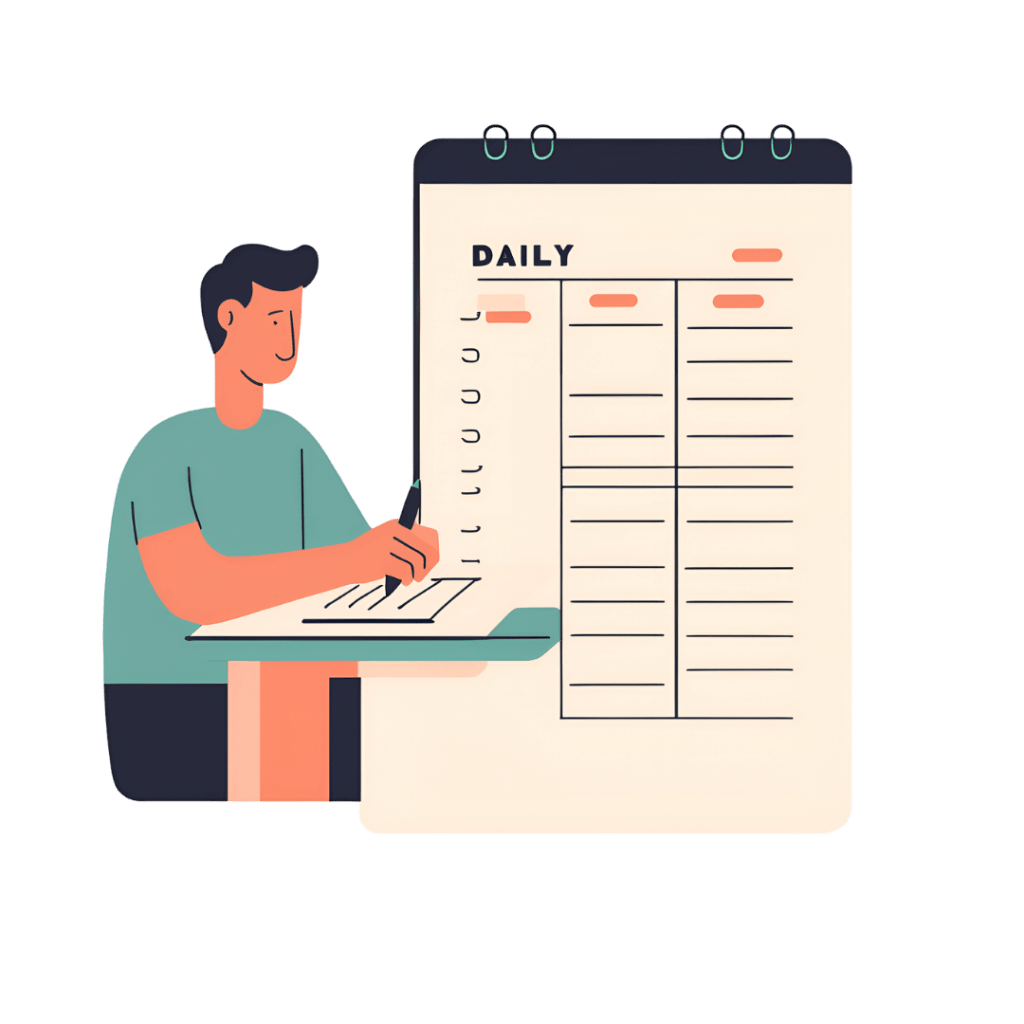
Decision fatigue is real. When faced with too many options, you might just end up ordering pizza because it’s the path of least resistance. Combat this by creating a weekly meal plan that you can stick to. Simplify your choices to a few go-to meals.
Quick Fix: Create a rotating meal schedule (and maybe invest in a planner… I might know where to find A good one 😉 ) . Think of it as a menu for your life. “Monday is stir-fry night; Tuesday is taco night.” Easy decisions, fewer meltdowns.

5. The “Grocery Store is an Overwhelming Gauntlet” Issue

Shopping for groceries can feel like you’re running an obstacle course designed by someone who hates you. To make it easier, stick to a shopping list and try to avoid the aisles that scream “Impulse Buy!”
Quick Fix: Use a grocery delivery service or curbside pick up. It’s like magic, but without the wand. Order online, and have everything you need delivered right to your doorstep. Just remember to actually check the box for “healthy options.”

6. The “Forget to Drink Water Until You’re a Raisin” Problem

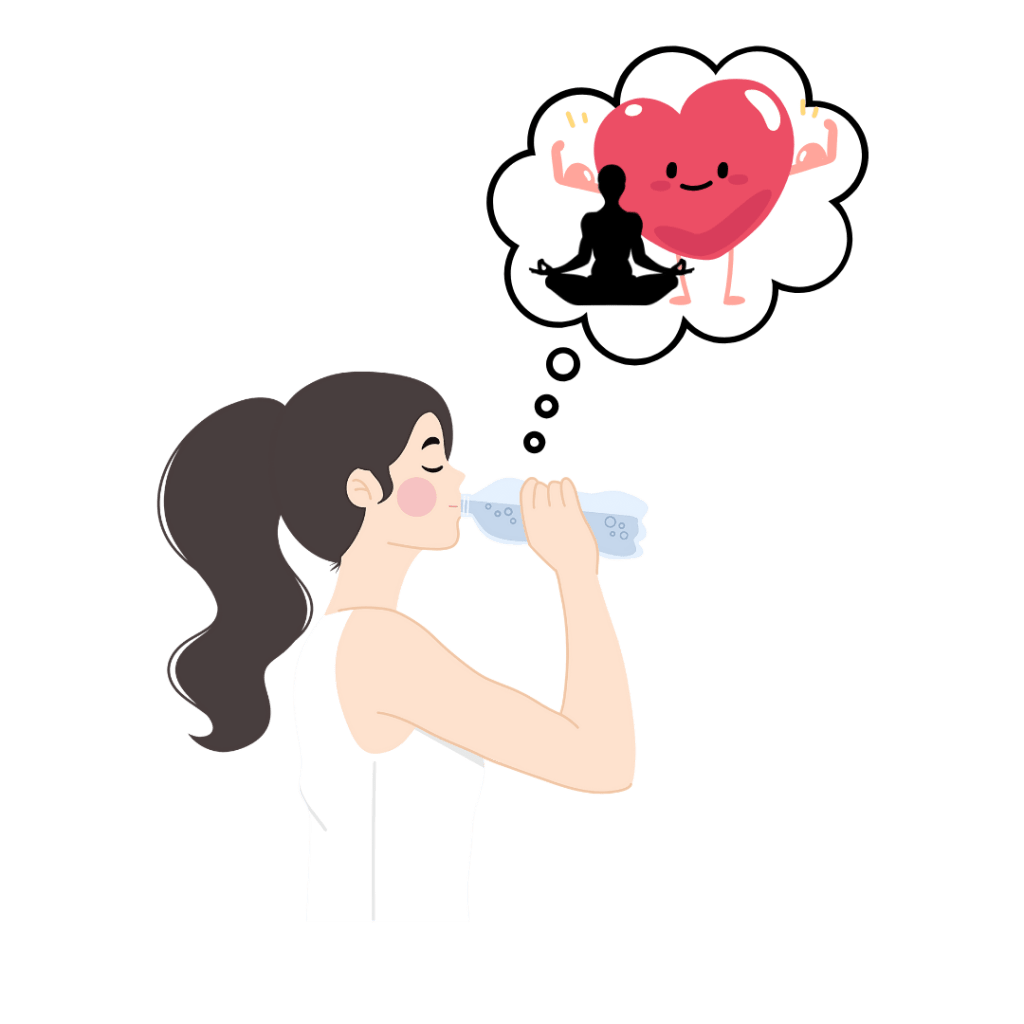
ADHD minds are like sieve-like sponges—absorbing everything but retaining nothing. You may forget to drink water until you’re dehydrated. Set up water reminders on your phone or use an app specifically designed to nag you about hydration.
Quick Fix: Get a water bottle with built-in reminders or a cute design that makes you actually want to drink from it. If it’s adorable, it’s harder to ignore.

So there you have it—an ADHD-friendly guide to managing your diet without losing your sanity. Remember, the key is to keep things simple and set yourself up for success. If you can’t make eating healthy a habit, at least make it easy enough that even your easily distracted brain can handle it. Make a game of it in your head, fixate on researching food and calories, turn your stubborn fixation into a strength, research the hell out of it and come up with a meal plan thats flexible yet still nutritious and doable. Now go forth, snack responsibly, and may your grocery trips be ever short and your meals ever delicious! Take care of yourself, and each other!

Uncategorized

Fibromyalgia Flare-Ups: Because Who Needs a Predictable Schedule?

Ah, fibromyalgia flare-ups—the unpredictable, uninvited guests that crash our daily plans with the grace of a bull in a china shop. One minute, you’re checking off items on your to-do list, and the next, you’re grappling with a tidal wave of pain, fatigue, and brain fog. If you’re living with fibromyalgia, you know all too well how these flare-ups can wreak havoc on your daily routines. But fear not! There are ways to manage the chaos with a mix of practical strategies and a touch of humor.

Understanding Fibromyalgia Flare-Ups (Or: Why Your Body Hates You)

Fibromyalgia is like that annoying friend who shows up uninvited and brings a bunch of rowdy guests – pain, fatigue, and brain fog. A flare-up is when these uninvited guests decide to throw a rager in your body. Triggers? Oh honey, it could be anything from stress to the weather changing its mind faster than a toddler in a candy store.

Key Insights:

  1. Flare-Ups Aren’t Always Predictable: Research published in the Journal of Clinical Rheumatology highlights that fibromyalgia symptoms can vary significantly in intensity and duration, making it challenging to plan activities around them. Will today be a “I can conquer the world” day or a “I can’t even conquer putting on pants” day? Spin the wheel and find out!
  2. Stress Plays a Major Role: According to the Fibromyalgia Syndrome: A Comprehensive Approach study, stress is a significant trigger for flare-ups. Managing stress through relaxation techniques can help mitigate the severity of symptoms. Turns out, stress is like fuel for your fibro fire. So try to relax… which is totally easy when you’re in pain, right?
  3. Weather Sensitivity: The Arthritis & Rheumatology journal notes that some fibromyalgia patients are sensitive to weather changes, which can exacerbate pain. However, the exact relationship between weather and flare-ups remains an area of ongoing research. Some fibro warriors are walking, talking weather predictors. Who needs a meteorologist when your joints can tell you it’s about to rain?

Tips for Surviving the Fibro Fiesta

  1. Embrace the Chaos: Plan A, Plan B, Plan “Fuck It, I’m Staying in Bed.”
  2. Journal Like a Teen with a Crush: Document every twinge, ache, and “why me?” moment. It’s like detective work, but less fun and more painful. Keeping a symptom journal is also advisable because what if its not fibro? The more info you have when trouble hits, the more you can tell the doc maybe its a tweak in meds, maybe its something else entirely.
  3. Self-Care is Not Selfish: Prioritize yourself. Take that nap, do that gentle yoga, or just stare at the wall contemplating the meaning of life. It’s all valid.
    The American College of Rheumatology suggests incorporating mindfulness and stress-reduction techniques into your routine.
  4. Set Realistic Goals: Like “get dressed today” or “remember why I walked into this room.”
    Break tasks into smaller, manageable chunks. This way, you can achieve your goals without overexerting yourself. Celebrate small victories, and don’t be too hard on yourself if you don’t accomplish everything on your list.
  5. Pain Management Roulette: Hot baths, massages, meds – try them all and see what sticks. It’s like a spa day, but with more wincing.
    The National Fibromyalgia Association emphasizes that a combination of treatments often works best.

  6. Find Your Tribe: Connect with other fibro warriors. Misery loves company, especially when that company gets why you’re canceling plans for the fifth time this week.
    Join a support group or online community where you can share experiences and gain advice from those who get it.
  7. Stay Informed: Keep up with fibro research. It’s like following celebrity gossip, but the celebrity is your own body. This knowledge can empower you to make informed decisions about your health and treatment plan.
  8. Communicate: Let people know when you’re having a bad day. Most people are understanding, and if they’re not, well, that’s what voodoo dolls are for. Let your family, friends, and colleagues know when you’re having a tough day. Most people are more understanding than you might expect.

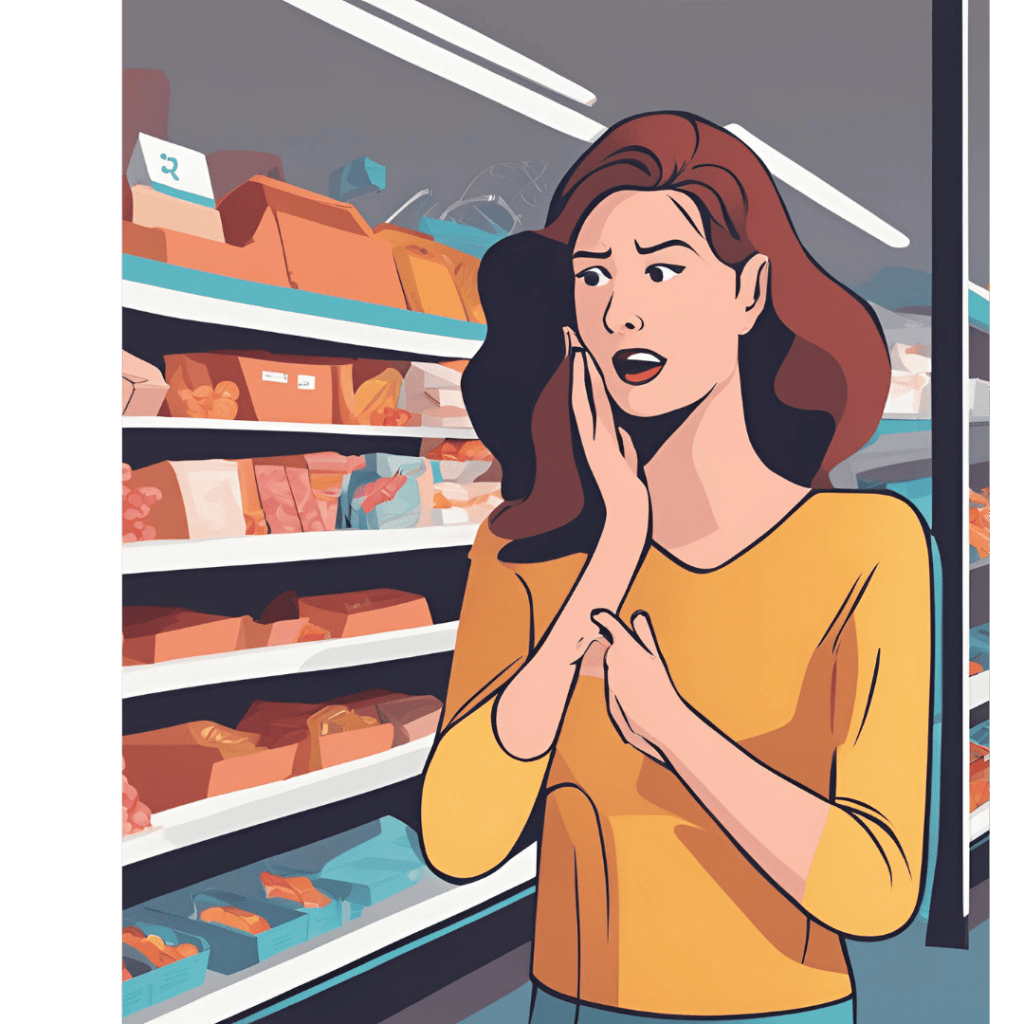
A tale of grocery store glory gone wrong…

There I was, feeling like a damn superhero, armed with a shopping list and the misguided optimism of someone who’s forgotten they have fibromyalgia.I’m cruising through the aisles, tossing items into my cart like I’m on some twisted version of Supermarket Sweep. I’m on fire, baby! I’ve got a week’s worth of meals planned, and I’m actually remembering to buy vegetables that aren’t just potato chips. Look at me adulting like a boss!

But then, because the universe has a sick sense of humor, my right hip decides it’s the perfect moment to stage a revolt. It was as if my nerve on that side was a live wire that was getting repeatedly squeezed like a cartoon character. Out of fucking nowhere, it feels like a rabid badger has set up shop in my joint and is throwing a rave. One second I’m contemplating the merits of Frosted Flakes versus Froot Loops, and the next I’m clinging to my shopping cart like Rose clung to that door in Titanic.

Every step is like walking on Legos while being stabbed by a thousand tiny ninjas. The fluorescent lights are suddenly brighter than the sun, turning the store into a hellish disco of pain. My carefully crafted plan of “shop and go home to Netflix” is rapidly morphing into “try not to pass out in the cereal aisle.”

As I’m limping towards the checkout, looking like a drunk flamingo pushing a cart, I can’t help but laugh at the absurdity. Here I am, in the middle of Kroger, putting on a show that’s part wounded animal, part determined shopper. But hey, if you can’t laugh at your body’s betrayal in the frozen food section, when can you laugh?

So there you have it, folks. Another day in the life of a fibro warrior, where even a simple shopping trip can turn into an epic battle against your own rebellious body. Now, if you’ll excuse me, I need to go home and ice my hip while eating the comfort snacks I panic-bought during my pain-induced haze. Because nothing says “self-care” quite like ice cream and ibuprofen, am I right? Til next time gang, take care of yourselves, and each other.