Uncategorized

The Great Household Item Hide & Seek (and the Conversations Iโ€™ve Had With Myself While Looking for Them)

You know how some people lose themselves in books or meditation? Yeah, not me. I lose myself in a daily game of hide & seek with my household items. Keys, phones, socks, remotes, pens โ€” all apparently sentient and united in their mission to make me look ridiculous.

What makes it worse? The conversations I have with myself while Iโ€™m searching. Spoiler: Iโ€™m both the villain and the detective, and Iโ€™m never kind to myself in either role.

Hereโ€™s a peek into the thrilling mysteries that unfold in my home:


๐Ÿงฆ The Missing Socks Saga

One sock left in the dryer, the other AWOL.

Me: โ€œDid I put this in the laundry?โ€
Also me: โ€œNope, it was definitely in the drawer.โ€
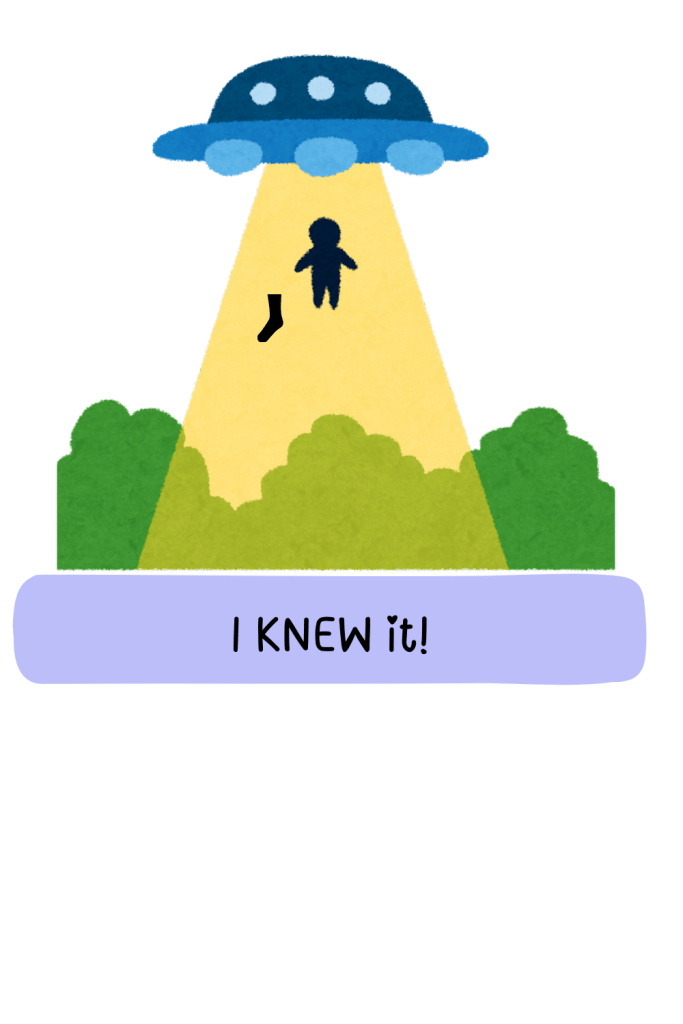
Me: โ€œSoโ€ฆ abducted by aliens?โ€
Also me: โ€œOr maybe itโ€™s sipping espresso in Paris while you walk around like a mismatched peasant.โ€

Result: I usually find it way too late โ€” after my daughter has cut it into an art project, or the cat has been subjected to a โ€œcustom sweaterโ€ that was three sizes too small.


๐Ÿ“ฑ The Vanishing Phone Mystery

My phone disappears precisely when Iโ€™m already late.

Me: โ€œI know I set it downโ€ฆ somewhere.โ€
Also me: โ€œMaybe in the fridge? Youโ€™ve done worse.โ€
Me: โ€œI donโ€™t know! I donโ€™t know anything anymore! This is how the chaos wins.โ€
Also me: โ€œHonestly, youโ€™d be late even if it was taped to your forehead.โ€


๐Ÿ“บ The Remoteโ€™s Secret Life

The remote hides in plain sight: under cushions, in laundry baskets, behind the cat.

Me: โ€œThis remote is plotting against me.โ€
Also me: โ€œYep, itโ€™s basically Loki in plastic form.โ€
Me: โ€œIt knows I want to binge my show. This is betrayal on a molecular level.โ€
Also me: โ€œFace it, the remote has stronger boundaries than you do.โ€


โœจ Bonus Round โ€“ The Usual Suspects

Pens that vanish. Hair ties that escape. Phone chargers that ghost me like a bad date.

Me: โ€œIs it under the bed, on the counter, or did it grow legs?โ€
Also me: โ€œNah, it packed a bag and joined the circus.โ€
Me: โ€œFine. Iโ€™ll just survive off raw anxiety.โ€
Also me: โ€œCool, thatโ€™s basically your whole lifestyle brand anyway.โ€


The Takeaway

Somewhere between yelling at invisible forces and negotiating with the cat, Iโ€™ve realized: maybe this is just normal. Maybe everyoneโ€™s household is secretly playing hide & seek with their sanity. Also me is a comedy genius lol.

Or maybe Iโ€™m just cursed.

Either way, Iโ€™m declaring a truce. But firstโ€ฆ coffee. Definitely coffee.


Uncategorized

Things I’ve Googled at 2 AM That Made Perfect Sense at the Time

A journey through my search history and the untamed wilderness of my insomniac brain

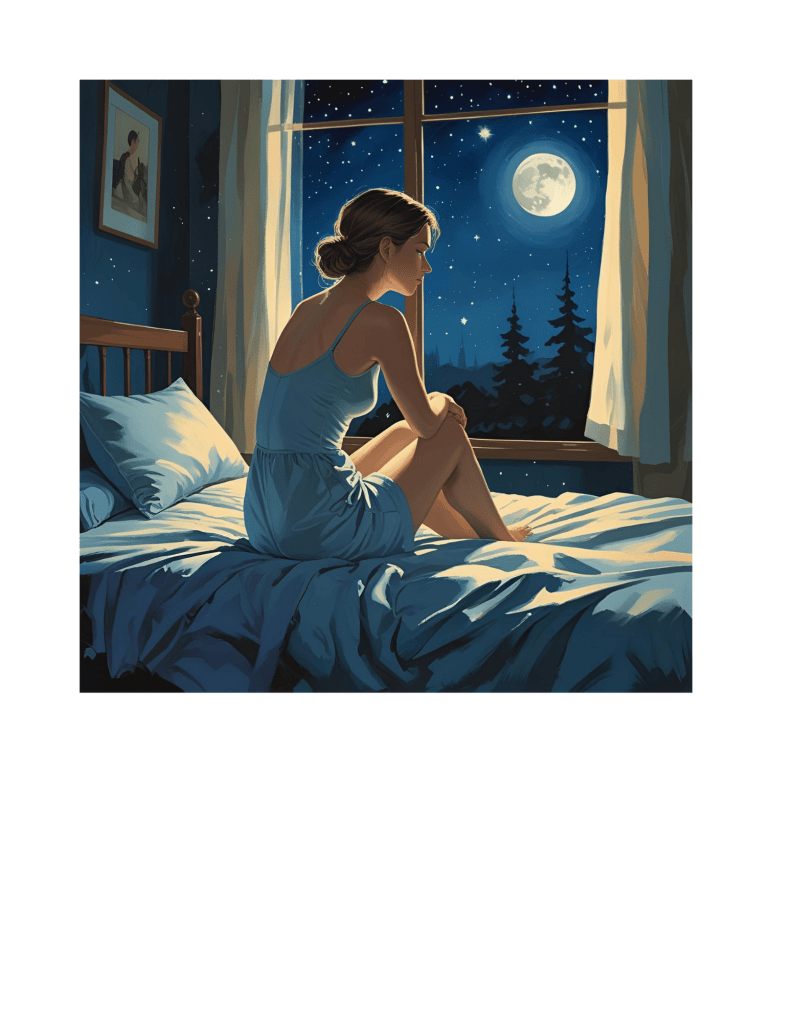
You know that moment when you’re lying in bed, brain absolutely feral with thoughts that feel like life-or-death urgent? When sleep is for the weak and your mind is a caffeinated hamster running full speed on a wheel made of pure chaos? When every random thought feels like the key to unlocking the mysteries of existence?

Welcome to my 2 AM Google searches โ€“ where logic goes to die and curiosity runs completely unhinged.


The “This Will Definitely Keep Me Awake Until Dawn” Category

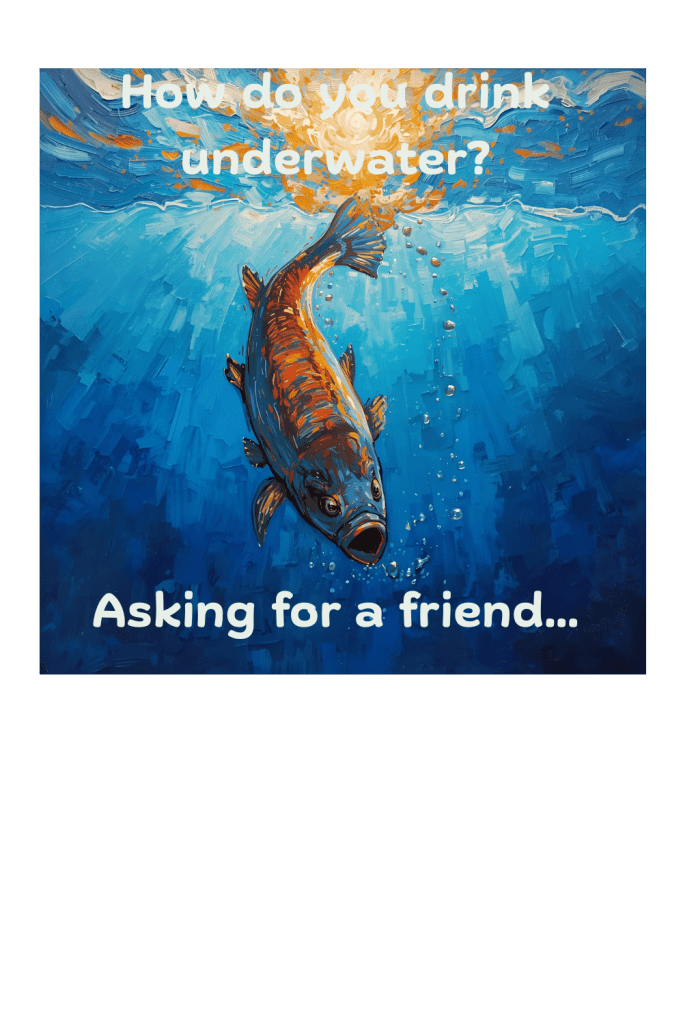
“Do fish get thirsty and if so how do they drink underwater without drowning” This question possessed my soul for THREE HOURS. I went from fish biology to marine ecosystems to somehow reading about the Mariana Trench. My brain decided fish hydration was the hill I would die on. At 2 AM, this was the most important scientific inquiry of our time.

“What happens if you never cut your toenails ever in your entire life” Started innocent. Ended with me learning about 19th century burial practices and somehow getting emotionally invested in the story of a man who grew his fingernails for 66 years. I have regrets.


The Health Anxiety Rabbit Hole of Doom

“Left eyelid twitching morse code am I receiving messages from beyond” Started as concern about eye twitching. Escalated to wondering if my eyelid was trying to communicate. Googled morse code translations. My eyelid was apparently saying “SOS” which felt about right.

“Why does my knee sound like Rice Krispies when I stand up” I’m in my 40s. Things crack. But at 2 AM, my knee clicking was obviously the first domino in my body’s systematic shutdown. WebMD told me I had seventeen different terminal conditions. I had coffee and mysteriously felt better.


The “Important Research” That Consumed My Soul

“Difference between cemetery and graveyard and why this matters at 3 AM” Apparently it’s about church affiliation. This felt like CRITICAL information at the time. I was prepared to debate burial ground terminology with anyone who challenged me.

“Do cows have best friends and if so do they get lonely and is this why I’m sad” Cows DO have best friends! They form complex social bonds and experience grief when separated! This made me cry actual tears about cow friendship and question my own social connections. Spent an hour reading about bovine emotional intelligence.

โ€œCan cats sense when youโ€™re lying to them?โ€
Because obviously I need my judgmental feline to approve every life choice.


The Food Safety Investigation Unit

“Pizza left out overnight: food poisoning timeline and acceptable risk calculation” Had to mathematically determine if leftover pizza was worth potential gastrointestinal consequences. Created mental risk/benefit analysis charts. Pizza won. Always wins.


The Philosophical Crisis at Dawn

“What color is Wednesday and why does this feel urgent” Don’t have synesthesia but was absolutely convinced Wednesday has a specific color that I NEEDED to identify. Found entire forums debating weekday colors. People are passionate about this. Wednesday is apparently yellow. Crisis averted. Guys ALL days have colors! Why has no one ever mentioned this?


The Career Change Research Phase

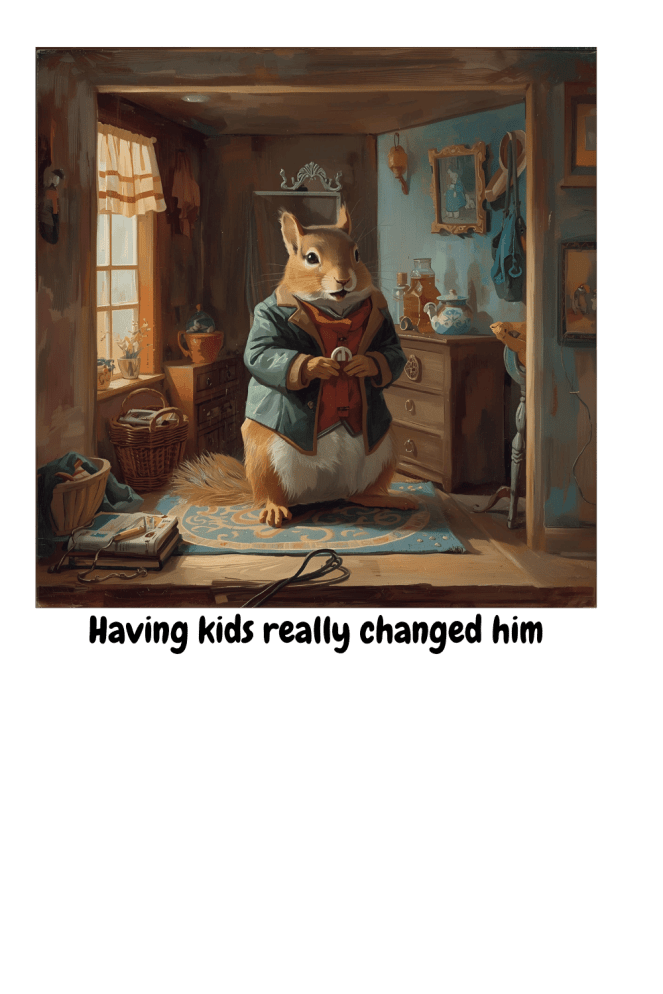
“Can you train squirrels as personal assistants legal implications” There was a particularly intelligent-looking squirrel outside my window. My brain saw potential. Googled squirrel intelligence, training methods, and workplace discrimination laws regarding rodent employees. then once I looked that upย โ€œDo squirrels have existential dread?โ€ Probably. And theyโ€™re judging my parenting choices. George has a family of his own now so I feel his judging eyes.


The Current Situation

Right now, as I write this at (checks clock) 2:47 AM, I have seventeen browser tabs open including:

  • “Do penguins have knees” (they do!)
  • “Why does my brain do this to me sleep deprivation psychology”
  • “Can you train your circadian rhythm through sheer force of will”
  • “Is 3 AM the witching hour or am I just dramatic”

My search history reads like the diary of someone slowly losing their grip on reality while simultaneously becoming the world’s leading expert on random trivia that absolutely no one asked for.

But here’s the thing โ€“ my 3 AM brain might be absolutely unhinged, but it’s also endlessly curious, wildly creative, and never boring. Sure, I could use this time to sleep like a normal person, but then I wouldn’t know that cows have feelings, fish don’t get thirsty (probably), and there are people who have mathematically calculated rubber duck bathtub capacity.

My insomniac research spirals might be chaotic, but they’re MY chaotic research spirals, and honestly? The world is a more interesting place when you know completely useless information about everything.

Tonight’s 3 AM search prediction: “Why do I keep doing this to myself” immediately followed by “Do octopi dream and if so what about”

Please tell me your 3 AM Google searches are equally unhinged. I need to know I’m not the only one whose brain treats bedtime as research time. What’s the weirdest rabbit hole you’ve fallen down in the middle of the night?

Uncategorized

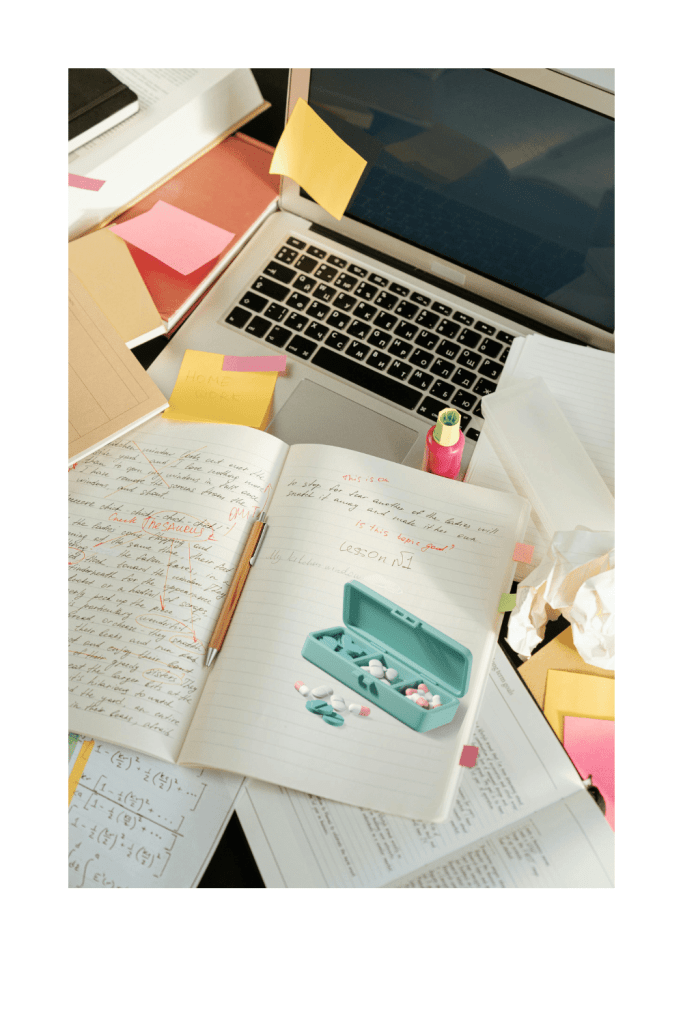
The Great Medication Shuffle: Morning Pills, Evening Pills, and the Ones I Forgot Existed

Or: How My Medicine Cabinet Became a Small Pharmacy and I Still Can’t Remember What I’m Supposed to Take When

Looking at my bathroom counter right now, I count fourteen different pill bottles, three liquid medications, two inhalers, and a partridge in a pear tree. Okay, maybe not the partridge, but at this point I wouldn’t be surprised if my doctor prescribed one for “mood support.”

For those of you managing multiple chronic conditions, you know the drill. What started as “just take this once a day” has evolved into a complex choreographed dance that would make Broadway jealous. And like any good performance, timing is everythingโ€”except I have ADHD and the memory of a goldfish with anxiety.

Meet the Cast of Characters

The Morning Crew: These are the heavy hitters that transform me from zombie to semi-functional human. They’re the ones that make it possible for me to remember my own name and possibly locate the coffee maker.

I have to take 16 pills in the morning, and it’s as gross and exhausting as it sounds. While I’m supposed to take all that in the morning, I split it up to make it easier to manage, so my pills are morning, later morning, dinner/bed. Frequently when I sit down to do my meds I have missed a few from the “later morning” category. Because nothing says “good morning” like swallowing what feels like a handful of gravel.

The Evening Squad: The night shift workers whose job is to help me actually sleep instead of lying awake cataloging every embarrassing thing I’ve done since 1987.

At night I feel like I do a lot of prep work. I take 5 at dinner. One of those is half a dose of sleep/anti-anxiety. I take another 3 when I sit down for the night. Once I have done my chores I pop the other half and soon am out cold. If any one of those is off by an inch I won’t sleep or will pass out mid-chore. It’s like a tightrope balance really, but I fall far more often lol. Nothing quite like waking up on the couch with a half-folded load of laundry as your blanket.

The Wildcards: These are the divas of the medication world. Take with food. Don’t take with food. Take two hours before this other medication but not within four hours of dairy products. Take while standing on your head during a full moon. (Okay, I made that last one up, but honestly, would you be surprised?)

I take one that’s ‘take with 600 calories.’ Ok, as in, how close to eating? Before? After? What will happen if I’m not a nutritionist and therefore have NO IDEA how many calories will be enough? Do I need to whip out a food scale? Should I be doing math at breakfast? Is a bagel with cream cheese 600 calories or am I supposed to add a side of existential dread?

The Forgotten: Every medicine cabinet has themโ€”the bottles in the back that you rediscover like archaeological artifacts. “Oh hey, I was supposed to be taking this for anxiety… six months ago. That explains a lot.”

I have a tough time with my late morning meds, so they often get forgotten until later in the day, then it’s the ‘would it be better to double up/take them closer to the night time ones? When do we no longer consider it because it’s too close to the others?’ Such fickle little things they are. It’s like playing medication Jengaโ€”one wrong move and the whole system comes tumbling down.

The Systems I’ve Tried (And How They’ve Failed Me)

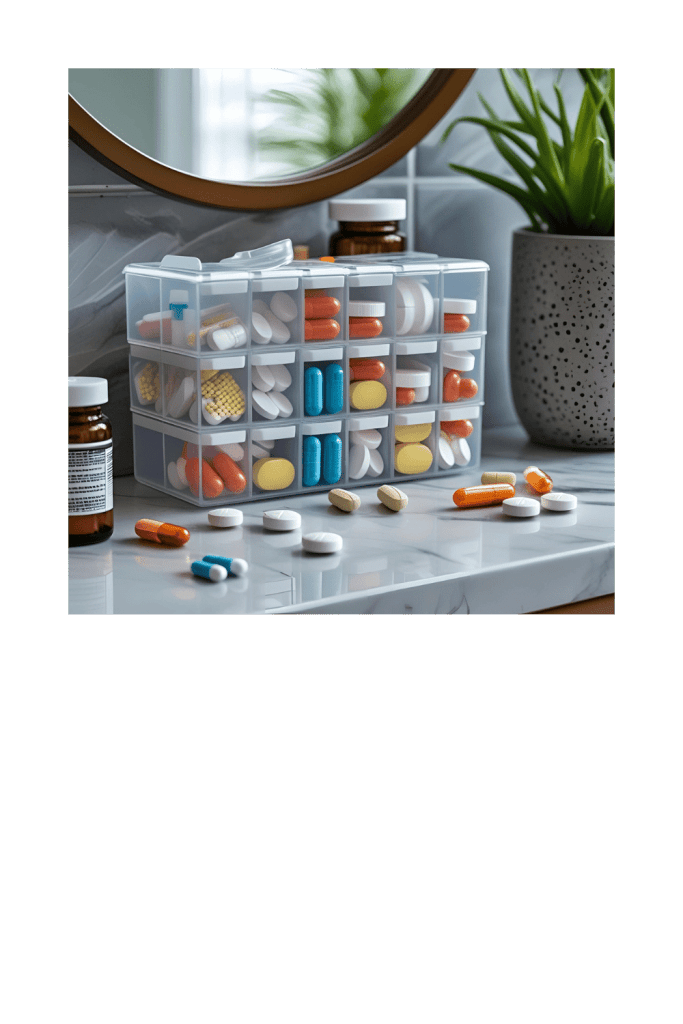
The Pill Organizer Approach: Seemed foolproof, right? Wrong. First, I had to figure out which size. The tiny ones where I can barely fit my horse-sized vitamins? The weekly ones that don’t account for my twice-daily medications? The monthly system that takes up half my kitchen counter?

I started out resisting these HARD, then went to the daily ones. They didn’t workโ€”I’d forget to fill it, so one day at a time, I was not responsible enough for that. I lived, I learned, I got a weekly with the days broke into 4 sections, and it works. And if I forget, I always skip just because that’s easier to fix than the opposite wayโ€”it’s better to err on the side of caution. Nothing like turning medication management into a weekly game of Tetris.

The Phone Alarm Method: Set seventeen different alarms with helpful names like “ADHD Med” and “Don’t Forget Thyroid Pill.” Works great until you’re in an important meeting and your phone starts screaming “TAKE YOUR CRAZY PILLS NOW” at full volume.

Or, like me, you manage to dismiss them all subconsciously or your brain chooses to ignore them lol. It’s like my ADHD brain has developed selective hearing specifically for the alarms that are supposed to help me function. I can hear a bag of chips opening from three rooms away, but medication reminders? Nope, not registering.

The Medication Apps: Downloaded four different apps that promised to change my life. They all judged me harder than my mother when I inevitably forgot to log my doses. Nothing like a guilt trip from your phone to start the day.

The apps that would change my life all involved either purchases through the app, or require so much of my time I spent more energy journaling and entering the same responses than actually taking the medications. Or I’d not remember to enter them at all after week two. Apparently, I need an app to remind me to use the app that reminds me to take my medication. It’s apps all the way down.

The “I’ll Just Remember” Method: The most delusional approach of all. My ADHD brain that can’t remember where I put my keys five minutes ago was somehow going to remember a complex medication schedule. Spoiler alert: it didn’t work.

I will have my bottle in my hand wondering if I JUST took one, or if my brain is showing me past me taking them as I’d done countless times before. It’s like my brain is running a highlight reel of every time I’ve ever taken that medication, making it impossible to distinguish between “five minutes ago” and “Tuesday three weeks ago.”

The Real Struggles Nobody Talks About

The “Did I or Didn’t I?” Game: Standing in your bathroom at 2 PM, staring at a pill bottle, trying to remember if you took your morning medication or just thought really hard about taking it. It’s like the worst guessing game ever, with side effects as consequences.

So I stand there, debating my next move like it’s a choose-your-own-adventure novel: Option A: Take the pills and risk double-dosing myself into a nap I didn’t plan. Option B: Skip them and spend the rest of the day vibrating at the wrong frequency. Spoiler alert: I picked Option C โ€” called my teen into the room and asked, “Hey, did you see me take these earlier?” They just stared at me like, “You realize I don’t follow your every move, right?” Thanks, kid. Very helpful.

The Pharmacy Mystery Calls: “Hi, your prescription for [medication you’ve never heard of] is ready for pickup!” Wait, what? When did I get prescribed that? Have I been supposed to be taking something this whole time?

Frequently I will go in for my appointment and bloodwork and she’ll call something in but forget to send the email until I contact them. So I’m left wondering if this mystery medication is something crucial I’ve been missing, or if it’s the pharmaceutical equivalent of a pocket dial. Either way, I’m driving to the pharmacy feeling like I’m solving a medical mystery.

The Coordination Nightmare: Doctor A wants to change medication X, but you have to check with Doctor B because it interacts with medication Y, and Doctor C doesn’t know about either of them because the medical records system is apparently held together with duct tape and prayers.

I once spent three weeks playing telephone between my psychiatrist, primary care doctor, and endocrinologist because nobody could agree on whether my new thyroid medication would interfere with my ADHD meds. Meanwhile, I’m sitting in the middle like a very tired, very caffeinated UN mediator, taking notes and trying to remember who said what about which pill. Spoiler alert: they all had different opinions, and I ended up being my own case study.

The Instruction Manual: That one medication that comes with a novel’s worth of instructions. Take with food, but not dairy. Don’t lie down for 30 minutes after taking. Avoid sunlight. May cause drowsiness or insomnia (thanks for being specific).

My personal favorite is the medication that says “may cause dizziness” and “do not operate heavy machinery,” but then also warns “may cause restlessness and inability to sit still.” So… I can’t drive, but I also can’t stop moving? Should I just pace around my house indefinitely? And don’t get me started on “take on an empty stomach” versus “take with food to avoid nausea.” Pick a lane, pharmaceutical industry!

What Actually Works (Sort Of)

After years of trial and error (emphasis on error), I’ve cobbled together a system that works approximately 73% of the time, which in my world counts as a rousing success.

My current system is that weekly pill organizer with four compartments per day, plus a backup system of keeping the bottles nearby for those “did I or didn’t I” moments and I actually write an x. I’ve learned to embrace the “when in doubt, skip it” philosophy because it’s easier to catch up on a missed dose than to undo a double dose. And yes, I still sometimes ask my family members if they’ve seen me take my pills, because apparently it takes a village to medicate one ADHD brain.

The key insight I’ve learned is this: there is no perfect system. There’s only the system that fails less catastrophically than the others. Some days I nail the medication schedule like a responsible adult. Other days I take my evening pills at 2 PM and wonder why I’m sleepy.

Just last week, I confidently took my morning pills, felt very proud of myself, and then found the same pills sitting in my pill organizer an hour later. Turns out I had taken yesterday’s forgotten dose. Mystery solved, but also… how did I not notice I was taking pills from the wrong day? ADHD brain strikes again.

The Bottom Line

If you’re struggling with medication management, know that you’re not alone in this pharmaceutical juggling act. We’re all just doing our best with brains that sometimes work against us and bodies that require more maintenance than a vintage car.

Your worth isn’t measured by how perfectly you follow your medication schedule. It’s measured by the fact that you keep trying, keep adapting, and keep finding ways to take care of yourself even when it feels impossibly complicated. Some days “good enough” really is good enough, and that’s perfectly okay.

Managing multiple chronic conditions isn’t just about remembering to take pillsโ€”it’s about being patient with yourself when your brain doesn’t cooperate, forgiving yourself when systems fail, and celebrating the small victories like remembering your evening meds before midnight.

Now if you’ll excuse me, I need to go stare at my pill bottles and try to remember if 2 PM counts as “evening” for my twice-daily medication.


Uncategorized

Hyperfixation Cuisine: A Love Story

When food is your ride-or-die for two weeksโ€ฆ until it ghosts you.

I don’t fall in love oftenโ€”but when I do, it’s usually with a snack. A drink. A cereal. A very specific sandwich from one very specific place that I will eat exclusively for 14 days straight like it holds the secrets of the universe and contains all the nutrients my body will ever need. During these passionate food affairs, I become a creature of pure obsessionโ€”calculating how many times per day I can reasonably consume my chosen item without judgment, researching the optimal preparation methods, and feeling genuinely excited about meal times in a way that probably isn’t normal for a grown adult. I’ll stock up like I’m preparing for the apocalypse, filling my cart with multiples of the same item while cashiers give me curious looks that I interpret as admiration for my decisive shopping skills. And then? I ghost. Cold turkey. No warning, no closure, no gradual tapering offโ€”just me and my shame in aisle 5, pretending I never knew that Creamsicle shake, avoiding eye contact with the 47 cans of soup I can no longer stomach, and wondering why my brain treats food like a series of intense but doomed romantic relationships.

What Is Hyperfixation Cuisine?

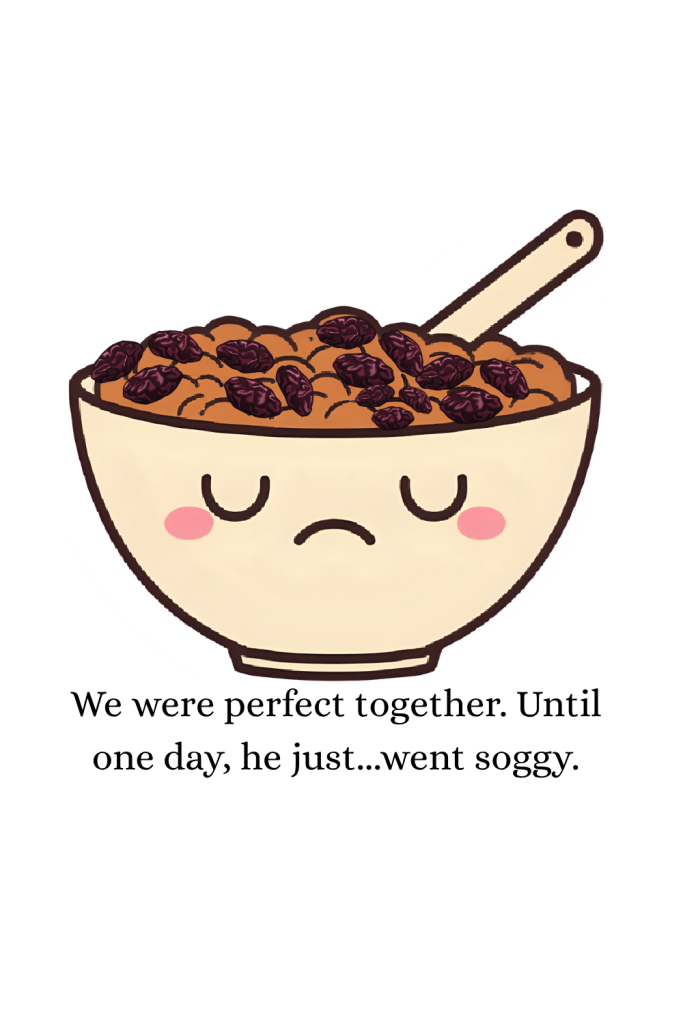
Itโ€™s the culinary equivalent of a summer fling. You’re obsessed. You plan your day around it. You talk about it to anyone who will listen (and a few who wonโ€™t). You buy in bulk. And then one morning, like a cursed love spell wearing off, itโ€™s done. Youโ€™re left with a pantry full of raisin bran and the haunting echoes of a snack you no longer want to eat.

Neurodivergent folksโ€”those of us with ADHD, autism, or bothโ€”know this dance well. Itโ€™s not a food phase; itโ€™s a full-blown romantic arc.

And science backs us up!

Let’s sneak in some facts while we laugh about it:

Nutritionists would say variety is key. But also? Survival. Joy. Convenience. These are not small things. And if eating the same 3 things on rotation keeps your body going through a rough patch? Thatโ€™s not failureโ€”thatโ€™s strategy.

Plus, it always changes eventually. Usually when you least expect it. Often mid-bite.

Honestly? Laugh. Embrace it. Maybe write a heartfelt goodbye letter to your former food flame. (โ€œDear Bagel Bites, we had some good times. Iโ€™m sorry I abandoned you half-eaten in the freezer door.โ€)

You donโ€™t have to force variety or shame yourself for what your brain finds comforting. Just make sure you stay fed, hydrated, and somewhat functional. And if one day you find yourself suddenly obsessed with cucumbers in vinegar, just know: you’re not alone.


What was your last food fling? Let me know so I donโ€™t feel like the only one who once ate eleven bowls of raisin bran in one week.

And to all the forgotten snacks still lurking in my pantryโ€ฆ
I loved you once. I swear I did, lol. Til next time gang, take care of yourselves

Uncategorized

The PTSD Plot Twist: How Nearly Dying Made Living Feel Impossible

The unexpected psychological aftermath of medical trauma that nobody warns you about.

You’d think that surviving something as dramatic as your heart stopping would make you grateful for every breath, right? That’s what everyone assumes. Thatโ€™s what I assumed. But here’s the plot twist nobody talks about: sometimes surviving the unsurvivable doesn’t make you appreciate life moreโ€”it makes living feel impossibly dangerous.

Welcome to the mind-bending world of medical trauma PTSD, where your brain decides that since you almost died once, you’re probably about to die again. Any minute now. Maybe even right now while you’re reading this.

The Science Behind the Psychological Sucker Punch

Hereโ€™s what the research says about cardiac arrest survivors that no one mentioned in the hospital discharge paperwork: the prevalence of PTSD among us is high. Like, surprisingly high. Studies vary, but they all agree itโ€™s not just a few people who “canโ€™t handle it.”

Even worse? PTSD in cardiac arrest survivors is linked to a significantly higher risk of another heart event or death within a year. So, while your brain is tormenting you with the idea that you’re going to die… that very torment might actually make you more likely to die.

It’s psychological Russian roulette, designed by a trauma specialist with a PhD in irony.

When I first woke up, I was full of gratitude. My brain was too busy relearning how to walk and do basic things to spiral about what almost happened. But once the dust settled? Thatโ€™s when the fear moved in.

The Hypervigilance Trap: When Your Body Becomes the Threat

Hypervigilance means constantly scanning your surroundings for danger. But when the danger came from inside your own body, where exactly are you supposed to feel safe?

Every chest flutter is a heart attack. Every dizzy spell is a stroke. And donโ€™t even get me started on tracking your own breathing. Your body becomes a 24/7 threat detection system, and youโ€™re the one being surveilled.

I drink water like itโ€™s a competition. I got a fitness tracker. I monitor every symptom: is that back pain from fibro, chronic kidney disease, or something more sinister? Often, Iโ€™ve just pulled a muscle from existing too hardโ€”but my brain doesnโ€™t buy that.

The Symptoms No One Prepares You For

We all know PTSD comes with flashbacks, nightmares, and anxiety. But medical PTSD has some bonus round features:

  • Medical Setting Panic: The sound of a heart monitor beep? Instant terror.
  • Body Betrayal Complex: Your once-trusty body now feels like a traitor.
  • Gratitude Guilt: Youโ€™re supposed to feel thankful, but mostly you feel terrified. Then you feel guilty about not feeling thankful. It’s like emotional inception.
  • Hypervigilant Exhaustion: Your body never relaxes, so your muscles never heal. Which means you always hurt. Which means your mood crashes. And the cycle repeats.

When I close my eyes, I don’t see calm or rest. I see regret. Unfinished business. Conversations I didnโ€™t have. My muscles are always clenched. If Iโ€™m always hurting, Iโ€™m always depressedโ€”and if Iโ€™m depressed, Iโ€™m even more tense. Rinse and repeat.

When Existing Conditions Complicate the Picture

If you already had health issues, medical trauma PTSD is like throwing a grenade into a house of cards. For me, fibromyalgia, ADHD, and bipolar disorder were already hard enough. Add PTSD?

  • ADHD + Hypervigilance = Brain ping-pong with a side of dread.
  • Bipolar + Trauma = Racing thoughts that might be mania or might be panic. Who knows?
  • Fibro + PTSD = Every ache becomes a “what if.”

The Irony of Fighting Fear While Pretending You Arenโ€™t

The most exhausting part? You know it sounds ridiculous. You know your stats. You know not every chest tightness is a heart attack. But logic doesnโ€™t matter. PTSD doesnโ€™t speak statistics.

So youโ€™re fighting fear with one hand while pretending to be okay with the other. Panic attack on the inside, small talk on the outside.

The Treatment Nobody Mentions

Hereโ€™s a shred of hope: studies show mindfulness-based therapy can actually help cardiac arrest survivors manage PTSD. Itโ€™s not one-size-fits-all, but itโ€™s a start.

The problem is, most doctors donโ€™t screen for PTSD after a medical event. Theyโ€™re focused on your physical recovery. The emotional wreckage? Not on the chart.

Living in the Plot Twist

Some days, I can go hours without mentally scanning every inch of my body. Other days, itโ€™s like I have ESPN for doom.

The real twist? Surviving doesnโ€™t always make you feel grateful. It can make you feel fragile. And maybe that’s okay.

Maybe we donโ€™t need to bounce back stronger. Maybe we just need to keep going, scared or not. Thatโ€™s resilience too.

The Ongoing Experiment

Every day, I try to live without panicking about living. Some days I fail. Some days I donโ€™t. But Iโ€™m still here. Still experimenting. Still trying. Til next time gang, you’re not alone, take care of yourselves, and each other!

If you’re navigating this too, you’re not broken. You’re not being dramatic. You’re surviving something nobody talks about.


Sources:

  1. Columbia University Department of Psychiatry โ€“ Mindfulness-based Therapy for Cardiac Arrest Survivors
  2. PubMed โ€“ PTSD in Cardiac Arrest Survivors
  3. American Heart Association โ€“ Psychological Impact of Cardiac Arrest
  4. Cleveland Clinic โ€“ PTSD Symptoms and Treatment
  5. Mayo Clinic โ€“ PTSD Causes and Risk Factors
  6. Bay Area CBT Center โ€“ Understanding Hypervigilance
  7. Balanced Awakening โ€“ Hypervigilance and Trauma
Uncategorized

What Rest Feels Like When Youโ€™re Used to Being in Crisis

Rest is weird.

Letโ€™s just start there. Because when your baseline is fight-or-flight, freeze-or-fawn, dissociate-or-die-tryingโ€ฆ “rest” doesnโ€™t always feel peaceful. Sometimes it feels like guilt. Or like you’re forgetting something. Like you’re doing life wrong.

If you’ve lived in survival mode for months or yearsโ€”or foreverโ€”itโ€™s not just that you donโ€™t rest. Itโ€™s that youโ€™ve forgotten what real rest is supposed to feel like.

1. Rest Feels Like Uncertainty at First

The first few minutes of trying to rest when youโ€™re used to chaos? Horrible. It’s like the world got too quiet and suddenly your brain is staging a protest:

  • โ€œShouldnโ€™t you be doing something right now?โ€
  • โ€œIs the other shoe about to drop?โ€
  • โ€œAre you being lazy or just conveniently forgetful?โ€

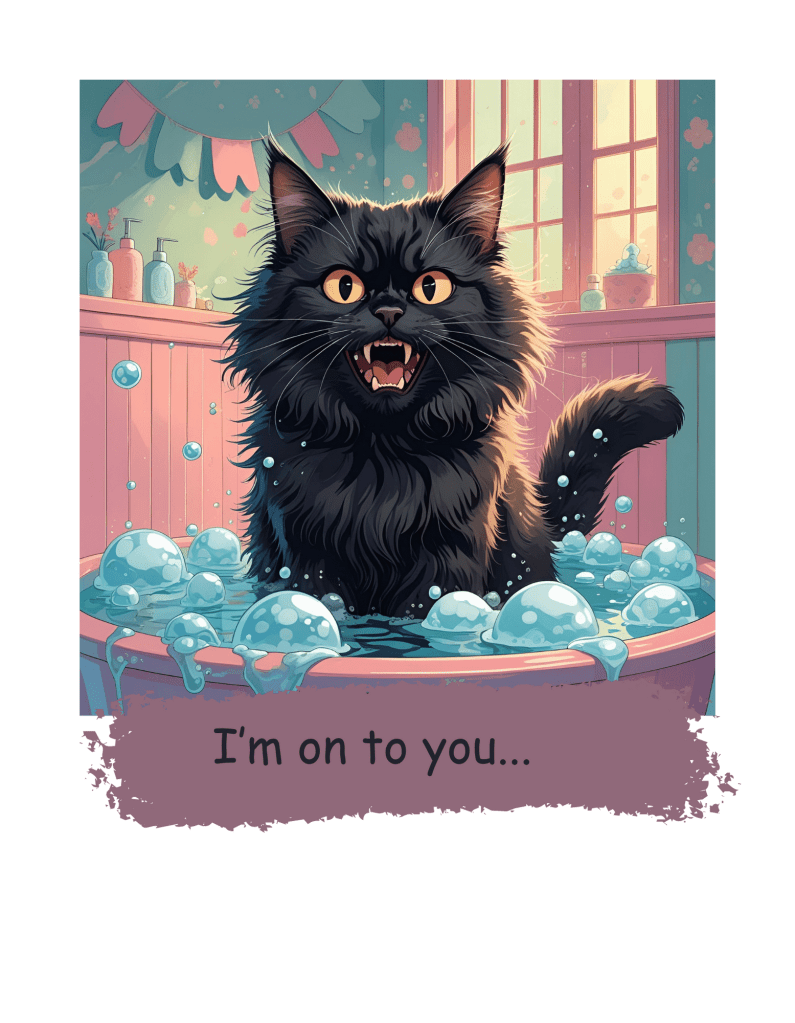
I have terrible self talk and my therapist always has me ‘reframe’ things. Turns out, your nervous system isnโ€™t sure what to do when it isnโ€™t in go-go-go mode. It gets twitchy. Suspicious. Like a cat in a bathtub.

2. Rest Can Look Lazy When Itโ€™s Actually Life-Saving

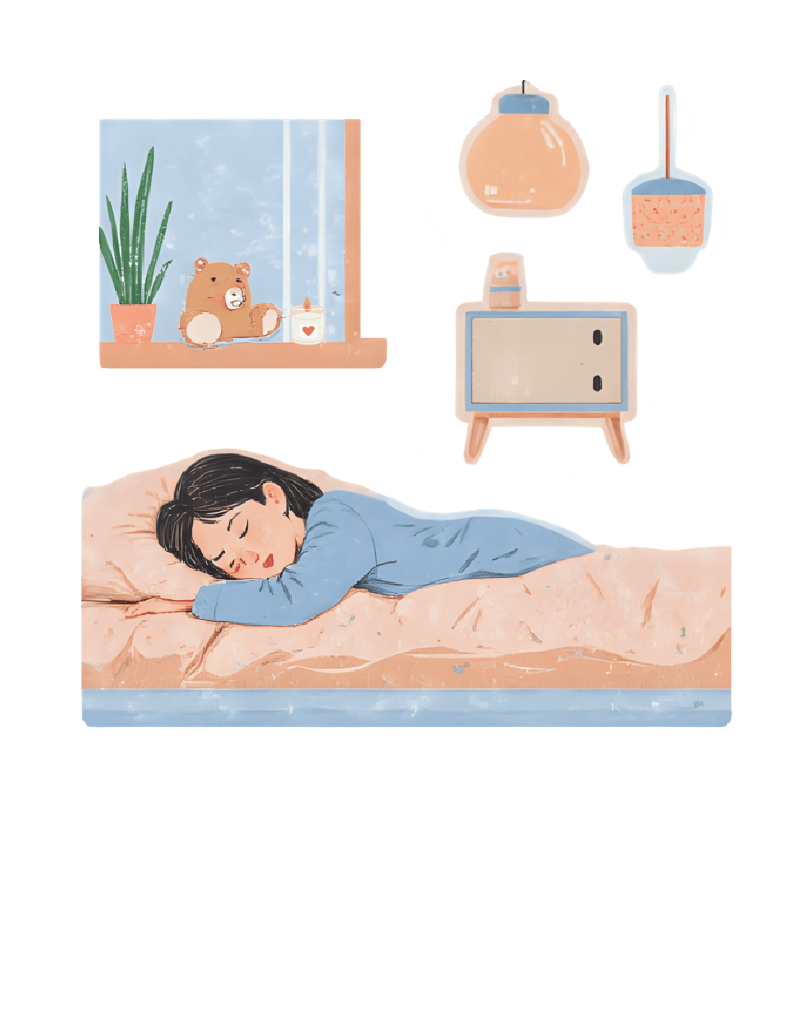
Rest isnโ€™t always bubble baths and soft jazz. Sometimes rest looks like staring at the ceiling, numb and unmoving, because thatโ€™s all your body can manage. And that counts. Especially when youโ€™re healing.

Some people take naps. Sometimes I can but I keep naps under an hour if exhaustion hits.
Othersโ€ฆ collapse. I’ve done that. I’ve driven cross country 21 hours and legitimately passed out cold. I was apparently parked in front my aunt’s neighbors tennant’s garage and they banged on the window, clearly seeing me sleeping on the couch and not hearing them. LOL They thought I was dead,

Same nervous system need, just wearing different outfits.

3. Rest Doesnโ€™t Mean Everything Is Fixed

Hereโ€™s the kicker: you can be exhausted and doing nothing. Thatโ€™s not failure. Thatโ€™s biology catching up.

Rest doesnโ€™t mean youโ€™re healed, fixed, or suddenly energetic. Though it helps when the goal is reached. Sometimes itโ€™s just the space between breakdowns. And thatโ€™s okay. Thatโ€™s real. Thatโ€™s progress, even if it doesnโ€™t sparkle.

4. Rest Can Feel Like Withdrawal

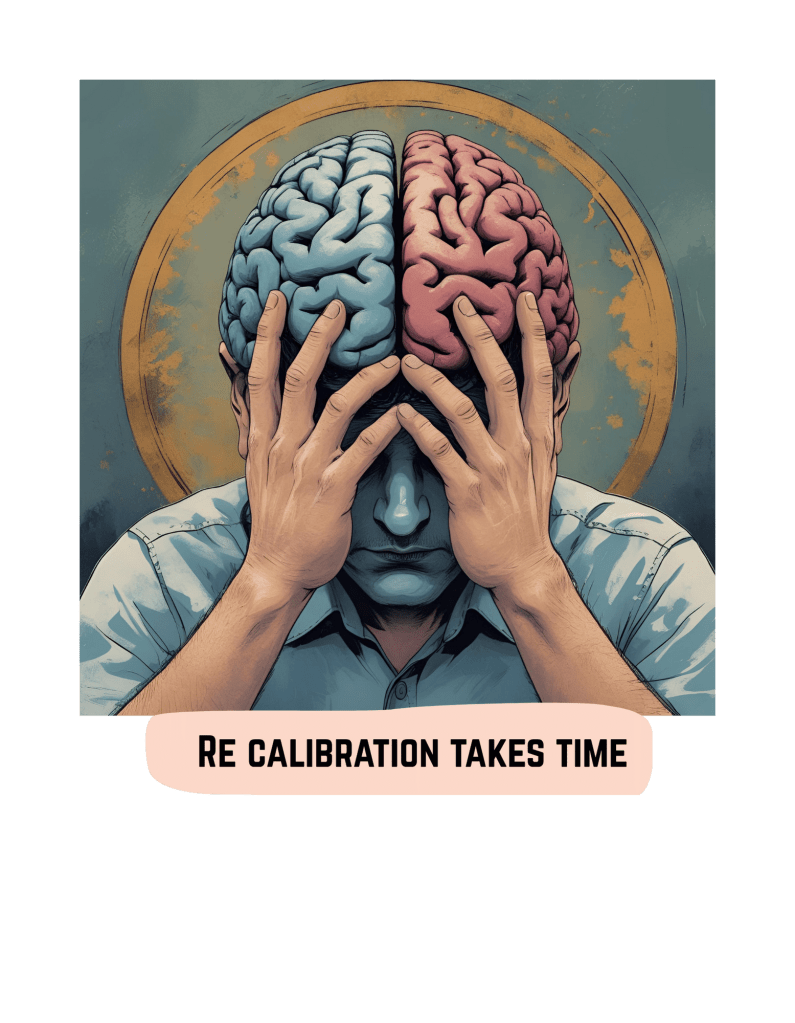
When adrenaline has been your main fuel source, rest can feel like crashing after a sugar binge. You may feel down, irritable, even achey. Youโ€™re not broken. Your brainโ€™s just recalibrating. Imagine detoxing from chaos. Thatโ€™s what this is. Detoxing from adrenaline.

5. You Might Feel Worthless While Restingโ€”But You’re Not

This one cuts deep: โ€œIf Iโ€™m not producing, Iโ€™m not valuable.โ€ Sound familiar?

Thatโ€™s a trauma belief, not a truth. My eyes were opened with this little nugget, my therapist was the one who started it, and I did believe no one cared about me unless I did things for them, even though I love people without calculating what they can do for me, my brain was hard-wired to tell me I was worthless and I STILL have more days I believe the bad over the good about myself. Curious to see how many of you guys have felt that way too.

We live in a society that measures worth by productivity, but healing means learning your value exists even when youโ€™re still. Even when youโ€™re not doing. You donโ€™t have to earn your rest. You deserve it because you’re human and thats hard enough.


So How Do You Learn to Feel Rest?

Gently. And over time.

Here are a few ways to start:

  • Name it. Tell yourself, โ€œI am resting right now,โ€ even if it feels like loafing.
  • Track your thoughts. Notice when guilt or shame show up. Are they old scripts? Keep a journal by your bed and write whats bothering you down before you lay down so you know you can work on it tomorrow.
  • Set tiny rest rituals. One song. One stretch. One sit on the porch. Practice. One little thing, whatever it is, that gets your mind to stop spinning and rest.
  • Celebrate doing less. Rest is not a reward. It’s a requirement. Its hard NOT to reward ourselves with rest, thats why we have to re-frame our thoughts how we talk to ourselves.

Final Thought: If Youโ€™ve Been in Crisis, You Deserve to Feel Safe in Stillness

Thatโ€™s the hard partโ€”retraining your body and brain to trust quiet moments. But you can. One awkward attempt at a time. Youโ€™re not failing when rest feels weird. Youโ€™re rewiring. Thatโ€™s brave work.

And if no oneโ€™s told you lately: youโ€™re doing a damn good job surviving. Now, letโ€™s practice what it means to actually live. It feels like all I’ve done my adult life is to go from surviving one thing to surviving the next, I’m going to try and make more time to look around and enjoy the in between. I’ll keep you posted. If anyone has any tips to help with rest be kind and share it with the class. Til next time gang, take care of yourselves, and each other!

Uncategorized

The Real Truth About Living With Multiple Medical Conditions (From Someone Who Gets It)

Youโ€™d think having one chronic health condition would be enough to earn you a loyalty card for the doctorโ€™s office (every tenth copay is free?), but apparently, nature loves a โ€œBuy One, Get Oneโ€ deal just as much as supermarkets do.

In fact, as of 2023, over half (51.4%) of American adults are dealing with at least two chronic conditions simultaneously. Not to brag, but some of us are collecting diagnoses like theyโ€™re Pokemon cards. (Its me, I’m some of us.)

1. Your Pill Organizer Qualifies as a Carry-On

You know youโ€™re living with multiple medical conditions when your pill organizer is bigger than your snack box… and requires its own spreadsheet for refills. You could host a bingo night called โ€œGuess Which Pill is for What?โ€ (Winner gets a nap.)

2. Doctorโ€™s Appointments: The New Social Calendar

If social status were measured by how many specialists you know by their first name, youโ€™d be downright popular. Dermatologist on Tuesday? Endocrinologist on Wednesday? Neurologist at the end of the month? Youโ€™ve got a calendar busier than a pop starโ€™s tour schedule.

3. Symptoms: Pick โ€˜nโ€™ Mix Edition

Fatigue, brain fog, joint pain, strange rashesโ€”sometimes itโ€™s hard to know whether a new symptom is a plot twist from an old diagnosis or just a friendly sequel from a new one. You ask your doctor, โ€œIs this Normalโ„ข?โ€ and they say, โ€œWell, for you, maybe!โ€

4. Health Is a Team Sport Now

Turns out, it takes a village… to manage your prescriptions, go over lab results, and remind you again which foods will actually disagree with Condition #3 (but not #2).

5.Youโ€™re Not Alone in This Wild Ride

Hereโ€™s the kicker: 76.4% of US adults had at least one chronic condition in 2023โ€”and over one in four young adults aged 18โ€“34 now have two or more. If you sometimes feel like a medical outlier, youโ€™re actually part of the majority (howโ€™s that for a plot twist?).

6. Bonus Round: Confusing Your Fitbit

You tell your fitness tracker you have โ€œbad daysโ€ and โ€œgood days.โ€ Fitbit just quietly registers your nap as a โ€œrestorative yogaโ€ session. (Thanks, buddy, I needed that win.)

Quick Facts to Drop at Parties for Street Cred:

Multiple chronic conditions (aka “multimorbidity”) are on the rise, especially among young adultsโ€”up from 21.8% to 27.1% in a decade. Most common tag team combos include high cholesterol, arthritis, hypertension, depression, andโ€”everybodyโ€™s favoriteโ€”obesity.

Living with multiple medical conditions isnโ€™t for the faint of heartโ€ฆexcept, actually, sometimes it literally is when your next diagnosis is โ€œmild tachycardia.โ€ But you do it with humor, strength, and the worldโ€™s most impressive pill stash. And that, fellow warriors, is the real truth.

Authorโ€™s tip: If in doubt, just tell people youโ€™re โ€œcollecting chronic conditions” like rare action figures. Laughter might not be the best medicine, but itโ€™s definitely covered by emotional insurance.

Factual data for your reading pleasure: The CDC and other reputable sources confirm everything above, except maybe the part about winning a nap at diagnosis bingo. Til next time gang, take care of yourselves, and each other!

Uncategorized

Reframing for Real Life: How to Shift Your Thoughts Without Gaslighting Yourself

AKA Why My Brain is Not the Boss of Me

Letโ€™s be honest: brains can be drama queens. They catastrophize. They tell half-truths. They rerun that one embarrassing moment from seventh grade like itโ€™s a Netflix Original. And when you live with chronic illness, ADHD, bipolar disorder, or youโ€™re just a human being trying to function, those mental reruns can get extra spicy.

Enter: reframing. Itโ€™s a simple but powerful cognitive strategy that helps you shift how you view a situation or thoughtโ€”without pretending everything is fine when itโ€™s clearly not. This isnโ€™t about toxic positivity. This is about mental judo.


What Is Reframing (And Why Should I Care?)

Reframing is the mental equivalent of turning the pillow over to the cool side. It’s rooted in Cognitive Behavioral Therapy (CBT) and helps you challenge automatic negative thoughts by looking at things from a different (and often more helpful) perspective.

Itโ€™s not about lying to yourself. Itโ€™s about finding a version of the truth that doesnโ€™t punch you in the gut.


How Reframing Works (Spoiler: Science Says It Does)

Research shows that reframing, also called “cognitive reappraisal,” can significantly reduce symptoms of anxiety, depression, and stress. Two studies worth name-dropping at your next emotionally intelligent brunch:

  1. Gross & John (2003) found that people who use reappraisal are more emotionally balanced and less likely to explode or implode emotionally.
  2. Jamieson et al. (2012) showed that people who reframed their stress (as the body preparing to rise to a challenge) performed better and felt less overwhelmed.
    • Citation: Jamieson, J. P., Nock, M. K., & Mendes, W. B. (2012). Mind over matter. Journal of Experimental Psychology: General, 141(3), 417โ€“422.
      https://doi.org/10.1037/a0025719

How to Reframe Without Losing Your Edge

  1. Catch the Thought
    Example: “Iโ€™m lazy. I didnโ€™t get anything done today.”
  2. Reality Check
    Ask: Is this a feeling or a fact? Would I say this to a friend?
  3. Flip It Gently
    Reframe: “My energy was low, and I did what I could. Resting isnโ€™t lazy.”
  4. Add Sass or Compassion (Optional but Recommended)
    Try: “Okay, Brain. Thanks for your input. Now please go sit in the back with Anxiety and Guilt.”

Everyday Reframes That Save My Sanity

Unhelpful ThoughtReframed Thought
“Iโ€™m falling behind.”“Iโ€™m moving at my own pace, and thatโ€™s valid.”
“I should be doing more.”“Iโ€™m doing what I can, and that counts.”
“Everyone else has it together.”“Theyโ€™re probably also crying in their car.”
“Iโ€™ll never get it right.”“Progress isnโ€™t linear, and effort matters.”

Closing Thoughts (AKA Why You Deserve a Brain That Isnโ€™t Mean)

You donโ€™t need to have perfect mental health to practice reframing. You just need to notice when your thoughts are dragging you under and say, โ€œActually, no thanks.โ€

Reframing isnโ€™t pretending life is great. Itโ€™s realizing you donโ€™t have to believe every thought your brain throws at you. Especially the mean ones. Especially the hopeless ones.

You are allowed to talk back.

And you deserve to hear yourself say something kinder. Til next time guys. Take care of yourselves, and each other

Uncategorized

How Chronic Illness Turned Me Into a Crafty Witch with a 3D Printer

When pain, boredom, and executive dysfunction uniteโ€”you get resin, rage, and a whole lot of accidental glitter.

I didnโ€™t set out to become a craft goblin. I wasnโ€™t summoned under a full moon or handed a glue gun by a mysterious old croneโ€”though honestly, that wouldโ€™ve been cooler. What actually happened? Chronic illness, ADHD, and mental health issues tag-teamed me into a corner, and I crawled out with glitter in my hair, UV resin on my shirt, and a 3D printer whirring in the background like some kind of mechanical emotional support animal.

๐Ÿง  Brain fog + body pain = weird creativity cocktail

Being chronically ill is basically like living in hard mode with no save points. There are days where just getting out of bed feels like climbing Everest. And when your body taps out, but your brain still insists on doing something, you get creativeโ€”weirdly creative.

One day I woke up and thought, โ€œWhat if I poured sparkly goo into molds to feel better?โ€ Then, โ€œWhat if I started designing stuff to go in the goo?โ€
Next thing I know, Iโ€™m elbows deep in fidget toy sketches and debating the opacity of rose gold filament.

Not because Iโ€™m trying to get rich. Not because I want to be Etsy famous.
Because it helps me feel like a person again.

๐Ÿง™โ€โ™€๏ธ Crafting is my magicโ€”just with more swearing

Thereโ€™s something weirdly powerful about turning pain into something tangible. Making trays and fidgets and little resin reminders isnโ€™t just โ€œcuteโ€ or โ€œfun.โ€ Itโ€™s my therapy when therapy isnโ€™t enough. Itโ€™s my way of saying โ€œIโ€™m still hereโ€ even when my bodyโ€™s out of spoons and my brainโ€™s rerouting itself through a foggy mess of dopamine starvation.
And yes, sometimes I cry while sanding something or curse at my printer like it personally betrayed me. Thatโ€™s part of the ritual.

๐Ÿ› ๏ธ My cauldron just happens to be full of UV resin and PLA

Thereโ€™s a stereotype that chronically ill folks just sit around watching Netflix and napping. (Okay, sometimes we do that tooโ€”rest is radical, yโ€™all.) But a lot of us are brimming with creativity, we just needed the right outletโ€”and in my case, that outlet prints in layers and smells faintly of molten plastic.

Now I blend 3D printing and resin pouring into something like art, something like therapy, something like survival. I make trays that say things like โ€œGrounded Spiritโ€ and โ€œWildflowerโ€ because those are the things I need to remember. I make fidgets that spin and snap and soothe because my nervous system is a feral toddler with no nap schedule.

And when people actually buy those things? When they tell me it helped them feel a little more seen, a little more held? Thatโ€™s the part that feels like real magic.


๐Ÿงท Not an ad, but hereโ€™s the cauldron shop if you want to peek

If youโ€™re curious about what resilience looks like in resin, Iโ€™ve got a little Etsy shop full of snark, softness, and sensory-friendly goodies. I call them my โ€œSpoonie Shenanigans,โ€ and no two are ever quite alikeโ€”kind of like us. https://joknowscreations.etsy.com Til next time gang take care of yourselves, and each other.

Uncategorized

Grounded Spirit, Chaotic Body: Spoonie Grounding Tricks That Actually Work

So your brain is playing musical chairs, your body feels like a poorly-updated weather app, and you’re trying not to scream into the void. Welcome to Tuesday.

Letโ€™s talk grounding. No, not like punishment (though if my body had a curfew, itโ€™d definitely be in trouble. Or WAIT, better yet what if I could ground myself? I have had a bit of an attitude lately lol). I mean the kind of grounding that keeps your head tethered to Earth when the world starts to spinโ€”literally or metaphorically.

These tricks aren’t cures. They’re sanity-saving, meltdown-preventing hacks from a fibro-fueled, ADHD-spicy, anxiety-sparked brain thatโ€™s been there. A lot.

1. 5-4-3-2-1 Technique
Engage all your senses:

  • 5 things you can see
  • 4 things you can touch
  • 3 things you can hear
  • 2 things you can smell
  • 1 thing you can taste (coffee counts. So does chocolate.)

*This works great when your brain is running full-speed in five directions and not one of them is “calm.”

2. Cold Water, Meet Overheated Brain
Grab a frozen veggie bag, cold can of soda, or run cold water over your wrists.

Itโ€™s a little jolt to your system that says: Hey, still alive. Chill out (literally).

3. Root Down (With or Without a Tree)
Press your feet into the ground. Feel the floor. Imagine roots growing into the Earth.
Bonus if you’re outside and can touch actual grassโ€”unless you’re allergic. Then, uh… maybe stick to carpet.

4. Texture Check
Have a fidget, squish, or tactile object you like the feel of? Use it.

I include a small sensory item with every tray I sell because I know how hard it is to find something that doesnโ€™t scream “kid toy” but still gets the job done.

5. Pick a Word, Repeat It Like a Mantra
Mine is “magic” today. Because even in the chaos, thereโ€™s some weird alchemy that happens when you survive anyway. Choose yours.

Speaking of grounding (see what I did there?), I made a tray that says “Grounded Spirit” because some days I need that reminder sitting right next to meโ€”especially when my brain wants to float away and my pain wants to knock me down.

But this post isnโ€™t about the tray.

Itโ€™s about remembering that you deserve tools that help you stay rooted when everything feels like itโ€™s spinning.

Try one, try them all. Add your own. Tape them to your fridge. And if you fall apart a little later? That doesnโ€™t mean you failed. It means youโ€™re trying.

And thatโ€™s more than enough today. Do you have any tips others could benefit from? I’m always looking for new ways to ground myself, email me at wannabenormal@gmail.com or contact me through the contact form. Til next time gang, take care of yourselves, and each other.

PS.
Because Apparently I’m Not the First Genius to Try Grounding

Look, Iโ€™d love to say I invented these grounding techniques while dramatically staring into the void, but some actual professionals with degrees and peer-reviewed studies beat me to it. If you want to nerd outโ€”or just need proof to show your skeptical co-workerโ€”hereโ€™s where the science lives:

SAMHSA (Substance Abuse and Mental Health Services Administration)
Trauma-informed care guidelines include grounding as a legit tool for managing anxiety and dissociation.
๐Ÿ‘‰ samhsa.gov

Anxiety Canada: 5-4-3-2-1 Grounding
This popular CBT/DBT trick is clinically recognized for calming panic and reorienting during sensory overload.
๐Ÿ‘‰ anxietycanada.com/articles/grounding-techniques

National Library of Medicine
Peer-reviewed proof that sensory-based grounding techniques actually help regulate stress and pain.
๐Ÿ‘‰ ncbi.nlm.nih.gov