Uncategorized

8 Times My Mental Health Made Me a Genius — and 3 Times It Made Me a Dumpster Fire

Some days, I swear my brain is a chaotic supercomputer running on caffeine and trauma responses. It’s exhausting. It’s unpredictable. And occasionally, it’s brilliant.

So let’s give credit where it’s due — because sometimes mental illness hands you a superpower… and sometimes it hands you a Molotov cocktail.


🧠 The Genius Moments

1. Hyperfocus: AKA My Accidental Superpower
When my brain decides something is interesting, I turn into a NASA-level researcher on a Red Bull IV. I can build a business plan, reorganize my entire digital life, and deep-dive through 42 tabs of psychology articles before breakfast. I might forget to eat, but I will emerge knowing the mating habits of penguins if it’s remotely relevant.


2. Emotional Intelligence on God Mode
Years of overanalyzing every tone and micro-expression have made me a human lie detector with empathy upgrades. I can walk into a room and feel the vibe like a weather forecaster for emotions. It’s exhausting but occasionally makes me the person everyone calls when they need comfort or brutal honesty — whichever comes first.


3. Creative Problem Solving: The Chaos Alchemy
Give me a problem and 15 minutes of unfiltered panic, and I’ll have three off-the-wall solutions that actually work. Spoonies and neurodivergent folks don’t just “think outside the box.” We’ve set the box on fire, repurposed the ashes, and turned it into an Etsy product.


4. The Art of Masking (AKA Professional Acting)
Sure, it’s born from survival, but let’s be honest — I’ve basically earned an honorary degree in emotional theater. I can hold it together in public, then immediately turn into a crying burrito when I get home. Oscar-worthy.


5. Intuition That Borders on Witchcraft
When you live in constant hypervigilance, your brain notices everything. Energy shifts. Tone changes. The fact that Karen at the store is not okay. Sometimes it’s anxiety, sure — but sometimes it’s eerily accurate intuition. I’m not saying I’m psychic, but…


6. The Research Rabbit Hole™
I’ve “accidentally” learned the DSM-5 like it’s bedtime reading. If I love something, I deep dive — no casual interests here. Just full-blown expertise in ADHD coping strategies, trauma theory, and which weighted blanket won’t suffocate me.


7. Empathy = My Super Serum
Pain teaches compassion. Chronic illness teaches perspective. Together, they make you someone who can meet others where they are, not where you wish they were. That’s no small thing.


8. Resilience Built from Pure Stubbornness
You ever meet someone who survived their own brain on hard mode? Yeah — we don’t quit easily. We rest, cry, reboot, and come back with snacks and spreadsheets.


🔥 The Dumpster Fire Moments

1. Overwhelm Level: Existential Crisis
Sometimes, everything is just too much. The noise, the people, the to-do list — all of it. My brain freezes like an overloaded computer and suddenly, I’m watching TikToks instead of doing basic human tasks like “laundry” or “feeding self.”


2. The ‘Fun’ Side of Mania or Hyperfixation
Oh, you wanted balance? Sorry, my brain just ordered $120 of craft supplies for a project I’ll finish never. I’ve also rewritten the same paragraph 14 times because it’s 3 a.m. and I’m possessed by perfectionism.


3. Memory? Think Again
There are entire days that vanish like deleted browser history. Did I take my meds? Did I text back? Why is there coffee in the microwave from yesterday? No one knows.


The Takeaway

We’re walking contradictions — brilliant and burned out, wise and impulsive, compassionate and chaotic. But you know what? We still show up. Every single day, we rebuild from the ashes our brains set on fire.

And that? That’s not a flaw. That’s art. Til next time gang, take care of yourselves, and each other!

Uncategorized

Why Spoonies Are the Best Problem-Solvers (It’s Science)

Let’s talk about something we never get enough credit for: people with chronic illness are problem-solving ninjas.

And no, that’s not just me trying to make our daily struggle sound poetic — there’s actual science behind it.

While healthy folks go about their stable little lives with their cooperative bodies and reliable energy, we’re over here MacGyvering our way through every single day.

That constant adapting? It’s not just survival — it’s skill-building. Real, measurable, brain-changing skill-building.


🧠 The Science-y Bit

Research shows that adversity can actually boost creativity — making people more original, flexible, and engaged problem-solvers.

In plain English: hard stuff makes your brain weirdly good at solving other hard stuff.

So when you live with chronic illness, you’re basically getting a crash course in creative adaptation 24/7.

We’re not just surviving. We’re literally rewiring our brains to find new ways to function every single day.


💡 Spoonie Skill Set: Why We’d Crush Any Escape Room

1. Creative Constraint Management

Limited energy? Unpredictable symptoms? Welcome to our daily innovation lab.
Chronic illness is a masterclass in working under ridiculous constraints — and somehow making it work anyway.

2. Advanced Risk Assessment

Every activity is a cost-benefit analysis:
Shower or make dinner? Push through or rest now and avoid a three-day crash later?
That’s executive-level decision-making, my friend.

3. Reframing Like a Pro

Can’t work full-time? That’s not failure — that’s efficiency.
Need to cancel plans? That’s strategic rest.
We’ve had to reframe our entire lives, and that’s actually a top-tier cognitive skill.

4. Pattern Recognition on Steroids

Tracking symptoms, testing triggers, noticing connections? We’re basically data analysts in pajamas.
We notice what works, what doesn’t, and we constantly adapt.


🔁 Creativity + Resilience = Survival Superpower

Studies show creativity and resilience feed off each other — they grow together.

Spoonies don’t just “bounce back.” We reinvent how to exist in a world that wasn’t designed for us.

That kind of mental flexibility? It makes us great at:

  • Staying calm under chaos
  • Pivoting fast when plans fall apart
  • Finding new solutions when old ones fail
  • Surviving on 2 spoons and a half-decent snack

Basically, we’ve got the kind of mental agility CEOs put on résumés.


💼 Real-Life Problem-Solving Nobody Sees

  • Healthcare project management – coordinating meds, specialists, and insurance like a pro.
  • Energy economics – allocating resources like an overworked CFO.
  • Innovation on demand – finding new ways to cook, clean, and live when your body says “nope.”
  • Relationship navigation – balancing guilt, limits, and connection with Jedi-level emotional intelligence.

We do this every single day — quietly, constantly, expertly.


💬 Why It Matters

This isn’t toxic positivity. Chronic illness still sucks.
But recognizing the skills we’ve built? That’s validation, not sugarcoating.

✨ It crushes the “lazy” stereotype — our brains are working overtime.
🧩 It explains our exhaustion — cognitive heavy-lifting is still lifting.
💪 It proves we’re developing skills that translate everywhere — creativity, adaptability, resource management, resilience.


🧃 The Bottom Line

We’re not lazy.
We’re not fragile.
We’re elite-level problem-solvers operating under extreme conditions.

Our lives are one long masterclass in creativity, strategy, and resilience — and science says that makes us exceptional thinkers.

So the next time someone implies you’re “just resting,” remember: you’re actually performing high-level cognitive gymnastics 24/7.

Now if you’ll excuse me, I’m off to solve the complex equation of whether cereal counts as dinner.
(Spoiler alert: it does. That’s called strategic resource allocation.) Til next time gang, take care of yourselves, and each other.

Uncategorized

What I Wish People Knew About Parenting With a Body That Doesn’t Cooperate

(AKA: This body is glitchy, but the kids still need lunch.)

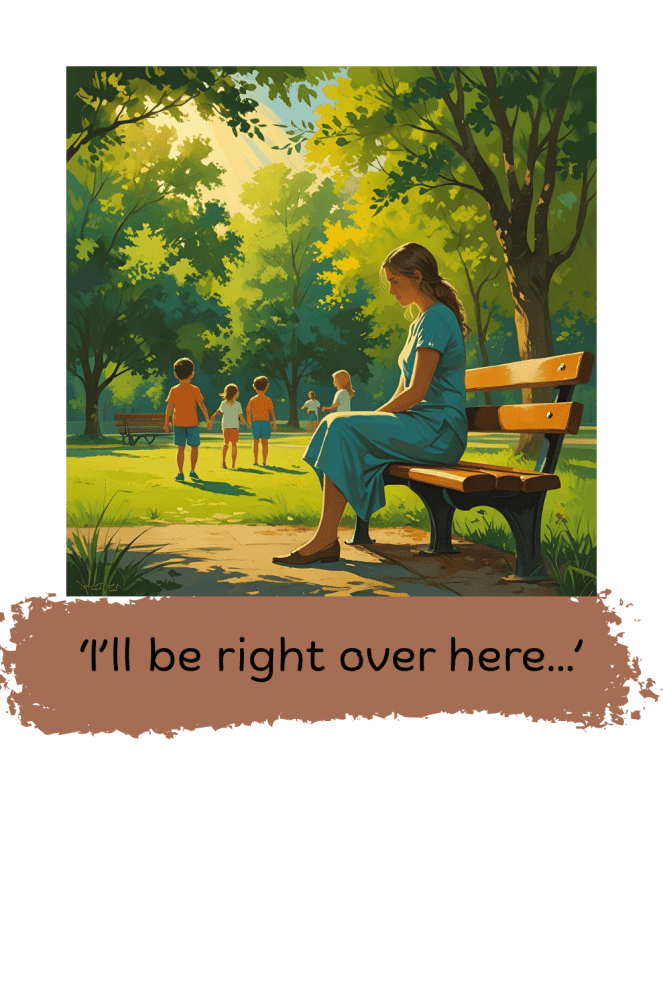
Most days, I’m parenting from a horizontal position — on the couch, in the bed, or emotionally face-down in a bowl of cereal. And no, it’s not because I’m lazy. It’s because my body and brain don’t always play nice. Parenting with chronic illness (and some extra mental health sprinkles) isn’t just a different experience — it’s an entirely different reality.

But unless you’re in it, it’s hard to truly understand. So let’s talk about it.


First of all, let’s acknowledge the facts.

  • Parenting is exhausting for anyone, but for people with chronic illnesses like fibromyalgia, arthritis, lupus, or conditions like bipolar disorder and ADHD, it’s a next-level endurance test.
  • A 2019 study published in Health Psychology Open found that parents with chronic pain often experience higher levels of stress, fatigue, and feelings of guilt, especially when they can’t physically engage the way they want to.
  • Many of us deal with “invisible disabilities”, which means the world still expects us to perform like we’re running at 100%… when we’re often at 37% and glitching.

Here’s what chronic parenting really looks like:

  • I’ve prepped lunch while sitting on a stool, with my heating pad strapped to my back and a migraine drilling behind my eyes.
  • I’ve cheered from the car at events because walking across a field was out of the question that day.
  • I’ve been too tired to parent, but parented anyway because these tiny humans don’t come with a pause button.

My kids not only did school things, they did extra curricular things that I’d try and cheer them on for, and maybe the hardest part of that was to remember even in my discomfort my kids are forming memories and I really feel like the most important thing is showing up. The kids see your effort (or they will at some point) and I think its also a good lesson to teach them if its important, you find a way.


🧰 The skill set no one talks about

Sure, I can’t chase my kid around the park like some parents, but I’ve got other skills that are just as powerful:

  • Empathy: I notice when my kid is struggling, even when they don’t say it. That’s the emotional fluency that comes from living in survival mode.
  • Creative problem solving: If you’ve ever turned a laundry basket into a mobile toy bin so you don’t have to get up? You qualify. Incidentally get a grabber. I didnt have one until I had to be creative after my hip replacement, the grabber is a life saver for so simple it was honestly life changing lol.
  • Prioritizing rest over perfection: I’ve learned that being present matters more than doing it all. Show up even if it means napping.
  • Teaching independence: Out of necessity, my kids know how to microwave their snacks and fold their laundry. That’s not failure — it’s life skills.

    I’ve learned even in not being able to do things I’m teaching them to try, when faced with a choice of giving up or maybe altering something just enough to make it the right fit for you.

😞 The guilt is real. So is the resilience.

It hurts when I have to say no because my joints are angry or my brain is on fire. I hate the days when I feel like a spectator instead of a participant. And sometimes I worry about the memories my kids will hold — will they remember the things I couldn’t do?

But then they crawl into bed with me and asking ‘snuggle me in?’ and I realize they don’t see my limits the way I do. They see love, even on the hard days. Or the youngest one does, I don’t speak for the older two. There were days I didnt show up for them and I regret it. That being said, life only goes in one direction. You’ve got to keep walking with it adjusting as you go.


💬 What I want you to know

If you’re not parenting through chronic illness, here’s what helps:

  • Don’t offer unsolicited advice unless you’re also offering childcare or dinner.
  • Don’t assume we’re fine because we look okay for five minutes.
  • Ask how we’re really doing, and mean it.
  • Celebrate the small wins with us — like getting everyone dressed and vaguely fed before noon.

💛 And if you are one of us…

Parenting with a glitchy body, a misfiring brain, or both? You’re not alone. You’re not broken. And your kids don’t need perfect — they need you.

Even if today’s victory is frozen waffles and letting the screen time run wild while you rest? That counts.

You’re doing enough. More than enough.


Want to connect with more parents who get it?
👉 https://www.pinterest.com/wannabenormal/
or visit my etsy shop https://www.etsy.com/shop/JoknowsCreations
📌 Share this post to remind another spoonie mama she’s not alone.
Til next time gang. Take care of yourselves, and each other!!!