


I used to think my body malfunctioning was a personal flaw.
Turns out it’s mostly biology reacting to stress and occasionally filing a formal complaint.
Here’s what’s actually happening — and what helps a little.
1. Stress Steals Memory Access

Fact: Cortisol suppresses the hippocampus, the brain region responsible for forming and retrieving memories.
Translation: The information is still there. Stress just locked the door.
What helps:
- Write it down immediately (notes app, scrap paper, hand, whatever)
- Say it out loud once — verbal encoding helps retrieval
- Reduce decision load where possible (same routines, fewer choices)
2. Cold Weather Makes Pain Louder
Fact: Cold increases nerve sensitivity and muscle stiffness while reducing blood flow.
Translation: Winter doesn’t create new pain. It turns the volume knob up.
What helps:
- Pre-warm before moving (heated blanket, warm shower, heating pad)
- Layer before you feel cold — not after
- Gentle movement > total stillness (even tiny stretches count)
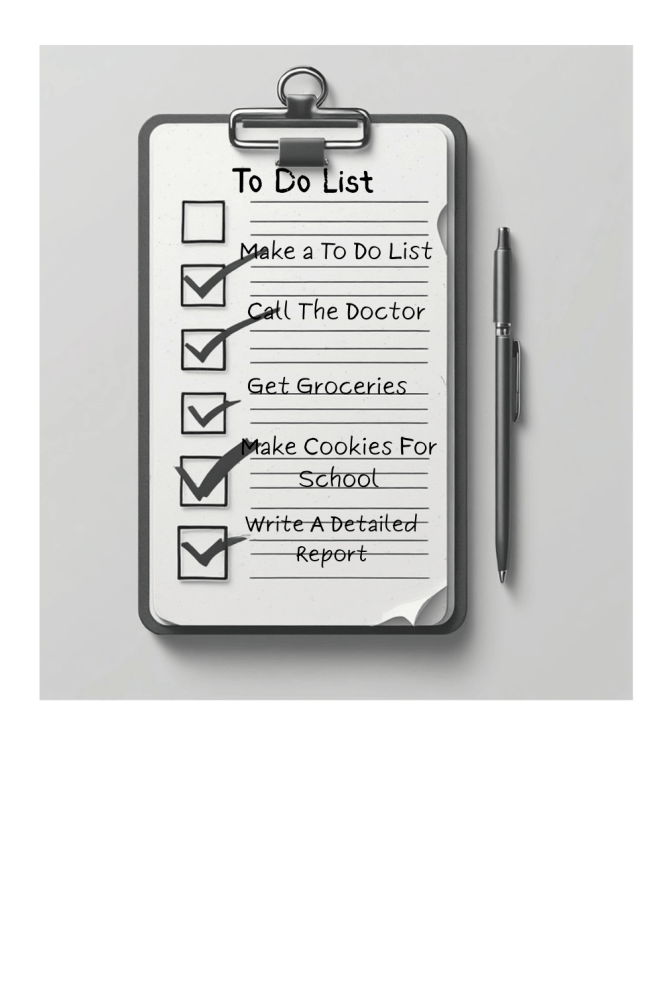
3. Writing Things Down Works Even If You Never Read It Again
Fact: Writing engages motor, visual, and language centers, strengthening memory encoding.
Translation: Your brain remembers better when your hands are involved.
What helps:
- Write while someone is talking to you (yes, even mid-sentence)
- Use ugly notes — perfection kills follow-through
- One notebook or app only (scattered systems cancel each other out)
4. Stress Interrupts Thoughts Mid-Sentence
Fact: High cognitive load disrupts working memory and verbal recall.
Translation: Your thought didn’t disappear. It got stuck in traffic.
What helps:
- Pause instead of apologizing — the thought often comes back
- Say “hold on” and take one breath (literally one)
- Jot down keywords, not full sentences
5. Your Brain Uses Food as Fuel and a Clock
Fact: Irregular eating can destabilize blood sugar, affecting attention and recall.

Translation: Skipping meals doesn’t just make you hungry — it makes your brain unreliable.
What helps:
- Eat something at the same time daily (even if it’s small)
- Pair eating with a routine you already do
- Low-effort calories count — fed is better than ideal
6. Fatigue and Forgetfulness Share a Nervous System
Fact: Chronic fatigue alters neurotransmitters and executive function.
Translation: “I’m tired” and “I can’t think” are often the same sentence.
What helps:
- Stop pushing for clarity when exhausted — it won’t come
- Plan important thinking for your best energy window
- Rest without guilt; recovery is not optional maintenance
Closing Thought

None of this is a character flaw.
It’s a nervous system under prolonged stress doing its best with limited resources.
Coping doesn’t mean fixing it.
Sometimes it just means making today slightly less hostile.
Til next time guys, take care of yourselves, and each other!



 WannaBeNormal