Uncategorized

Watching the Drama: I Know It’s Not That Bad — Except My Brain Won’t Believe Me

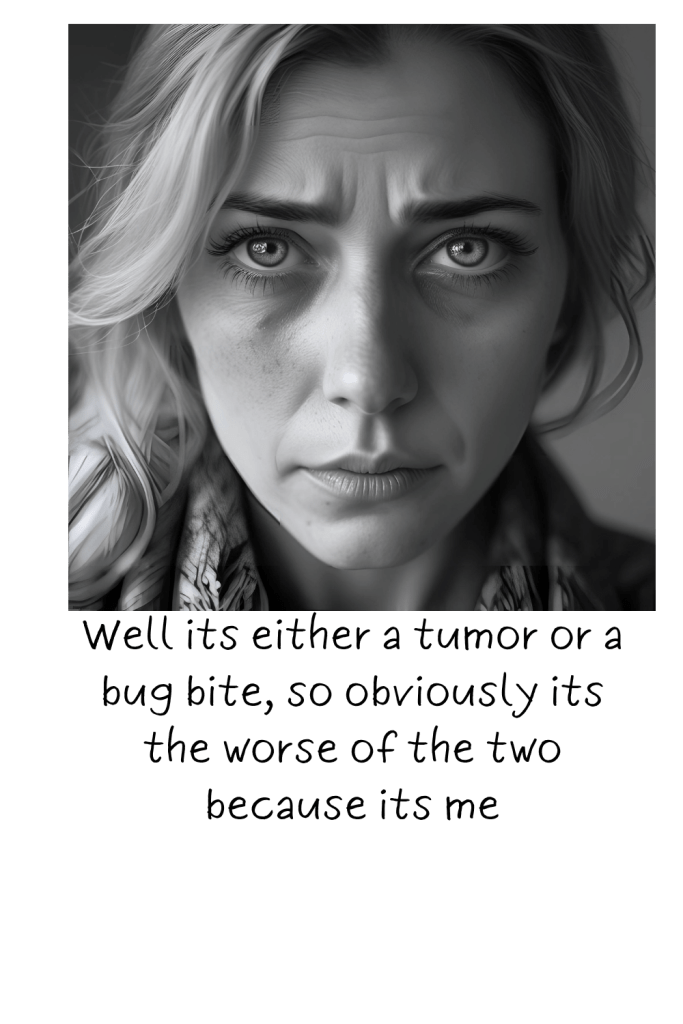
There’s a terrible little superpower I’ve developed: I can watch myself overreact.

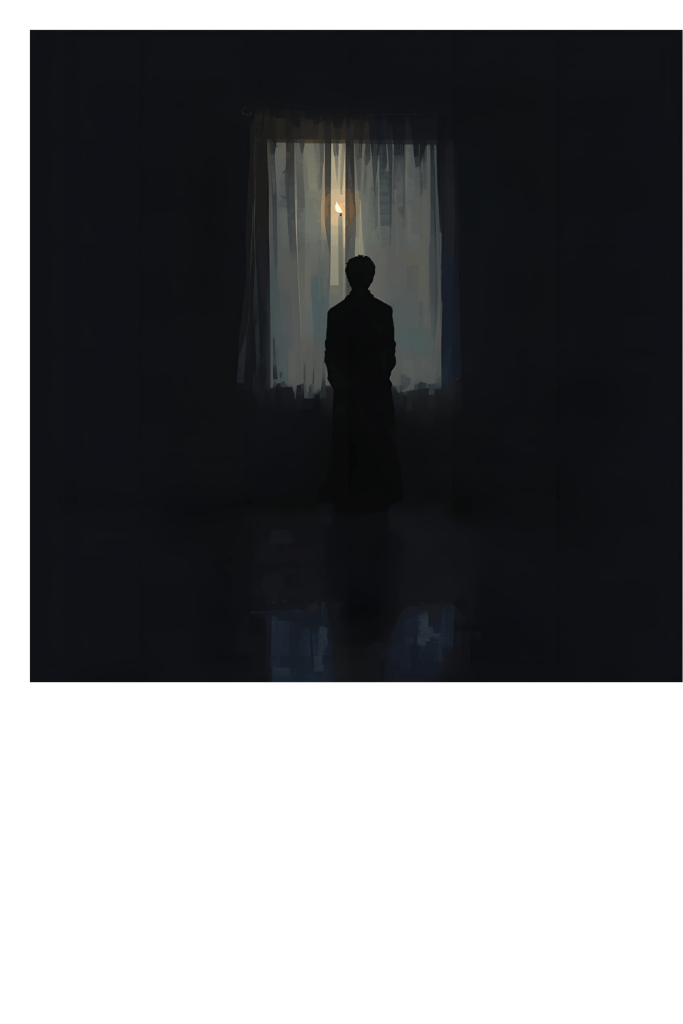
It’s the worst seat in the house — front row, center stage — where my brain is performing a full-throttle disaster musical and I’m sitting there with the program, thinking, “Yep. That’s… dramatic.” Meanwhile my chest is doing interpretive dance, my throat is tight, and my hands have decided to be useless for the foreseeable future.

I know the script. I know the facts. I know that my kid is safe, that no one is angry enough to leave forever, that the noise outside is probably just traffic, not the arrival of doom. I can literally name the thoughts as they happen: This is a sign. This is going to spiral. Everyone will leave. I am unfixable. And I know, in a rational, calm part of my brain, that the thought is an alarm that’s been stuck on repeat. I also know that knowing it — intellectually — doesn’t flip a switch and make my body stop treating it like an emergency.

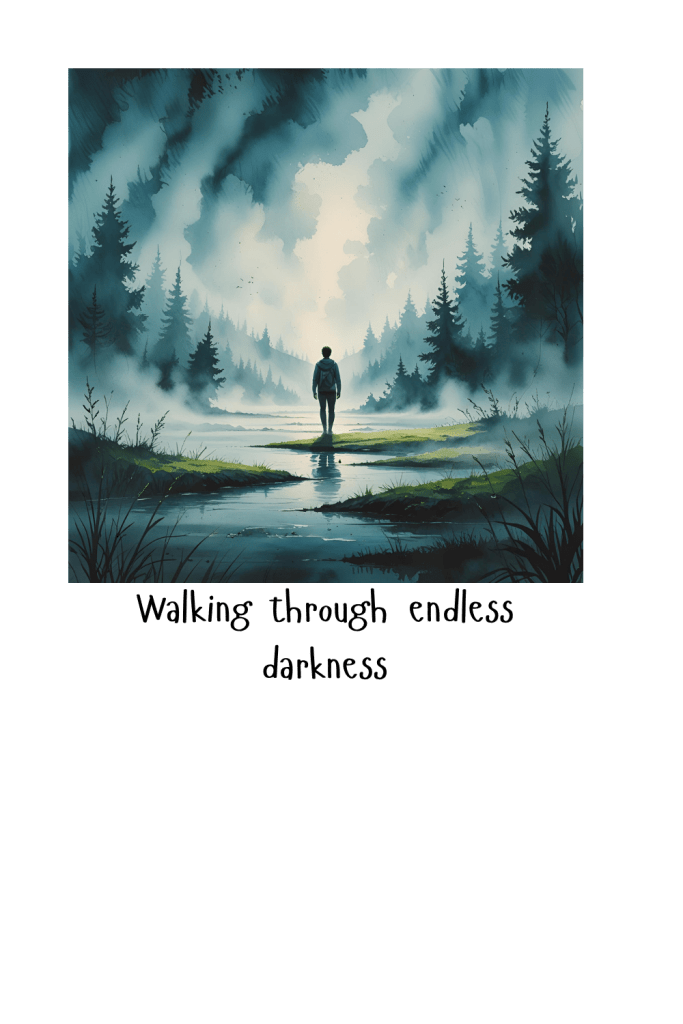
That’s PTSD after medical trauma for you in a sentence: your mind is both the actor and the audience. The rest of your life keeps going. You keep getting up, you keep making tea, you keep paying bills. But some invisible part of you stays backstage, rewinding and replaying a scary scene, making sound effects, and refusing to let the house lights come up.

Why the “I know it’s not true” feeling is its own kind of hell

It’s isolating. Because the knowledge that your thoughts are lying should be freeing, right? In theory. But being the person who can say, “This is irrational,” while your body screams “RUN” is exhausting and weirdly lonely. You end up apologizing to people for things they weren’t even upset about, or you cancel plans because you feel unsafe even though everything else says you’re fine. You blame yourself for being dramatic. You try to be the reasonable adult and the reasonable adult keeps getting ignored.

And then there’s guilt. If friends or family do help, you watch them pay attention and you feel both relieved and awful — because you think you’re costing them time and energy. You start to believe that self-sufficiency is the only moral option and asking for help is taking more than you deserve. Spoiler: that’s not the truth. It’s an emotional trap set up by fear.

Tiny, practical things that actually help when your brain runs the show

I’m not going to give you platitudes. Here are things that have helped me — small, honest, and doable even on the worst days.

  • Label the play: When the alarm starts, say out loud (or mentally): “That’s my PTSD talking. That’s the survival brain.” Naming it doesn’t make it vanish but it takes away some of its power.
  • Two-minute grounding: Five things you see, four things you can touch, three sounds, two smells, one thing you can taste (or one thing you like about the moment). It’s boring, and that’s the point. It pulls you out of the theater.
  • Breathe like you mean it: 4-4-6 breathing (inhale 4, hold 4, exhale 6) calms the vagus nerve faster than a pep talk.
  • Write the loop down: If a memory keeps looping, grab a notebook and write it until you’re bored of it. Then scribble one practical line: “Right now: I am home. Right now: I can breathe.” The page can hold the drama when your brain insists on replaying it.
  • Micro-asks for people: Don’t make others guess. Say, “Can you sit with me for ten minutes?” or “Could you text me at 7 to check in?” People who care usually want the script — they just don’t want to mess it up.
  • Make a tiny safety plan: three things to do if it spikes (call X, 2-minute grounding, favorite playlist). Tape it to the fridge if you have to. Pre-deciding reduces panic.

What to say — when you want to ask for help but hate feeling needy

Try something simple and specific:

Or, if you need practical help:

Short. Specific. Low drama. It gives people an easy yes.

The honest truth I remind myself (even when my brain screams otherwise)

I can hold two truths at once:

  • My mind is telling a bigger story than the facts support.
  • Needing help right now doesn’t make me a burden — it makes me human.

There’s a difference between the loudness of a feeling and the size of reality. Your feelings are not the final arbiters of truth. They are signals. Sometimes they’re reliable, sometimes they’re not. You don’t have to act on every alarm. You can notice it, honor it, and then choose what you do next.

A small support for the messy days

If you’re reading this while your chest is tight and your brain is staging a meltdown, I see you. I know how lonely it becomes to watch yourself react and feel like you’ve failed at being calm. You haven’t failed. You’ve survived things that rewired your alarm system. That makes your reactions loud — not your worth small. Til next time gang, take care of yourselves, and each other.
Uncategorized

The PTSD Plot Twist: How Nearly Dying Made Living Feel Impossible

The unexpected psychological aftermath of medical trauma that nobody warns you about.

You’d think that surviving something as dramatic as your heart stopping would make you grateful for every breath, right? That’s what everyone assumes. That’s what I assumed. But here’s the plot twist nobody talks about: sometimes surviving the unsurvivable doesn’t make you appreciate life more—it makes living feel impossibly dangerous.

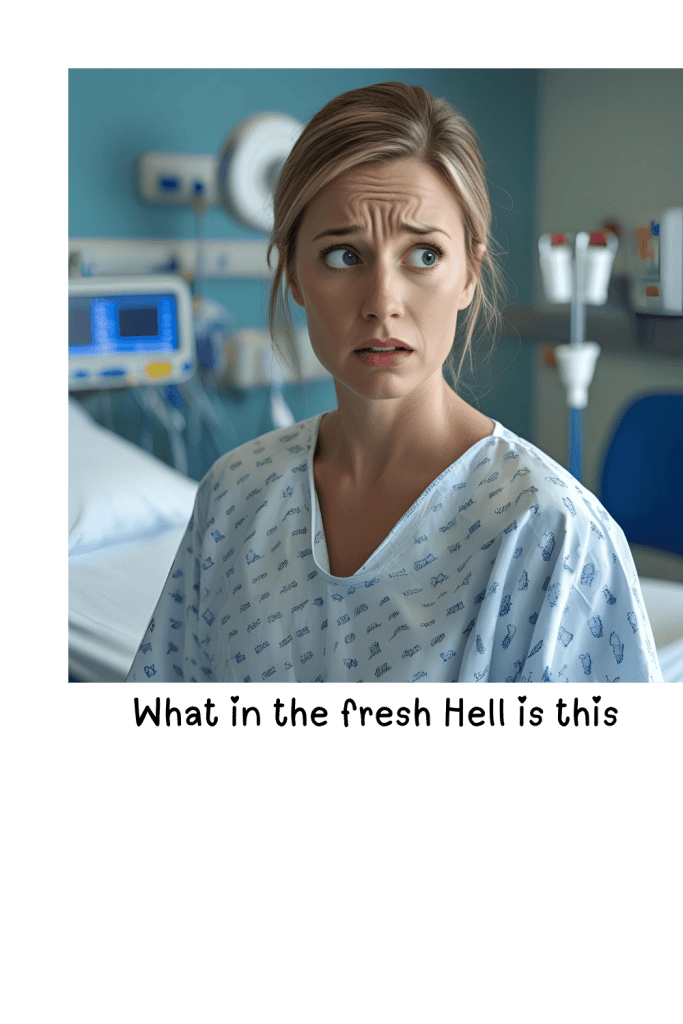
Welcome to the mind-bending world of medical trauma PTSD, where your brain decides that since you almost died once, you’re probably about to die again. Any minute now. Maybe even right now while you’re reading this.

The Science Behind the Psychological Sucker Punch

Here’s what the research says about cardiac arrest survivors that no one mentioned in the hospital discharge paperwork: the prevalence of PTSD among us is high. Like, surprisingly high. Studies vary, but they all agree it’s not just a few people who “can’t handle it.”

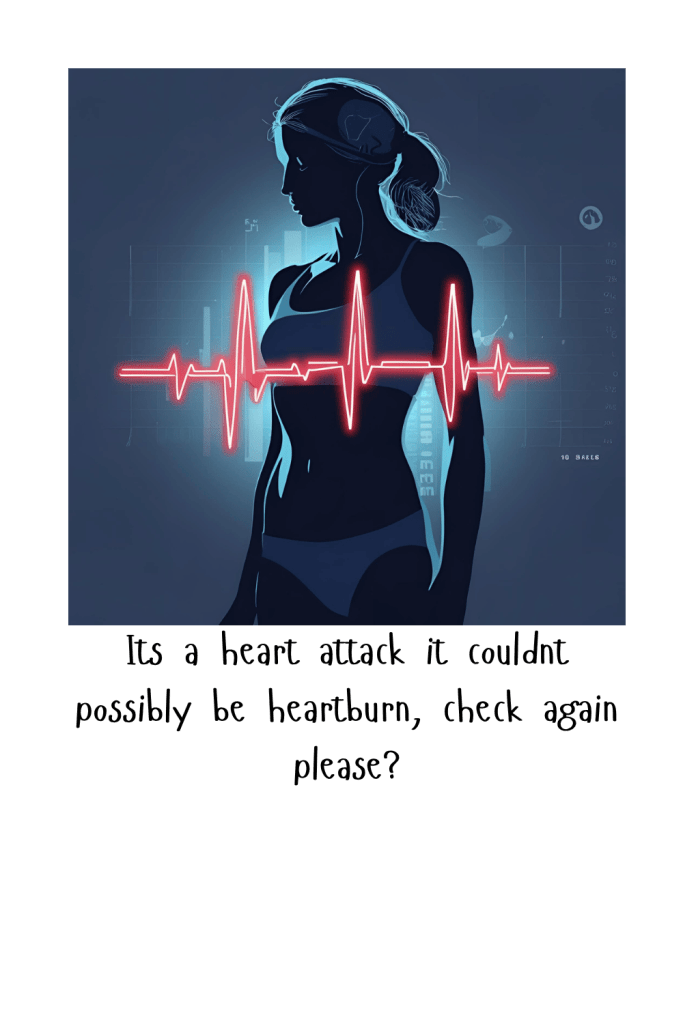
Even worse? PTSD in cardiac arrest survivors is linked to a significantly higher risk of another heart event or death within a year. So, while your brain is tormenting you with the idea that you’re going to die… that very torment might actually make you more likely to die.

It’s psychological Russian roulette, designed by a trauma specialist with a PhD in irony.

When I first woke up, I was full of gratitude. My brain was too busy relearning how to walk and do basic things to spiral about what almost happened. But once the dust settled? That’s when the fear moved in.

The Hypervigilance Trap: When Your Body Becomes the Threat

Hypervigilance means constantly scanning your surroundings for danger. But when the danger came from inside your own body, where exactly are you supposed to feel safe?

Every chest flutter is a heart attack. Every dizzy spell is a stroke. And don’t even get me started on tracking your own breathing. Your body becomes a 24/7 threat detection system, and you’re the one being surveilled.

I drink water like it’s a competition. I got a fitness tracker. I monitor every symptom: is that back pain from fibro, chronic kidney disease, or something more sinister? Often, I’ve just pulled a muscle from existing too hard—but my brain doesn’t buy that.

The Symptoms No One Prepares You For

We all know PTSD comes with flashbacks, nightmares, and anxiety. But medical PTSD has some bonus round features:

  • Medical Setting Panic: The sound of a heart monitor beep? Instant terror.
  • Body Betrayal Complex: Your once-trusty body now feels like a traitor.
  • Gratitude Guilt: You’re supposed to feel thankful, but mostly you feel terrified. Then you feel guilty about not feeling thankful. It’s like emotional inception.
  • Hypervigilant Exhaustion: Your body never relaxes, so your muscles never heal. Which means you always hurt. Which means your mood crashes. And the cycle repeats.

When I close my eyes, I don’t see calm or rest. I see regret. Unfinished business. Conversations I didn’t have. My muscles are always clenched. If I’m always hurting, I’m always depressed—and if I’m depressed, I’m even more tense. Rinse and repeat.

When Existing Conditions Complicate the Picture

If you already had health issues, medical trauma PTSD is like throwing a grenade into a house of cards. For me, fibromyalgia, ADHD, and bipolar disorder were already hard enough. Add PTSD?

  • ADHD + Hypervigilance = Brain ping-pong with a side of dread.
  • Bipolar + Trauma = Racing thoughts that might be mania or might be panic. Who knows?
  • Fibro + PTSD = Every ache becomes a “what if.”

The Irony of Fighting Fear While Pretending You Aren’t

The most exhausting part? You know it sounds ridiculous. You know your stats. You know not every chest tightness is a heart attack. But logic doesn’t matter. PTSD doesn’t speak statistics.

So you’re fighting fear with one hand while pretending to be okay with the other. Panic attack on the inside, small talk on the outside.

The Treatment Nobody Mentions

Here’s a shred of hope: studies show mindfulness-based therapy can actually help cardiac arrest survivors manage PTSD. It’s not one-size-fits-all, but it’s a start.

The problem is, most doctors don’t screen for PTSD after a medical event. They’re focused on your physical recovery. The emotional wreckage? Not on the chart.

Living in the Plot Twist

Some days, I can go hours without mentally scanning every inch of my body. Other days, it’s like I have ESPN for doom.

The real twist? Surviving doesn’t always make you feel grateful. It can make you feel fragile. And maybe that’s okay.

Maybe we don’t need to bounce back stronger. Maybe we just need to keep going, scared or not. That’s resilience too.

The Ongoing Experiment

Every day, I try to live without panicking about living. Some days I fail. Some days I don’t. But I’m still here. Still experimenting. Still trying. Til next time gang, you’re not alone, take care of yourselves, and each other!

If you’re navigating this too, you’re not broken. You’re not being dramatic. You’re surviving something nobody talks about.


Sources:

  1. Columbia University Department of Psychiatry – Mindfulness-based Therapy for Cardiac Arrest Survivors
  2. PubMed – PTSD in Cardiac Arrest Survivors
  3. American Heart Association – Psychological Impact of Cardiac Arrest
  4. Cleveland Clinic – PTSD Symptoms and Treatment
  5. Mayo Clinic – PTSD Causes and Risk Factors
  6. Bay Area CBT Center – Understanding Hypervigilance
  7. Balanced Awakening – Hypervigilance and Trauma