Uncategorized

Normal Things That Now Require Project Management

At some point, without your consent, you were promoted to CEO of Existing, Inc.

You did not apply for this role.
You do not remember interviewing.
There is no HR department.
There are no sick days.

But somehow, every basic human task now requires a full-scale operational strategy.

Example: Leaving the House

This is no longer “put on shoes and go.”
This is now a multi-phase initiative involving:

Phase 1: Forecasting

You must analyze projected variables, including but not limited to:

  • Current pain levels
  • Predicted pain levels
  • Weather (your nemesis)
  • Duration of outing
  • Availability of seating
  • Distance from parking to destination
  • Whether the building was designed by someone who hates humanity

Phase 2: Resource Allocation

You assemble supplies like you’re preparing for a polar expedition:

  • Medications
  • Water
  • Backup medications
  • Emotional support snacks
  • Backup emotional support snacks in case the first emotional support snacks fail emotionally
  • Phone charger
  • Backup charger because betrayal is everywhere

Phase 3: Contingency Planning

You must prepare for possible catastrophic scenarios such as:

  • Unexpected stairs
  • No seating
  • Loud environments
  • Temperature extremes
  • Your body suddenly filing a formal complaint

This includes identifying exit strategies and recovery plans.
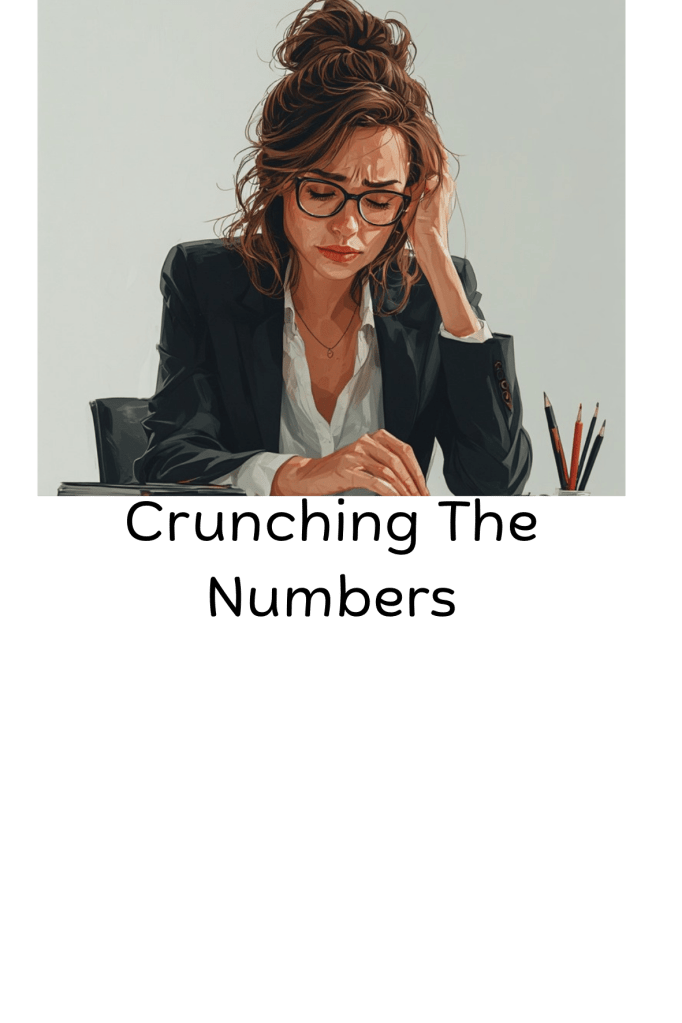
Phase 4: Risk Assessment

You ask yourself critical executive-level questions such as:

  • Is this worth tomorrow’s consequences?
  • Will Future Me be furious?
  • Am I about to ruin Thursday by attempting Tuesday?

Phase 5: Executive Override

Despite all data suggesting this is a terrible idea, you go anyway because you are a human being who would like to participate in your own life occasionally.

Bold. Visionary. Reckless.

Deliverables

Upon completion of this task, you will receive:

  • Extreme fatigue
  • A flare
  • Zero financial compensation
  • And the overwhelming sense that you just completed something equivalent to summiting Everest, but everyone else calls it “running an errand”

Performance Review

You will be evaluated by:

  • Your nervous system
  • Your immune system
  • Your guilt
  • And society, which will say, “But you don’t look sick.”

Mission Statement of Existing, Inc.:

Uncategorized

Why Spoonies Are the Best Problem-Solvers (It’s Science)

Let’s talk about something we never get enough credit for: people with chronic illness are problem-solving ninjas.

And no, that’s not just me trying to make our daily struggle sound poetic — there’s actual science behind it.

While healthy folks go about their stable little lives with their cooperative bodies and reliable energy, we’re over here MacGyvering our way through every single day.

That constant adapting? It’s not just survival — it’s skill-building. Real, measurable, brain-changing skill-building.


🧠 The Science-y Bit

Research shows that adversity can actually boost creativity — making people more original, flexible, and engaged problem-solvers.

In plain English: hard stuff makes your brain weirdly good at solving other hard stuff.

So when you live with chronic illness, you’re basically getting a crash course in creative adaptation 24/7.

We’re not just surviving. We’re literally rewiring our brains to find new ways to function every single day.


💡 Spoonie Skill Set: Why We’d Crush Any Escape Room

1. Creative Constraint Management

Limited energy? Unpredictable symptoms? Welcome to our daily innovation lab.
Chronic illness is a masterclass in working under ridiculous constraints — and somehow making it work anyway.

2. Advanced Risk Assessment

Every activity is a cost-benefit analysis:
Shower or make dinner? Push through or rest now and avoid a three-day crash later?
That’s executive-level decision-making, my friend.

3. Reframing Like a Pro

Can’t work full-time? That’s not failure — that’s efficiency.
Need to cancel plans? That’s strategic rest.
We’ve had to reframe our entire lives, and that’s actually a top-tier cognitive skill.

4. Pattern Recognition on Steroids

Tracking symptoms, testing triggers, noticing connections? We’re basically data analysts in pajamas.
We notice what works, what doesn’t, and we constantly adapt.


🔁 Creativity + Resilience = Survival Superpower

Studies show creativity and resilience feed off each other — they grow together.

Spoonies don’t just “bounce back.” We reinvent how to exist in a world that wasn’t designed for us.

That kind of mental flexibility? It makes us great at:

  • Staying calm under chaos
  • Pivoting fast when plans fall apart
  • Finding new solutions when old ones fail
  • Surviving on 2 spoons and a half-decent snack

Basically, we’ve got the kind of mental agility CEOs put on résumés.


💼 Real-Life Problem-Solving Nobody Sees

  • Healthcare project management – coordinating meds, specialists, and insurance like a pro.
  • Energy economics – allocating resources like an overworked CFO.
  • Innovation on demand – finding new ways to cook, clean, and live when your body says “nope.”
  • Relationship navigation – balancing guilt, limits, and connection with Jedi-level emotional intelligence.

We do this every single day — quietly, constantly, expertly.


💬 Why It Matters

This isn’t toxic positivity. Chronic illness still sucks.
But recognizing the skills we’ve built? That’s validation, not sugarcoating.

✨ It crushes the “lazy” stereotype — our brains are working overtime.
🧩 It explains our exhaustion — cognitive heavy-lifting is still lifting.
💪 It proves we’re developing skills that translate everywhere — creativity, adaptability, resource management, resilience.


🧃 The Bottom Line

We’re not lazy.
We’re not fragile.
We’re elite-level problem-solvers operating under extreme conditions.

Our lives are one long masterclass in creativity, strategy, and resilience — and science says that makes us exceptional thinkers.

So the next time someone implies you’re “just resting,” remember: you’re actually performing high-level cognitive gymnastics 24/7.

Now if you’ll excuse me, I’m off to solve the complex equation of whether cereal counts as dinner.
(Spoiler alert: it does. That’s called strategic resource allocation.) Til next time gang, take care of yourselves, and each other.